





A new collaborative project between the museum institution and companies in the design sector is presented at the National Gallery of Modern and Contemporary Art in Rome, articulated on several levels and intended to affect both the layout of the rooms and the communication and distribution strategies of the collection. The initiative, supported by technical sponsorships and industrial partnerships, is part of a process of revision of the museum’s exhibition identity and introduces a structured dialogue between artworks and contemporary design objects.
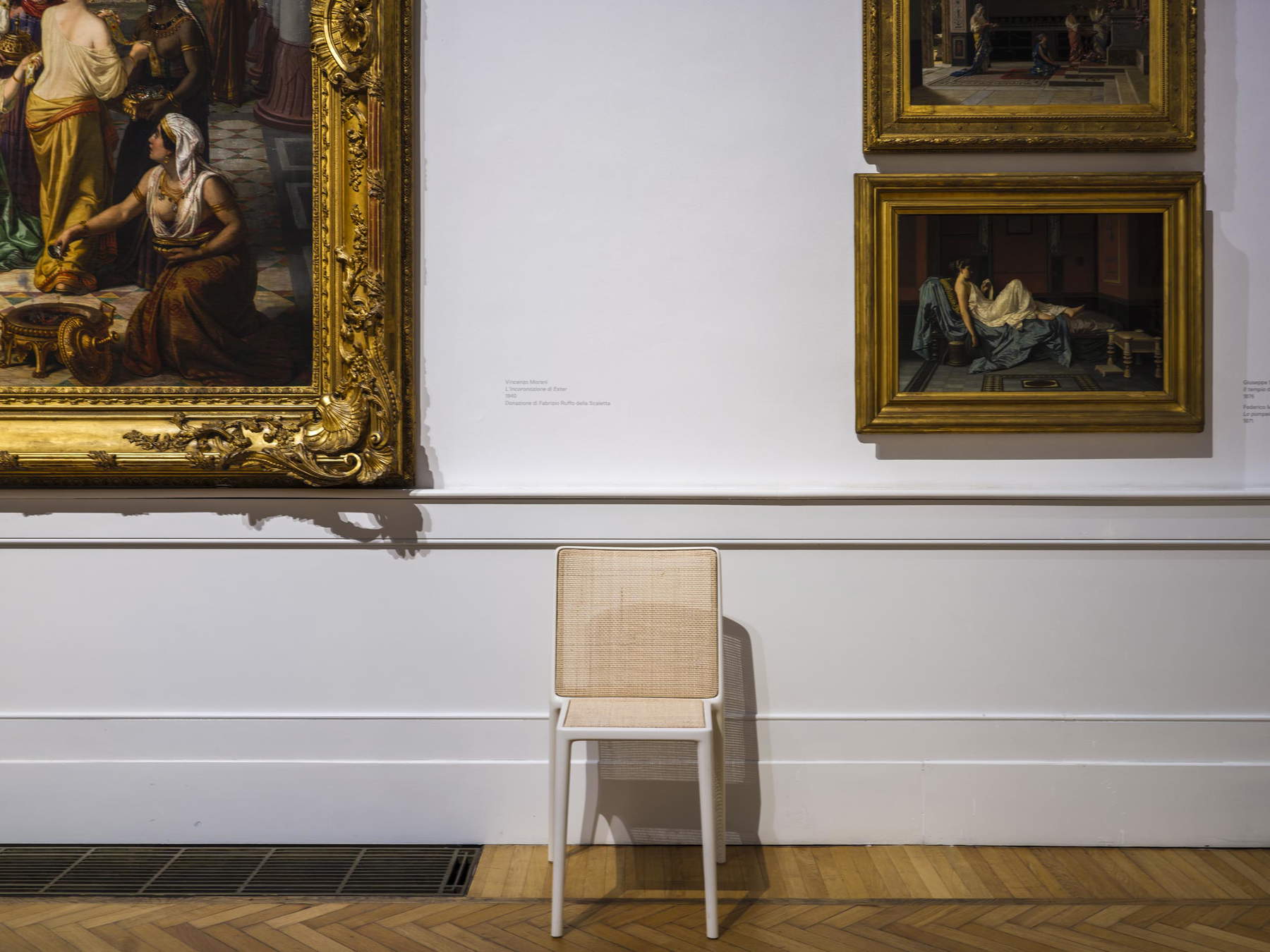
The overall approach is based on the idea of recognizing design as having an autonomous role in contemporary creativity, not limited to a supporting function but integrated into the exhibition device. The museum rooms are gradually transformed through the inclusion of furniture and objects designed by companies and designers, with the aim of changing the perception of the environments and encouraging a fruition that includes the dimension of living.
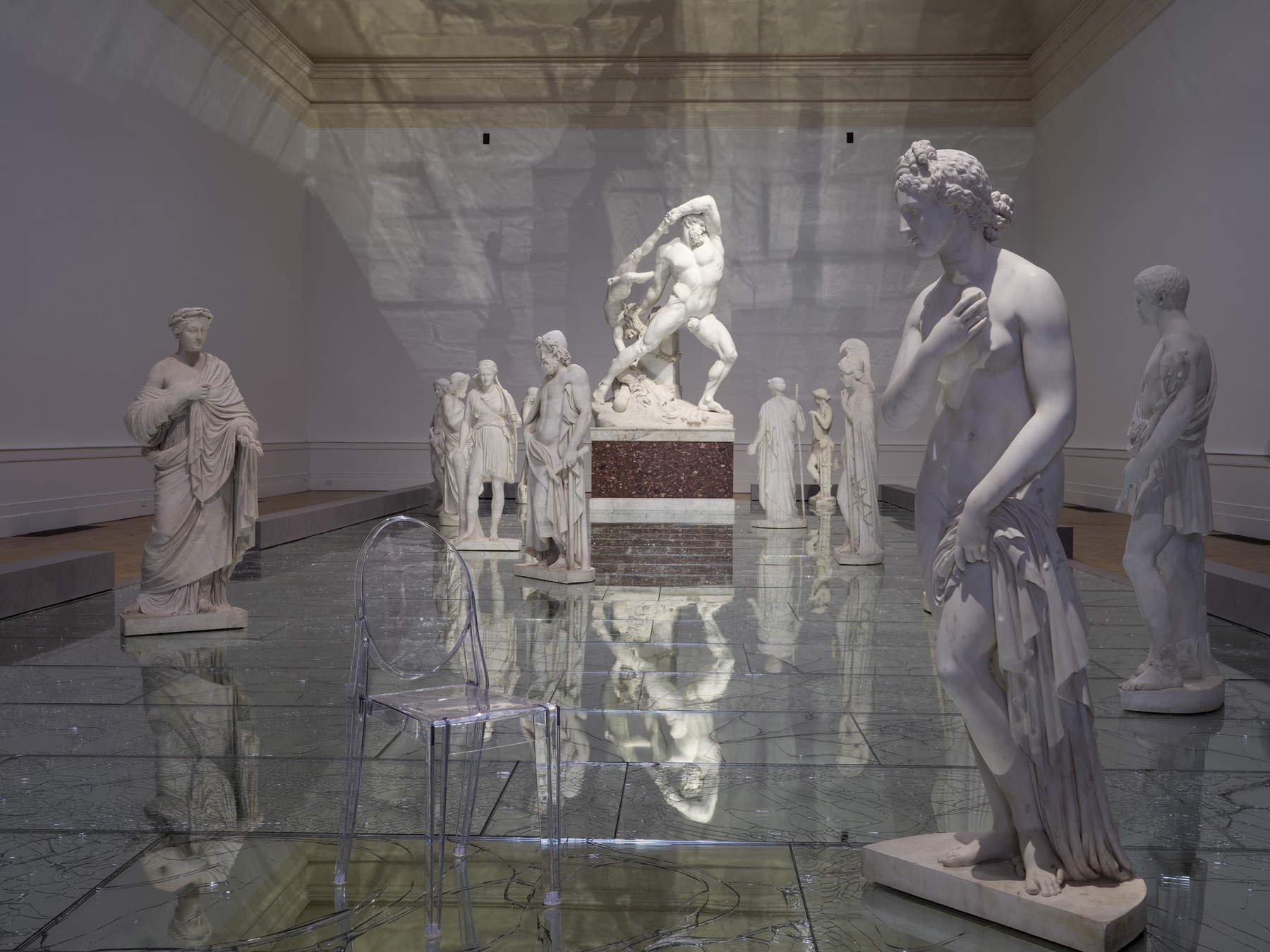
The new exhibition layout, still under completion, proposes an interpretation of Italian design as a complex cultural phenomenon, connected to the processes of globalization, economic competition and technological development. In this perspective, design is presented as a practice that elaborates a design culture capable of mediating between artistic and technical components, delegating material production to structured and widespread industrial processes. The intervention in the rooms introduces objects that flank the artworks and modify the relationship between space, viewer and collection.
Parallel to the installation, the museum’s management has initiated a collaboration with design companies to create a merchandising line conceived as an extension of the curatorial work. The project involves the reinterpretation of works from the collection through post-production logic, with the aim of transforming them into objects intended for commercial circulation and everyday enjoyment. The operation is part of a cultural branding strategy that aims to redefine the role of the bookshop, conceived as a continuation of the exhibition space and not as its separate appendage.
Within this framework, an expression of interest has been published for companies and professionals in the design sector to design GNAMC-branded products. The stated intent is to expand the relationship between the collection and the public through objects that can act as cultural mediators and tools for the dissemination of artistic poetics.
The first outcomes of the project, developed in collaboration with ADI, include a series of already defined products. These include a line of tableware made by Guzzini, linked to GNAMC’s new visual identity designed by Lorenzo Marini, a lamp called Emilio produced by Slamp that translates Emilio Isgrò ’s erasure into a luminous object, and designer Wang Yi’s Ipporia project, made with Zhong Art International Foundation, dedicated to the sign of the Horse, associated with 2026 in the Chinese calendar.
With these first realizations, GNAMC announces its presence at the Salone del Mobile 2026, scheduled for April 21-26, within the Ministry of Culture pavilion. The participation is part of the Made in MiC project, aimed at the enhancement and promotion of Made in Italy through the declination of its historical, creative and economic values in the museum and production sphere.
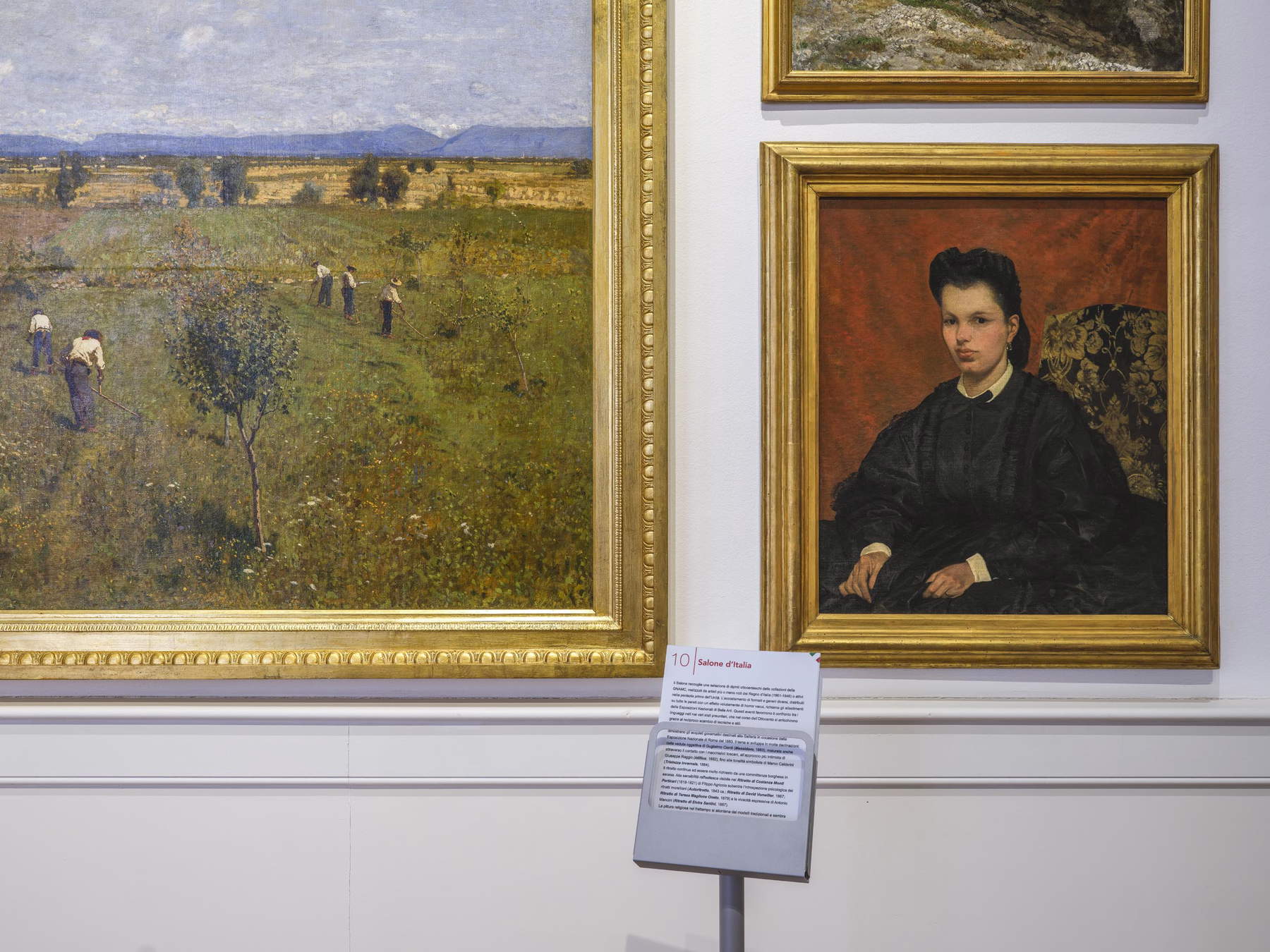
The overall project also involves numerous companies that participated as technical sponsors in the new layout of the museum spaces, from the exhibition halls to the reception areas. The intervention involves a series of environments in which furniture and devices functional to the enjoyment of the works and the communication of information to the public have been included.
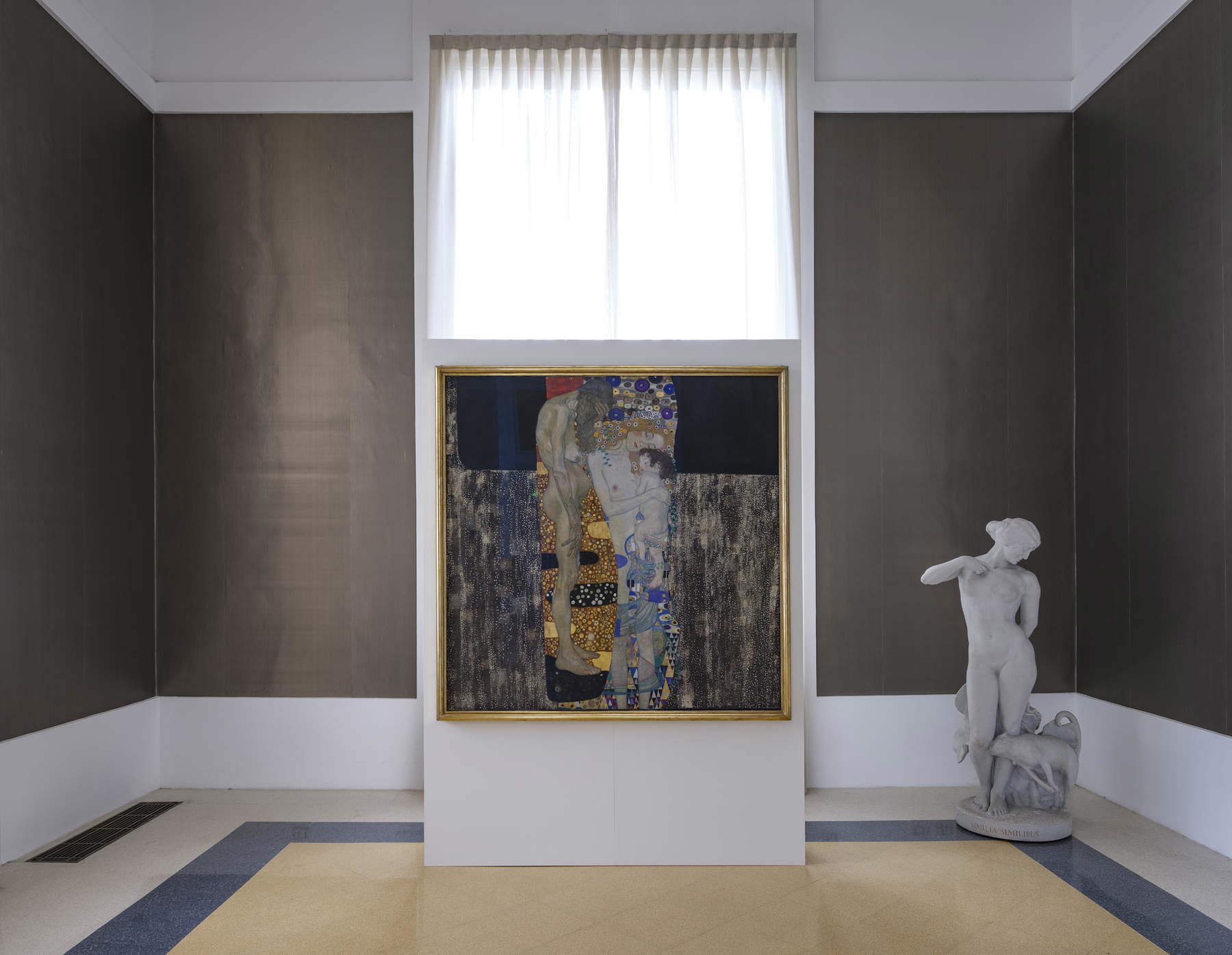
Collaborations include AgapeCasa with the re-edition of Angelo Mangiarotti’s Clizia chair, included in the Capogrossi Cardazzo Room, along with the brand’s re-edition work on the designer’s historical projects. For Armani/Casa, the Klimt Room has been redefined through textile upholstery and curtains, with materials such as silk and metallic yarns for Plain wallpaper from the Precious Fibers 2 collection and Canterbury fabric.
The exhibition halls also integrate information devices provided by Caimi Brevetti, with totem systems dedicated to the works’ cards. The Central Courtyard houses Jasper Morrison ’s Thinking Man’s Chair by Jasper Morrison for Cappellini, while Sala Sironi hosts Gerrit Thomas Rietveld ’s Zig Zag chair in Cassina ’siMaestri reissue.
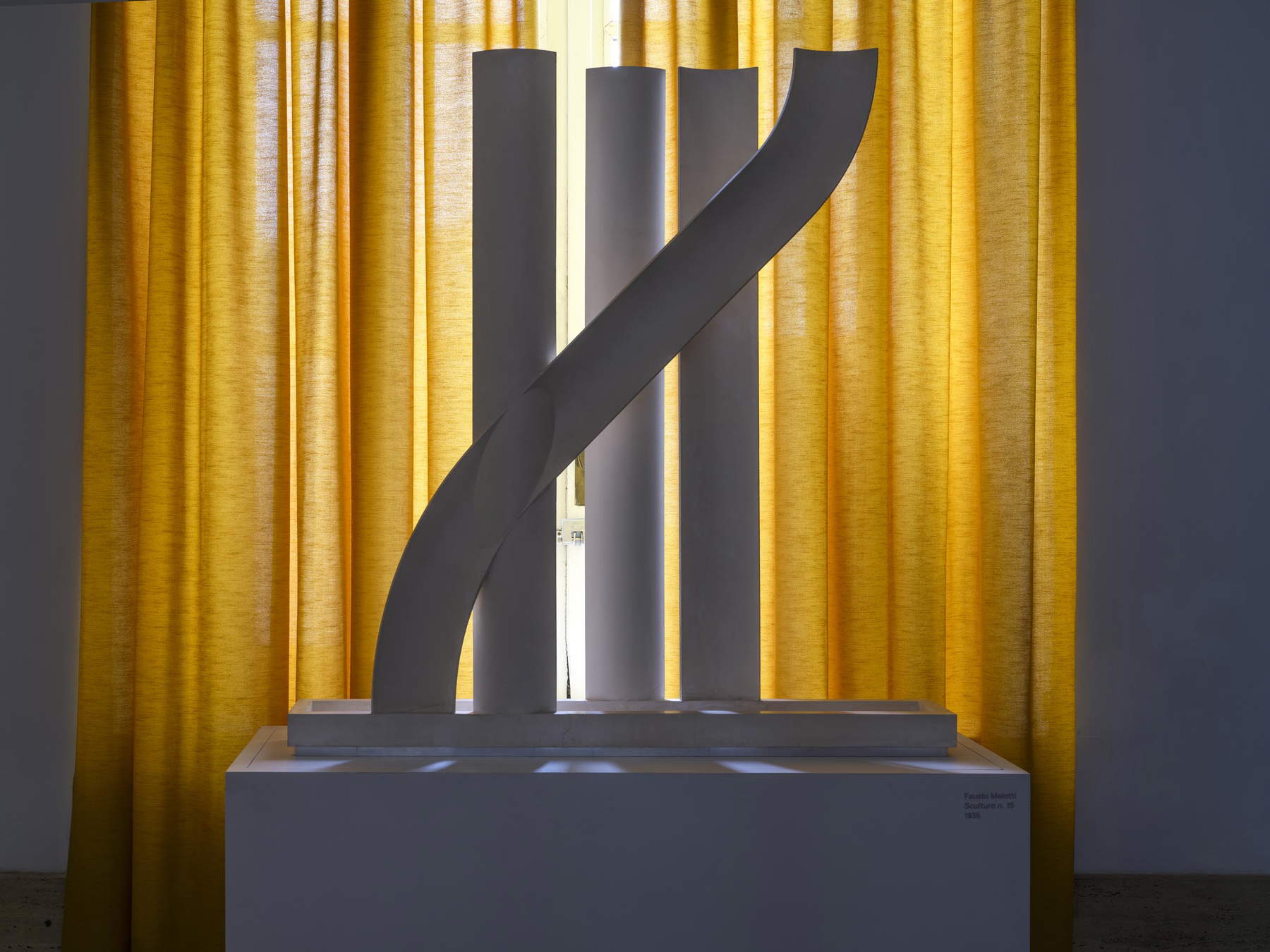
The Burri Room features Gio Ponti ’s 699 Superleggera for Cassina iMaestri, while the De Chirico Room houses the Göteborg chair designed by Erik Gunnar Asplund. The Calder Room hosts Philippe Cramer’s Aeternus Eternus II chair, which works on sculptural forms in black Zimbabwe granite.
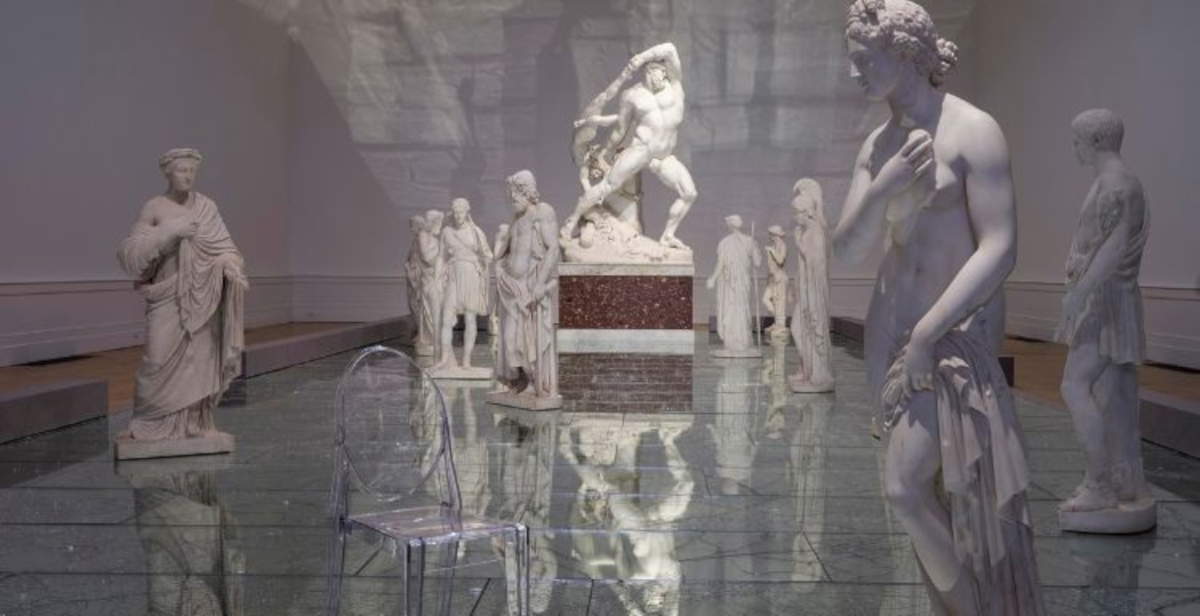
The Guttuso Room and the Brandi Rubiu Room include the Bangkok ottoman from the Flexform Design Center. Davide Groppi’s INFINITO lamp is installed in the museum’s bookshop, while the Sala dell’Ercole houses the Victoria Ghostdi Kartell chair and the Sala Balzico the Belvedere chair designed by Ludovica Serafini and Roberto Palomba for the same brand.
Further interventions concern Sala Morandi, with the D.151.4 armchair byMolteni&C linked to Gio Ponti, and Sala Fontana with the SKiN armchair by Jean Nouvel for the same manufacturer. The Michetti Room hosts the Glenn bench by Poltrona Frau designed by Roberto Lazzeroni, while the Twombly Room hosts the Groove bench by Piero Lissoni for Porro.
The Dorazio Room includes the Origata bench by Nao Tamura for Porro, while the Mondrian Room features Rubelli fabrics. The refreshment area hosts Slamp’s Poppy light installation designed by Marc Sadler, while the Arte Povera Room accommodates Zanotta ’s Fenis chair designed by Carlo Mollino.
“The presence of the MiC in a leading context for Italian design represents an important innovation for museum practices, which extend their scope of activity by directly involving corporate realities in original and fruitful collaborations,” says Alfonsina Russo, Department Head of DiVA - MiC. “Museums become a vehicle for knowledge of their collections and masterpieces while promoting design culture through projects with creative companies operating in different production sectors.”
“In a multidisciplinary vision, the creative dimension of design can contribute to enrich the image of the Gallery, improve its usability and spread its icons, establishing a virtuous collaboration with the leading companies of made-in-Italy,” argues Renata Cristina Mazzantini, Director GNAMC.
“ADI - Association for Industrial Design is pleased to collaborate with GNAMC for the creation of design-oriented products in this important museum dedicated to Modena and Contemporary art,” says Andrea Cancellato, Director ADI Design Museum - Compasso d’Oro. “The relationship between art and design is now part of Italy’s cultural history, and Italian creativity can write new pages of value precisely when it puts itself at the service of a strong, high-quality project.”
 |
| Design enters the GNAMC in Rome: a new display of artworks and contemporary design objects |

Warning: the translation into English of the original Italian article was created using automatic tools. We undertake to review all articles, but we do not guarantee the total absence of inaccuracies in the translation due to the program. You can find the original by clicking on the ITA button. If you find any mistake,please contact us.

























 IT
IT FR
FR DE
DE ES
ES CN
CN


