




by Redazione 03/12/2025



Categories: News / Disclaimer
NRP-funded interventions for the rehabilitation and accessibility of the Mausoleum of Lucius Munazio Planco (Gaeta) spark protests from the Democratic Party and the local community. The works, which include concrete ramps and plazas, are accused of defacing the site and violating landscape prescriptions. The case also reaches Parliament.

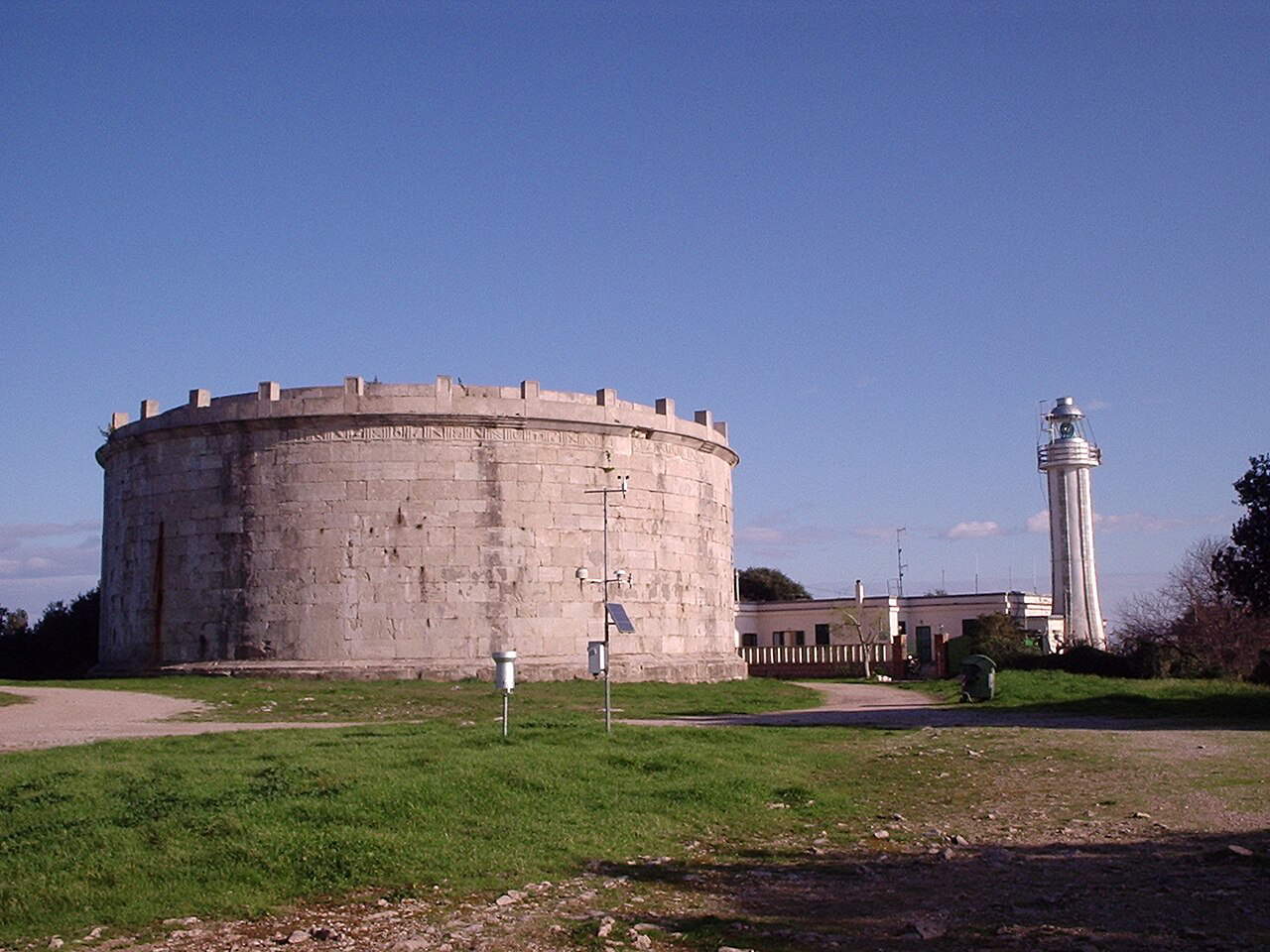
A tense situation in Gaeta around the Mausoleum of Lucius Munazio Planco, one of the best-preserved Roman monuments in Latium and a symbol of the city: this is because of ongoing redevelopment and access adjustment works. Located on the summit of Mount Orlando, within the Riviera di Ulisse Regional Park and Natura 2000 Network, the Mausoleum is a cultural and landscape asset subject to strict preservation and integral protection obligations, as required by the Cultural Heritage and Landscape Code. The interventions, promoted by the Superintendence of Archaeology, Fine Arts and Landscape for the provinces of Frosinone and Latina and financed with PNRR funds, are part of the “Caput Mundi Program” and aim to improve the usability and conservation of the site. The project, approved by executive determination of the City of Gaeta in April 2024, originally included conservative restoration, lighting interventions to enhance the antiquarium and the Mausoleum, exterior landscaping with accessible paths and a basalt rest area, as well as the planting of native essences and the construction of prefabricated camouflaged toilets.

However, the intervention is causing controversy because of its impact: local associations, as well as the Gaeta Democratic Party and other voices in the community, including city councilors and experts, are denouncing what they say is a “systematic disapplication” of regulations and requirements, which would be defacing the historicity and beauty of the site. The complaints were so bitter that they led, on October 19, 2025, to the sending of a complaint to the Attorney General’s Office, the Carabinieri Command for the Protection of Cultural Heritage, and the Ministry of Culture.


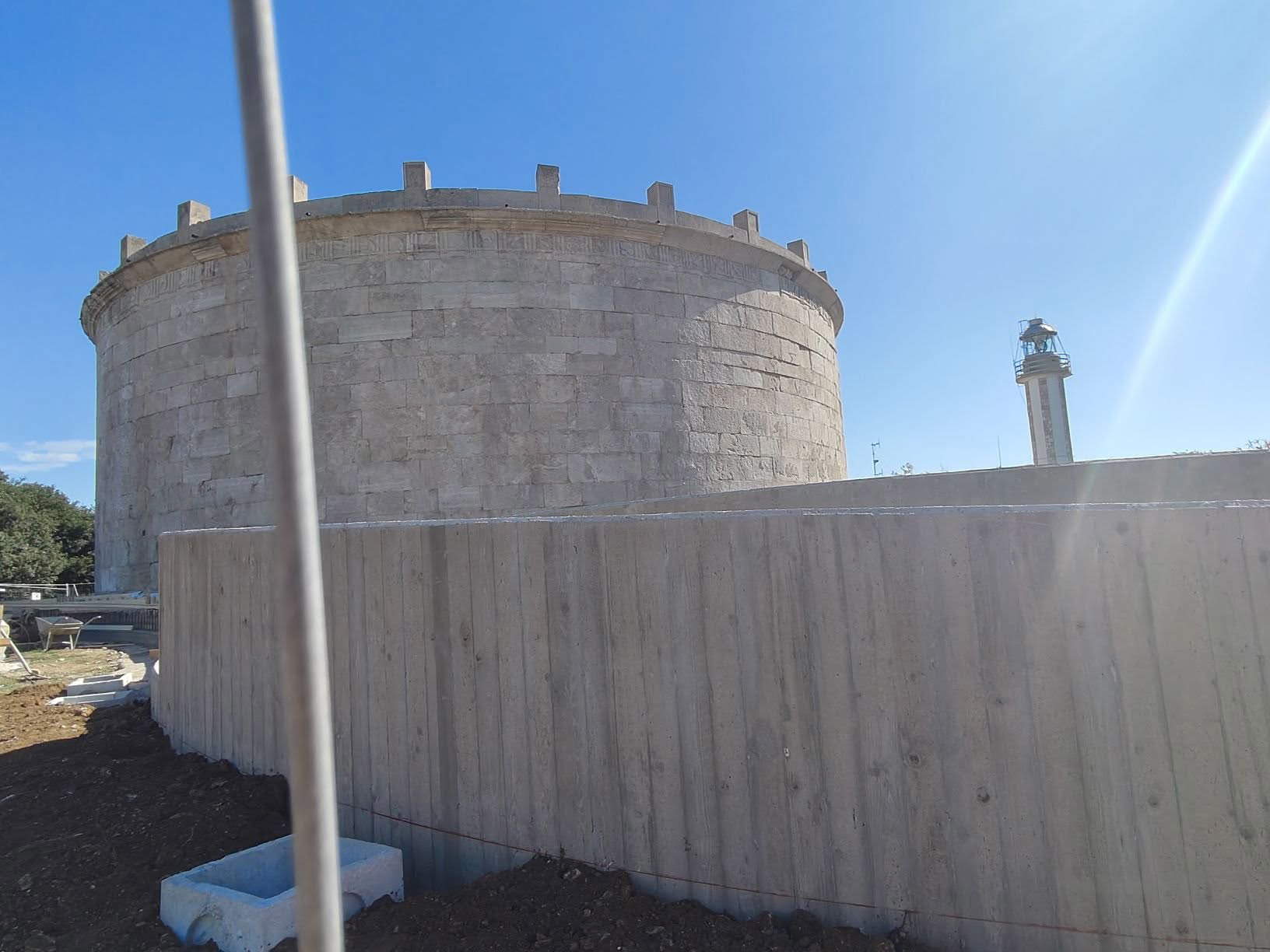
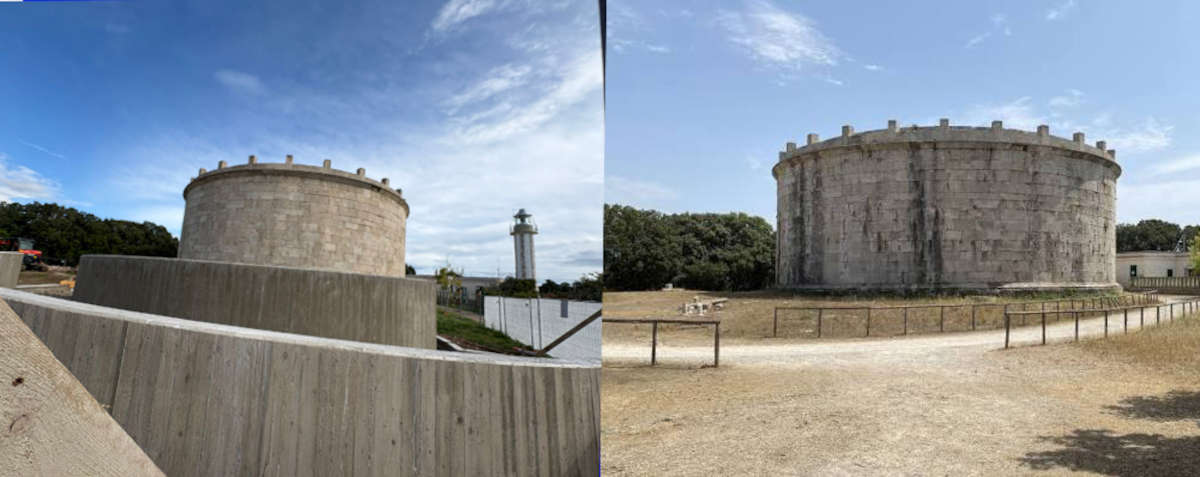
The heart of the controversy concerns the massive use of reinforced concrete in an area under integral constraint. The initial prescriptions imposed reversible interventions, which did not involve excavations or permanent foundations, in full respect of the context. In contrast, the documented images would show, according to critics, the construction of a reinforced concrete structure placed in direct proximity to the Mausoleum’s basement, which would permanently alter the integrity of the monument and the site. The Mica Aurea Association deplored this “distorted application of the principle of accessibility” and urged the demolition of what was built, calling the work a “concrete pour.”
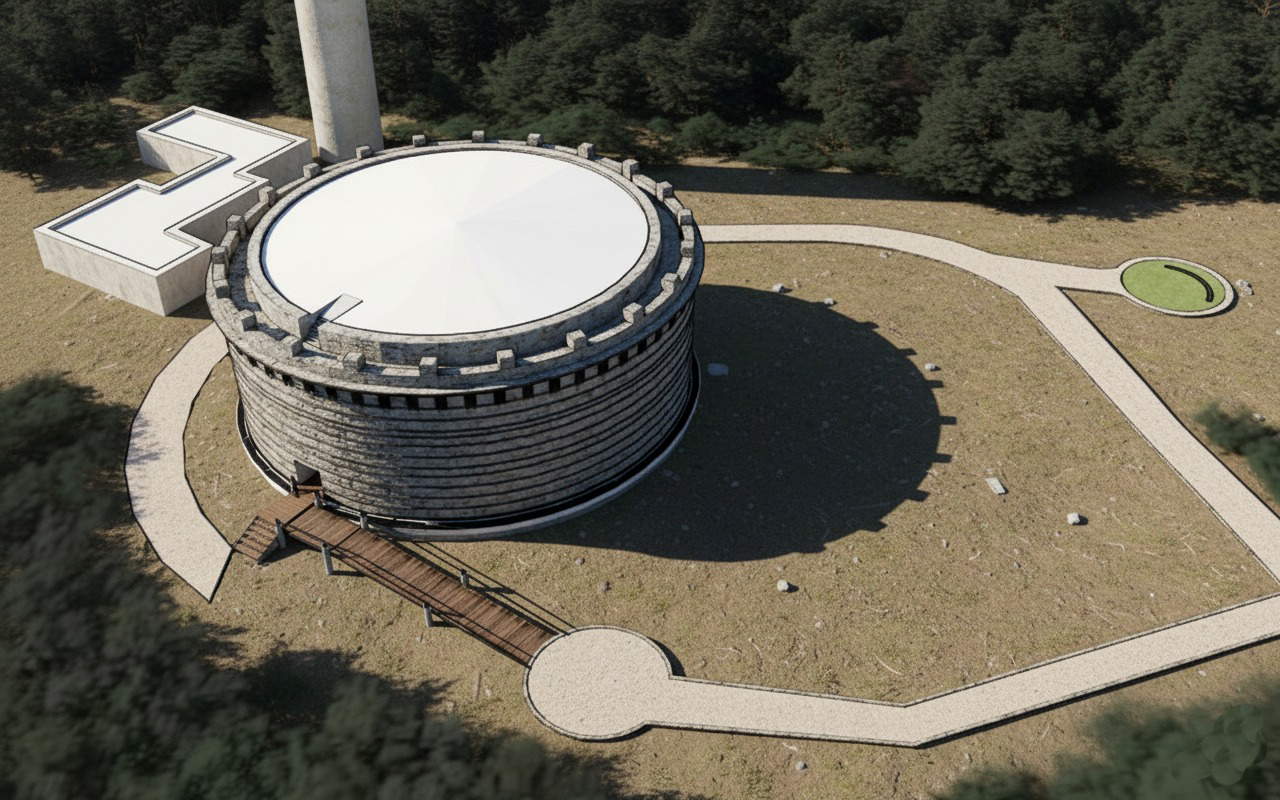
Specifically, several works deemed invasive and incongruent were built, including a long concrete ramp, exceeding twenty meters, around the Mausoleum’s original basement. This basement is not a simple foundation, but one of the three basic architectural orders that define the work (basement, cylindrical body, and crowning). Covering or turning the plinth into a mere retaining wall would erase the architectural reading and historical perception of the work. Also planned is a concrete staircase, adjacent to the entrance, which has also been criticized for its size and modern shape, considered disharmonious with the Roman funerary monument. Also, a lay-by, also referred to as an “amphitheater,” surrounded by concrete walls about two meters high, which occlude the most significant panoramic view of the site. This would also contravene ministerial directives that required the avoidance of any planting in the areas in front to safeguard the vision and “evocative silence” of the monument. Finally, also criticized was the placement of the toilets, consisting of prefabricated blocks covered in stoneware slabs, placed right in front of the Mausoleum, in an area of absolute respect. Critics argue that these elements pose as “self-referential inserts” and could have been located in the lower pedestrian ring, in a less visually and scenically impactful area.
The Democratic Party Circle of Gaeta has called for an immediate and concrete awareness and responsibility from the municipality and the Superintendency, given that the construction site has been closed for several days. The PD, also in light of what happened with the restoration of the Torre dei Conti in Rome, stresses that heritage protection cannot be sacrificed because of haste or incompetence. Alternative solutions have been proposed that critics say would ensure accessibility without compromising the integrity of the site. Such solutions include the use of lightweight and removable steel structures, environmentally friendly flooring, or the installation of a “stair lift” in place of the concrete ramp. Accessibility for visitors with reduced mobility, the stated goal of the project, could have been achieved by less invasive means, as is already the case at other archaeological sites of universal significance such as Pompeii and the Colosseum.
The issue quickly reached the national level, with the submission of several parliamentary questions. The Honorable Filiberto Zaratti (Greens and Left Alliance) submitted an oral question to the Ministers of Culture and Environment on November 17, 2025. Zaratti asked what steps will be taken to verify the full compliance of the works with cultural, landscape, archaeological and environmental protection regulations. In addition, he raised the issue of the failure of the Riviera di Ulisse Park Authority and the Lazio Region to send the relevant opinion to the services conference, failing in their institutional duty. He asked whether a review of the project is planned and what transparency measures will be activated.
The Honorable Matteo Orfini (Democratic Party) submitted a question for written answer to the Minister of Culture on November 11, 2025. Orfini expressed doubts about the compatibility of the concrete works with the provisions of protection and decorum of the listed property. He asked whether it is not necessary to take steps to order the immediate suspension of the works and the opening of a ministerial inspection on the authorization procedures and technical and administrative responsibilities. He also called for the promotion of a revision of the project oriented toward alternative, reversible and lightweight solutions in line with ministerial guidelines for accessibility. Finally, she asked whether the government intends to take sanctioning or remedial measures in the event of a verified violation of regulations.
Finally, Honorable Ilaria Fontana (5 Star Movement) submitted a question for written answer on November 18, 2025. Mr. Fontana questioned the Minister of Culture regarding the administrative and landscape verifications ordered to ascertain the absence of harm to the property and the constrained context. He also asked what alternative solutions with less impact were preliminarily evaluated and what procedures were followed to protect archaeological assets during the excavation and construction phases.
The Gaeta PD strongly reiterates the need to restore the area to its original condition, adopting alternative solutions that respect the initial guidelines, such as a removable steel ramp and eco-friendly paving. The defense of the Mausoleum, a monument that is part of Gaeta’s historical identity, is posed as a duty to be handed down intact to future generations, refusing that historical memory be sacrificed in the name of superficiality or improvisation.
The current debate reflects a constant and delicate challenge in the Italian landscape: balancing the enhancement and need to make archaeological sites accessible, often financed through European funds such as the PNRR, with the fundamental obligation of preservation and protection that prevents permanent and disfiguring interventions in contexts of exceptional historical and landscape value. The Mausoleum of Planco, because of its intact architectural mass and scenic location, has become a symbol of this difficult confrontation between modern standards and the integrity of historical heritage.
|
| Concrete pouring around the Mausoleum of Lucius Munazio Planco in Gaeta: controversy ensues |
Warning: the translation into English of the original Italian article was created using automatic tools. We undertake to review all articles, but we do not guarantee the total absence of inaccuracies in the translation due to the program. You can find the original by clicking on the ITA button. If you find any mistake,please contact us.