





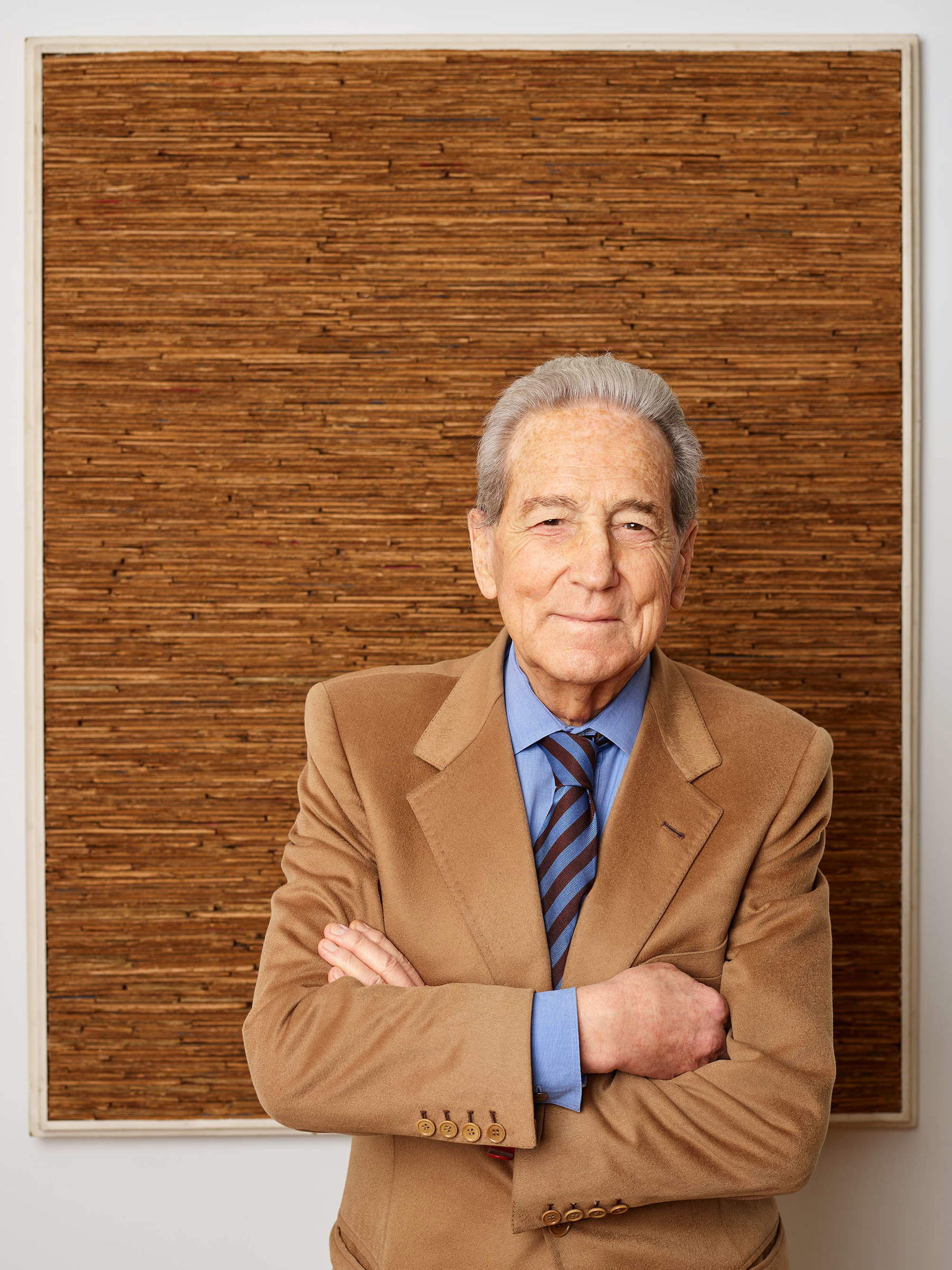
He passed away during the night between Thursday and Friday, at the age of 88, attorney Giancarlo Olgiati, a collector and central figure in the cultural life of the Canton of Ticino, and—together with his wife Danna—the founder of the Giancarlo and Danna Olgiati Collection, which is open to the public and ranks among Switzerland’s most important collections of contemporary art. Raised in a family active in public life, over the course of a long professional and institutional career he combined his legal practice with active participation in the region’s political, cultural, and artistic life, developing particular expertise in art law and the art market. After earning his law degree from the University of Geneva in 1962, Olgiati gained professional experience in the financial, tax, and legal fields, including a stint at Commerzbank in Düsseldorf and a position with the cantonal tax authority. In 1968, he founded a law and notary firm, which would become Studio Olgiati-Ghiringhelli-Sala, where he served as senior partner.
His professional practice focused primarily on tax, corporate, and commercial law, both nationally and internationally. Over the years, from the 1970s through the early 2000s, he represented major international groups as a lawyer and director. His clients included banking institutions such as Crédit Commercial de France and Kredietbank; fashion and industrial companies such as Benetton, Philip Morris, and Audemars Piguet; and publishing and media groups such as Mondadori, Mediaset, and Polyvideo.
He also played an important role in promoting political culture. In 1965, he was the promoter, founder, and editor-in-chief of the magazine *Ragioni Critiche*, to which he dedicated the entire duration of its publication—approximately forty years. From 1985 until the dissolution of the foundation of the same name, he also served as chairman of its board. The magazine promoted a secular and liberal-democratic political culture in Ticino, addressing historical, philosophical, economic, and scientific topics and, in particular, supporting the creation of the Locarno Congresses, which were attended by some of the most important thinkers of the 20th century, including Karl Popper and Paul Feyerabend.
Alongside his legal practice and political activism, Olgiati had developed an increasingly deep interest in art, to the point of making the legal protection of artworks and tax issues related to culture one of his main areas of specialization. For over fifty years, he had served as a consultant in the field of art law and the art market. He had also collaborated with Harald Szeemann, president of the foundation and one of the most important art critics and curators of the 20th century, who was also associated with memorable editions of Documenta in Germany and the Venice Biennale. He had also worked with Marco Müller, one of the leading experts and organizers of film festivals, who would go on to direct events such as those in Locarno, Venice, Rome, and Shanghai. The Montecinemaverità Foundation had also won an Oscar for Best Foreign Language Film for *Terra di Nessuno*.
His relationship with art found one of its most significant institutional expressions in the Museo d’arte della Svizzera italiana (MASI): Olgiati had been a promoter, co-founder, and member of the MASI Foundation Board, as well as president and later honorary president of PRO MUSEO. Above all, however, his passion for art had also led him, together with his wife Danna, to build a significant collection of modern and contemporary art, with a particular focus on Italian art and abstract art. “In building our collection, we had one essential goal: to document the avant-garde movements of our time while constantly referencing historical avant-garde movements to trace their roots,” the two collectors explained. The goal was also “to highlight the greatness of Italian art and integrate it with the rest of the world, to promote it and make it known.”
Olgiati’s interest in art began at a very early age. In the mid-1950s, while still very young, he had become familiar with the German Expressionists through his relationship with a Swiss artist—also an Expressionist—who was a frequent visitor to his home. A few years later, during his stay in Düsseldorf following his university studies, he was able to see the works of the artists he had already met in the great German museums and gain firsthand exposure to the modern and contemporary art scene.
At the Schmeila Gallery in Düsseldorf, he met Yves Klein and Arman, leading figures of the Nouveau Réalisme. Olgiati had collected numerous works by Arman, with whom he would maintain a lifelong friendship. The French artist had stated that he owed a debt to Giacomo Balla for some of his own explorations, including *Allures d’objets* and *Tampons*. His interest in those works had prompted Olgiati to deepen his understanding of Futurism, one of the great avant-garde movements of the twentieth century.
In the mid-1980s, he met Danna—who would later become his wife—in Venice during an international art fair. Danna was the owner of the Fonte d’Abisso gallery, known for its research on historical avant-garde movements, particularly Futurism and Balla. That encounter gave rise to their shared collecting project. Danna played a pivotal role in the early years of the collection, contributing to the acquisition of Futurist, Dadaist, and Russian works, as well as to the creation of a Futurist library that today comprises over 1,250 titles. Many years later, the artists Ilya and Emilia Kabakov would curate an exhibition dedicated to the theme of utopia in the Lugano spaces, which also featured a selection of those works.
Over time, Giancarlo and Danna Olgiati chose to focus a significant portion of the collection on Italian art and art from the region south of the Alps. According to the collectors, this choice allowed them to distinguish their collection from other Swiss collections, which had historically been more oriented toward Paris until the 1960s and subsequently toward New York.
Particular attention had been devoted to post-World War II Italian art, featuring works by leading figures such as Lucio Fontana, Piero Manzoni, Alberto Burri, and Enrico Castellani. A specific section of the collection was dedicated to Arte Povera, represented by significant works by its leading figures.
In the 1990s, the collection’s focus gradually expanded to include European artists destined to achieve international fame, including Anselm Kiefer, Antony Gormley, and Anish Kapoor. Around the turn of the 2000s, Olgiati and his wife had also turned their attention to American neo-abstract and neo-pop artists who were dominating the international scene, such as Christopher Wool, Wade Guyton, Mark Grotjahn, and Danh Vo.
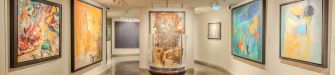
What united these choices, over the course of more than half a century, was a constant interest in abstraction and reflection on the object—a sort of common thread running through a century of art history. In 2012, Giancarlo and Danna Olgiati decided to open a substantial portion of the collection to the public and grant it in usufruct to the city of Lugano. The project was carried out through an agreement between the collectors, the MASI, and its Foundation. Since then, the Giancarlo and Danna Olgiati Collection has continued to plan and organize exhibitions, thanks in part to the support of private sponsors. In 2023, the collection was also selected by producer Michele Buongiorno as one of the two most important private collections of Arte Povera for the film *Arte Povera*.
The passing of Giancarlo Olgiati thus marks the loss of a figure who had been active in various spheres of life in Ticino—from law to politics, from academia to cultural promotion, from cinema to contemporary art— but above all, he leaves behind a collection built up over decades together with his wife Danna, with the ambition of connecting historical avant-garde movements, Italian art, and contemporary international research. A collection that, by the will of its creators, has also become an accessible cultural heritage of the city of Lugano.
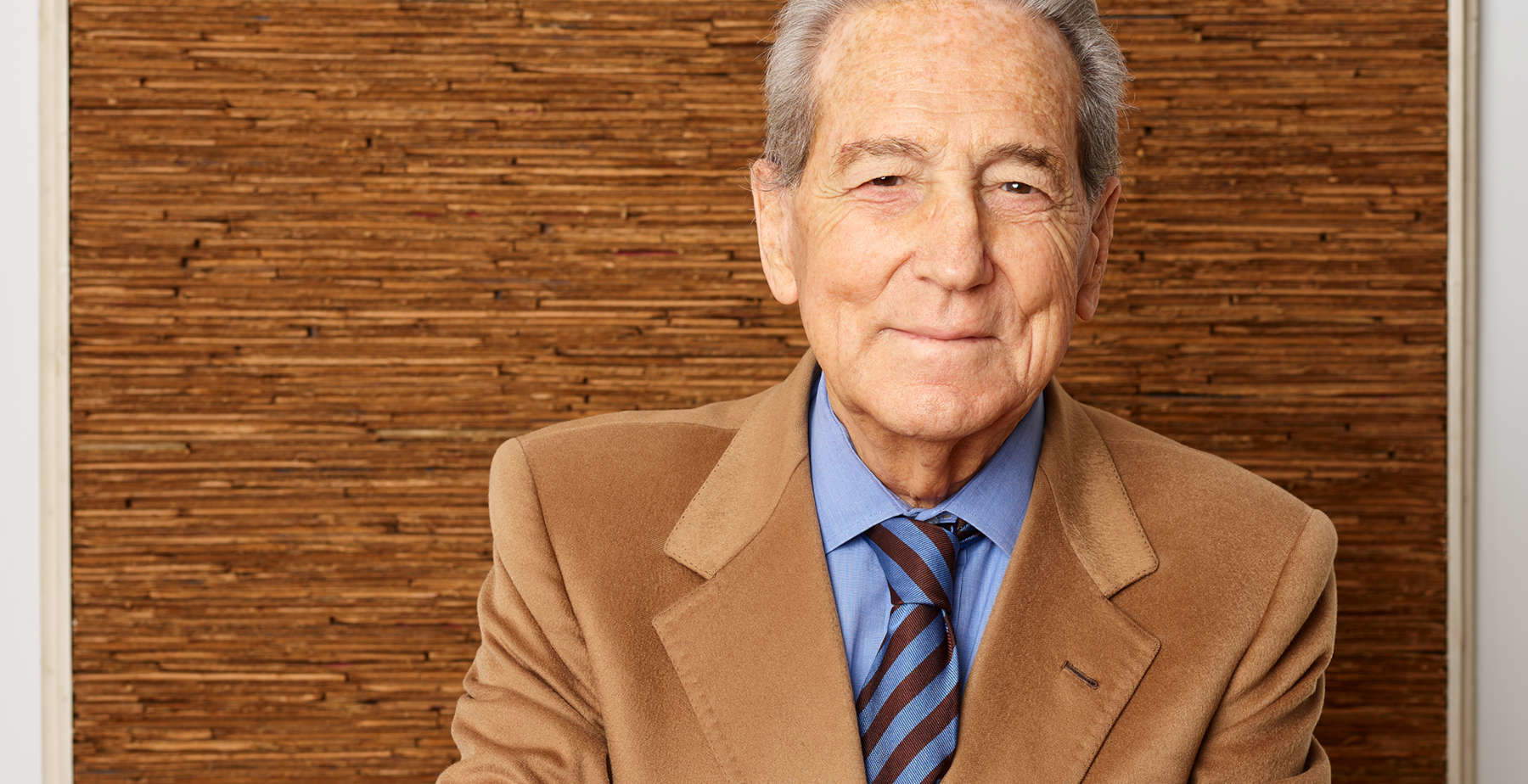 |
| Farewell to Giancarlo Olgiati, one of Switzerland's most prominent art collectors |

Warning: the translation into English of the original Italian article was created using automatic tools. We undertake to review all articles, but we do not guarantee the total absence of inaccuracies in the translation due to the program. You can find the original by clicking on the ITA button. If you find any mistake,please contact us.




















 IT
IT FR
FR DE
DE ES
ES CN
CN


