





Confrontation over the employment future of more than two hundred cultural professionals is ignited as the deadline for the sliding of the ranking list of the competition for art historian officials announced in 2023 by the Ministry of Culture approaches, according to complaints by the Committee of Eligible Art Historians (CISDA). So, 204 people who were found to be eligible are now at risk of seeing their rankings lapse after three years of waiting without being hired, while the administration prepares to announce new competitions.
The affair prompted a reaction from Mi Riconosci?, an association that has been active for years in defending the rights of female and male workers in the cultural sector, which expressed solidarity with the eligible and announced its support for the mobilization. In fact, CISDA has called a garrison for Tuesday, April 28, at 12 p.m. in front of the ministry’s headquarters, with the aim of demanding the total sliding of the ranking list and the hiring of all eligible candidates.
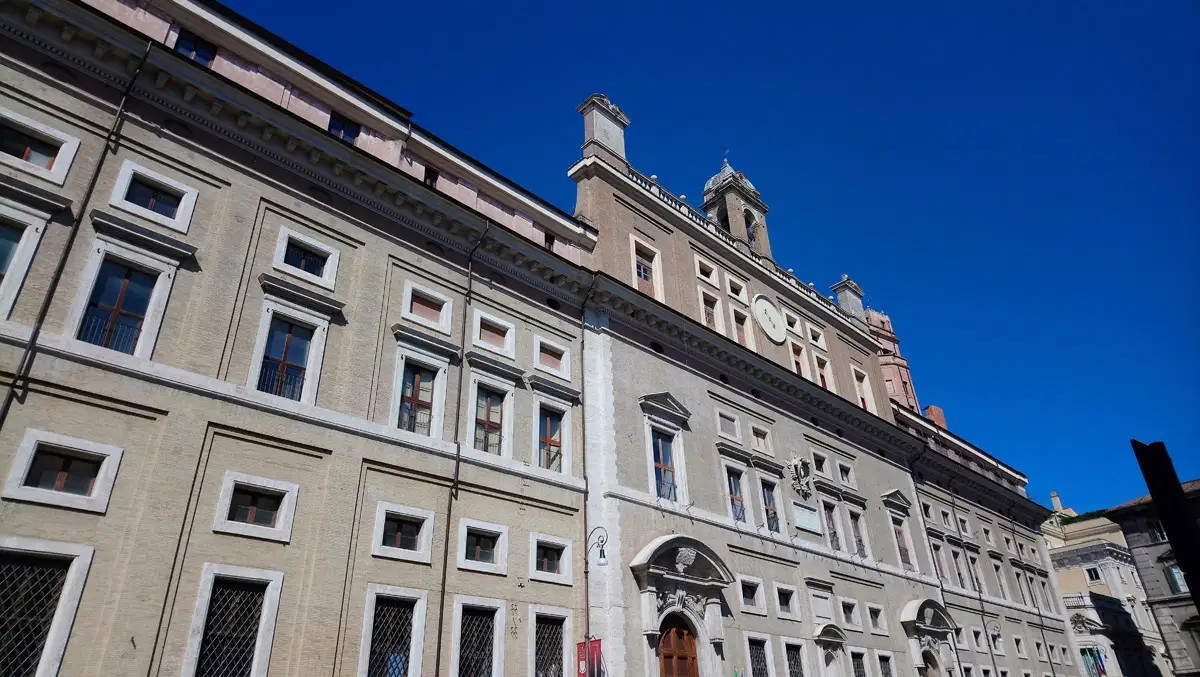
At the center of the protest is a choice considered unprecedented. According to Mi Riconosci? activists, the Ministry of Culture has never in the past let a ranking list with such a large number of eligible candidates lapse. A decision that, they point out, risks setting a relevant precedent for the future of public administration as well, affecting candidates’ confidence in public competitions.
The situation appears even more controversial if one considers that the ranking list for art historian officials would be the only one that has not been fully utilized. Other professional profiles, in fact, would have benefited from the total sliding, leading to the hiring of all eligible candidates. “An unacceptable discrimination,” the activists declare, “also in light of the fact that the Mic has been chronically understaffed for decades, retirements number in the dozens every year, and soon the need for replacement will become pressing. There is no foresight on the part of the administration, only cuts here and now to make ends meet.”
For years, in fact, the MiC has been characterized by a chronic shortage of personnel, with retirements occurring with regularity and a generational turnover that is slow to materialize. In this context, the failure to make use of an already available ranking list is interpreted as a choice lacking strategic vision, which risks further aggravating the administration’s operational difficulties.
The affair is part of a broader picture of critical issues related to work in culture, including precariousness, staff shortages and difficulties in stable access to the professions. In this scenario, the fate of the ranking of art historians becomes an emblematic case, destined to raise questions not only about the functioning of public competitions, but also about the development prospects of the Italian cultural system.
|
| MiC, art historians' rankings at risk: protest by eligible applicants |

Warning: the translation into English of the original Italian article was created using automatic tools. We undertake to review all articles, but we do not guarantee the total absence of inaccuracies in the translation due to the program. You can find the original by clicking on the ITA button. If you find any mistake,please contact us.



























 IT
IT FR
FR DE
DE ES
ES CN
CN


