




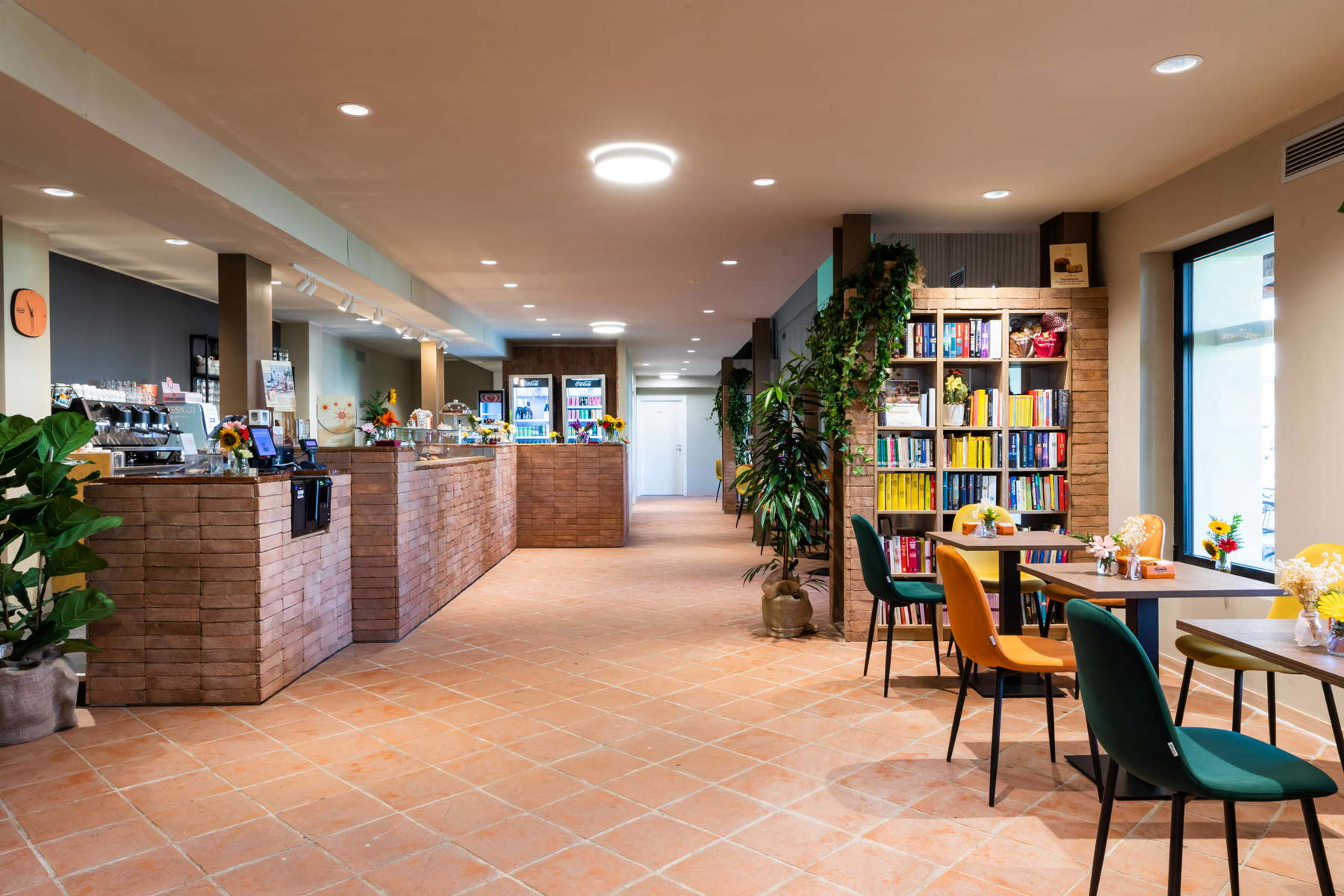
A book left on a shelf for someone else to pick up, a reading, a presentation, a play, a musical evening. These gestures may seem far removed from the history of a medieval abbey, but it is precisely through activities of this kind thatthe Abbey of Mirasole, on the outskirts of Milan, is now seeking to redefine its relationship with the local community. Ten years after the launch of the project that brought its spaces back to the heart of community life, the complex is opening a Literary Café and a Community Center, while a total of 7 million euros in funding is paving the way for a new phase of renovations across the entire site.
The Literary Café was inaugurated on September 25, 2026, and was created as a space dedicated to reading, socializing, and fellowship. Its opening is accompanied by a book-crossing event open to everyone: anyone who wishes may leave a book they have read and loved so that it can be found by a new reader, or choose one from the shelves and take it home. The idea is simple, yet it helps define the role the new space aims to play: not merely a venue housed within a historic building, but a space for passing through and building connections. The program includes readings, book presentations with authors, and poetry contests, along with musical evenings, workshops, and theatrical initiatives. Among these are events organized by Opera Liquida, a theater company based at the Milano Opera Correctional Facility, which also involves inmates in various aspects of production—from acting to set design, costumes, and technical support. The program also includes food tastings, culinary events, and recreational and cultural activities for families. Admission to the Literary Café is free and open to the public; no reservation is required. The project was carried out as part of Fondazione Cariplo’s “Battiti di Abbazia” initiative, with support from Fondazione Nazionale Comunicazioni, Art Bonus, and PNRR/NextGenerationEU funds.
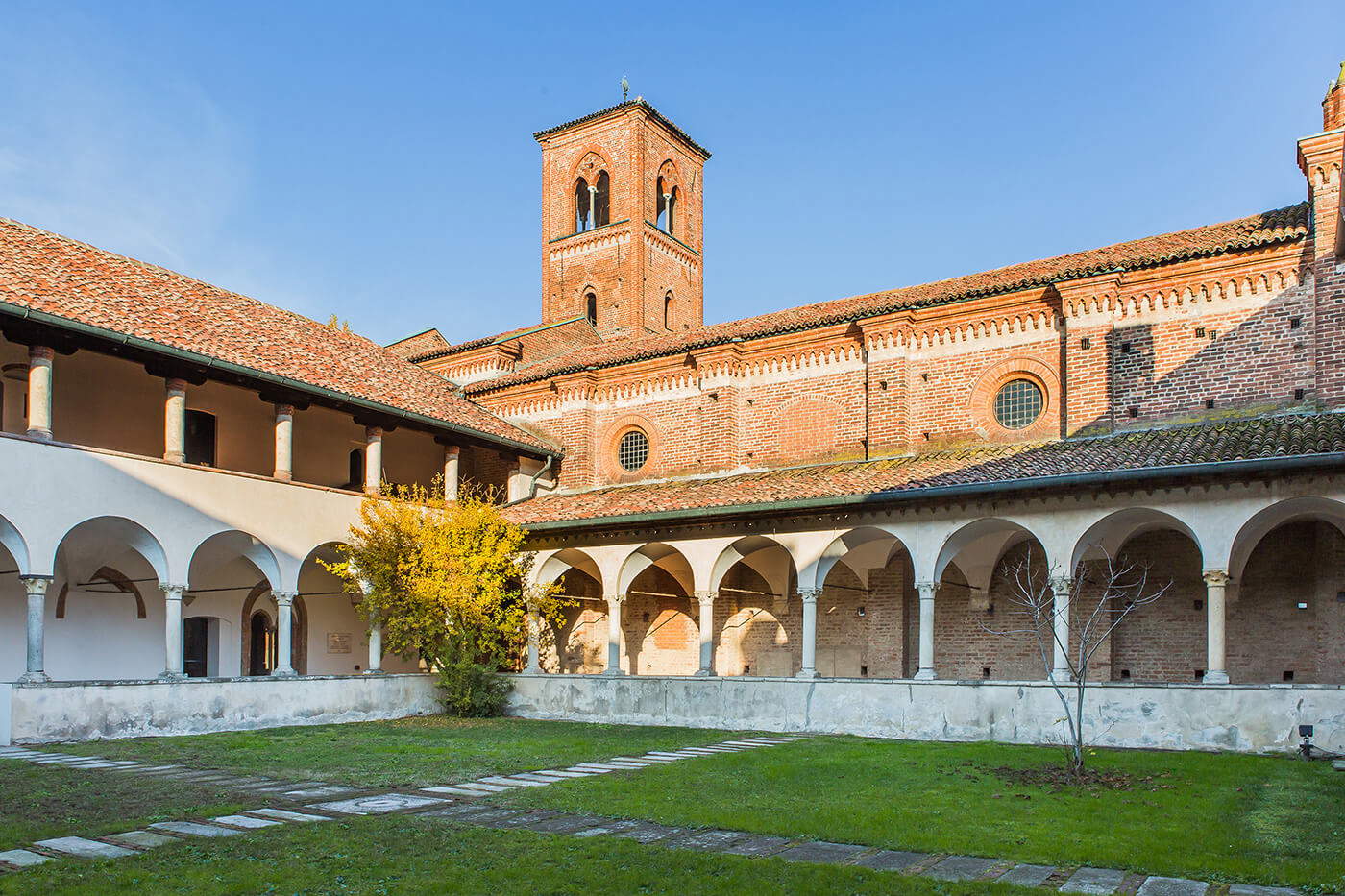
The inauguration comes ten years after the launch of a project that had identified the reopening of the Abbey to the community as one of its main objectives. In 2016, following a public call for proposals, the Fondazione Patrimonio Ca’ Granda granted a concession for the complex to the Fondazione Progetto Mirasole Impresa Sociale and the Fondazione Progetto Arca. Since then, the revitalization of the site has been built around a combination of heritage preservation, cultural activities, social services, and employment integration.
The history of the abbey, after all, has been linked to that of Ca’ Granda for over two centuries. Since 1797, Mirasole has belonged to the patrimony of the historic Ospedale Maggiore of Milan, now the Fondazione IRCCS Ca’ Granda Ospedale Maggiore Policlinico. This narrative is part of the broader history of the assets accumulated over the centuries by the hospital through donations from popes, nobles, entrepreneurs, and citizens: farmland, farmhouses, churches, and other properties that contributed to the hospital’s sustenance and its charitable activities. The Ca’ Granda Heritage Foundation is now responsible for the preservation and enhancement of this heritage, with the goal of supporting the Policlinico. This mission is encapsulated in the motto that was once engraved on the clock of the Ospedale Maggiore: “Take care of what has been given to you.” For Mirasole, this history translates today into the search for a contemporary purpose for a complex that has undergone centuries of transformations, neglect, and repurposing. “When we first entered Abbazia 10 years ago, our mission was clear: to breathe new life into this place by restoring its spaces, opening it up to the community, and returning it to the community,” says Luca Capelli, president of the Fondazione Progetto Mirasole. According to Capelli, the regeneration of the complex has been built up gradually, through the involvement of various stakeholders.
Along with the Literary Café, the House of Associations was also inaugurated—a permanent space dedicated to third-sector organizations that have frequented and enlivened Mirasole over the years. The goal is to offer a place to work, meet, and develop new projects, thereby reinforcing the abbey’s role as a shared space. The Caffè Letterario’s first program takes shape during the opening days, from September 25 to 27, with three days of free events dedicated to theater, music, history, art, and astronomy.
However, this new opening is part of a broader project intended to transform the complex’s spaces and access points in the coming years. A 7-million-euro grant, resulting from a collaboration between the Ministry of Culture, the Lombardy Region, and the Municipality of Opera, is funding the renovations that will lead to the creation of what is known as “Borgo Mirasole”. The goal is to renovate the entire area to improve its accessibility and functionality while, at the same time, enhancing its historical and architectural heritage. The improvements also address roadways and parking and must be carried out in harmony with the surroundings of the South Milan Agricultural Park.
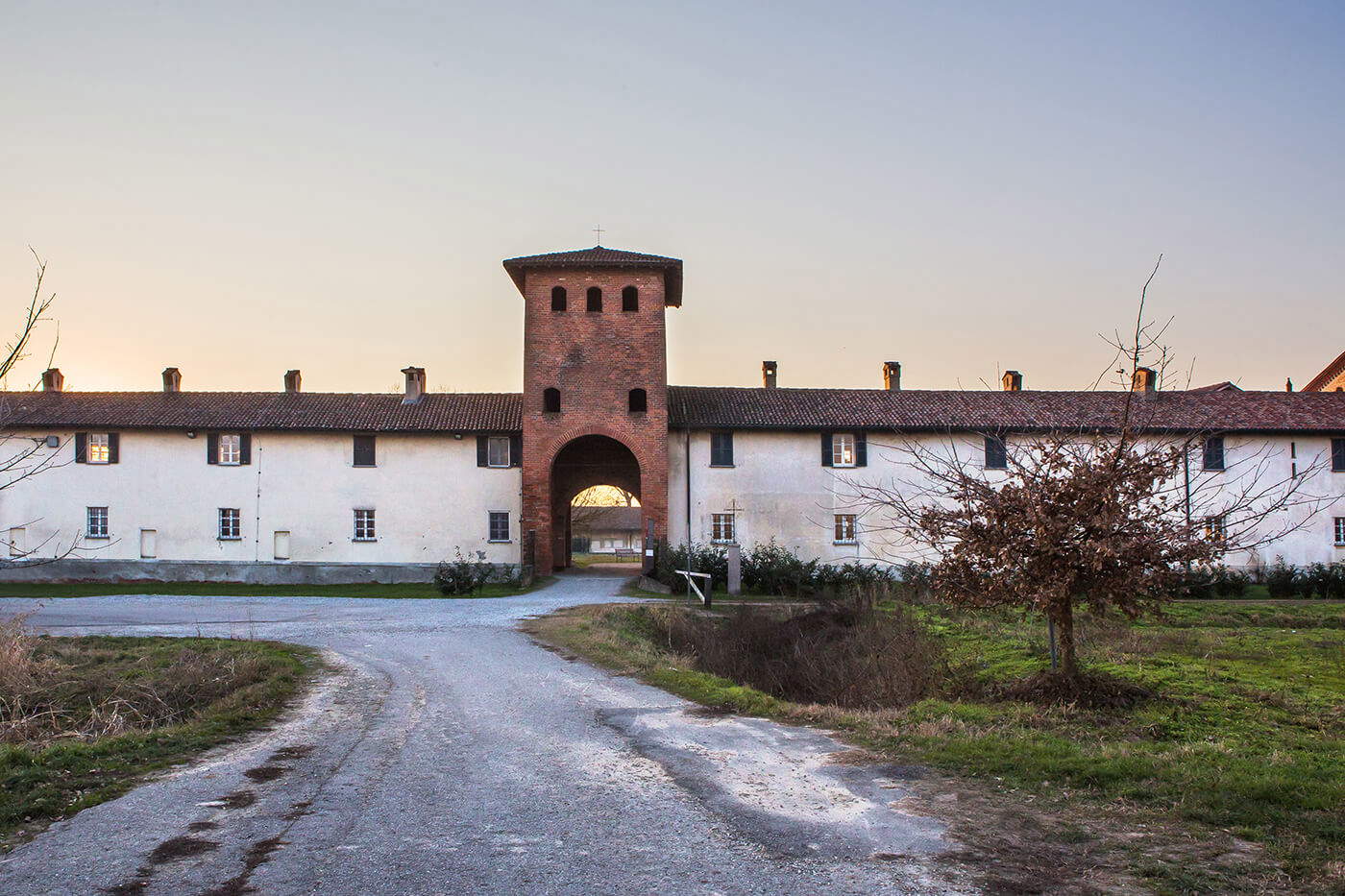
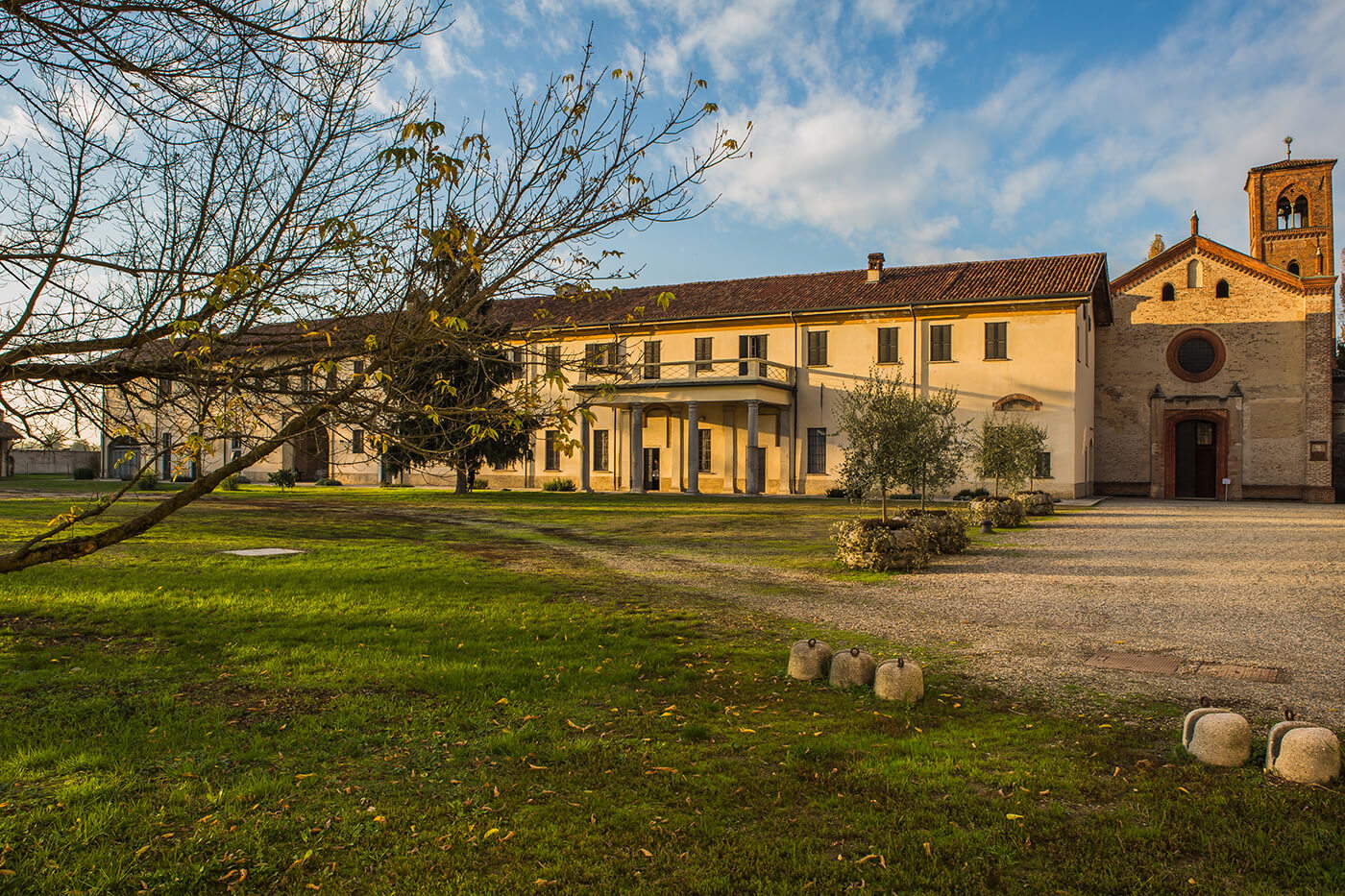
Of the total funding, 2 million euros have been allocated by the Ministry of Culture for the restoration of the abbey and improvements to the access roads. The Municipality of Opera is contributing an additional 1.4 million euros for public works, including a new bike path and the widening of the consortium road. The Lombardy Region, meanwhile, is providing 3.5 million euros for the restoration of the former Mirasole Restaurant, which is set to house a new therapeutic community run by UONPIA, in collaboration with the IRCCS Ca’ Granda Ospedale Maggiore Policlinico Foundation.
The project thus expands the social role the abbey has already assumed over the past ten years. As a social enterprise, the Fondazione Progetto Mirasole focuses part of its activities on social and occupational inclusion, with particular attention to vulnerable individuals. Its activities include training, production, cultural initiatives, food service, and hospitality, with the goal of creating job opportunities and supporting pathways toward self-sufficiency. In 2025, Progetto Mirasole employed 97 people, 71 percent of whom were in vulnerable situations, including refugees, former inmates, and the unemployed.
The new phase of the Mirasole Abbey thus unfolds simultaneously through the books on the shelves of the Caffè Letterario, the performances in the courtyard, the spaces made available to associations, and the renovations to the buildings and infrastructure. The preservation of the historic complex is thus accompanied by the search for functions that can bring it back to life through a combination of culture, social interaction, work, and hospitality.
Ten years after the management project began, the goal is not merely to keep a monument alive, but to make the abbey a place where the community can once again find a sense of belonging and build new activities. It is this transition—rather than the mere renovation of the buildings—that defines Mirasole’s new phase.
|
| Milan: A Literary Café and a Community Center Open at the Mirasole Abbey |

Warning: the translation into English of the original Italian article was created using automatic tools. We undertake to review all articles, but we do not guarantee the total absence of inaccuracies in the translation due to the program. You can find the original by clicking on the ITA button. If you find any mistake,please contact us.


















 IT
IT FR
FR DE
DE ES
ES CN
CN


