



by Redazione 24/05/2026



Categories: News / Disclaimer
ICOM Italy sent a lengthy press note regarding the proposed expansion of the Borghese Gallery, thus intervening in the debate and expressing some thoughts.

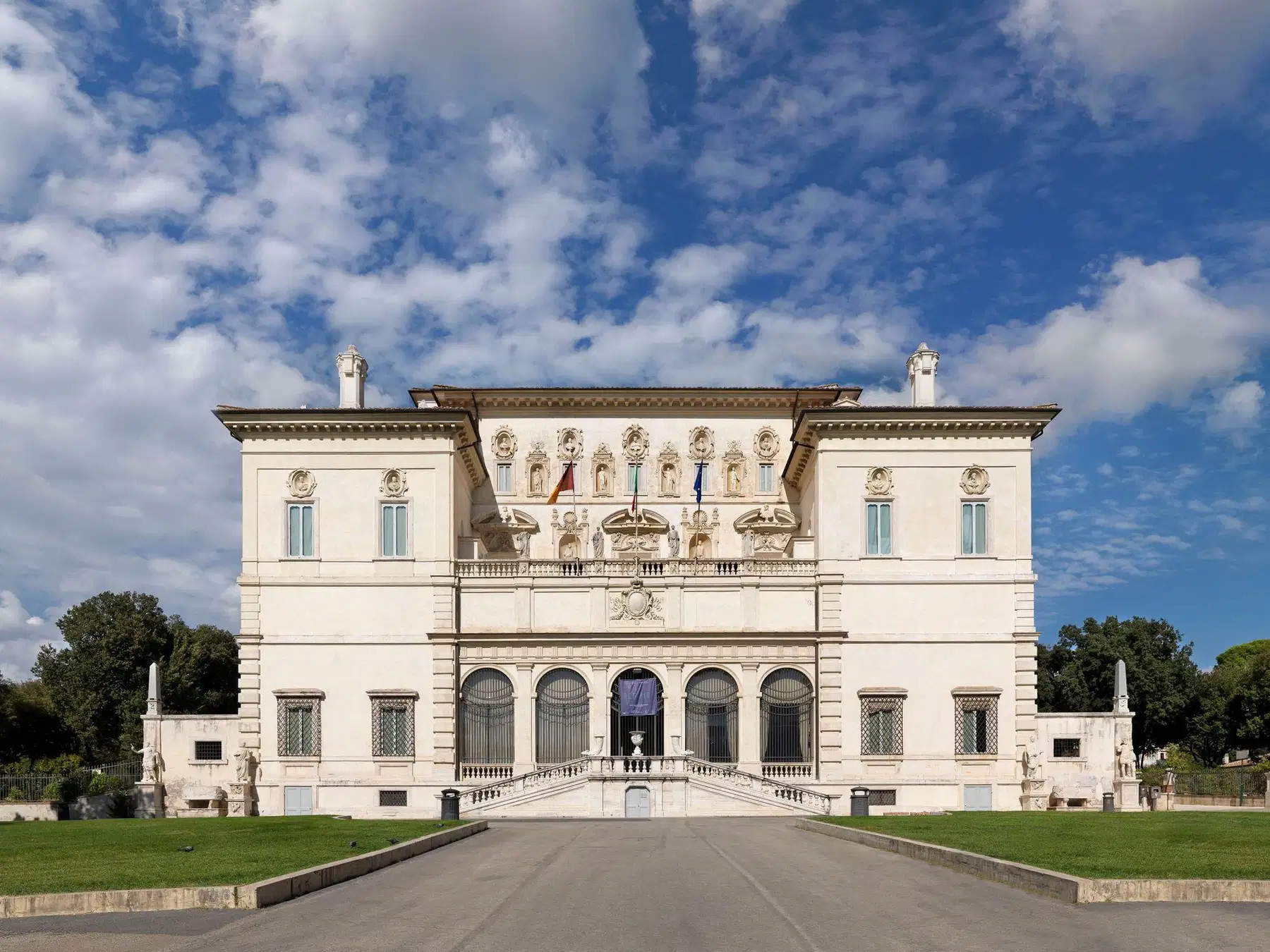
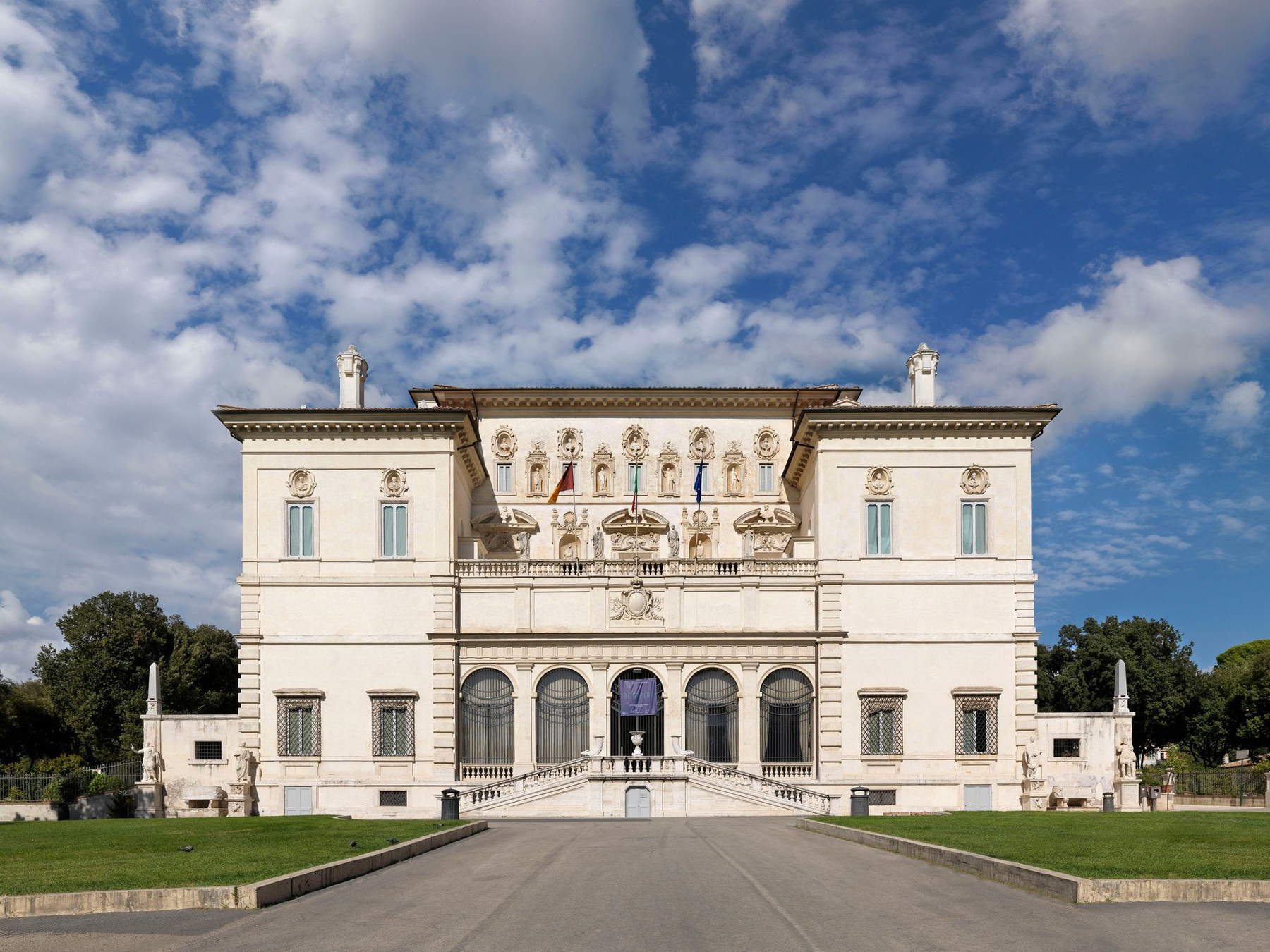
A wide-ranging debate has opened in recent weeks on the Borghese Gallery extension project. Last January, in fact, the museum formalized its acceptance of a technical sponsorship proposal aimed at implementing a feasibility project to extend the museum complex. The proposal, put forward by the Proger company, calls for the creation of a new building in an area adjacent to the Gallery’s current location.


Also closely following the project hypothesis is ICOM Italy, which sent a lengthy press note on the proposed extension of the Borghese Gallery, thus intervening in the debate and expressing some reflections. While acknowledging that this is still a preliminary and non-binding hypothesis, as clarified by the museum’s management, ICOM Italy stresses how the issue raises important questions related to heritage protection, the relationship with the historical landscape and contemporary models of museum fruition.


We reproduce in full below the statement sent by ICOM Italy.


ICOM Italia has been closely following the debate that has emerged in recent weeks around the hypothesis of expanding the Borghese Gallery through the construction of new architectural volumes - above ground or underground - in an area adjacent to the historic building. While noting the clarifications provided by the museum’s management about the preliminary and non-binding nature of the initiative, we feel it is our duty to express some considerations, in the conviction that the cultural direction alone underlying the hypothesis opens up highly relevant questions about the relationship between protection, landscape and models of heritage fruition.
The Borghese Gallery is not only one of the most important museums in Italy: it is a unique compendium in which the balance between environment, built and collection is measured. This relationship constitutes the very essence of the place, not an accessory attribute of it. Any building intervention that alters it, even if architecturally valuable, carries a potentially irreversible risk of compromise that cannot be underestimated.
We understand the needs that motivate the reflection initiated by the directorate: to improve accessibility, to enhance the value of the works currently kept in storage, to offer adequate services to a diverse public. These are legitimate instances, which ICOM Italy recognizes as part of the contemporary mandate of museums. The confrontation between preservation and accessibility is at the center of the international museological debate today, and there are no simple or unambiguous answers.
We appreciate, on the other hand, that possible solutions arrive downstream of a high-level design exploration entrusted to public evidence procedures that can draw on very high national and international expertise.
However, we would like to raise an issue of principle that we believe is preliminary to any design choice. Increasing visitor numbers cannot be taken as a valid goal for any museum and in any context. For institutions such as the Borghese Gallery-whose identity is inseparable from the collected dimension and the quality of the visiting experience-limits to capacity are not an obstacle to be overcome, but a structural condition of protection, both of the works and of the container. Such limits respond to documented conservation needs and to a specific museum philosophy: that of a place that is visited carefully and slowly, not in transit. Size is not a defect of the museum: it is a constitutive quality of it, no less than its history and uniqueness.
On the side of alternatives, ICOM Italy believes that the context of Villa Borghese and its immediate surroundings already offers significant historical resources that should be explored before considering new buildings. In addition to the Villino Pincherle, other properties such as the historic stables present in the villa system would deserve to be considered as part of an overall reflection on the spaces available in the area. Part of the works now kept in storage could find a suitable location in these buildings, helping to build a more articulated and distributed cultural presence in the area, without altering the integrity of the monumental complex.
For these reasons, we hope that every project proposal will be preceded by a thorough evaluation of the landscape and cultural impact; that the relevant conservation bodies will be involved from the earliest stages; that a wide consultation with the scientific community, sector associations and citizens will be promoted; and that the eventual international competition of ideas will guarantee evaluation criteria that place the protection of the historical context as a non-negotiable condition.
ICOM Italy is not a priori opposed to the idea that an ancient museum can renovate itself. It is opposed to any logic that evaluates cultural heritage primarily through quantitative indicators-number of admissions, exhibition space, volume of offerings-while neglecting that which is not measured but which constitutes the heart of a place’s value: its integrity, its historical coherence, its ability to convey meaning. The Borghese Gallery is a common good of exceptional value: decisions concerning it must live up to this responsibility.
We trust that the museum’s management, the Municipality of Rome and the Ministry of Culture want to keep a constructive dialogue open with all stakeholders, and we remain willing to contribute to this process with our own expertise and perspective.
 |
| On the hypothesis of the expansion of the Borghese Gallery: the reflections of ICOM Italy |
Warning: the translation into English of the original Italian article was created using automatic tools. We undertake to review all articles, but we do not guarantee the total absence of inaccuracies in the translation due to the program. You can find the original by clicking on the ITA button. If you find any mistake,please contact us.