





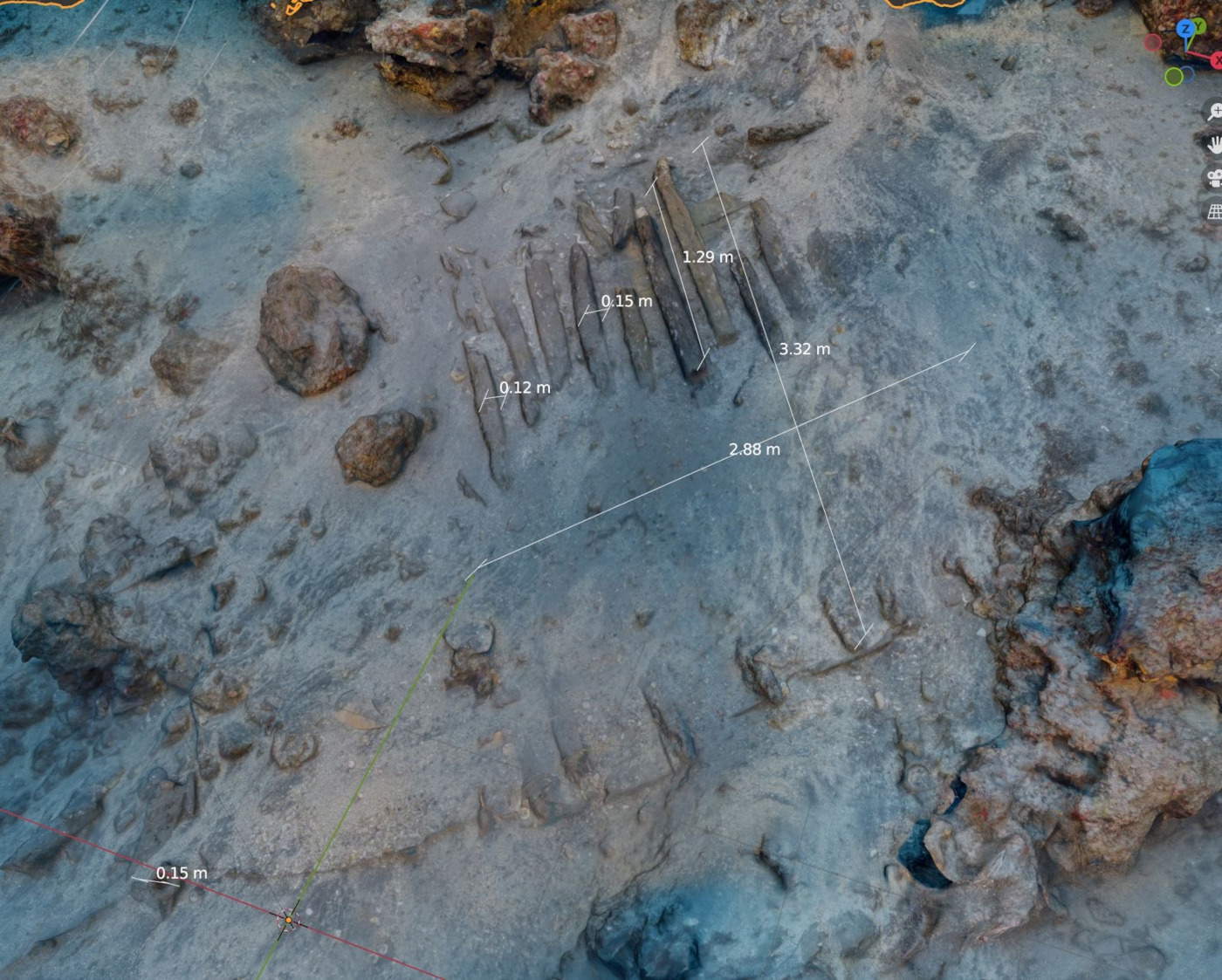
The underwater archaeological campaign that led to the recovery of the hull of the Secca di Capistello shipwreck, in the waters off Lipari in the province of Messina, has concluded successfully. The ship’s cargo, consisting of amphorae, had already been recovered over fifty years ago and is now preserved and on display at the “Luigi Bernabò Brea” Aeolian Archaeological Museum.
On the eastern side of the island, near the Secca di Capistello, the 3rd-century B.C. merchant ship sank after striking a submerged rock, thereby losing part of its cargo. The wreck was discovered in 1966, and from the very first reports, the area was subject to repeated attempts at looting. The first scientific investigations were conductedby the German Archaeological Institute in Rome, followed by further studies carried outby the Institute of Nautical Archaeology and Sub Sea Oil Services, which helped make the Secca di Capistello wreck one of the best-known cases in Mediterranean underwater archaeology.
The current recovery operation was initiated by the Soprintendenza del Mare as part of a project coordinated by archaeologist Roberto La Rocca, in collaboration with the Aeolian Islands Archaeological Park andthe University of Malta, and with operational support from the Coast Guard. The operation stands out both for the wreck’s high historical and scientific value and for the technical complexity of the work carried out.
Once the restoration work and research investigations are completed, the wreck will be displayed in a museum in Lipari, allowing the public to experience firsthand an extraordinary testament to Hellenistic navigation in the Mediterranean.
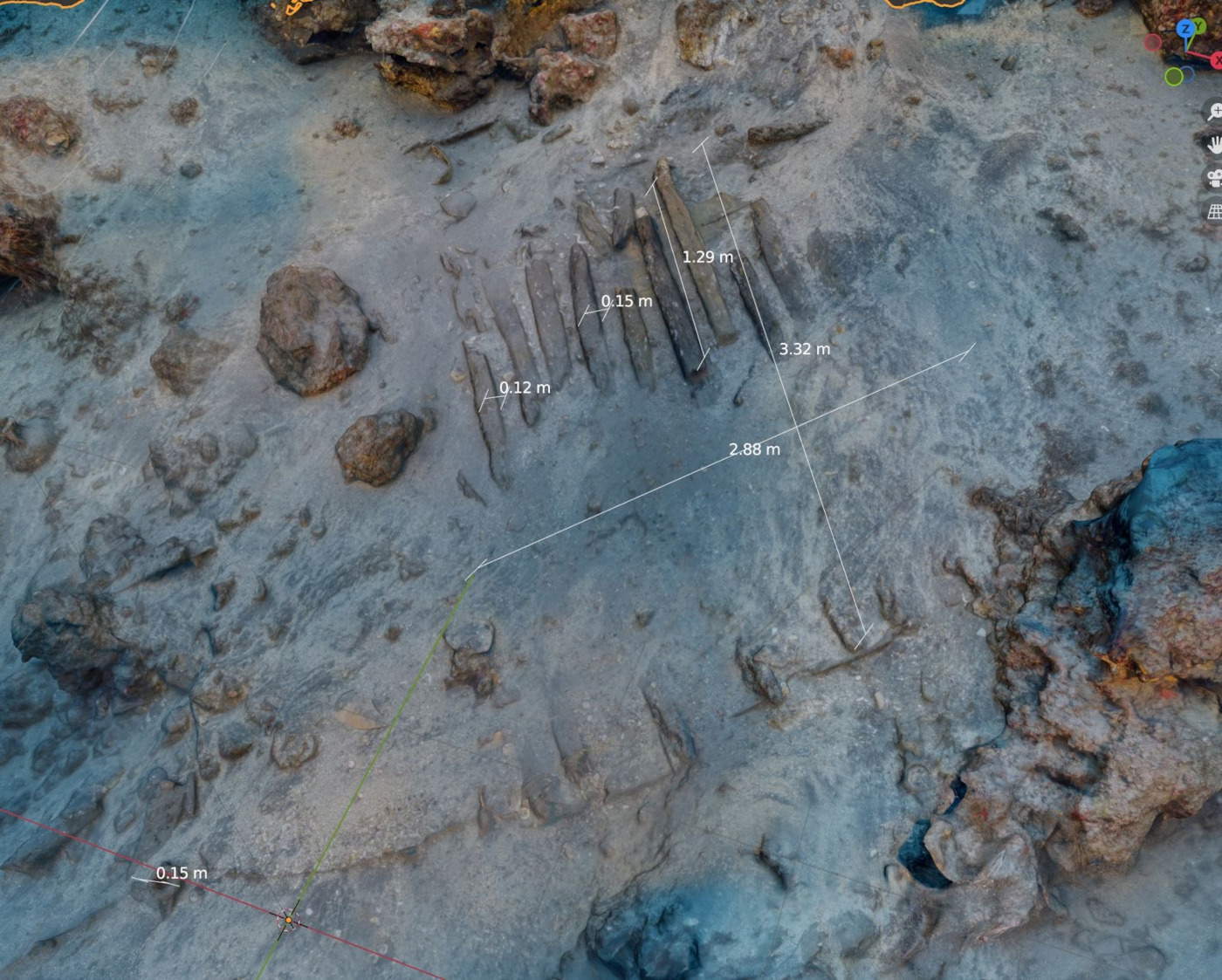
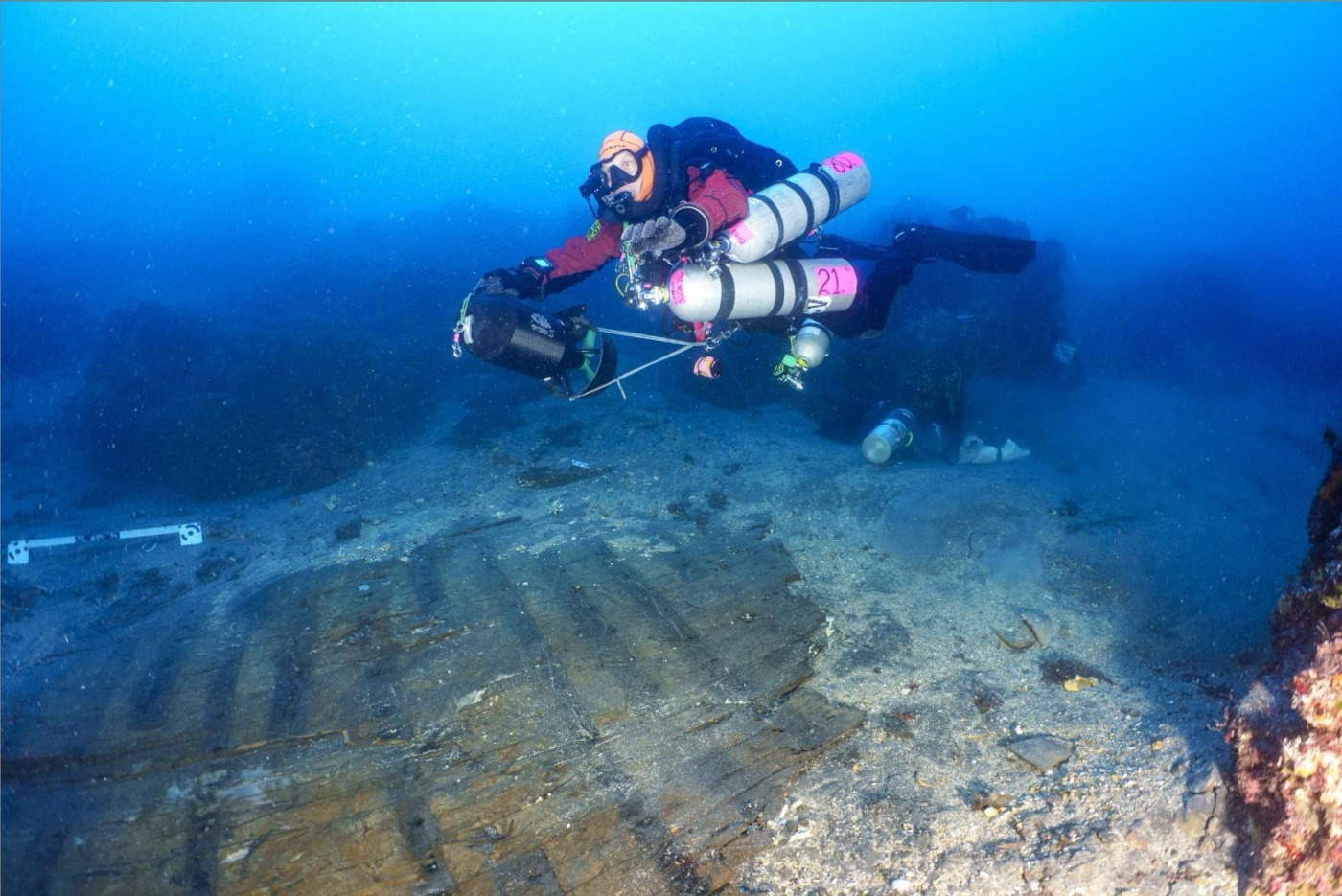
“After more than two thousand years,” stated Francesco Paolo Scarpinato, Councilor for Cultural Heritage and Sicilian Identity, “one of the most important examples of Hellenistic navigation in the Mediterranean has resurfaced. A new phase of study, restoration, and preservation is now beginning, which will make it possible, for the first time, to reunite the hull with its cargo, presenting the public with an archaeological context of extraordinary importance.”
“The recovery of the wreck,” explained the Superintendent of the Sea, Emanuele Turco, “represents an achievement of great scientific and cultural significance, the result of important institutional collaboration that confirms Sicily’s role as an international leader in the field of underwater archaeology.”
 |
| Sicily: The Shipwreck at Secca di Capistello Has Been Recovered; It Will Be Displayed in a Museum in Lipari |

Warning: the translation into English of the original Italian article was created using automatic tools. We undertake to review all articles, but we do not guarantee the total absence of inaccuracies in the translation due to the program. You can find the original by clicking on the ITA button. If you find any mistake,please contact us.

























 IT
IT FR
FR DE
DE ES
ES CN
CN


