



by Redazione 06/03/2026



Categories: News / Disclaimer
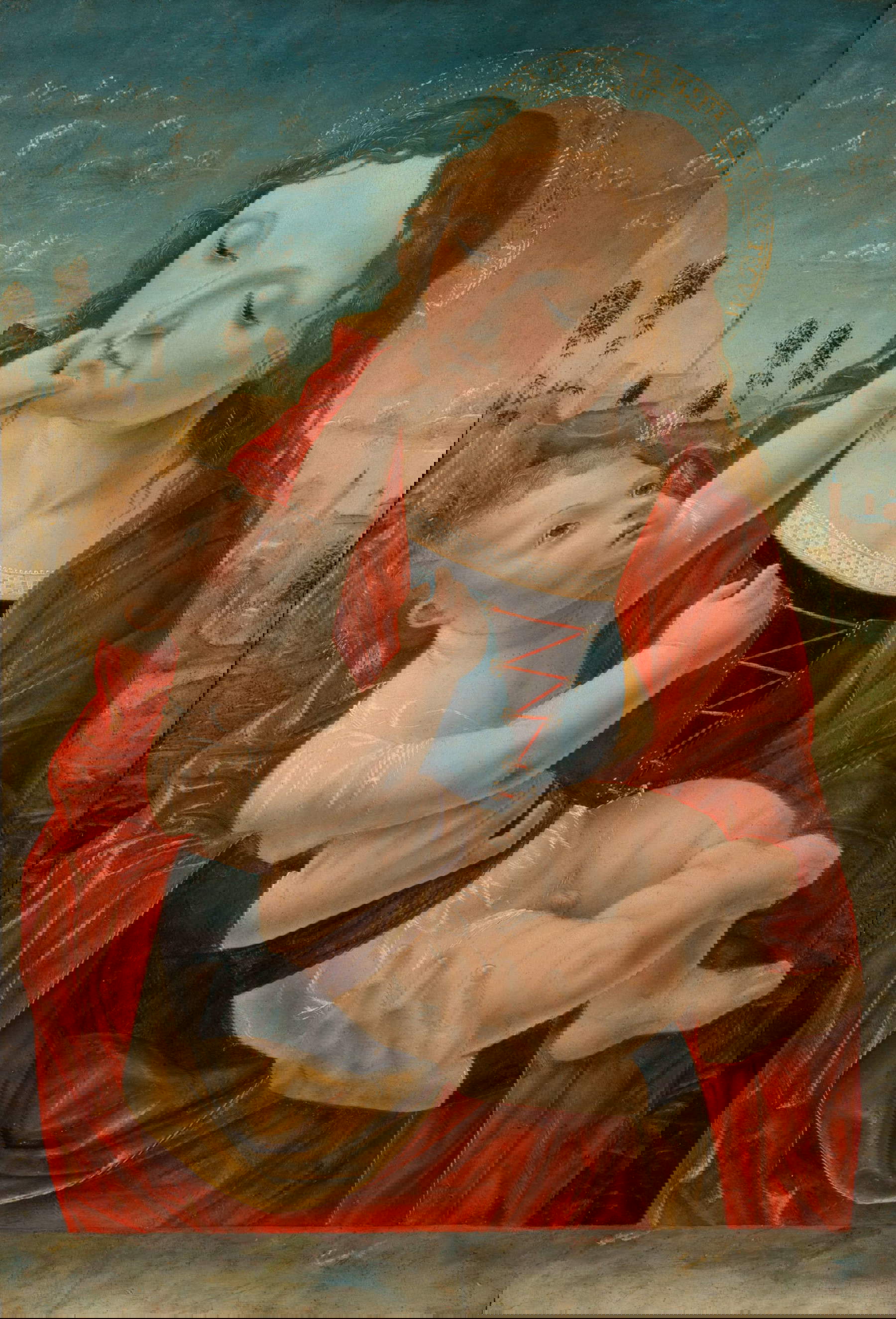
From March 31 to September 6, 2026, more than fifty works tell the story of Giovanni Antonio Bazzi known as Sodoma's training and early years in Piedmont, Siena, and Rome, with loans from major Italian and international museums.
He linked much of his career to Siena, but by birth he was a native Piedmontese, so much so that, it would seem, his nickname may have been a contraction of the popular intercalary “su, ’nduma!” We are talking about Giovanni Antonio Bazzi known as Sodoma (Vercelli, 1477 - Siena, 1549), one of the most original and eccentric protagonists of the Italian Renaissance, and from March 31 to September 6, 2026, the Accorsi-Ometto Foundation in Turin is dedicating a major exhibition to The exhibition, entitled Giovanni Antonio Bazzi known as Sodoma. Conquering the Renaissance, brings the figure of the Piedmontese painter back to the center of critical attention almost eighty years after the last major retrospective dedicated to him, organized in 1950 between Vercelli and Siena.
The exhibition, which will be officially presented to the press on Monday, March 30 at 11 a.m., is curated by Serena D’Italia, Luca Mana and Vittorio Natale and has a scientific committee composed of Roberto Bartalini, Francesco Frangi and Edoardo Villata. The exhibition project aims to systematically explore the early phase of the artist’s activity, highlighting the complexity of the experiences that contributed to the formation of his pictorial language.


Through more than fifty works, some of them previously unpublished or never before exhibited to the public, the exhibition reconstructs Sodom’s creative journey from his beginnings to his first important artistic achievements. The project aims to show how, from his earliest trials, the artist developed a highly personal synthesis of diverse influences, matured in contact with different artistic and geographical environments. The works in the exhibition come from prestigious private collections and important Italian and international museum institutions. These include the Accademia Carrara in Bergamo, the Museo Civico e Gipsoteca Bistolfi in Casale Monferrato, the Pinacoteca di Brera in Milan, and the Musée Jacquemart-André in Paris.
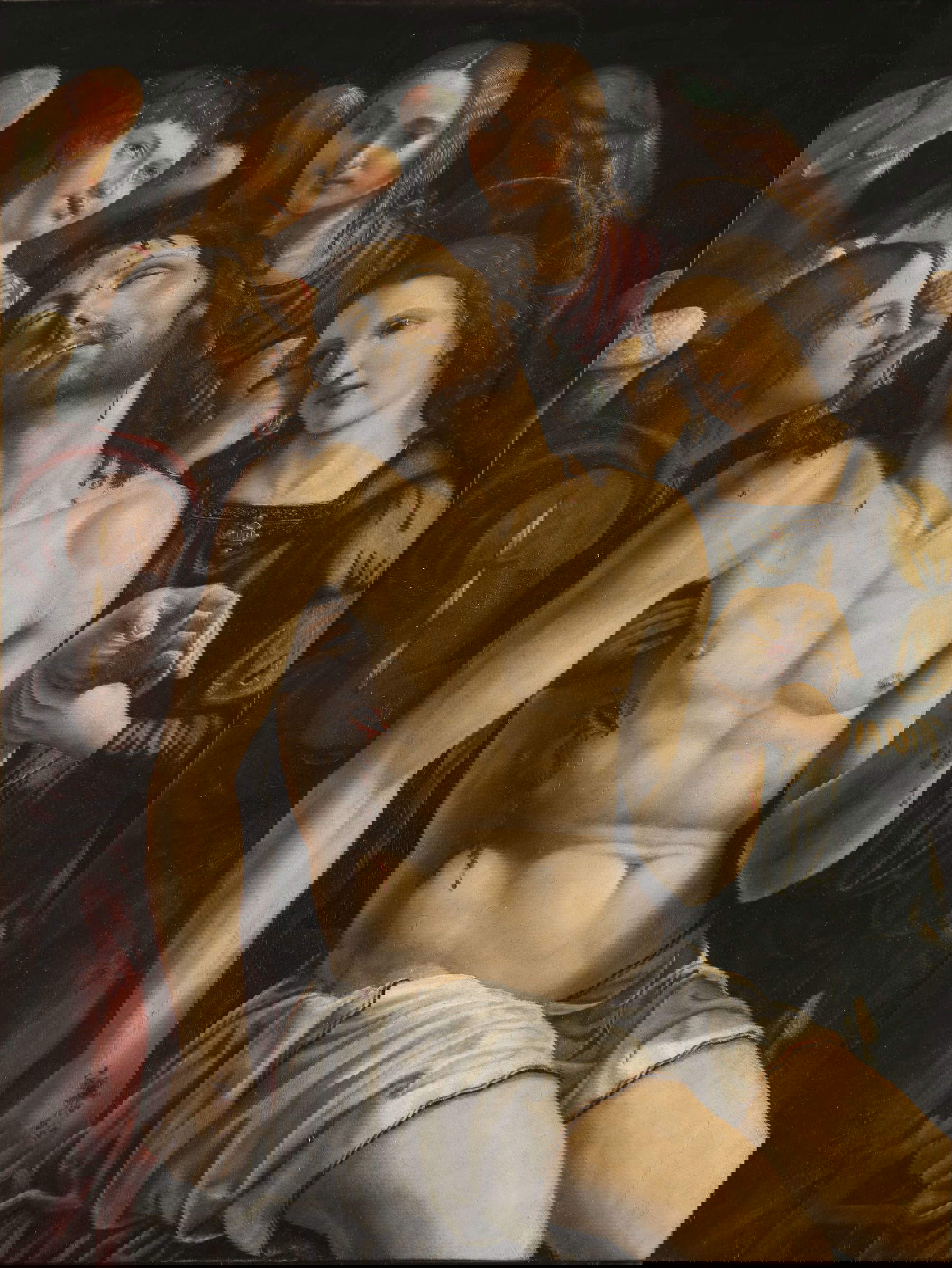
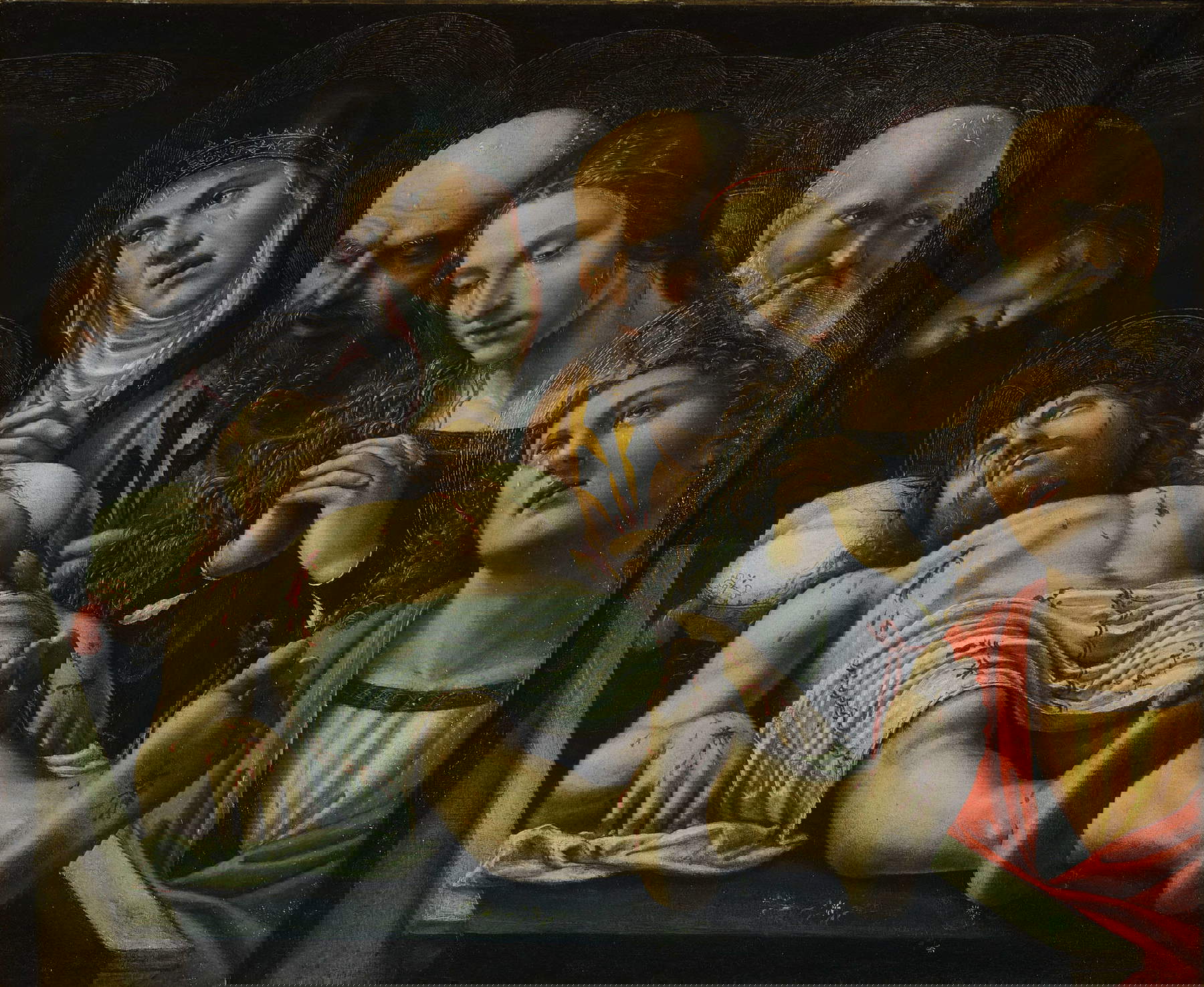
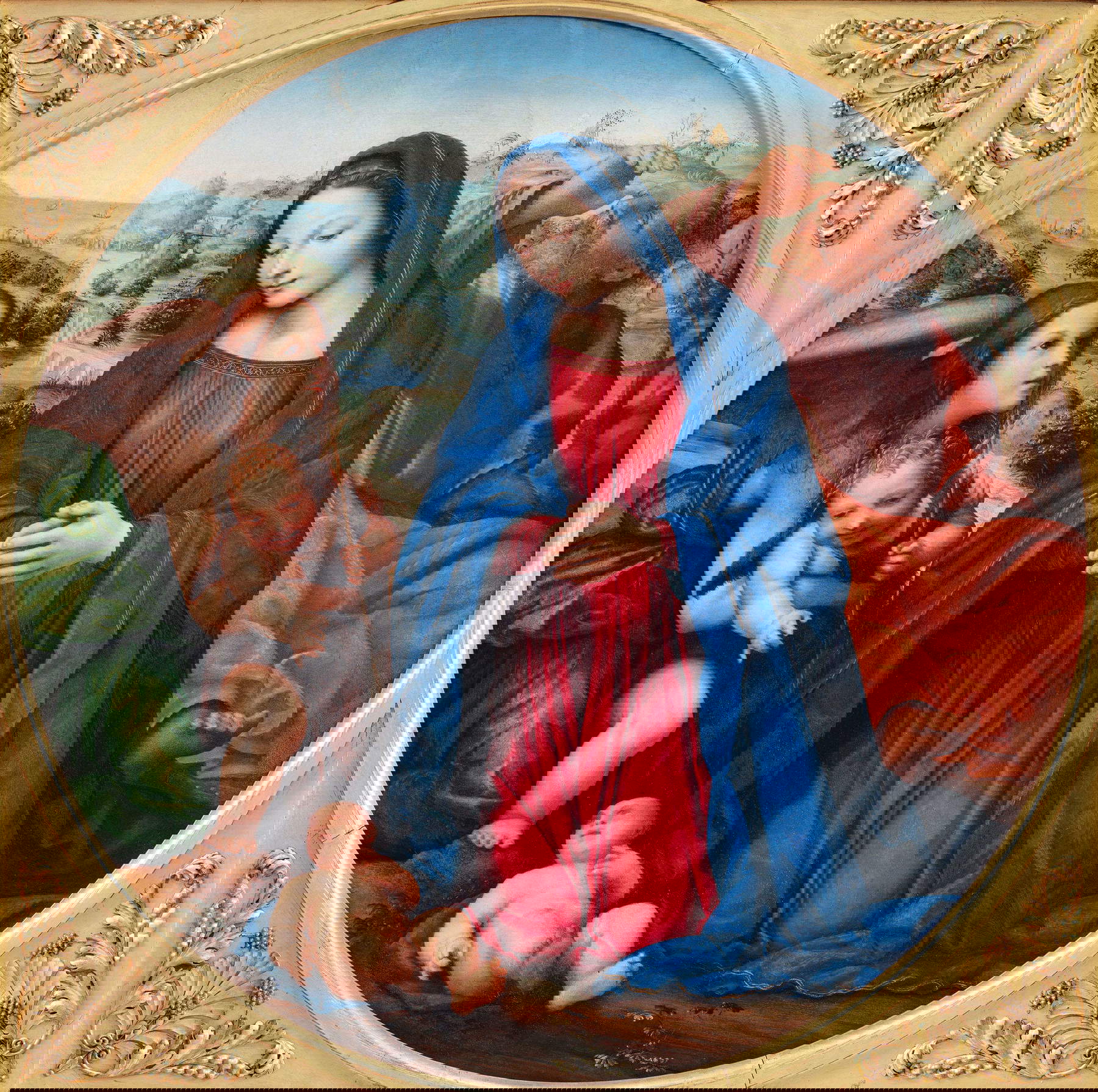
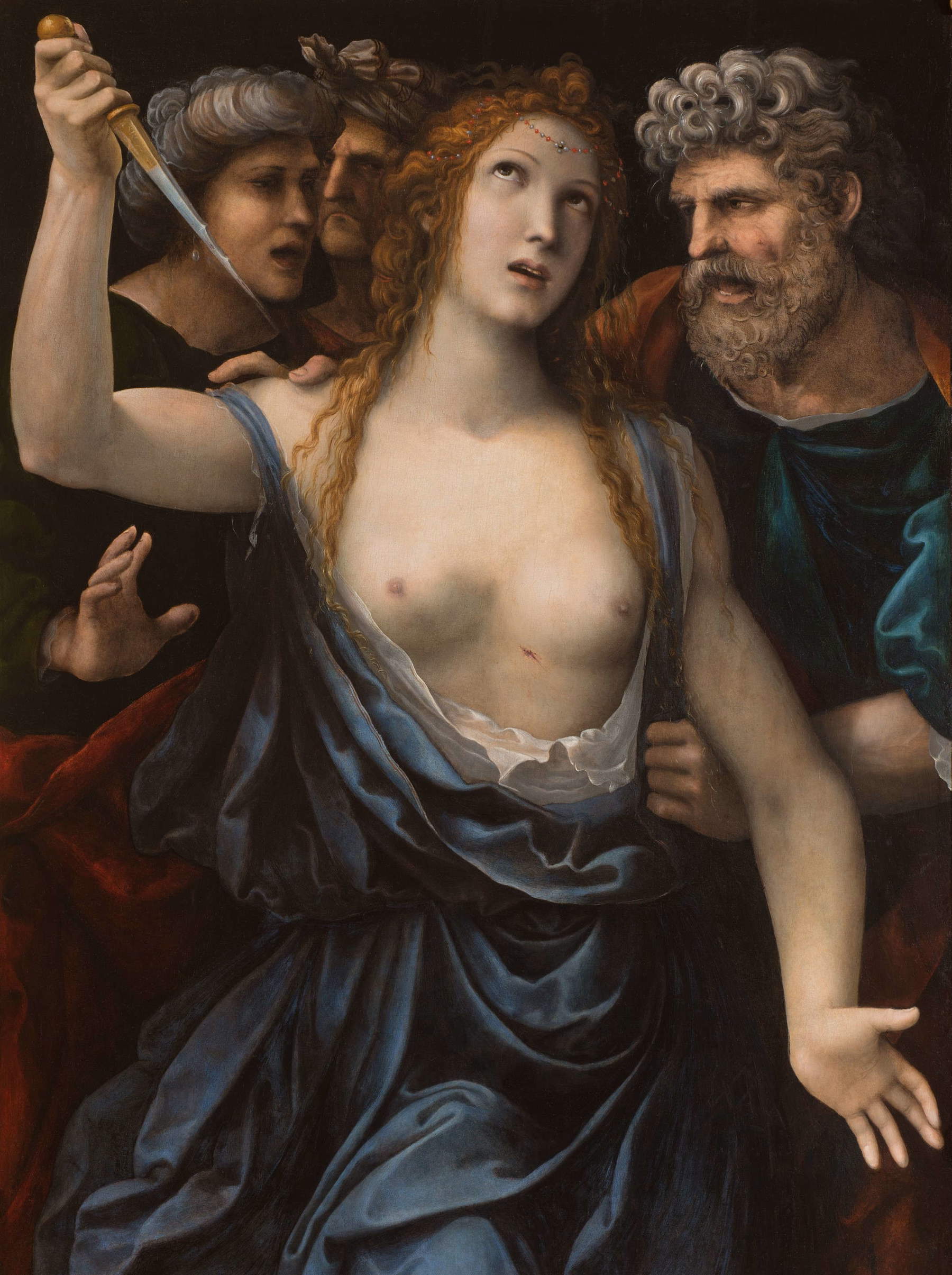
Important loans also arrive from the Civic Museums of Pavia, the Guglielmo Giordano Foundation of Perugia and some of Rome’s leading museum institutions, including the Arciconfraternita di Santa Maria dell’Orto, the Galleria Borghese, the Vatican Museums and the Pinacoteca Capitolina. The exhibition also includes works from the Chigi Saracini Collection and the Banca Monte dei Paschi di Siena, both in Siena, as well as the Pinacoteca Nazionale di Siena. There is no shortage of loans from Piedmont institutions such as the Royal Library of Turin, the Sabauda Gallery, the Royal Museums of Turin, Palazzo Madama, and the Pinacoteca dell’Accademia Albertina.
Other contributions come from the Palazzo dei Musei Pinacoteca in Varallo, the Municipal Historical Archives in Vercelli and the Francesco Borgogna Museum, as well as the Spirito Santo Parish in Sommariva Perno. The exhibition ideally reconstructs Sodoma’s artistic journey starting from his training in the workshop of Giovanni Martino Spanzotti, one of the main masters active in Piedmont in the late 15th and early 16th centuries. From this context begins the author’s artistic journey, which will gradually lead him to new cultural centers and new stylistic experiences.
A fundamental moment of this journey is represented by the cycles of frescoes painted in the Sienese area, in particular those in the church of Sant’Anna in Camprena, executed between 1503 and 1504, and in the cloister of the abbey of Monteoliveto Maggiore, executed between 1505 and 1508. These interventions mark the artist’s establishment in Tuscany and testify to his ability to engage with the great figurative tradition of central Italy.
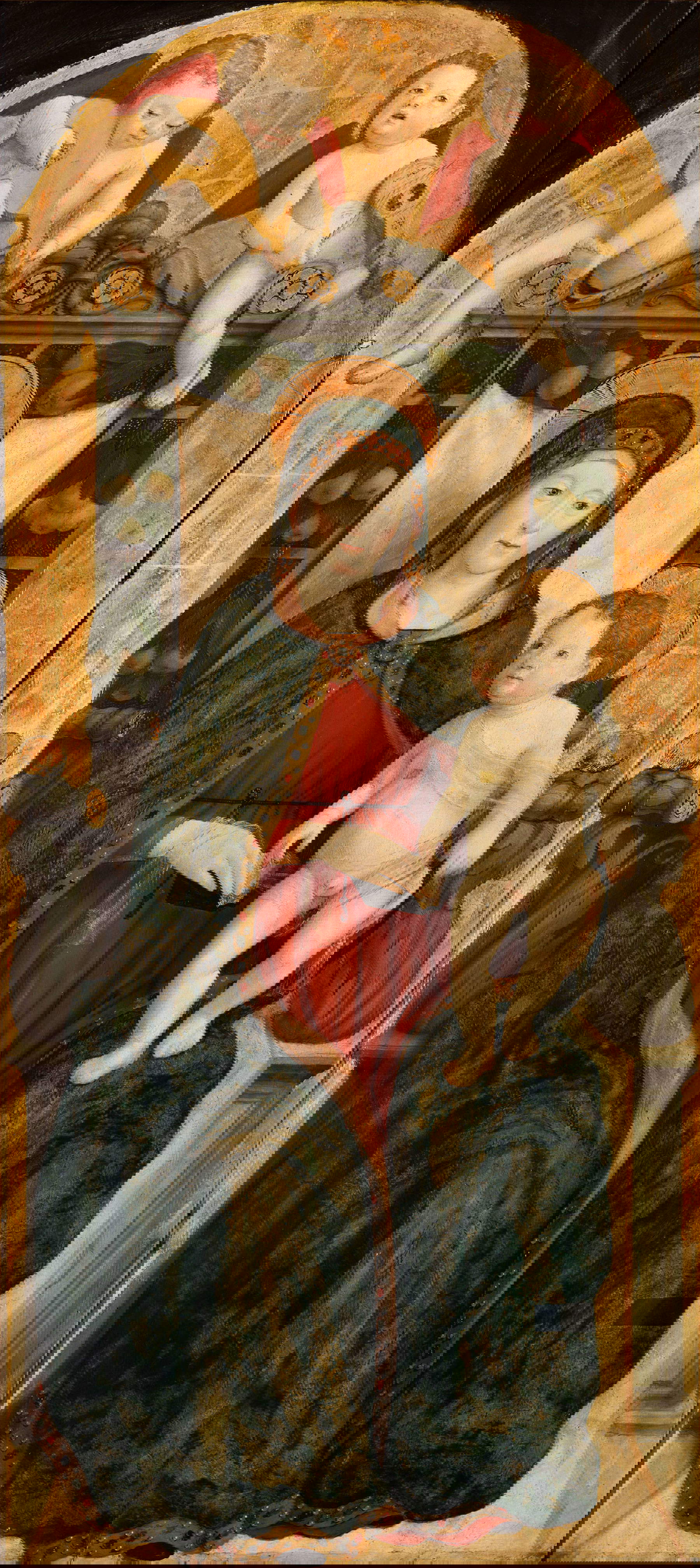
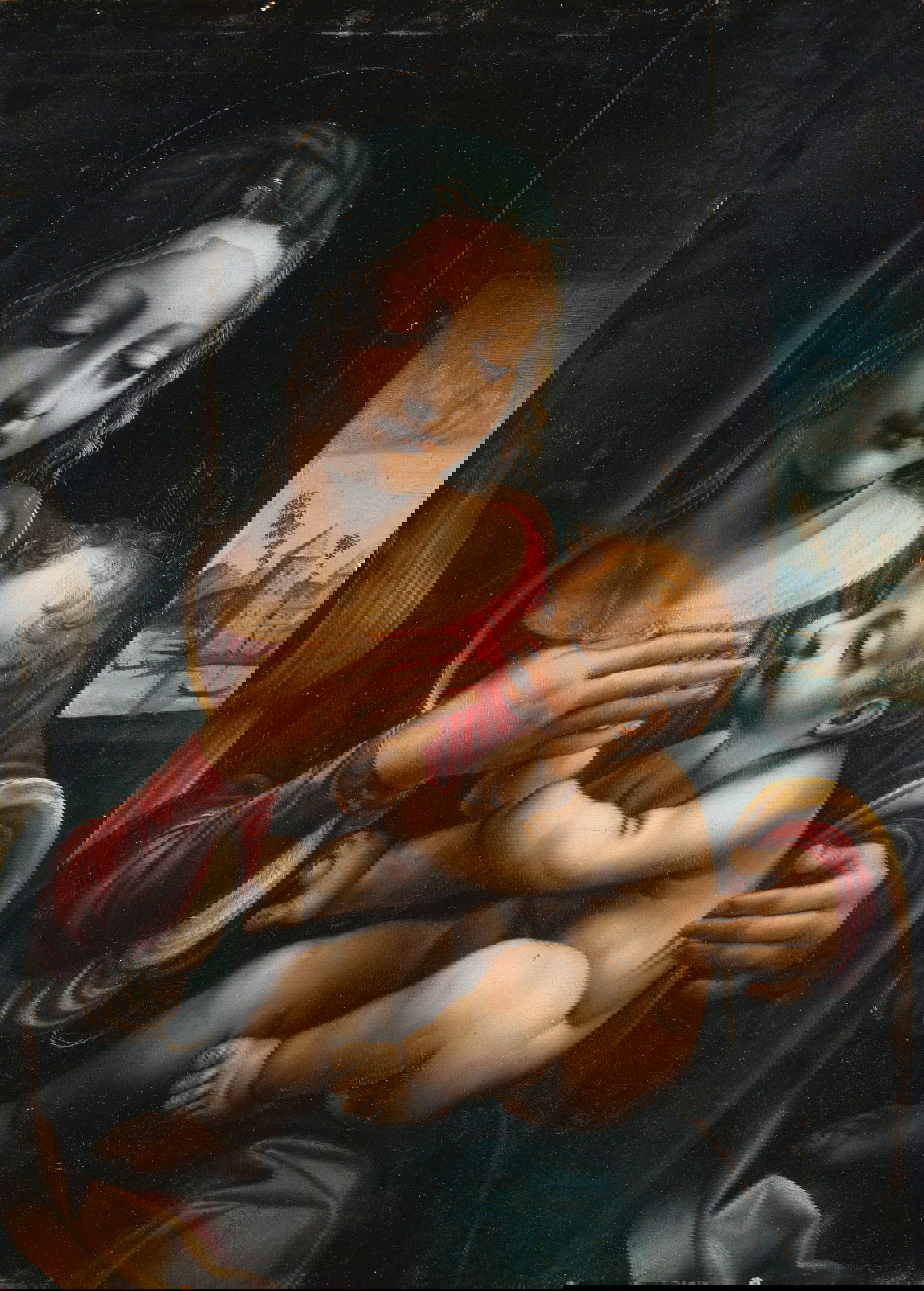
The path ideally culminates with the Roman experiences, supported by the patronage of the powerful banker and patron Agostino Chigi, a central figure in the artistic life of early 16th-century Rome. Chigi’s support represented a decisive step for Sodoma, enabling him to insert himself into the capital’s great artistic sites and to engage with some of the leading figures of the mature Renaissance.
The exhibition also emphasizes the intensity of cultural exchanges between Piedmont and central Italy between the late 15th century and the first decades of the 16th century. To document this context, the exhibition itinerary places alongside Sodoma’s works some important testimonies by artists active in the same years. These include the Piedmontese painter Macrino d’Alba, who is present with major works such as the Madonna and Child Enthroned with Saints preserved at the Pinacoteca Capitolina in Rome and an unpublished predella with Christ and the Apostles from the papal residence at Castel Gandolfo. On display next to him are works by Gaudenzio Ferrari, Eusebio Ferrari and Gerolamo Giovenone. Among the proposed comparisons also appears one of the versions of the famous Madonna d’Orléans by Raphael Sanzio, a work that testifies to the dialogue between the different artistic schools of the time and the breadth of figurative exchanges between Italian courts and cultural centers.
On the whole, the Turin exhibition is proposed as an important opportunity for in-depth study of a figure who, although a protagonist of the Renaissance season, has received less attention in recent decades than other great masters of the period. Through a careful selection of works and a scientifically up-to-date itinerary, the exhibition aims to restore to the public and scholars the complexity and originality of Giovanni Antonio Bazzi’s language, highlighting the role he played in the artistic scene between Piedmont, Tuscany and Rome.
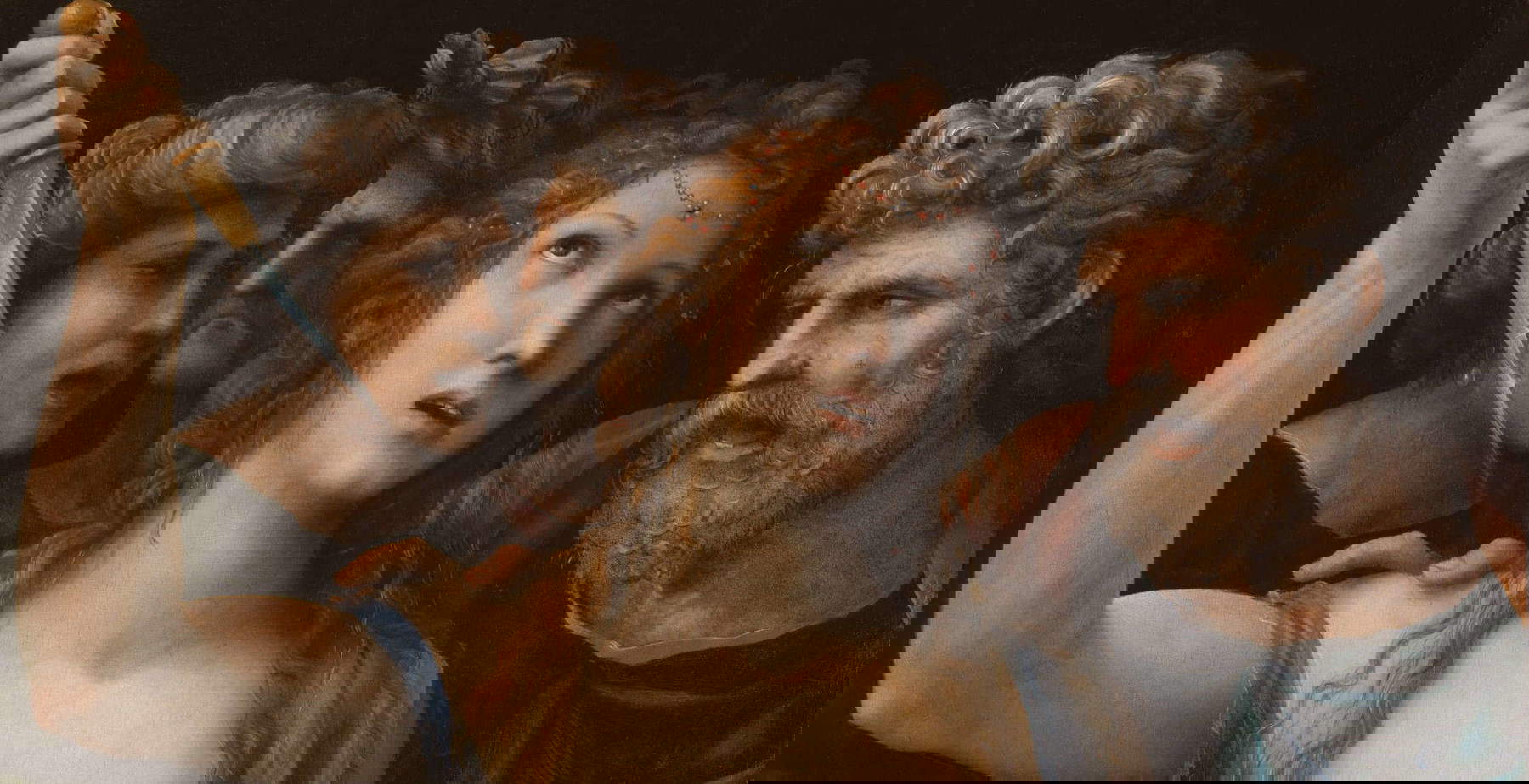 |
| The Sodom protagonist in Turin: at the Accorsi Ometto Foundation the exhibition on the Renaissance master |
Warning: the translation into English of the original Italian article was created using automatic tools. We undertake to review all articles, but we do not guarantee the total absence of inaccuracies in the translation due to the program. You can find the original by clicking on the ITA button. If you find any mistake,please contact us.