




But why does the Venice Biennale always disappoint us and include a series of random oddities that the outside world views with a mixture of amazement and disgust? The controversy between fan bases took center stage at the Russian Pavilion, but what was inside the pavilion was much worse: a void of ideas, an inability to address anything, completely random things—all contributing to a perpetual state of limbo in which we are all immersed and numbed. What are we looking for when we enter the Biennale? Answers and solutions for our lives? Suggestions on how to view and navigate the world? Artists who declare on canvas that they want to save peace, save the world, women, and children—and then put that very canvas up for sale for 20,000 euros at the next art fair? What exactly are we looking for?
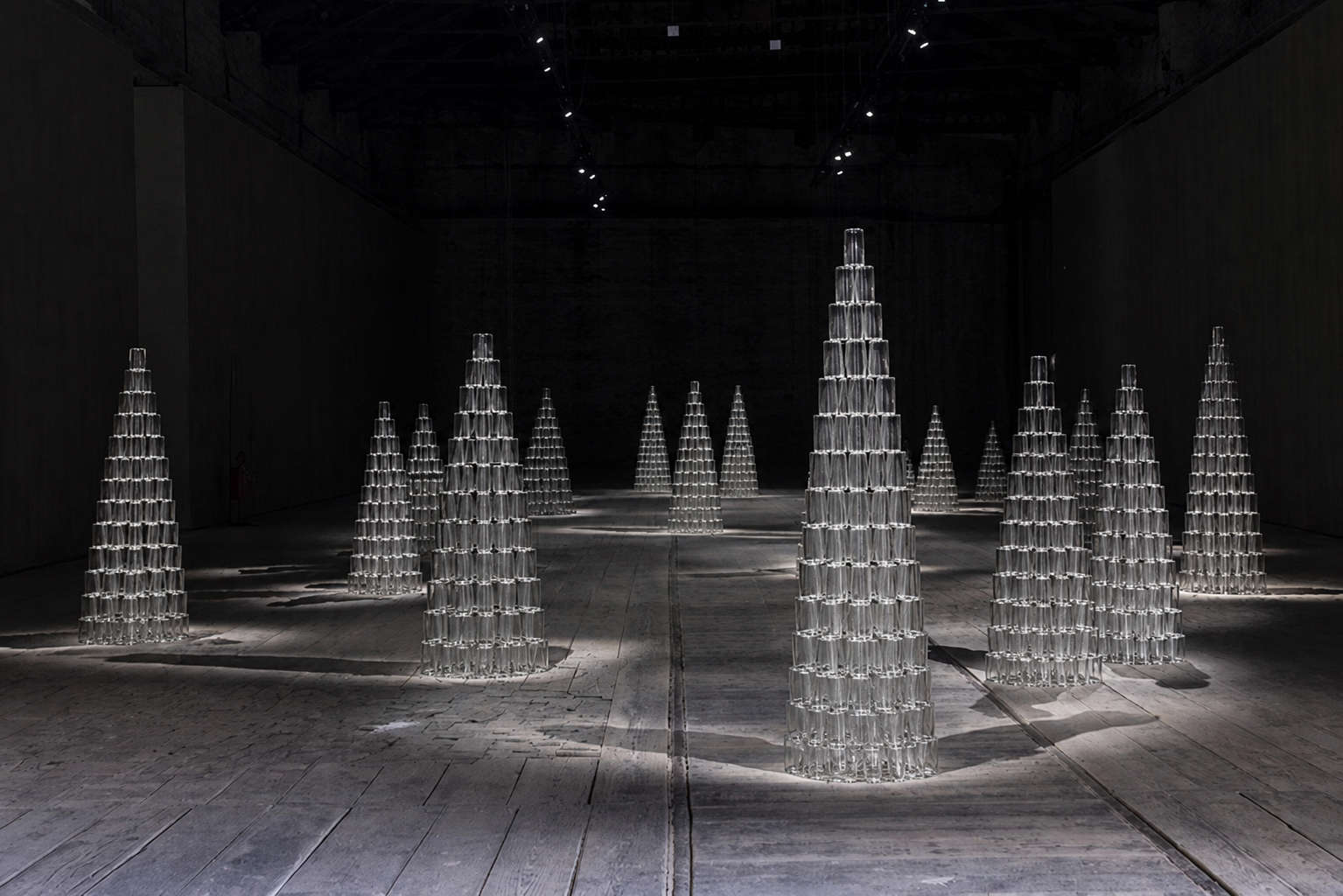
For many of these issues outside the Biennale, there are psychiatrists, psychologists, books, films, and highly active charitable organizations. Many people go to the Biennale to see people, to get out of the house, to seek humanity beyond the screen. Others are ordinary tourists who simply add this to their travel itinerary. What do we ask of the artworks? To decorate the mantelpiece, to move us emotionally (and even here, reality risks becoming ever more powerful and credible), to make us understand everything about life? Personally, I still have faith in “artworks” that can serve as active witnesses to help us observe and resist our times. A glass of water bears witness to progress that has allowed us to conserve water, quench our thirst, survive, and ensure our children’s survival. To withstand the tremendous fluidity of water. Its value lies not in the object itself but in a series of ways, attitudes, visions, and approaches from which the object derives. A work of art should function like a glass of water: Bruno Munari said, “Knowing how to see is knowing how to design.” The real problem is that art academies and schools, over the past twenty, thirty, or fifty years, have remained stuck in a form of art that is decorative, accessory-like, and harmless: they are no longer capable of teaching people how to see. Yet in the 1990s, the best contemporary art emerged from museums and now lives among us.
Today, everything is contemporary art: Trump, politics, that video on your cell phone, the moms’ chat group, artificial intelligence taking over the world. As early as the 1950s, Yves Klein said that life itself is the ultimate art. It wasn’t just a bohemian quip: the truth is that the art academy, as we know it, is no longer enough; the result is predictable, simplified works that address the present in banal and predictable ways. So here we are, needing the woman hanging from the bell (copied from the painter Hieronymus Bosch, who invented this vision six hundred years ago) to give us something to talk about during our next alcoholic aperitif. If this is the level we’re at, we’d be better off skipping the Venice Biennale and losing ourselves in a glass of water.

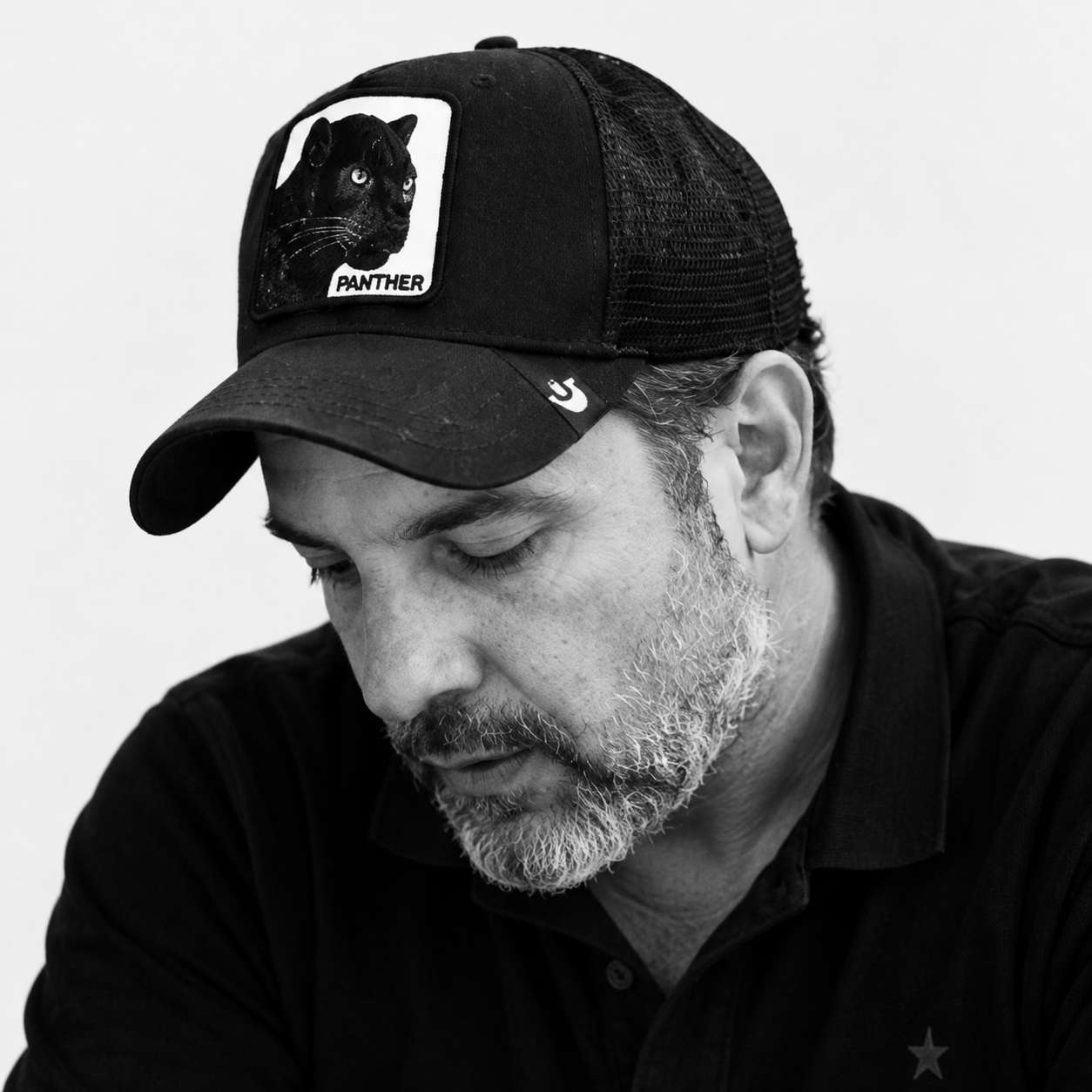
The author of this article: Luca Rossi
“Luca Rossi" è un nome di fantasia in cui idealmente convergono tutti i ruoli del sistema dell'arte: artista, critico, curatore, blogger e osservatore indipendente. È stato definito da Fabio Cavallucci “la personalità artistica più interessante d'Italia”. Dal 2009, “Luca Rossi”, collettivo aperto e figura controversa nel sistema artistico, cerca di stimolare quotidianamente un dibattito più critico nell'ambito dell'arte contemporanea, intesa come materia capace di rivestire un ruolo fondamentale nel nostro presente. Dalle sue riflessioni critiche, ampiamente diffuse, sue le definizioni di “Ikea evoluta”, “Sindrome del Giovane Indiana Jones” e “Nonni Genitori Foundation”, è nato un progetto artistico non convenzionale, che comprende anche attività di divulgazione e formazione, culminate nel 2016 con la creazione della Luca Rossi Art Academy & Coaching (documenta.live). Nel febbraio 2026, un Hidden Work di Luca Rossi è entrato nel nuovo percorso espositivo di Osteria Francescana di Massimo Bottura, segnando un ulteriore sviluppo del progetto e della ricerca intorno agli Hidden Works. Nel 2014 Giacinto Di Pietrantonio, in un’intervista, definì Luca Rossi la promessa futura dell'arte contemporanea, paragonandolo a ciò che Vanessa Beecroft avrebbe potuto essere negli anni Novanta. Alcuni “nodi critici” sviluppati nel corso degli anni da Luca Rossi sono entrati a far parte del linguaggio dell'arte italiana e hanno contribuito a cambiare la prospettiva e la visione di molte persone, dentro e fuori il settore. Nel 2014, la celebre critica d'arte Angela Vettese dichiarò che, dopo aver letto i testi di Luca Rossi, aveva deciso di non dedicarsi più alla pratica artistica, ma esclusivamente alla teoria.Warning: the translation into English of the original Italian article was created using automatic tools. We undertake to review all articles, but we do not guarantee the total absence of inaccuracies in the translation due to the program. You can find the original by clicking on the ITA button. If you find any mistake,please contact us.



























 IT
IT FR
FR DE
DE ES
ES CN
CN


