





A symbolic date to mark a new beginning. March 25, a day that until 1750 coincided with New Year’s Day according to the so-called “Style of the Incarnation,” was chosen to announce the rebirth of Medicea. Rivista di studi medicei, a scholarly publication dedicated to the Medici dynasty that returns to the publishing scene today with a revamped project but faithful to its origins. The journal, officially born on October 22, 2008, had been presented in front of about 300 people in the Salone dei Cinquecento of Palazzo Vecchio in Florence, a highly symbolic place for the city’s history and for that very family that the publication set out to investigate. From the beginning it had been an ambitious project: an interdisciplinary, scholarly journal, rich in critical apparatus and notes, written in four languages and intended for an audience of scholars and specialists.
At the origin of the initiative was the shared dream of a Florentine journalist and historian, Marco Ferri, and a historian of archaeology from Piedmont who had moved to Florence for study and work, Clara Gambaro. An idea cultivated for two years through meticulous preparatory work, made up of in-depth research and attention to every detail, until it materialized into a debut that, in terms of participation and interest, turned out to be almost resounding, especially considering the specialized nature of the publication.
Despite the academic slant, the appeal exerted by Medici history contributed decisively to the journal’s success. Twelve issues were published in the five years following its founding, with over 110 articles signed by some eighty authors from different continents. It was an intense editorial activity, capable of offering original contributions and bringing to light new perspectives of study on the Florentine dynasty.
Among the most significant results that have emerged over the years is, for example, the attention devoted to the history of the so-called Florentine Diamond, whose surprising reappearance has recently aroused great interest. The detailed reconstruction of the story, edited by Clara and published in the pages of Medicea back in 2009, anticipated by fifteen years a theme that would later return to the center of historical debate.
Today the magazine is preparing for a new phase in its existence. The rebirth comes thanks to the involvement of a new editor, Angelo Pontecorboli, an expression of a historic Florentine publishing house that over time has given space to numerous works dedicated to the Medici dynasty. These include the research path of the author of the communiqué himself, who after an initial volume-investigation on the burial place of Grand Duchess Bianca Cappello, published about ten years ago, gave to the presses in 2021 the book I sepolcri dei Medici, a synthesis of almost twenty years of studies on less investigated aspects of the family. The work, published by Pontecorboli itself, has won two major awards.
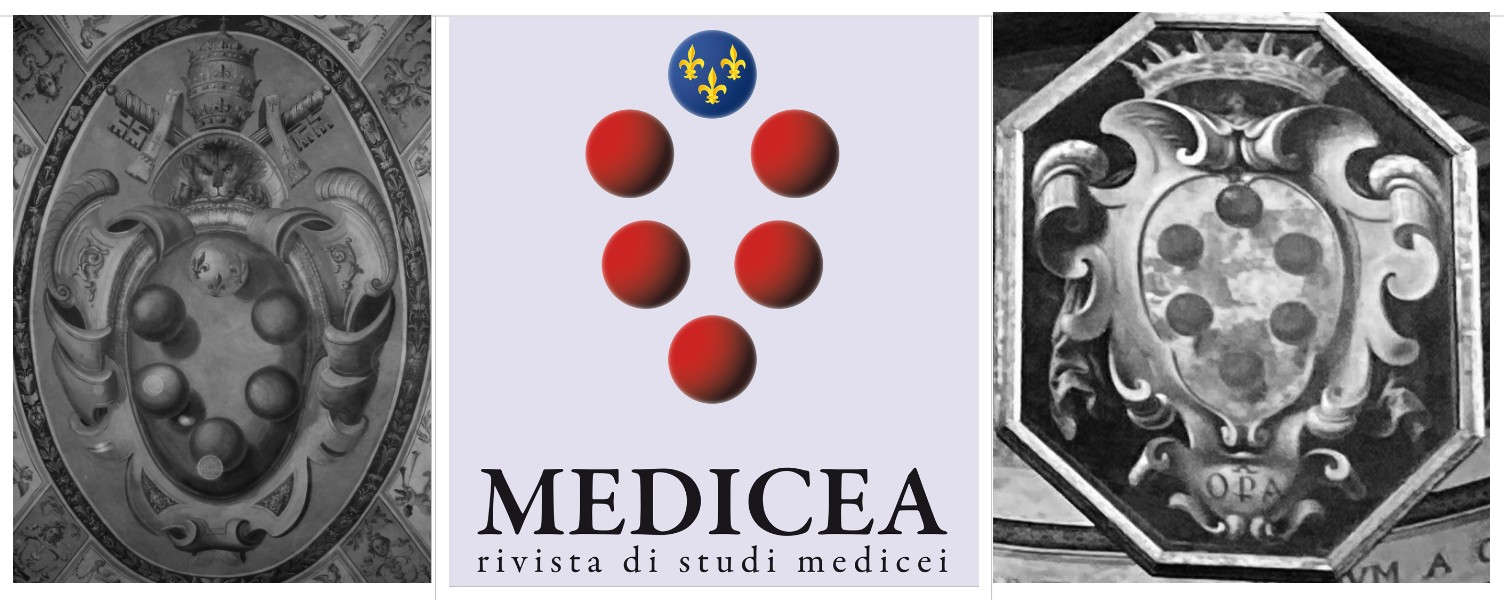
The new Medicea series will be presented with a different editorial form than in the past, flanked by a renewed scientific committee and a dedicated website. The digital platform represents one of the central elements of the project: already now it is possible to consult and download free of charge all the articles of the journal’s first series, making accessible a wealth of studies accumulated over the years.
Alongside thehistorical archive, the site will host the main section devoted to current issues, with unpublished articles that will continue to reflect the interdisciplinary approach that has characterized the journal since its founding. The goal is to maintain an editorial line capable of integrating different research perspectives, offering contributions that span history, art, archaeology and other areas related to the study of the Medici dynasty.
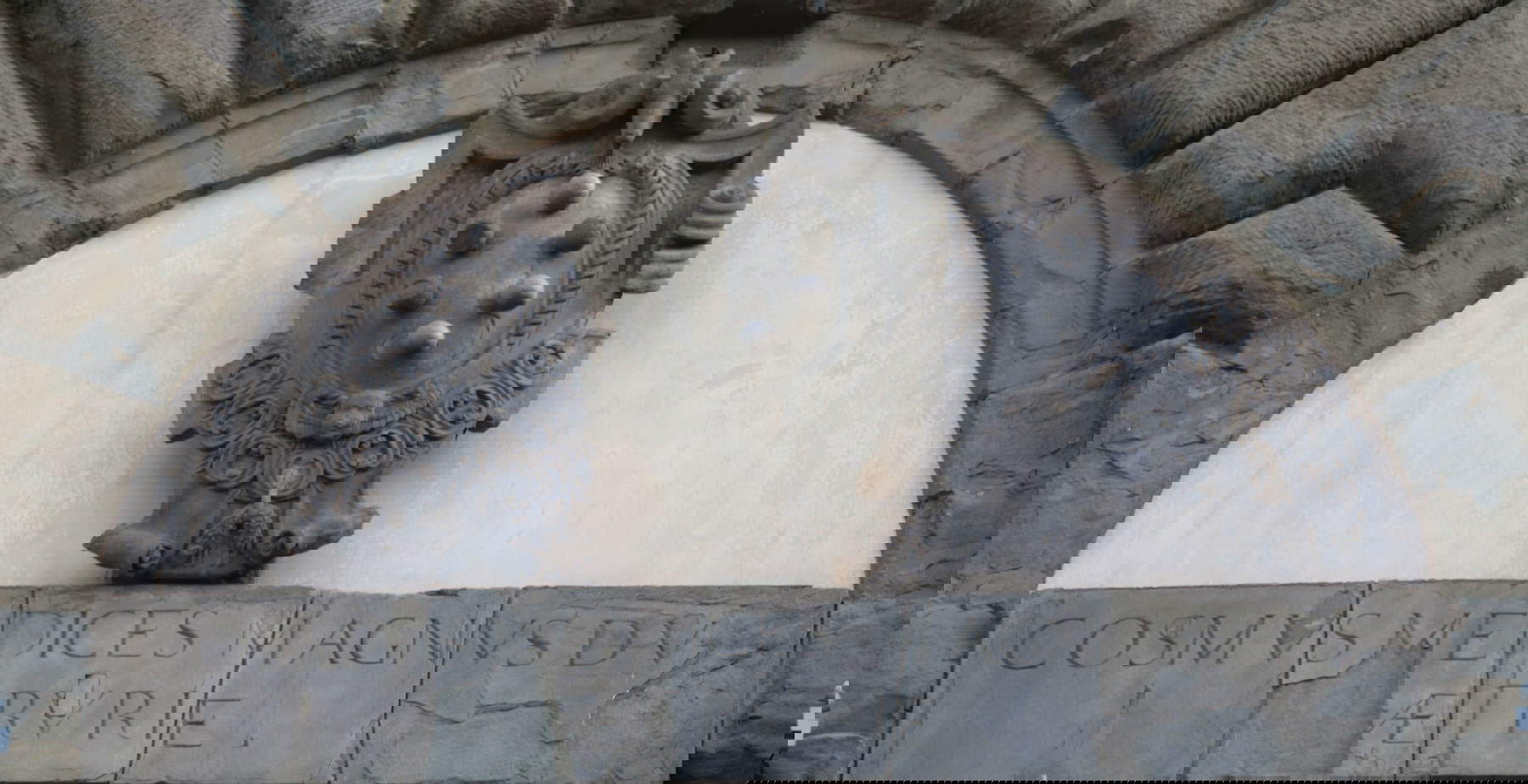
The first issue of the new series is scheduled for late spring and, while adopting a revamped format, will retain the distinctive elements that have defined the journal’s identity over time. A continuity that concerns not only the scientific objectives, but also the methodological approach and the quality of the contributions.
Underlying this restart is the conviction that the study of the Medici continues to play a fundamental role in understanding European history. In fact, delving into the events of the dynasty means analyzing a decisive chapter in the political, cultural and economic development of the continent, as well as interpreting the roots of a material and intangible heritage that is still reflected in the daily life of Florence and many areas of Tuscany.
|
| Medicea, the journal dedicated to Medici studies, is reborn |

Warning: the translation into English of the original Italian article was created using automatic tools. We undertake to review all articles, but we do not guarantee the total absence of inaccuracies in the translation due to the program. You can find the original by clicking on the ITA button. If you find any mistake,please contact us.



























 IT
IT FR
FR DE
DE ES
ES CN
CN


