




by Redazione 19/05/2026


Categories: Travel / Disclaimer
In the municipality of Alto Sermenza, the highest village in Valsesia preserves the Walser heritage, the Artificial Marble Laboratory Museum, the Pietro Della Vedova Gipsoteca, and the naturalistic heritage of the Alta Valsesia Nature Park, the highest protected area in Europe.
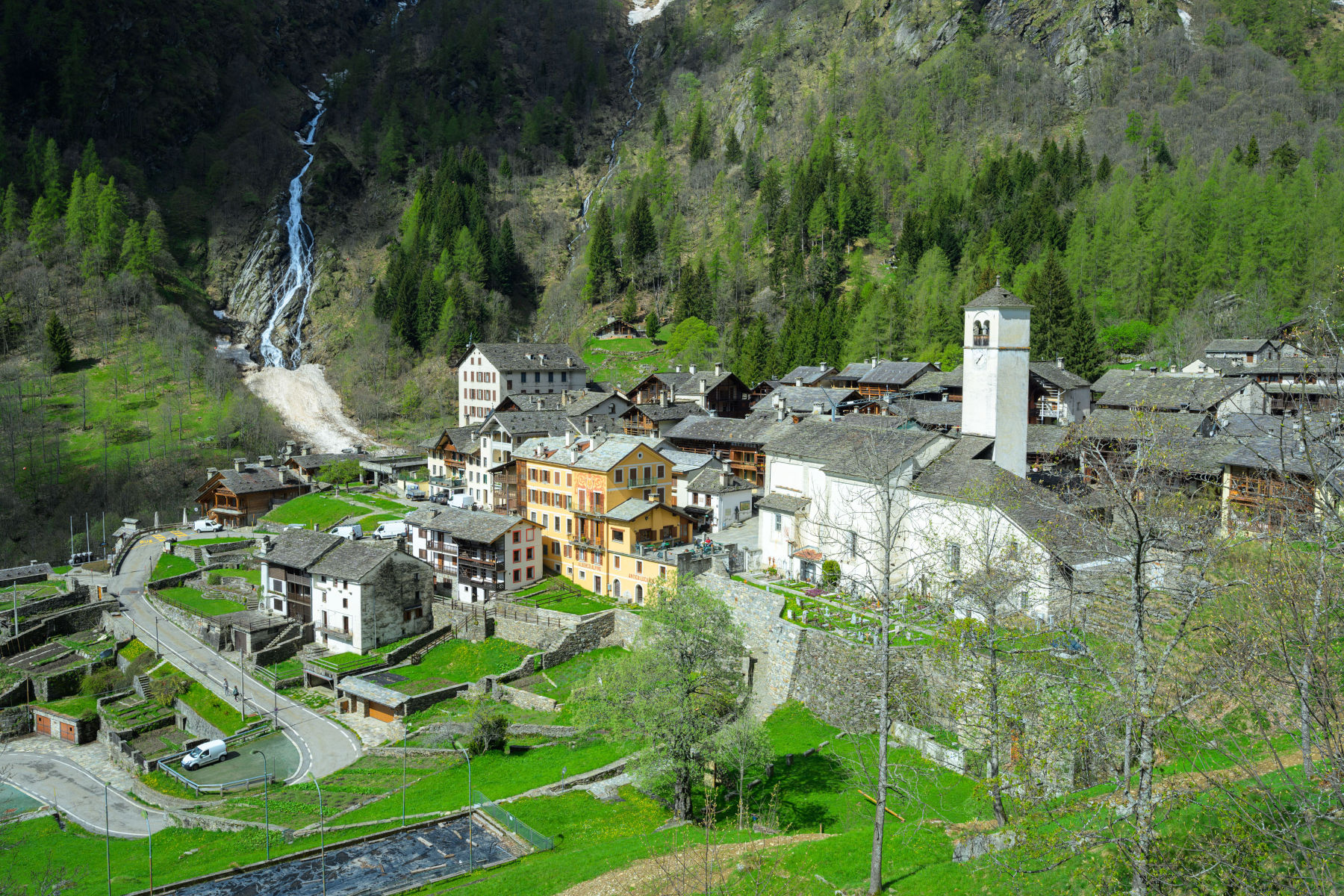
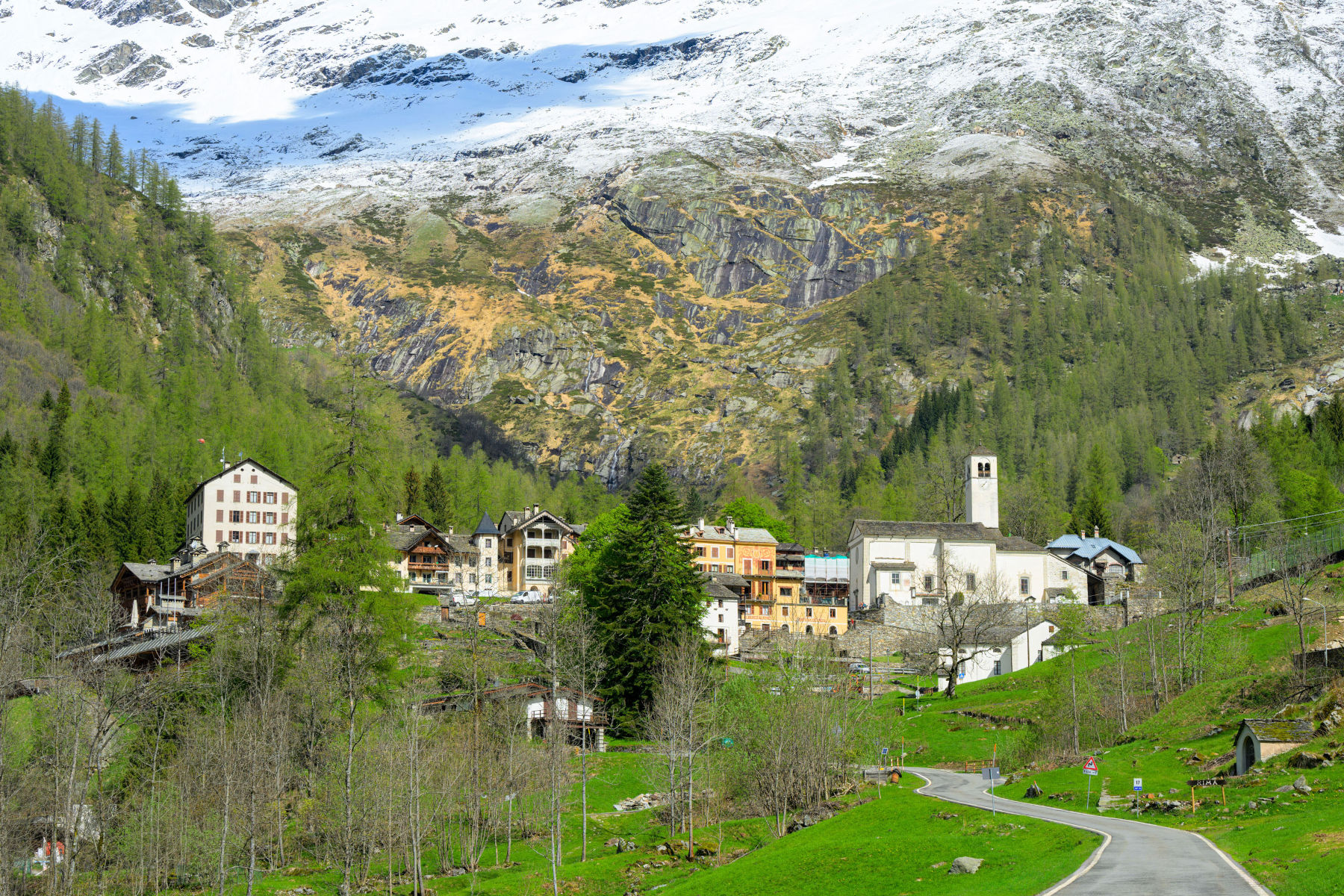
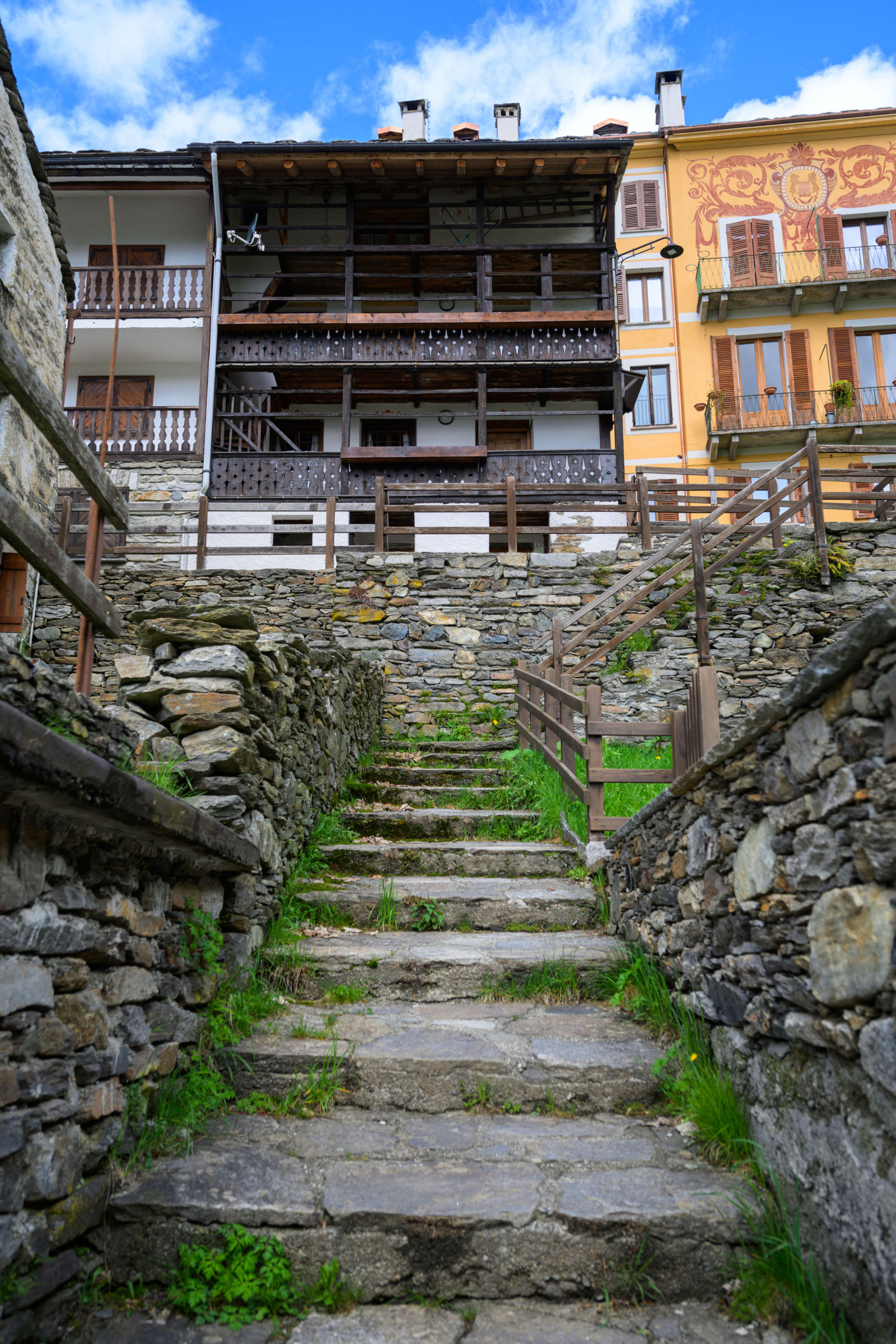
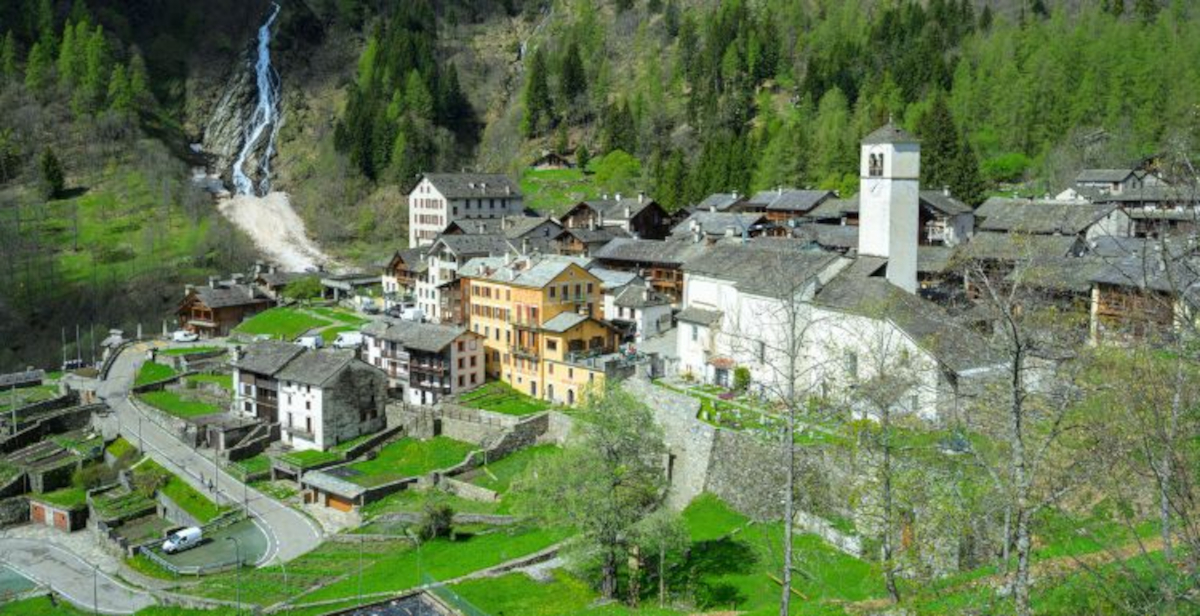
Rima, a small mountain town now part of the municipality of Alto Sermenza, in the province of Vercelli, represents one of the most characteristic historic nuclei of Upper Valsesia. Situated at 1,417 meters above sea level in a green basin at the foot of Mount Tagliaferro, Rima constitutes the highest inhabited settlement in Valsesia and still preserves evident traces of the Walser culture that marked its founding in the 14th century. The Walser, a population of Germanic origin from beyond the Alps, reached the southern valleys of Monte Rosa around the mid-13th century through successive migrations. In an alpine territory characterized by glaciers, rocks and often difficult climatic conditions, the settlers cleared land, opened trails and founded small settlements destined to become the main Walser villages of Valsesia: Alagna, Riva Valdobbia, Rima San Giuseppe, Rimasco, Carcoforo and Rimella. Their society, based mainly on agriculture and animal husbandry, followed the seasonal rhythms of the mountains and remained for centuries in conditions of severe isolation, accentuated also by theuse of Titzschu, a variant of southern German spoken within the Alpine Walser communities.
In any case, the village of Rima, surrounded by a large alpine amphitheater and set in a protected naturalistic context, is linked to its architectural and religious history and also to a craft tradition that achieved international notoriety during the nineteenth century: the working of artificial marble. As of 2018, the village is part of the municipality of Alto Sermenza together with Rimasco. The village maintains the typical characteristics of the ancient Walser villages scattered along the Alpine arc, with traditional stone and wood buildings and an urban structure adapted to the environmental conditions of the high mountains. The Walser presence remains legible in the architecture, the layout of the historic center, and the cultural evidence that still defines the local identity.


The heritage of Rima
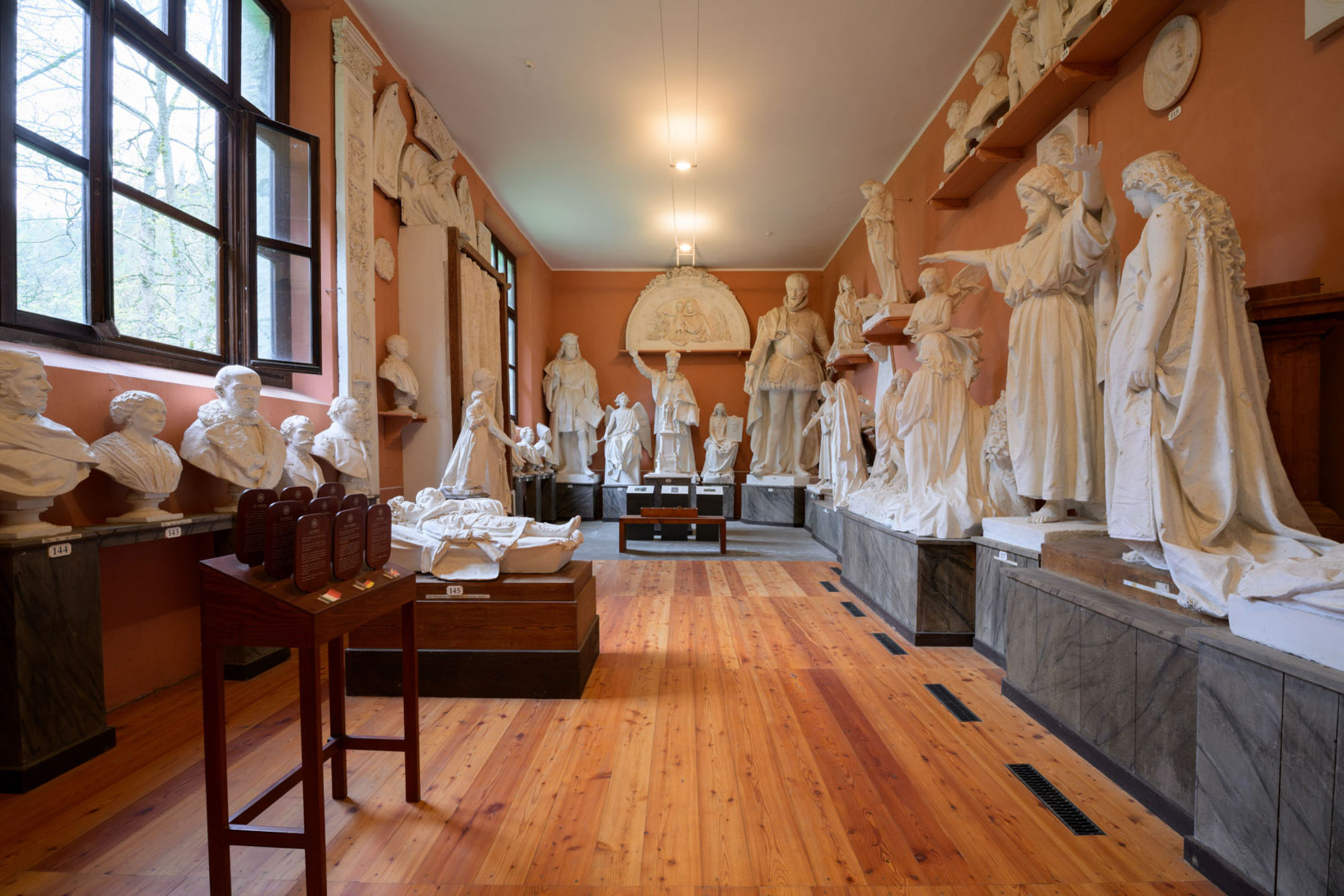
Within this environmental context is then the historical and artistic heritage of Rima. Indeed, the village preserves a number of buildings and cultural institutions that testify to the long history of the village and its traditions. These include the parish church dedicated to St. John the Baptist, built in the 17th century. The building houses furniture and wooden sculptures of particular importance, documenting the quality of the craftsmen active in the Valsesian area between the modern and contemporary ages. A central role in the cultural enhancement of the village is played by the Pietro Della Vedova Gipsoteca.
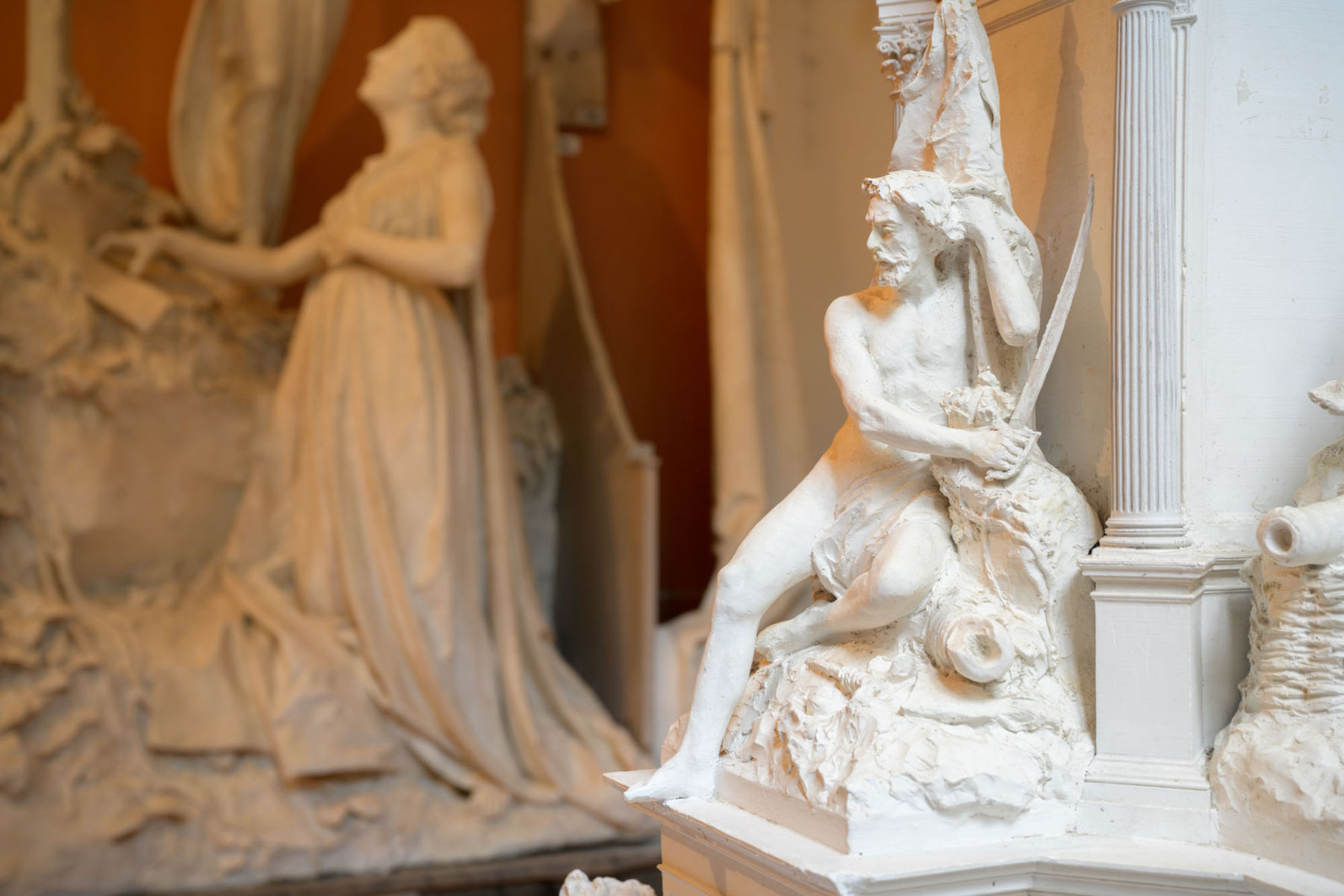
Housed in a simple traditional building surrounded by greenery, the collection preserves about two hundred works including casts, models and sketches made by the Valsesian sculptor Pietro Della Vedova, a professor of sculpture at the Accademia Albertina in Turin. The gypsoteca constitutes one of the main testimonies of the artist’s activity and makes it possible to reconstruct his creative process through preparatory materials and models used in the creation of the final works. The presence of the gipsoteca is part of a widespread museum system in the territory of Valsesia and Vercellese, dedicated to the preservation of historical, artistic and social evidence of the area. In this context, Rima takes a special position thanks to the survival of a craft tradition that deeply marked the economic life of the village between the 19th and 20th centuries.
The Museum Laboratory of Artificial Marble
The Museum Laboratory of Artificial Marble today represents the main place for the preservation and transmission of this tradition. The workshop’s activity has its roots in the mid-19th century, when numerous local artisans, often engaged in seasonal migrations to other Italian and European regions, developed a specialization in the production of polychrome stucco and marbled surfaces. The artificial marble technique made it possible to imitate with remarkable precision the appearance of the finest natural stones through the use of compounds made from mineral powders, pigments and binders.
Also known as scagliola or faux marble, artificial marble is distinguished by the complexity of the execution process. Artisans shaped the color mixtures by reproducing veining and shading similar to that of natural marble. Once completed, the surfaces were honed and polished until extremely realistic visual effects were achieved. The end result could simulate different types of decorative stone, so much so that it was difficult to distinguish the artificial artifact from the natural material. The spread of the technique contributed to the notoriety of Rima’s craftsmen, who worked in numerous Italian and foreign construction sites during the 19th century. Knowledge of the process was passed down within families, usually from father to son, in ways typical of Alpine craft traditions. For a long time, therefore, the secrets of workmanship remained confined to a small number of local craftsmen.
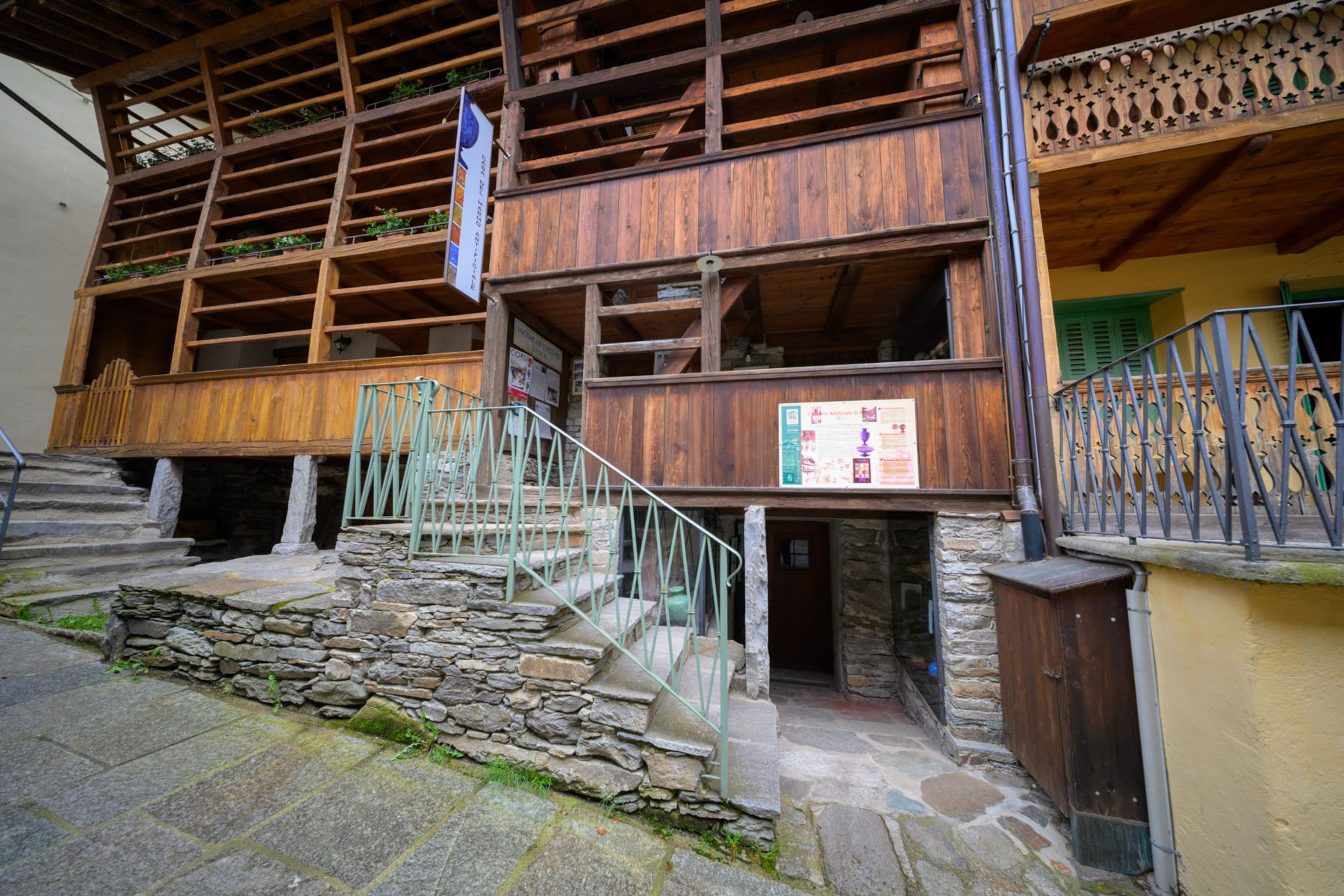
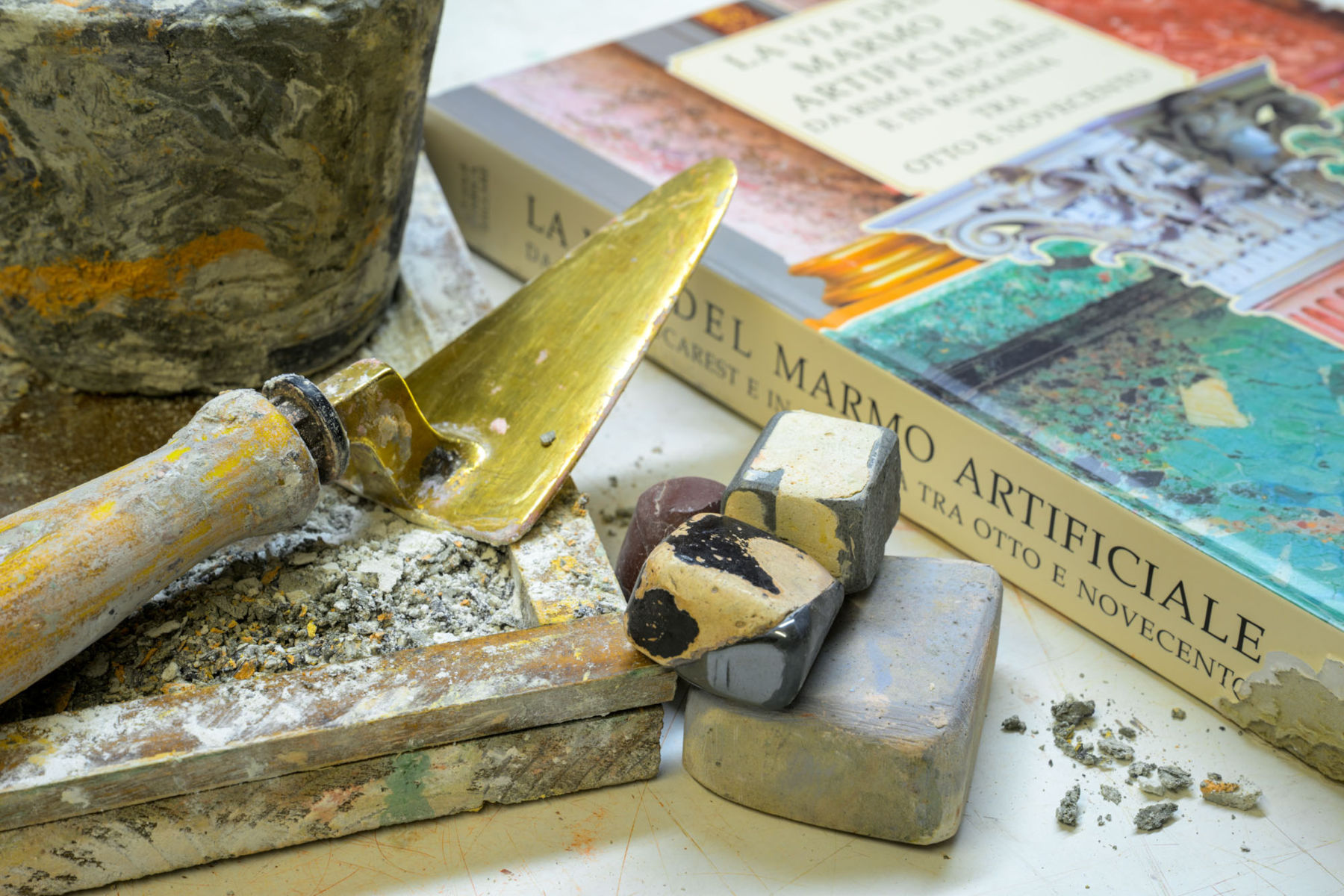
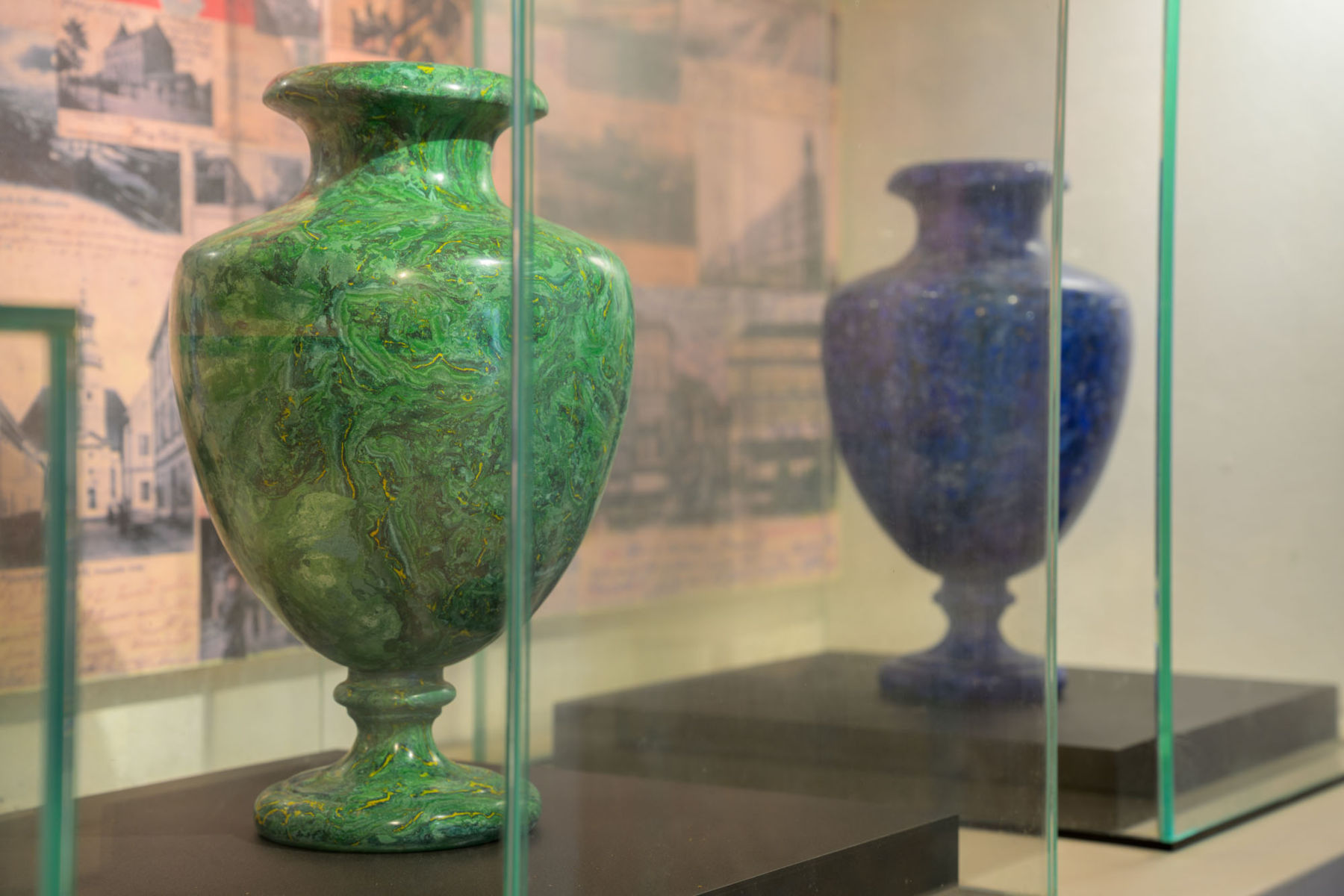
The laboratory museum now preserves historical tools, original samples, decorative models and documentation related to the production of artificial marble. The facility not only serves an exhibition function, but also continues to operate as a space for education and outreach. Through guided tours, hands-on demonstrations and workshop activities, visitors can observe the various stages of processing, from the preparation of mixtures to the final polishing of surfaces. Educational activities also provide an understanding of the technical and chemical aspects underlying the making of scagliola. In fact, the composition of the mixtures, the choice of pigments and the processing methods require specific skills that combine manual experience and knowledge of the materials.
The museum thus also performs a function of protecting a craft knowledge that was gradually in danger of disappearing. Over the past few years, the Rima Artificial Marble Workshop has also taken on a symbolic value linked to the identity of the area. Through the work of scholars, restorers and enthusiasts, the technique continues to be handed down and reinterpreted, keeping alive a cultural heritage that belongs to the history of the valley. The workshop thus represents a link between historical memory and contemporary activity, contributing to the cultural enhancement of the village.
The Alta Valsesia Nature Park
The village lies within an area that falls largely within the Alta Valsesia Natural Park, a protected area established in 1979 and considered the highest in Europe. The park extends from the 880 meters of Fobello to the 4,559 meters of Punta Gnifetti, encompassing about 6,500 hectares distributed among the high valleys of Valsesia, Val Sermenza and Val Mastallone. The area covers the municipalities of Alagna, Rima, Carcoforo, Rimasco, Fobello and Rimella, presenting a remarkable environmental variety due to the altitude difference. The morphology of the Alta Valsesia Nature Park territory is also strongly marked by glacial action. Indeed, the landscape preserves clear traces of the geological processes that have shaped the alpine area over the millennia. Among the best-known itineraries is the Glaciological Trail that connects Alagna to Alpe Fun D’Ekku. Along the trail (which can be walked in about two hours), information panels are installed illustrating the development of the surrounding glaciers and their role in the transformation of the territory. Texts, photographs, graphics and drawings allow visitors to learn more about the geological and environmental aspects of the area.
Also in Alagna, at Alpe Fum Bitz at about 1,600 meters above sea level, is the Alta Valsesia Nature Park visitor center. The facility serves as an information point and exhibition space dedicated to learning about the protected area and its management methods. During the summer period the center is open daily, while during the rest of the year it is accessible by reservation. A botanical garden has also been set up in the immediate vicinity, collecting the main plant species typical of the protected alpine territory.
Among the park’s major scientific highlights is theAngelo Mosso Institute, located at 2,901 meters above sea level. The research center, dedicated to the physiologist Angelo Mosso, a professor at the University of Turin between 1879 and 1910, was inaugurated in 1907 to support the activities of the nearby Regina Margherita Hut, Europe’s highest refuge. The structure also houses the highest meteorological station on the continent and, since 2004, thanks to the CAI of Varallo Sesia, has housed a small library considered the highest in Europe. During the twentieth century, numerous scholars used the facility as a base for research activities at high altitudes. Currently, the Angelo Mosso Institute can be visited during the summer period through guided tours. But how can it be reached? Through the Alagna ski lifts to Passo dei Salati, at 2,936 meters above sea level, from which a dirt path starts and leads to the building in about fifteen minutes.
In the Cimalegna area, on the other hand, there is a trail dedicated to the geological history of the northwestern Alps. The Geological Pedological Trail of Cimalegna is developed on the glacial plateau located at an altitude of almost 3,000 meters and starts from the Salati Pass, the connection point between Valsesia and the Gressoney Valley. The trail makes it possible to observe the geological and pedological features of the alpine area, providing useful elements for understanding the formation of the mountain landscape.
The cultural and naturalistic offerings of Rima are thus developed along different but closely interconnected lines. On the one hand, the village preserves traces of its Walser origin and of the historical transformations that have occurred over the centuries; on the other, it keeps alive a craft tradition that has had economic and cultural relevance far beyond the valley’s borders. Added to this is the presence of an environmental context of particular scientific and scenic interest, characterized by hiking routes, protected areas and research centers related to the high mountains. The village of Rima thus continues to represent one of the most historically, culturally and environmentally relevant places in Upper Valsesia.
 |
| Rima and the Walser heritage: among the peaks of Upper Valsesia beats the heart of artificial marble |
Warning: the translation into English of the original Italian article was created using automatic tools. We undertake to review all articles, but we do not guarantee the total absence of inaccuracies in the translation due to the program. You can find the original by clicking on the ITA button. If you find any mistake,please contact us.