





Until May 3, 2026, MAT - Museo Arte Tempo in Clusone (Bergamo) dedicates the first monographic exhibition to one of the most significant protagonists of local and Bergamasque artistic history: Domenico Carpinoni (Clusone, 1566 - 1658). The exhibition, entitled Domenico Carpinoni (1566-1658). Art, Faith and Popular Devotion and curated by art historian Enrico De Pascale, is set up in the spaces of Palazzo Marinoni Barca, home of MAT, and represents a moment of synthesis and revitalization of studies on the artist from Clusone active between the end of the 16th and the first half of the 17th century.
The initiative crowns the twentieth anniversary of the museum in its current location and is part of the broader process of enhancing the city’s artistic heritage. A substantial nucleus of works from museums, churches and private collections restores the importance of an eccentric and prolific painter, an original interpreter of late Italian Mannerist culture, capable of combining Venetian suggestions and Central European influences.
Carpinoni, who was born and died in Clusone, was profoundly influenced by the great Venetian painting of the 16th century, particularly Jacopo Bassano and Paolo Veronese, but he also assimilated the figurative tradition widespread in Italy through translation prints by Italian and foreign authors. His sacred production is mainly preserved in churches in the Seriana Valley, Val Cavallina, along the Bergamo side of Lake Iseo and in several locations of Val Camonica, as well as in important Italian and foreign museum institutions such as the Pinacoteca Ambrosiana in Milan, the Fondazione Querini Stampalia in Venice, the Musei Civici in Treviso, the Galleria Estense in Modena, the Museo Diocesano Adriano Bernareggi in Bergamo, the National Museum in Warsaw and the North Carolina Museum of Art in Raleigh.
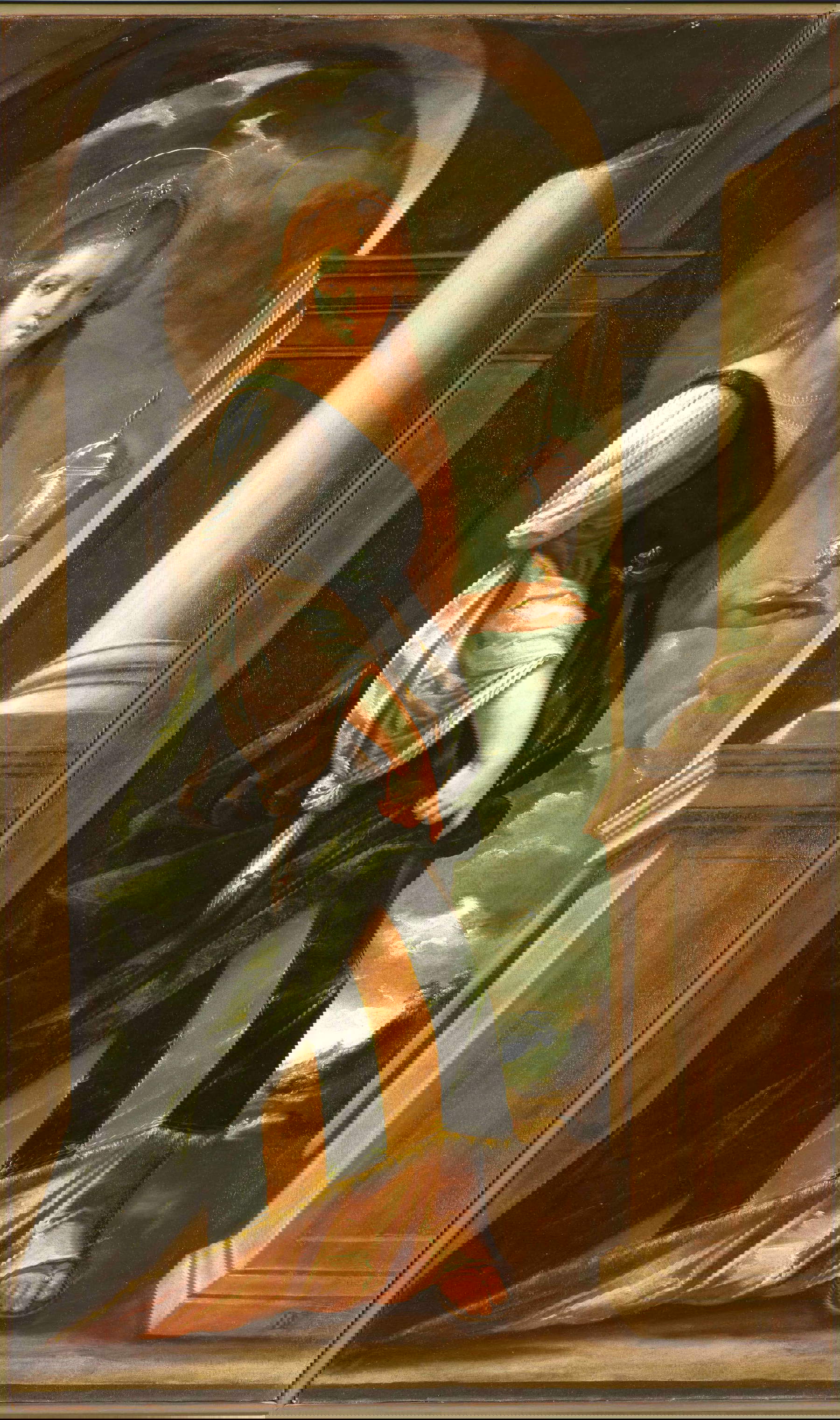
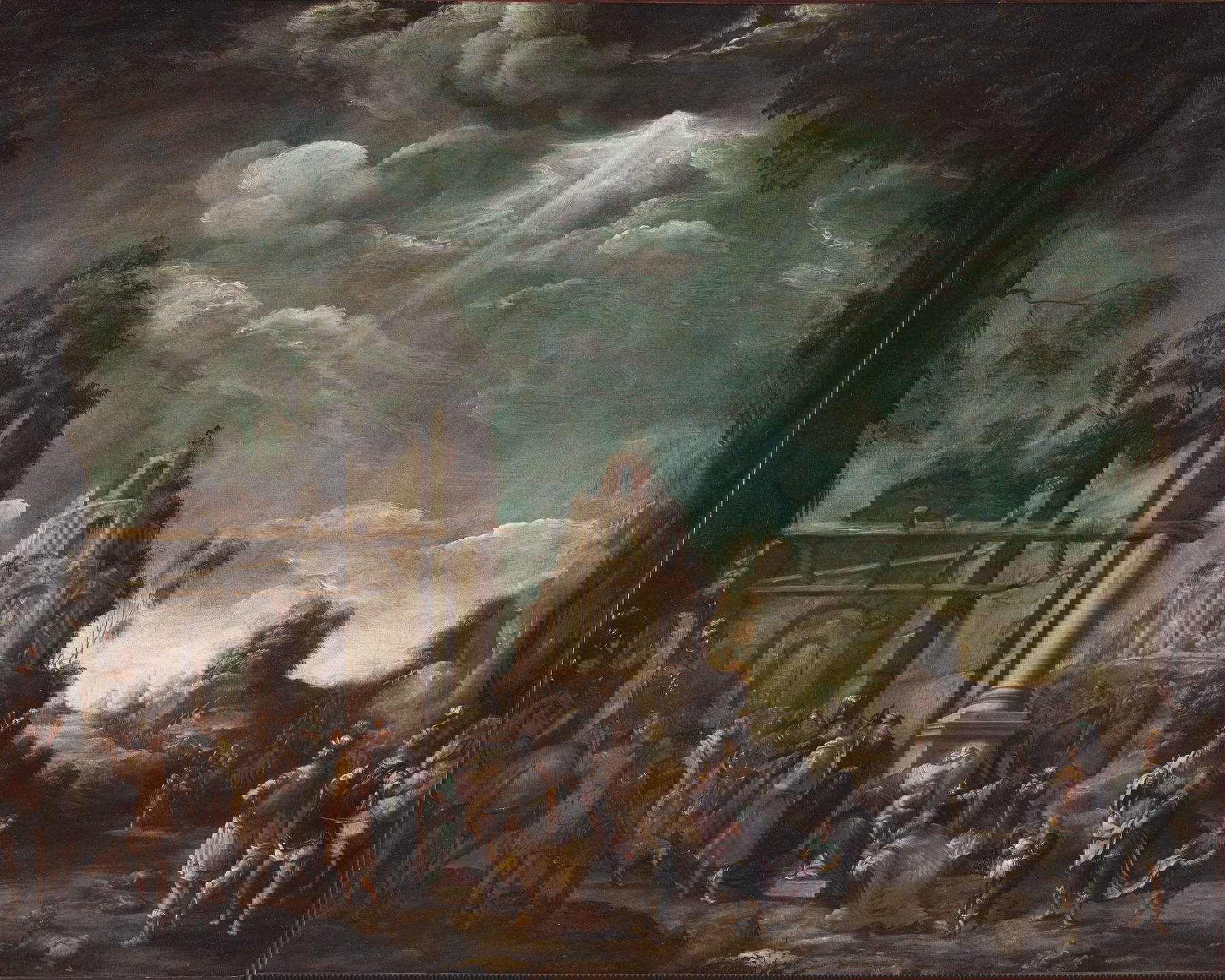
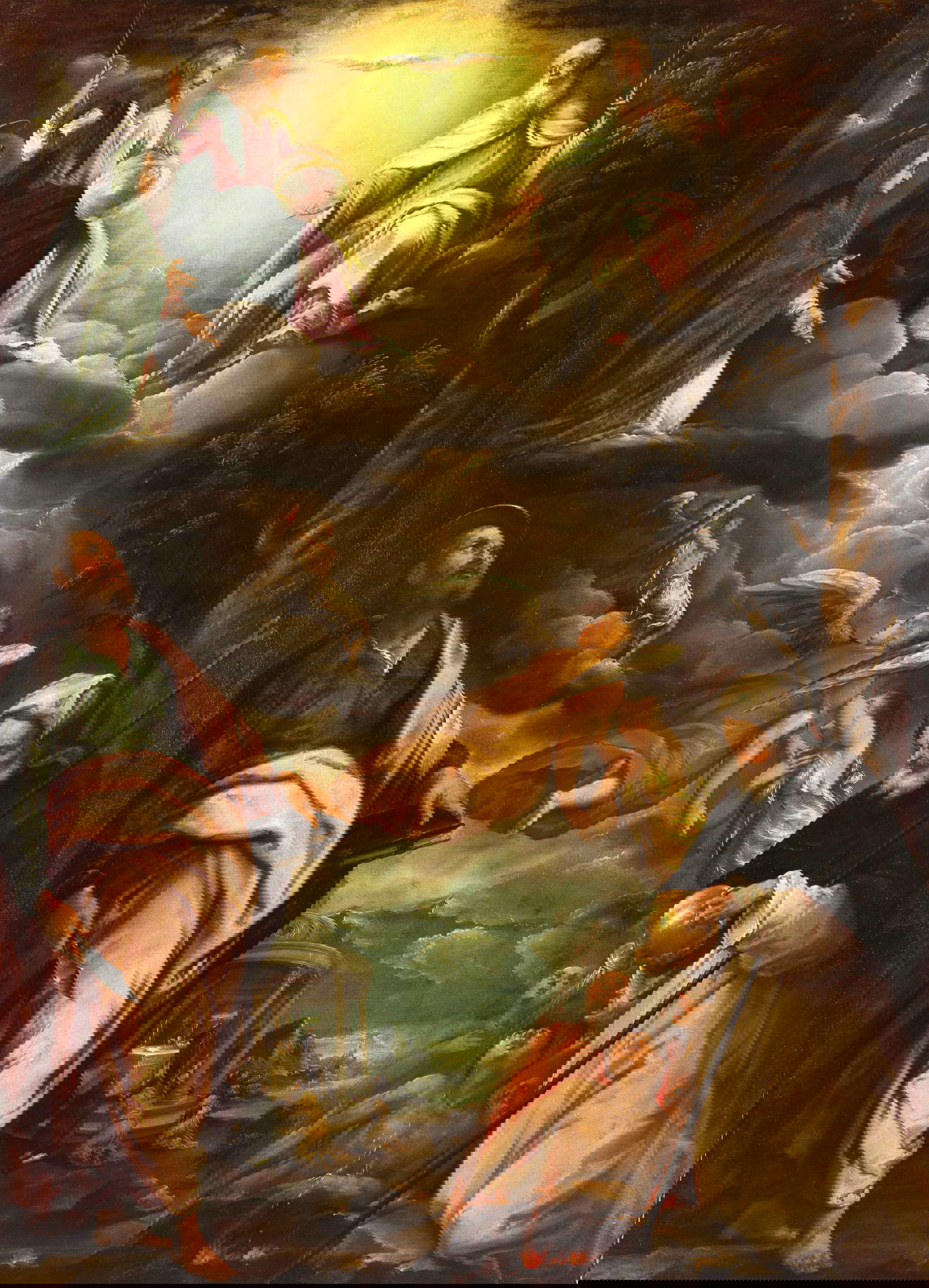
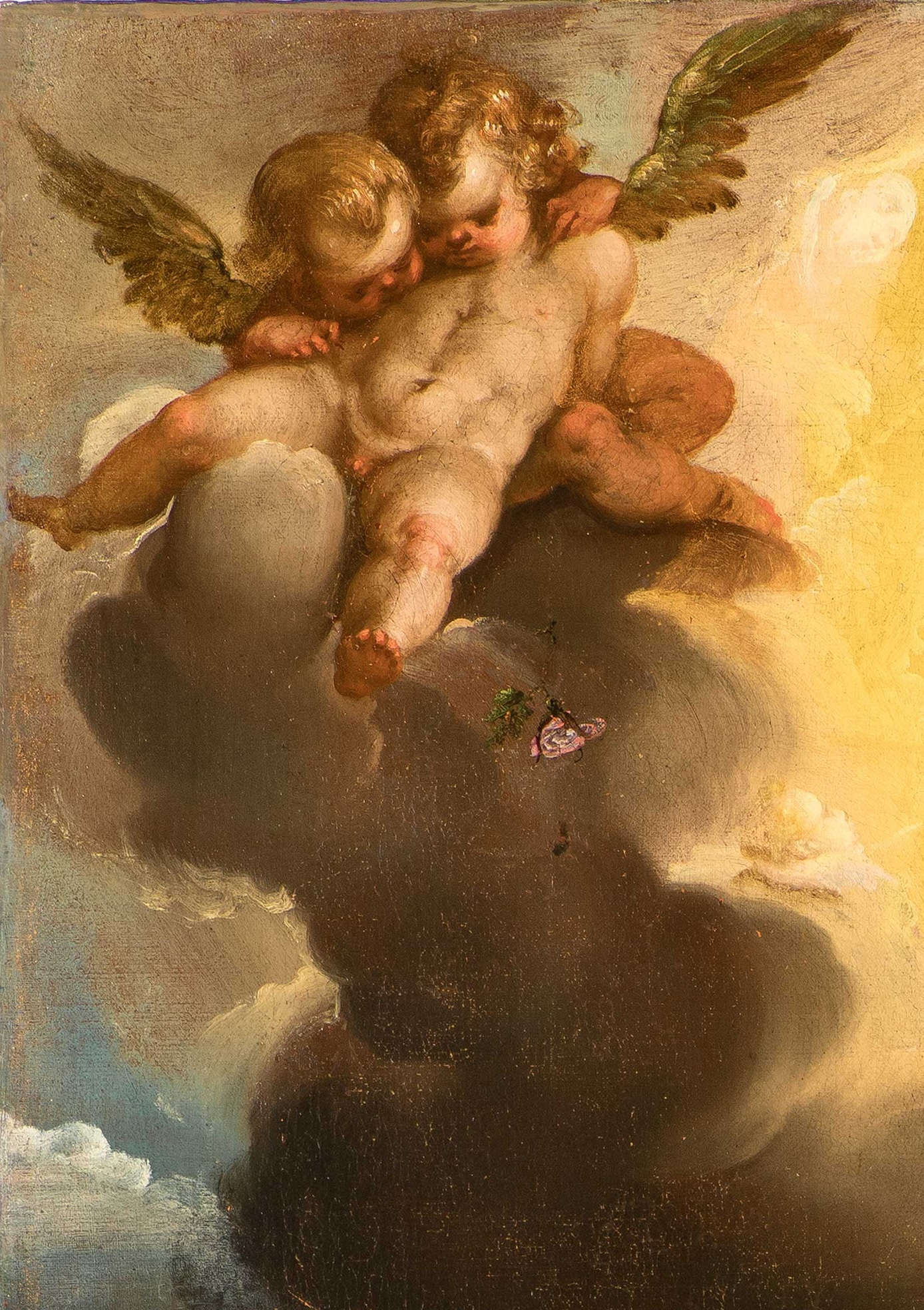
The exhibition project offers for the first time the opportunity to take a close look at the master’s original stylistic signature through an itinerary that presents thirteen works in the MAT rooms, two prints and six other works placed in their original location, namely in the Basilica of Santa Maria Assunta and San Giovanni Battista, the church of San Luigi and the sanctuary of the Beata Vergine del Paradiso in Clusone. Each work is illustrated and analyzed in the catalog published by Lubrina Bramani editore, edited by Enrico De Pascale and Chiara Bolis, with essays and cards signed by scholars including Angelo Loda, Mariolina Olivari, Mino Scandella, Francesco Nezosi and Paolo Plebani.
The scholarly project aims to enhance Carpinoni’s role in Lombard sacred and secular painting between the late 16th century and the first half of the 17th century. Overall, nineteen works by the master are presented, complemented by a number of prints documenting the main figurative sources he drew on during his long activity, which lasted until the age of ninety. The selected but representative exhibition nucleus restores the variety of expressive solutions and narrative power of an artist who knew how to blend Venetian elegance and mountain sensibility.
A significant part of the project is theurban itinerary that accompanies visitors outside the museum premises, leading them to the three main churches of Clusone, where important paintings by Carpinoni are preserved, each accompanied by analytical cards. The dialogue between museum and territory allows the works to be placed back in their original context, restoring the link between art, popular devotion and religious patronage.
![Domenico Carpinoni, Portrait of Torquato Tasso [?] (c. 1640; oil on canvas, 95 × 76 cm; Private collection)](https://cdn.finestresullarte.info/rivista/immagini/2026/fn/domenico-carpinoni-ritratto-di-torquato-tasso.jpg "Domenico Carpinoni, Portrait of Torquato Tasso [?] (c. 1640; oil on canvas, 95 × 76 cm; Private collection)")
A rich calendar of side events is planned during the exhibition period. Educational workshops, guided tours aimed at the general public and specific groups such as schoolchildren, families and people with disabilities, concerts in the museum rooms and in-depth meetings address topics related to sacred iconography, Carpinoni’s painting techniques and the role of confraternities in religious life between the 16th and 17th centuries.
Among the events with free admission, the meeting Acqua e fuoco. The role of the Confraternities in the commissioning of works of art, with Enrico De Pascale and historian Mino Scandella, dedicated to the symbolic and cultural significance of fundamental elements in religious tradition and artistic representation. A guided tour of Carpinoni’s paintings in Clusone’s churches is scheduled for March 14, 2026, while on March 27, 2026 Angelo Loda tackles the theme of the macabre in the land of Bergamo, starting with the series of paintings having as their theme Death appearing at a banquet of young guests, also connected to Clusone’s famous Danza Macabra. On April 18, 2026, Chiara Bolis spoke on the attributive case of the Madonna in Glory with Saints in the Basilica of Santa Maria Assunta, long believed to be the work of Carpinoni and now traced back to Clusone painter Tonino Novaero.
“Our town,” says Massimo Morstabilini, mayor of Clusone, “boasts a centuries-old tradition that has given birth to entire generations of masters who have enriched the churches and squares of Lombardy. In this fertile context, the figure of Domenico Carpinoni shines as one of the greatest exponents. His training probably saw him a pupil of the great Palma il Giovane in Venice, but Carpinoni chose, in a gesture of deep affection and rootedness, to return to Clusone to live and work. His is a story of local excellence that was able to merge with the great pictorial currents of the Serenissima. This exhibition and catalog represent a fundamental step in the rediscovery of Carpinoni’s art. His ability to combine Venetian elegance with a more straightforward, mountainous sensibility makes him a crucial figure in understanding seventeenth-century art in the Bergamo area. This initiative adds another piece to the museum’s path of valorizing Baradelli artists during its 20 years of activity. It was precisely in December 2005 that its current home in Palazzo Marinoni Barca was inaugurated, which in these two decades has hosted and celebrated Clusonese excellence in its wonderful rooms. Domenico Carpinoni could not be missed! I hope that these pages dedicated to him will inspire not only specialists but also visitors, offering a new light on the talent of an artist who left an indelible mark.”
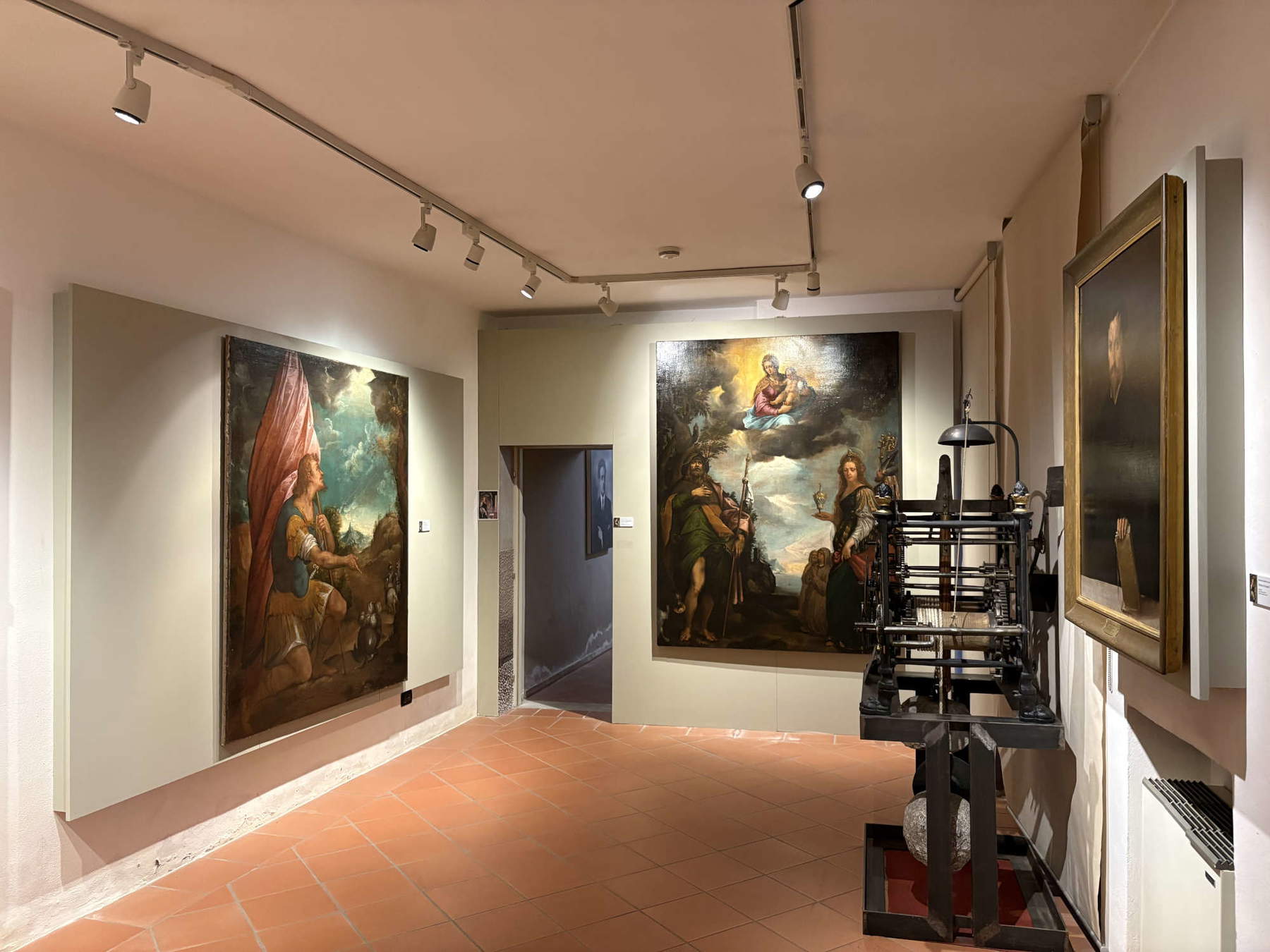
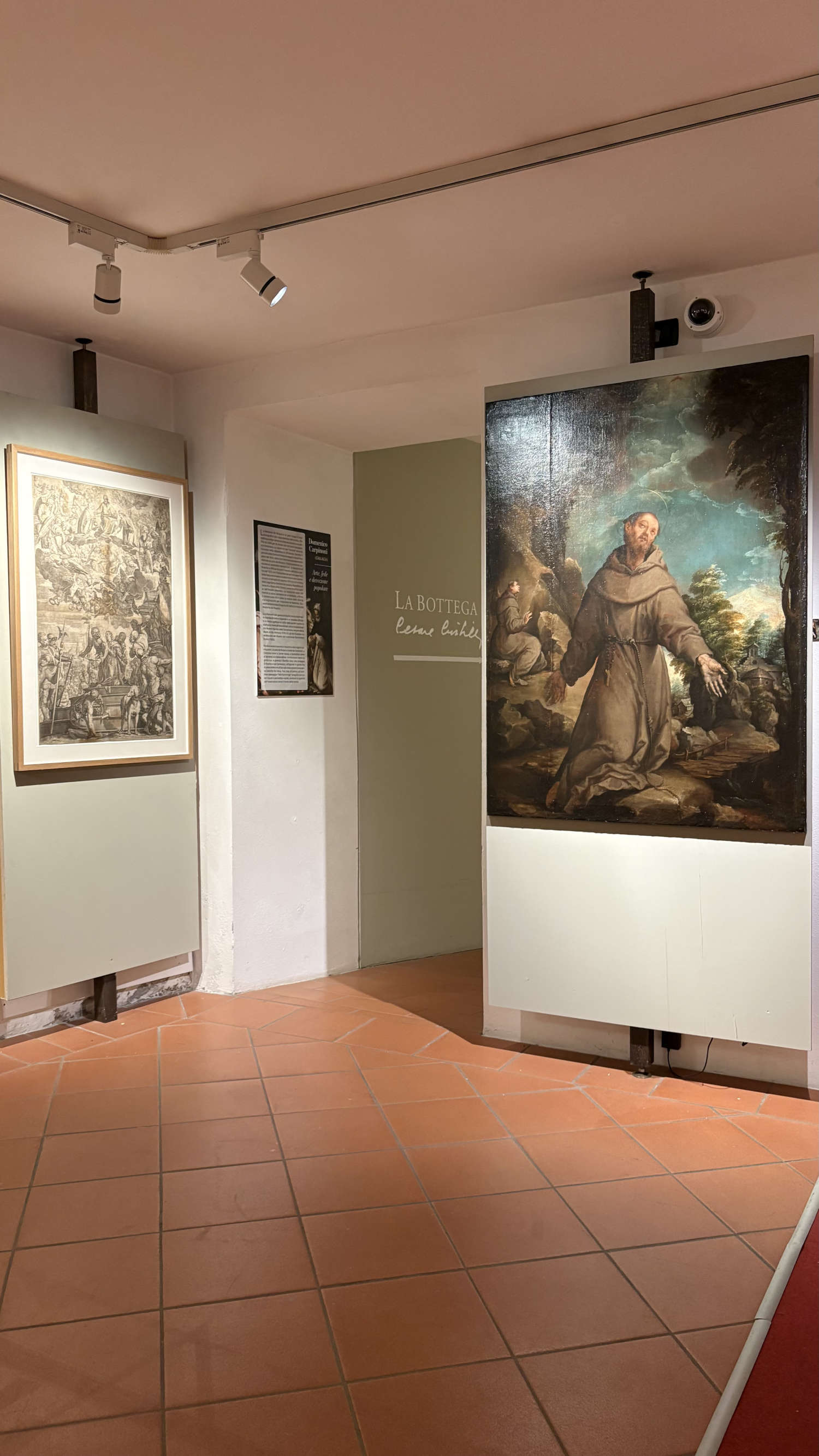
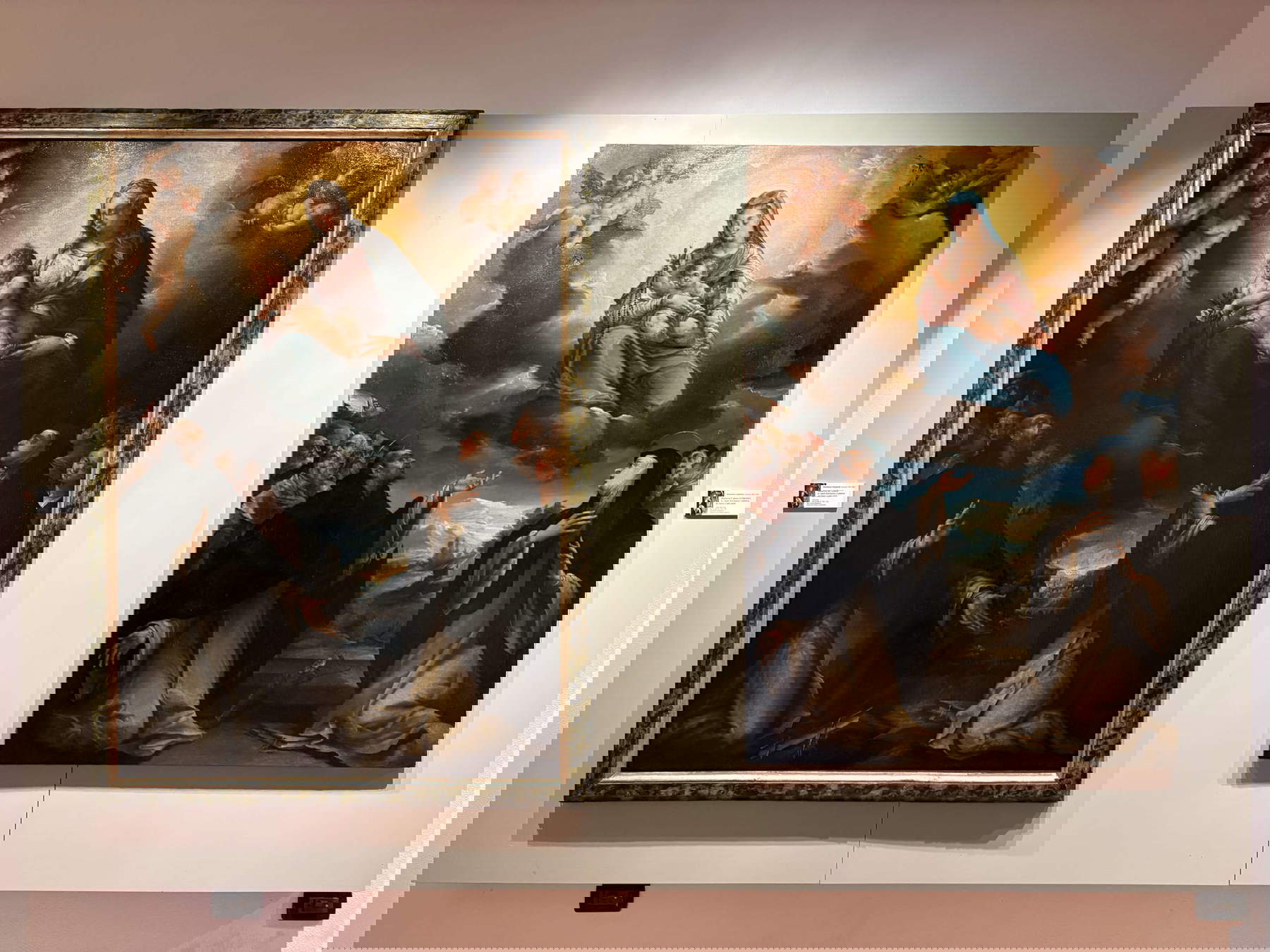
Clusone, Orange Flag of the Italian Touring Club and among The Most Beautiful Villages in Italy, is considered a cultural center of reference for the Seriana and Scalve Valleys. Called Città Dipinta (Painted City) for its architectural and decorative heritage, which includes the Fanzago Clock and the Danza Macabra, as well as frescoed churches and palaces, in 2025 it was selected by the Lombardy Region to represent Italy in the international Best Tourism Villages competition promoted by the UNWTO.
The town museum holds a rich collection of works donated by Clusone’s leading families, housed in the frescoed rooms of Palazzo Marinoni Barca. Since 2005, the MAT has offered visitors paintings, drawings, sculptures and embossments by artists from Clusone and elsewhere, while the interior spaces also house tower clock mechanisms belonging to the Gorla Collection, entrusted to Clusone by the Province of Bergamo. Standing out outside the museum are three giant sequoias, with a circumference of six meters and a height of about twenty-five, another identity element of the town of Fanzago Clock.
The exhibition Domenico Carpinoni. Art, Faith and Popular Devotion is produced by the City of Clusone with contributions from the Region of Lombardy and the Province of Bergamo and thanks to main sponsor Conad Superstore Clusone. Admission to the exhibition and participation in the scheduled guided tours are free of charge, in accordance with the desire to make the rediscovery of an artist who left a significant mark on the history of Lombardy art accessible to all.
|
| An exhibition in Clusone to rediscover an excellent 16th century painter, Domenico Carpinoni |

Warning: the translation into English of the original Italian article was created using automatic tools. We undertake to review all articles, but we do not guarantee the total absence of inaccuracies in the translation due to the program. You can find the original by clicking on the ITA button. If you find any mistake,please contact us.






















 IT
IT FR
FR DE
DE ES
ES CN
CN


