




by Redazione 21/04/2026



Categories: Ancient art / Disclaimer
Egypt: 13 archaeological artifacts illegally removed from the country recovered by the U.S. through a joint operation between the Ministry of Tourism and Antiquities, Foreign Ministry, and Egyptian and U.S. authorities. The artifacts cover prehistoric and Greco-Roman. Minister Sherif Fathy reiterates protection and recovery.

Egypt has recovered from the United States 13 archaeological artifacts that illegally left the country, as part of an operation conducted through cooperation between the Ministry of Tourism and Antiquities, the Egyptian Foreign Ministry and relevant authorities in the two countries, including U.S. investigative and judicial facilities and Egyptian heritage protection offices.

The operation is part of efforts to combat illicit trafficking in cultural property and also involved the New York District Attorney’s Office, specialized archaeological heritage police, and the Office of the Attorney General of the Arab Republic of Egypt. The operations brought back materials that, according to authorities, had been stolen and subsequently transferred out of the country without authorization.


Minister of Tourism and Antiquities Sherif Fathy linked the recovery to the Egyptian state’s strategy for the protection of cultural heritage, stressing the continuity of actions aimed at the return of assets that have illegally left the country. According to the statement, Egypt intends to continue the recovery work through legal and diplomatic means, without giving up its claims on the missing artifacts, including through international cooperation. The operation was hailed by Egyptian authorities as the result of institutional coordination involving different administrative and judicial levels, with joint action between national bodies and international partners engaged in the traceability of cultural property.
According to Hisham el-Leithy, secretary-general of the Supreme Council of Antiquities, the 13 artifacts display a remarkable typological and chronological variety. The works cover a wide time span, ranging from prehistoric to Greco-Roman times, offering an overview of different aspects of material and symbolic production in ancient Egypt, including daily life, religious practices and artistic expressions.
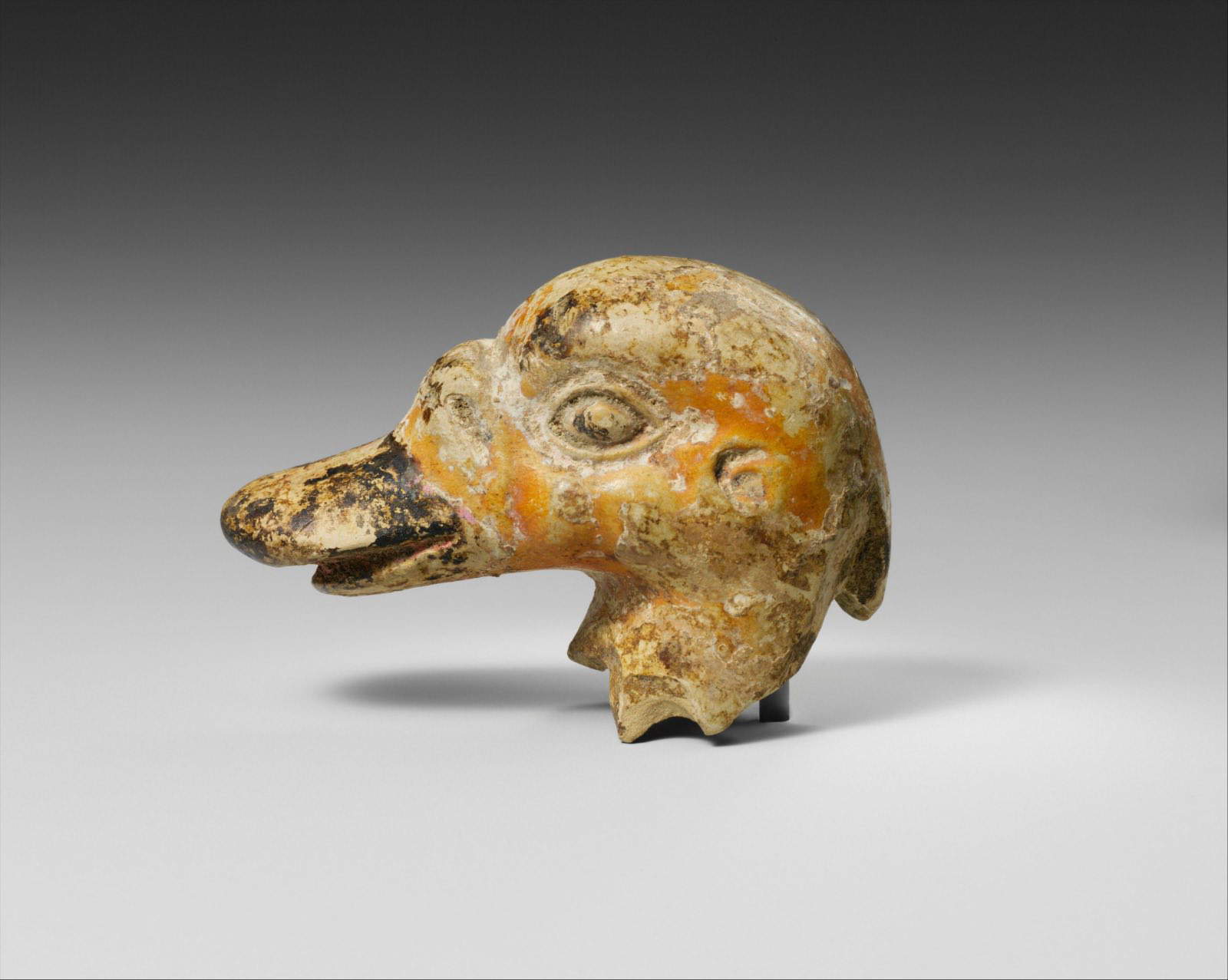
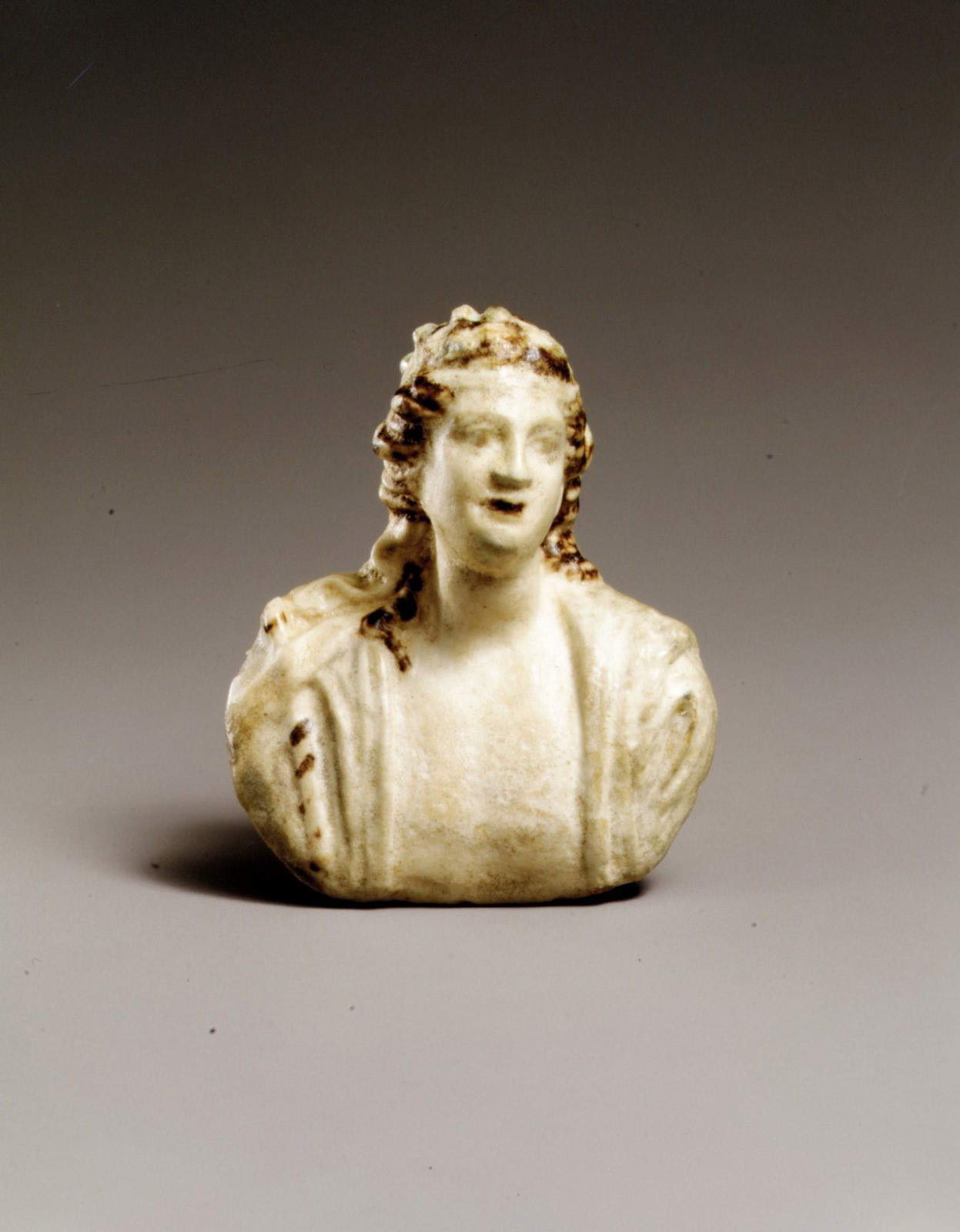
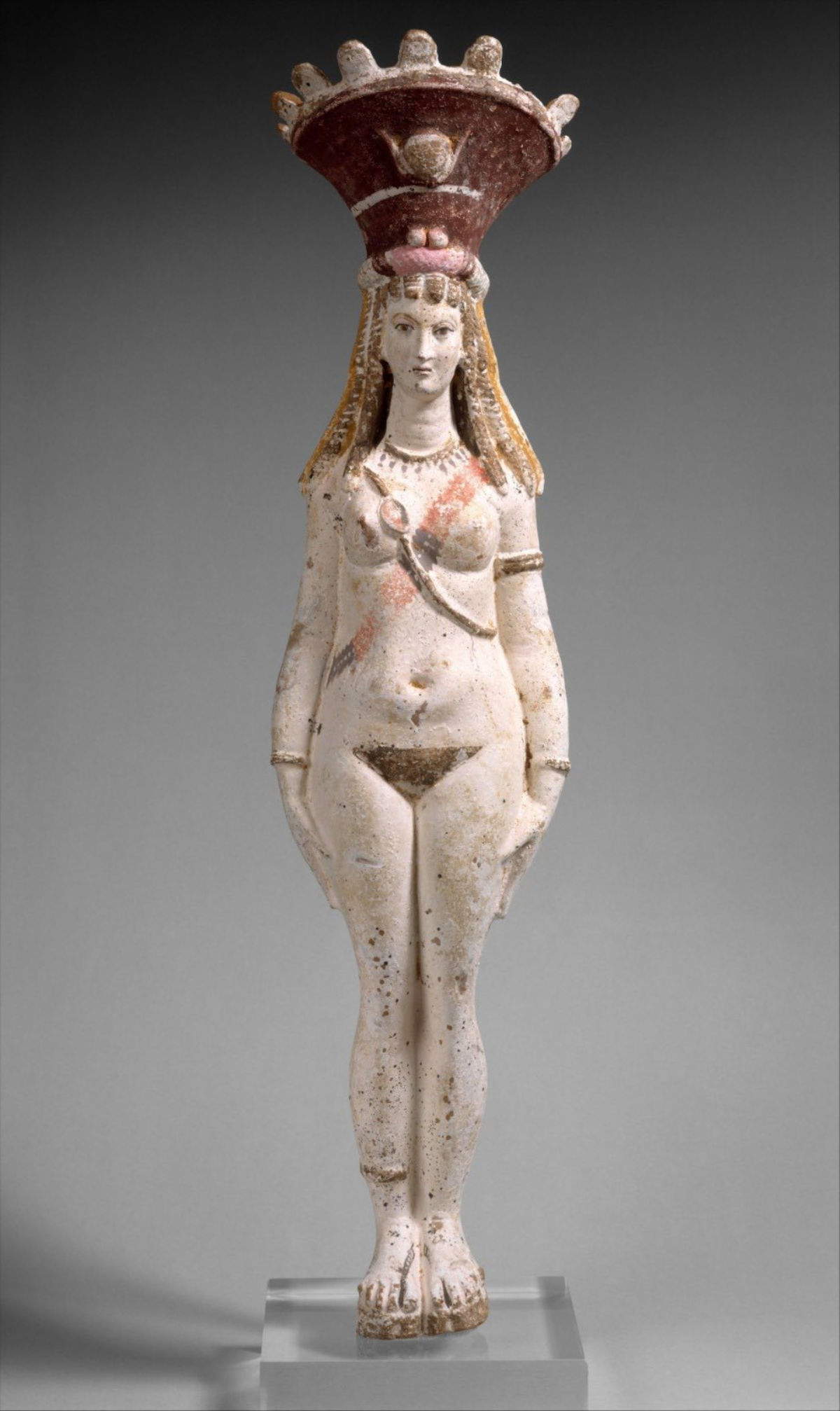
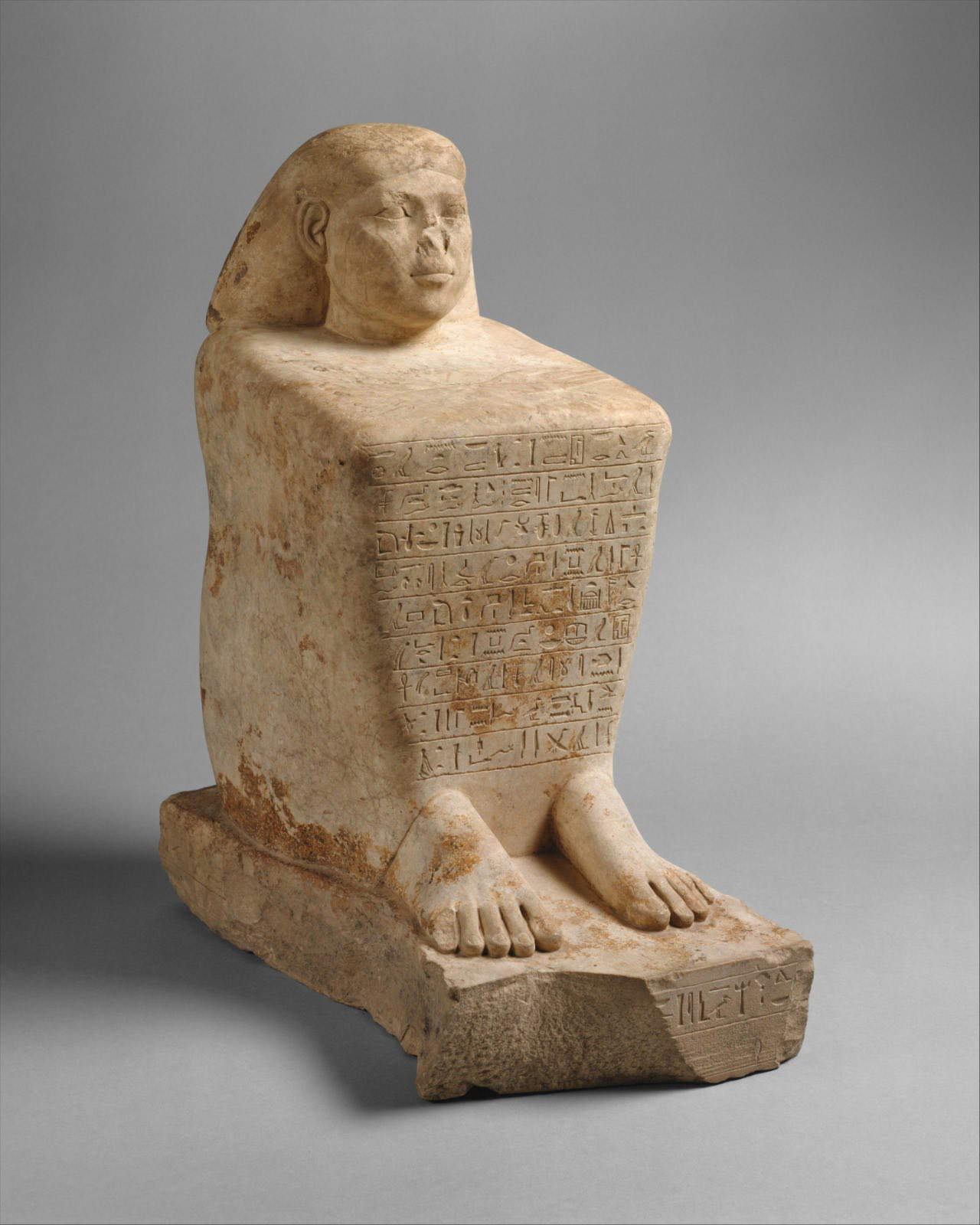
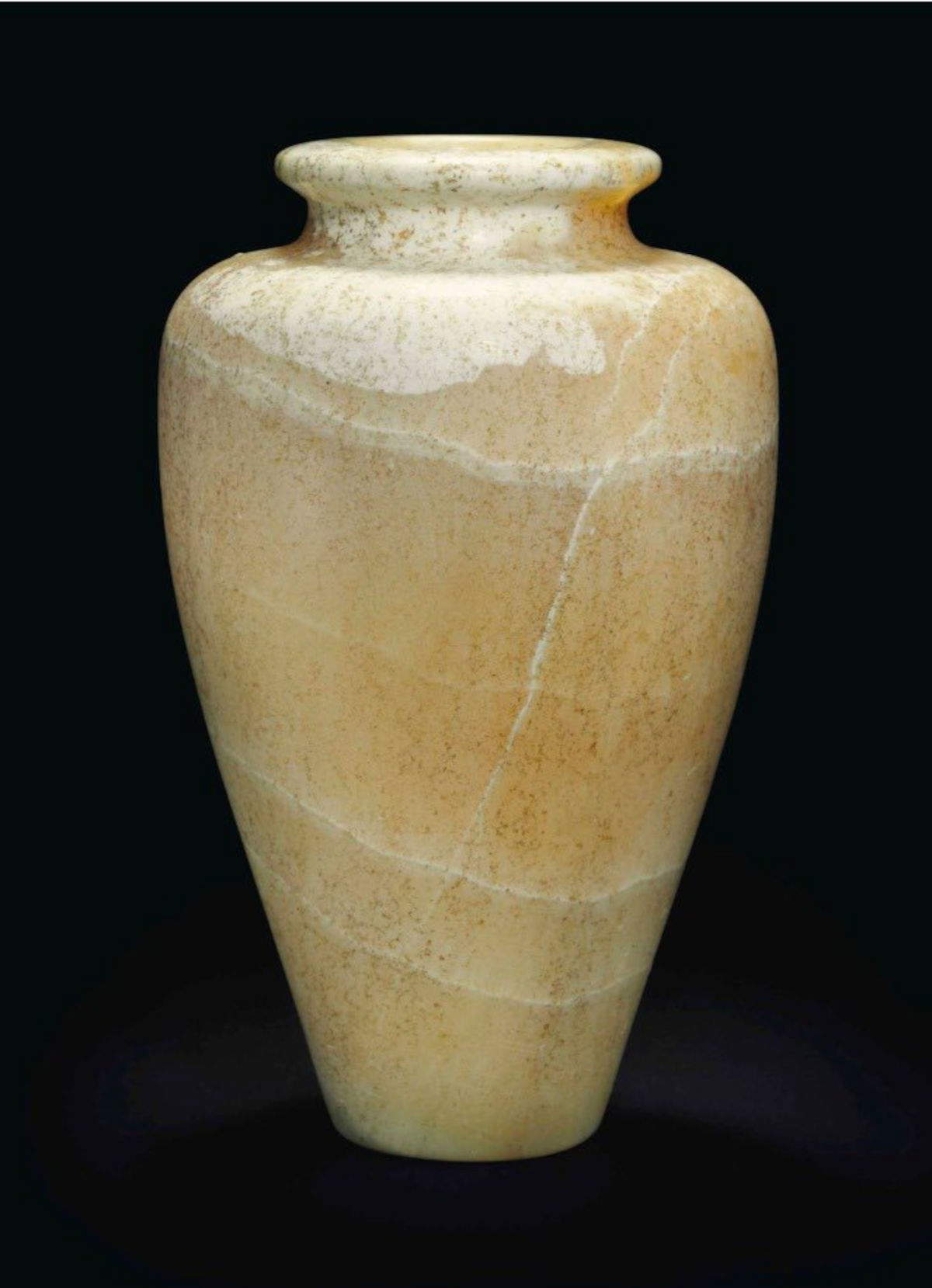
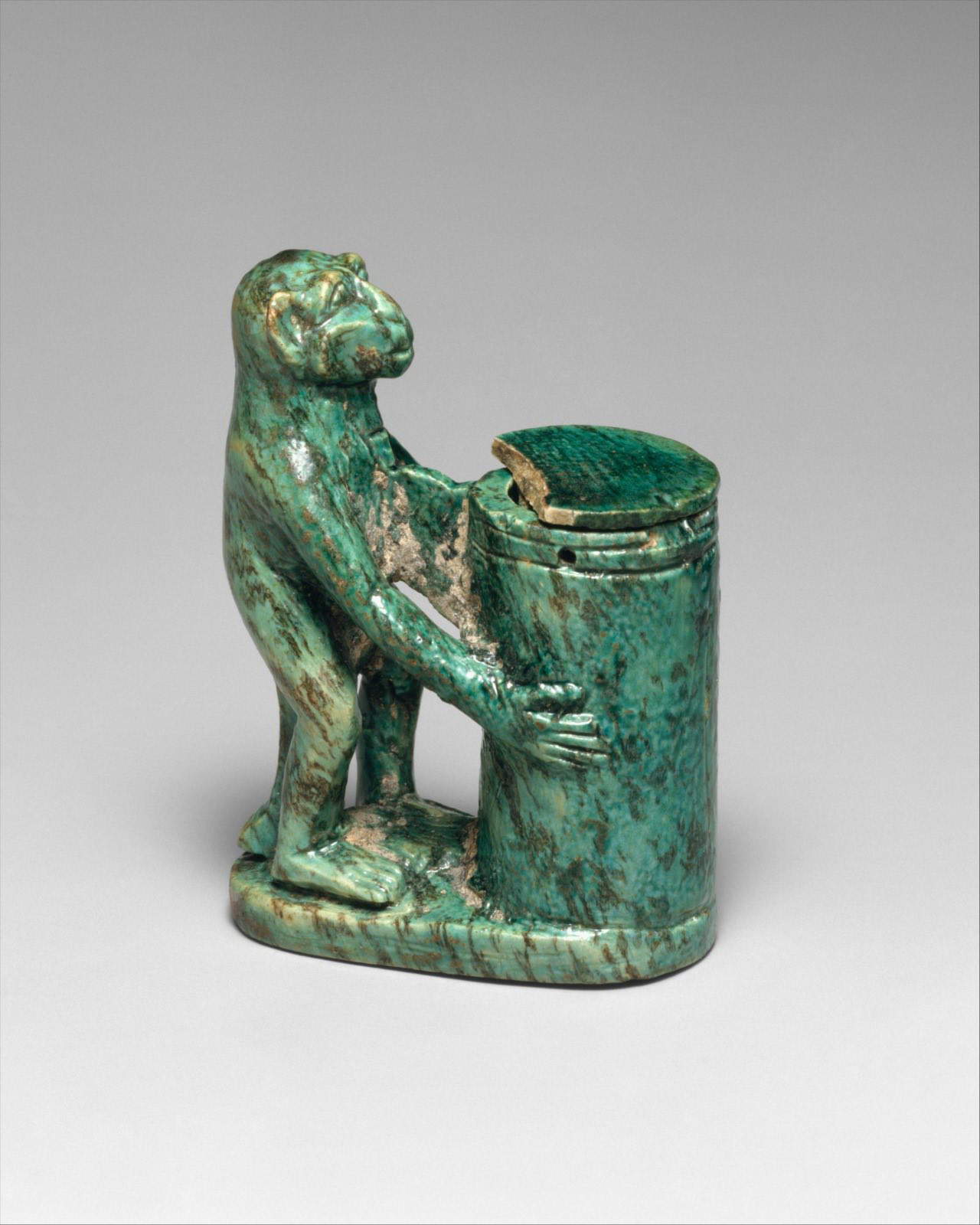
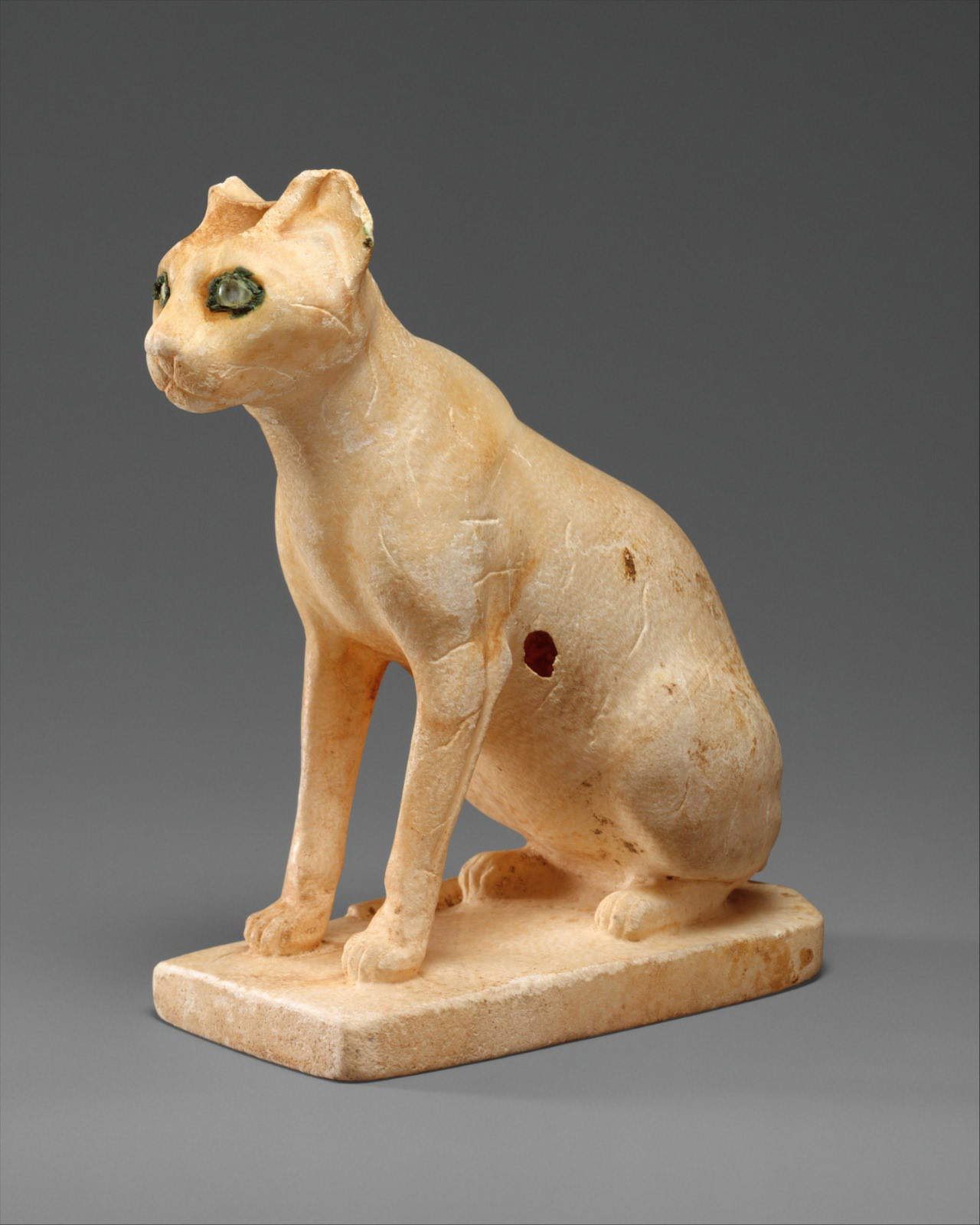
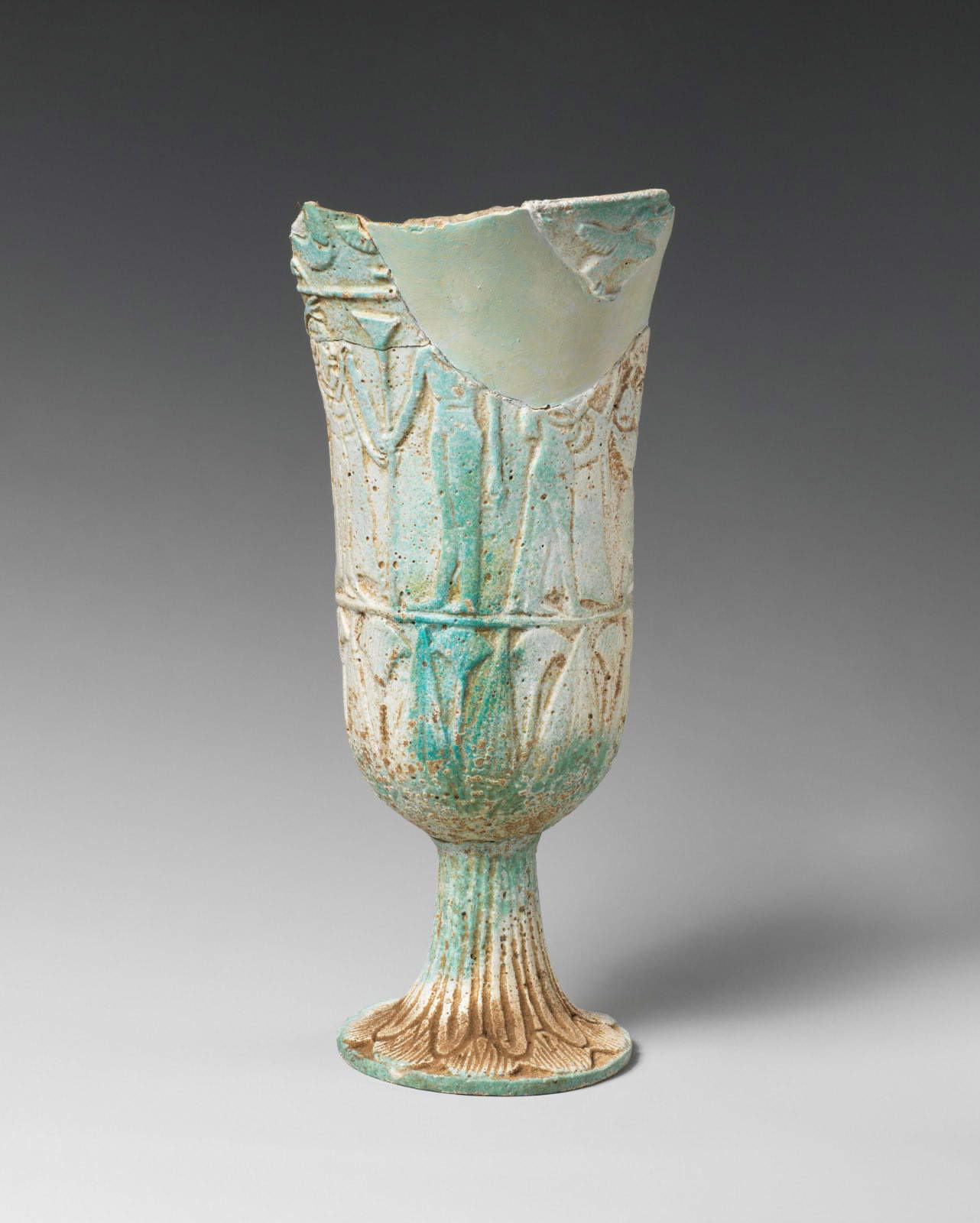
The recovered artifacts, as stated by Professor Shaaban Abdel Gawad, director general of the General Administration for the Recovery of Antiquities and supervisor of the Central Administration for Ports and Seized Property, include containers and objects of ritual and domestic use. An alabaster vessel intended for storing oils and perfumes, dating to the 7th century B.C., was identified. A kohl vessel in the shape of a monkey dates to the New Kingdom, while a cat-shaped cosmetic container is attributed to the Middle Kingdom. These are joined by a vase from the Ptolemaic period and a ceremonial bowl used in ritual contexts, as well as several containers intended for storing liquids and ointments, also attributable to the Middle Kingdom.
The corpus also includes a decorated fragment depicting a child among marsh plants, interpreted as a possible reference to the boy god Horus. Other objects include a clay (earthenware ) figurine in the shape of a duck from the Ptolemaic period and afaience (glazed pottery) decoration with the head of the Greek deity Dionysus. Completing the group are a statue depicting the goddess Isis assimilated to the iconography of Aphrodite, datable to the second century CE, and a cubic statue referring to an individual identified as “Ankh en nefer,” which can be traced to the late period of ancient Egypt.
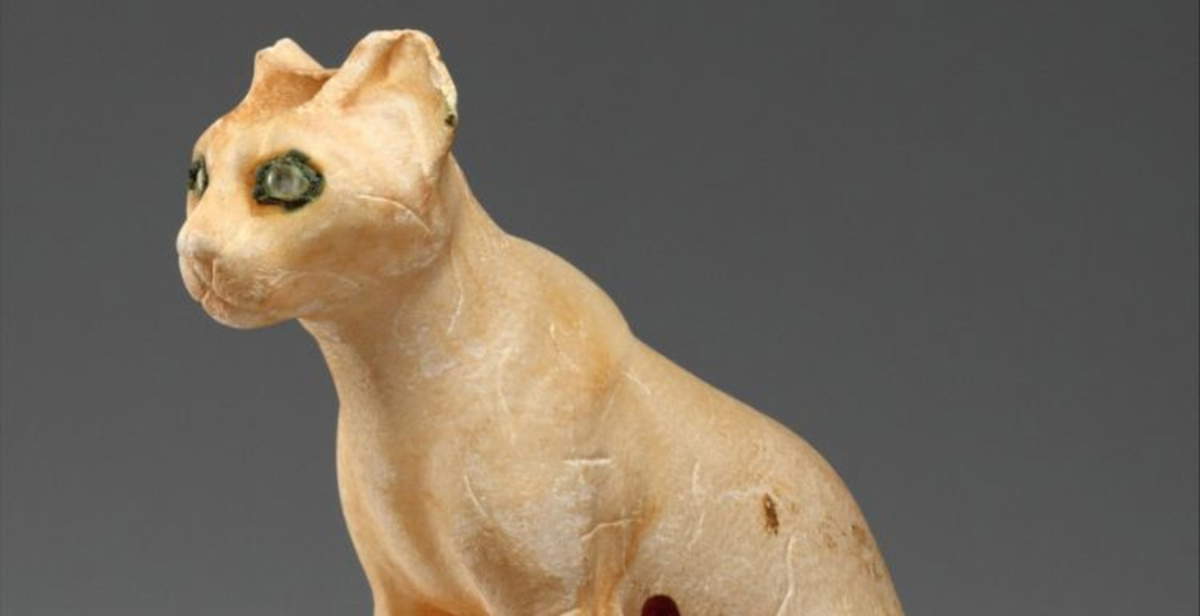 |
| Egypt: 13 illegally stolen archaeological artifacts recovered from the United States |
Warning: the translation into English of the original Italian article was created using automatic tools. We undertake to review all articles, but we do not guarantee the total absence of inaccuracies in the translation due to the program. You can find the original by clicking on the ITA button. If you find any mistake,please contact us.