




by Redazione 19/05/2026



Categories: Ancient art / Disclaimer
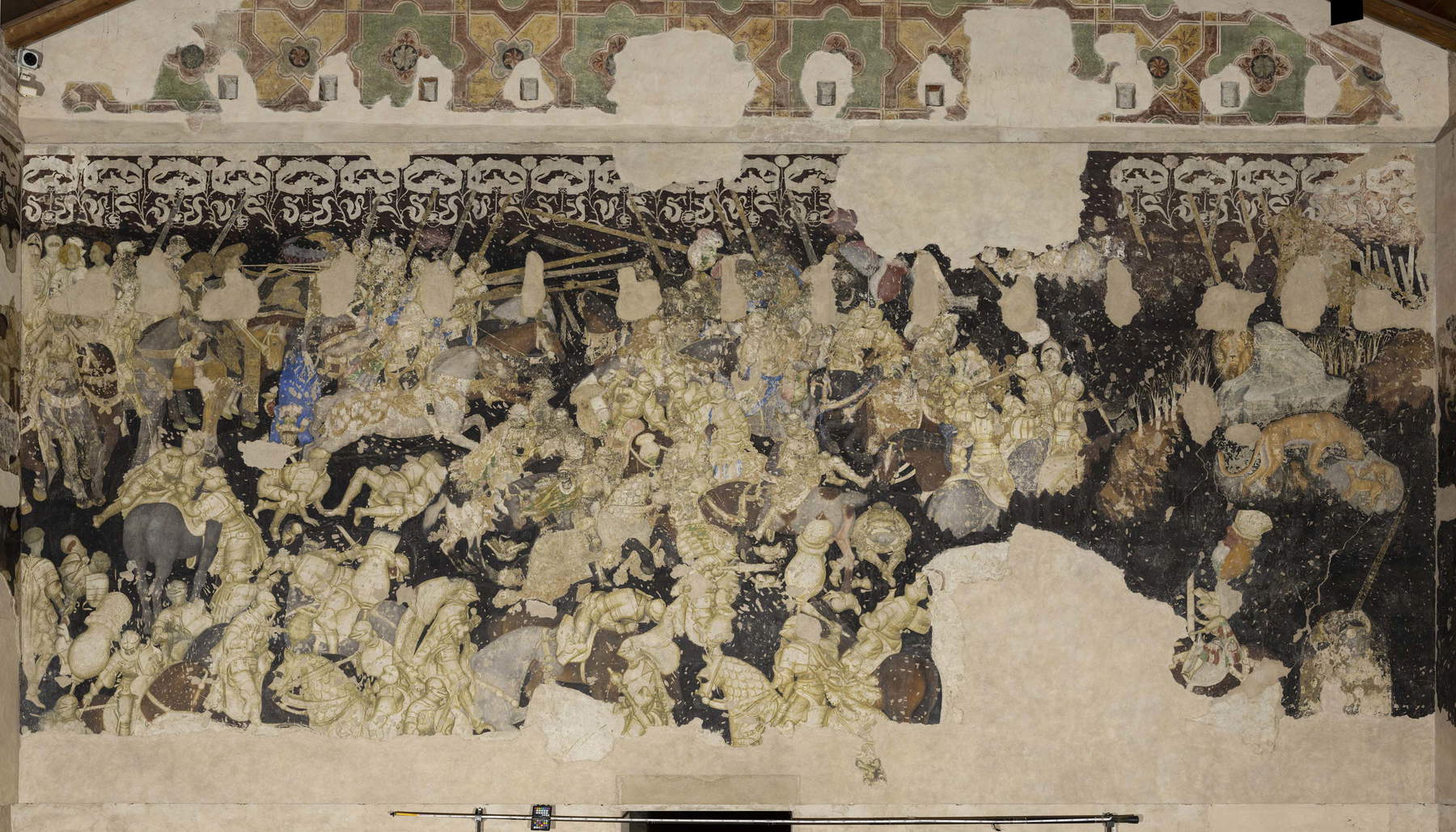
In Mantua on May 27, 2026, the new permanent exhibit in the Sala dell'Alcova in Corte Vecchia is unveiled. On display are nine tears from Pisanello's chivalric cycle, recovered from storage and enhanced through a restoration and accessibility project.


In Mantua, in the spaces of the Ducal Palace, a new phase of enhancement dedicated to one of the most complex and fascinating pictorial cycles of the Italian 15th century opens. In fact, on Wednesday, May 27, 2026, at 4 p.m., the new permanent installation of the Sala dell’Alcova, located in Corte Vecchia, will be presented, an intervention that returns to the public a significant part of the artistic heritage preserved in the museum complex’s deposits.
The project, entitled Pisanello in Light. Strappi dai depositi di Palazzo Ducale, was created with the aim of bringing back to public enjoyment a selection of nine strappi from the famous chivalric cycle created by Antonio di Puccio Pisano known as Pisanello, a central figure of late Gothic Italian painting. The works, largely recovered from storage, are now included in a renewed exhibition itinerary that allows for a broader and more articulate reading of the historical and technical history of the pictorial cycle.
The layout is not limited to the mere display of fragments, but builds a true museum narrative that integrates the story of the discovery of the chivalric cycle and the investigations that allowed its identification and recovery. The aim is to offer the public more in-depth interpretative tools, capable of relating the historical dimension of the work to the technical aspects of its creation, particularly the complex technique of wall tears.


The cycle painted by Pisanello, one of the most important examples of secular painting of the 15th century, was rediscovered in the 1960s thanks to the study and research activities of the then superintendent Giovanni Paccagnini. His investigations made it possible to locate the so-called “Sala del Pisanello,” already documented in 1480 but later considered lost due to the numerous architectural transformations undergone by the palace over the centuries. The room was eventually identified in a building behind the Palazzo del Capitano, in the area known as Corte Vecchia, marking a fundamental moment in the history of studies on Pisanello and in the knowledge of Mantua’s artistic heritage. The rediscovery of the cycle represented a decisive step in the understanding of early Renaissance courtly painting, restoring visibility to a work that had remained hidden and fragmented for centuries.
The new display in the Sala dell’Alcova is part of this groove of research and enhancement, with the intention of making accessible to the public materials that until now were kept in the museum’s storage rooms. The nine tears on display represent a significant selection of the chivalric cycle and allow a close look at the complexity of the original painting technique, as well as the transformations undergone over time.
The intervention was also made possible thanks to the contribution of the Fondazione Comunità Mantovana, which supported the project as part of its initiatives to enhance local cultural heritage. An important role was also played by the technical sponsorship of the restoration firm ZóE di Gola Giovanna, which took care of the surface finishing of the new layout using materials supplied by Opificio Bio Aedilitia.
The design and development of the installation was entrusted to Archiplan Studio, which signed the exhibition concept of the new route in the Alcove Room. Coordination of the project was overseen by architect Verena Frignani for the architectural and plant engineering aspects, while restorative officer Daniela Marzia Mazzaglia oversaw operations related to the handling and conservation of the works, ensuring the correct placement of the rips in the new exhibition route.
The selection and study of the materials were taken care of by art historian functionary Giulia Marocchi, who contributed to the scientific definition of the operation, ensuring consistency between the exhibition project and the goals of enhancing the pictorial cycle.
As part of the same operation, a significant intervention was also carried out in terms of accessibility. In fact, a new ramp now allows a fully accessible connection between the New Gallery and the first room of the Alcove, substantially improving the use of the spaces by all visitors. The intervention is part of a broader strategy of adaptation and inclusion, aimed at making the museum complex increasingly open and accessible.
The Pisanello in light project is also an opportunity to remember the recently deceased restorer Archinto Araldi, who worked for the Coffani company at the time. Araldi participated directly in the operations of tearing down Pisanello’s murals, contributing in a decisive way to the conservation of a heritage that today is once again accessible and readable thanks to the new layout.
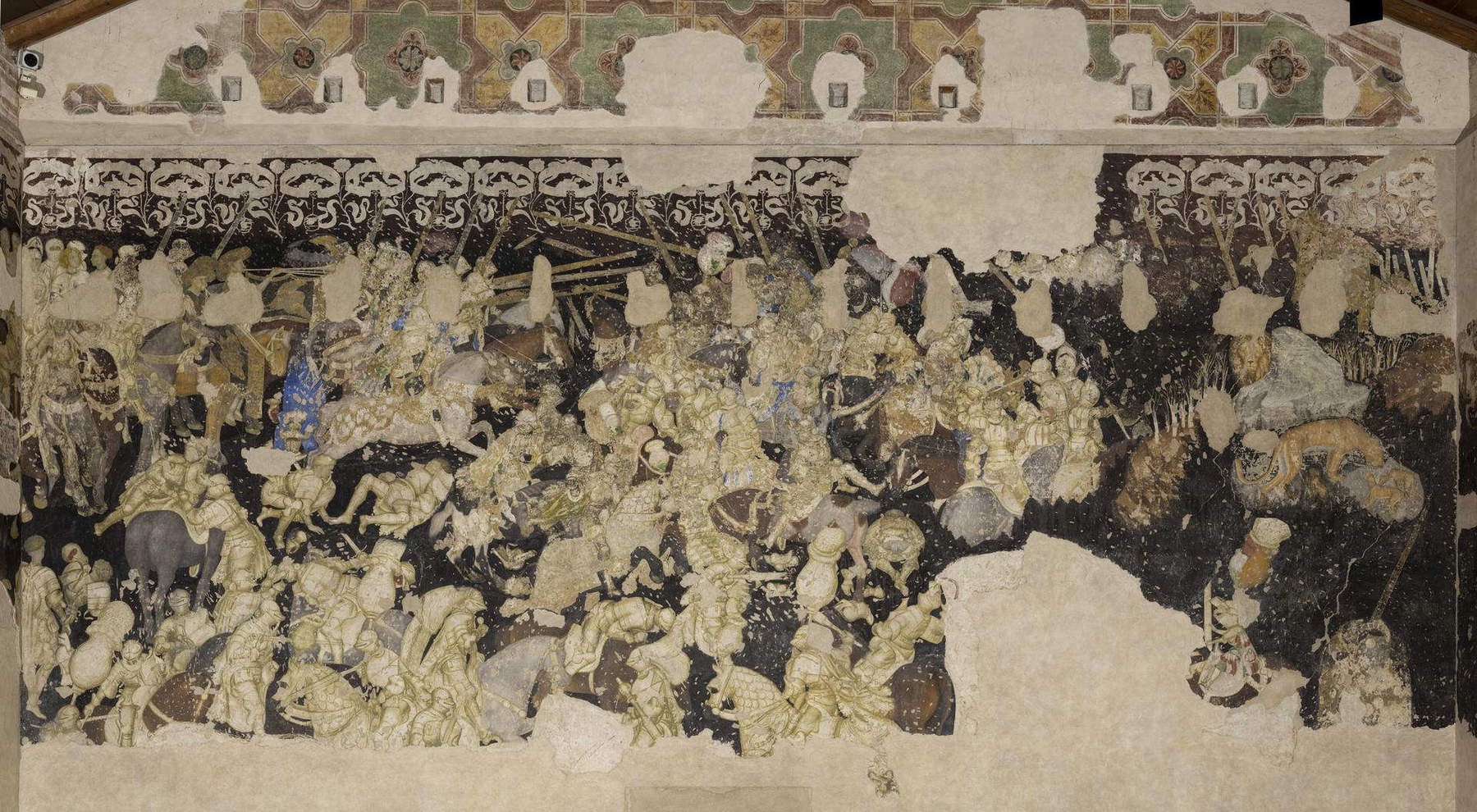 |
| Mantua, Pisanello returns to Doge's Palace: new life to tears from deposits |
Warning: the translation into English of the original Italian article was created using automatic tools. We undertake to review all articles, but we do not guarantee the total absence of inaccuracies in the translation due to the program. You can find the original by clicking on the ITA button. If you find any mistake,please contact us.