




by Redazione 04/04/2026



Categories: Archaeology / Disclaimer
Scientific analyses conducted by an international group of scholars have revealed that not only local plants were used on domestic altars in Pompeii, but also aromatic substances from Africa and Asia.


In Pompeii, not only local plants were used on domestic altars, but also aromatic substances from Africa and Asia. This is revealed by scientific analyses conducted by an international team of scholars, who investigated the materials burned in Roman ritual braziers found at the site, highlighting the city’s role within a vast global trade network.

The eruption of 79 A.D., while representing an immense tragedy for the people of the time, offered modern archaeology a unique opportunity, thanks to Pompeii’s extraordinary state of preservation. Among the artifacts that have come down to us are the ashes contained in the incense burners used for incense offerings to the deities. These remains were analyzed by experts from the Universities of Zurich, Munich, Bonn, Kiel and Dublin, in collaboration with the Archaeological Park of Pompeii, through advanced laboratory techniques. The study focused in particular on ashes from two burners, one found in Pompeii and the other in a villa in Boscoreale. Of particular note is one of the vessels examined, inside which traces of an exotic plant resin, most likely originating from tropical African or Asian areas, were detected.


The Pompeii Archaeological Park, which recently opened a new permanent exhibition dedicated to the eruption and its victims, including numerous organic finds such as plant remains, foodstuffs and wooden objects, underscores the value of this research. As director Gabriel Zuchtriegel said, “Without Pompeii, our knowledge of the Roman world would be less rich, but it is a wealth of knowledge and data that only archaeology up to the times can properly exploit: thanks to integration with other sciences, we can still discover so much about life in the ancient city.” It is through modern archaeology, integrated with other scientific disciplines, that new aspects of life in the ancient city can continue to emerge.

The study thus shows that Pompeii was not only a Roman center at the foot of Mount Vesuvius, but was part of a global trade network, traces of which can also be detected in the scents of domestic altars.
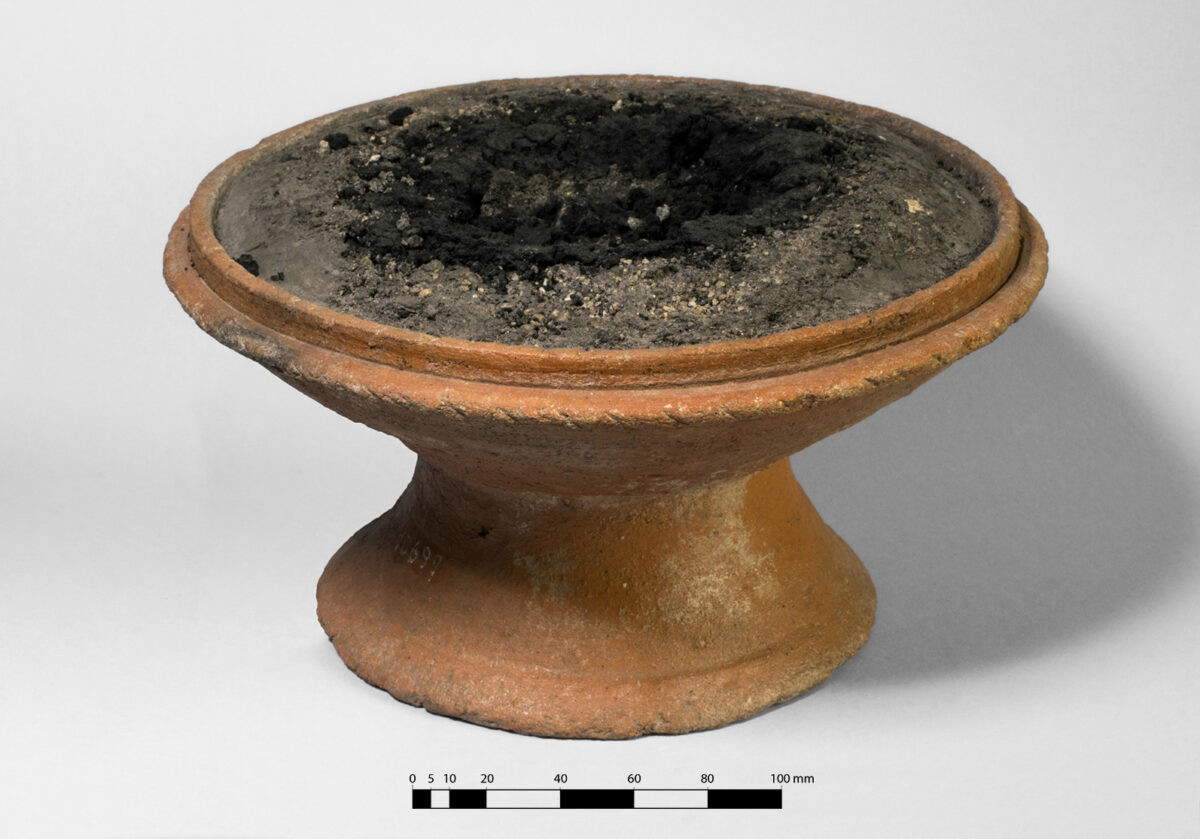
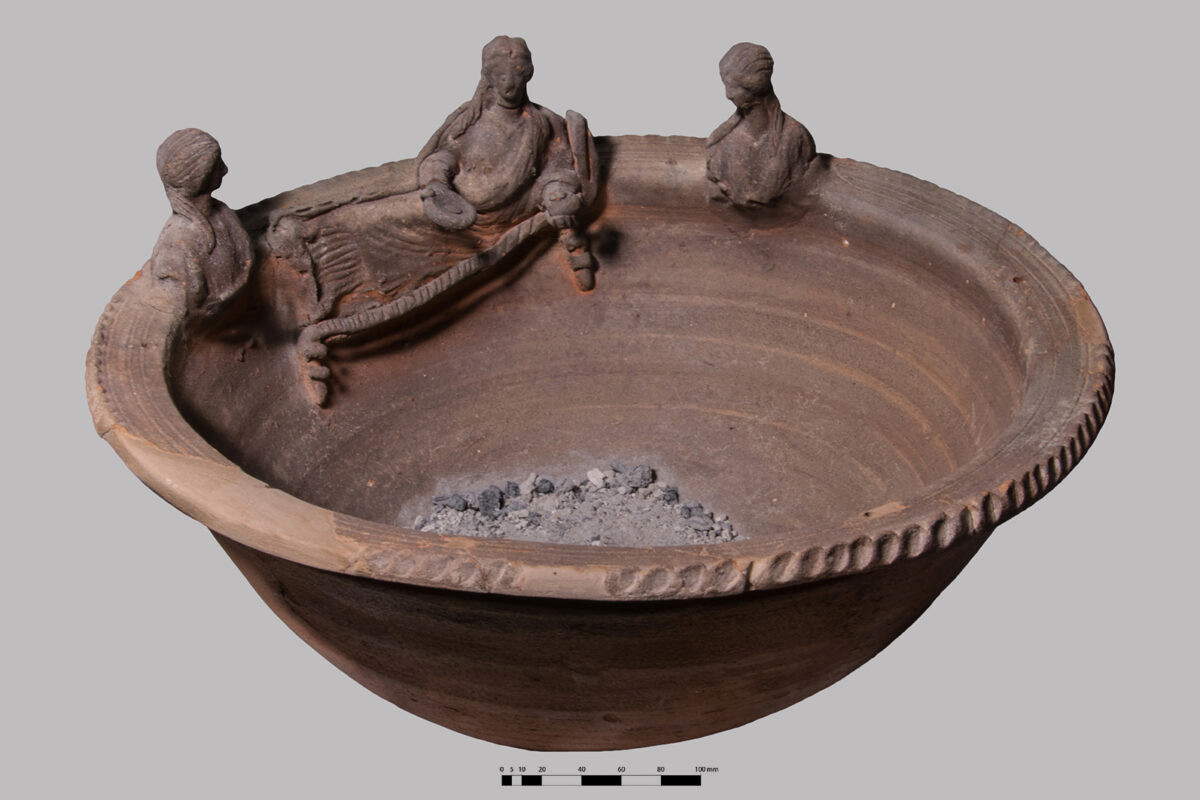
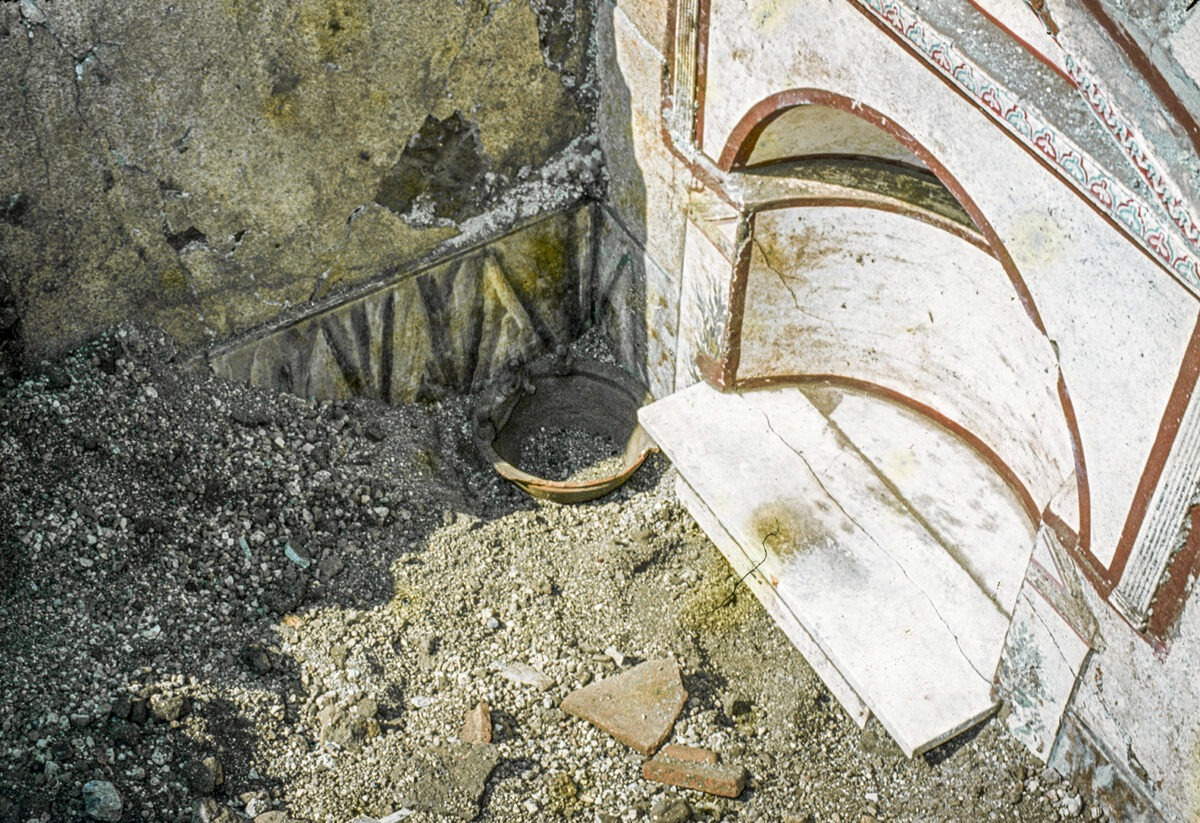
“We can now demonstrate concretely what scents were actually burned in Pompeian domestic worship,” says Johannes Eber of the University of Zurich, coordinator of the study. “In addition to regional plants, we also found traces of imported resins-an indication of Pompeii’s extensive commercial connections.”
“Molecular analyses also indicate the presence of a grape-derived product in one of the burners,” explains Maxime Rageot of the University of Bonn, who led the study’s biomolecular investigations. “This would be consistent with the use of wine in rituals depicted in Roman art and described in written sources, and at the same time shows how important it is to integrate archaeological studies with scientific analysis.”
“The combination of various modern chemical and microscopic techniques suddenly makes the daily religious life of the inhabitants of Pompeii tangible,” adds Philipp W. Stockhammer of LMU Munich, in whose research group the study was initiated
|
| Aromatic substances from Africa and Asia also in Pompeii's smoke burners: a study |
Warning: the translation into English of the original Italian article was created using automatic tools. We undertake to review all articles, but we do not guarantee the total absence of inaccuracies in the translation due to the program. You can find the original by clicking on the ITA button. If you find any mistake,please contact us.