





The Ecuador Pavilion at the 61st International Art Exhibition of the Venice Biennale presents itself as a space dedicated to listening, relating and constructing new possibilities for understanding the world. Titled Tawna & Oscar, the exhibition project brings together the practices of the Tawna collective and Ecuadorian artist Oscar Santillán in an exhibition curated by Manuela Moscoso and promoted by the Museum of Anthropology and Contemporary Art of Ecuador (MAAC), the pavilion’s commissioner. The exhibition aims to question some of the dominant models through which life, knowledge and territory are organized. Rather than offering a one-size-fits-all reading of reality or an established representation of national identity, the project chooses to focus on processes of relationship and exchange that develop between different bodies, languages, territories and temporalities.
Central to the curatorial journey is the idea ofart as a practice of attention. In a cultural context increasingly oriented toward the speed of communication and the simplification of narratives, the Pavilion of Ecuador invites visitors to slow down their gaze and get in touch with forms of knowledge that often remain marginal or invisible within dominant cultural systems. The project stems from a perspective rooted in the Andean-Amazonian territories, areas characterized by extraordinary linguistic, cultural and ecological plurality. In this context, knowledge is not conceived as a stable structure or a truth to be transmitted, but as something that takes shape through shared experience, confrontation, and the ongoing relationship between individuals, communities, and the environment. The exhibition brings together two different but deeply complementary artistic practices. On the one hand that of the Tawna collective, on the other that of Oscar Santillán. The dialogue between these experiences does not aim at a synthesis nor at the construction of a uniform vision, but at the creation of an open space in which different ways of inhabiting and interpreting the world can coexist without being brought back to a single perspective.
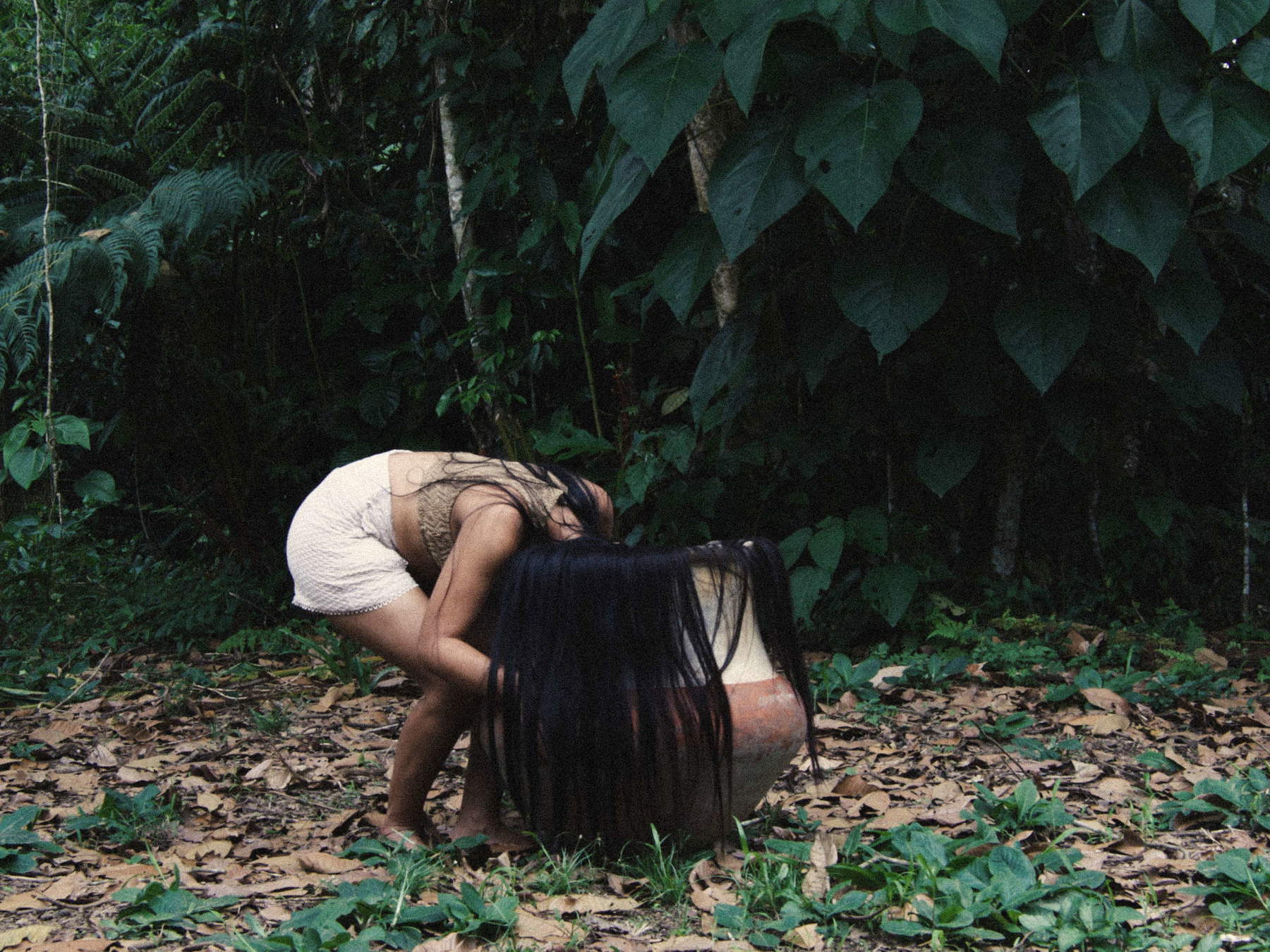
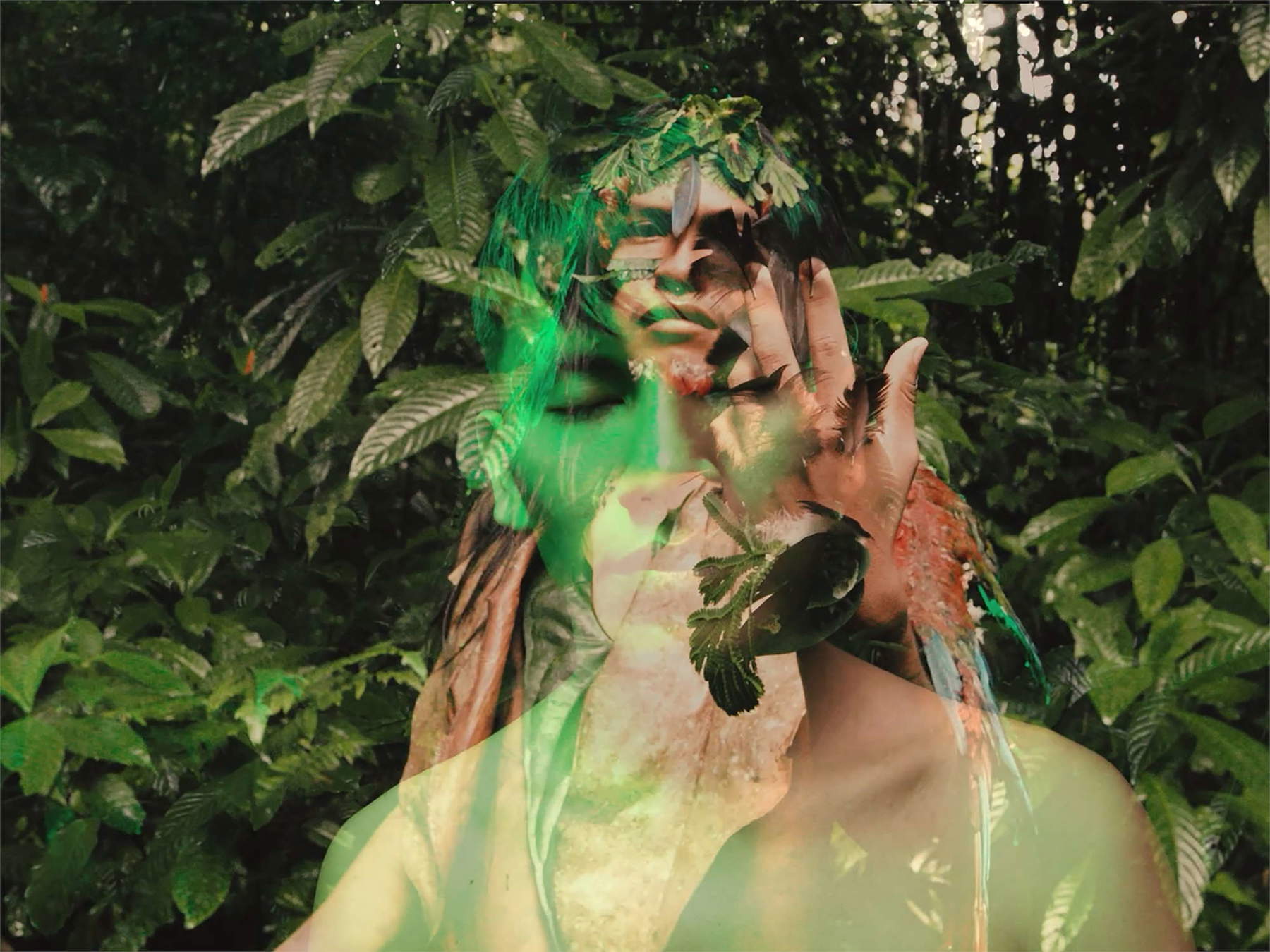
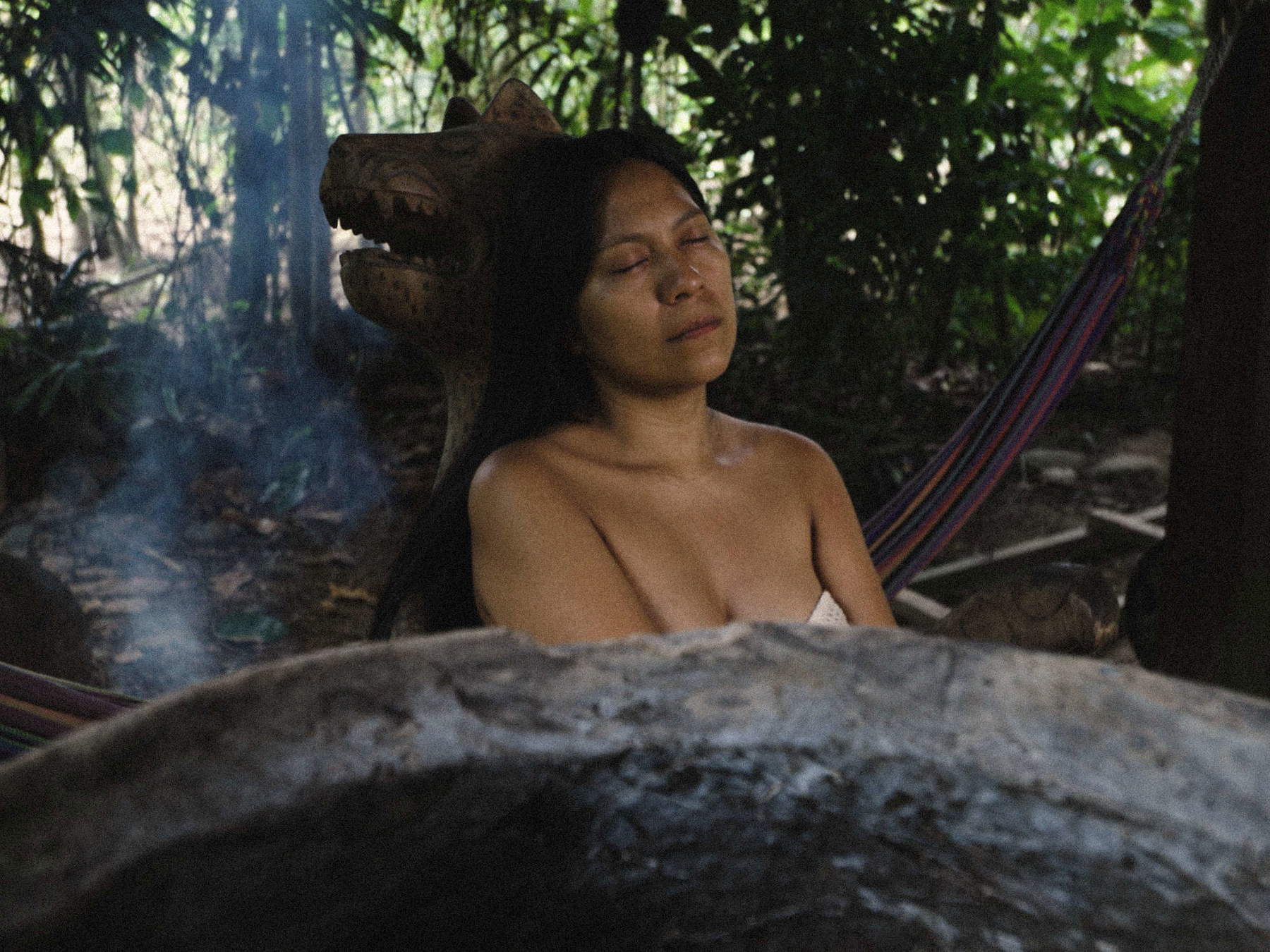
The Tawna collective bases its work on modes of thought that can be traced back to pan-Amazonian cultures, in which existence is understood as a dynamic continuity between bodies, territories, energies and forces that traverse the natural and spiritual worlds. Their research develops from communal and bodily experiences and attaches particular importance to sexuality and dreaming, considered authentic sensory technologies through which collective life is oriented, knowledge is transmitted and forms of care are constructed.
Within Tawna’s practice, language is not conceived as a mere tool for representing reality. On the contrary, it is considered a living and active force that directly participates in the construction of the world. Through language, connections are activated between individual and collective dimensions, between material and spiritual experiences, between memory and the present. The collective’s approach is developed through a plurality of expressive tools including video, photography and living archives. The works arise from shared processes with communities in Amazonian territories and are rooted in ritual practices, the dimension of dreaming, and collective ways of working that focus on the relationship with the land. Founded in 2017 by Sápara, Kichwa and mestizos artists, Tawna defines itself as an anti-colonial collective committed to the construction of narratives capable of restoring complexity and autonomy to Amazonian cultural experiences. Their works have been presented in numerous international contexts and represent one of the most significant voices in contemporary artistic research related to the themes of decolonization and cultural ecologies.
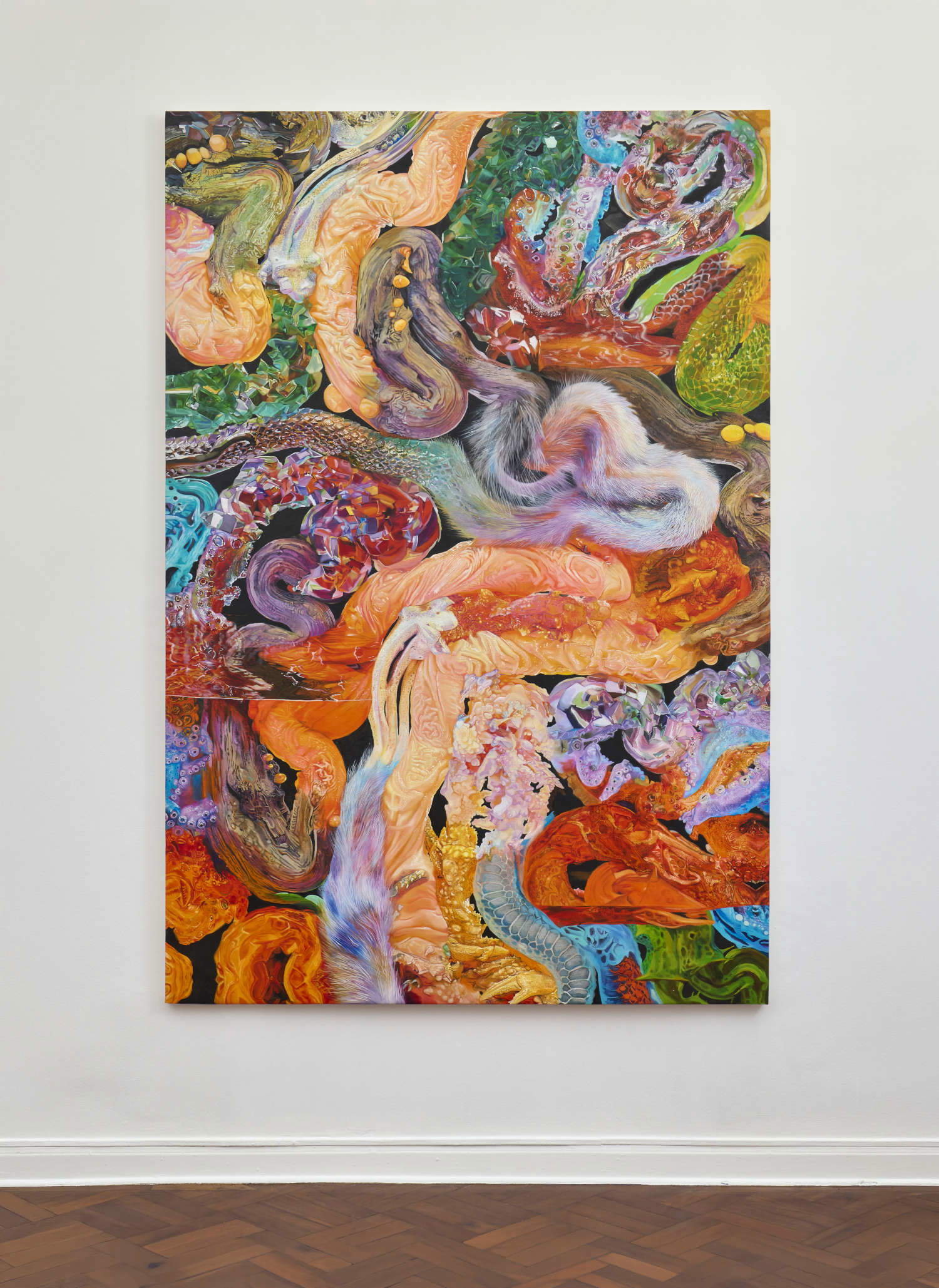
Alongside this experience is the practice of Oscar Santillán, an Ecuadorian artist who lives and works between Ecuador and the Netherlands. His research explores what exists beyond established definitions of reality and focuses on those conditions that escape dominant systems of classification and control. Science, emerging technologies and ancestral knowledge coexist in Santillán’s work. Through this disciplinary contamination, the artist questions the traditional boundaries between natural and artificial, human and nonhuman, and scientific and intuitive knowledge.
One of the central concepts of his research is that of “Anti-world,” a notion that allows for the exploration of spaces of possibility beyond the conventional categories through which reality is interpreted. In this perspective, indeterminacy is not considered a limitation to be overcome but a fundamental condition of existence. His work proposes a vision in which terrestrial, technological and cosmic dimensions do not appear separate, but deeply interconnected and in continuous mutual transformation. The artist thus suggests new ways of perceiving the present and imagining the relationships between living beings, machines, territories and natural phenomena.
The encounter between Tawna and Oscar Santillán constitutes the conceptual heart of the pavilion. It is not a dialogue aimed at finding a definitive balance point or building a theoretical synthesis. On the contrary, the project enhances the possibility of coexistence between different and sometimes even irreconcilable perspectives. In this context, art intends to assume the role of a practice that guards openness and makes possible the coexistence of multiple forms of experience. The works and relationships that develop within the exhibition become tools through which to experiment with new modes of perception and cohabitation.
According to Manuela Moscoso’s curatorial approach, the pavilion is not meant to represent a presumed stable and unchanging national identity. On the contrary, it proposes a contemporary position based on situated knowledge, relationships and material responsibilities that characterize the present. The goal is to offer tools to think critically about the contemporary world and to imagine alternative scenarios capable of accommodating a plurality of existences and perspectives. In this view, the present is interpreted not as a closed condition but as a space open to the possibility of multiple worlds.
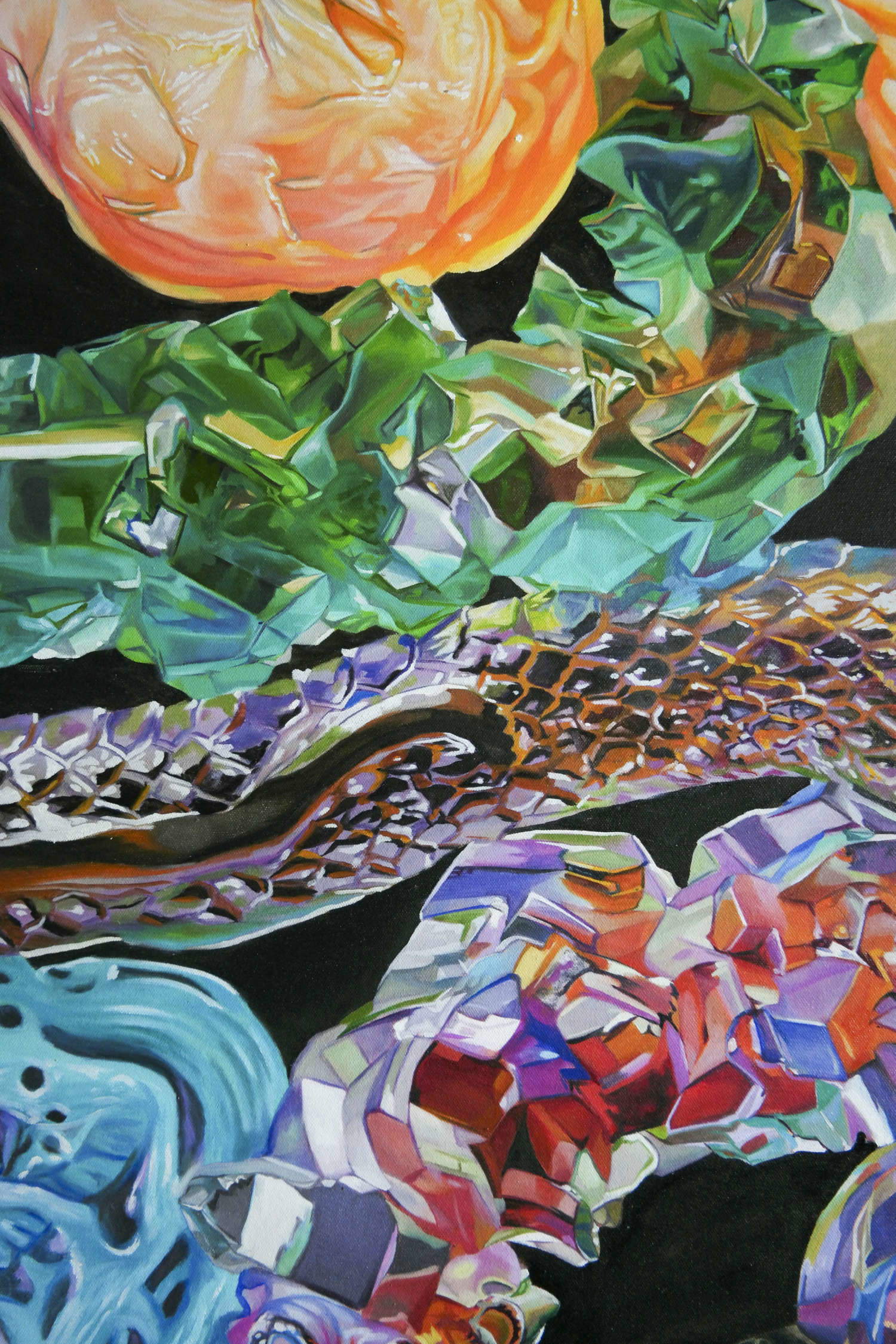
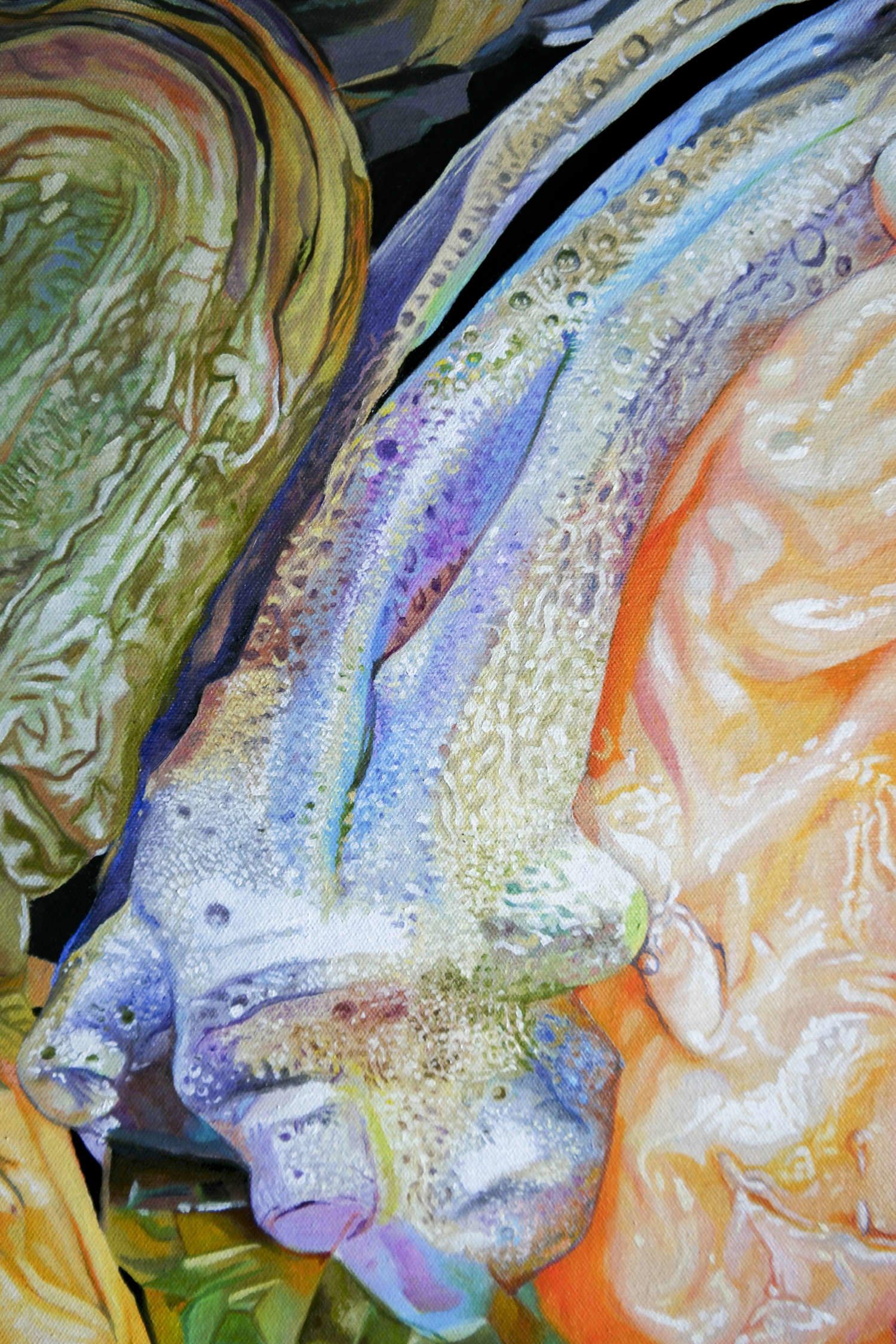
Commissioner of the project is the Museum of Anthropology and Contemporary Art of Ecuador, known by its acronym MAAC. Considered one of the country’s leading cultural institutions, the museum plays a key role in preserving the national archaeological and artistic heritage and promoting contemporary art. MAAC houses some 60,000 pre-Hispanic archaeological artifacts and more than 3,500 works of modern and contemporary art. Its activities include exhibition programs, research, public initiatives and educational projects aimed at bringing Ecuador’s historical memory into dialogue with the contemporary cultural landscape. With about 120,000 visitors a year, the museum today represents one of the main points of reference for the country’s cultural life and an increasingly active interlocutor on the international scene.
The realization of the Ecuador Pavilion also involves numerous institutional actors and partners. Institutional direction is entrusted to Romina Muñoz Procel, Ecuador’s Deputy Minister of Culture, and Stephanie García Albán, executive director of MAAC. Production and press relations are handled by Anna Shvets for TAtchers’ Art Management, while the exhibition design was developed by Studio Manuel Raeder.
Supporters include Ecuador’s Deputy Ministry of Foreign Affairs, Ministry of Education, Sports and Culture, Deputy Ministry of Tourism, Embassy of the Republic of Ecuador in Italy, Identidad Nacional Foundation, NIRSA, James Fuentes Gallery, EACHEVE Foundation, Livia Benavides Gallery, Global Transport, TAtchers’ Art Management, Colecciona.Art, Pily Estrada Lecaro, Dos Islas Studios and Giada Lusardi.
|
| Ecuador at the Venice Biennale: Tawna and Oscar Santillán imagine new possible worlds |

Warning: the translation into English of the original Italian article was created using automatic tools. We undertake to review all articles, but we do not guarantee the total absence of inaccuracies in the translation due to the program. You can find the original by clicking on the ITA button. If you find any mistake,please contact us.
















 IT
IT FR
FR DE
DE ES
ES CN
CN


