









Solito Gallery in Naples presents from June 12 to September 12, 2026, the exhibition Song for Dark Times by Claire Fontaine, curated by Massimiliano Scuderi, set up in the spaces of the former Lanificio Sava Complex at Enrico De Nicola 46 Square. The opening is scheduled for Friday, June 12, 2026 from 6 to 9 p.m. with free admission, in an exhibition context that will also involve environments outside the gallery within the former industrial area of Porta Capuana.
The exhibition project takes its title from a poem contained in Bertolt Brecht’s 1939 Svendborg Poems, explicitly recalling the need for artists to intervene and take a stand in the so-called dark times of history. In fact, the exhibition develops as a reflection on the impact of current geopolitical scenarios on individual and collective lives, translating these tensions into an artistic language that combines installation, light, and visual and sound devices.
The centerpiece of the journey is the work Ibis redibis non morieris in bello, the first version of which dates back to 2006. The work was first presented at the Reena Spaulings Fine Art Gallery in New York in January 2007 on the occasion of the duo’s second solo exhibition Claire Fontaine, titled Footnotes on the state of exception, and then exhibited the same year at the Lyon Biennial. The work represents one of the conceptual cores of the duo’s research, which uses linguistic and luminous devices to investigate the ambiguities of language and the contradictions of the contemporary political condition. The meaning of the installation was explained by the artists in a 2009 interview with Bart van der Heide, published in Metropolis M. The work consists of a large circular neon sign that explicitly recalls the visual language of Bruce Nauman and lights up in sequence forming a series of alternating phrases, “you will go to war - you will come back - you will not die - you will go to war - you will not come back - you will die,” translated as “you will go to war - you will come back - you will not die - you will go to war - you will not come back - you will die.”
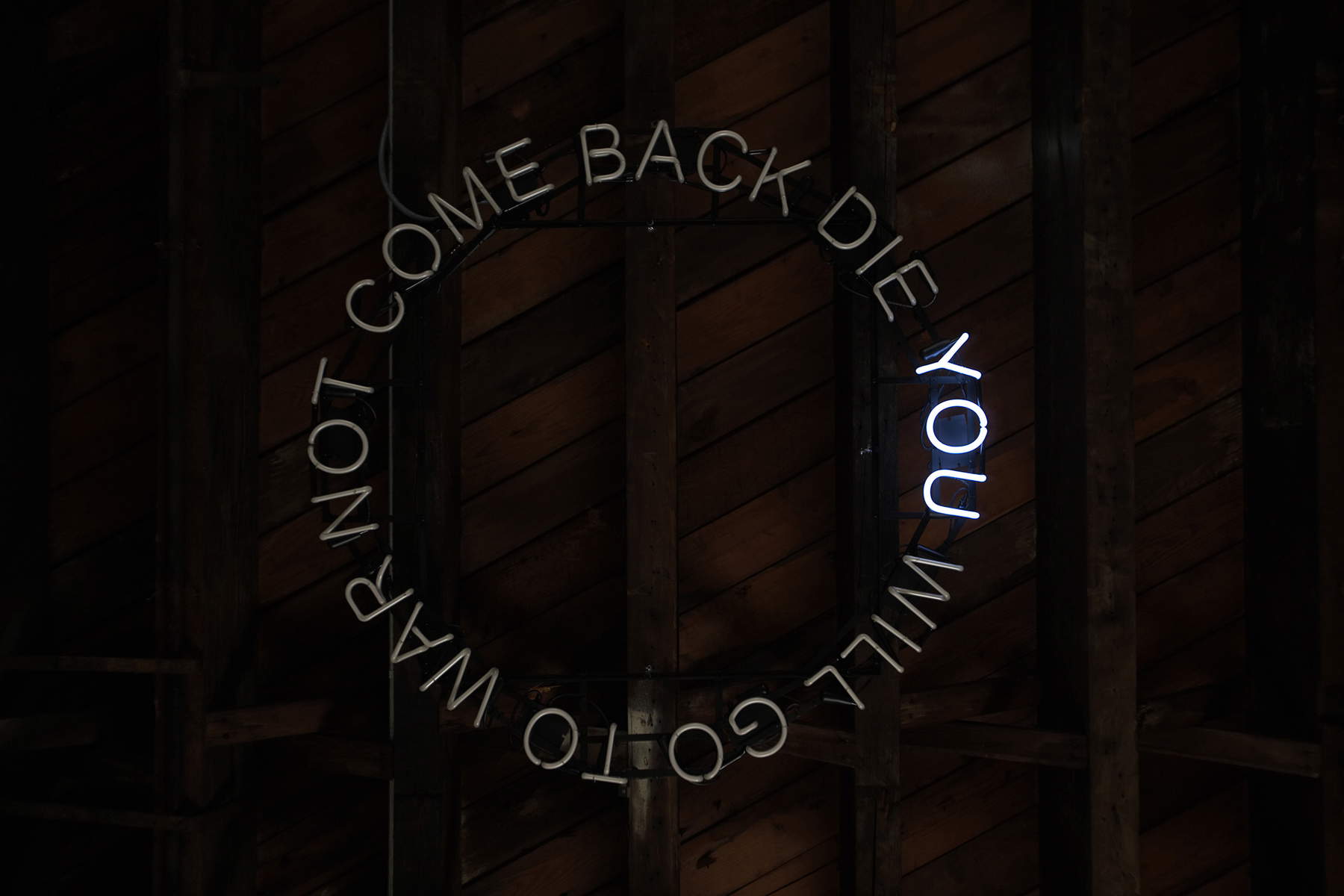
This linguistic construction echoes the famous and ambiguous prophecy of the Cumaean Sibyl “ibis redibis non morieris in bello,” which can take on opposite meanings depending on the position of the punctuation. The work thus develops as a device that stages the uncertainty of language and the fragility of interpretations, linking the dimension of war to the randomness and unpredictability of human fate.
Within the same installation, a part referred to by the artists as “the compensator” is not based on verbal language. It consists of a series of light bulbs suspended from the ceiling, each connected to a word, which together reproduce the rhythm of the neon sign without, however, restoring its semantic meaning. The result is a light sequence reminiscent of an indecipherable code, similar to an untranslatable Morse, in which light becomes the bearer of a language independent of the word.
The work reflects on the relationship between light, energy and communication, highlighting how the same electrical flow can feed different expressive systems, generating rhythms and pulsations that are shared but distributed in different spaces and forms. In this perspective, Ibis redibis non morieris in bello is configured as a cyclical device that recalls the idea of a clock or a roulette wheel, emphasizing the repetition and absurdity of political cycles and conflicts, restoring a vision of the nightmare of war as a circular and potentially infinite structure.
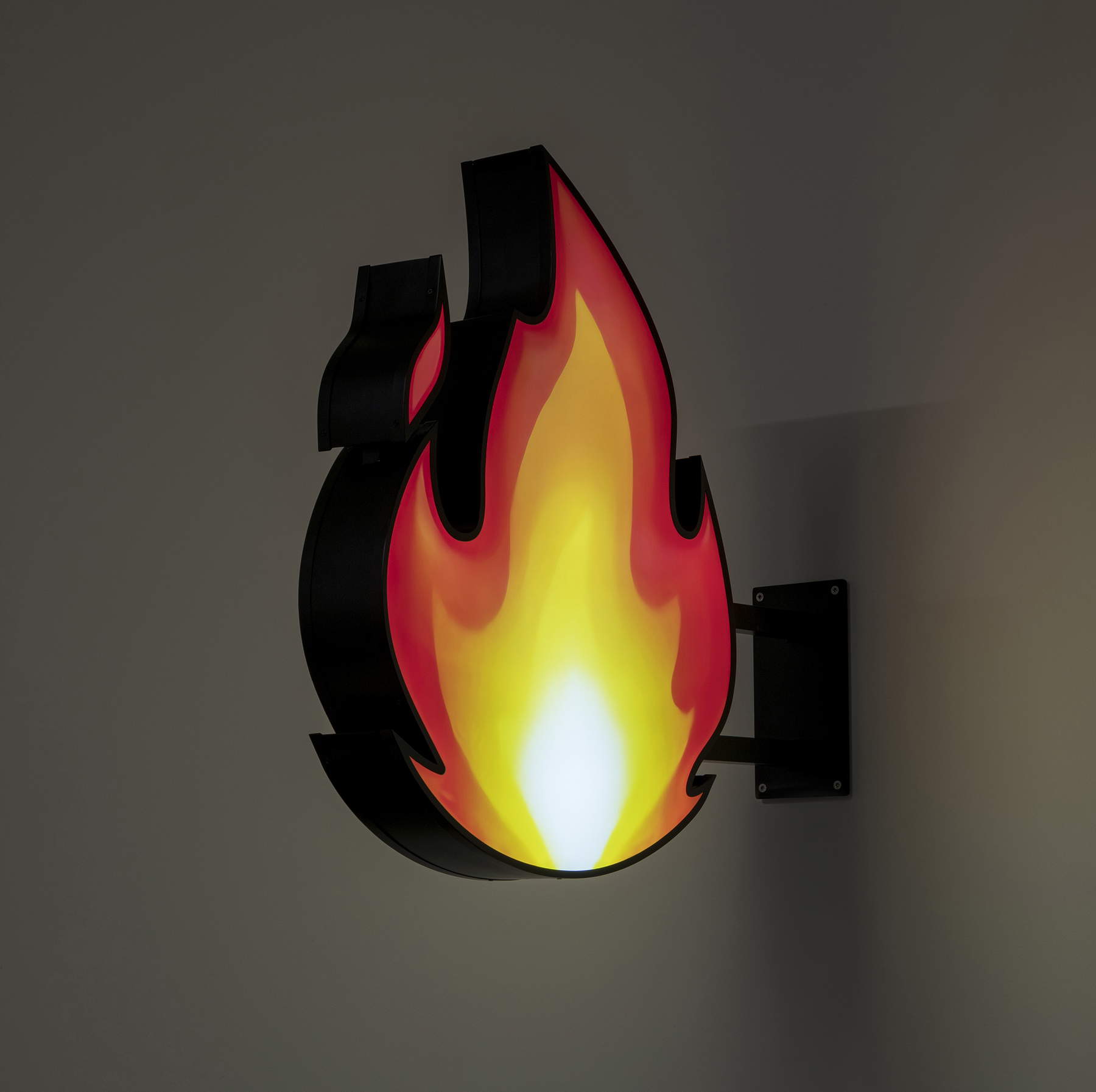
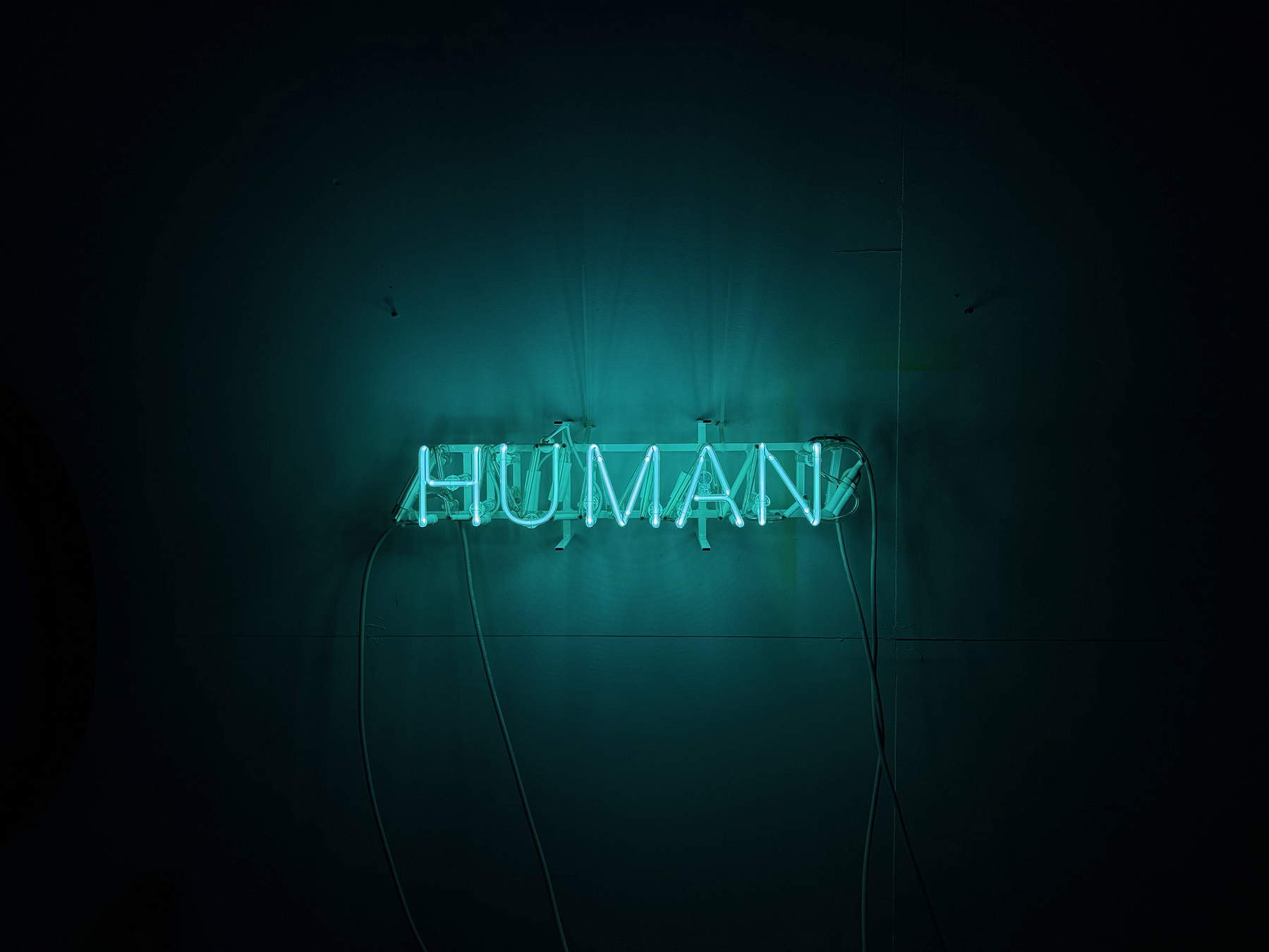
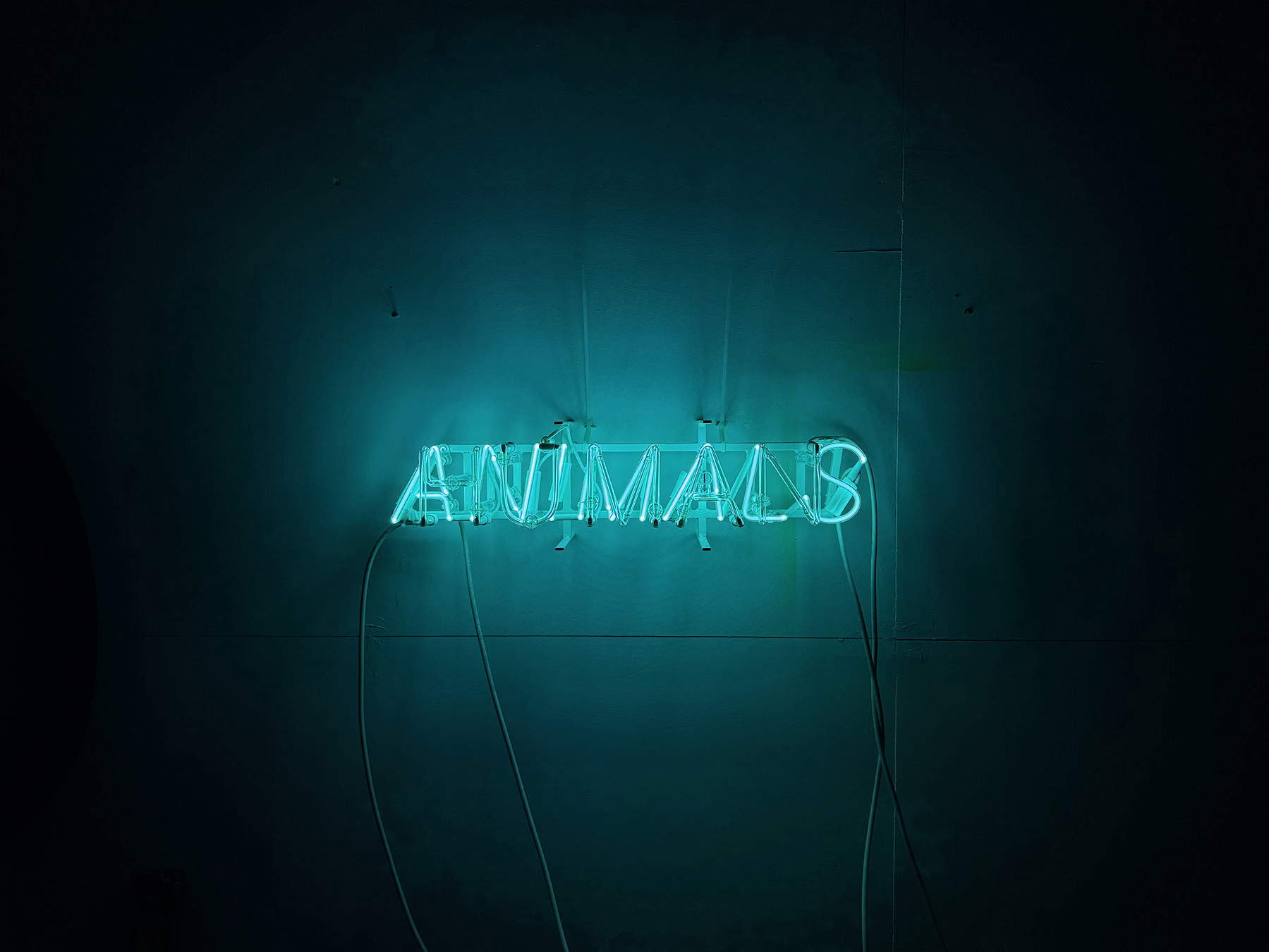
Alongside this central installation, the exhibition also presents a selection of iconic works related to the same research themes, distributed in an installation that involves additional spaces outside the gallery, again within the complex of the former Lanificio Sava in Porta Capuana. This place, historically relevant to the city of Naples and recognized as a UNESCO heritage site since 1995, becomes an integral part of the exhibition project, expanding the perimeter of the exhibition and transforming the entire context into a diffuse narrative environment.
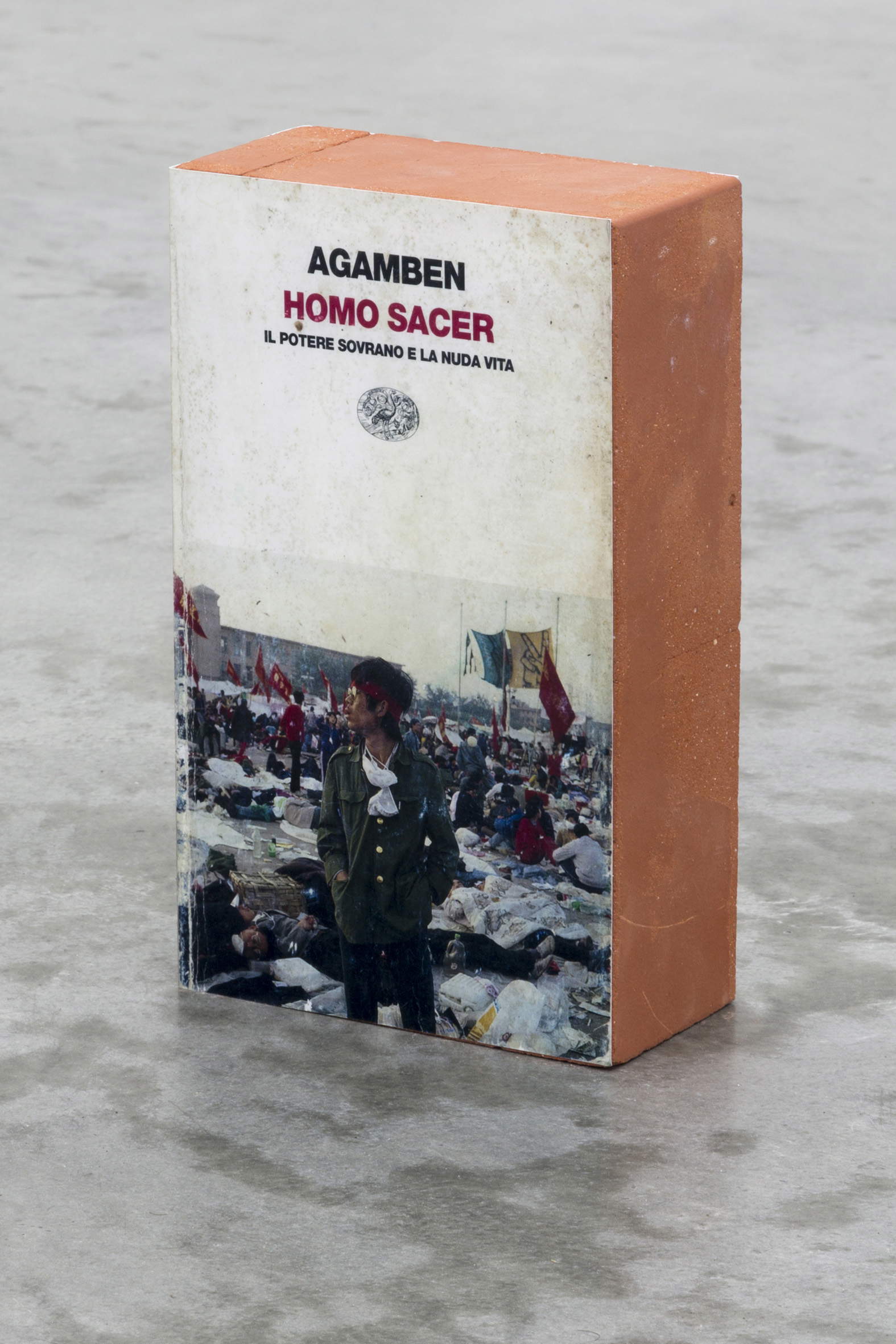
Artists Claire Fontaine and curator Massimiliano Scuderi will be present at the June 12 opening. In the context of the evening, the fourth publication of the magazine NÉA, published by iemme edizioni and dedicated to the exhibition, will also be presented, which is part of the in-depth critical and theoretical program related to the exhibition.
The realization of the project was possible thanks to the collaboration of Officina Keller and architect Antonio Martiniello, Lanificio Digitale and Valeria Apicella’s Punto Zero Atelier. Solito Gallery, promoter of the initiative, is also a member of the National Association of Modern and Contemporary Art Galleries. The exhibition will remain on view until Sept. 12, 2026 at the Solito Gallery, in the heart of the former Sava Woolen Mill Complex, with opening Monday through Friday from 10 a.m. to 6 p.m. and weekend visits by appointment.
|
| "Song for Dark Times," Claire Fontaine's exhibition in Naples at Solito Gallery. |

Warning: the translation into English of the original Italian article was created using automatic tools. We undertake to review all articles, but we do not guarantee the total absence of inaccuracies in the translation due to the program. You can find the original by clicking on the ITA button. If you find any mistake,please contact us.














 IT
IT FR
FR DE
DE ES
ES CN
CN