





The Reinassance exhibition at the Museion in Bolzano presents fifteen artists under 35 working in northern Italy. The occasion for the exhibition is a grant of 60,000 Swiss francs, which the Vordemberge-Gildewart Foundation awards each year in collaboration with a European exhibition institution - Museion was chosen for 2024 - to an artist, or artists, up to thirty-five years old from the selected region. However, in the exhibition, rather than a sense of “rebirth,” there is a cadaverous atmosphere, where the formal and conceptual codes of the last century are reworked by the artists in predictable ways, closer to a form of “art necrophilia” than to a sense of birth and rebirth.
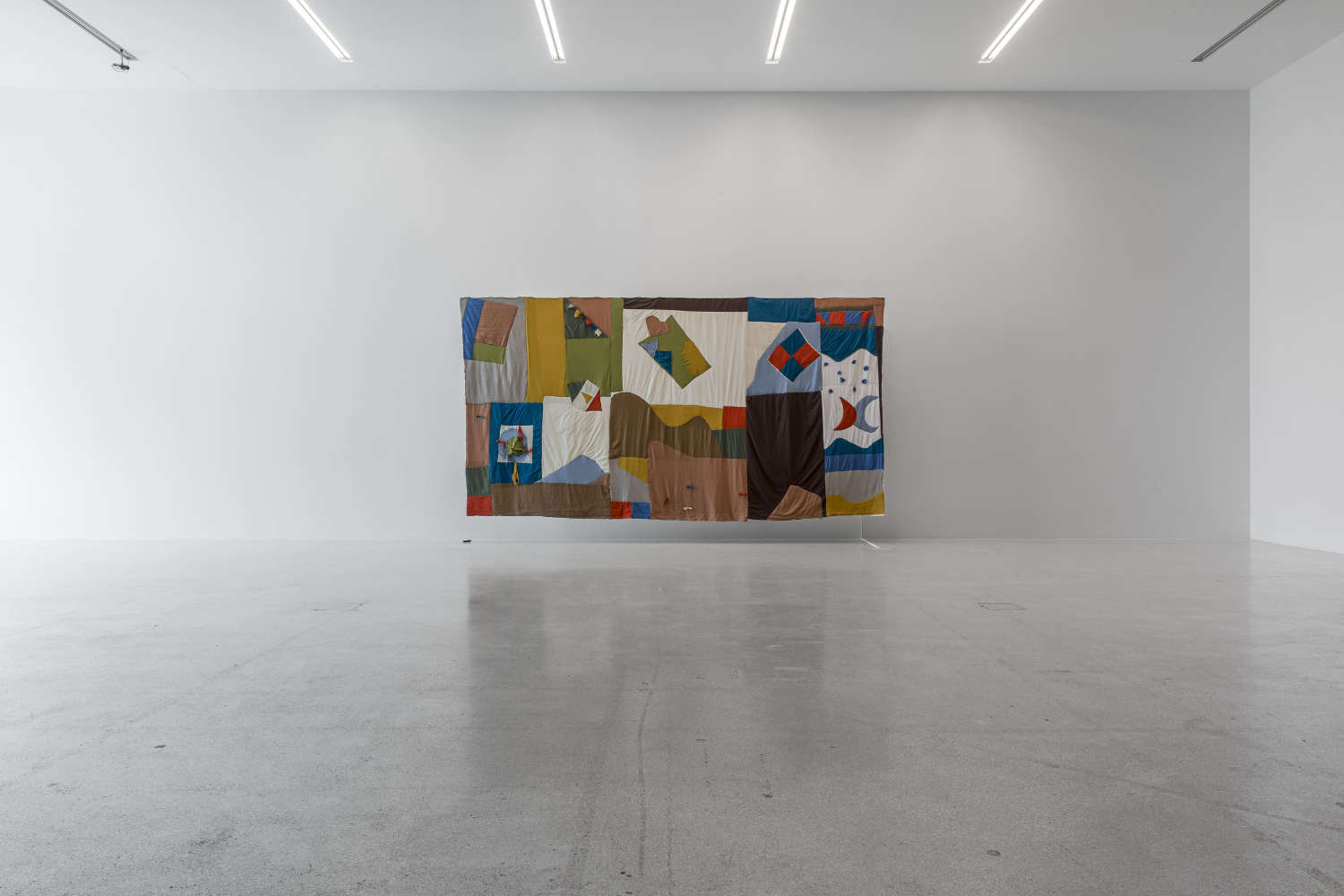
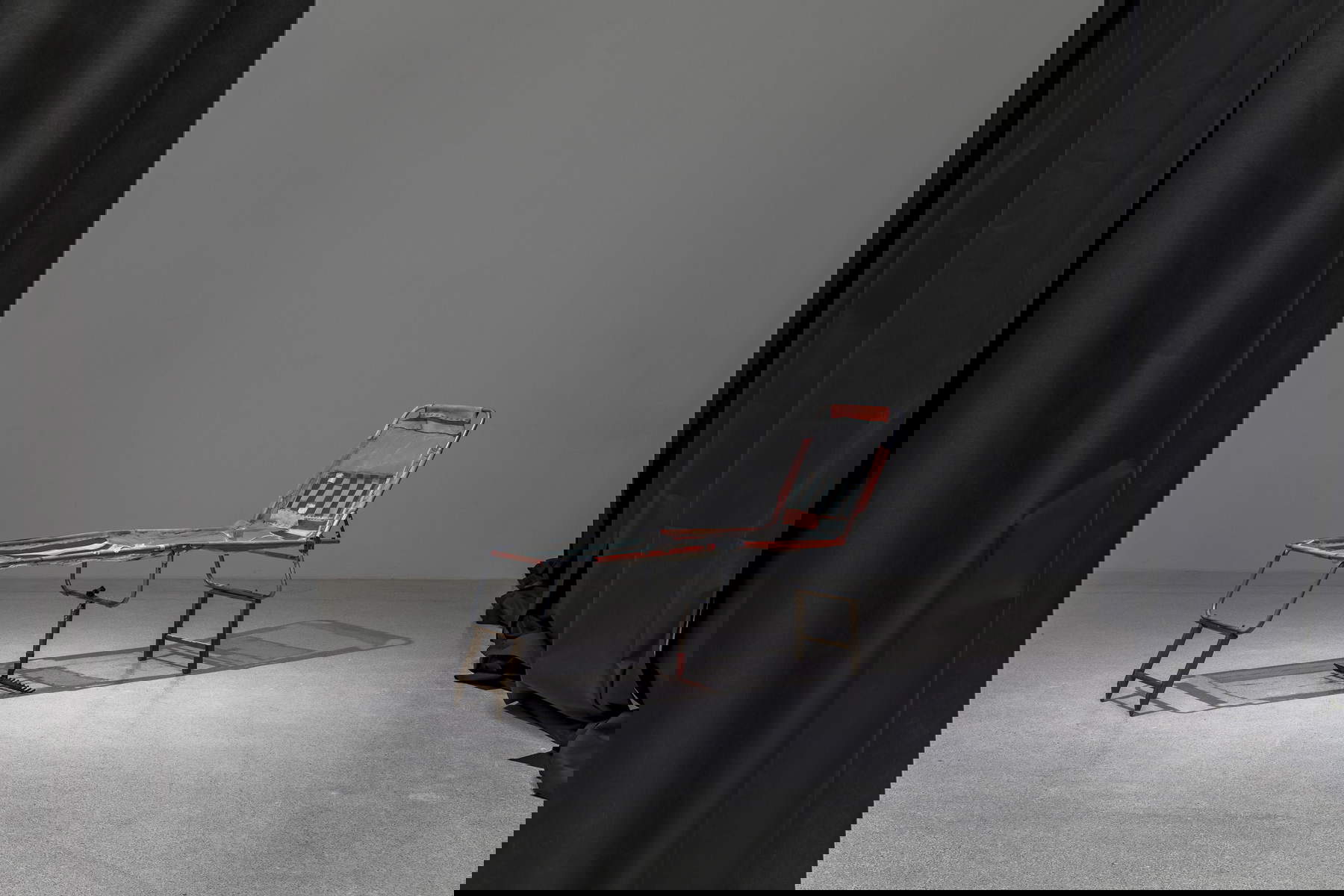
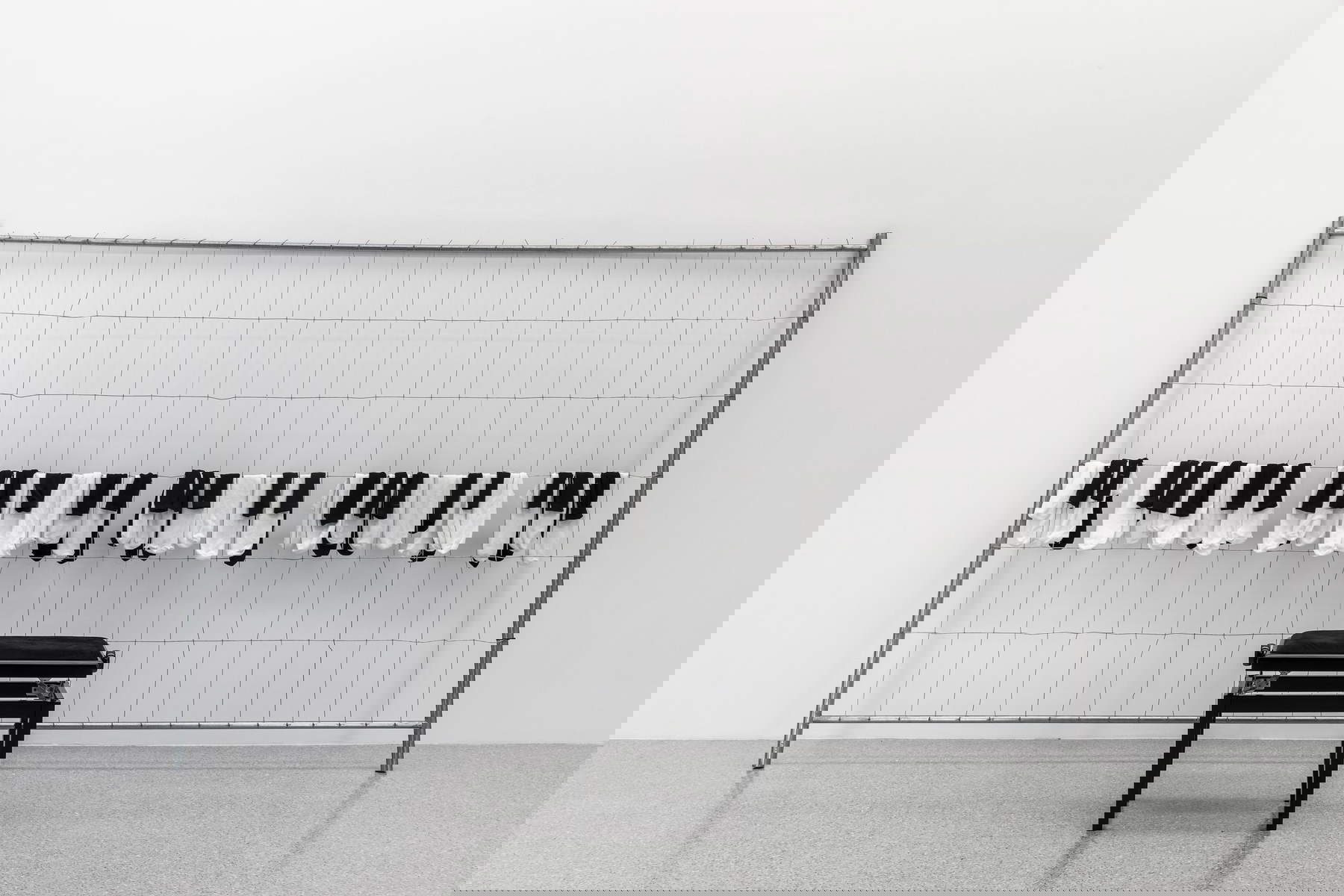
Reinforcing this grave and mournful atmosphere come several large black curtains that go to divide the museum’s exhibition space, usually resembling a large white cube. The reworking of the ready-made and the found object reconnect us to the 1950s atmospheres of Nouveau Réalisme and to the more predictable Duchampian forms of reworking (Isabella Costabile, Davide Stucchi and Raphael Pohl are on display). We continue in the exhibition with sudden turns toward pictorial (Giorgia Garzilli) and photographic (Jim C. Nedd) forms that are still predictable and domesticated, and thus incapable of confronting and dialoguing with the viewer’s contemporaneity.
In the works on display, the continuous reworking of the past is something of an end in itself, incapable of representing a bridge to confront our present. The all too didactic and predictable references to “gender fluidity” (Luca Piscopo) and “environmentalist issues” (Tobias Tavella) are not enough: in these cases, the opera device deals with these certainly interesting themes in hasty ways, unable to compete with a much more complex contemporary present in which simple reality seems to far outweigh anything that can climb the pedestal of representation.
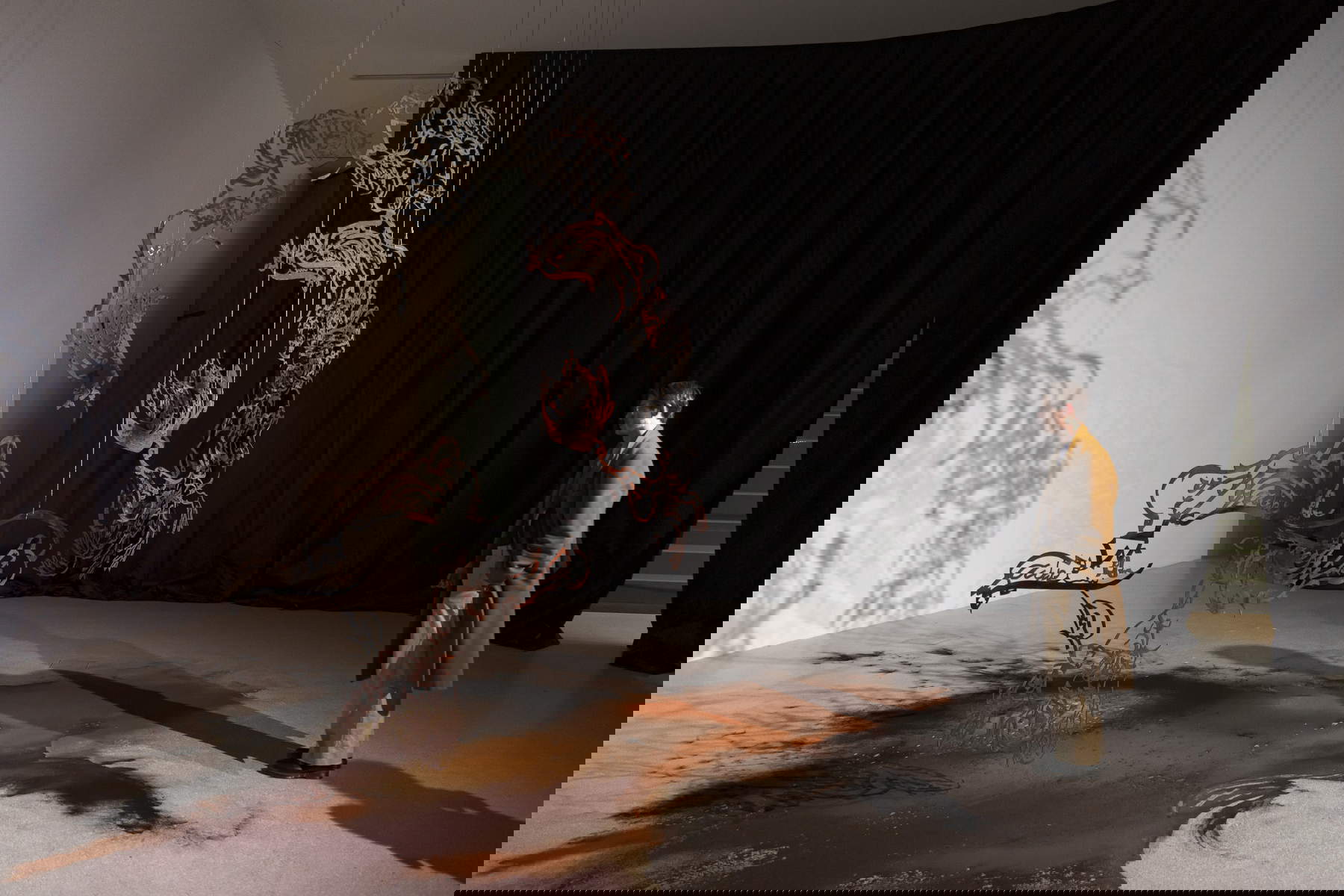
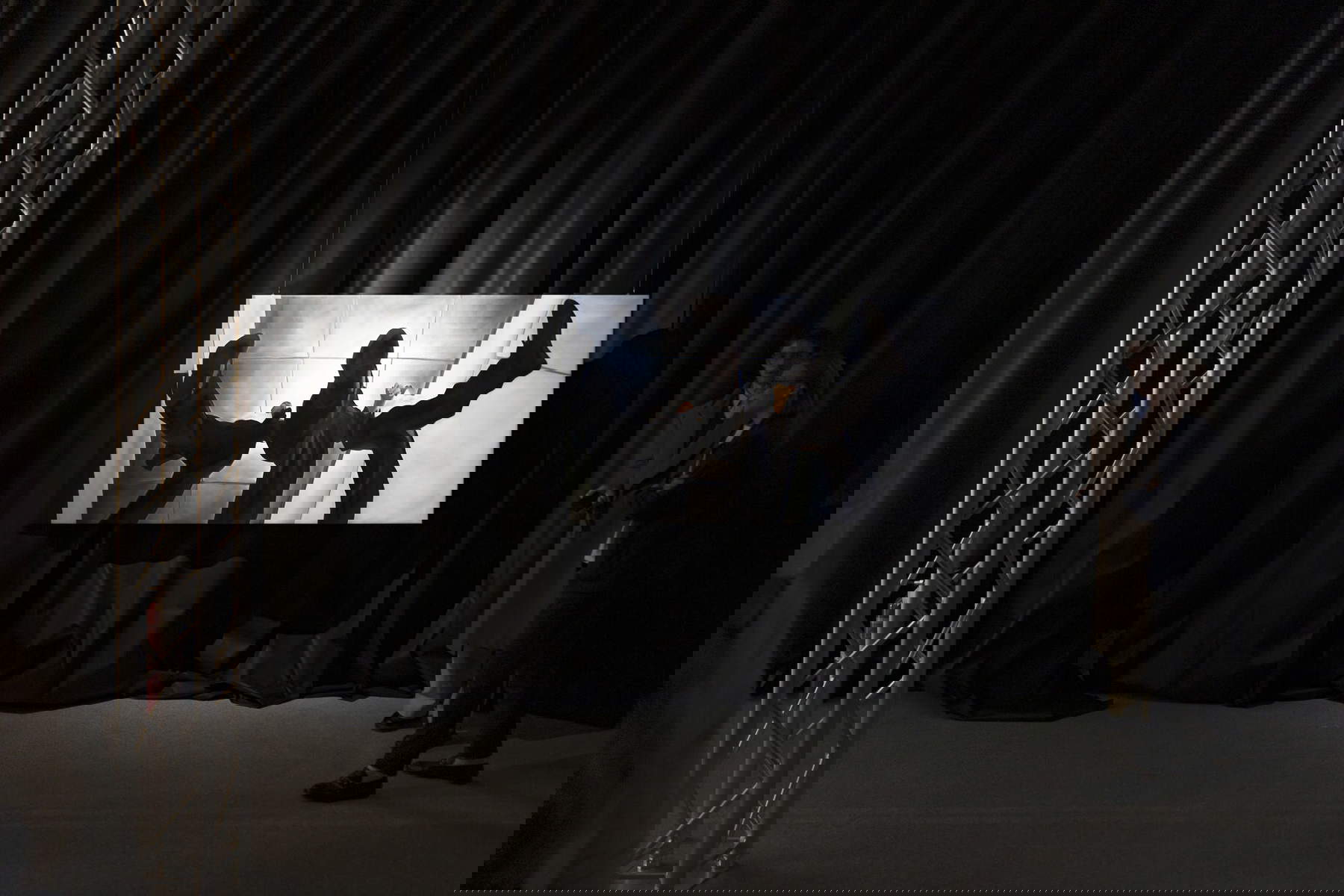
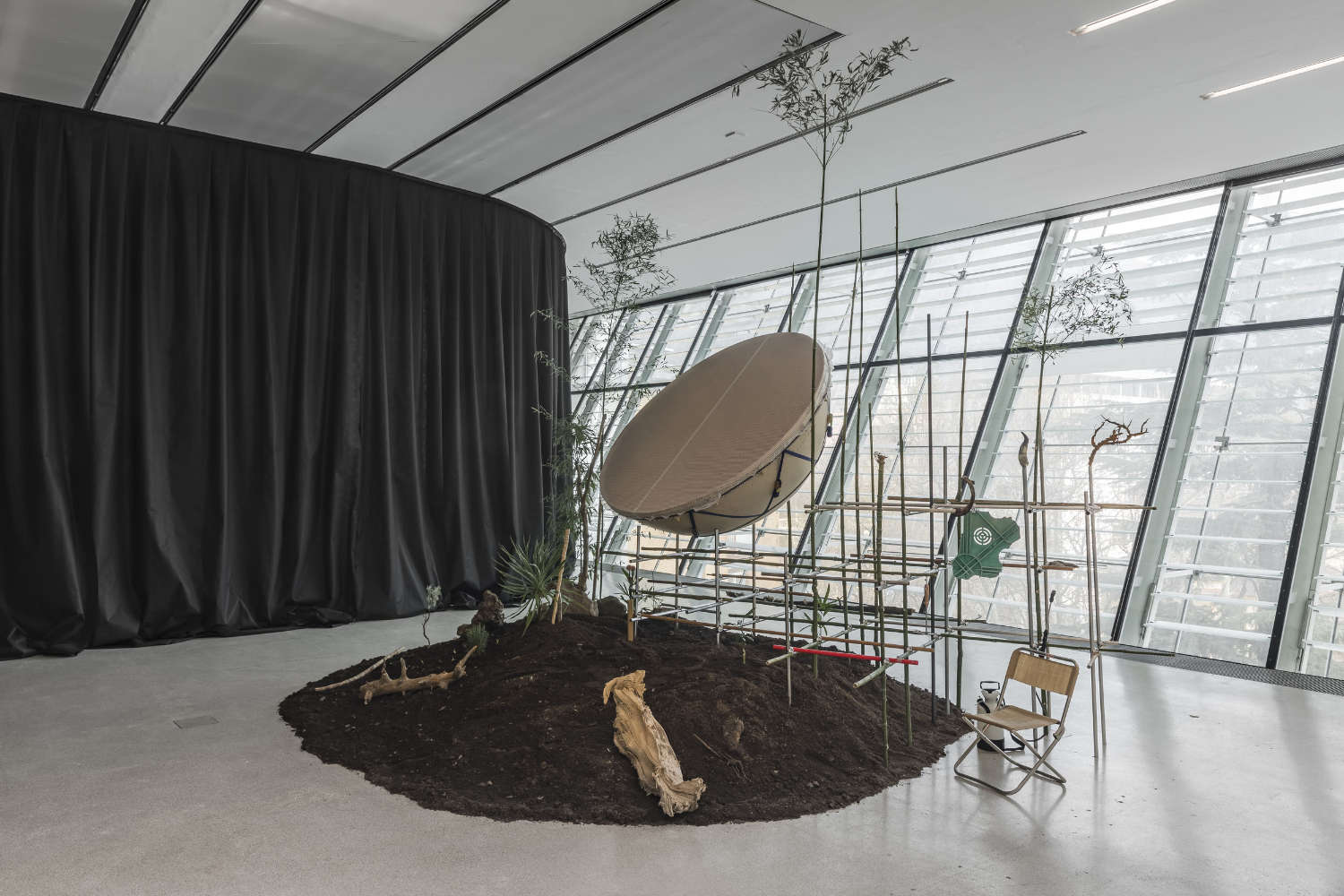
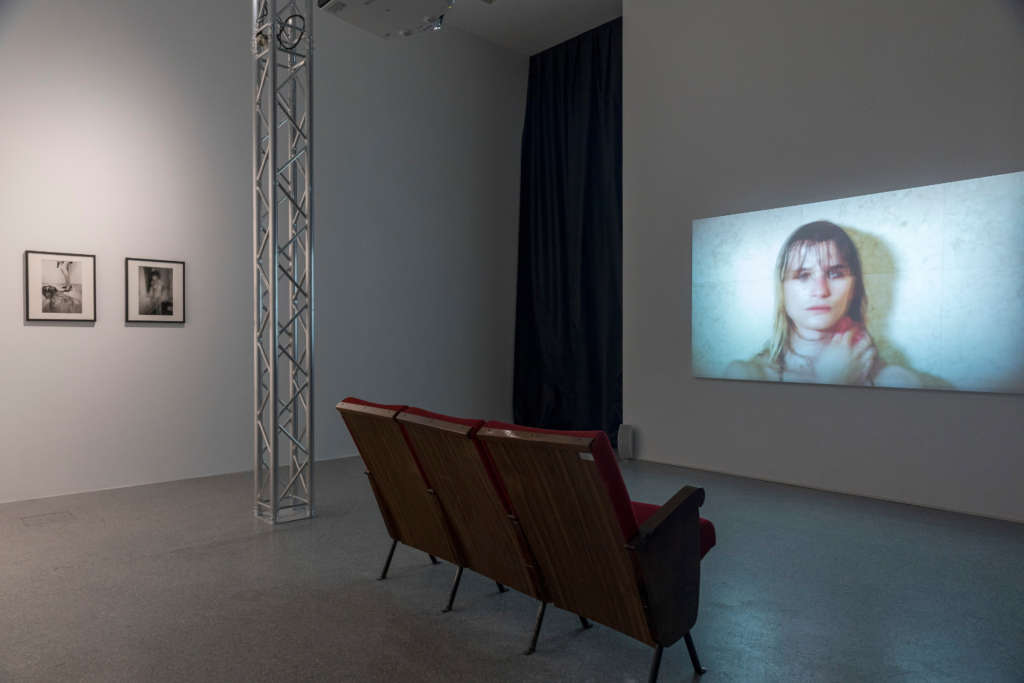
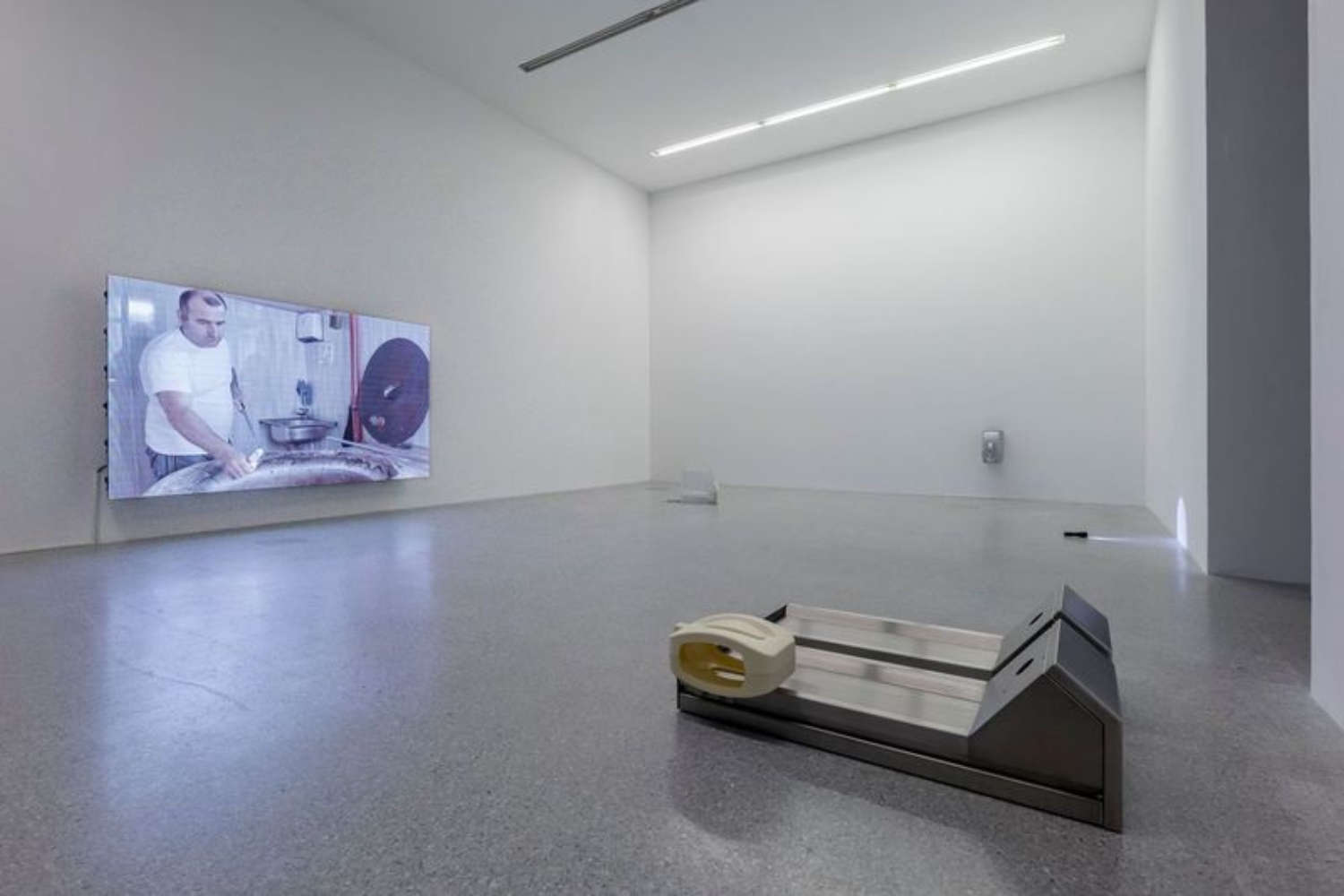
The surely most significant work in the exhibition is by Moroccan-born Italian artist Monia Ben Hamouda, who also won the foundation’s prize. A series of powders and spices placed on the ground with pictorial sense carpet a suspended sculpture that refers to Arabic writing and imagery. The smell of spices should not surprise us too much: it is an idea widely developed by Brazilian artist Ernesto Neto back in the 1990s. Beyond that, the work looks like an exotic jewelry capable of striking and surprising the Western viewer who obviously cannot understand anything of the inscriptions in the work, but who takes pleasure through easy exoticism. However, the Moroccan artist, as well as another artist in the exhibition, namely Binta Diaw, risk becoming objects for a new Western colonialism that rewards and appreciates certain artistic solutions as forms of pleasing exotic decorativism.
Renaissance represents a litmus test of a generation under 35, which extends far beyond Northern Italy, however, and which invests all the international artistic production that we can count in the sphere of contemporary art. A lost generation, unable to deal effectively with its own present, is forced to elaborate in an end in itself the codes of the past inherited from its fathers and grandfathers. An inability of the contemporary artist to “rethink himself” with respect to an overly varied and complex contemporaneity. The exhibition expresses no sense of rebirth but, on the contrary, expresses a sense of crisis and death, probably intended, and to which curators and museum directors can only become passive spectators and witnesses.

The author of this article: Luca Rossi
“Luca Rossi" è un nome di fantasia in cui idealmente convergono tutti i ruoli del sistema dell'arte: artista, critico, curatore, blogger e osservatore indipendente. È stato definito da Fabio Cavallucci “la personalità artistica più interessante d'Italia”. Dal 2009, “Luca Rossi”, collettivo aperto e figura controversa nel sistema artistico, cerca di stimolare quotidianamente un dibattito più critico nell'ambito dell'arte contemporanea, intesa come materia capace di rivestire un ruolo fondamentale nel nostro presente. Dalle sue riflessioni critiche, ampiamente diffuse, sue le definizioni di “Ikea evoluta”, “Sindrome del Giovane Indiana Jones” e “Nonni Genitori Foundation”, è nato un progetto artistico non convenzionale, che comprende anche attività di divulgazione e formazione, culminate nel 2016 con la creazione della Luca Rossi Art Academy & Coaching (documenta.live). Nel febbraio 2026, un Hidden Work di Luca Rossi è entrato nel nuovo percorso espositivo di Osteria Francescana di Massimo Bottura, segnando un ulteriore sviluppo del progetto e della ricerca intorno agli Hidden Works. Nel 2014 Giacinto Di Pietrantonio, in un’intervista, definì Luca Rossi la promessa futura dell'arte contemporanea, paragonandolo a ciò che Vanessa Beecroft avrebbe potuto essere negli anni Novanta. Alcuni “nodi critici” sviluppati nel corso degli anni da Luca Rossi sono entrati a far parte del linguaggio dell'arte italiana e hanno contribuito a cambiare la prospettiva e la visione di molte persone, dentro e fuori il settore. Nel 2014, la celebre critica d'arte Angela Vettese dichiarò che, dopo aver letto i testi di Luca Rossi, aveva deciso di non dedicarsi più alla pratica artistica, ma esclusivamente alla teoria.Warning: the translation into English of the original Italian article was created using automatic tools. We undertake to review all articles, but we do not guarantee the total absence of inaccuracies in the translation due to the program. You can find the original by clicking on the ITA button. If you find any mistake,please contact us.




















 IT
IT FR
FR DE
DE ES
ES CN
CN


