A brand new exhibition in Montauban investigates the relationship between Jean-Auguste-Dominique Ingres and fashion


The Musée Ingres Bourdelle in Montauban will present an unprecedented exhibition dedicated to the connection between Jean-Auguste-Dominique Ingres and the world of fashion. Through more than 200 works including paintings, drawings, textiles, accessories and historical documents.

From July 3 to Nov. 8, 2026, the Musée Ingres Bourdelle in Montauban will present an unprecedented exhibition dedicated to the connection between Jean-Auguste-Dominique Ingres (Montauban, 1780 - Paris, 1867) and the world of fashion. Through more than 200 works including paintings, drawings, textiles, accessories and historical documents, Ingres and Fashion will analyze the artist’s extraordinary attention to fabrics, drapery and clothing, highlighting how the universe of fashion influenced his visual language and the construction of his compositions. Curated by Florence Viguier-Dutheil, the museum’s director and a specialist in Ingres’s work, together with Alexandra Bosc, a 19th-century fashion historian and current deputy director of collections and research at Paris-Musées, the exhibition will delve into how the painter enhanced fabrics, experimented with transparencies, assimilated contemporary trends and dialogued with artistic tradition to give his portraits a modernity that is still relevant today.

Creator of a personal and recognizable style, Jean-Auguste-Dominique Ingres was for more than fifty years one of the absolute protagonists of the French school. The numerous exhibitions dedicated to him in recent years testify to the extent to which his work still continues to attract interest and attention today.
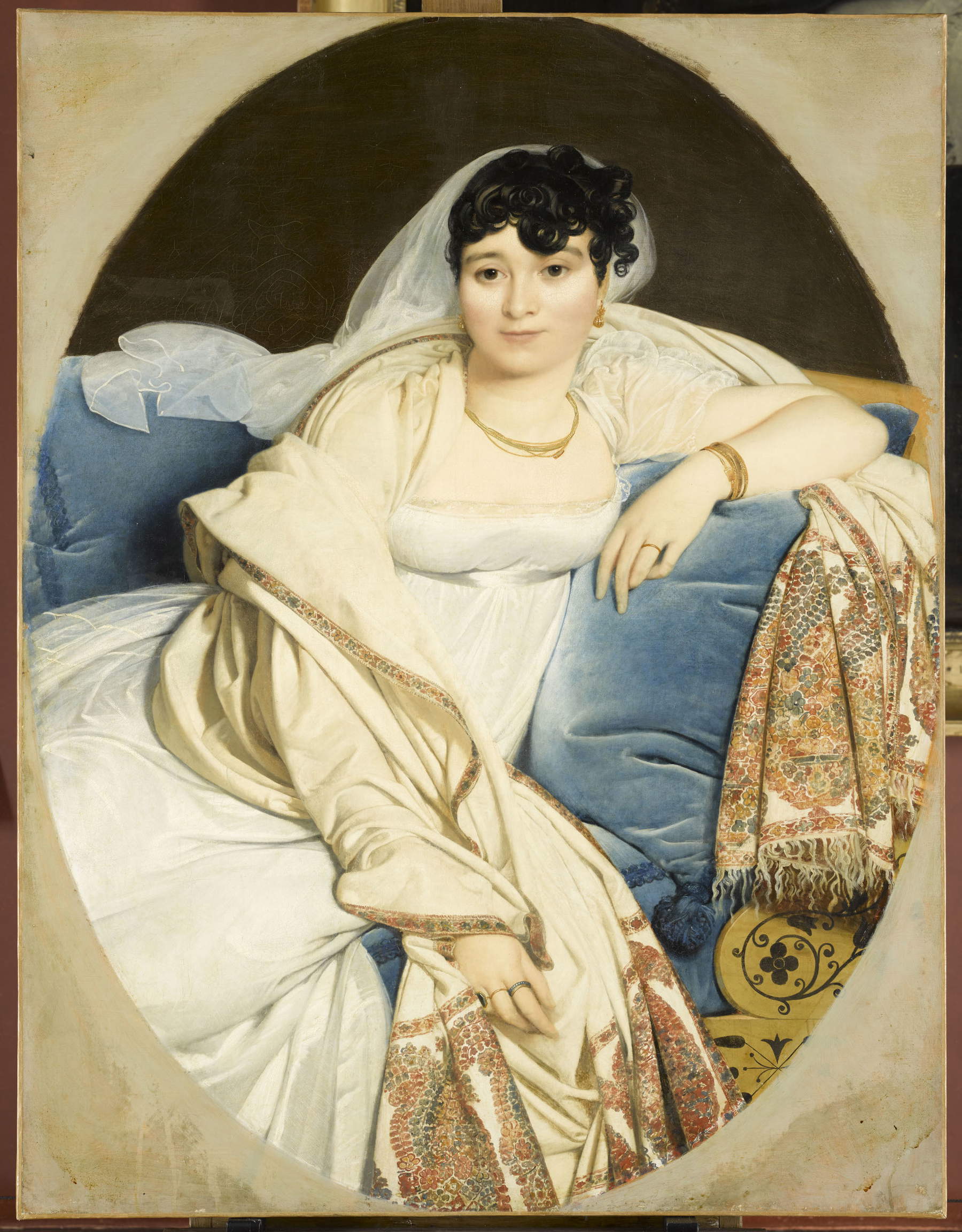
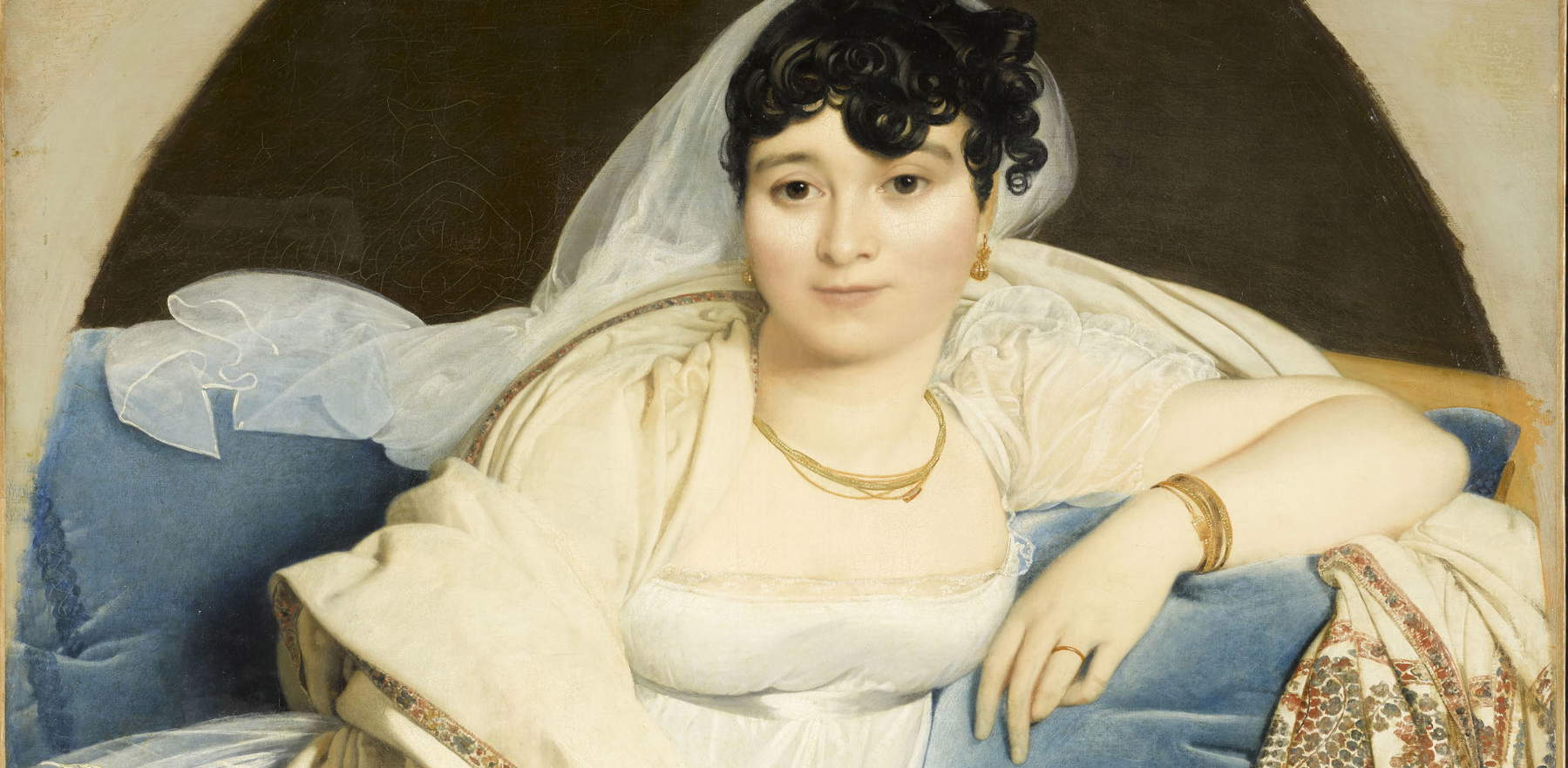
Jean-Auguste-Dominique Ingres, Madame Rivière (1805; oil on canvas, 116.5 x 81.7 cm; Paris, Musée du Louvre) © GrandPalaisRmn (Musée du Louvre). Photo by Franck Raux
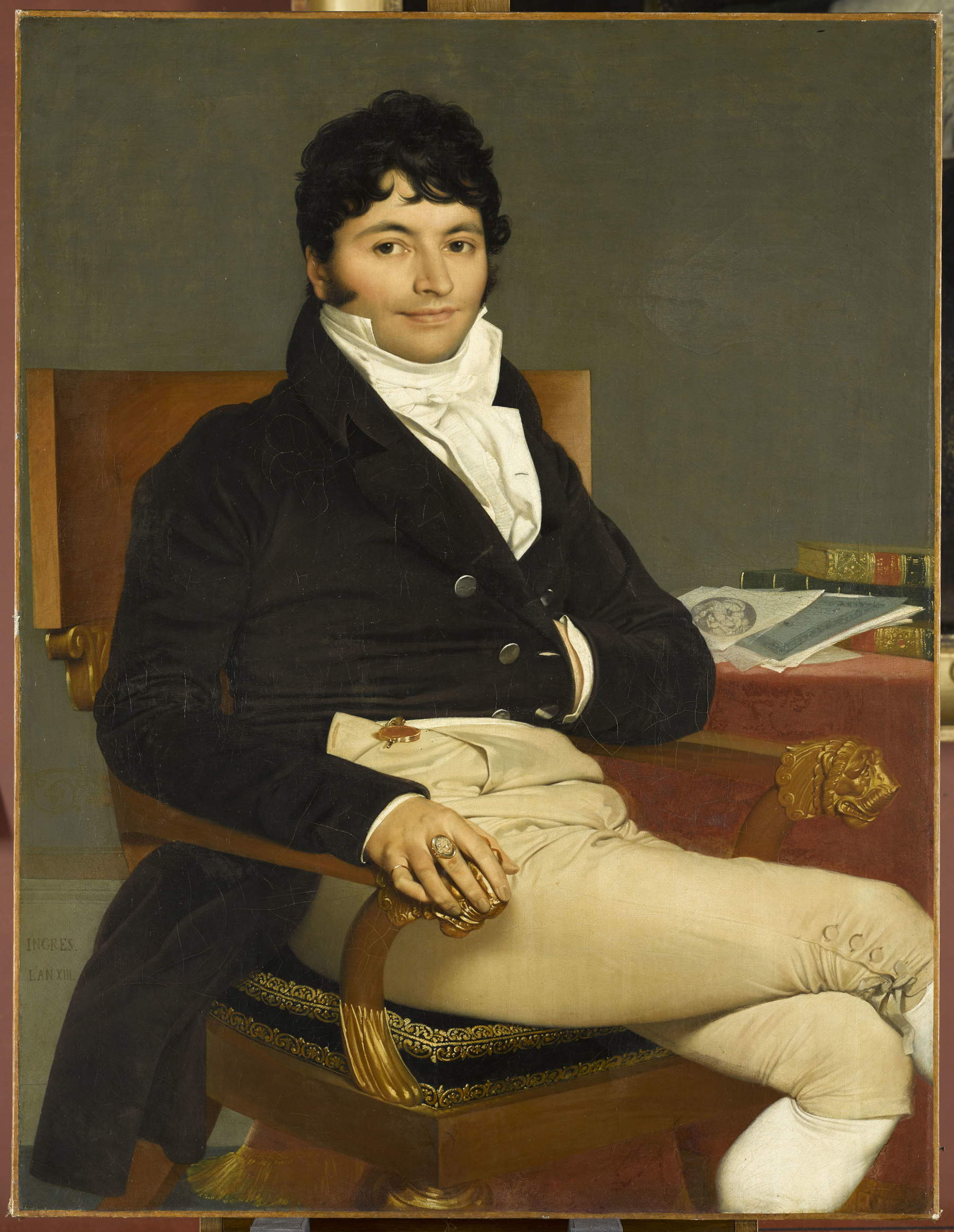
Jean-Auguste-Dominique Ingres, Philibert Rivière (1766-1816) (1805; oil on canvas, 116.5 x 89 cm; Paris, Musée du Louvre) © GrandPalaisRmn (Musée du Louvre). Photo by Franck Raux
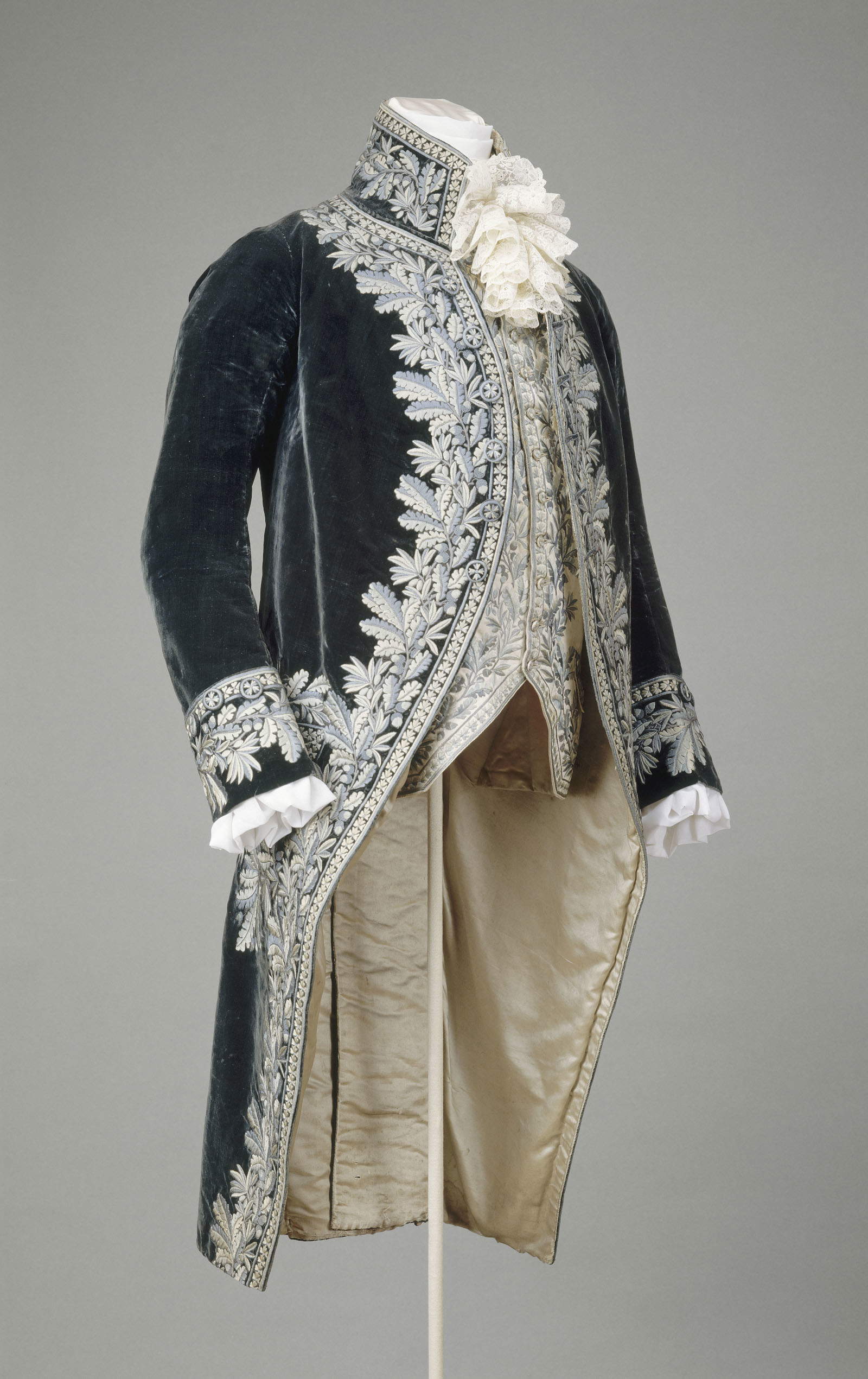
Isabey Jean-Baptiste, costume designer, Large uniform of a State Councilor: jacket and vest, c. 1804-1815. Jacket: dark blue silk velvet, satin stitch embroidery in various shades of blue-green silk with oak leaf motifs. Lining in ivory silk satin. Vest: ivory silk satin, polychrome silk thread embroidery, cotton canvas back. Closure with metal tab. Modern shirt and tie; Rueil-Malmaison, Musée national des châteaux de Malmaison et de Bois-Préau © GrandPalaisRmn (Musée national des châteaux de Malmaison et de Bois-Préau). Photo by Daniel Arnaudet
Isabey Jean-Baptiste, costume designer, Great uniform of a Councilor of State: jacket and vest, c. 1804-1815. Jacket: dark blue silk velvet, satin stitch embroidery in various shades of blue-green silk with oak leaf motifs. Lining in ivory silk satin. Vest: ivory silk satin, polychrome silk thread embroidery, cotton canvas back. Closure with metal tab. Modern shirt and tie; Rueil-Malmaison, Musée national des châteaux de Malmaison et de Bois-Préau © GrandPalaisRmn (Musée national des châteaux de Malmaison et de Bois-Préau). Photo by Daniel Arnaudet

Although celebrated as a painter of historical subjects, Ingres was especially appreciated by his contemporaries for his talent in portraiture, capable of combining fine psychological introspection with meticulous attention to ornamentation and clothing. By paying great attention to contemporary dress without ever turning his paintings into mere mundane portraits, Ingres achieved an original balance that makes him an authentic “painter of modern life,” a definition that Baudelaire never wanted to give him.

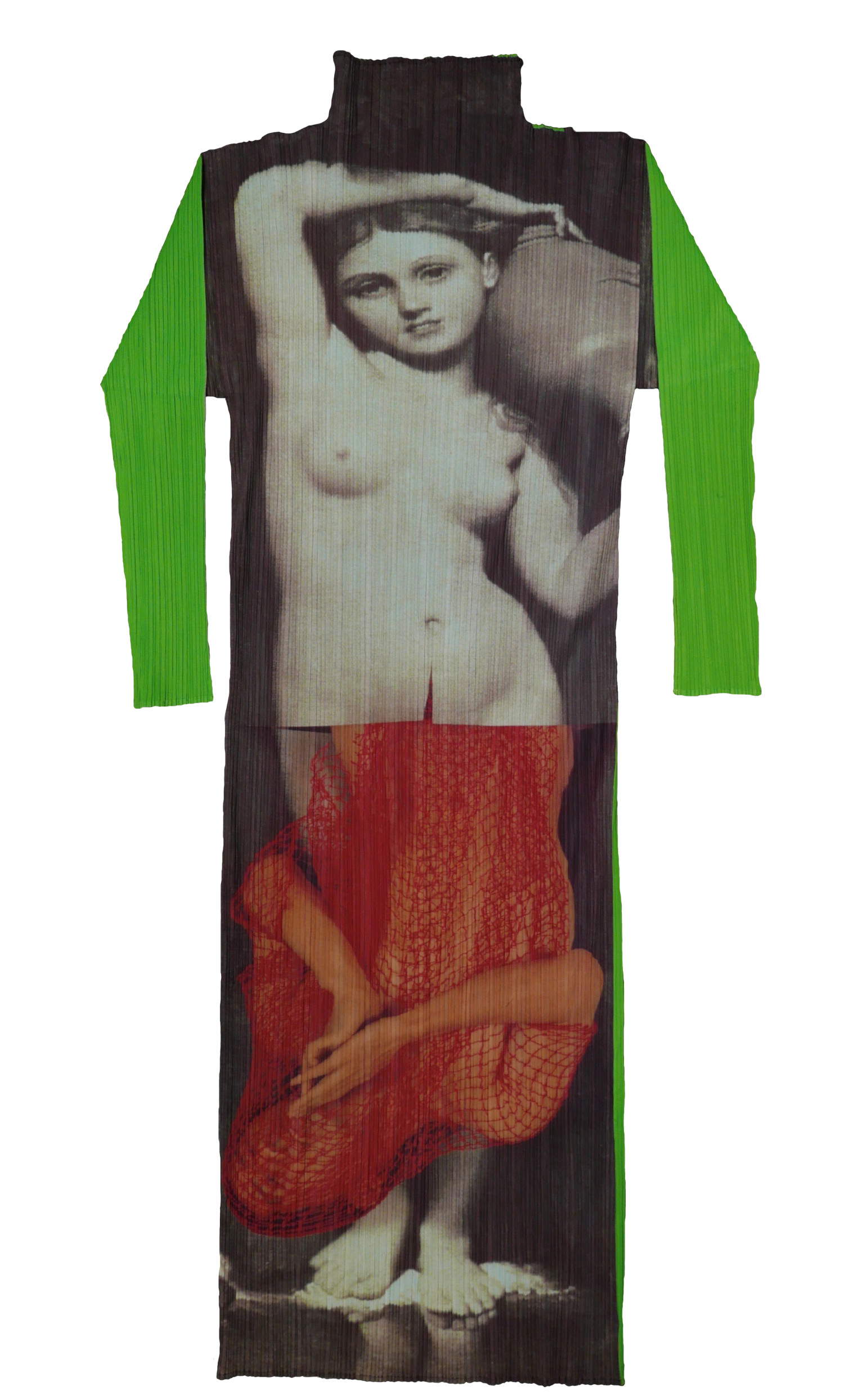
Although the theme of portraiture in Ingres’s oeuvre has already been explored in major exhibitions held in London, New York, and Washington, the particular relationship between the painter and fashion had never been addressed in a dedicated exhibition. The exhibition will bring together works by Ingres alongside textiles, jewelry, accessories, caricatures, fashion engravings, technical treatises, trade catalogs, and posters, developing the exhibition through six thematic sections. In the concluding part, the exhibition will finally analyze the influence of Ingres’ imagery on 20th- and 21st-century fashion designers, including Jean-Charles de Castelbajac, Yves Saint Laurent and Issey Miyake.
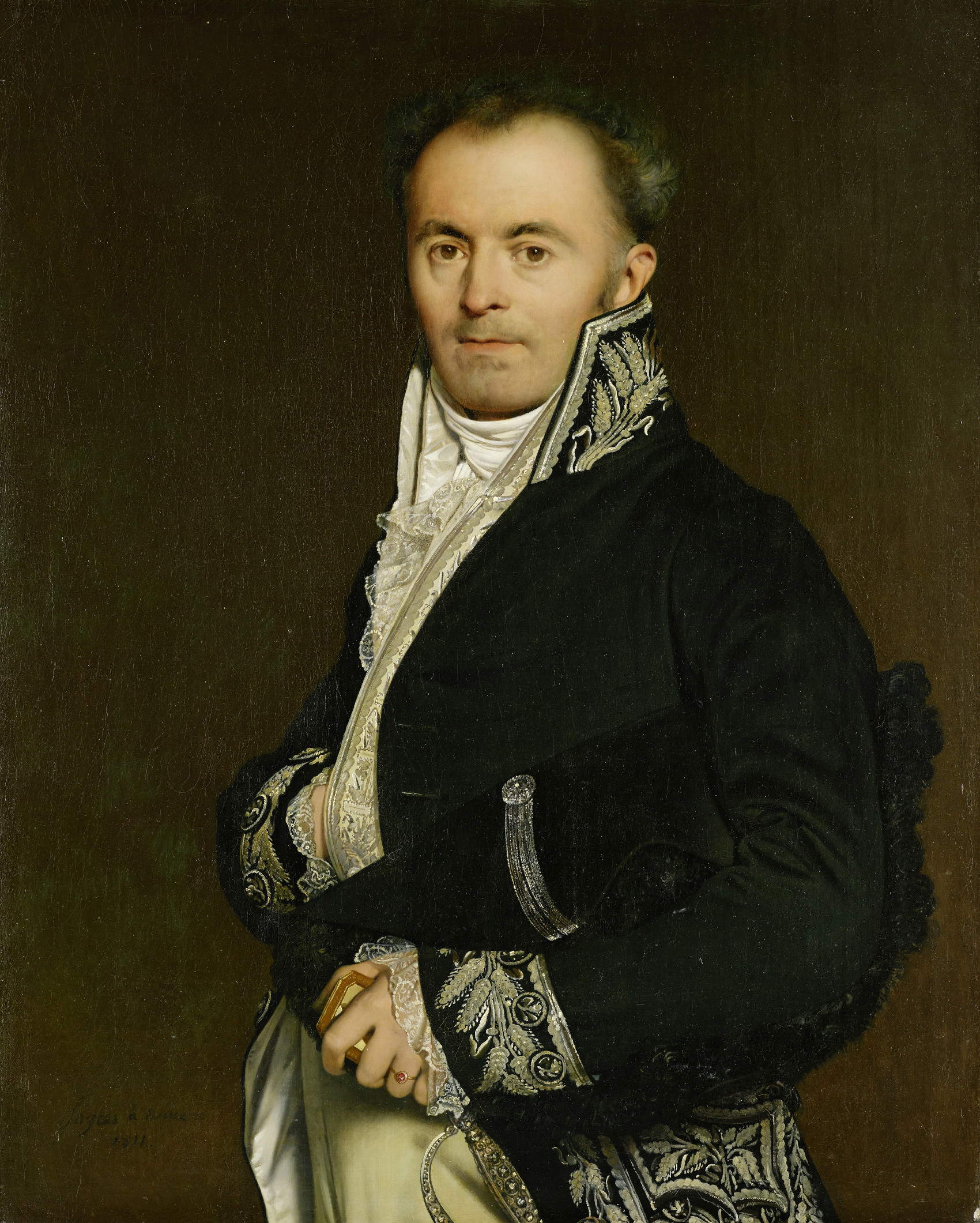
Jean-Auguste-Dominique Ingres, Portrait of M. Hippolyte-François Devillers (1811; oil on canvas, 96.5 x 78.5 cm; Zurich, Sammlung Emil Bührle) © Emil Bührle Collection, long-term deposit at Kunsthaus Zurich
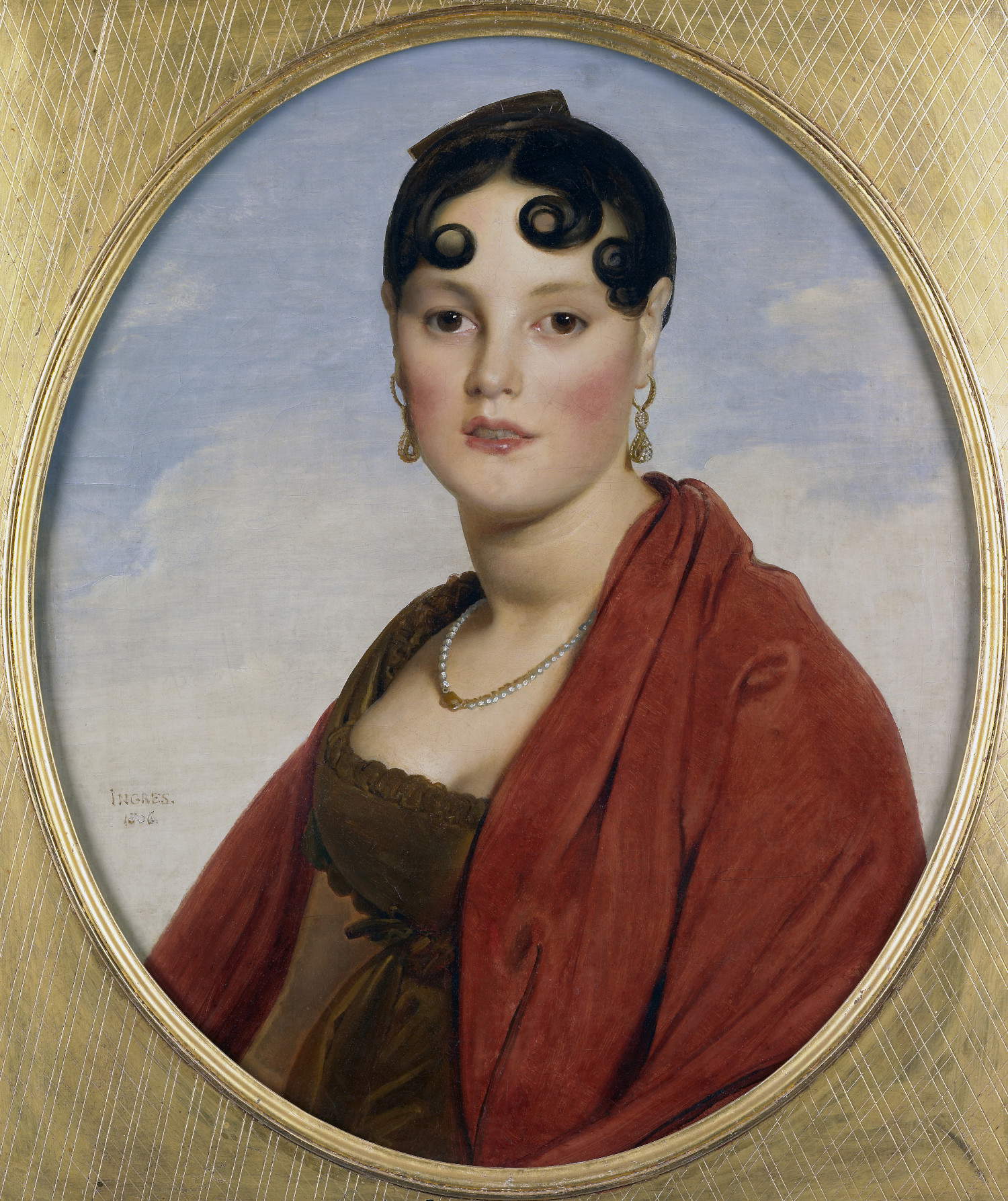
Jean-Auguste-Dominique Ingres, Portrait of a Woman (formerly known as Madame Aymon), known as La Belle Zélie, (1806; oil on canvas, 59 x 49 cm; Rouen, Réunion des musées métropolitains, Musée des Beaux-Arts) © C. Lancien, C. Loisel / Métropole Rouen Normandie
Yasumasa Morimura, visual artist for Pleats Please by Issey Miyake, ready-to-wear fashion house, inspired by Jean-Auguste-Dominique Ingres' La Source and his own Portrait (La Source III). Long dress, Fall-Winter 1996-1997, polyester fabric. Moji Farhat Collection © Moji Farhat
Yasumasa Morimura, visual artist for Pleats Please by Issey Miyake, ready-to-wear fashion house, inspired by Jean-Auguste-Dominique Ingres’ La Source and his own Portrait (La Source III). Long dress, Fall-Winter 1996-1997, polyester fabric. Moji Farhat Collection © Moji Farhat

A brand new exhibition in Montauban investigates the relationship between Jean-Auguste-Dominique Ingres and fashion


Warning: the translation into English of the original Italian article was created using automatic tools. We undertake to review all articles, but we do not guarantee the total absence of inaccuracies in the translation due to the program. You can find the original by clicking on the ITA button. If you find any mistake,please contact us.