




Social cooperative Società Dolce opens the doors of its headquarters at 5 Via Cristina da Pizzano in Bologna for Art City, on the occasion of Arte Fiera Bologna. The free exhibition takes place Friday, Feb. 6, from 10 a.m. to 8 p.m., with a vernissage at 6 p.m., and Saturday, Feb. 7, from 10 a.m. to 10 p.m., with the finissage Mixer at 7 p.m., accompanied by an aperitif and Gianluca Gottardi’s musical project.
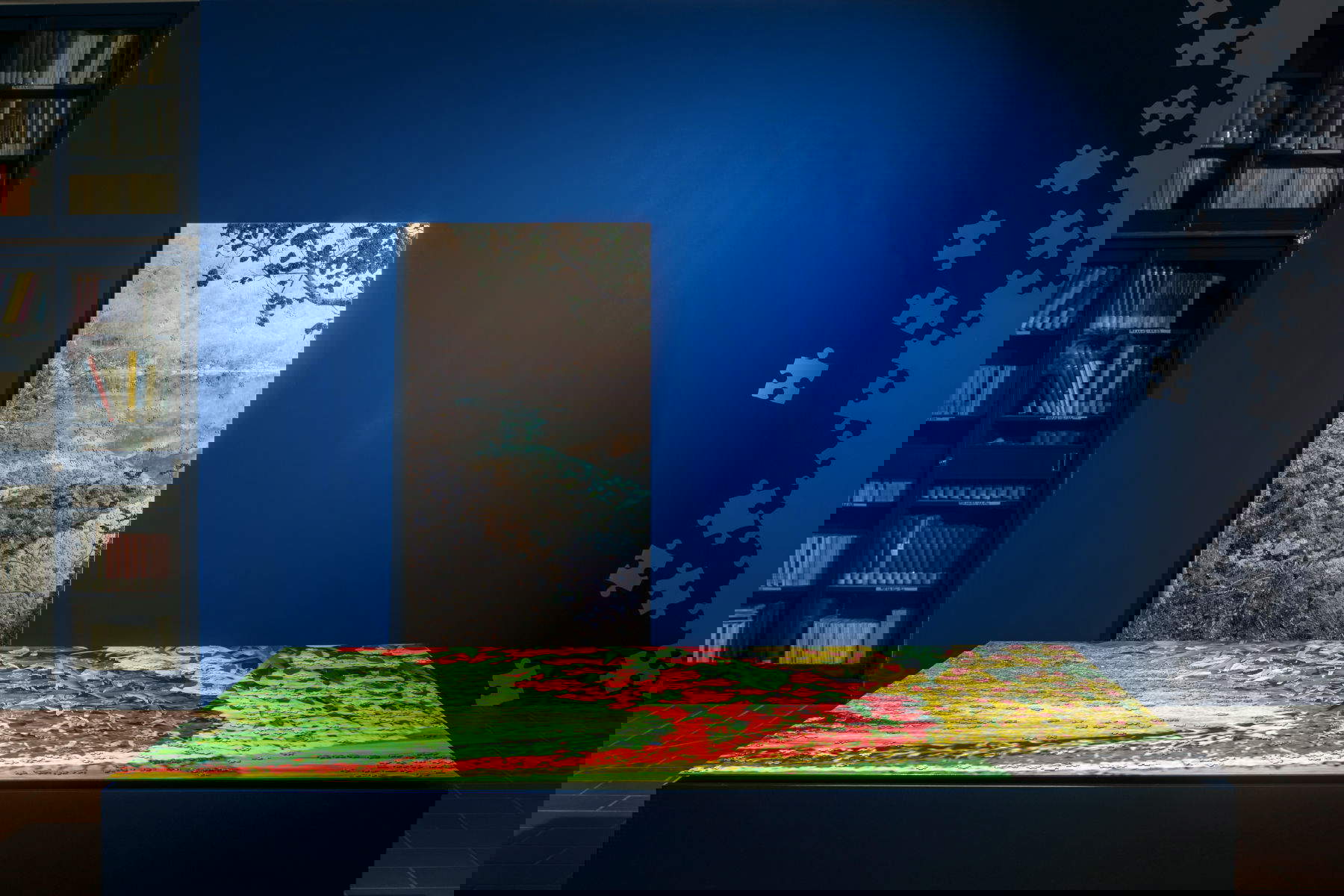
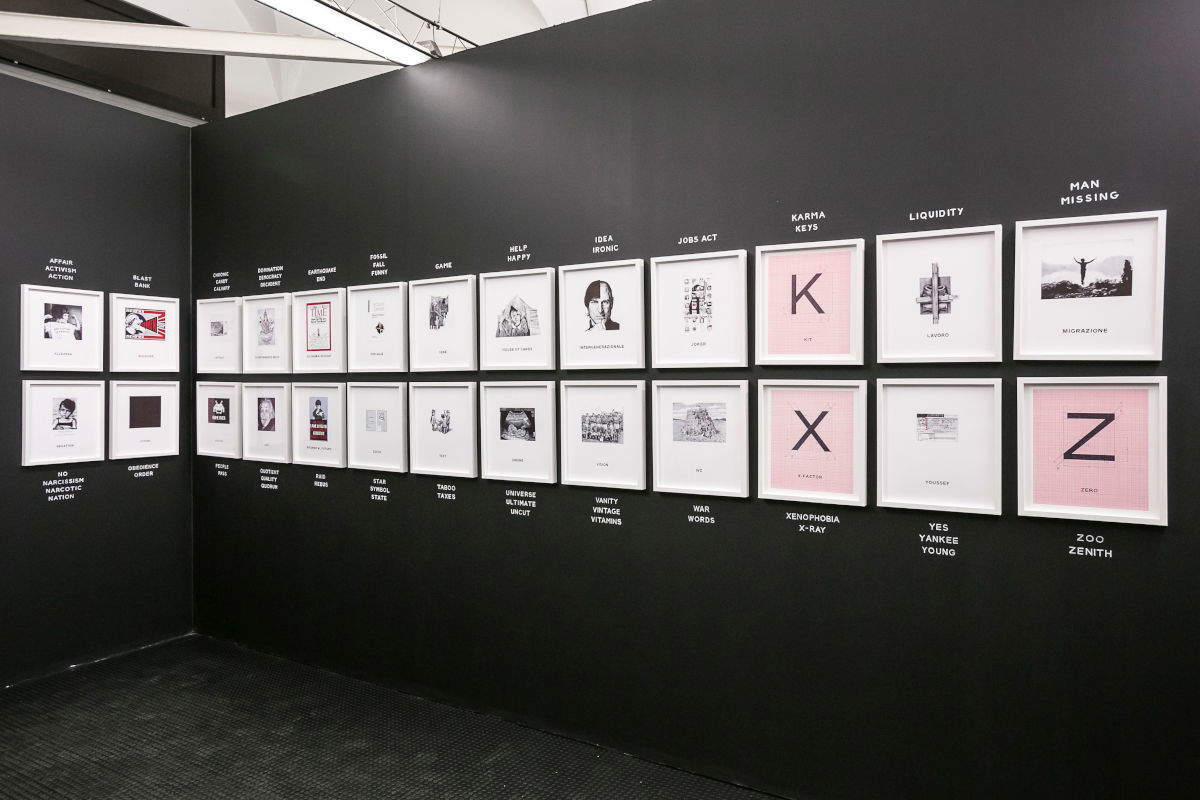
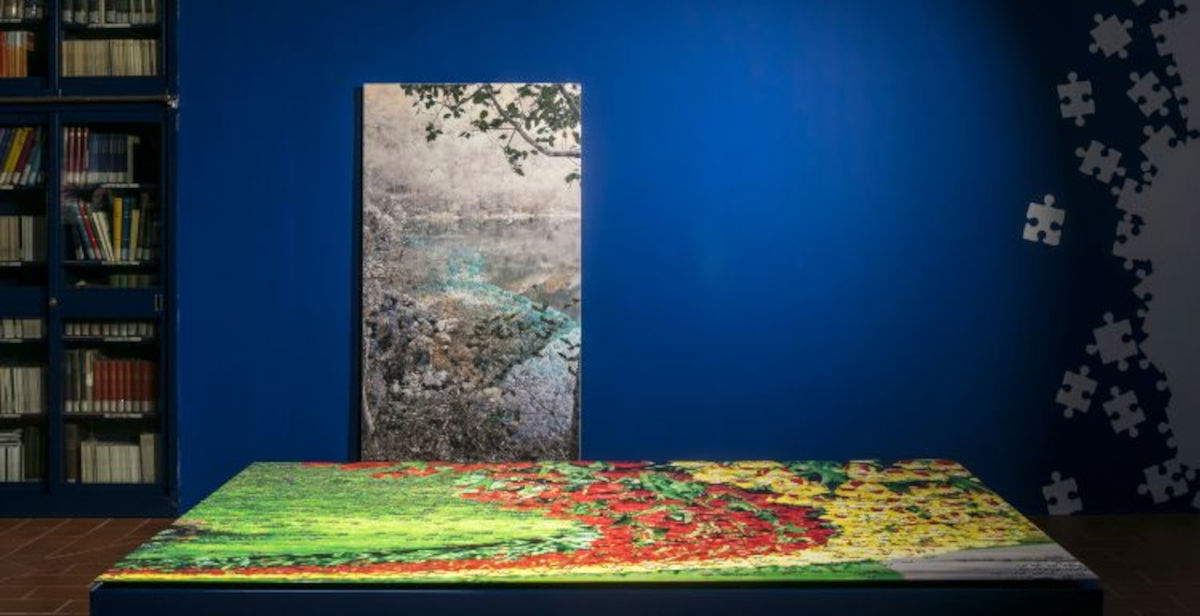
Permanent works by Giuseppe Stampone, Stefano Arienti and Eugenio Tibaldi, temporary installations by Gabriele Picco and Davide Rivalta, and street art by Marco Réa and Daniele Tozzi will be on view. The artists have collaborated with the cooperative’s members over the past decade, transforming shared ideas into works capable of narrating inclusion, participation, solidarity and listening. Among the works on display, Stampone’s L’Abecedario della Cooperazione presents 26 plates that reflect merits and limitations of the contemporary cooperative world, identifying tools for trust and change. Arienti’s T-being project features 12 photographic images made by members, on which the artist applies puzzle tiles, symbolic of the cooperative’s logo, generating new meanings and visual perceptions. Tibaldi displays Inclusio, comprising 13 selfies and a table constructed from shelves from schools, institutions and homes, designed to remind those who sit there of the collective responsibilities of decisions. On the second floor, a column made by children from the Pilastro neighborhood from discarded materials represents inclusion as mutual enrichment and the vindication of the excluded, with art serving as a common thread.
The exhibition program also includes two workshops with Marco Réa, Stampone and Picco, aimed at students from Zola Predosa and Casalecchio di Reno, and the invitation-only talk CO-ART, art as a collective process, with Stampone, Arienti, Picco, Rivalta, Pietro Segata and critic Ilaria Bernardi, to explore the role of shared creative processes in building communities and new imaginaries.
Founded in 1988 by a group of university students, Società Dolce aims to create services capable of improving the quality of life and promote employment opportunities in social work, with special attention to the most vulnerable.
“Our art project,” explains Pietro Segata, president of Società Dolce, “is a laboratory of ideas with a strong social impact. We chose art as a reading tool, capable of giving voice again to the values of cooperation of the past and present and reaching a wide audience. An artistic experiment that we think is well successful and fits perfectly among the formal and relational models of contemporary art, where new dimensions of the possible are experimented with. A moment to approach or deepen the cooperative world. Which does not end here, but strengthens: in fact, we announce the birth of the first Foundation on Art and Cooperation, a spin off of Società Dolce, through which many artists will be able to experiment and create on the themes of cooperating.”
“Once upon a time,” Stampone says, “the artist was a decorator, today he is functional to the message one wants to convey. He can raise awareness, he changes the viewer, who in turn, by participating, changes the art. We can speak of critical responsibility of the artist, as well as aesthetic. The Abecedario is a symbol of education, through strong themes such as freedom, power, sharing. The images created, linked to the letters of the alphabet, are the creative form of the contradictions, merits and flaws of today’s cooperative models and are meant to propose new tools for change and trust.”
“For once,” Arienti points out, “the artist is not the only protagonist, but there was the participation of the members in bringing and choosing the images with me. I had never experienced cooperation before and it was a journey of amazement and discovery, which led to a very interesting result.”
 |
| Art and cooperation: in Bologna, Società Dolce headquarters opens for Art City |

Warning: the translation into English of the original Italian article was created using automatic tools. We undertake to review all articles, but we do not guarantee the total absence of inaccuracies in the translation due to the program. You can find the original by clicking on the ITA button. If you find any mistake,please contact us.




























 IT
IT FR
FR DE
DE ES
ES CN
CN


