



by Redazione 27/03/2026



Categories: Exhibitions / Disclaimer
The Mart in Rovereto is hosting, from March 28 to Sept. 27, 2026, the largest exhibition ever dedicated to Anselmo Bucci, reconstructing the career, life and relationships of a multifaceted 20th-century intellectual.
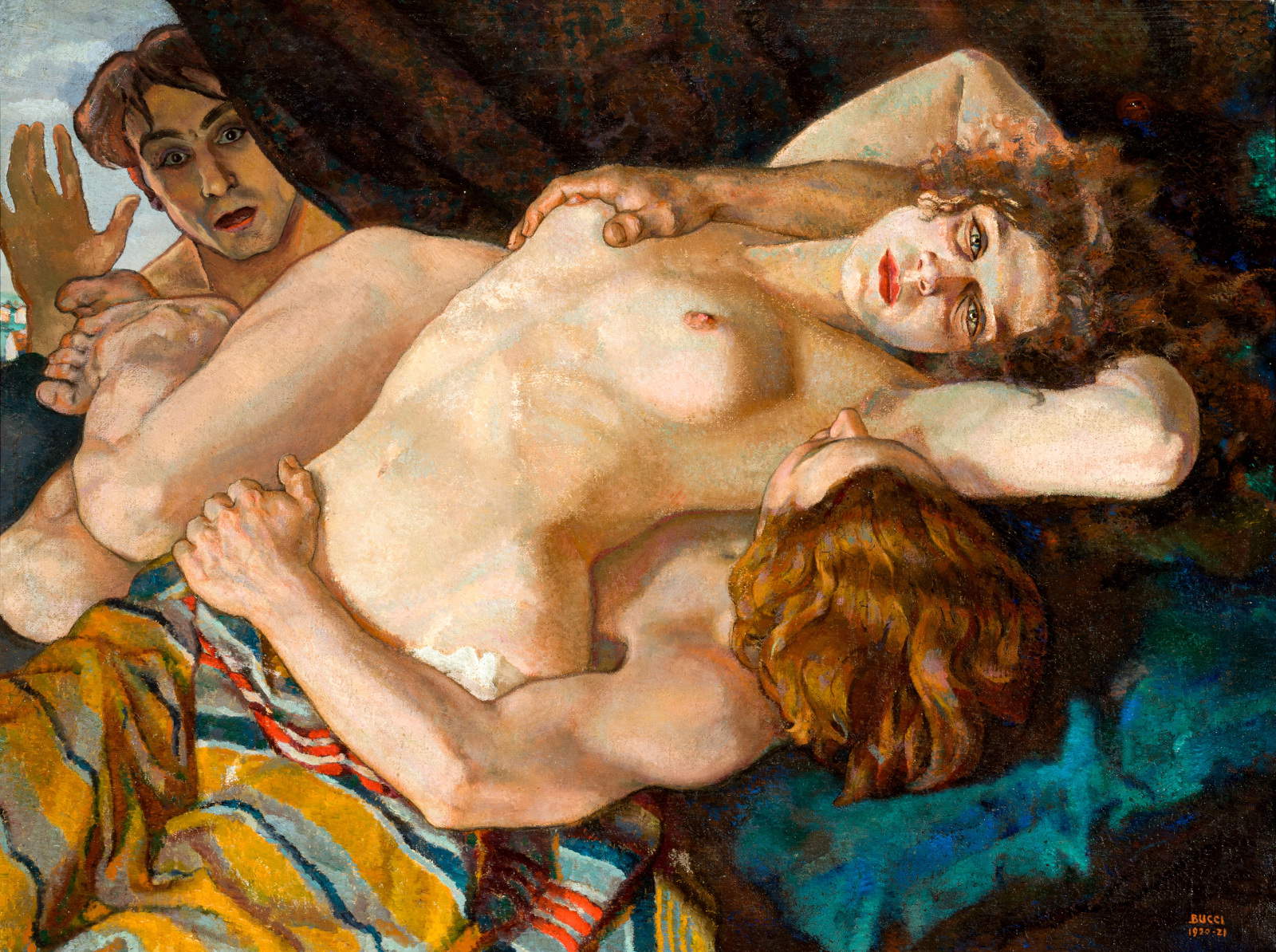
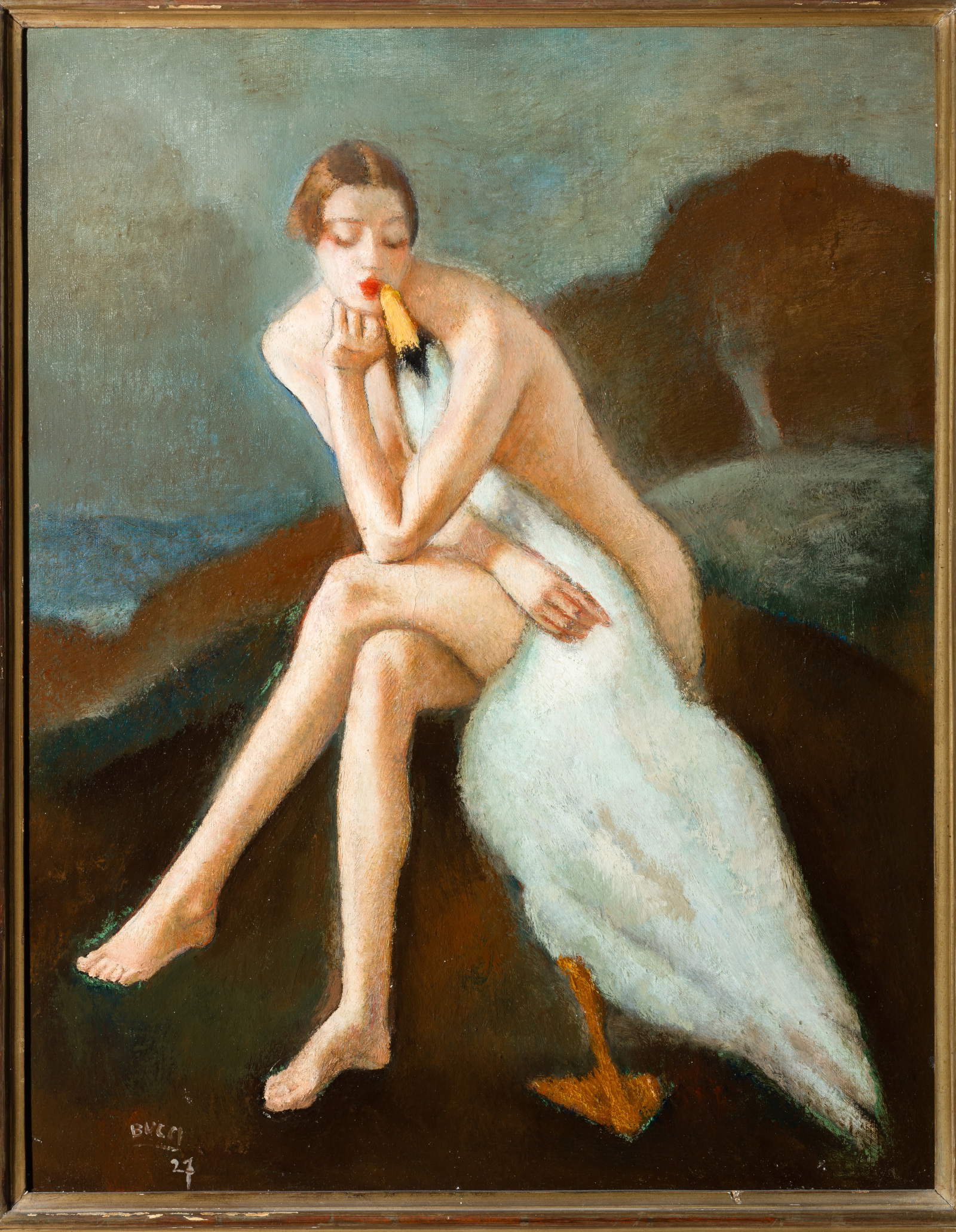
From March 28 to September 27, 2026, the Mart in Rovereto hosts the largest exhibition ever dedicated to Anselmo Bucci, curated by Beatrice Avanzi and Luca Baroni. Through more than 150 works, Anselmo Bucci (1887-1955). The Time of the Twentieth Century between Italy and Europe reconstructs the career, life and relationships of a multifaceted intellectual, with the aim of restoring to the public and scholars one of the most complex, cultured and independent personalities of the twentieth century. Paintings, engravings, drawings and photographs come from important public and private collections, including the Quadreria Cesarini - House Museum in Fossombrone, the Civic Museums of Monza, the Museo del Novecento in Milan, the National Gallery of Modern and Contemporary Art in Rome and the Central Institute for the History of the Italian Risorgimento.
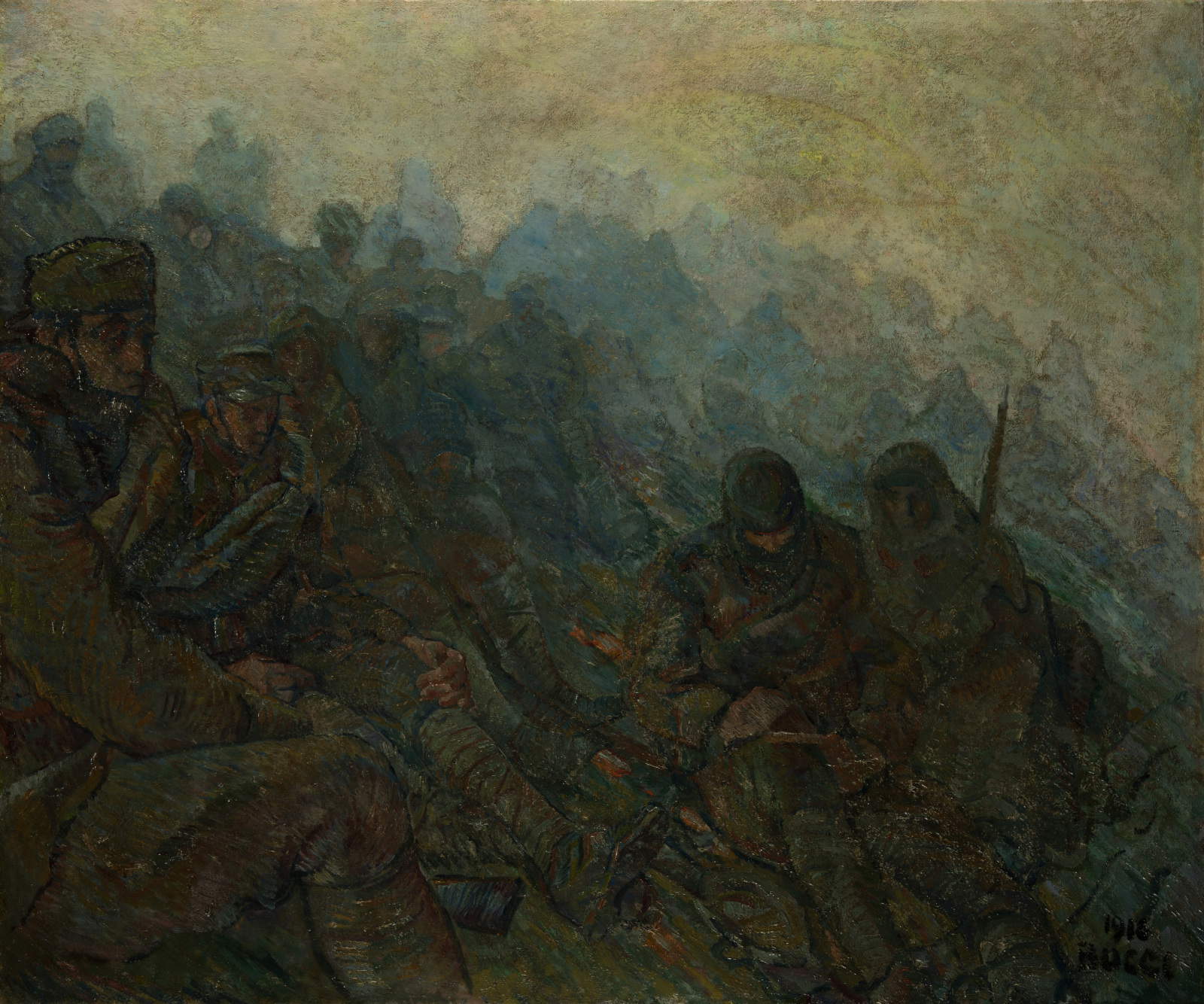
A complete artist (he was a painter, engraver, draughtsman and writer) and active between Paris and Milan, Bucci was a protagonist of European cultural life while always maintaining a marked intellectual autonomy, also evident in his relationship with the Novecento Italiano group, of which he was among the founders and originator of the name, except later distancing himself from it. His research crosses different techniques and genres with great freedom, while maintaining a strong internal coherence, based on a solid figurative culture and a refined literary sensibility. Profoundly influencing his work were both the experience of urban modernity and that of World War I, which he experienced on the front lines as a war artist. The exhibition also aims to highlight his ability to observe the society of his time, translating its changes into images related to city life, social relations and new cultural patterns.


His independence from political and artistic movements, together with the variety of his interests, make him a complex and multifaceted figure. For a long time kept in the background compared to the great names of Italian art of the first half of the century, Bucci is now reconsidered in his historical and cultural context, strongly European, revealing a value now fully recognized by critics. At the Mart, this rediscovery is part of the museum’s broader research path, which has been investigating the history of 20th-century Italian art since its founding, with particular attention to artists linked to the figure of Margherita Sarfatti.
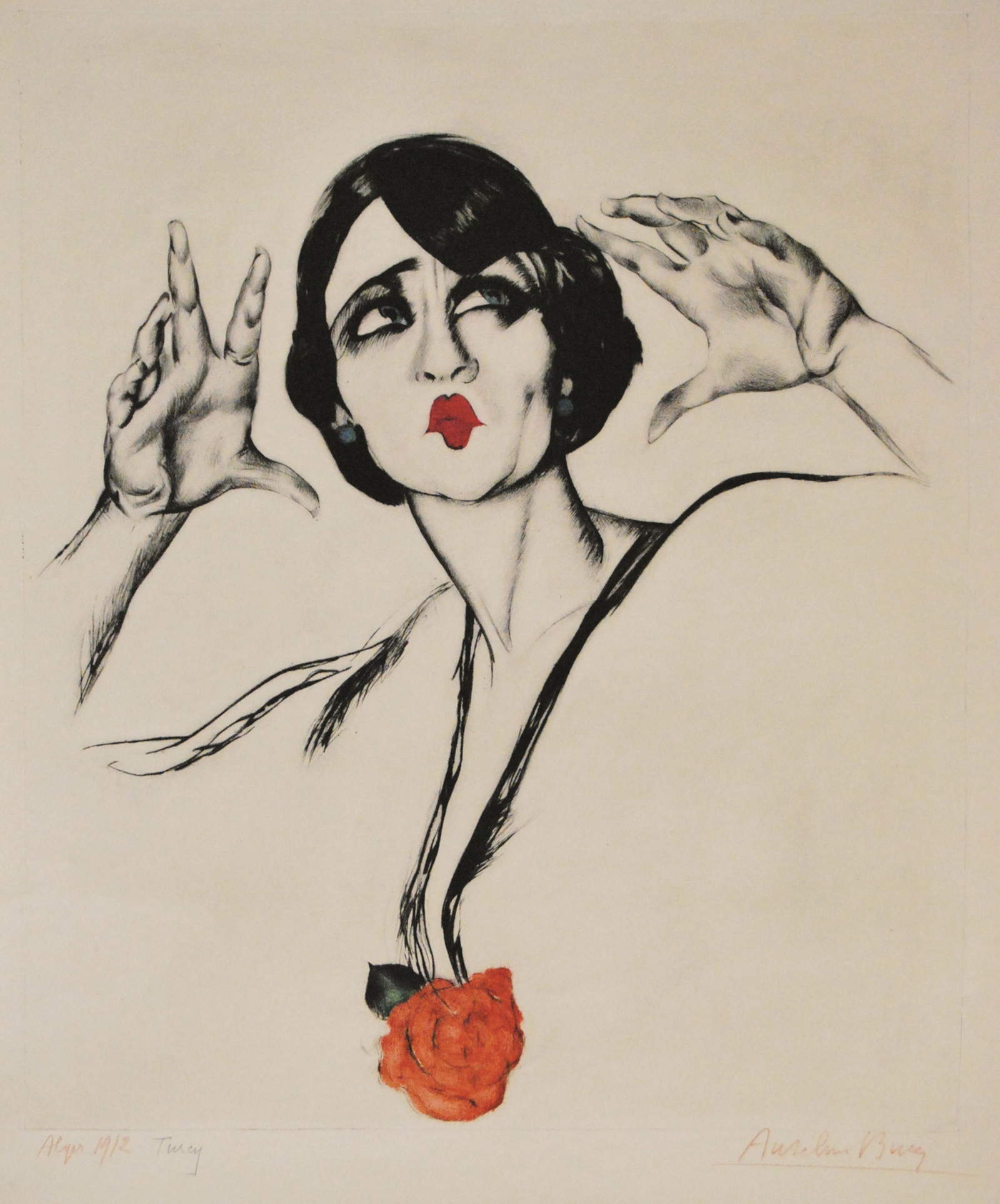
As the exhibition’s subtitle suggests, the exhibition focuses on the international dimension of the artist: from his origins in the Marche region, he first moved to Venice, a lively and cosmopolitan city, and then to Paris and Milan. Initially appreciated more abroad than in Italy, with recognition from Guillaume Apollinaire and the New York Times, Bucci built a network of international relationships reflected in the variety of subjects he tackled, always characterized by a personal style and high pictorial quality. Alongside painting, his skills as an engraver and draughtsman also emerged, areas in which he achieved results of great technical and expressive refinement.
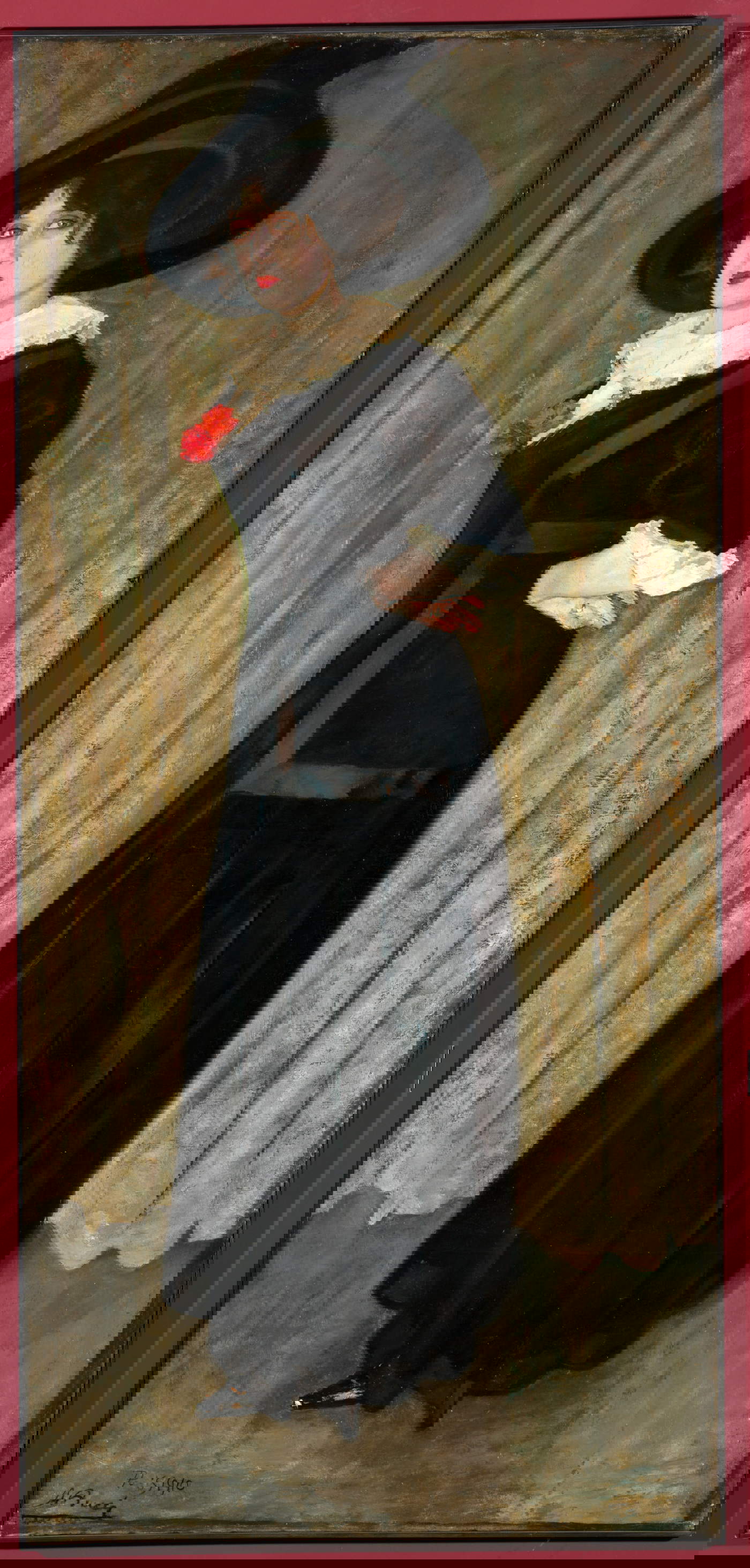
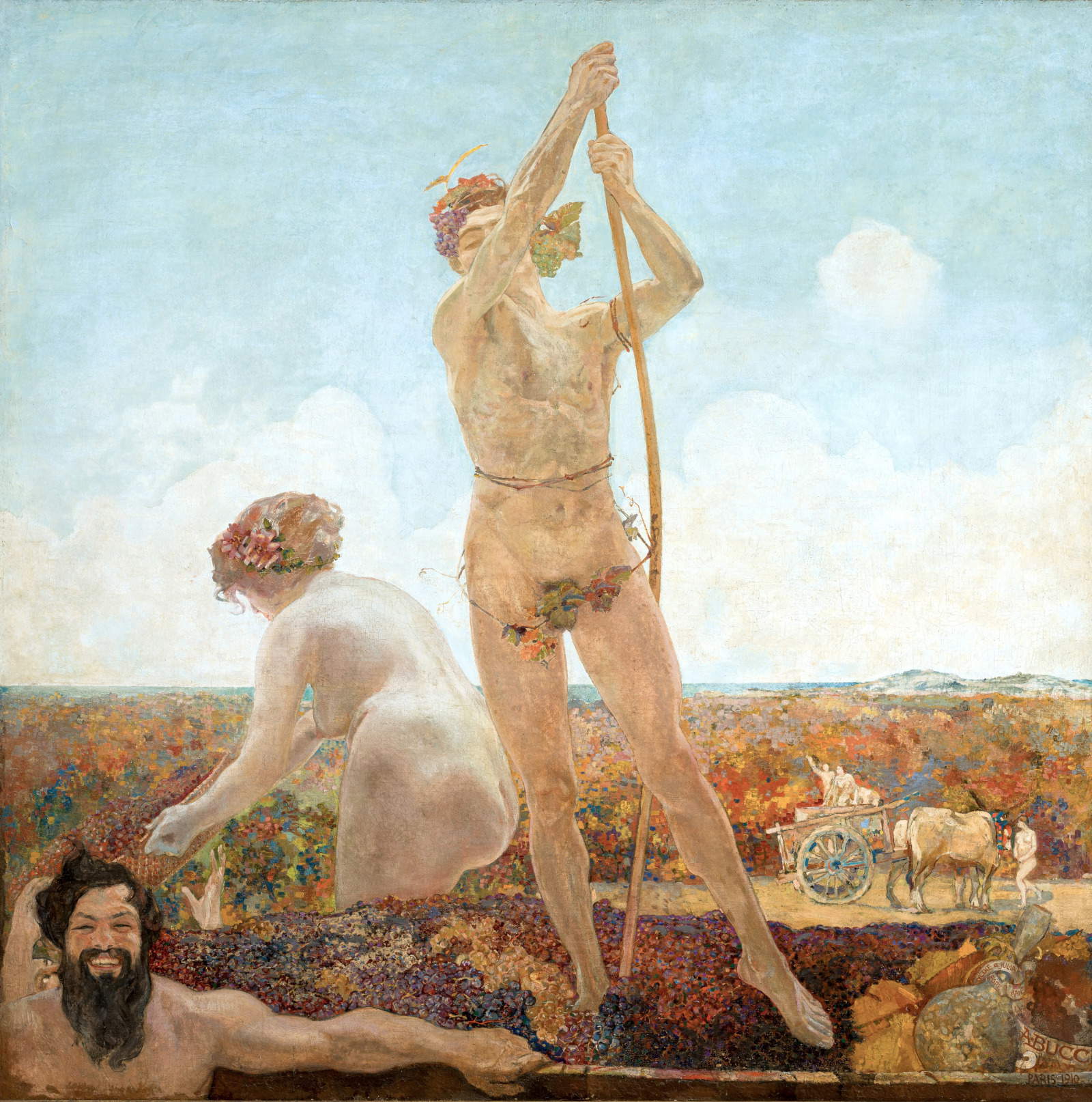
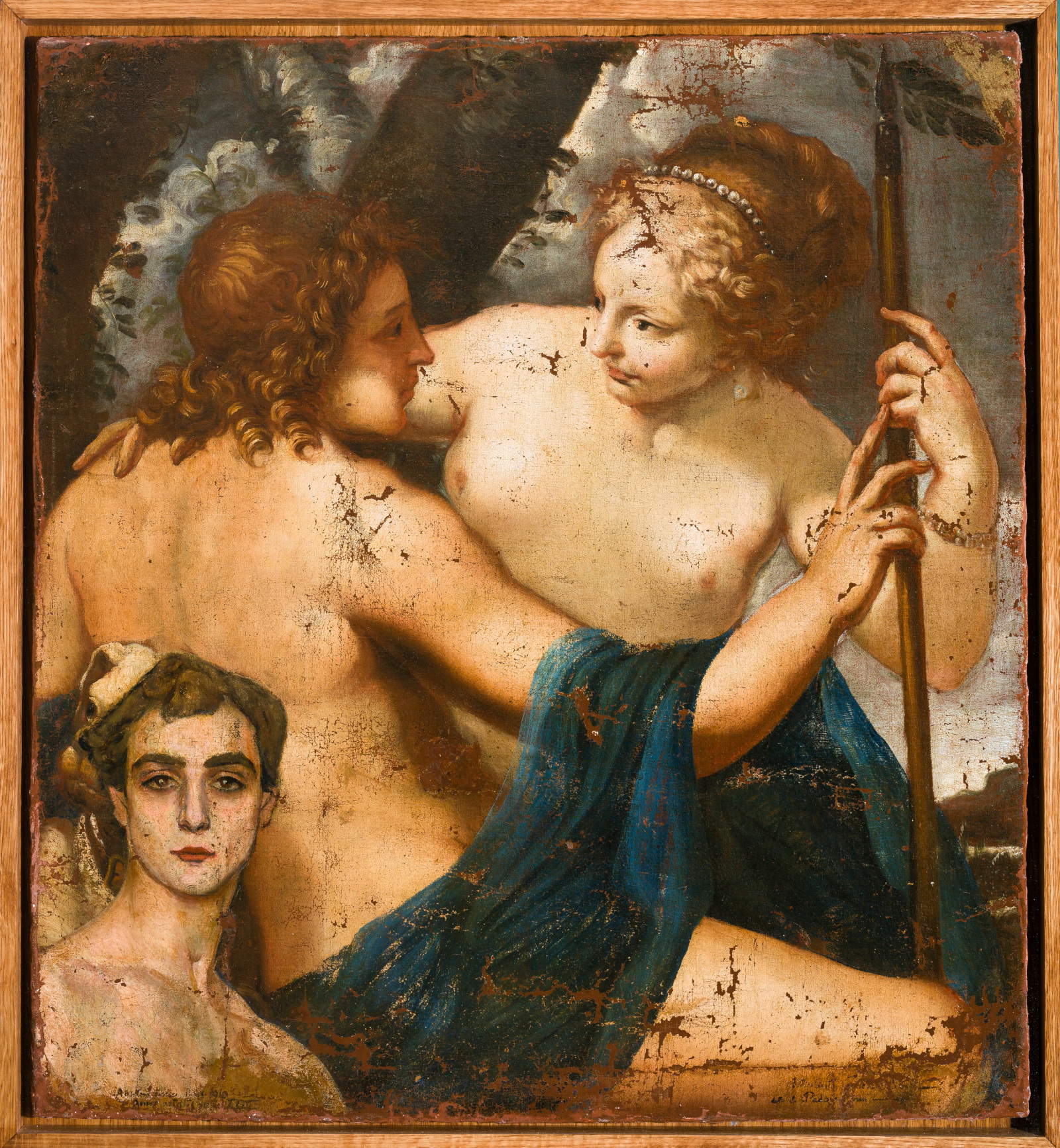
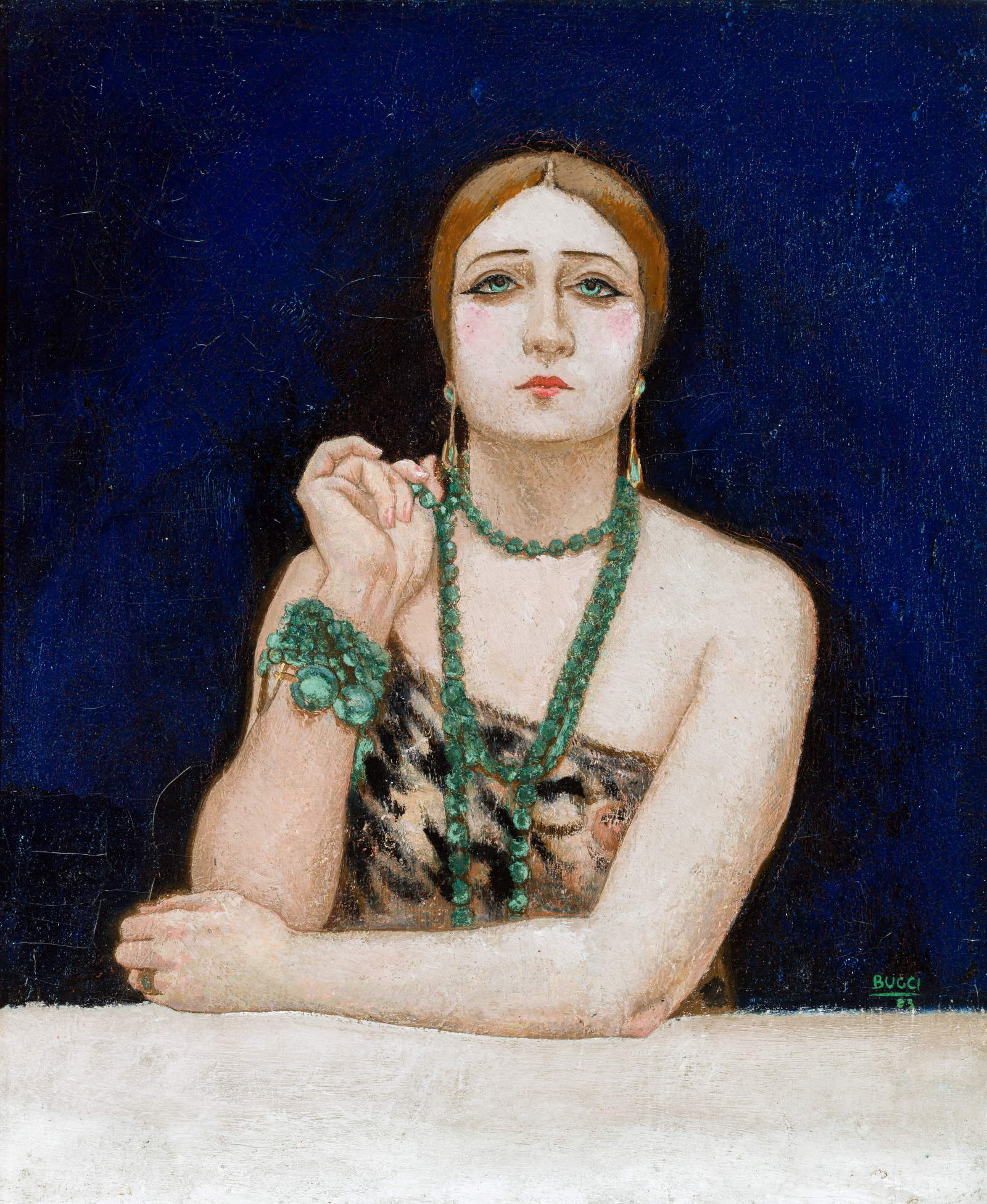
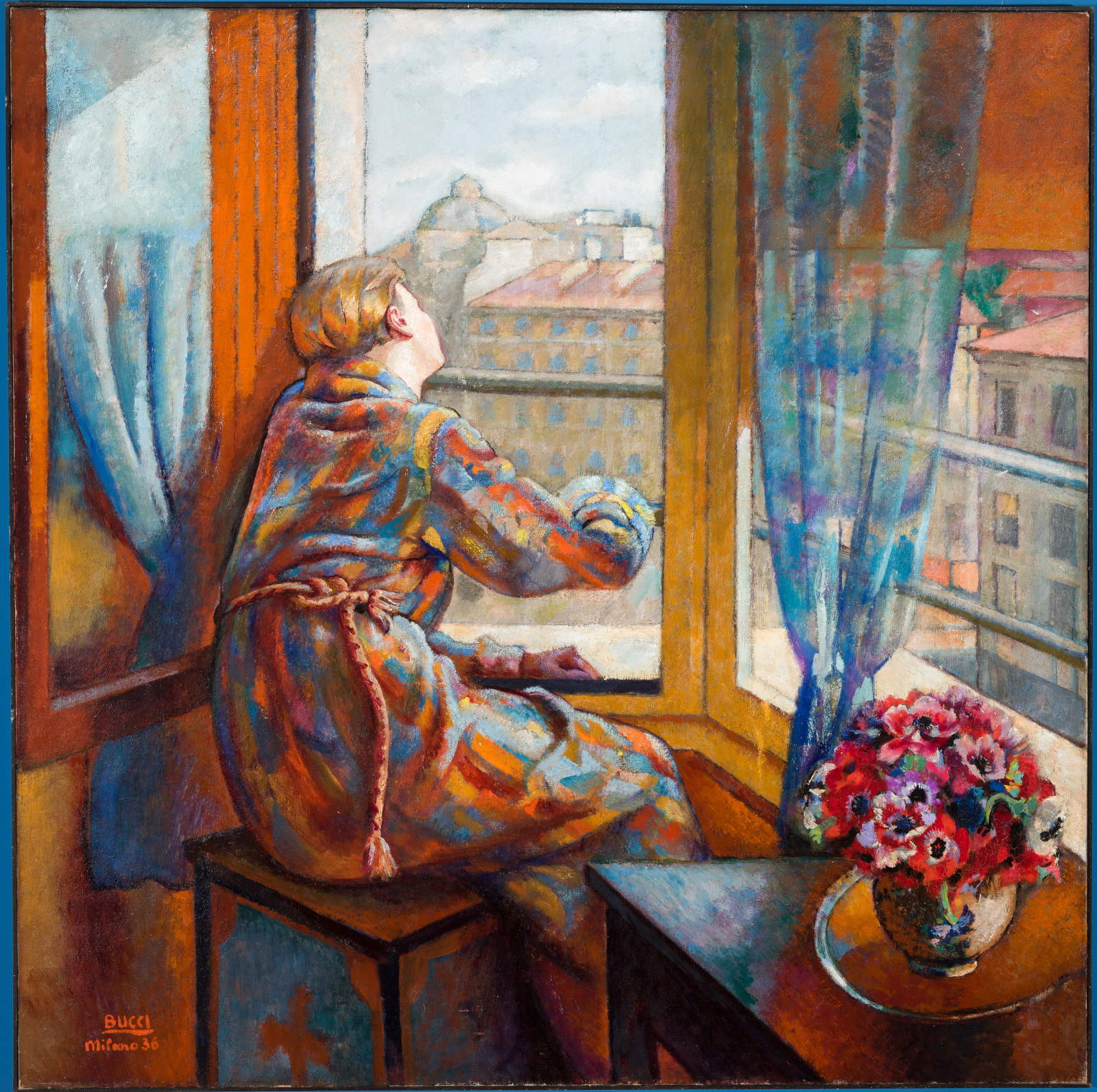
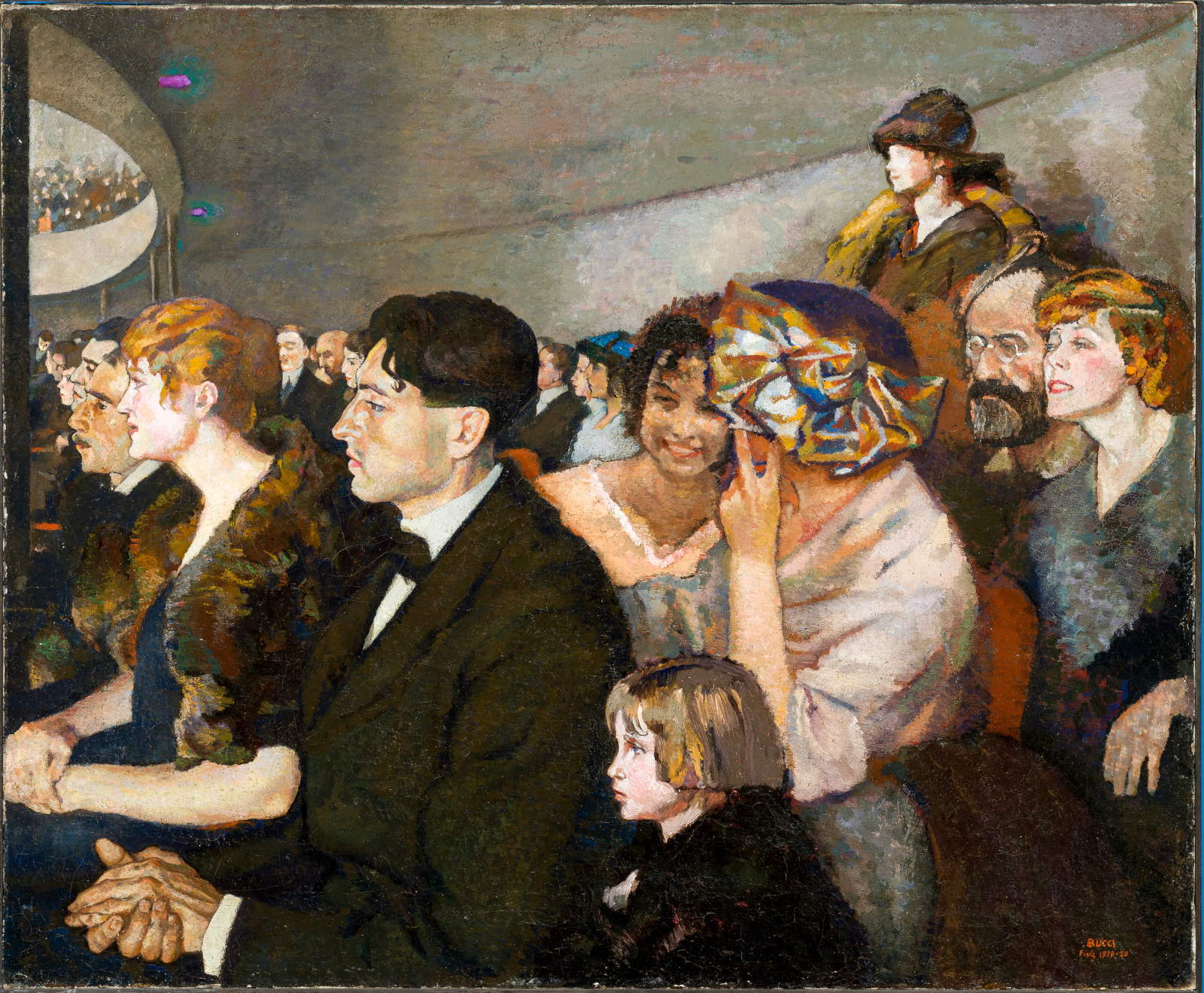
The exhibition offers a comprehensive rereading of his production through famous works and lesser-known materials, such as photographs and archival documents, highlighting the richness and relevance of a figure still partly to be rediscovered. The itinerary, divided into ten chronological and thematic sections, follows the artist’s evolution from his youthful beginnings to his maturity, highlighting the development of his language.
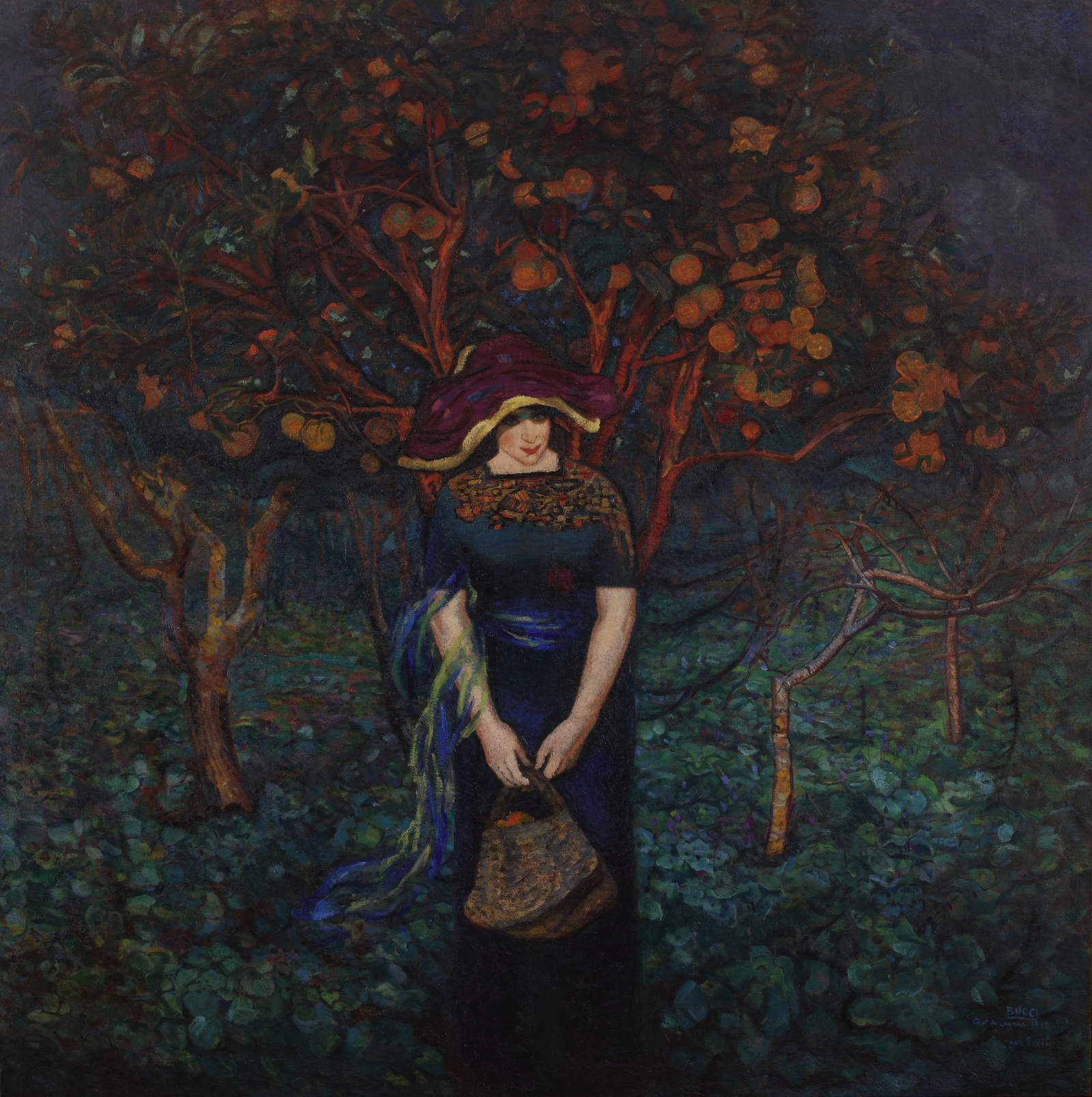
The early stages are marked by his origins in the Marche region and his ties with Fossombrone and Monza, places of training and affection, which are reflected in his luminous and vibrant painting. This is followed by the years spent in Paris, influenced by Postimpressionism, the depiction of modern life, the presence of companion and muse Juliette Maré and travel experiences. The section devoted to the war, documented through paintings, drawings and engravings, introduces his return to Italy and his progressive attention to the Old Masters, which brought him closer to Margherita Sarfatti and the Novecento Italiano group, among landscapes, views and portraits. The itinerary also delves into his graphic production and interest in the animal world, highlighting the variety of his research.
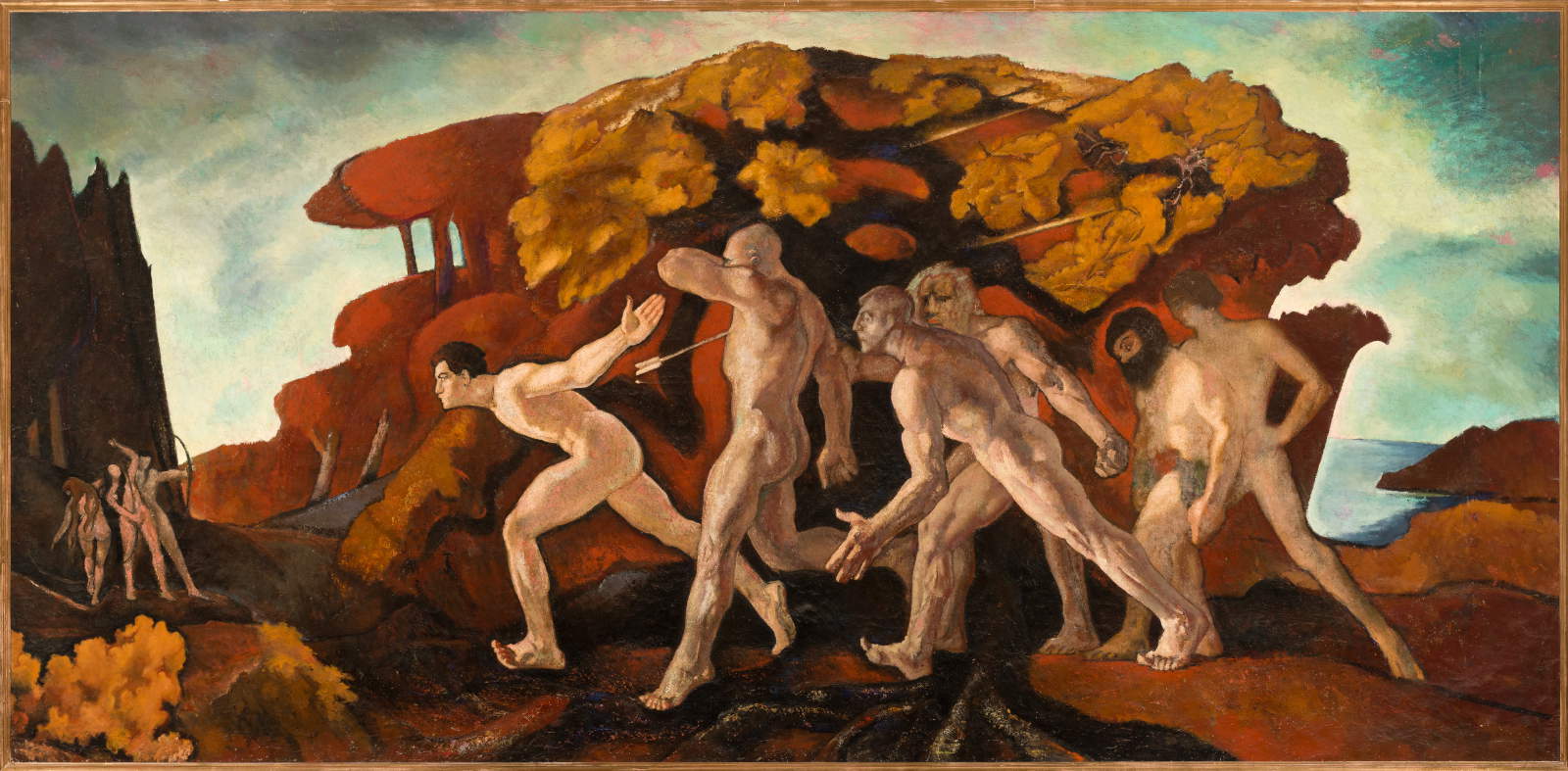
The exhibition concludes with a work of particular note, restored for the occasion and exhibited for the first time in a museum: I Maschi. This large painting of mythological subject depicts a group of men engaged in hunting, overpowered by Amazons, in a scene that symbolically alludes to the confrontation of the sexes and reveals a strong interest in the representation of the male nude. The numerous preparatory studies make it possible to follow the artist’s long creative process, highlighting the evolution of his language from his Parisian training to the outcomes closer to Novecento Italiano.
The exhibition is accompanied by an extensively illustrated catalog, published by Dario Cimorelli Editore, which includes essays by the curators and contributions by Vittorio Sgarbi, Paolo Bolpagni, Luca Gregotti, Matteo Maria Mapelli and Elena Pontiggia. The volume also features reproductions and fact sheets of all the works on display, along with apparatus edited by Luca Baroni.
|
| At Mart in Rovereto, the largest exhibition ever dedicated to Anselmo Bucci, with more than 150 works |
Warning: the translation into English of the original Italian article was created using automatic tools. We undertake to review all articles, but we do not guarantee the total absence of inaccuracies in the translation due to the program. You can find the original by clicking on the ITA button. If you find any mistake,please contact us.