





From June 9 to Dec. 13, 2026 at the Capitoline Museums - Villa Caffarelli in Rome the exhibition Diego Rivera and the Construction of Modern Art in Mexico in the 20th Century is open to the public, a retrospective dedicated to the famous Mexican painter and muralist. Promoted by Roma Capitale, Assessorato alla Cultura e al Coordinamento delle iniziative legate alla Giornata della Memoria, and by the Sovrintendenza Capitolina ai Beni Culturali, the exhibition was created in collaboration with MetaMorfosi Eventi and Museo Kaluz of Mexico City, with the support of Zètema Progetto Cultura and the patronage of INBAL - Instituto Nacional de Bellas Artes y Literatura del Messico and the Embassy of Mexico in Italy. Curators are Miguel Fernández Félix, director of the Kaluz Museum, and Alberto González Torres, director of the Robert Brady Museum.
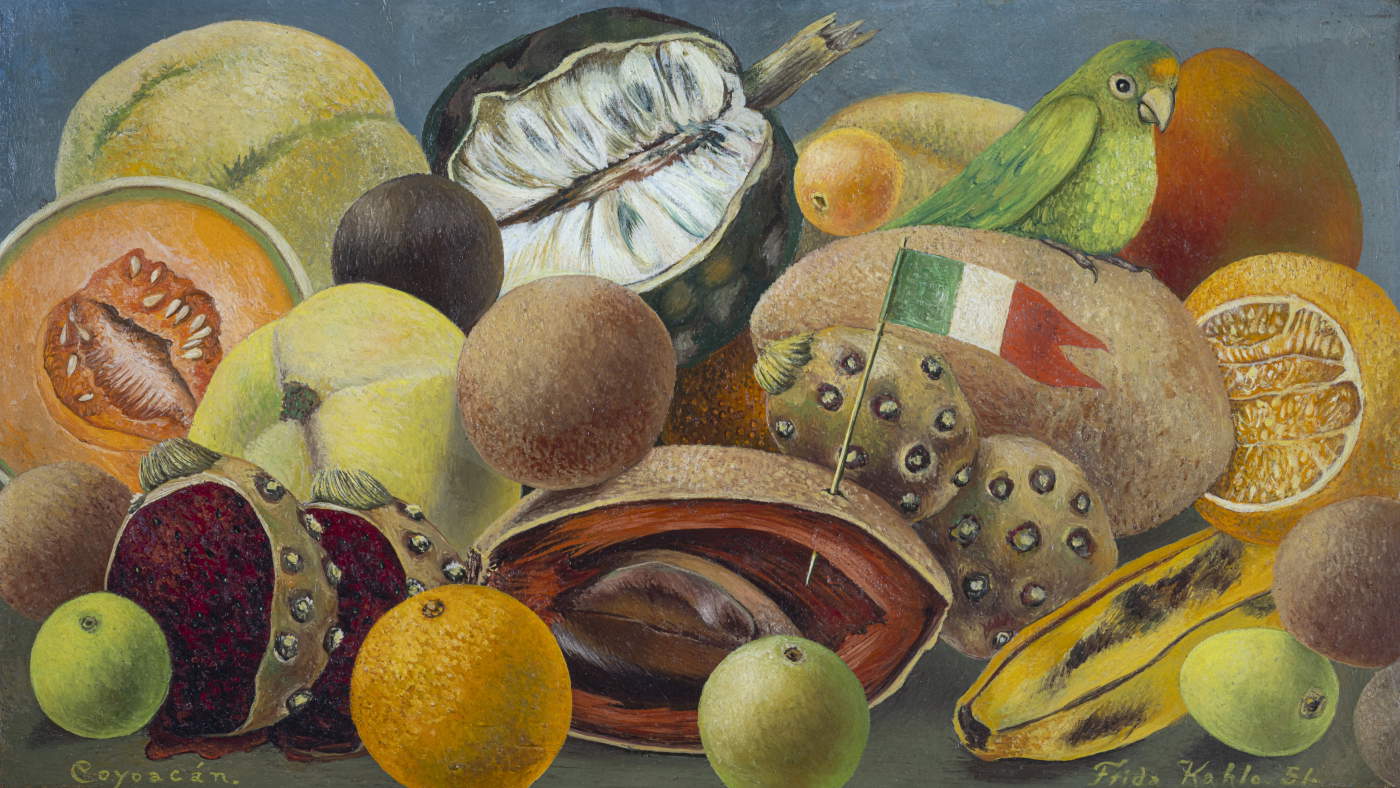
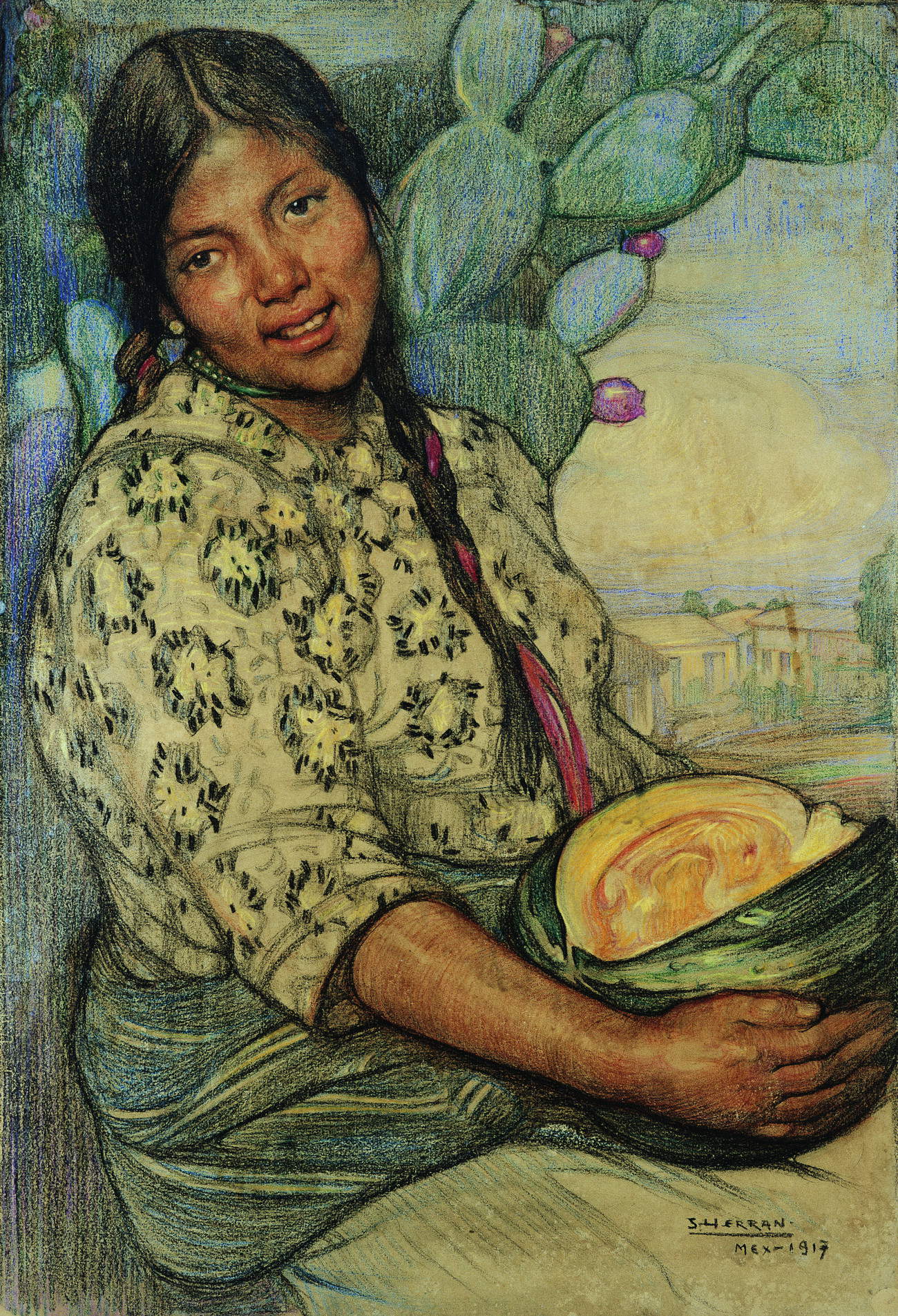
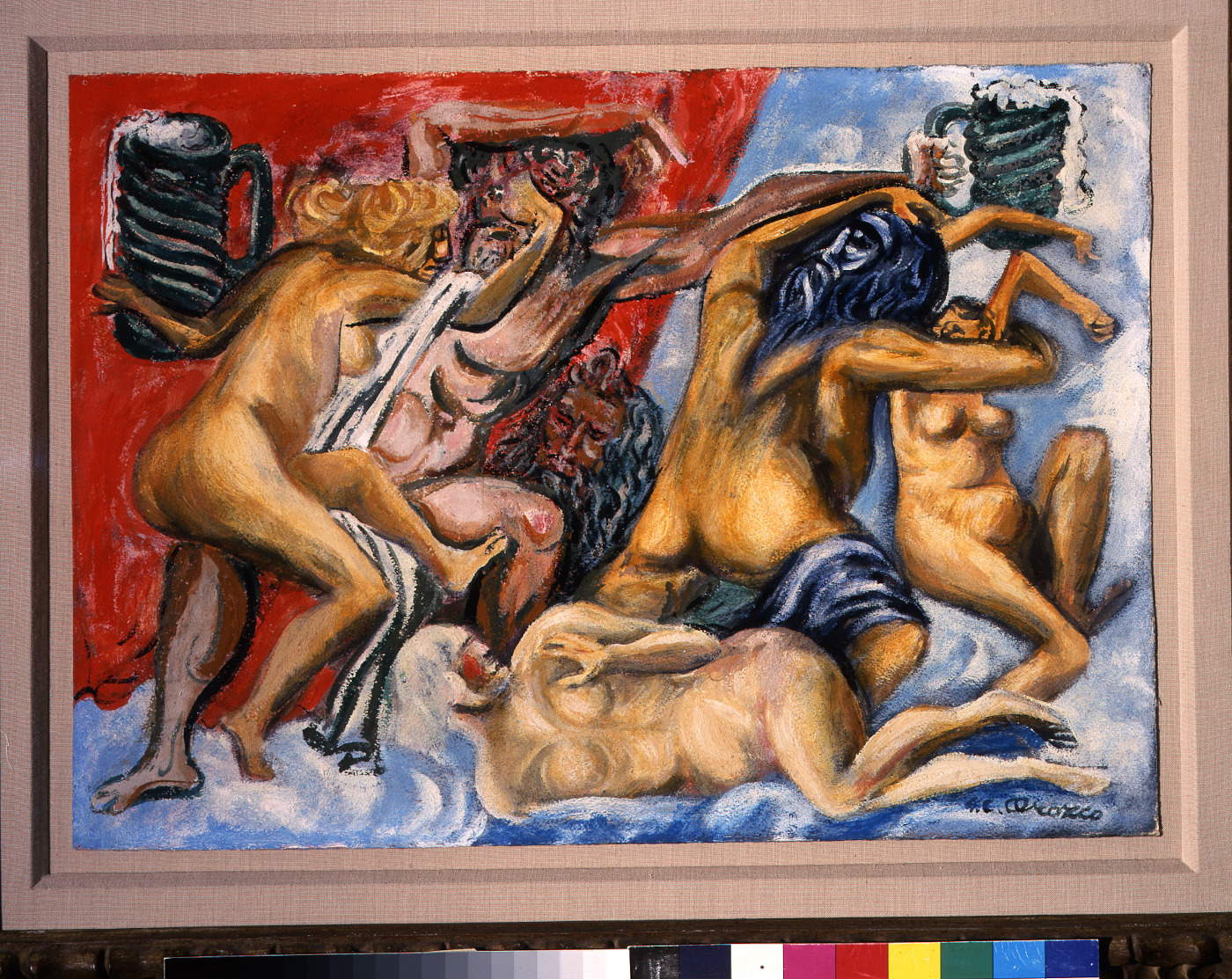
Alongside works by Diego Rivera, the exhibition features works by some of the most significant protagonists of the Mexican art scene, including Frida Kahlo, José María Velasco, José Clemente Orozco, David Alfaro Siqueiros, María Izquierdo, Rufino Tamayo, Lozano, Montenegro, Ruiz, Dr. Atl and Saturnino Herrán. The exhibition is also enhanced by audiovisual materials and a selection of period images, including Rivera’s famous photographs taken by Tina Modotti.
The exhibition aims to highlight the contribution of a generation of artists who were able to combine cultural heritage, experimentation and plurality of expressive languages. It will trace the origins of Mexican artistic modernity, placing Rivera at the center of a network of cultural and visual relationships in which academic training is intertwined with innovative research and attention to contemporary social dynamics.
Through a selection of more than 140 works, including thirty created by Diego Rivera, the exhibition aims to narrate a historical and cultural journey rooted in the birth of independent Mexico in 1821. Indeed, in that period emerged the need to build a national identity capable of representing a new country, characterized by a strong cultural variety and continuous changes. Art thus assumed a fundamental role in defining Mexico’s image, becoming an instrument of cultural transformation and dialogue between tradition and modernity, as well as a means of affirming on the international stage a dynamic and multifaceted vision of the nation.
During the first half of the twentieth century, Mexican art developed a language and imagery strongly linked to national identity. Artists oriented their research toward a synthesis of pre-Columbian heritage, popular traditions, and social demands that emerged after the Revolution. In this context, the visual arts play a central function in the reconstruction of the country’s cultural and social fabric, finding in muralism one of its most influential and innovative expressions. Born in 1921 thanks to the impetus of José Vasconcelos and developed by artists such as José Clemente Orozco, David Alfaro Siqueiros and Diego Rivera, the muralist movement fostered a wider dissemination of art and proposed an epic reading of national history. Workers, peasants and ordinary citizens became the protagonists of artistic representations, giving rise to a new collective iconography that enhanced public spaces and redefined the social role of the artist.
The exhibition itinerary is divided into four thematic sections:
Academy and Tradition - Rivera’s Education explores the relationship between the artist and the cultural heritage of the 19th century, analyzing the role of academies and art schools in building the technical and cultural foundations of Mexican modernity.
The Contribution of Diego Rivera and Mexico to the European Avant-Garde - The European Years is devoted to the artist’s international experience, highlighting his confrontation with Cubism and the main avant-garde currents, as well as the original contribution of Mexican artists to the European art scene.
The Mexican Cultural Renaissance examines the period following the Revolution, characterized by the coming together of visual arts, literature, music, and architecture in the construction of a modern national identity, based on the appreciation of pre-Columbian roots, popular traditions, and new social demands.
Finally,Beyond Social Realism analyzes the evolution of Mexican art beyond the boundaries of muralism, highlighting the spread of new ideas and expressive models that expanded the language of modern art and confirmed its vitality over time.
Each section brings together representative works between the 19th and 20th centuries and is accompanied by contributions from art historians, published in the official exhibition catalog published by Gangemi Editore.
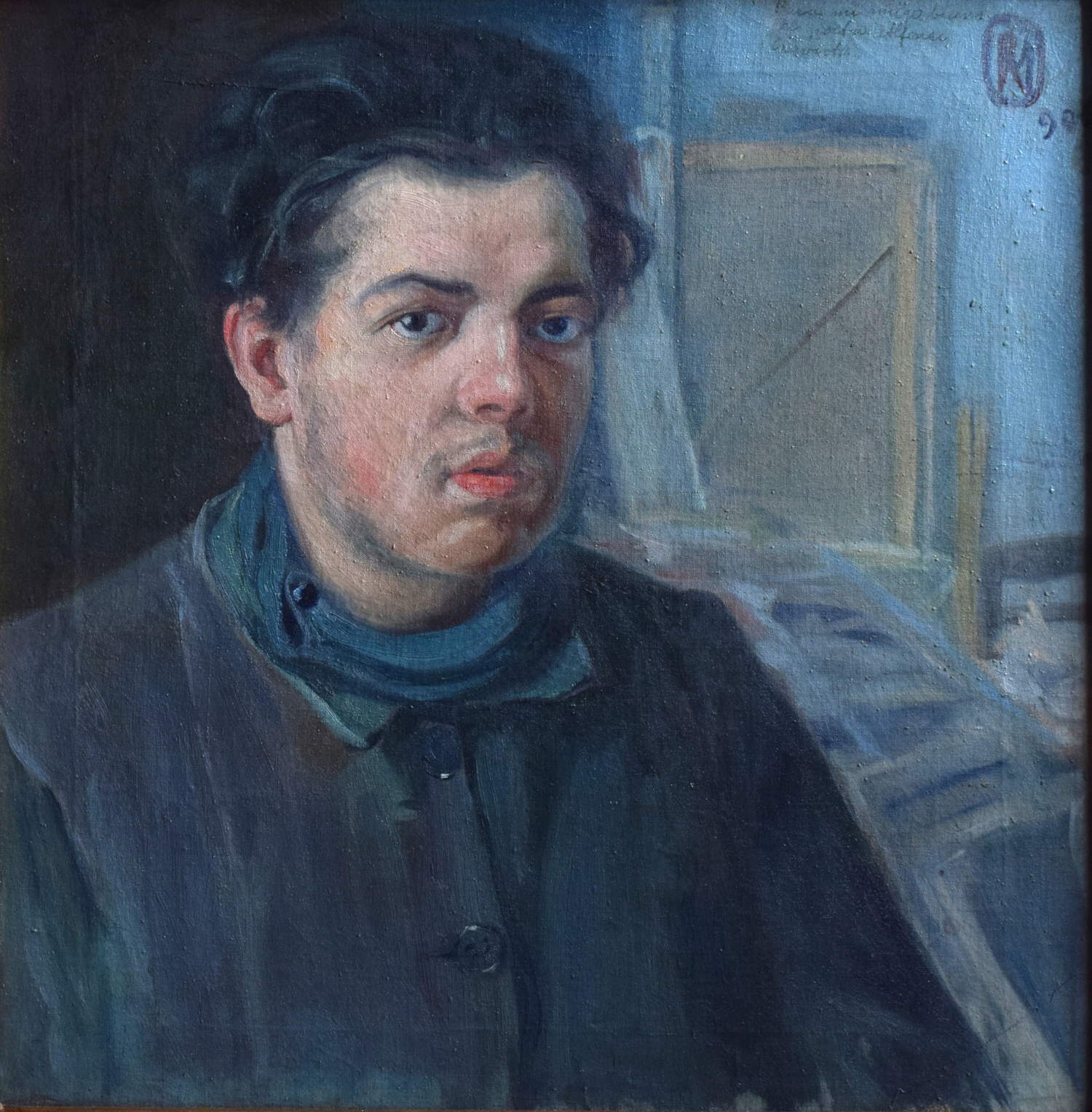
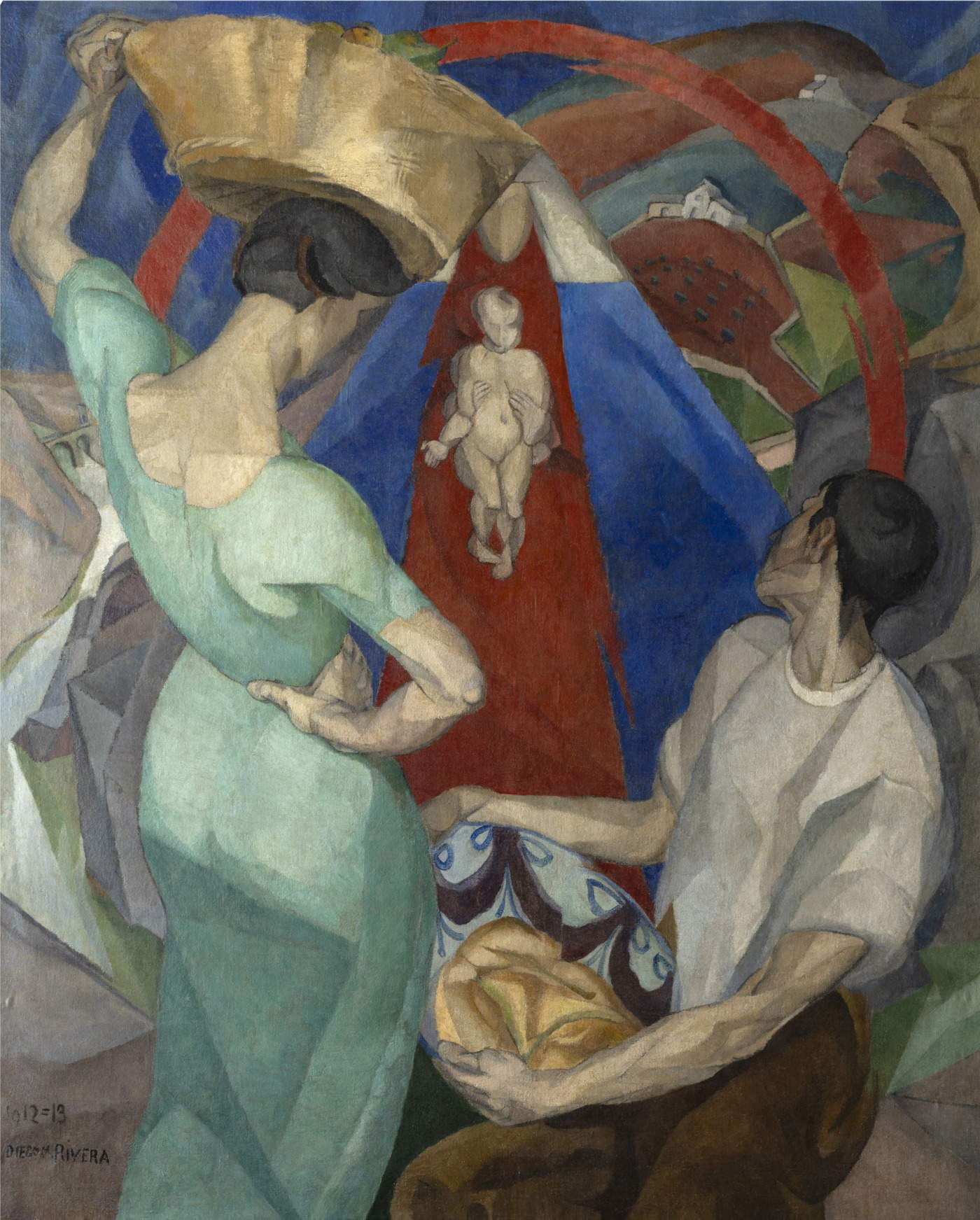
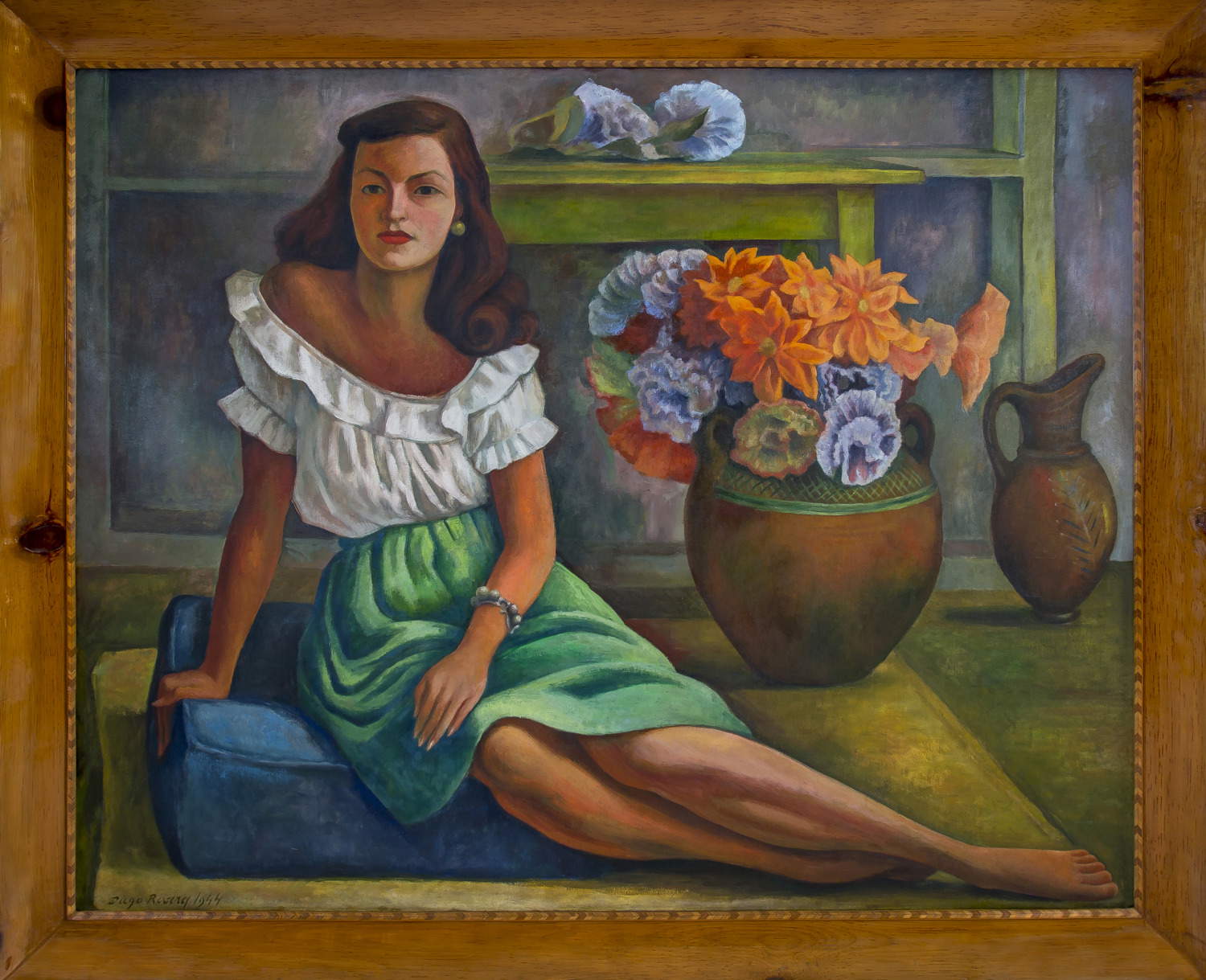
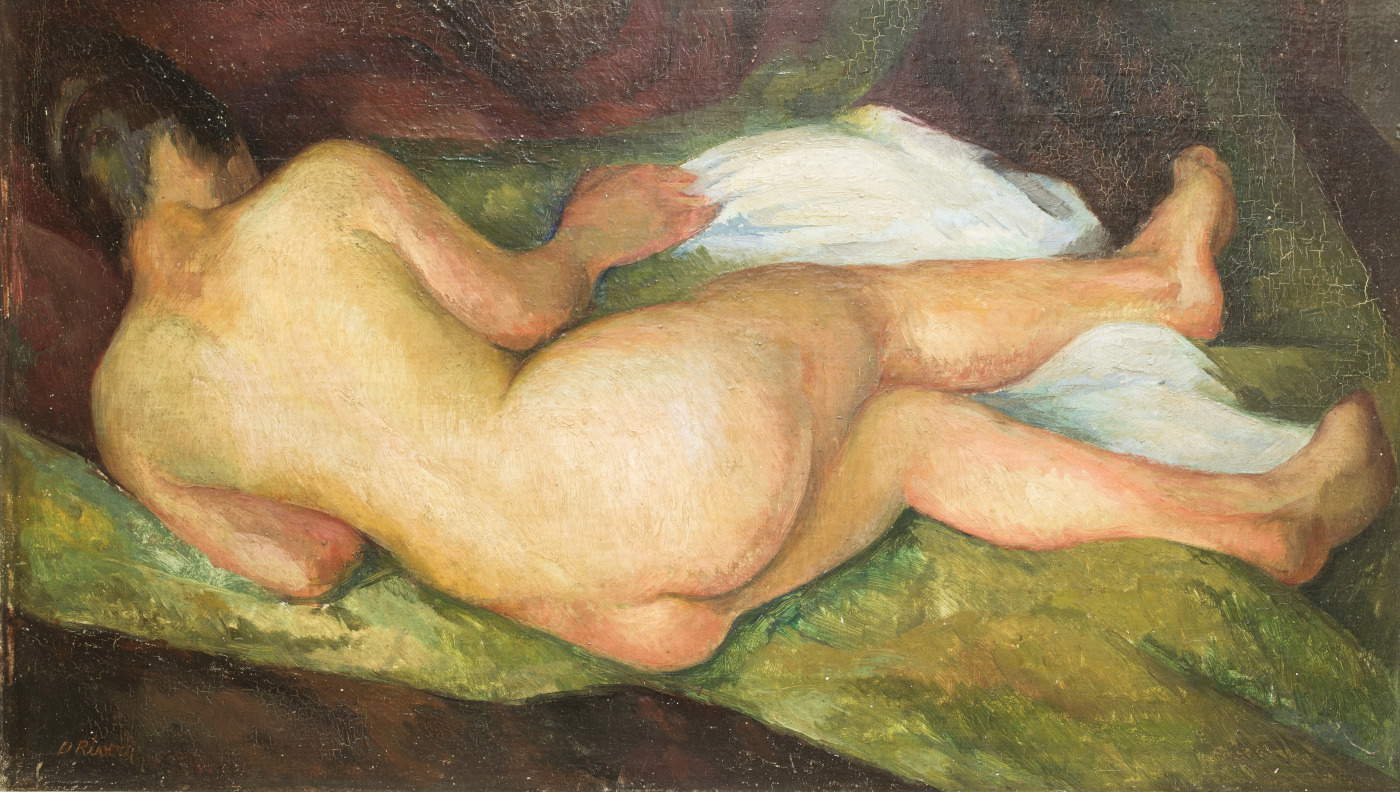
“We are pleased to host in Rome at the Capitoline Museums the exhibition Diego Rivera and the Construction of Modern Art in Mexico in the 20th Century, which restores to the public the power of an artistic season in which, especially after the Mexican Revolution of the second decade of the 20th century, art became an instrument of civil reconstruction, popular emancipation, collective reflection and the definition of a new Mexican identity: deeply rooted in its own history and indigenous cultures, but at the same time fully modern, international and cosmopolitan,” said Rome Mayor Roberto Gualtieri. “I am sure that all visitors and visitors to the exhibition will be able to recognize, through the works on display, that feeling of emancipation and rebirth that crossed Mexico in those years and that has not yet lost its propulsive drive.”
“Hosting the exhibition Diego Rivera and the construction of modern art in Mexico in the 20th century is important not only because of his extraordinary talent as a painter, which involved an entire movement of women artists in his country and the rest of the world, but also because he decided, through his works, to bring art back to its public, civic and pedagogical function, stepping out of the exclusive spaces dedicated to pictorial art, in order to return it to the people, to their work, to the people and their collective history,” commented Rome Capital’s Councillor for Culture and Coordination of Initiatives Attributable to the Day of Remembrance, Massimiliano Smeriglio. “The pictorial transformation, with Muralism, of civic buildings and workplaces into the visual narrative of a country, post-revolutionary Mexico, was his greatest gift to contemporary and later artists and intellectuals, thanks to his painting that knew how to call for equality, a sense of progress and democracy, and citizenship. The artists whose works are exhibited alongside those of Diego Rivera tell us about women and men at work, indigenous communities, social rights, dignity of labor and access to education. They tell us of a revolution that was not only accomplished in politics, or attempted in those decades, but also in the visual arts, in the pictorial imagery that thus became accessible to all, it is art that became, as it should be, the right of all and everyone.”
“The history of modern Mexican art is, in this sense, an extraordinary lesson in freedom. The artists we meet along the exhibition route do not choose between tradition and innovation, between roots and openness, between identity and cosmopolitanism. They choose to inhabit that creative tension. They transform the dialogue between different worlds into an inexhaustible source of cultural energy,” said Pietro Folena, president of MetaMorfosi Eventi.
|
| At the Capitoline Museums a retrospective devoted to Diego Rivera and 20th-century Mexican art |

Warning: the translation into English of the original Italian article was created using automatic tools. We undertake to review all articles, but we do not guarantee the total absence of inaccuracies in the translation due to the program. You can find the original by clicking on the ITA button. If you find any mistake,please contact us.
























 IT
IT FR
FR DE
DE ES
ES CN
CN


