








From July 13 to October 18, 2026, the Colosseum Archaeological Park will host the exhibition Troy and Rome. Myths, Legends, Stories of the Ancient Mediterranean. The initiative comes as part of the bilateral agreement signed in Rome in April 2025 between Minister of Culture Alessandro Giuli and Minister of Culture and Tourism of the Republic of Turkey Mehmet Nuri Ersoy, with the aim of strengthening cultural cooperation between Italy and Turkey. This was followed in December 2025 by a technical agreement dedicated to the exhibition, which was signed at the General Directorate of Cultural Heritage and Museums of the Turkish Ministry, headed by Birol İnceciköz, by Alfonsina Russo, Head of the Department for the Enhancement of Cultural Heritage, and Simone Quilici, Director of the Colosseum Archaeological Park.
Promoted as part of the strategic lines of the Mattei Plan for Africa and the Mediterranean, the exhibition is intended to represent an important cultural diplomacy operation aimed at consolidating dialogue between the two countries, enhancing archaeological and historical heritage as a tool for cooperation, sustainable development and socioeconomic growth. The exhibition also stands as one of the largest projects ever dedicated to Troy, bringing back to the center of scientific and cultural debate the historical complexity of the site, too often associated exclusively with the mythological dimension, and deepening its connection with Rome.
The exhibition brings together more than 300 artifacts from some of Italy’s most important museums and from Troy, many of them presented for the first time in Italy. Thanks to the contribution of the Turkish Ministry of Culture and Tourism, more than 220 works from 19 museums in Turkey will be on display, including some 50 works never before seen by Italian audiences.
Introduced by a monumental replica of the Trojan Horse, the exhibition brings together archaeological evidence that is fundamental to understanding the history and myth of Ilium with exhibits that tell the story of the spread and reinterpretation of the myth of Aeneas up to the birth of Rome. The project, developed by the Department for the Enhancement of Cultural Heritage, also includes research, dissemination and enhancement activities, with the intention of strengthening scientific cooperation between Italy and Turkey, promoting internationally their respective cultural heritages and supporting sustainable and qualified tourism models.
The exhibition aims to offer the public an organic and up-to-date narrative of the historical and cultural events of Troy and Rome, weaving myth, legend and historical reality into a unified narrative spanning some three millennia of Anatolian and Italic civilization. The path is developed along two complementary lines, the literary and the archaeological, to offer a critical and comparative reading of the sources available today.
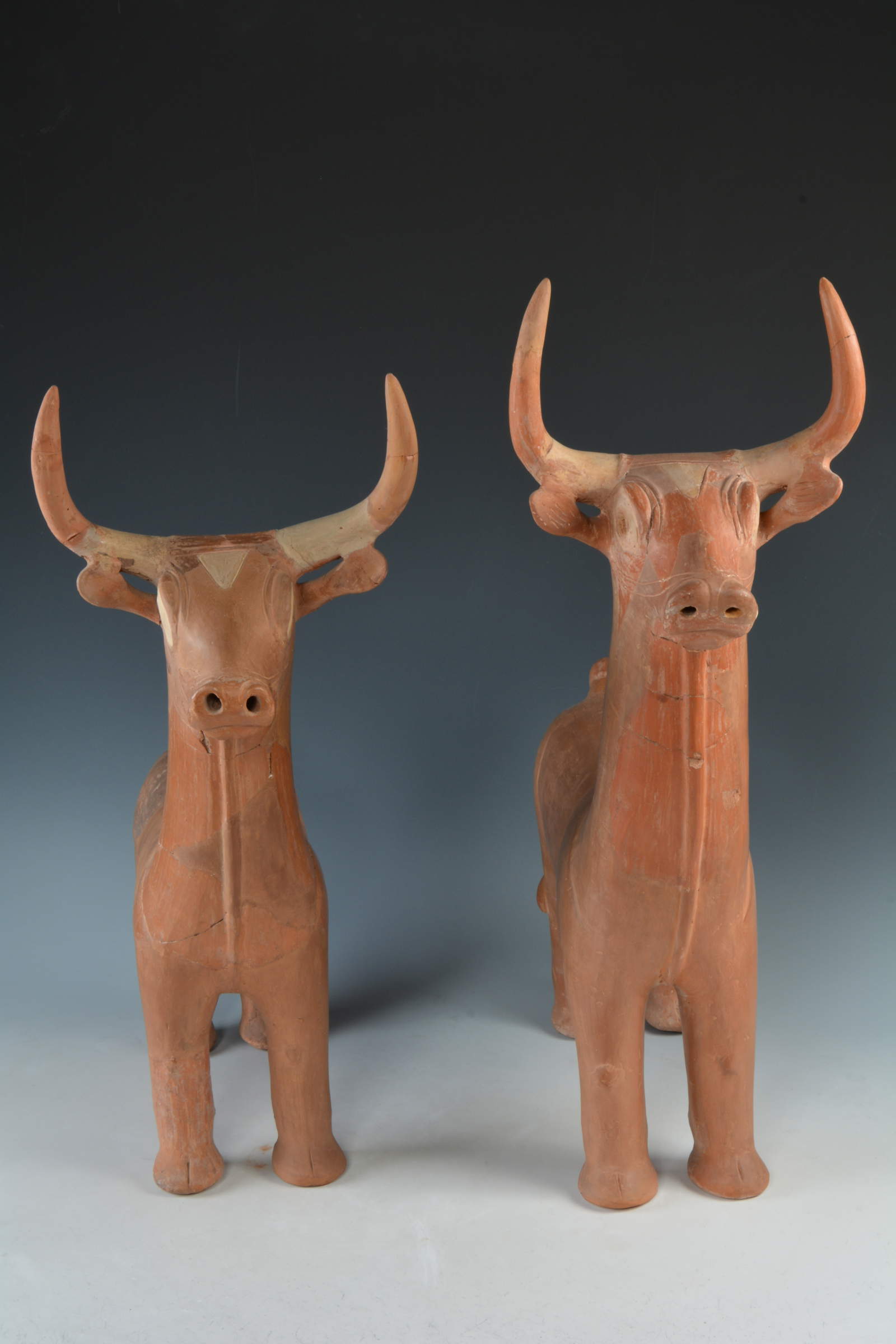
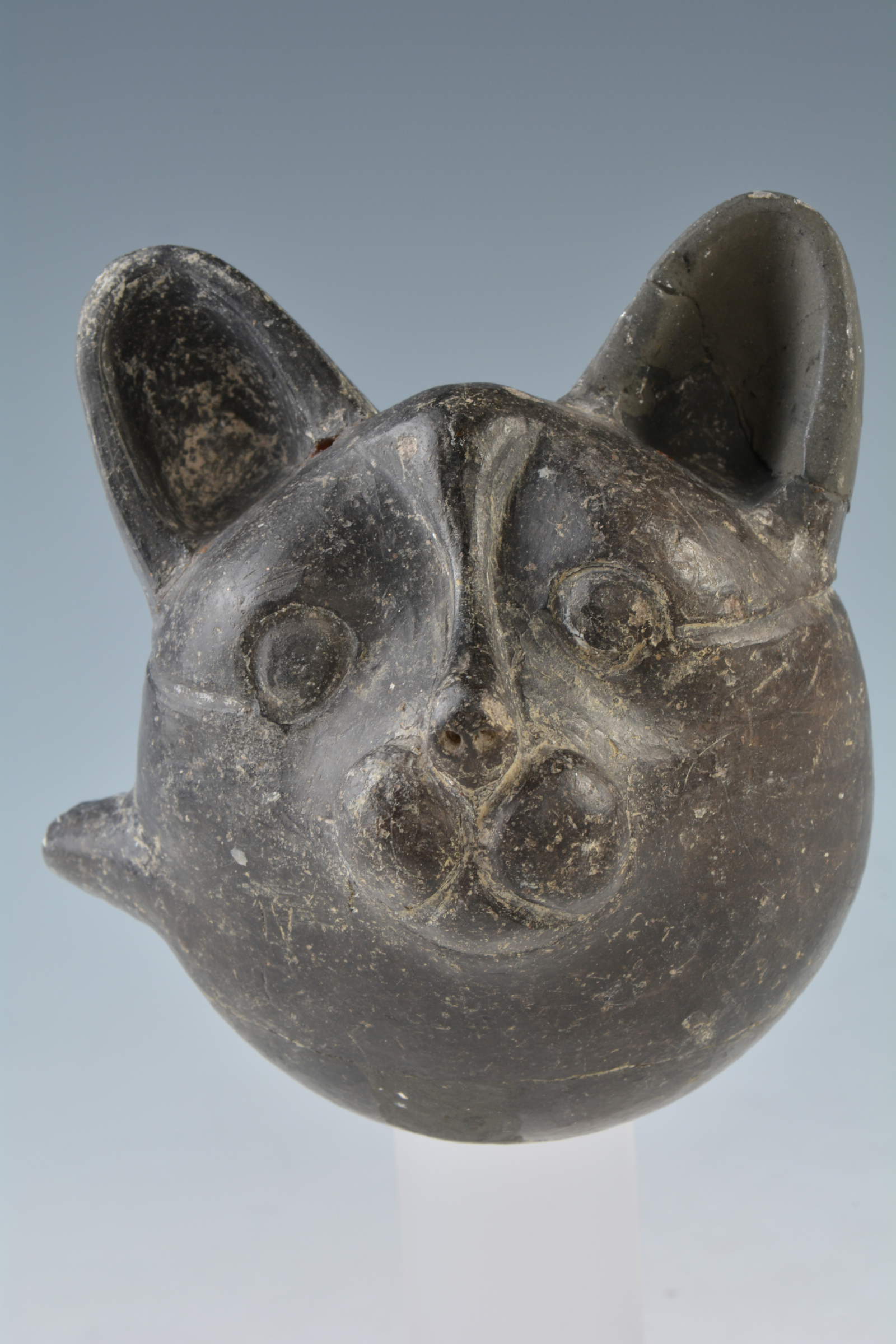
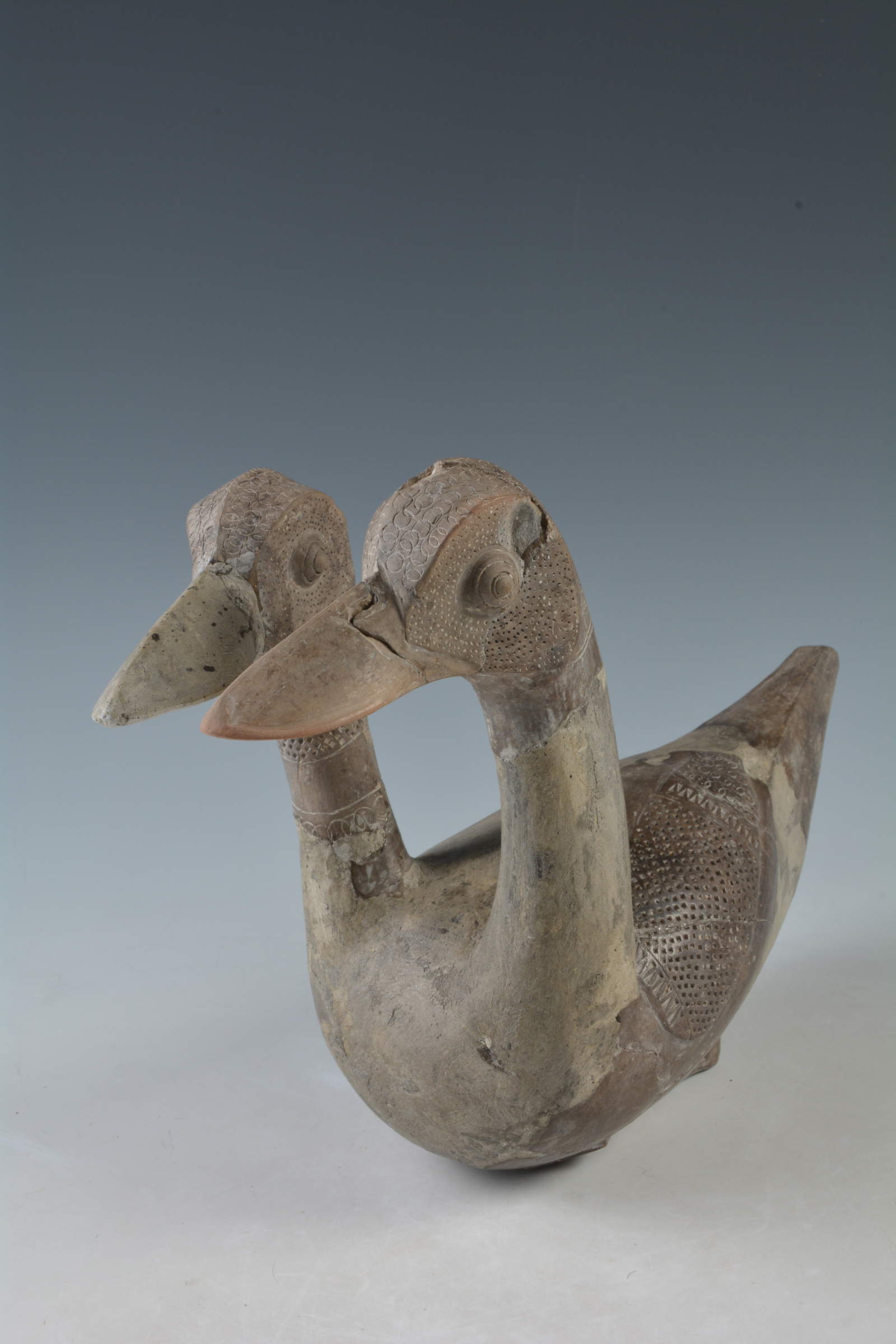
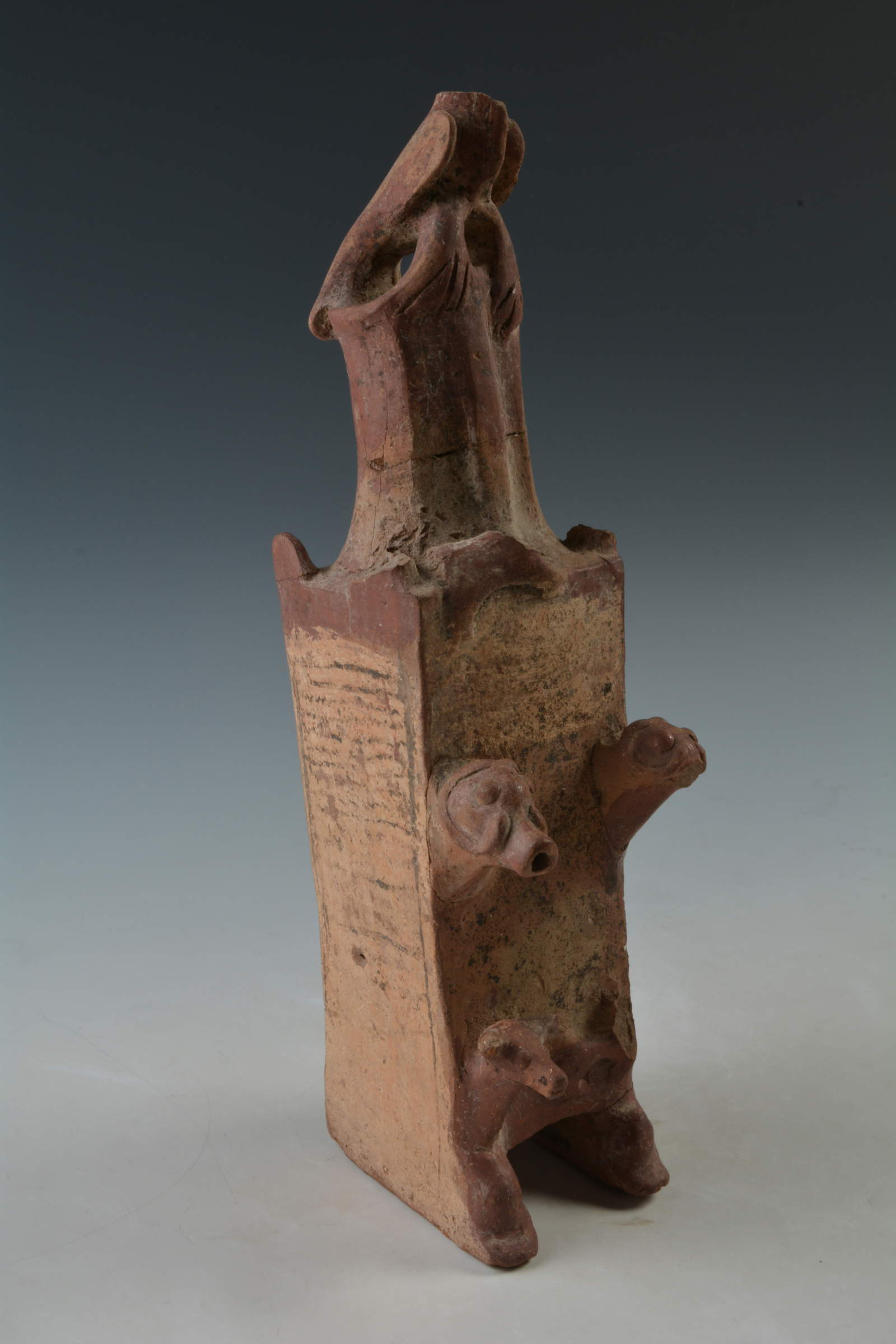
The first section is devoted to the historical, topographical and archaeological reconstruction of the site of Troy through an important core of artifacts from Turkish museums. This part of the exhibition also offers an unprecedented look at the Hittite world and the different cultures of Anatolia in the 3rd and 2nd millennia BCE. The second section deals with the Trojan War from the Trojans’ point of view, focusing on the main protagonists and episodes of the conflict. Ample space is devoted to Homer and the epic tradition, analyzed in its philological, historical and anthropological implications. The journey culminates with the destruction of the city (Ilioupersis) and the beginning of the diaspora led by Aeneas. The third section delves into the Trojan hero’s journey through literary sources, from Stesychorus to Virgil, flanked by archaeological documentation. Particular attention is given to sites in southern Italy, Sicily and Latium linked to Aeneas’ passage. The section also offers a reconstruction of Latium between the 12th and 9th centuries B.C., offering new tools for interpreting the myth historically. The fourth and final section is dedicated to the myth of Romulus and the founding of Rome, through the analysis of the main traditions and the display of finds and figurative evidence of particular importance. It reconstructs the context of archaic Rome and delves into the process through which the Romans elaborated their Trojan origin, a fundamental element in defining the city’s political and ideological identity. The section concludes with an in-depth look at the Augustan age, Virgil and the final establishment of the saga of Aeneas.
Through the narration of symbolic figures such as Paris, Helen, Priam, Hecuba, Cassandra, Hector, Agamemnon, Menelaus, Achilles, Patroclus, Aeneas, Lavinia, Ascanius and Romulus, the exhibition proposes a journey into the shared memory of the Mediterranean, emphasizing the relevance of myths and tales that continue to this day to bridge past and present.
“With this cultural diplomacy initiative,” said the Minister of Culture, Alessandro Giuli, “we project on the international stage the narrative power of a founding myth, restoring the concreteness of the archaeological evidence of an original and generative civilization. An exhibition that gives the epic a tangible dimension, capable of interweaving the mythological construction with the place that was its matrix and inspiration.”
“We bring the epic story of Troy to the Colosseum, one of the most important meeting points of world tourism, with an exhibition that combines scientific rigor, preservation and narrative skills,” said Turkey’s Minister of Culture and Tourism, Mehmet Nuri Ersoy. “This project makes a heritage of universal value accessible to a global audience and represents a significant step in international cultural cooperation.”
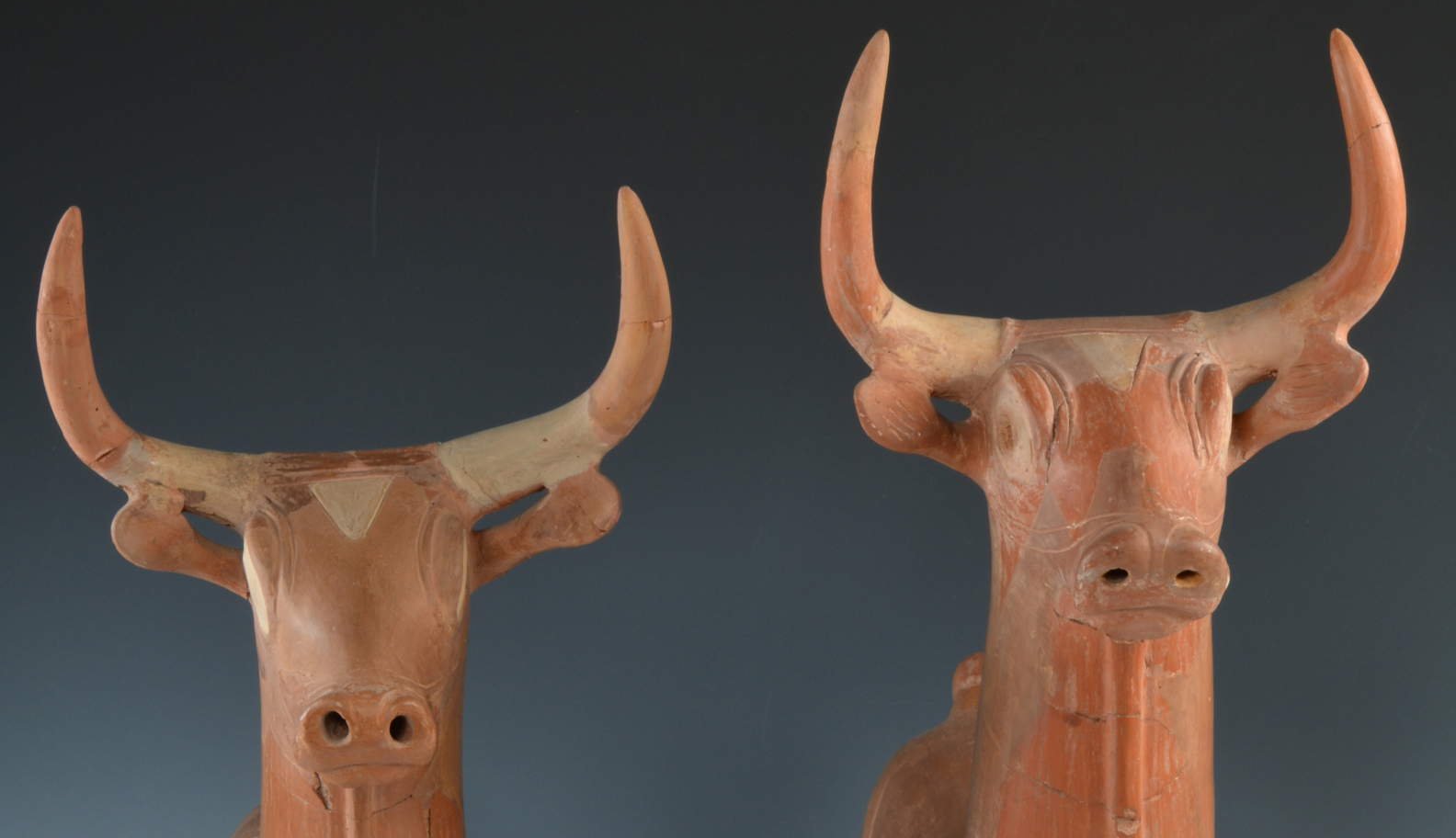 |
| At the Colosseum Archaeological Park an exhibition dedicated to Troy and Rome, with more than 300 artifacts |

Warning: the translation into English of the original Italian article was created using automatic tools. We undertake to review all articles, but we do not guarantee the total absence of inaccuracies in the translation due to the program. You can find the original by clicking on the ITA button. If you find any mistake,please contact us.


















 IT
IT FR
FR DE
DE ES
ES CN
CN