








From June 9 to September 30, 2026, the Museum of Jewellery in Vicenza is hosting the temporary exhibition Divas and Jewels on Stage. Corbella for Renata Tebaldi, Maria Callas and the Performers of Opera, curated by Paola Venturelli. The exhibition presents a significant selection of stage jewelry worn by some of the most celebratedopera stars ofthe 20th century, made by the historic Milanese maison Corbella, founded in 1865 and known as the “First Factory of Jewelry and Weapons for the Theater.”
For more than a century, the company has been the international benchmark in the creation of jewelry, accessories and stage weapons destined for the world’s most prestigious theaters. The exhibition pays tribute to legendary opera figures such as Rosetta Pampanini, Margherita Carosio, Margherita Cipolato Nicolai, Maria Caniglia, Giulietta Simionato, Renata Tebaldi and Maria Callas, artists who have contributed to the immortal appeal of melodrama.
The jewels on display, made of gilded metal, filigree, rhinestones, glass paste and other decorative materials, testify to the Corbella manufactory ’s ability to reinterpret both contemporary high jewelry and the artistic traditions of the past. Among the most striking works are a polychrome Egyptian-style necklace that belonged to Maria Callas, an exquisite diadem created for Umberto Giordano’s Fedora, the distinctive headdress intended for Leila in I Pescatori di Perle, a bra-jewel inspired by the exotic imagery of Mata Hari, and some hair pins made for Giacomo Puccini’s Madama Butterfly. Particularly significant is the crown used in the historic first performance of Turandot at La Scala in Milan on April 25, 1926. Worn by soprano Rosa Raisa, this creation embellished with en tremblant elements has over time become one of the most recognizable symbols of Puccini’s opera, the centennial of which falls on this year.
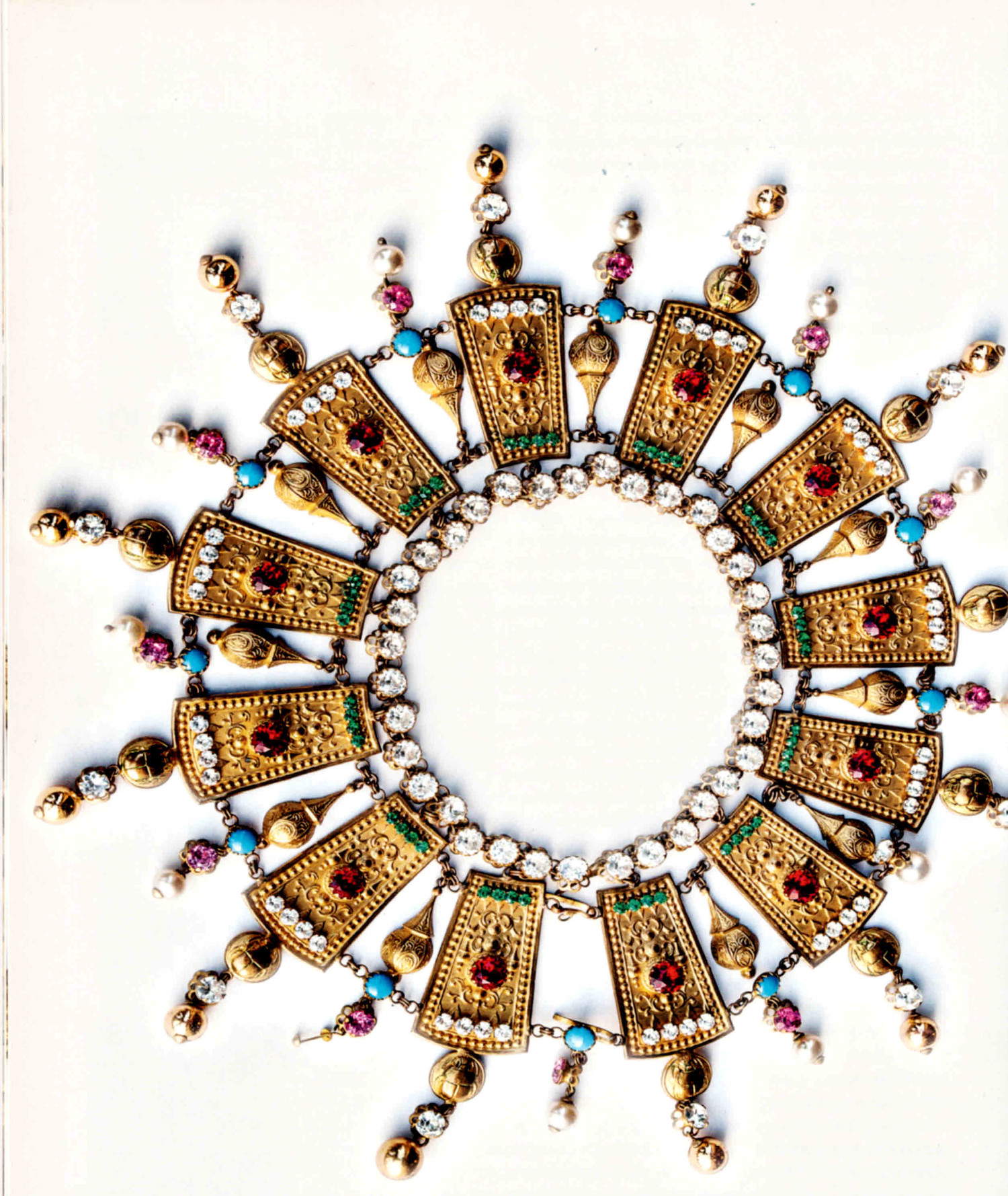
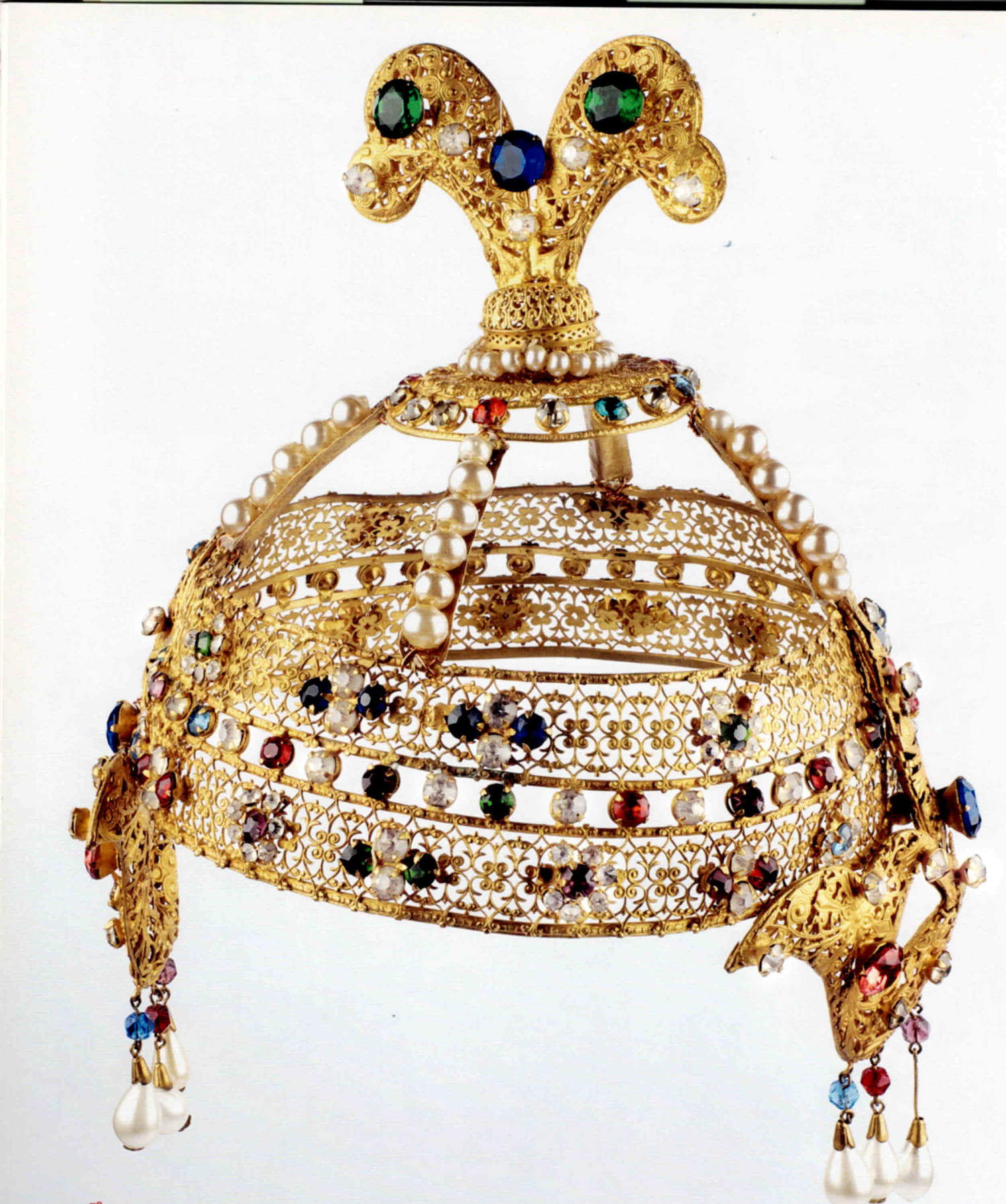
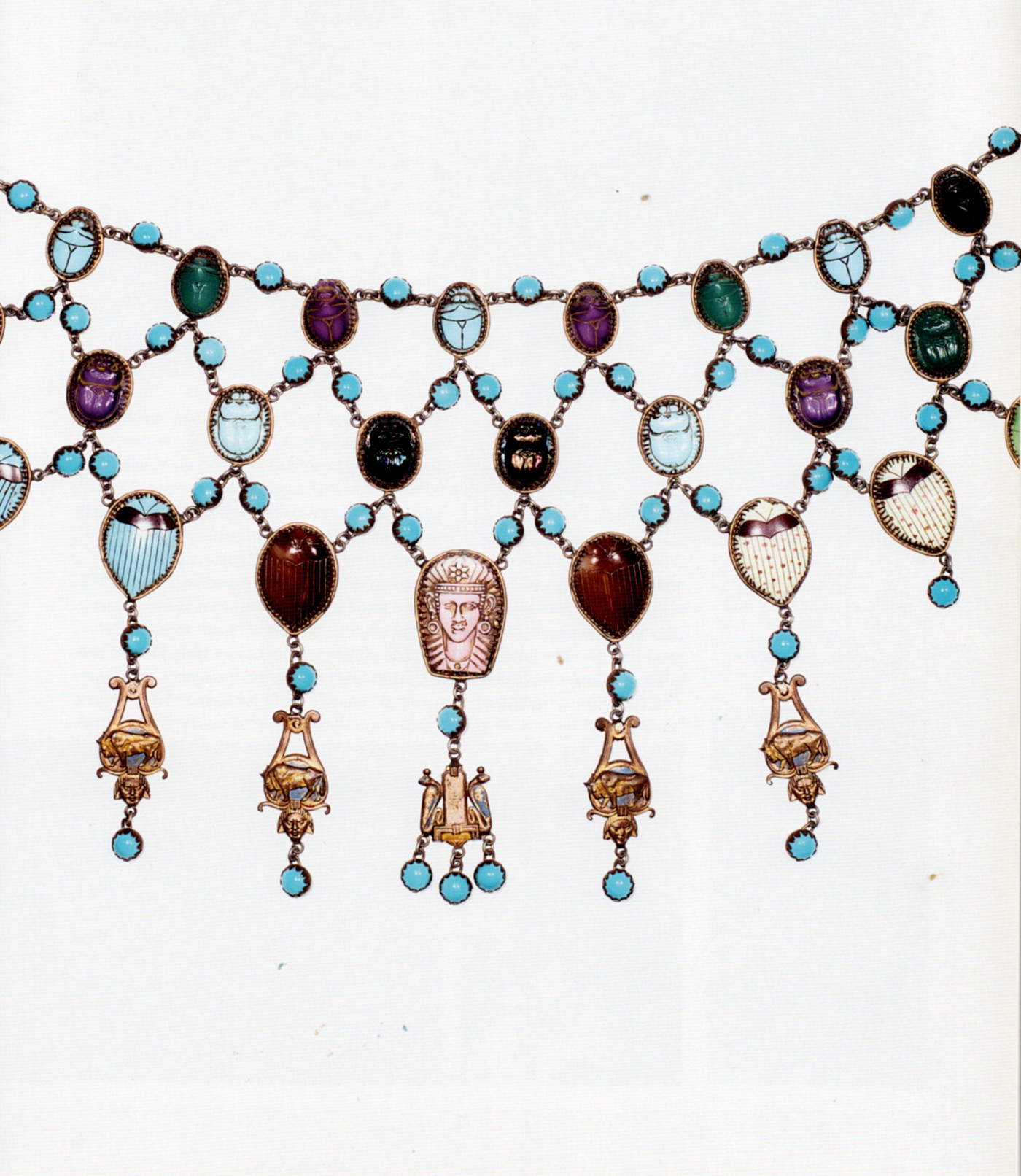
The history of the Corbella company is deeply intertwined with that of major international opera houses. Soon becoming the official supplier of Teatro alla Scala, the company collaborated with such prestigious institutions as Teatro La Fenice in Venice, Teatro Costanzi in Rome and Teatro Colón in Buenos Aires. Many of the jewelry made was purchased directly from the performers, who were eager to take it with them on international tours. For five generations, Corbella ’s creations have embellished the stage costumes of important theaters, including the San Carlo in Naples, the Regio in Turin, the Costanzi in Rome, the Barcelona Opera and the London Opera. Also crucial was his collaboration with costume designer Caramba, who was appointed artistic director of La Scala in 1921 during Arturo Toscanini’s directorship.
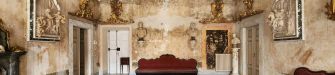
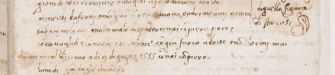
The exhibition, set up in the ground-floor room of the Jewelry Museum, aims to offer a fascinating journey between fashion, goldsmith art and the history of entertainment. Completing the itinerary are two important documents from the“Tullio Serafin” Historical Archives: an original score of Turandot and an autograph letter written by Maria Callas in 1967 to Maestro Serafin, in which she expressed her wish to meet him again in Rome. “The maestro was a true discoverer of talent,” explains Andrea Castello, president of the “Tullio Serafin” Historical Archive and artistic director of the Vicenza in Lirica festival. "Born in Rottanova di Cavarzere, in the Venice area, he became one of the greatest conductors in Italy and the world. He discovered and led the training of Callas in 1947, but before that also Maria Caniglia, Rosa Ponselle and many other artists who became big names in opera around the world. Therefore, we always welcome quality occasions such as this initiative of the Jewel Museum to remember Serafin’s figure and love for opera. The score of Turandot that will be seen at the Museum is the one used by the Maestro precisely for Maria Callas’ interpretation during the recording at La Scala in 1957."
The jewelry will also dialogue with two precious textiles granted by the historic Venetian manufacturer Rubelli, founded in 1858, creating an evocative comparison between decorative arts and theatrical costumes. “Two theaters told through two fabrics. Ivory and gold for the lampas that Rubelli had made for the Sale Apollinee of the Teatro La Fenice and called Traviata for the occasion in homage to the pear staged for the reopening in 2003. And then the red damask made for the stages of La Scala Theater. We would like that we can thus immerse ourselves in the atmosphere that singers such as Callas or Tebaldi found in these places so important for opera and that is also created by the furnishings,” comments Irene Favaretto, former professor of History of Archaeology at the University of Padua and now director of the Rubelli Foundation in Venice.
The exhibition catalog, published by Silvana Editoriale, is enriched with historical photographs depicting the jewelry on display worn by opera’s greatest voices.
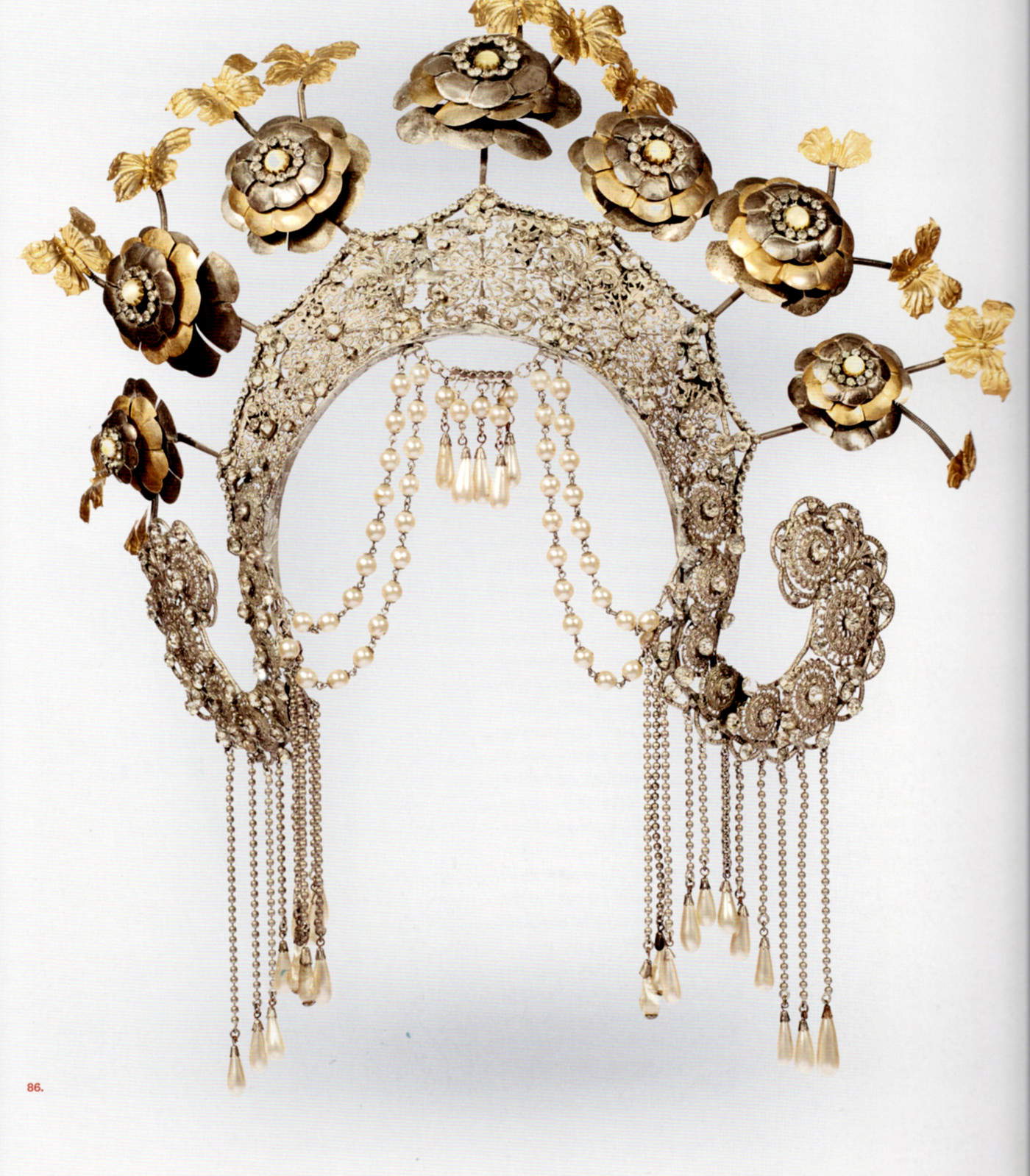
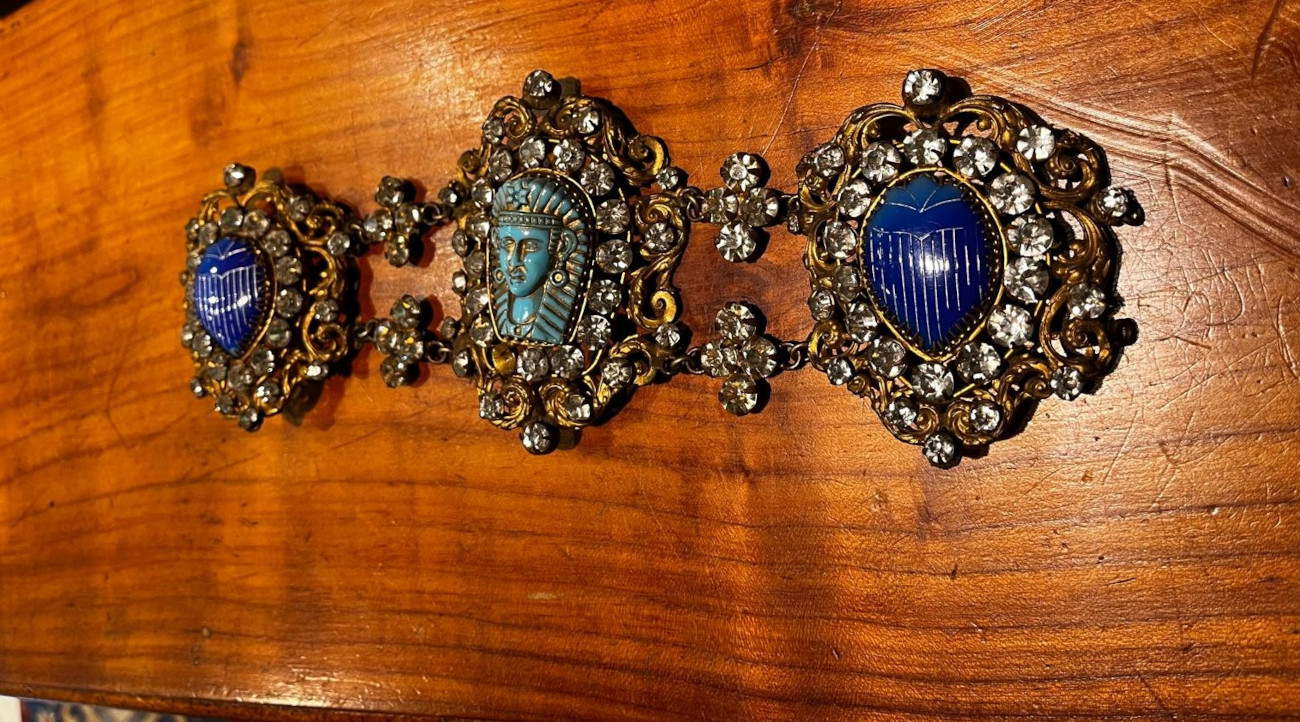
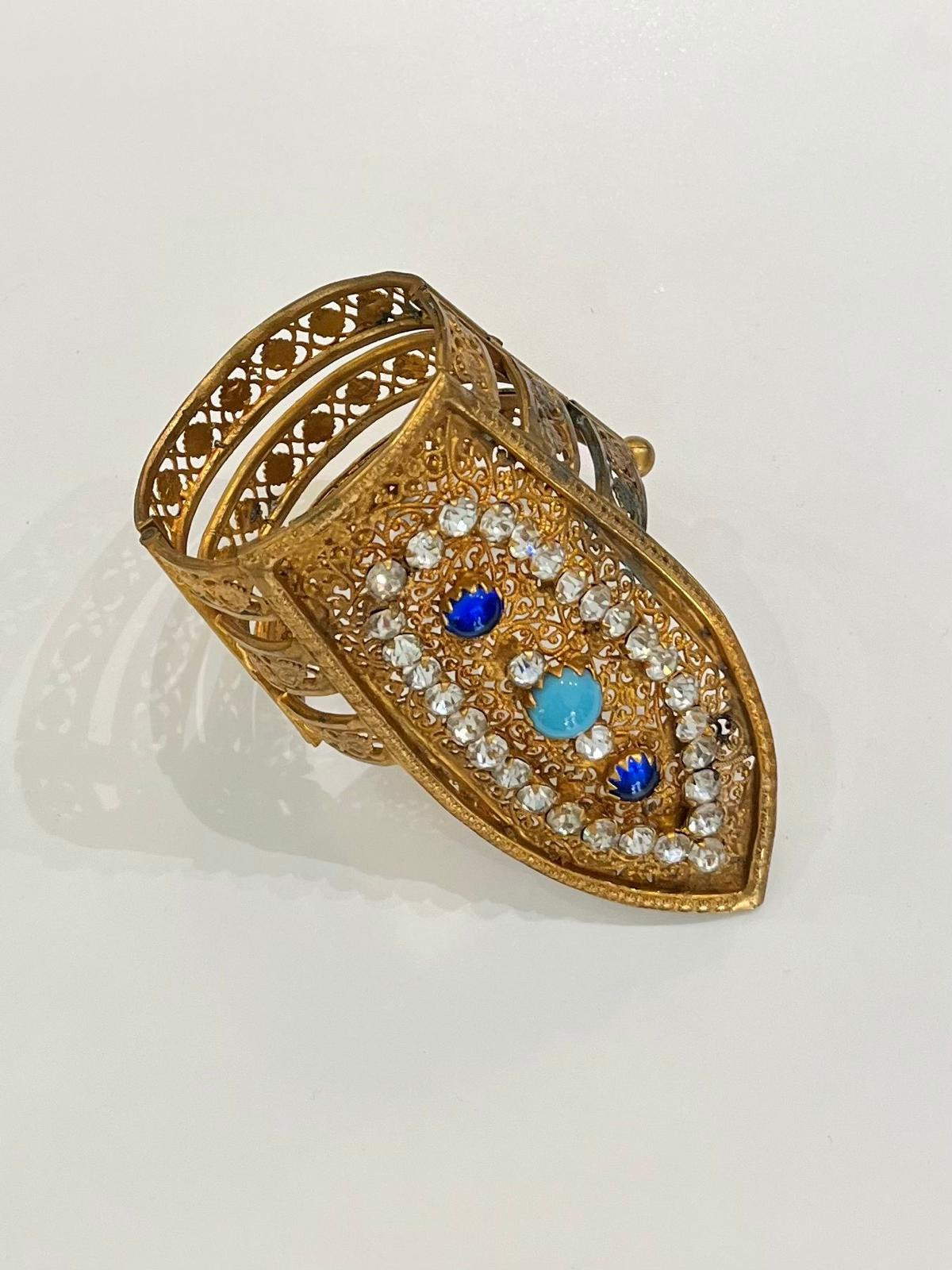
“The stage jewel is not a simple ornament, but a narrative element capable of living together with the artist, amplifying her stage presence and contributing decisively to the construction of the character’s identity,” says curator Paola Venturelli. “The exhibition is conceived as a small compendium of excellent creations that, while not precious in terms of material, possess a very high expressive and scenic value: jewelry that dialogues with light, with movement, with costumes and accompanies the visitor into the visionary world of melodrama and opera theater, restoring all its aesthetic and symbolic power.”
“Exhibiting the Corbella stage jewelry at the Museum of Jewelry in Vicenza is a source of pride for us. As early as 1865, and particularly in the days of my great-great-grandfather Achille, the Corbella Company, ”First Italian Factory of Jewelry and Arms for the Theater,“ designed and produced theatrical jewelry that reached its peak in the golden period between the 1920s and 1940s, when the harmony with Caramba’s costumes became unrepeatable. The pieces on display in this temporary exhibition will convey to the public all the fascination that made great female opera artists such as Pampanini, Tebaldi and Callas eager to wear them,” stresses Angelica Corbella, a descendant of the historic jewelry dynasty.
In parallel, the permanent exhibition Gioiello-Italia remains open to the public until 2027. Materia Tecnica Arte. Between Ancient and Modern, also curated by Paola Venturelli and housed in the six rooms on the museum’s upper floor. The exhibition brings together a selection of works, artifacts and jewelry from thirteen Italian museums and foundations, made in a time span from the fifth century B.C. to the contemporary age.
Through this itinerary, the evolution of the Italian goldsmith tradition is recounted, highlighting its most significant moments, territorial peculiarities and technical and artistic excellence. Jewelry thus emerges as an expression of a complex and stratified culture, the result of the work of artisans, masters and workshops, but also of continuous cultural exchanges, experimentations and dialogues between historical memory and innovation.
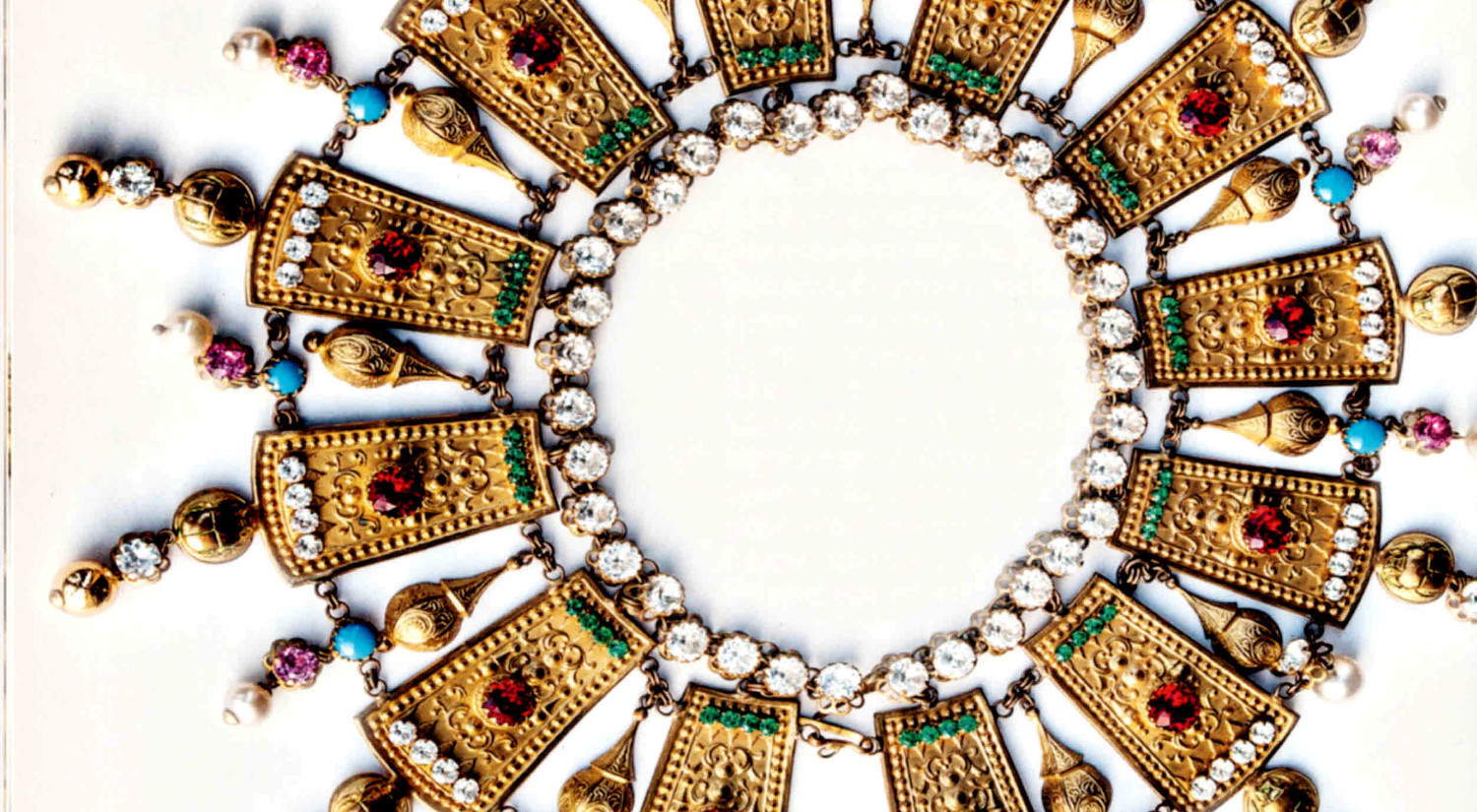 |
| Corbella jewels of great opera divas on display at Vicenza Jewel Museum |

Warning: the translation into English of the original Italian article was created using automatic tools. We undertake to review all articles, but we do not guarantee the total absence of inaccuracies in the translation due to the program. You can find the original by clicking on the ITA button. If you find any mistake,please contact us.





















 IT
IT FR
FR DE
DE ES
ES CN
CN