





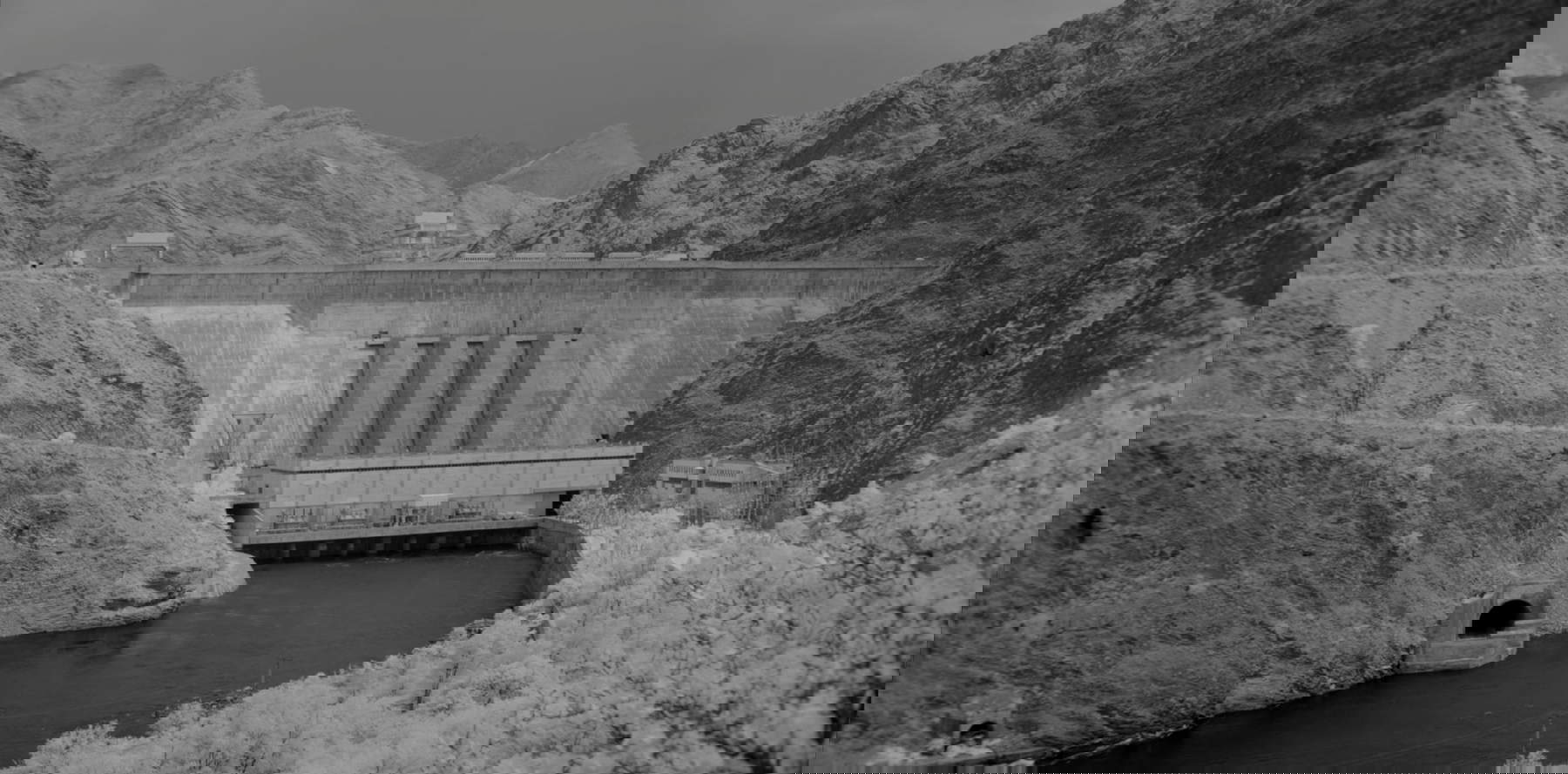
The mountainous landscapes of Kyrgyzstan, with their glaciers, rivers and imposing hydraulic infrastructures with a Brutalist imprint, are the starting point for BELEK, Alexey Morosov’s large immersive installation presented by the Pavilion of the Kyrgyz Republic at the 61st International Art Exhibition - La Biennale di Venezia. The exhibition, curated by Geraldine Leardi, is set up at the Foscarini Boarding School, in the Cannaregio sestiere, inside theformer church of Santa Caterina, a historic building dating back to the 14th century and transformed several times over the centuries. The exhibition occupies about 600 square meters and takes the form of an immersive environment, at the center of which is a monumental video fresco in dialogue with sculptural, pictorial and sound elements. The very architecture of the space becomes an integral part of the work, helping to construct a complex visual and sensory experience.
The project connects images of the great hydro-engineering works that profoundly transformed the territory of Kyrgyzstan in the second half of the 20th century with the cultural memory of a nomadic civilization and theancient equestrian game of Kok-Boru. The pavilion is thus configured as a layered environment in which video, sculpture, painting and sound are interwoven into a single experience.
Between contemporary art, anthropology, philosophy and technology, Morosov reflects on the theme ofwater as a fundamental resource for the future, but also as a central element in the memory of the mountain landscape that has shaped life in Central Asia for centuries. In dialogue with the Biennale Arte 2026 theme, In Minor Keys, the project aims to take on the tones of a sober, almost noir-like meditation on water, memory and the cultural energy of a people.
The title BELEK, which means “gift” in the Kyrgyz language, introduces a dual reading: on the one hand, water as a primordial gift of nature, the origin of life and an essential resource in a mountainous context; on the other hand, the intangible heritage of the Kyrgyz people, made up of traditions, memory and shared practices, as a legacy transmitted over time, also conceived as a gift between generations.
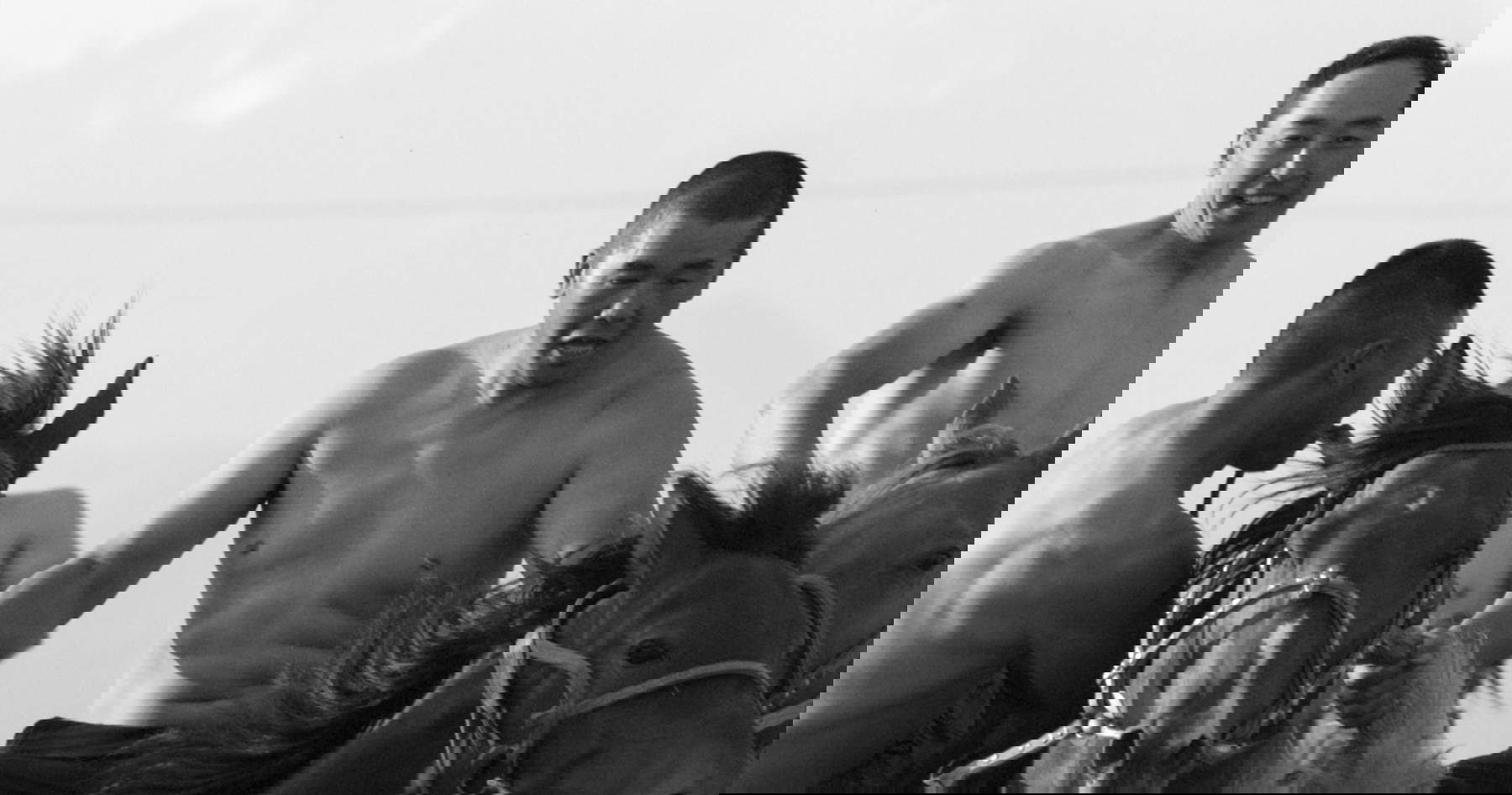
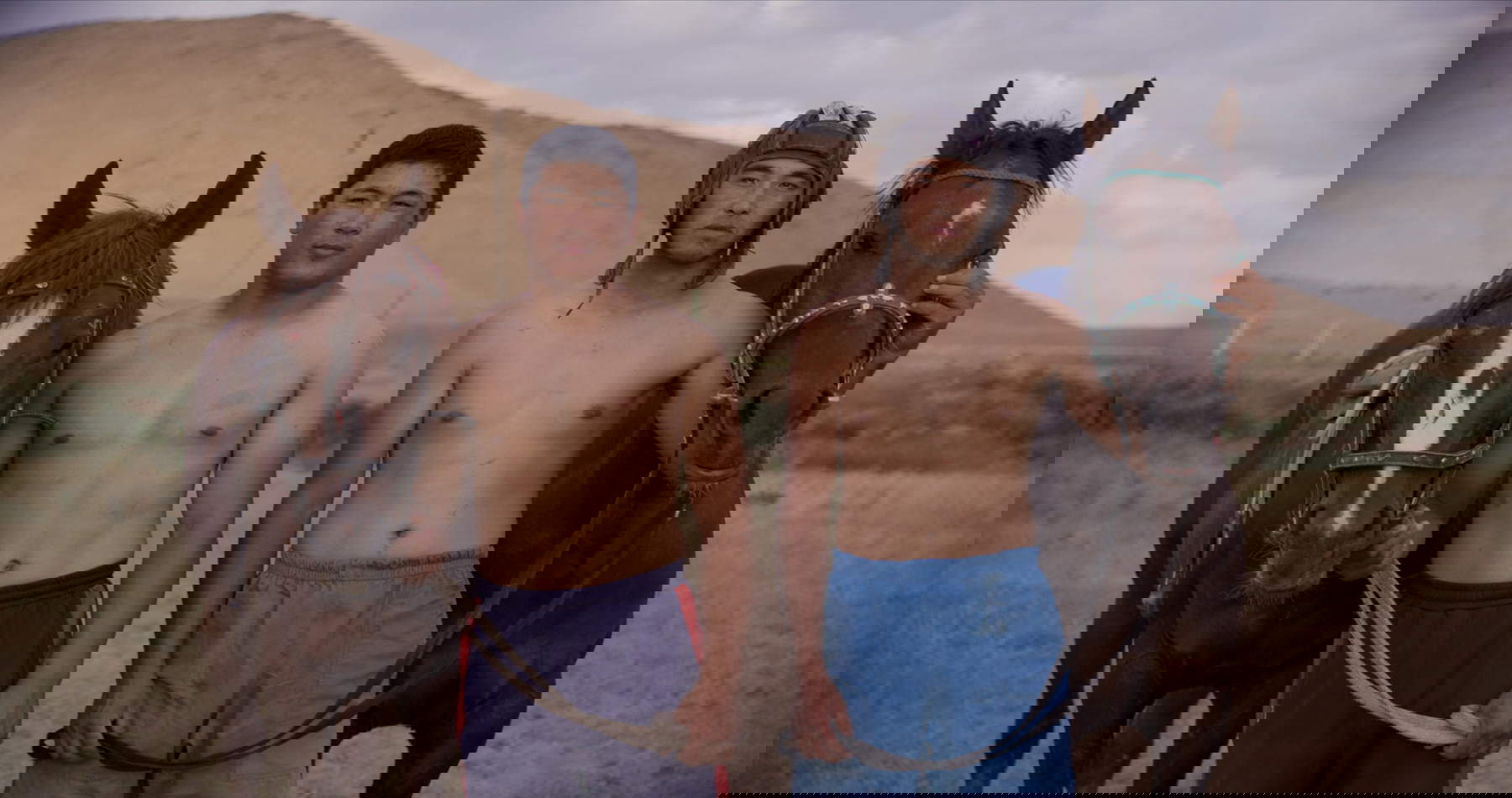
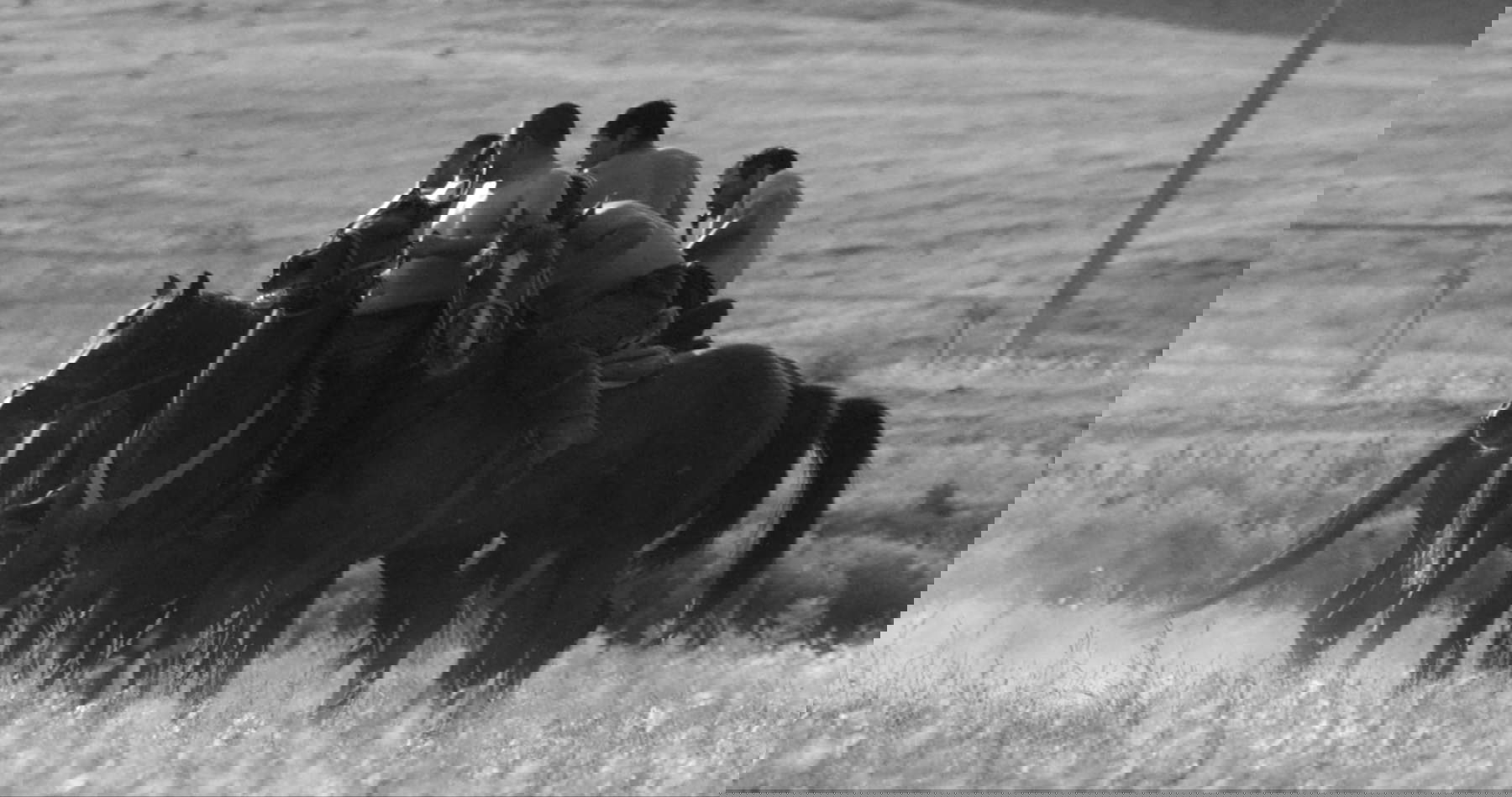
Among the key images of the project emerges the Kok-Boru, an ancient equestrian game that in Morosov’s work takes on a value beyond the folkloric dimension. Indeed, it becomes an anthropological symbol, an expression of the collective spirit and the power of shared action. In the dynamics of the game, a special harmony between man and horse is manifested, reflecting the rhythm of movement and the very breath of the mountain landscape.
For the artist, Belek does not represent a return to the past, but rather a movement through it. “I was born and raised in Kyrgyzstan, a country shaped by nomadic culture, and I myself remain a nomad. This experience does not belong to memory; it operates as an inner geometry-the flow of water and the legacy of ancestors living in our present. ”In this project,“ he says, ”my whole artistic journey is concentrated in a single point of tension, where the gift loses its personal dimension and becomes a form of responsibility that can neither be transferred nor annulled.
|
| Venice Biennale, Kyrgyzstan Pavilion will focus on landscape and an ancient equestrian game |

Warning: the translation into English of the original Italian article was created using automatic tools. We undertake to review all articles, but we do not guarantee the total absence of inaccuracies in the translation due to the program. You can find the original by clicking on the ITA button. If you find any mistake,please contact us.



























 IT
IT FR
FR DE
DE ES
ES CN
CN


