





Sofia Bersanelli (Milan, 1993) explores, through her artistic practice, the nature of the image and the power of the language that underpins it. In this interview with Gabriele Landi, she traces the origins of her artistic sensibility, which arose from an early fascination with the beauty and mystery of the world. In the interview, she explains how poetry, drawing, photography, and video are complementary languages through which to explore what eludes the visible. The body, the sacred in everyday life, and experiences of disorientation become fundamental elements of her creative exploration. At the heart of her work lies a focus on small events and the epiphanies hidden in everyday reality. This dialogue gives rise to a poetics of the invisible, in which art and life intertwine in the search for a deeper meaning.
Reflection on the relationship between the written and the visual leads the artist to construct and interweave times and spaces, often evoking a surreal and organic atmosphere: her artistic journey is a chain of expressions in which she engages in the continuous advancement of her research through various media (from painting to photography, from video to writing, with particular attention to the soundscape generated by the image). Her interests revolve around themes such as the unconscious, collective memory, the relationship individuals forge with their daily lives, and the fundamental substance of the image and the poetic word. The need to express, reveal, and ultimately listen to the genesis of vision fuels her current artistic practice.
In 2020, Bersanelli earned a Master’s Degree in Painting from the Brera Academy of Fine Arts and has exhibited her work in over 30 group exhibitions and international festivals, including the Codice Italia Academy project (2015) promoted by the Venice Biennale. She won the Equita Prize (2019) and participated in the “Impronte” residency project at the Lercaro Museum in Bologna, curated by Claudio Musso, Laura Rositani, Francesca Passerini, and Andrea Dall’Asta. She was a finalist for the Arteamcup (2020–2021), the Novicelli Prize (2021), and the Combat Art Prize (2023). In 2025, she was invited to exhibit her latest photographic works at Casa Testori during Milan Art Week in the two-person exhibition DENTRO/OLTRE OLTRE/DENTRO with Giuseppe Frangi. In 2026, she was selected for the San Fedele Prize “Il volto della violenza” at the San Fedele Gallery in Milan.
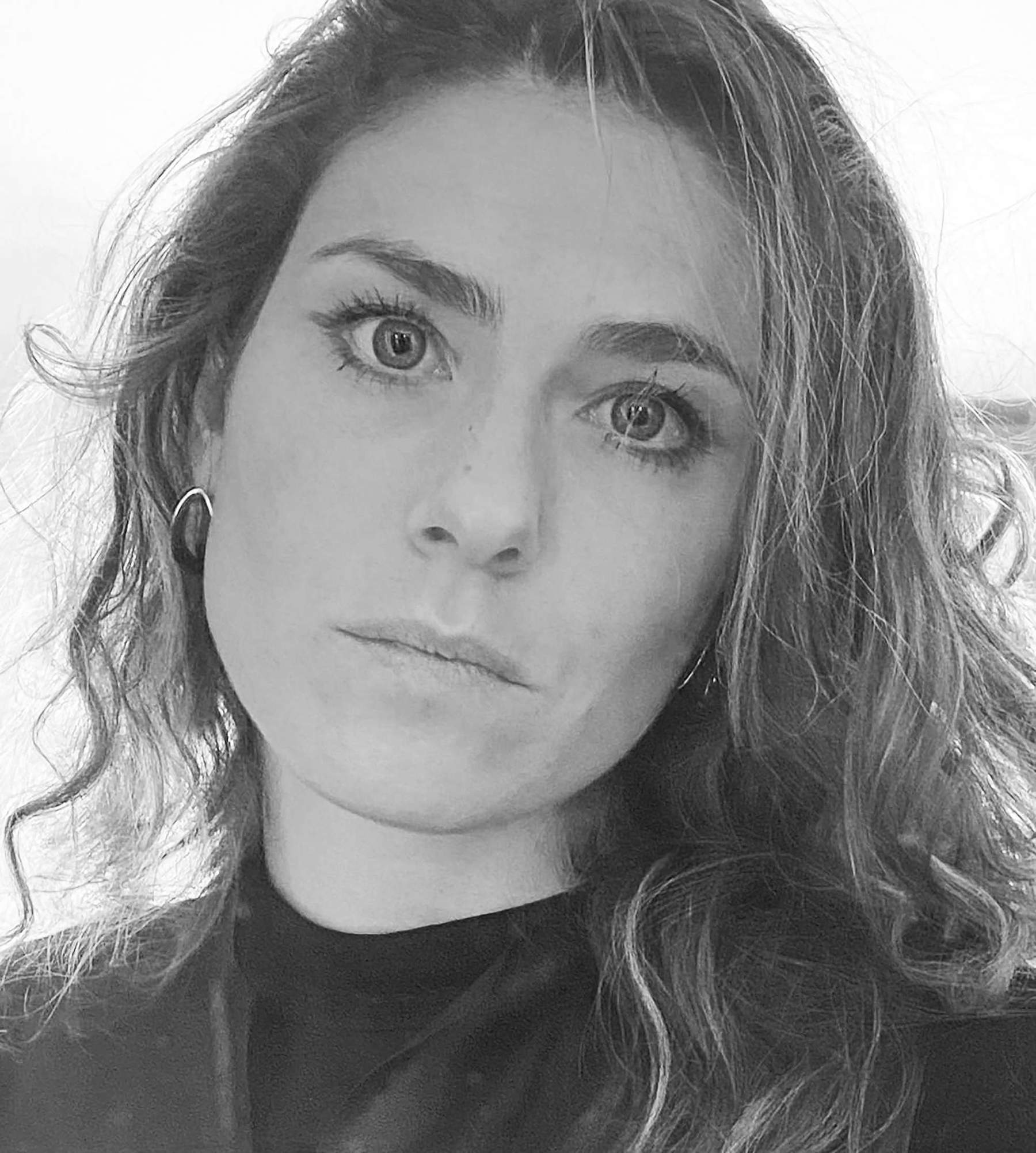
Often, the first signs of a certain inclination toward art appear as early as early childhood—was that the case for you as well? Tell us...
Ever since I was little, I’ve been immersed in beauty. The world around me formed a friendship with me, a deep bond. Houses, nature, and animals carried the passion and mystery of something that was only partially graspable, comprehensible. For me, it was a time of newly awakened sensitivity that didn’t spare me a sense of tragedy: the clash-encounter with the outdoors was, for me, a game that held a danger, a warning… what is beautiful has its own violence, almost traumatic. And so wonder went hand in hand with fear… my perception of small everyday objects (my toys, for example) captivated me with carefree joy and at the same time had the power to make me peer into the abyss of silence. I didn’t understand. I watched this distressing spectacle: I took it in, I tucked it away. At the same time, every now and then I would find myself at my paternal grandparents’ house. Among other things, my grandfather had a large collection of stamps and the Corriere della Sera series “The Masters of Color.” So when I was home from school and in their care, I enjoyed copying masterpieces from art history with a pencil or crayons. It gave me a certain joy to draw and try to do it well… Over time, these two strands of experience—which I initially lived separately—formed that inner world that I now breathe in and nurture day by day. Only later did I realize that the mark—whether poetry or drawing—was my weapon, the one that allowed me to bear the weight of a life from which I was not unscathed, to steer the sting of drama—between what is revealed and what remains unknown—toward a more evident connection. In this way, the wound plays a role for me as well; I am struck by its silence, by its cumbersome whisper...
How important is the idea of mystery in all of this?
Mystery is what I chew on every day: it is a voice lying at the bottom, which miraculously, at times, rises to the surface. It’s a bit like lingering on the sound spectrum of a word, paying attention to the inflection of its tone, to a certain way it plummets into what carries with it a silent seed: the unheard. A bouquet of flowers at twilight, a snail’s trail, the sound of cars on the street. These are the small occurrences that bring me back (not without a certain vigor) to a triumph, to an epiphany. This epiphany, though it has the scope of the universe, is so close, so intimate that it can curl up tightly between my fingers.
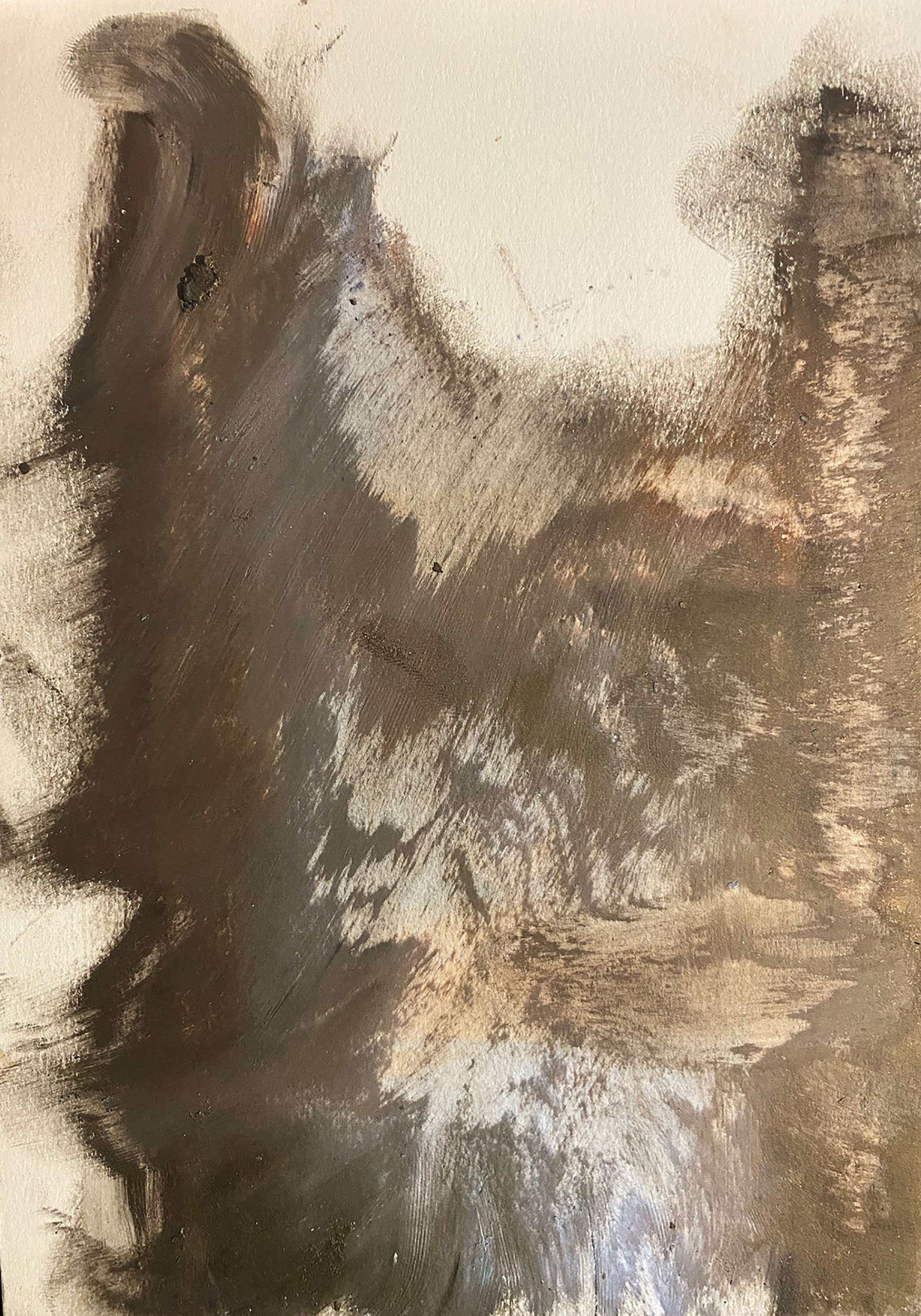
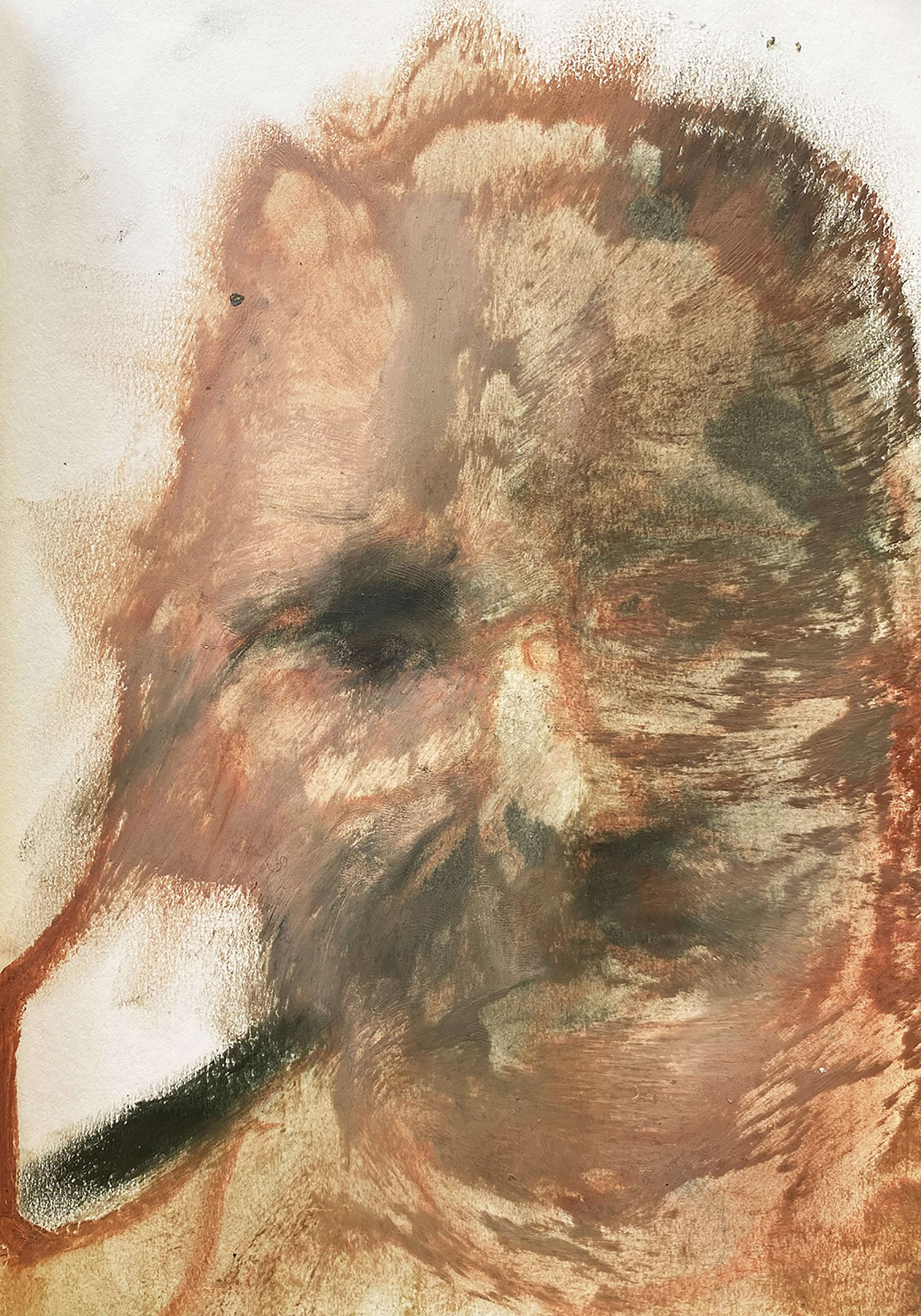
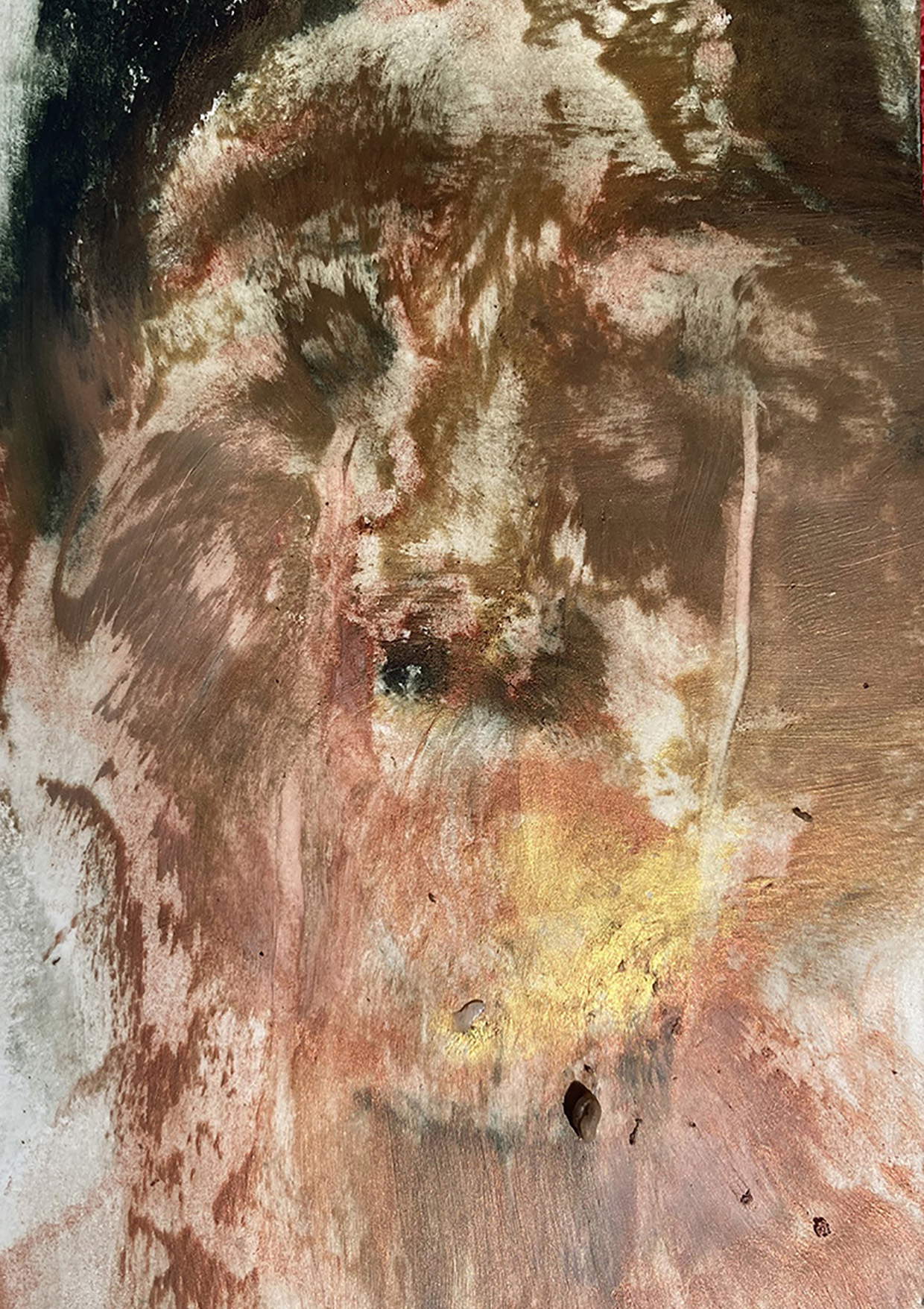
And the body?
Well… the body is another intriguing matter… Ever since I was little, I’ve been fascinated by surfaces: I used to enjoy scraping the plaster off my bedroom door (much to my mother’s delight). Behind it was a rough-textured pane of glass—from the 1980s, to be precise. At night, I’d enjoy watching the silhouettes of my little “artwork” backlit by the light from the hallway. Or, like all children, I’d have fun smudging the pages of old sheets of paper—often large-format ones—with my fingers. I must still have them somewhere, or perhaps I’ve lost them forever… But I must say that the textures, in particular, had a calming effect on me: I’d lose myself, only to find myself again in their minute patterns, asleep with my cheeks sculpted by their fanciful reliefs. Later in life, I experienced a sense of disorientation—an absence of a physical self, of points of reference, a personal withdrawal from the pull of reality. Let me explain: after middle school, I developed a certain uncertainty, a disorientation regarding my physical reality that led me into major, repeated personal crises. That entire inner world I described to you at the outset came crashing down on me without warning. I was as if blind to my own steps: I moved my hands gropingly, like a fetus in the womb that has not yet opened its eyes, even though it knows it has always been held within the mother’s womb. “You can’t fall out of the world,” someone dear to me told me one day. But such pronouncements, like fires, weren’t enough to light up my night. These closed-off, agonizing moments opened up again through the incisiveness of a mark: the fleshiness of a sanguine hue made iridescent by the light of the bulb, the sound of the line on the paper, and then... The still life, the mandarins in a bowl, the orange of their bruises… and again, my father, his scientific explanation of the color of things… all of this was the body of a new beginning, of my own awakening… I, with the torch raised in my dark room, regained the fervor of my breath, which had first been labored by panic, now rhythmic with a joyful heart. It is these experiences that have highlighted the connection, the relationship between the ineffable and its form, that have enabled me to see what at times seems opposed, once again (never forever), as one.
How do you approach the concepts of time and space?
I often work with poetry. Initially, I construct images within a space (which is, in fact, that of the verse) that unfolds within the meter of the composition. Next, I break that stream of images with “bullet-like” words, making use of punctuation and line breaks as well. I assiduously seek the secret rhythm of things. This ebbing cadence is often composed of the space and time of words that, as they take hold, create silences and pauses—breaths upon which the voice rests. It is a mutual interpenetration, an insemination of “instant-words” and “womb-images” capable of containing and being contained by one another. I believe that what interests me most about these two aspects you mentioned is their union, their original closeness. During my time at the academy, I became interested in spectral music. It is a movement in classical music that developed in the late 1970s and early 1980s. Spectralists based their language on the analysis of the physical phenomena of sound—its spectrum, so to speak. The structures of the pieces took on an expanded, slowed-down form or an extremely compressed one, like the rhythm of an insect’s wingbeat. So I began composing and conceiving the soundtracks for my videos by examining a single timbre—that brief moment captured by my recorder—and then carving a hint of melody into the dizzying vertical space of its spectrum. I am convinced that everything is already contained within a sound: within that rare seed lies the destiny of the song it will become. I believe that space and time are inseparable when considered at their origin. A bit like the primordial universe captured in the fractions of a second following the Big Bang. Magma, density, concentration, uniqueness. It was only the contractions, the labor pains of that womb (contained, containing) that caused the elements to expand and divide, taking their own direction. Space and time are “ideas” born of the same soil, and through my eyes they are taken together, at the visceral point of their beginning. Only later do we find them separated into threads of different colors. My intent is to reexamine and reproduce them (with durations and pauses) in order to catapult them back to their ancestral bond as sister creatures.
Are you interested in the dimension of the sacred?
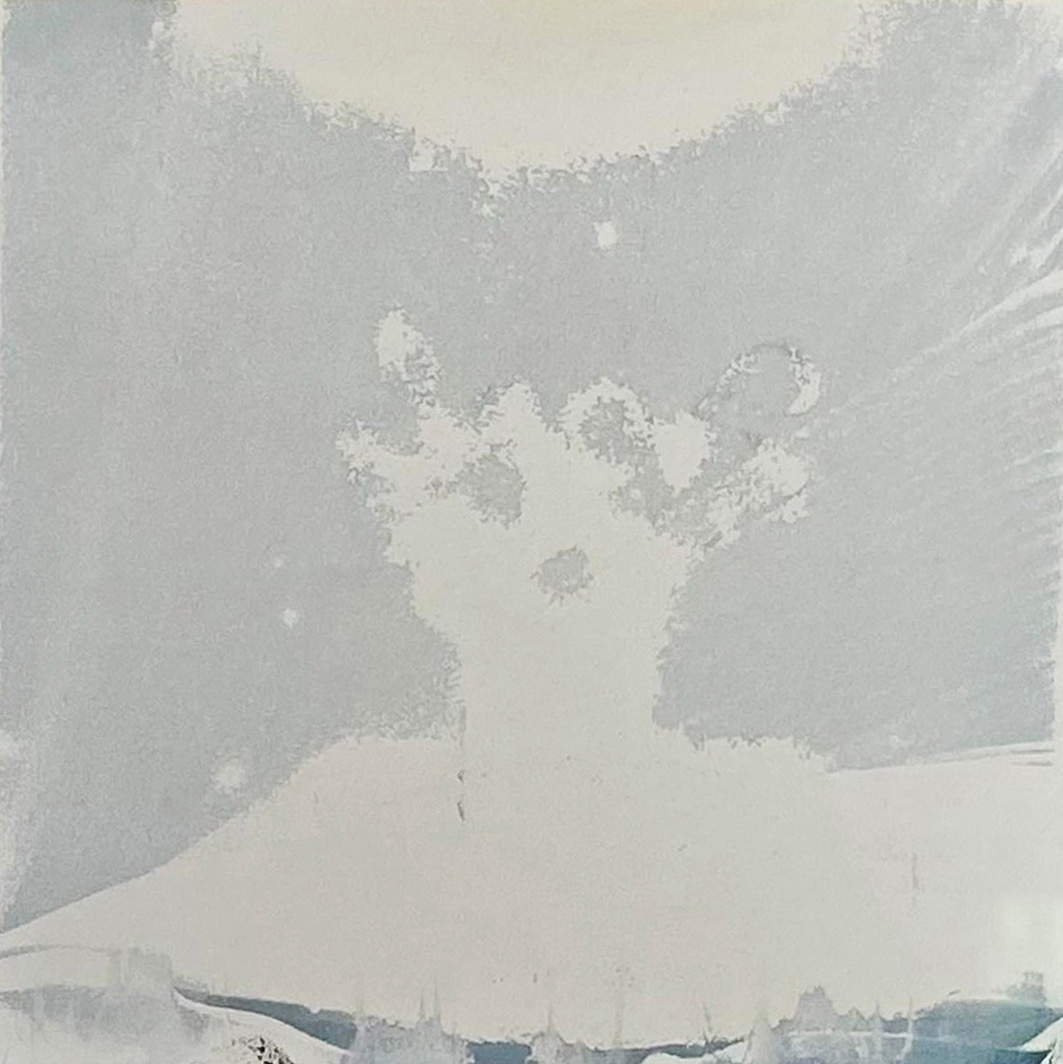
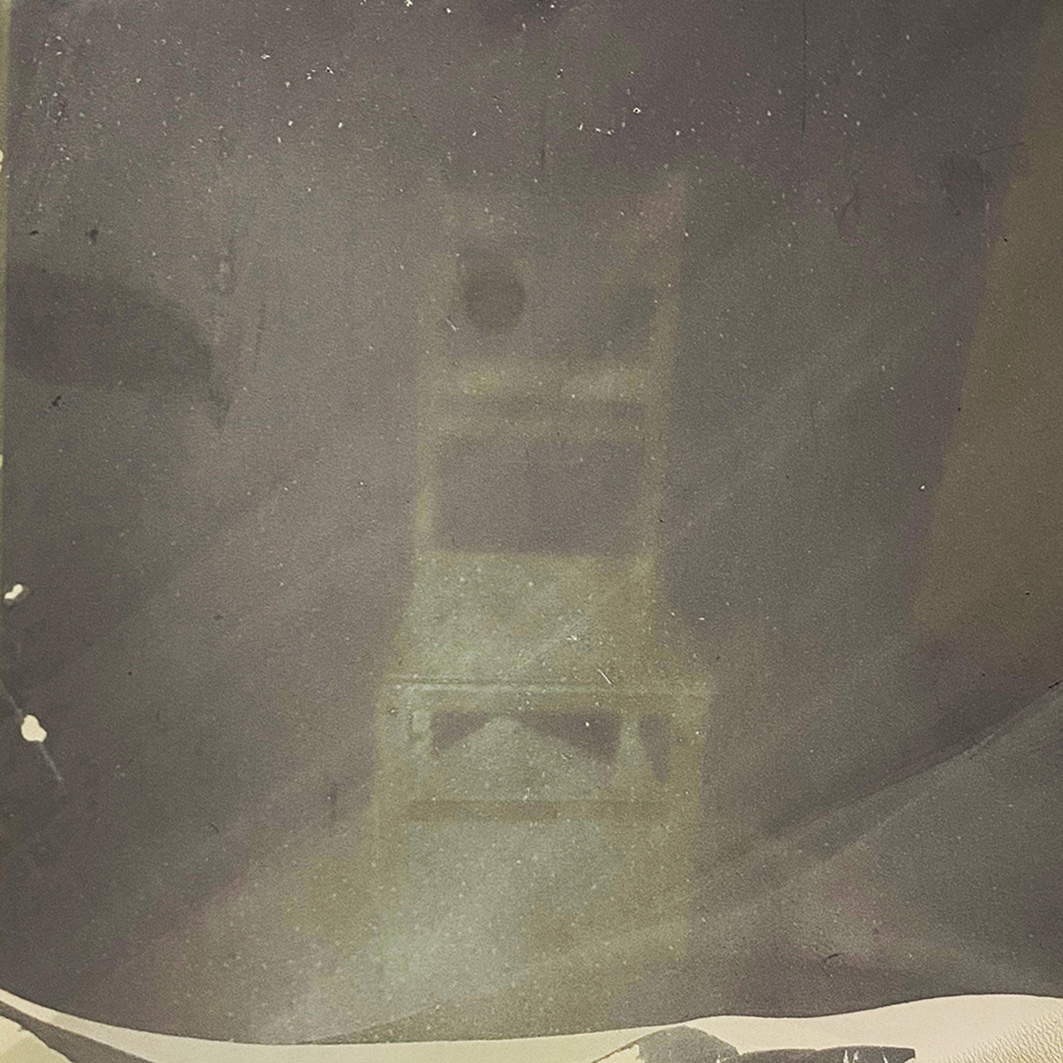
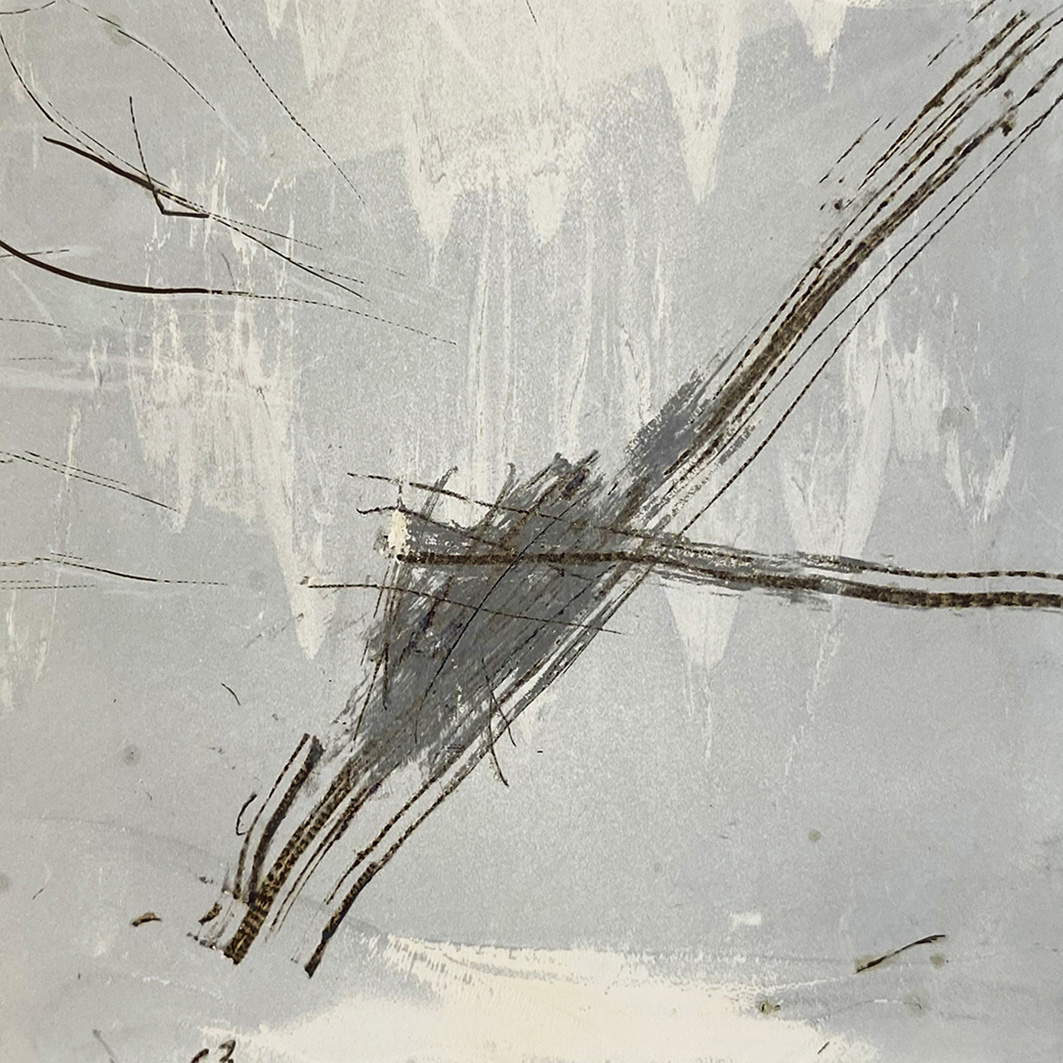
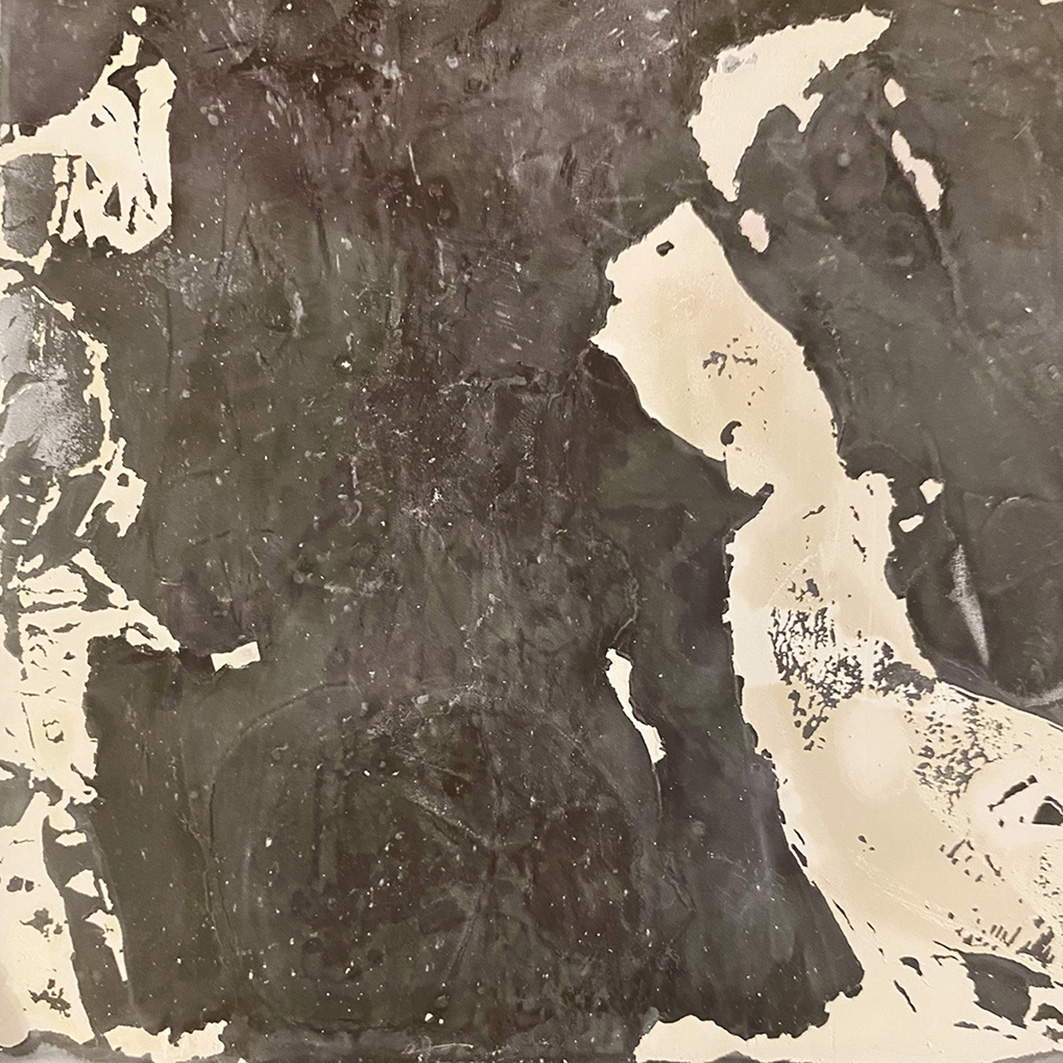
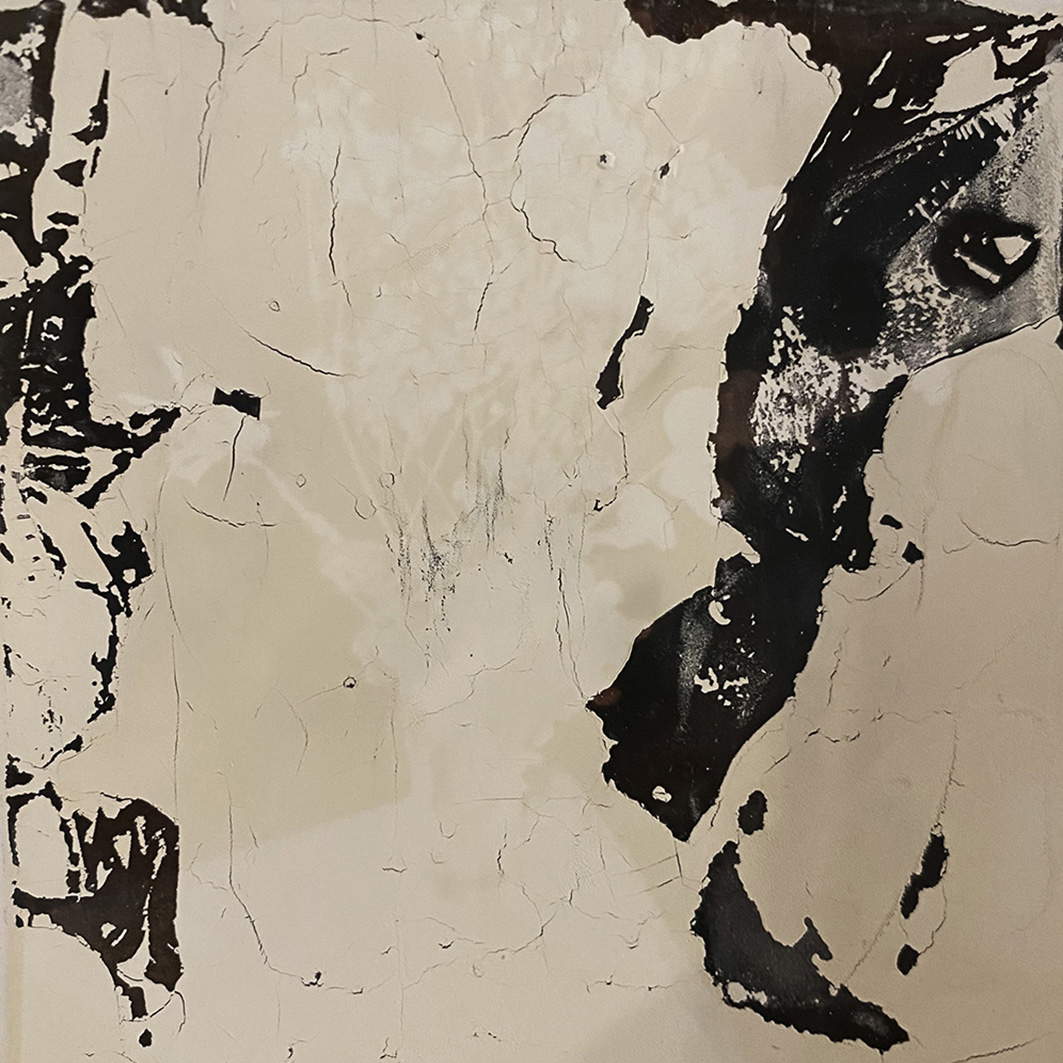
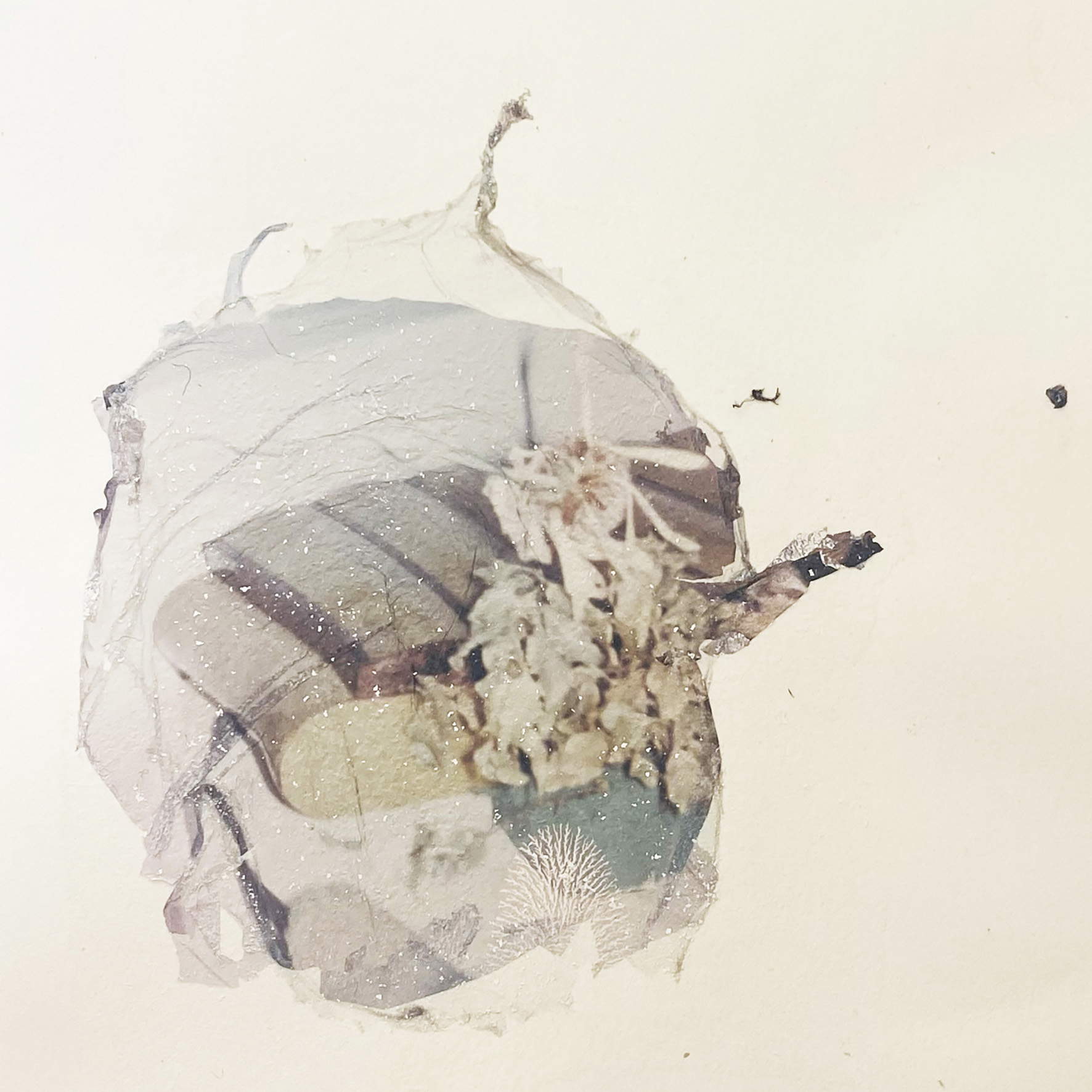
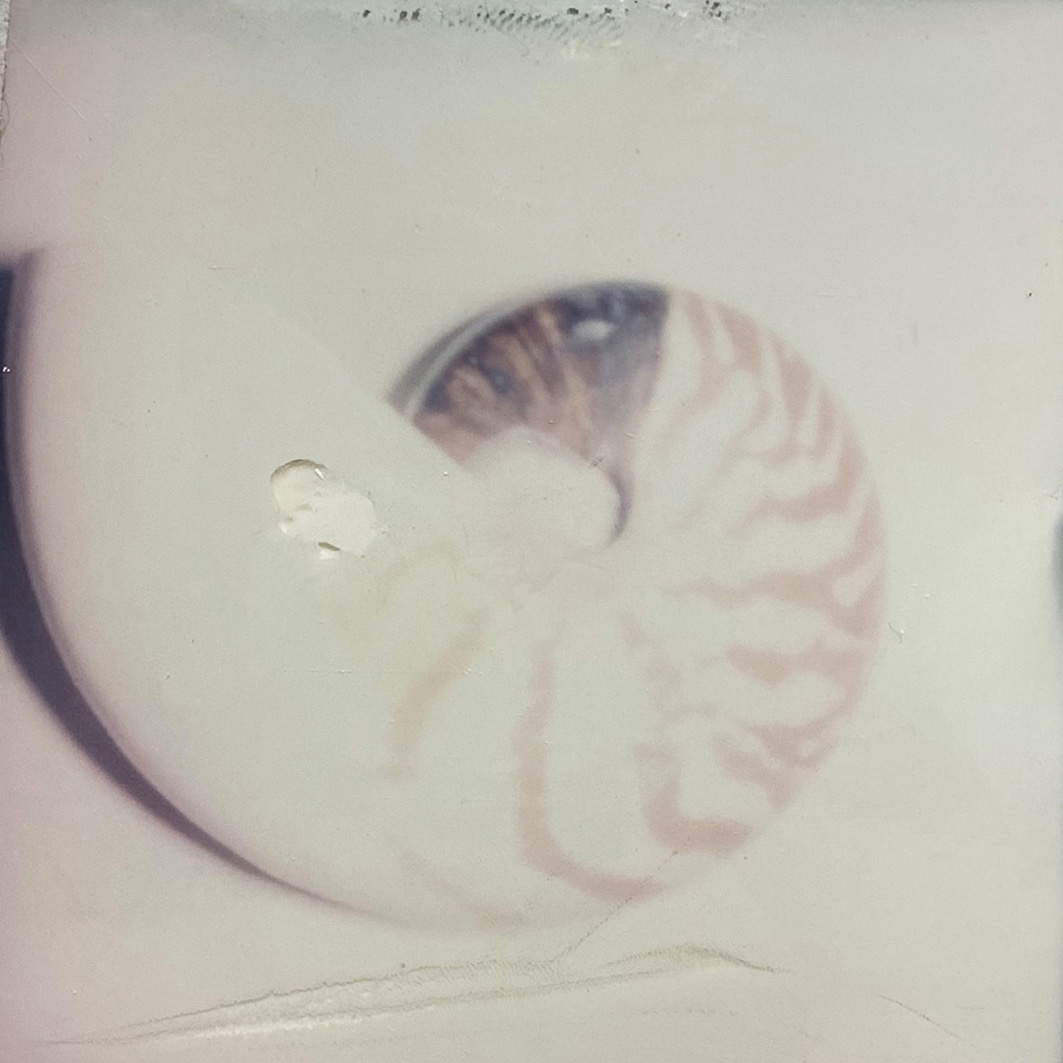
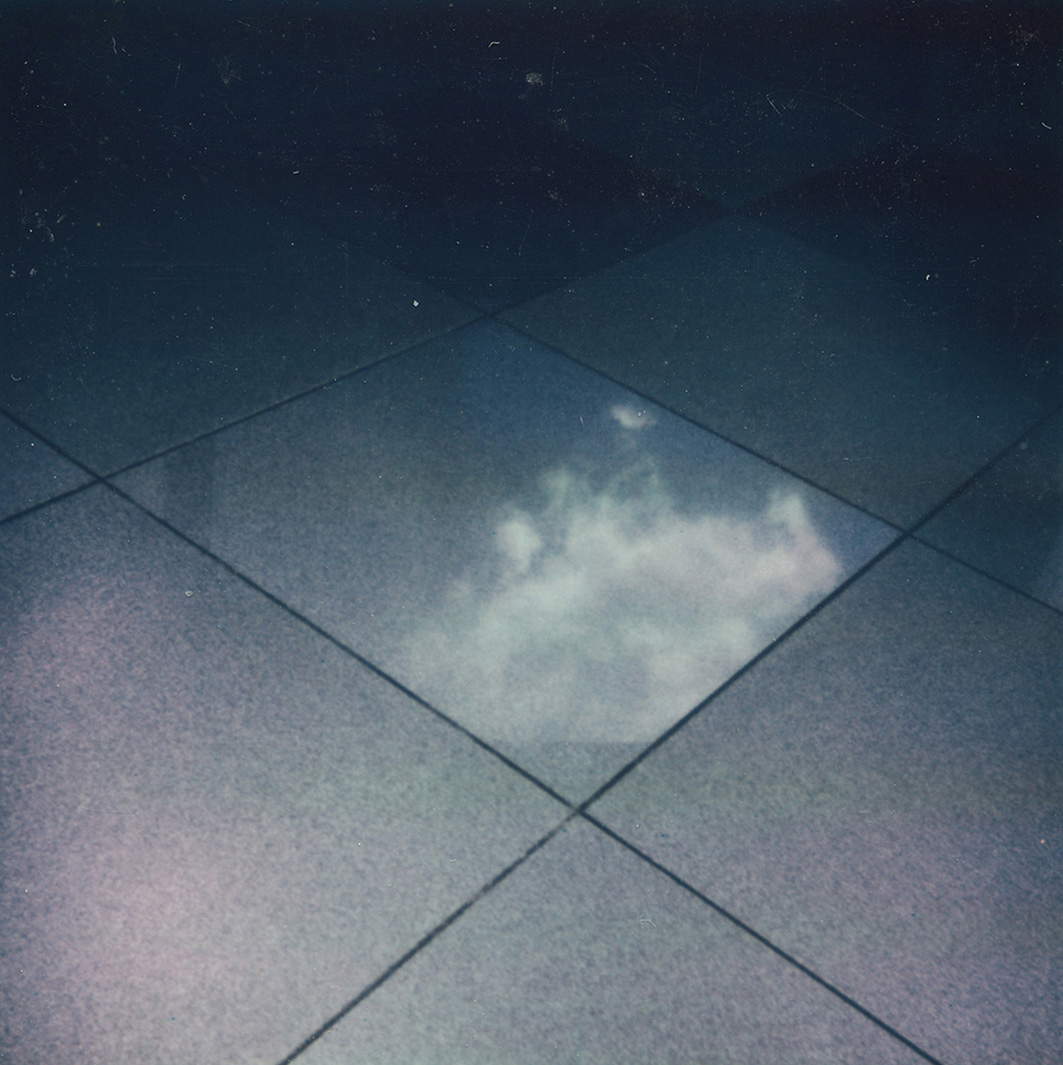
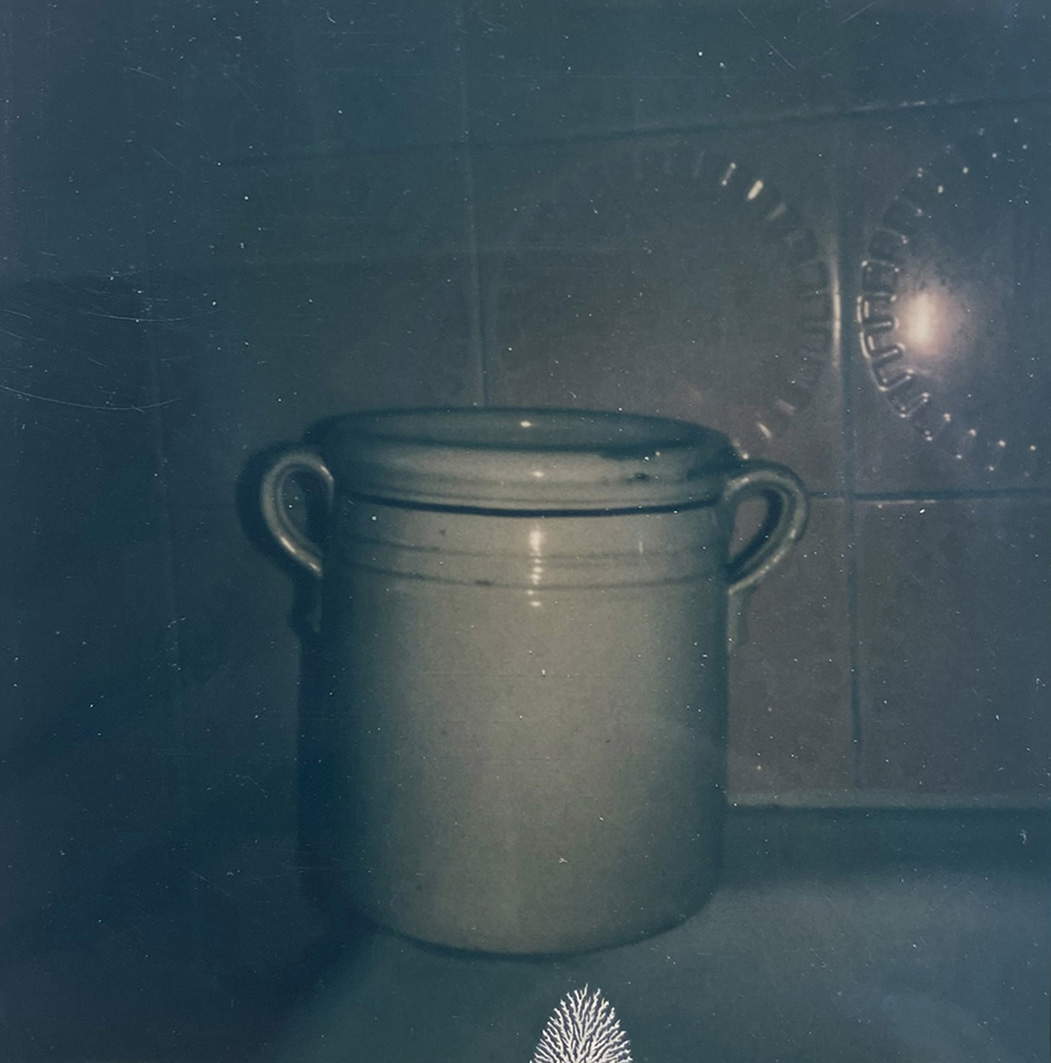
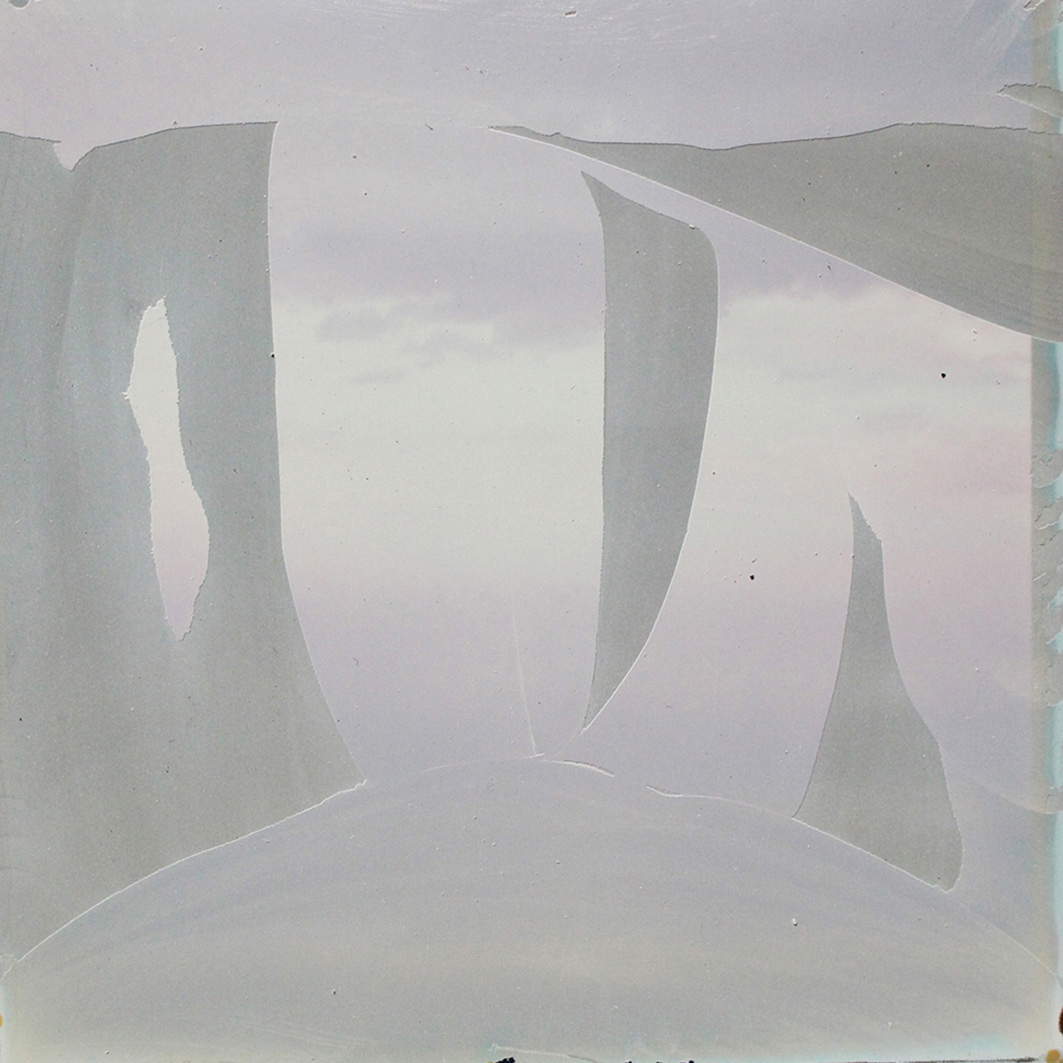
Yes, if it achieves a sense of closeness. What is sacred to me is a tangerine, a chipped teacup, the sound of swallows in the morning. It is its domestic dimension that interests me: the grace of a hand, the pose of a statue... it is the approach of a distant night born of the bodily moisture of my half-closed eye, or the remnant of sight that persists beneath the cold coin of the dead. It is these small incidents that evoke the loftiest thoughts within me.
Are you interested in the narrative dimension—understood not as a story but more as a way to shed light on specific situations you encounter in your wanderings?
I’m interested in everything that remains beneath the surface. Trivial occurrences—such as the gentle rustling of leaves in the wind, the silent journey of the sun across the sky, the ripples from a stone dropped into water...—are the voice of presences that, in our daily lives (which are increasingly technological and organized), we tend not to hear or see. Only the oblique gaze of the artist, of the poet, is struck by the toil and yearning of this unseen present. These seemingly insignificant incidents summon me to the celebration of another world, of another image that surrounds me and cradles me in this splendid vision. The task of sensitivity is to speak of, to reveal (and to do so well…) that slow, bubbling echo of creation that we increasingly forget, hiding it away in a drawer. There is something twilight-like, something tragic, in noticing a beauty that is both near and far at the same time. It is difficult to describe an epiphany without a hint of melancholy. It is a slope, a dizzying ridge, marked by a trail of luminous clues—like fireflies, like crumbs of voice left behind by an unrepeatable past, by an unrepeatable story. At this point, a question of form arises for me. What—and above all, how—can my dual, mismatched, oblique gaze behave? How will I describe this halting journey along the back of the world? I think I need to trust more in the fundamental nature of my vision: if one day I see an illuminated scale glide through the water, I must know that I am contained within an immense reservoir (the sea) that this mysterious animal presence reveals to me. There are correlations among things that call out to one another, and I wish to interpret them as belonging to the world within the world. In short, I am surprised by the liminal aspects of a reality that carries me within its skin—which is nothing other than an immense womb in which everything (I, things) is contained. Because “one cannot fall out of the world.” Here, I believe, lies the greatness of every sensibility. “To stumble upon the line beyond the sea / And to know, from there, / the sun” (from *Fires from the Unconscious*, poetry collection 2024–2025).
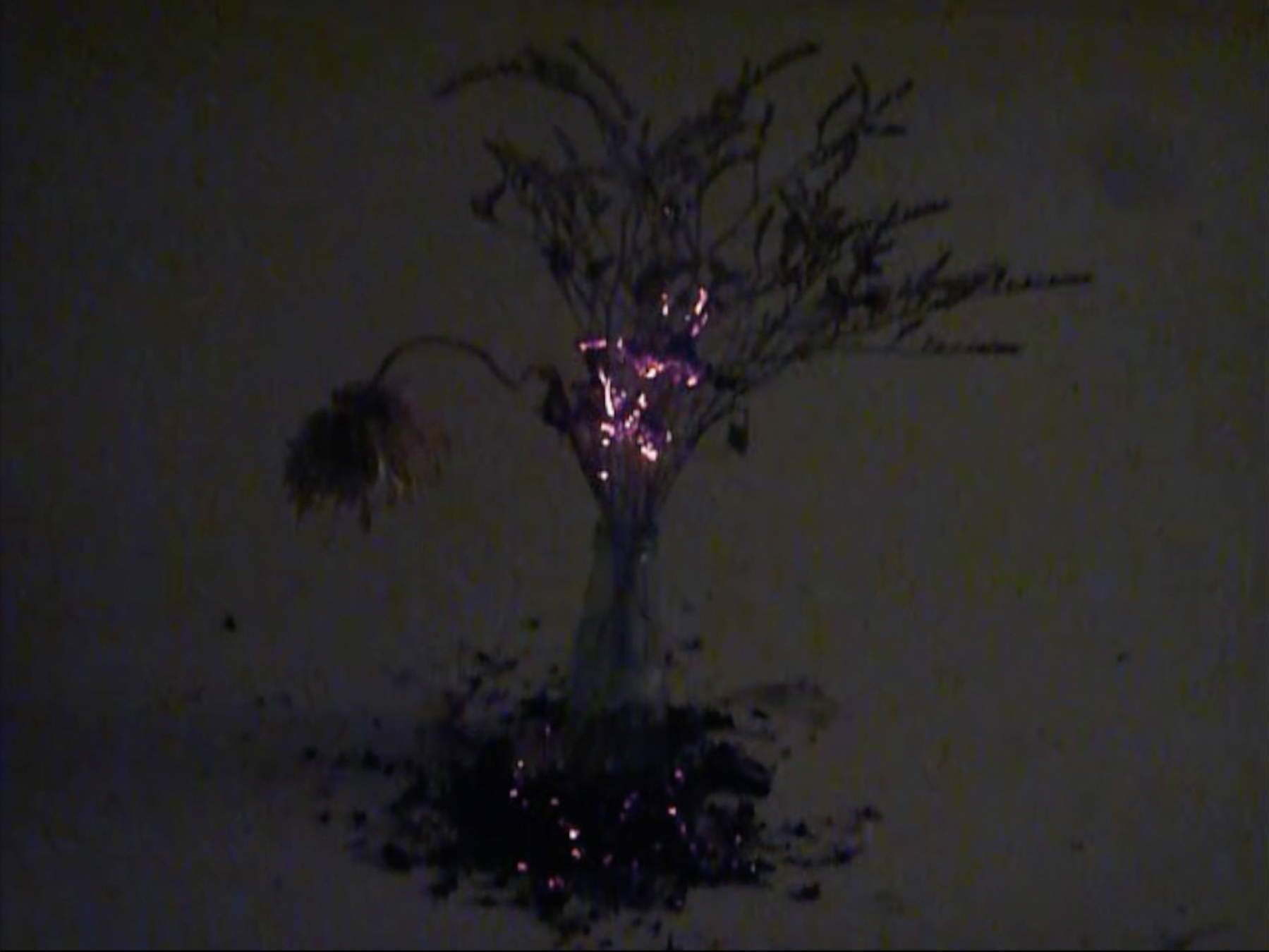
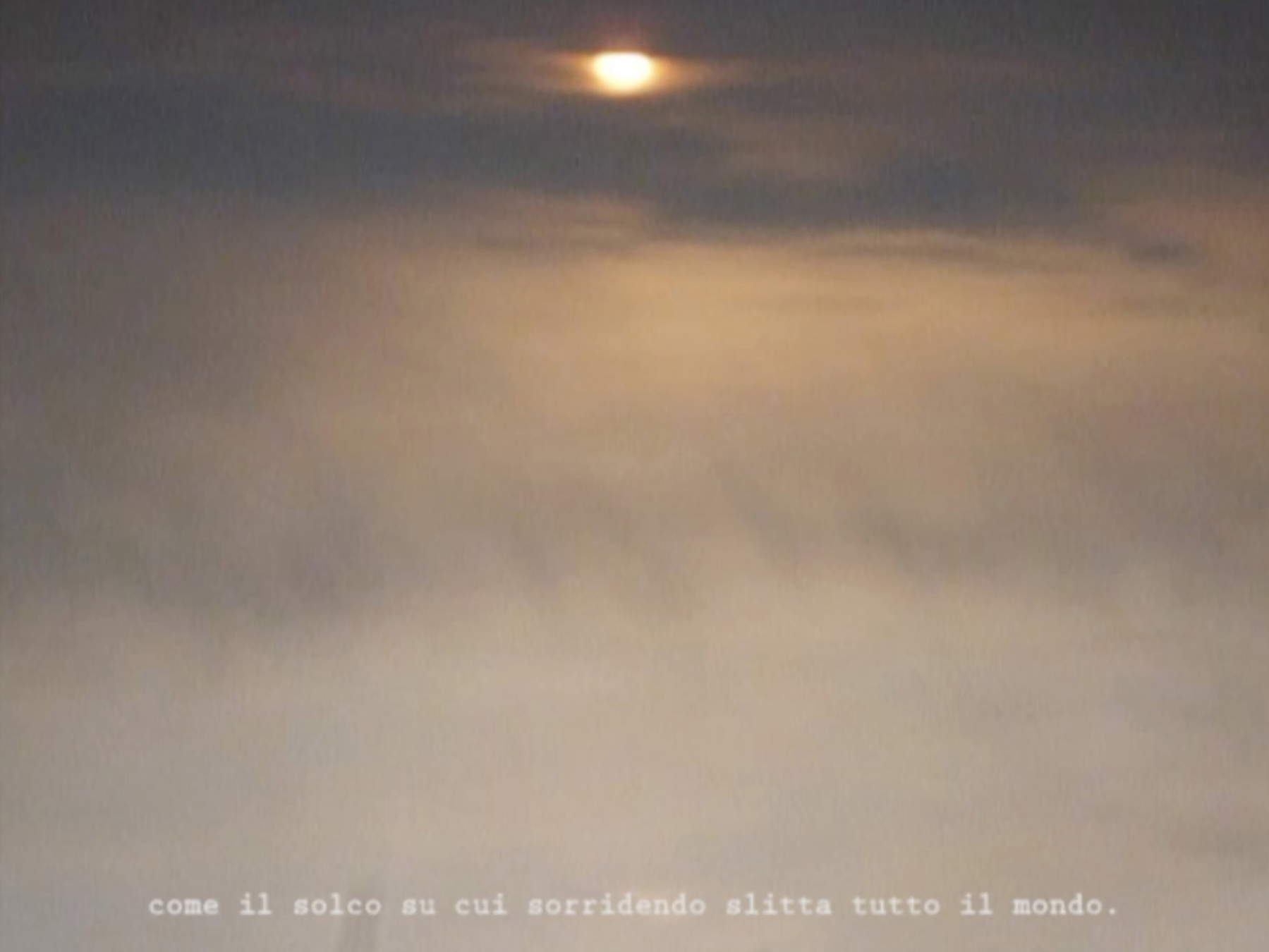
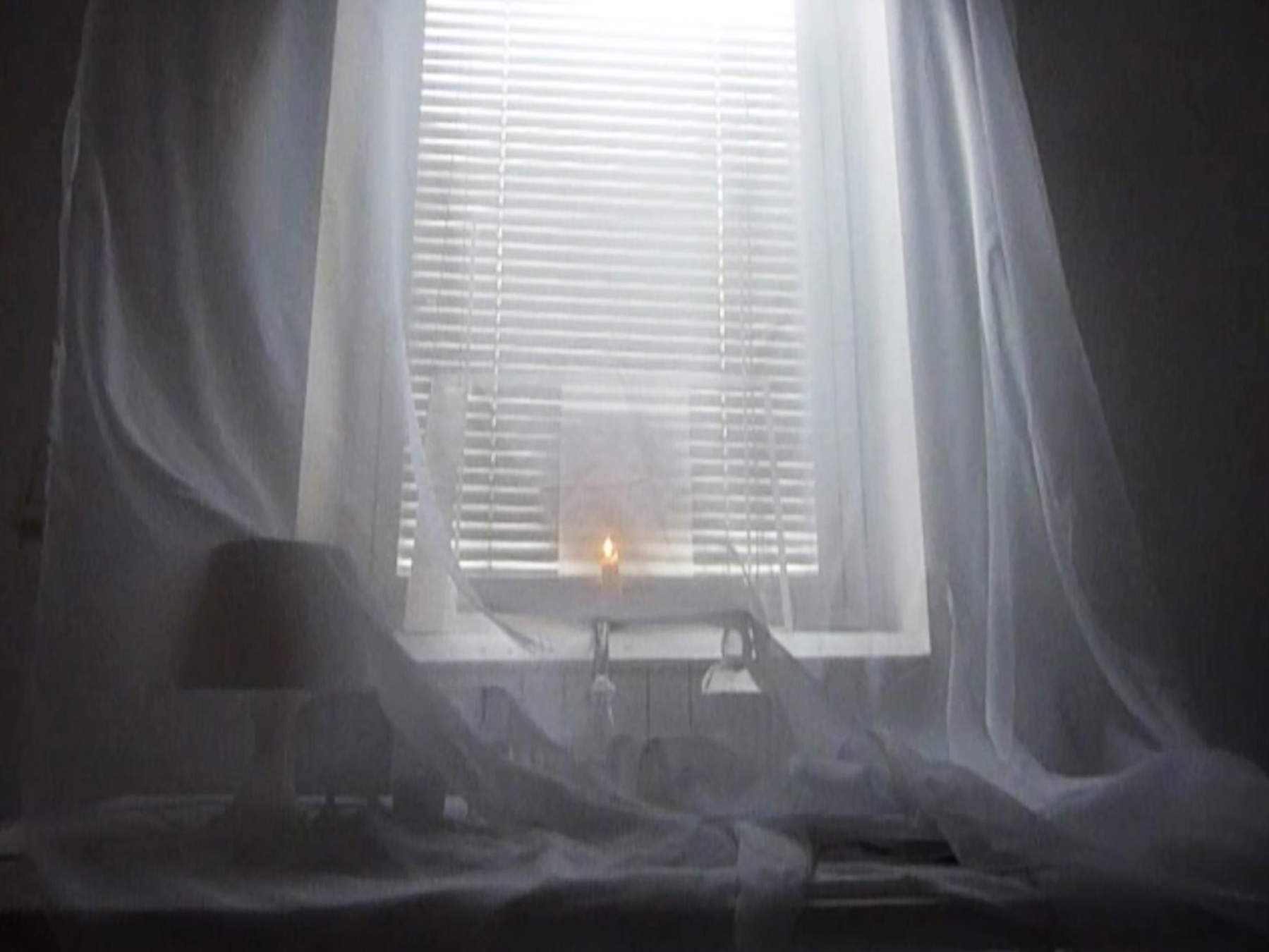
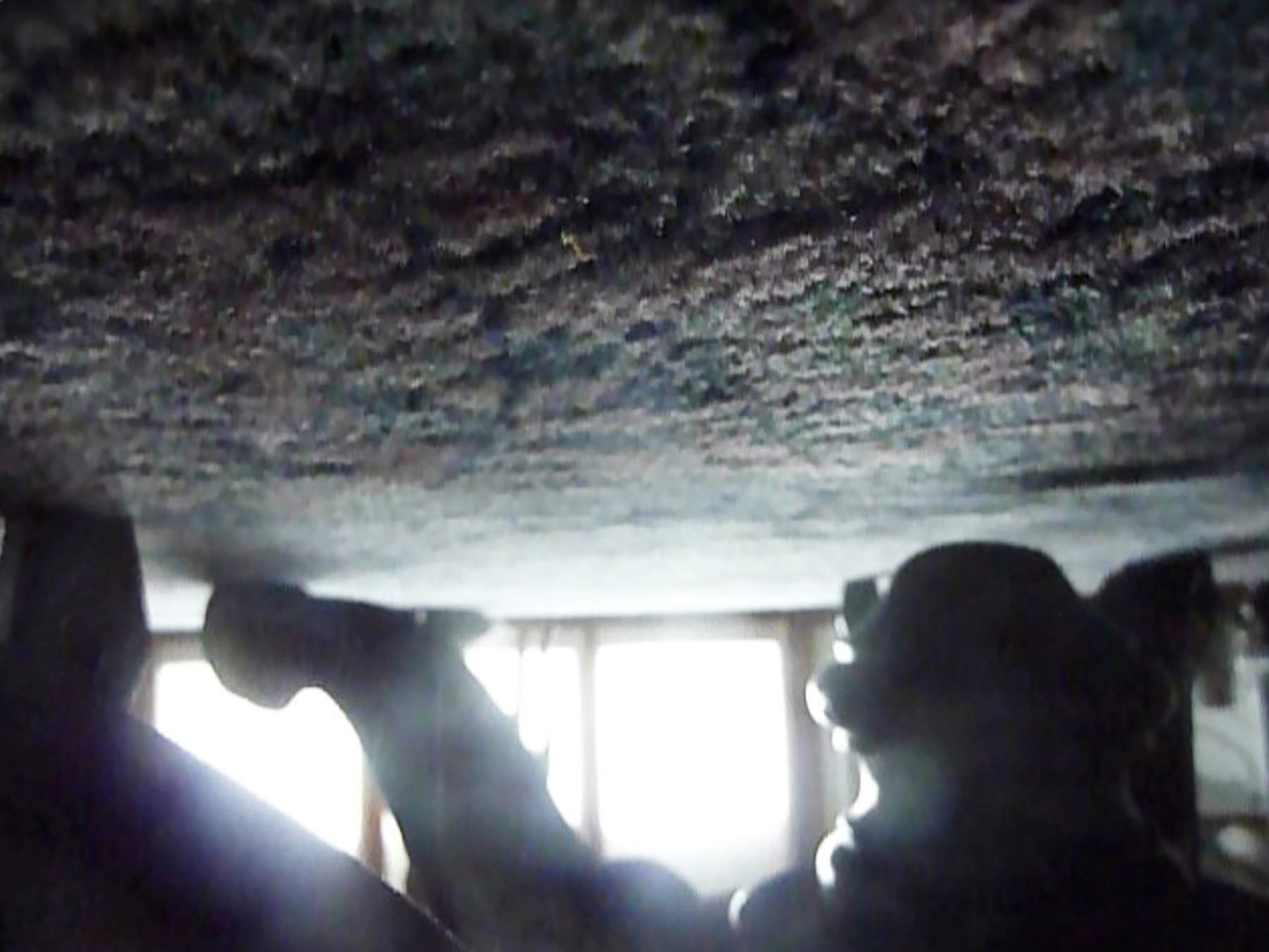
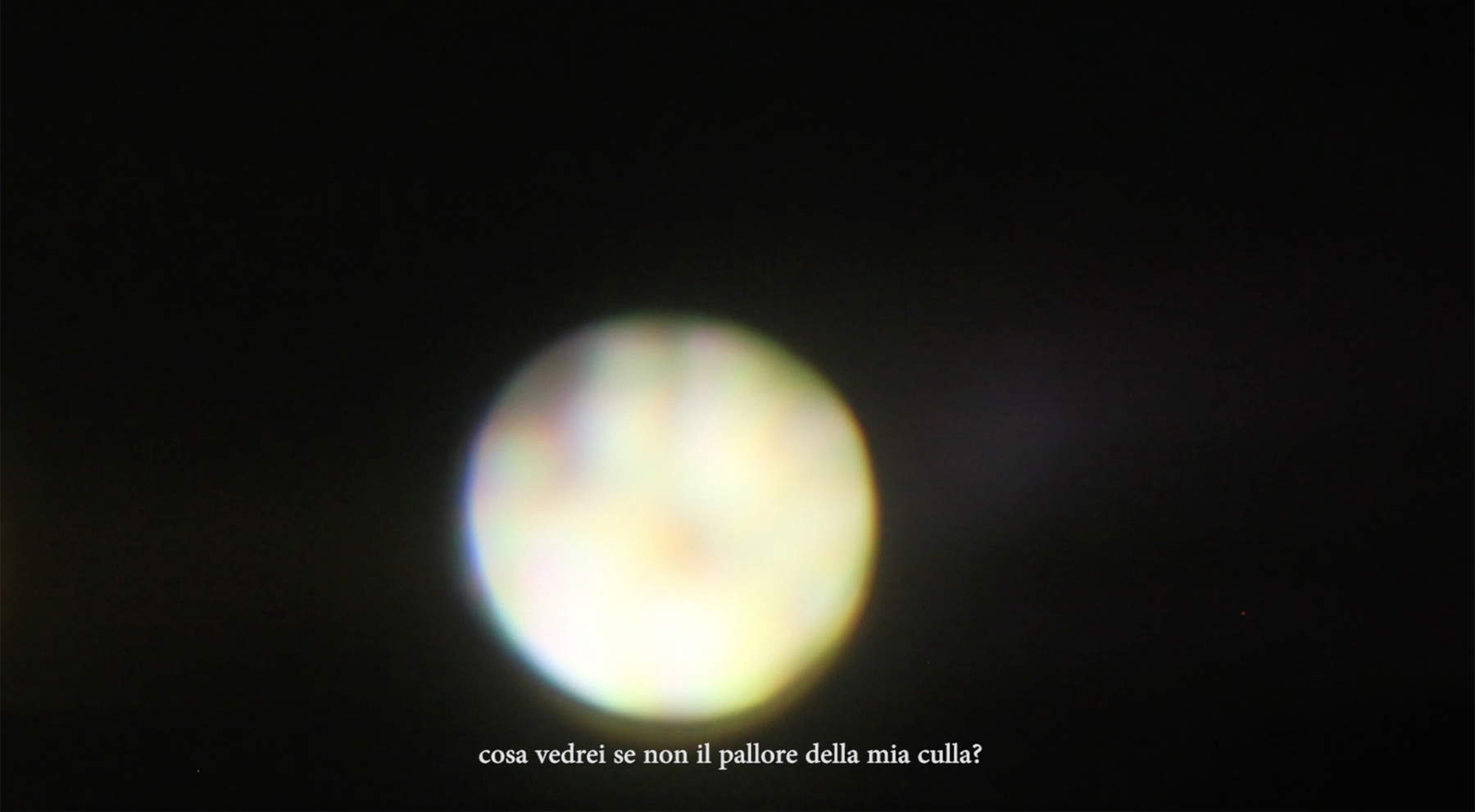
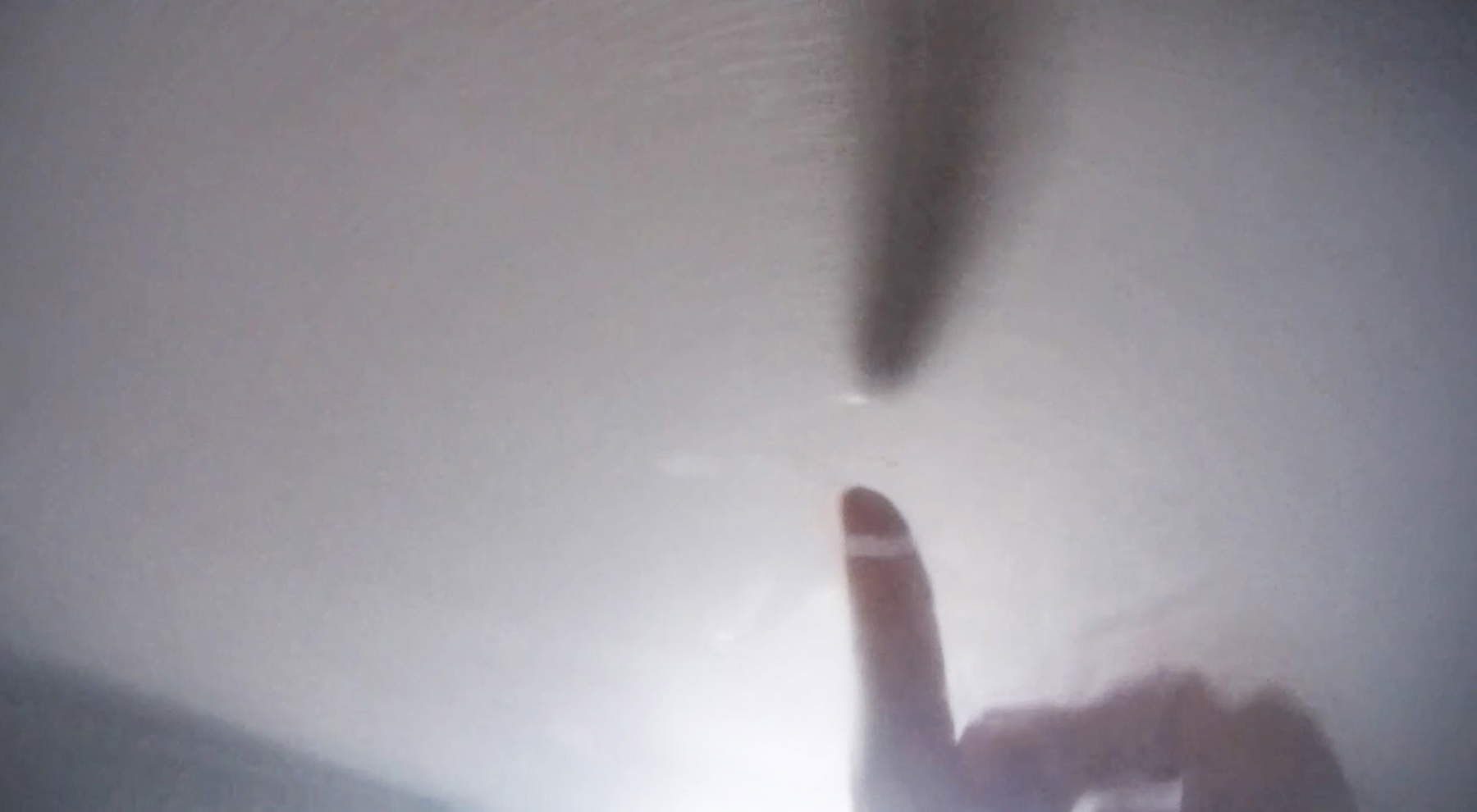
What similarities and differences exist between poetry, drawing, and Polaroid photography?
Beneath the skin, on the crest of a backdrop’s surface, my poetics take shape. Drawing, photography, video, and words are nothing more than the nascent verses of a more abyssal creature—of something that bears the traits of what remains hidden. As I said before, we are contained within a womb where life takes shape. The materials of image and voice articulate themselves as if for the first time, in pursuit of what is elusive, ungraspable. “You’ll never have me! / Says poetry to its verses” (Notes, 2019). The gesture of opening—the tear in the Polaroids—is an attempt to penetrate the visible in order to trace the unseen. With the medium of painting, I intervene directly with my hands, feeling my way across the paper (as if blind) to sketch the form I had already outlined. With poetry… I enter a mysterious world of feelings that are both hard and soft at the same time: I follow it, I describe it, drifting off to sleep on the words. It’s a bit like surrendering to the power of things, being overwhelmed by their presence, by their original, unique light that crashes against closed eyelids, imprinting them with wonder. What unites these languages, these different forms of expression, is the expansive gaze that, as if from a sandy, underwater bed, observes the world of which it is a part. And so my eyes have fallen—silent stones, detached—upon the ruins of a new world: from there, they sing of it and recite it, uncovering its previously unseen features.

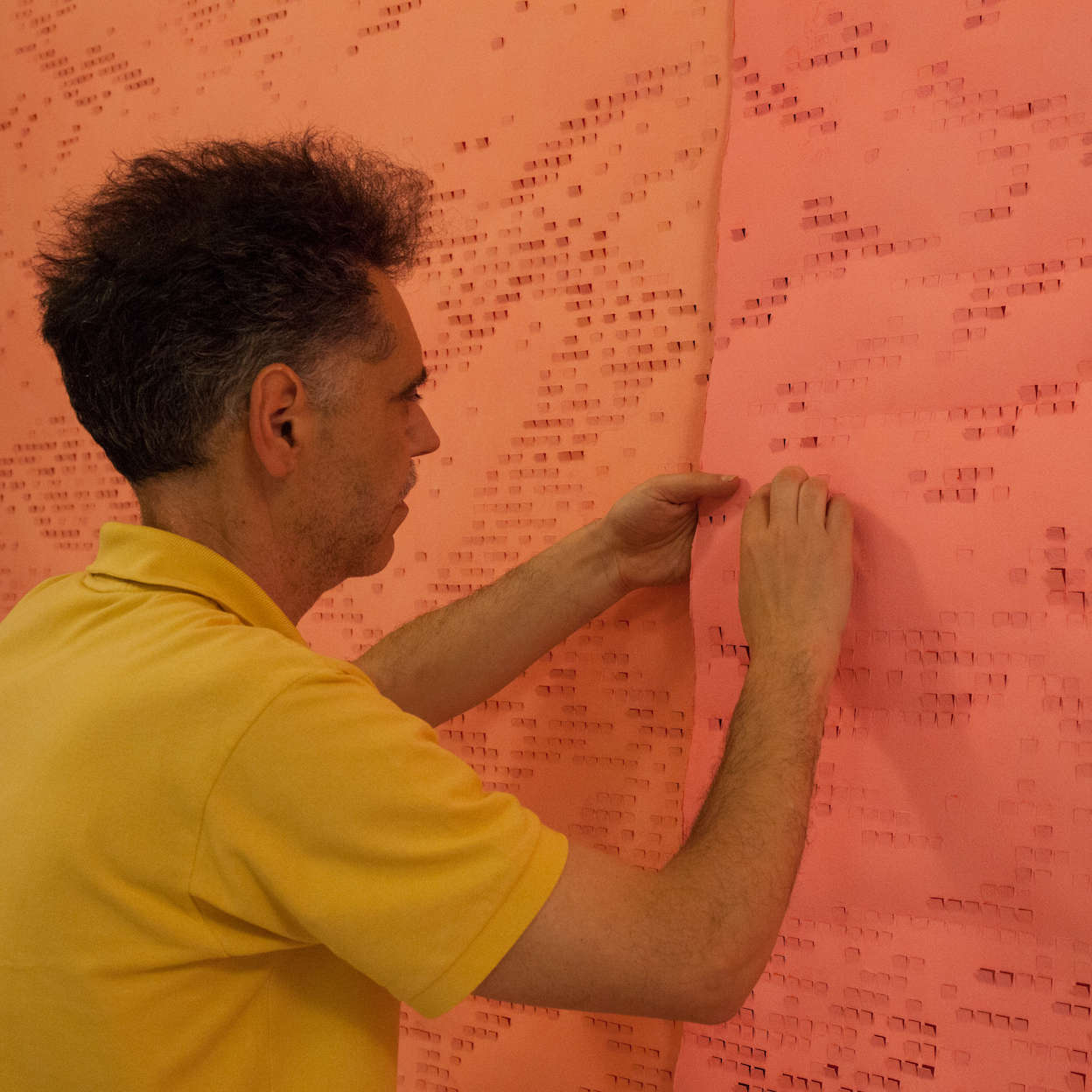
The author of this article: Gabriele Landi
Gabriele Landi (Schaerbeek, Belgio, 1971), è un artista che lavora da tempo su una raffinata ricerca che indaga le forme dell'astrazione geometrica, sempre però con richiami alla realtà che lo circonda. Si occupa inoltre di didattica dell'arte moderna e contemporanea. Ha creato un format, Parola d'Artista, attraverso il quale approfondisce, con interviste e focus, il lavoro di suoi colleghi artisti e di critici. Diplomato all'Accademia di Belle Arti di Milano, vive e lavora in provincia di La Spezia.Warning: the translation into English of the original Italian article was created using automatic tools. We undertake to review all articles, but we do not guarantee the total absence of inaccuracies in the translation due to the program. You can find the original by clicking on the ITA button. If you find any mistake,please contact us.

















 IT
IT FR
FR DE
DE ES
ES CN
CN


