





Until Feb. 28, 2026, the Cuore - Centro studi, Archivi, Ricerca space at Triennale Milano is hosting a selection of materials from theTestori Archive, offering the public an opportunity to learn more about the figure and work of Giovanni Testori (Novate Milanese, 1923 - Milan, 1993), one of the most complex and transversal protagonists of twentieth-century Italian culture. Painter, writer, poet, playwright and art critic, Testori traversed different languages, disciplines and fields of expression, building an intellectual path that finds in this exhibition project an articulate and documented restitution.
Cuore, inaugurated in February 2024 and located on the ground floor of the Palazzo dell’Arte, is a space dedicated to research, memory and innovation, conceived as a flexible and constantly changing place. Inside, a section is reserved for the temporary hosting of external archival heritages, with the aim of enhancing documentary funds related to the world of design, visual culture and interdisciplinary research. The presentation of materials from the Testori Archive is part of this context, allowing a close exploration of the genesis of the works and thoughts of an author who knew how to interweave artistic practice, critical reflection and civil commitment.
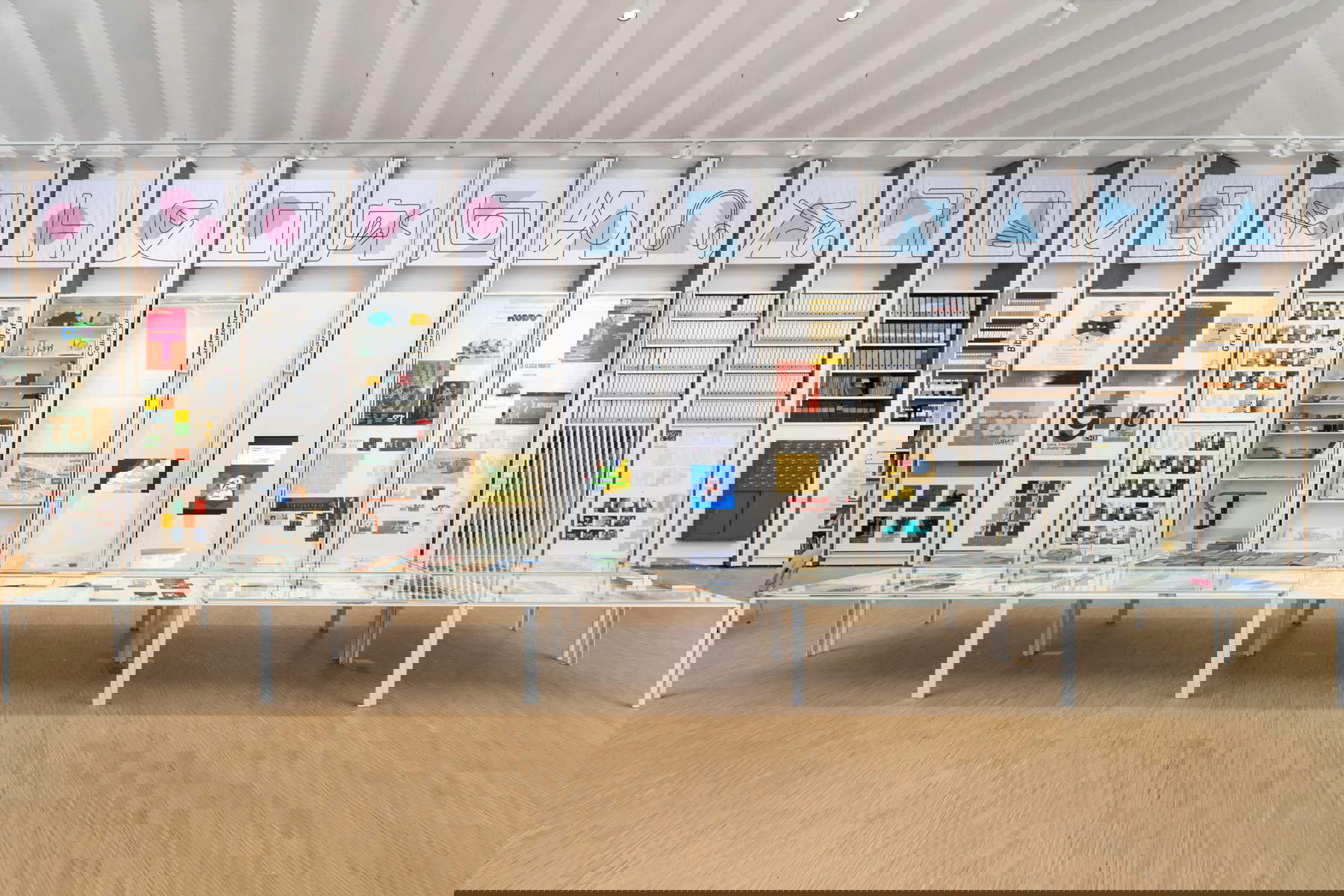
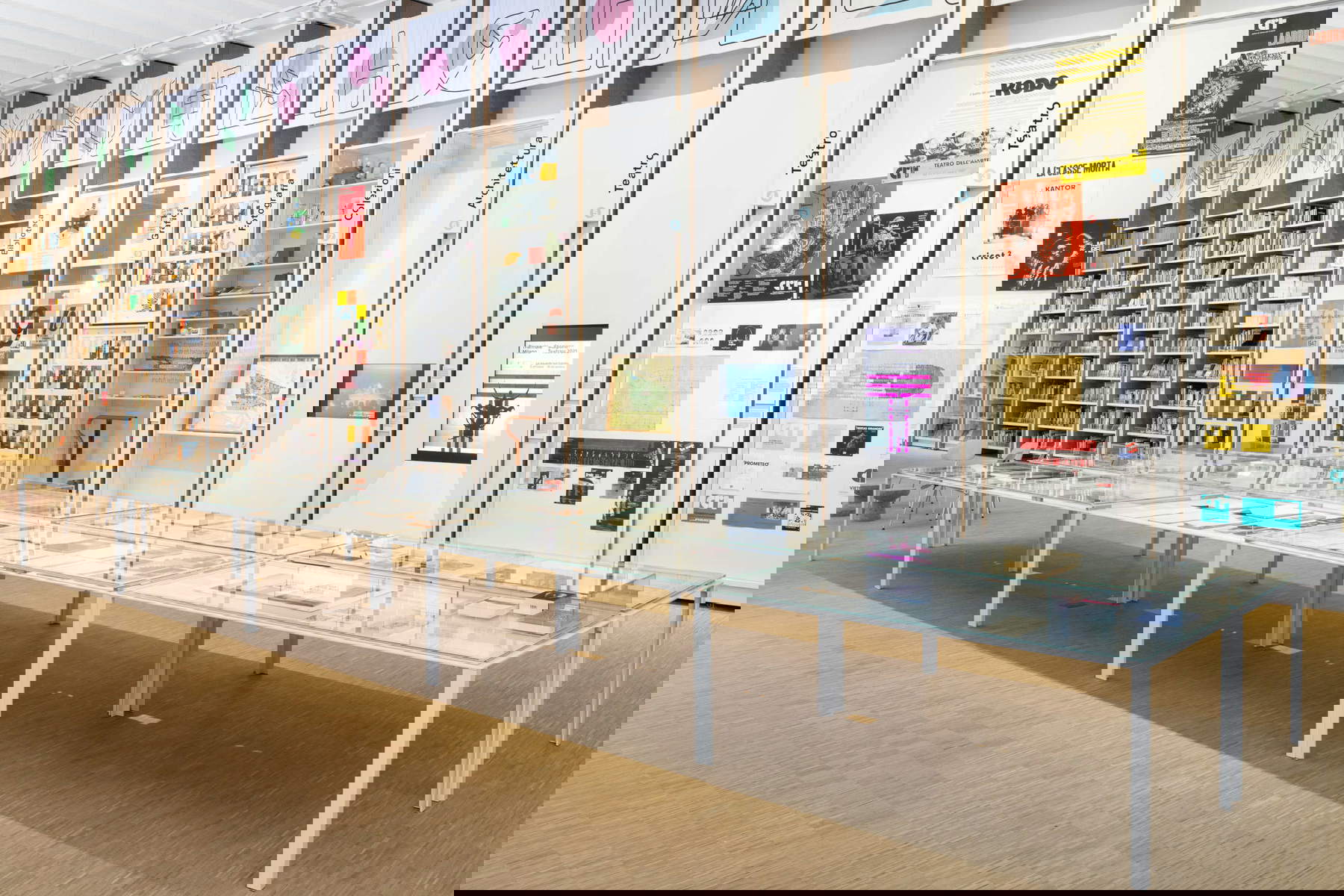
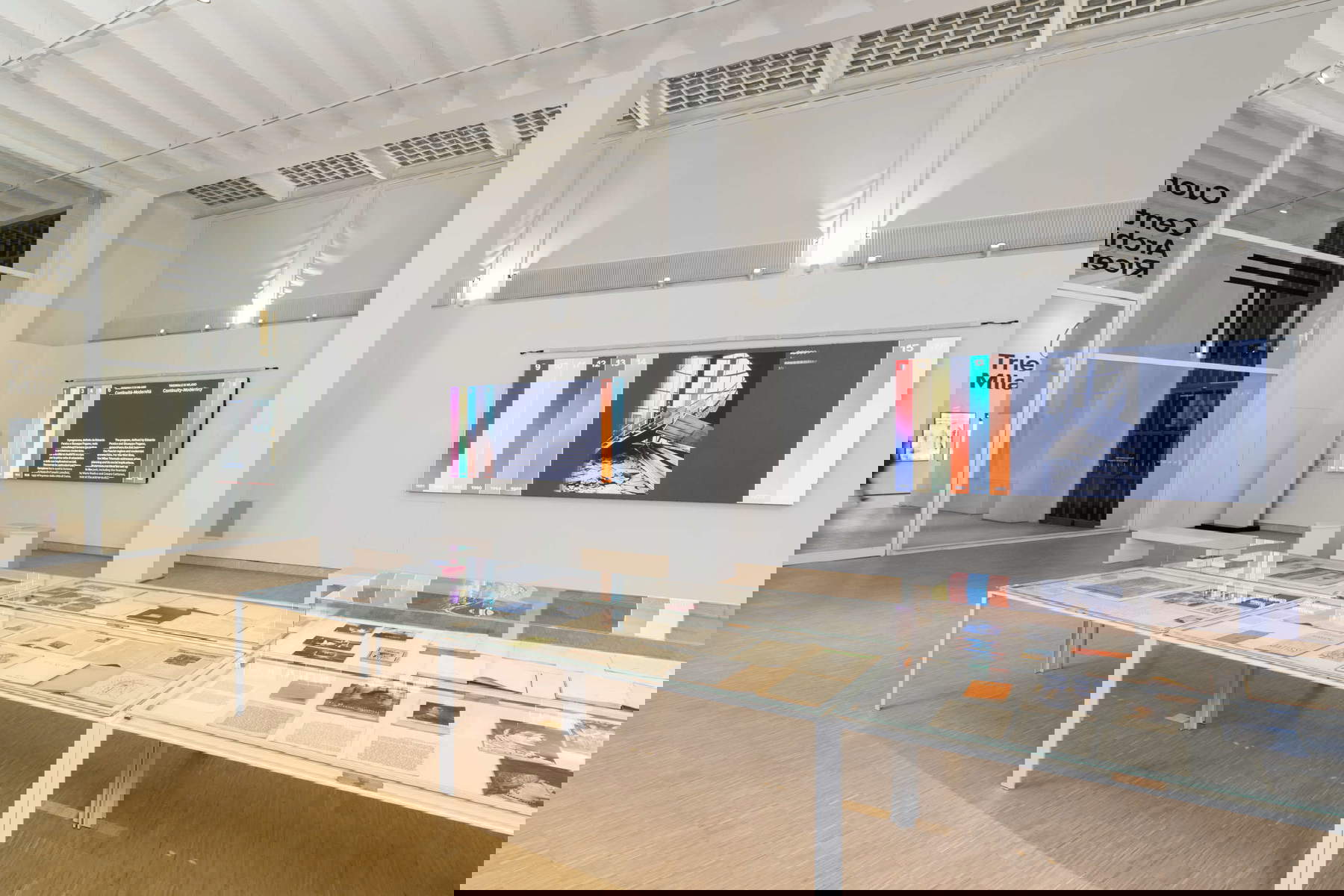
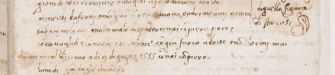
The selection on display restores the richness and variety of the archive through a path that traverses Testori’s entire activity, from his early biographical and family experiences to the major literary and theatrical projects of his last years. Among the materials presented are manuscript drafts, family photographs, portraits and early personal accounts that allow us to reconstruct the human and cultural context in which his artistic sensibility was formed. Alongside these documents emerge early poetic collections and graphic materials, such as notebooks and notebooks related to Le Laudi, accompanied by drawings and studies that testify to the constant relationship between word and image in his research.
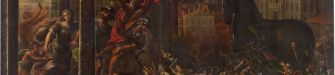
A large section is devoted to art-historical studies, with research and notes related to Gian Martino Spanzotti in Ivrea and preparatory materials for the exhibition dedicated to Tanzio da Varallo, which highlight Testori’s role as a historian and art critic deeply involved in the rediscovery and appreciation of Lombard and Piedmontese painting. The itinerary continues with narrative editorial projects related to the series published with Feltrinelli, documenting the work of elaboration and construction of the texts, and with materials related to the poetic cycle of I Trionfi, including letters, portraits and manuscript notebooks that recount its genesis.
Ample space is also reserved fortheatrical activity, through studies, drawings and watercolors made for the Piccolo Teatro in Milan on the occasion of the staging of Herodias, which testify to the intense dialogue between dramatic writing, stage and visual arts. Alongside these materials are documents dedicated to his journalistic activity for newspapers such as Corriere della Sera and Il Sabato, which restore Testori’s critical commitment and constant presence in the cultural debate of his time.
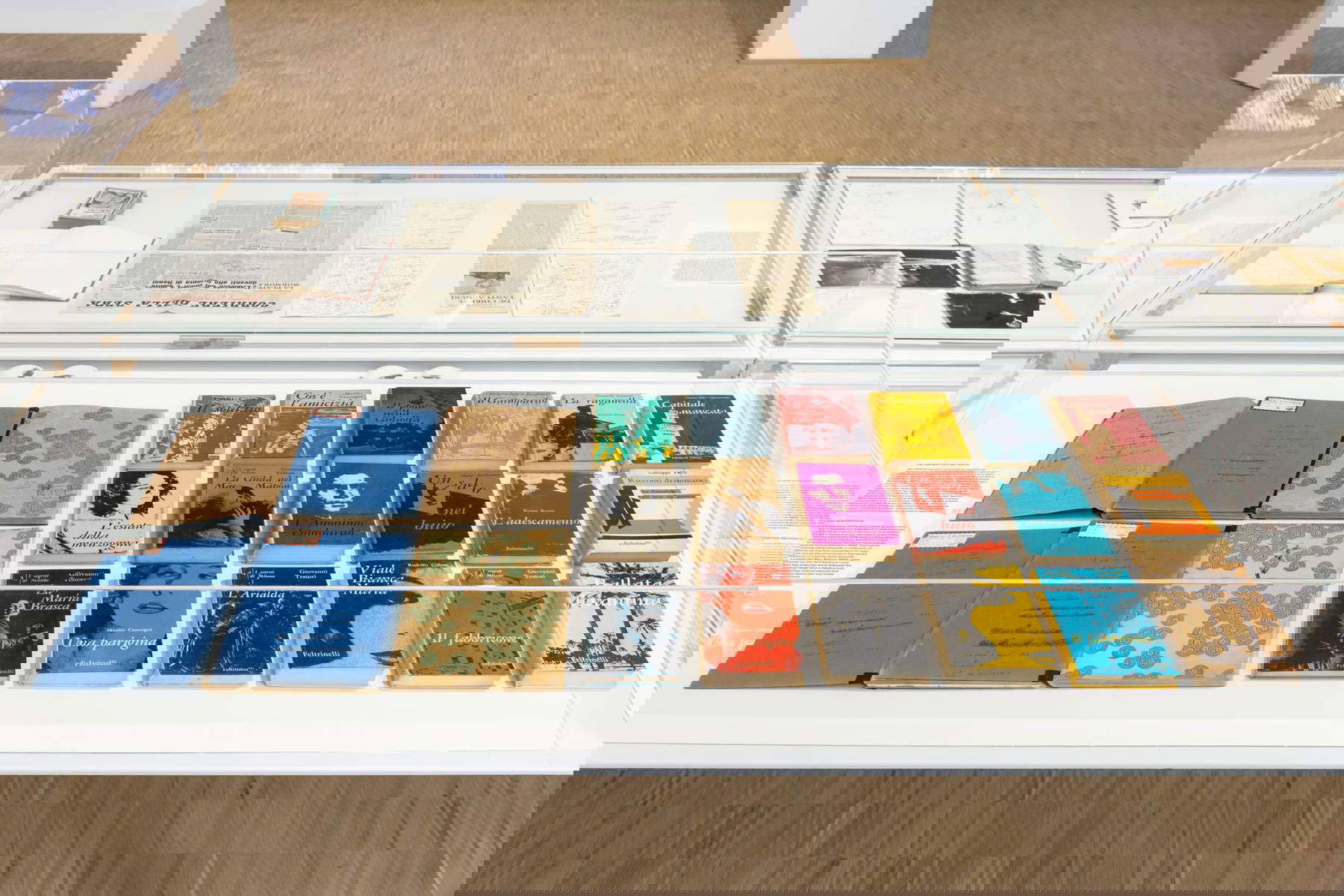
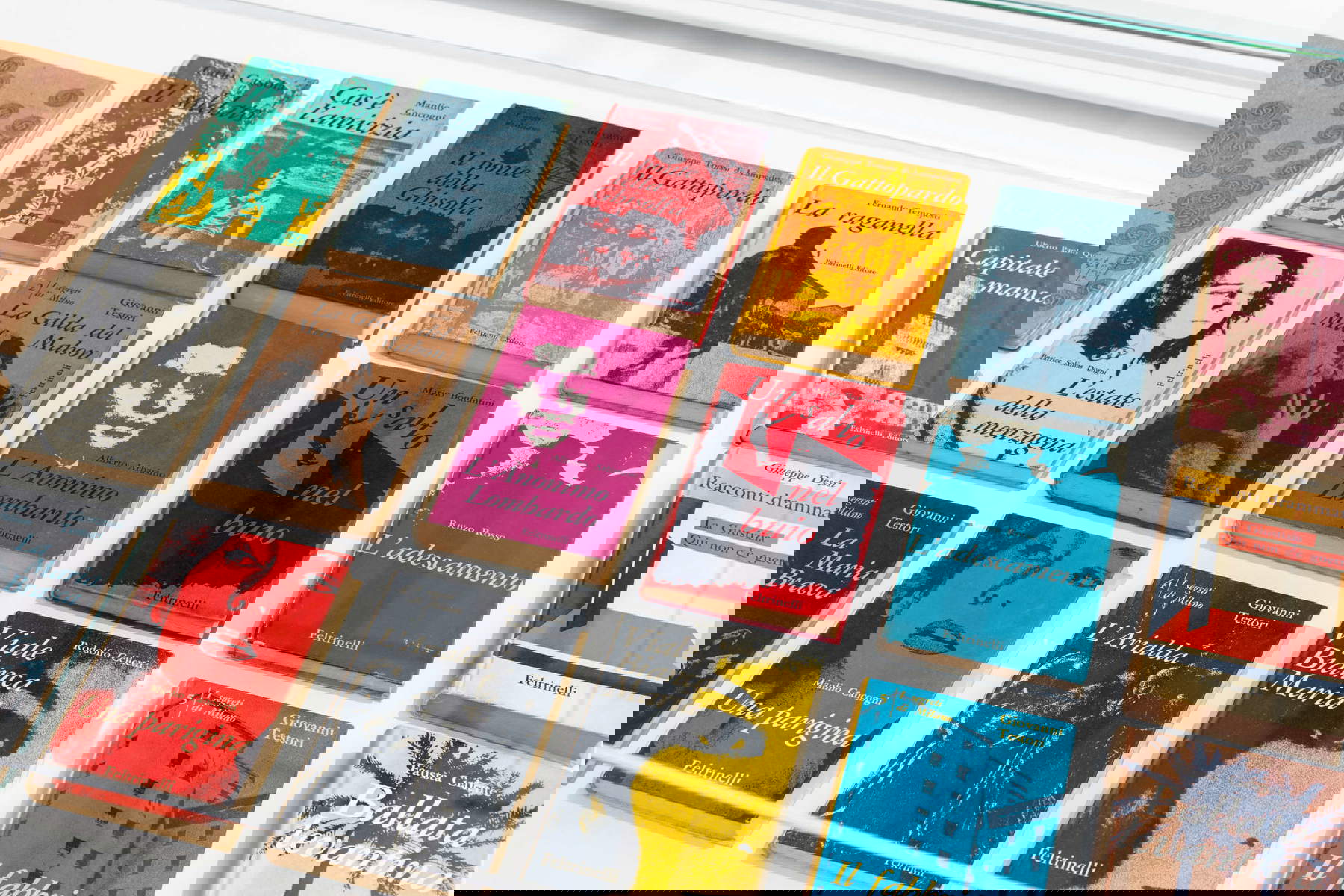
The selection also includes manuscript versions, variants and typescripts of the play Edipus, along with notebooks dated 1981 containing notes and preparatory drafts of the novel In Exitu, one of the most intense and dramatic works of Testori’s production. The itinerary closes with documentation dedicated to the role of the Testori Archive as a research center at Casa Testori, with materials illustrating the digitization and enhancement activities of the archival fund.
The initiative is part of the broader path launched by Triennale Milano for the valorization of funds and archives of public and private entities related to design, architecture and planning. In the last few months, the Cuore space has hosted important archives such as those of Gae Aulenti and Roberto Sambonet, the Arnoldo and Alberto Mondadori Foundation and the Luisa Castiglioni Archives, confirming itself as a place of reference for reflection on the cultural and design value of archives.
The goal is to activate collaborations, foster moments of cultural dissemination and make visible the complexity of issues related to the preservation, research and transmission of documentary heritage. Cuore is thus proposed as a meeting space between visitors, scholars, researchers and a network of institutions that includes universities, superintendencies, public and private foundations and companies.
Access to the space is free during Triennale Milano’s opening hours, Tuesday through Sunday, 10:30 a.m. to 8 p.m. Inside Cuore, archivists, librarians and mediation staff are available to the public to provide information and assistance in consulting the materials. The project is supported by institutional partners Deloitte and Fondazione Deloitte, Lavazza Group and Salone del Mobile.Milano, which also support Triennale Milano in this initiative dedicated to the enhancement of cultural memory and research.
|
| Milan, Triennale exhibits a selection from the Testori Archive |

Warning: the translation into English of the original Italian article was created using automatic tools. We undertake to review all articles, but we do not guarantee the total absence of inaccuracies in the translation due to the program. You can find the original by clicking on the ITA button. If you find any mistake,please contact us.





















 IT
IT FR
FR DE
DE ES
ES CN
CN


