





BPER Banca’s cultural heritage is being reimagined as a relational and widespread system through the BPER Cultural Hubs, a project that reconfigures historic sites, art collections, and archives into a network that integrates exhibition spaces, research activities, and educational programs. The initiative is based on the idea that heritage preservation involves building a structured relationship with local areas, communities, and forms of collective memory.
The project, coordinated by La Galleria BPER, is structured as a unified system connecting Modena, Ferrara, and L’Aquila through historic buildings repurposed for cultural use and a network of venues spread across the country. The stated goal is to move beyond the logic of autonomous collections and institutions to build an integrated cultural infrastructure capable of connecting works of art, architecture, and regional identities.
This initiative is part of a journey that began in 2017 with the founding of La Galleria BPER and the opening of the art gallery in Modena, its first venue open to the public. Since then, the system has carried out ongoing activities including restorations, exhibitions, scholarly publications, study journals, educational projects, institutional collaborations, and research initiatives, gradually expanding its presence to various Italian cities.
Today, the BPER Cultural Centers preserve a diverse collection comprising over 10,000 works, of which more than 2,500 are considered to be of particular value. These activities have attracted over 50,000 visitors, with 27 exhibitions held since 2017, 25 catalogs published, a historical archive comprising more than 7,000 archival items, and six archival journals. The collection comprises paintings, sculptures, drawings, prints, furnishings, and documentary materials spanning a chronological range from the 15th century to the present day.
The project’s structure is further organized into a network of regional hubs that includes Milan, Sondrio, Brescia, Modena, Ferrara, Genoa, L’Aquila, Avellino, and Sassari, outlining a widespread cultural geography that reflects the history of the institutions that have come together to form the Group. Within this framework, culture is interpreted as social infrastructure, capable of generating processes of growth, participation, and civic responsibility.
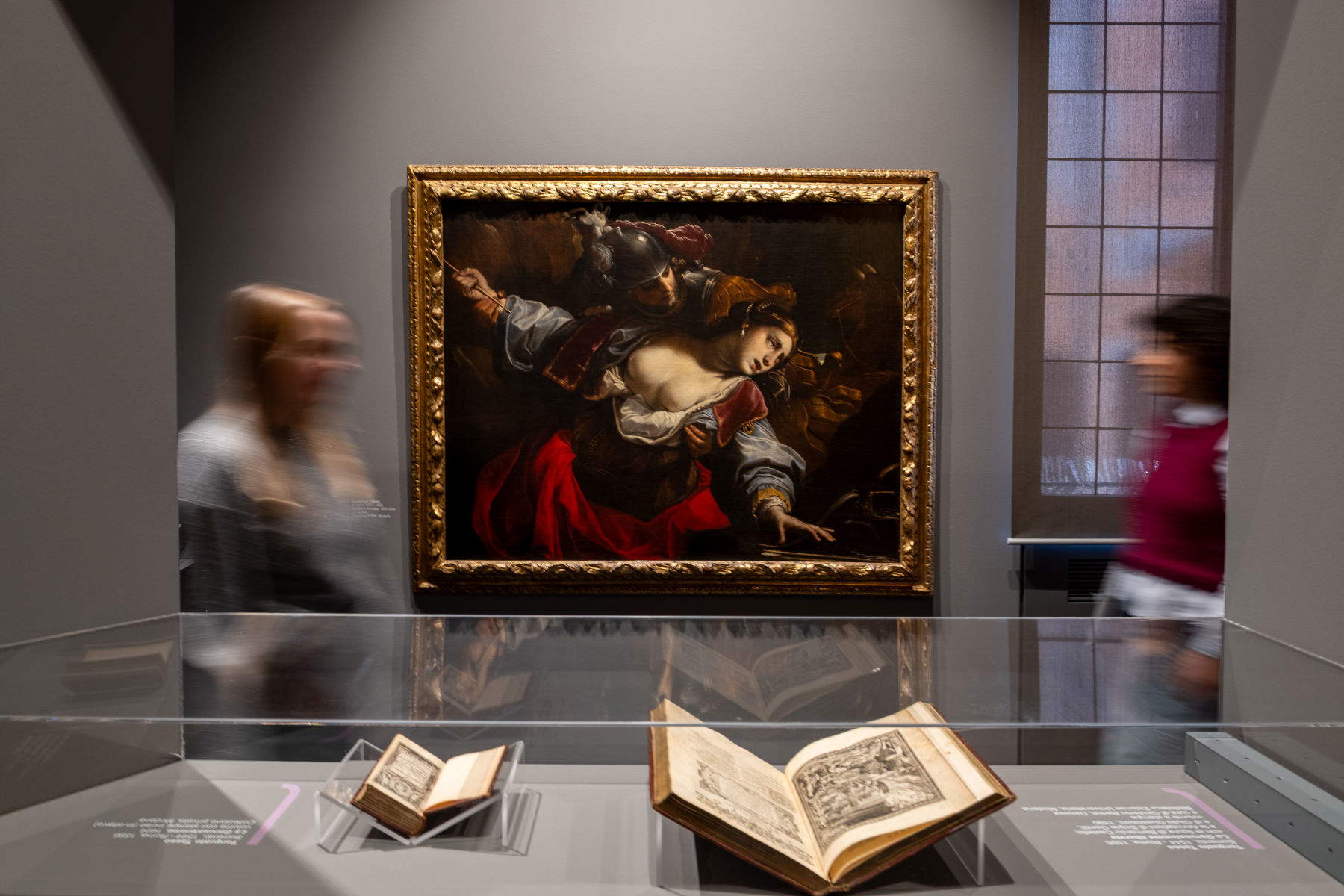
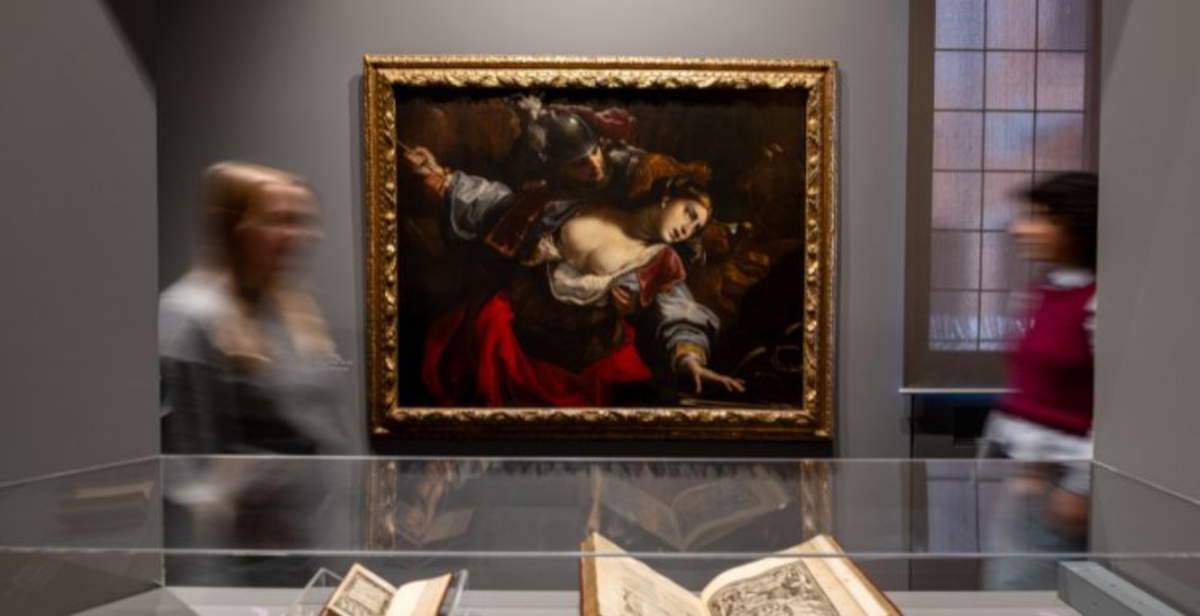
Among the most recent exhibitions in Modena is “Virtue and Grace: Figures of Women in Baroque Painting, ” scheduled from April 3 to June 28, 2026, and curated by Lucia Peruzzi. The exhibition explores the representation of the female figure in 17th-century painting through works from the BPER Group’s collection as well as institutional and private loans.
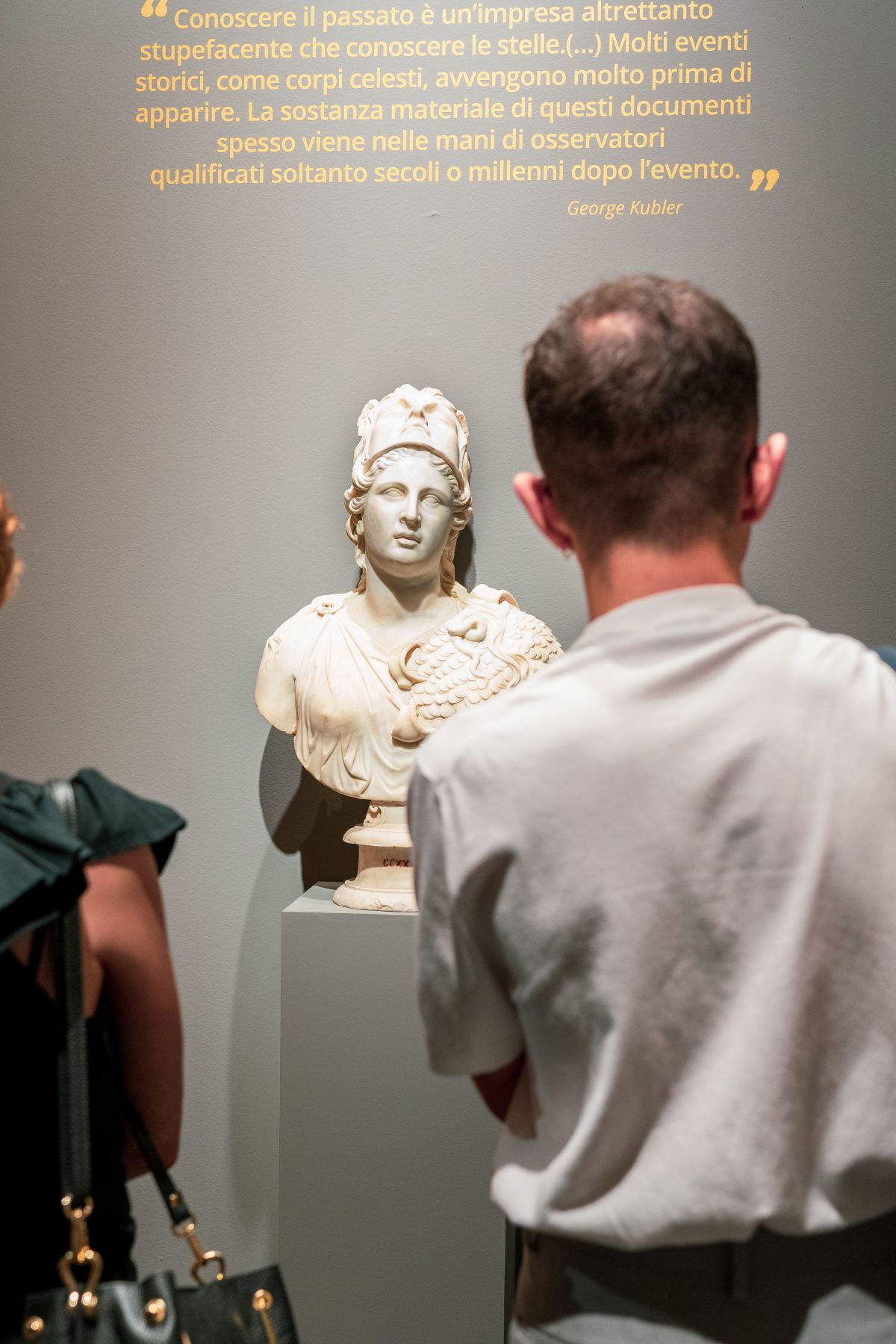
The overarching vision of the Cultural Hubs is based on a set of stated principles. The collections are conceived as a shared heritage rather than a closed collection of works. The relationships between works, buildings, and archives are interpreted as tools for understanding local identities and civic memories. The restoration of historic sites translates into processes of cultural regeneration, transforming buildings into accessible public spaces. The project also incorporates practices of inclusion, accessibility, and education, with a particular focus on younger audiences. Finally, the cultural dimension is integrated into the Group’s ESG strategies, establishing an explicit connection between cultural production and social responsibility.
Geographically and curatorially, Modena serves as the system’s coordination hub. Palazzo San Carlo houses the scientific directorate and the art gallery, as well as the core of the Emilia-Romagna collection. The works span a period from the 15th to the 18th centuries and include artists such as Lendinara, Correggio, the Carracci, Guercino, Guido Reni, and Elisabetta Sirani, as well as examples of modern and contemporary art. Modena is identified as the hub for the development and coordination of the entire project.
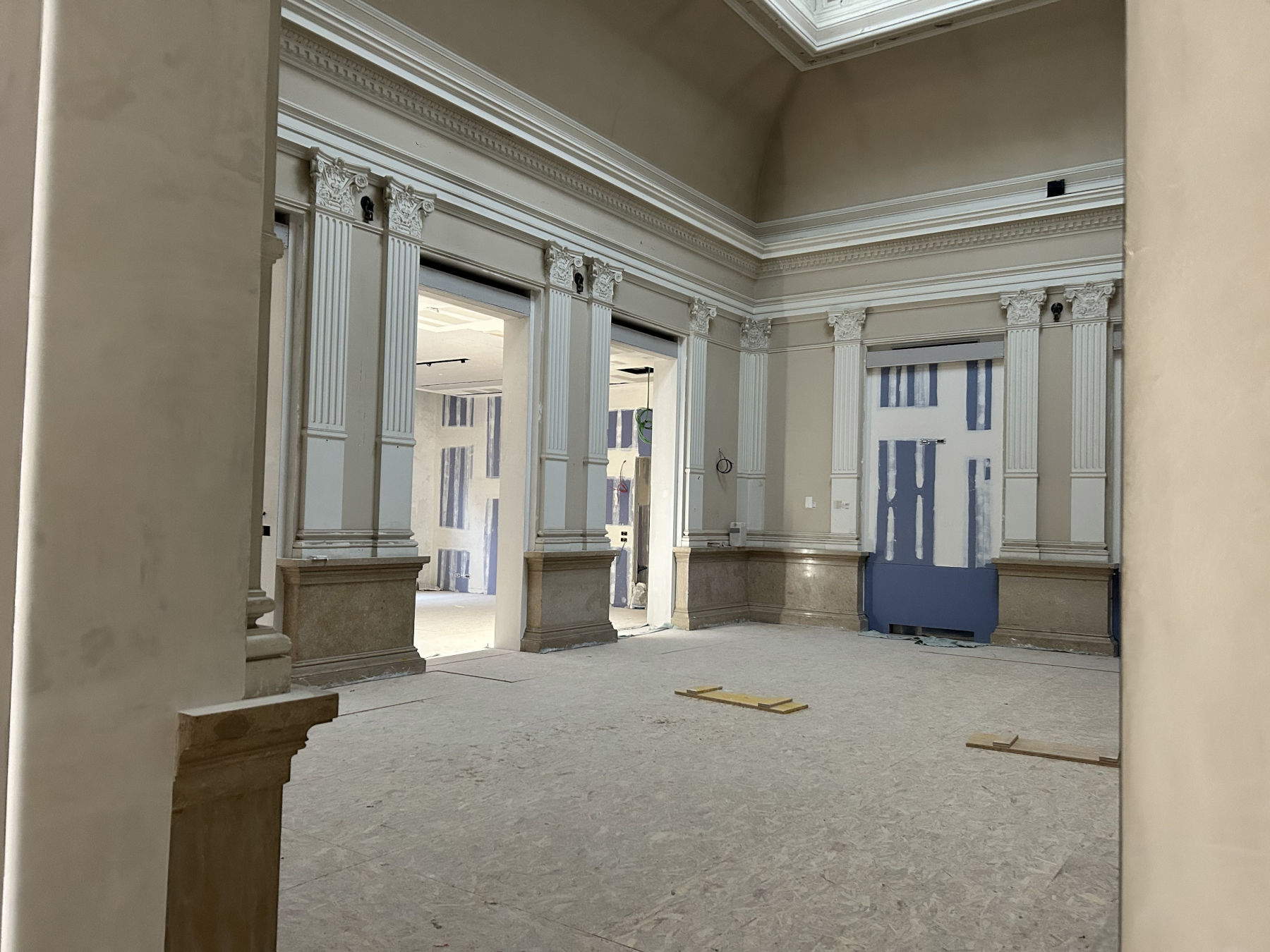
Ferrara, on the other hand, serves as the hub dedicated to Ferrarese and Emilian painting from the 15th to the 20th centuries. Palazzo Barbantini-Koch, formerly the historic headquarters of the city’s savings bank, has been designated as a permanent exhibition space and a venue for scholarly programming. The exhibition features works by Tiziano Vecellio, Guercino, Ortolano, Giuseppe Zola, Filippo De Pisis, Giuseppe Mentessi, Gaetano Previati, and Jules Van Biesbroeck. These are complemented by a program of temporary exhibitions. The first exhibition, scheduled for early October 2026, will be dedicated to the theme of flowers in Italian art from the 19th century to the early 20th century, featuring works by Hayez, Segantini, Previati, and Casorati.
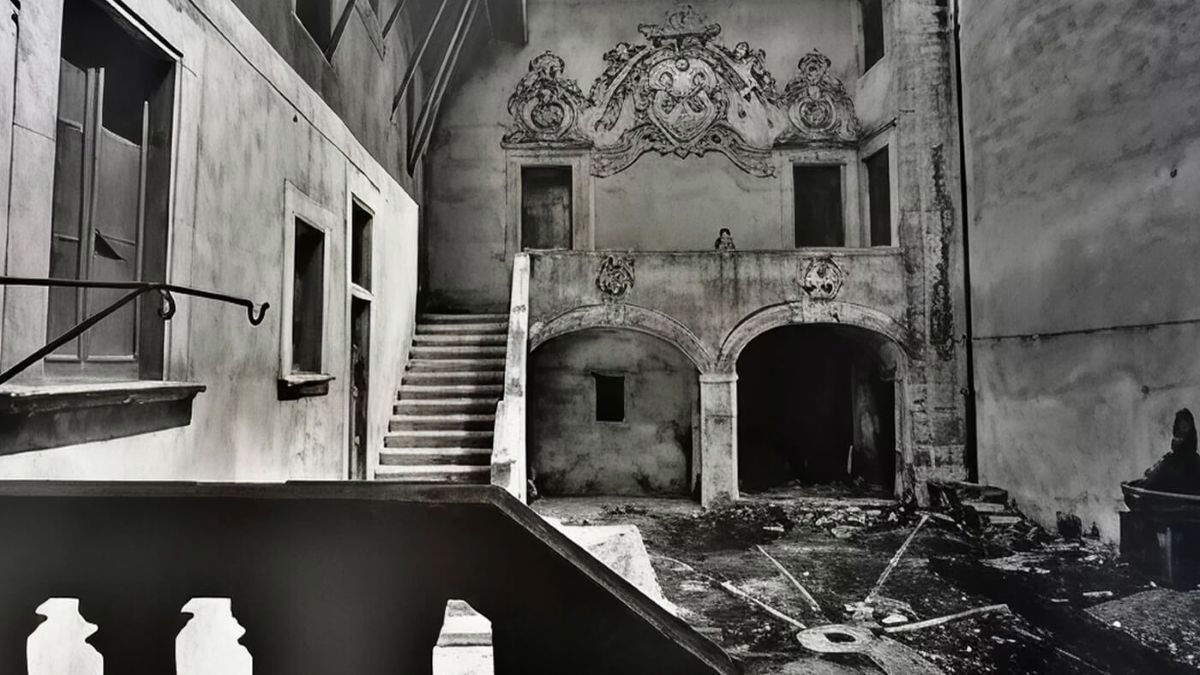
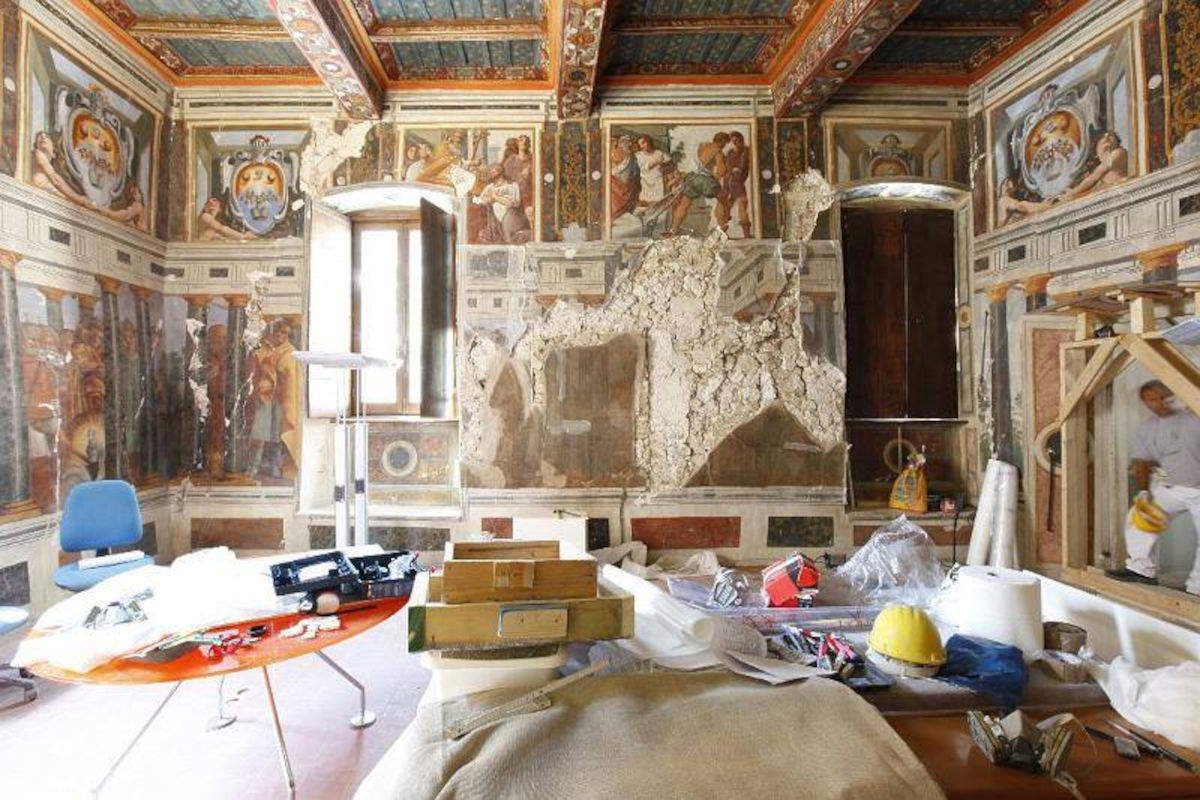
L’Aquila plays a central role in the project to repurpose these venues for cultural use. Palazzo Farinosi-Branconio, which was severely damaged by the 2009 earthquake and is currently undergoing conservation restoration, is set to reopen in the summer of 2026. The exhibition project focuses on the art of central and southern Italy from the Renaissance to the early 20th century, featuring artists such as Saturnino Gatti, Cola dell’Amatrice, the Master of the Crivelleschi Polyptychs, Luca Giordano, Mattia Preti, Salvator Rosa, Francesco Paolo Michetti, and Teofilo Patini. The project is part of the regeneration process of the city’s historic center.
Additional venues contribute to the development of the network. Genoa hosts a space dedicated to Ligurian painting and Genoese Baroque art, which is used for special events and exhibitions. Brescia, through Palazzo Martinengo di Villagana, hosts collections of Lombard art and projects developed in collaboration with local institutions. Milan, at the BPER Banca Private Cesare Ponti location, is dedicated to initiatives related to contemporary art and dialogue with living artists. Sondrio is developing a program focused on the relationship between heritage and regional identity, while Sassari is home to the headquarters of the Banco di Sardegna and a collection dedicated to the island’s artistic history.
The project also extends through a network of dispersed locations that contribute to the establishment of a comprehensive national cultural presence. The corporate collections include paintings, sculptures, drawings, prints, furnishings, and archival materials, with regional collections distributed across various Italian cities.
A central role is assigned to the digitization of the heritage. In 2022, a project was launched in collaboration with the Department of Digital Humanities at the University of Modena and Reggio Emilia, aimed at publishing archival documents on the Lodovico digital platform. The BPER Historical Archive, recognized as one of Italy’s leading banking archives of historical interest, preserves over 150 years of documentation relating to more than thirty institutions that have merged into the Group, including ledgers, correspondence, photographs, and historical collections.
In terms of governance, the system is coordinated by La Galleria BPER and draws on the expertise of professionals dedicated to heritage management and curatorial programming. Sabrina Bianchi, Head of Cultural Heritage at BPER, defines the project’s strategic direction and institutional relationships. Greta Rossi coordinates the collections’ research, conservation, and curatorial activities.
The operational model is based on a multidisciplinary network that includes art historians, curators, architects, conservators, universities, research centers, and national and international cultural institutions. Partners include design and restoration firms, exhibition production companies, and specialized cultural operators, such as Migliore+Servetto for the brand identity and communication system, Progettisti Associati for Ferrara, Studio Inverardi for L’Aquila, Fratelli Barattelli for the restoration of the frescoes, Il Sole 24 Ore Cultura for temporary exhibitions, Civita Mostre e Musei for operational management, and Moebius for publishing and book production.
 |
| BPER presents its cultural hubs: a network of historic buildings that redefines the region’s cultural heritage |

Warning: the translation into English of the original Italian article was created using automatic tools. We undertake to review all articles, but we do not guarantee the total absence of inaccuracies in the translation due to the program. You can find the original by clicking on the ITA button. If you find any mistake,please contact us.


























 IT
IT FR
FR DE
DE ES
ES CN
CN


