








The Greek Shipwreck Museum was inaugurated today in Gela, in the state-owned area of Bosco Littorio, a new facility designed to house and tell the story of one of the most important finds inSicilian underwater archaeology: a Greek-era cargo ship discovered in 1998 on the seabed in front of the coast of contrada Bulala, about eight hundred meters from the shore.
“The goal reached today,” says Councillor Francesco Paolo Scarpinato, “is a momentous achievement, the result of great commitment, genuine teamwork and the impetus of the regional government. This museum exalts the millennial history of our Mediterranean sea and Sicilian identity. It covers 4 thousand square meters and includes archaeological warehouses, multimedia rooms, classrooms and lecture areas. We have donated a wide-ranging project to Gela. An important starting point for the enhancement and cultural renaissance of the city, which can become a key reference point for archaeological tourism in the island.”
The project was financed entirely by the Regional Department of Cultural Heritage and Sicilian Identity to the tune of more than 5 million euros from Por Sicilia 2000-2006 funds. These resources were supplemented last year by an extraordinary grant of 480,000 euros allocated by the Sicilian Regional Assembly to restore the facilities, which had been damaged by repeated thefts of electrical cables and other materials, as well as by further damage and vandalism that had occurred during the five years that the museum had been in place.
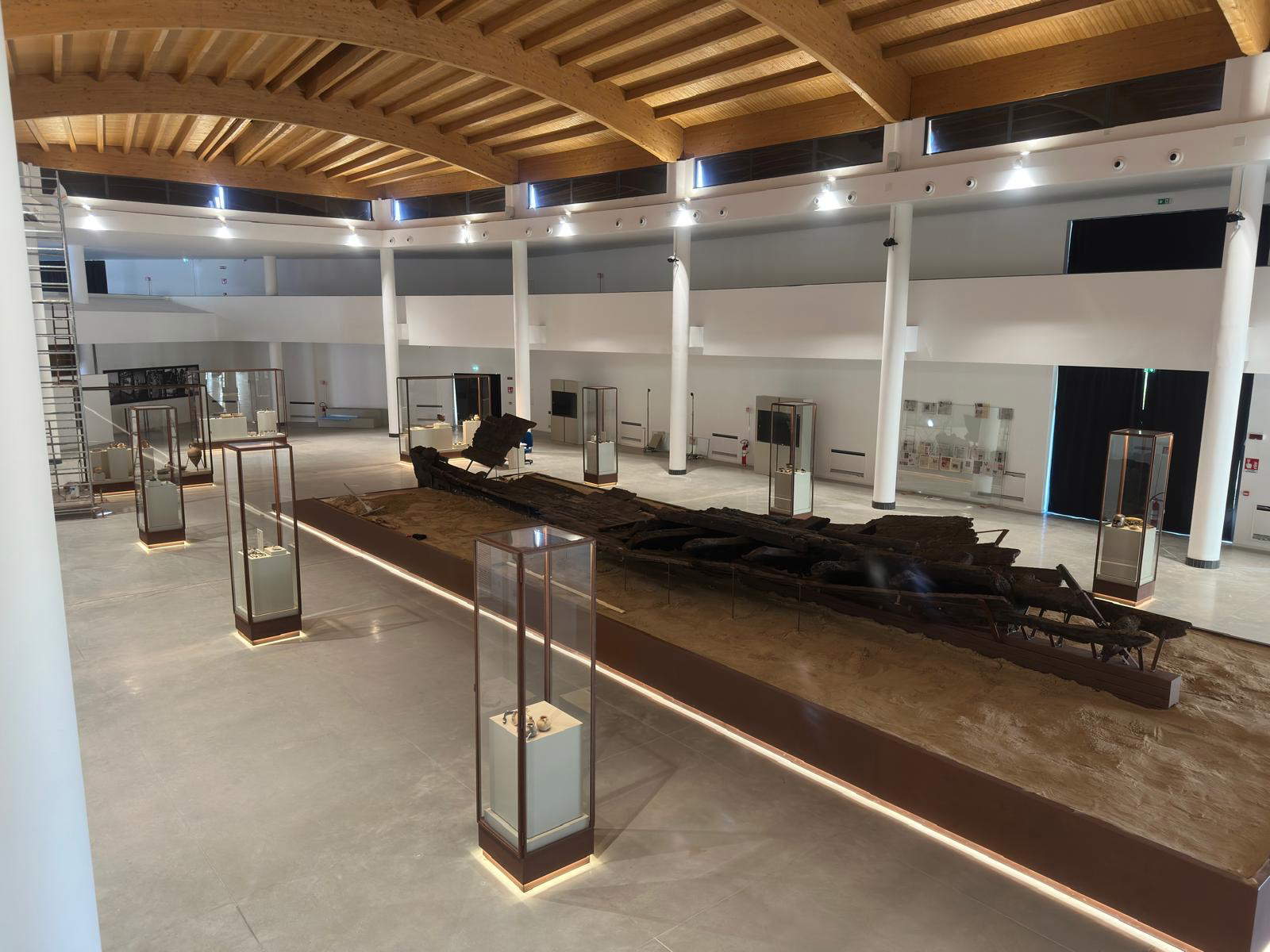
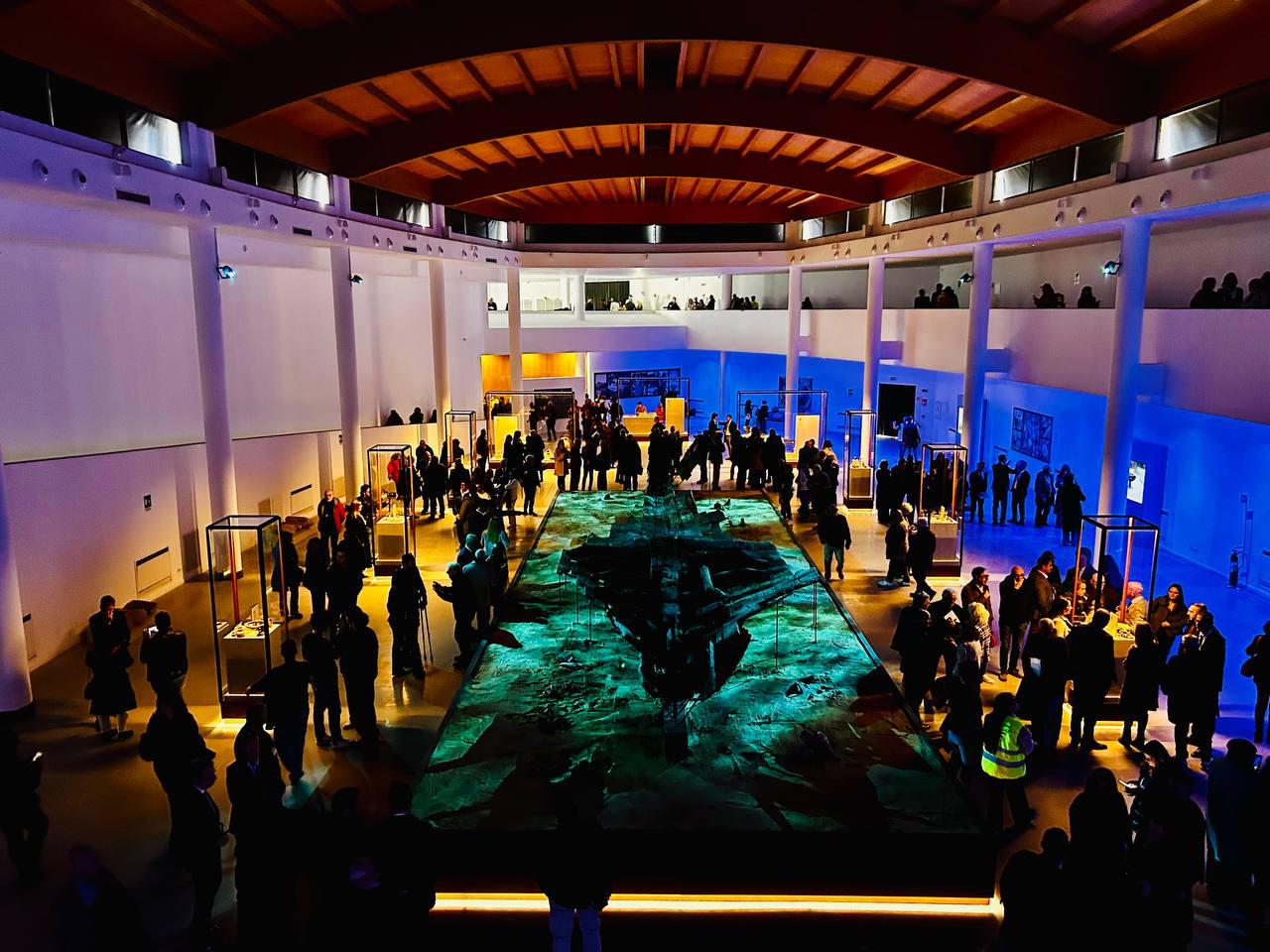
Architectural design and construction management were entrusted to architect Ettore Di Mauro. Architect Emanuele Turco, current director of the Archaeological Park of Gela, was in charge of the single procedure. The layout was supervised by architect Filippo Ciancimino, while general coordination was overseen by Caltanissetta’s superintendent for cultural heritage, Daniela Vullo, who also directed the restoration of the wreck’s timbers. Salvage and conservation operations were conducted in Portsmouth, UK, at the laboratories of Mary Rose Archaeological Services, a facility specializing in the treatment of “wet” wood located within the British Navy base. The work involved building and plant works, preventive archaeological excavations, supply and installation of furnishings, outfitting of the wreck and installation of lighting fixtures.
“The creation of this large museum structure is a source of pride for the Superintendency of Caltanissetta, which I am honored to direct,” said Daniela Vullo, “because it represents the result of intense work carried out entirely by technicians within the administration. The Greek wreck, tragically shipwrecked 2,500 years ago off the coast of Gela, has finally reached its port and today, together with its precious cargo, is offered to visitors, restoring identity to the places and to the citizens, heirs of a millenary culture.”
The museum’s exhibition revolves around the remains of the oneraria vessel, which was probably shipwrecked in a storm. At the time of discovery, the wreck lay at a depth of just over five meters and was almost entirely covered by the lithic ballast used to rebalance the weight of the ship during the unloading of goods at the various ports of call. After the discovery, underwater survey and excavation campaigns were initiated, leading to a comprehensive archaeological study. The research made it possible to identify the wooden typology of the vessel, analyze its cargo, and carry out a complete survey of the wreck, a necessary step to define the recovery methods, restoration techniques, and musealization project.
The salvage, overseen by the Caltanissetta Cultural and Environmental Heritage Superintendency, took place in several stages. Between 2003 and 2004, about half of the vessel’s timbers, including the long paramezzale, were brought to the surface. Between 2007 and 2008, all remaining parts of the wreck were taken. At the end of each phase, the timbers were transferred to Portsmouth to undergo desalinization and a consolidating treatment by impregnation with Peg, a hygroscopic polymer of different molecular weights that, as it gradually penetrates the wooden structure, replaces water molecules and allows the material to be stabilized.
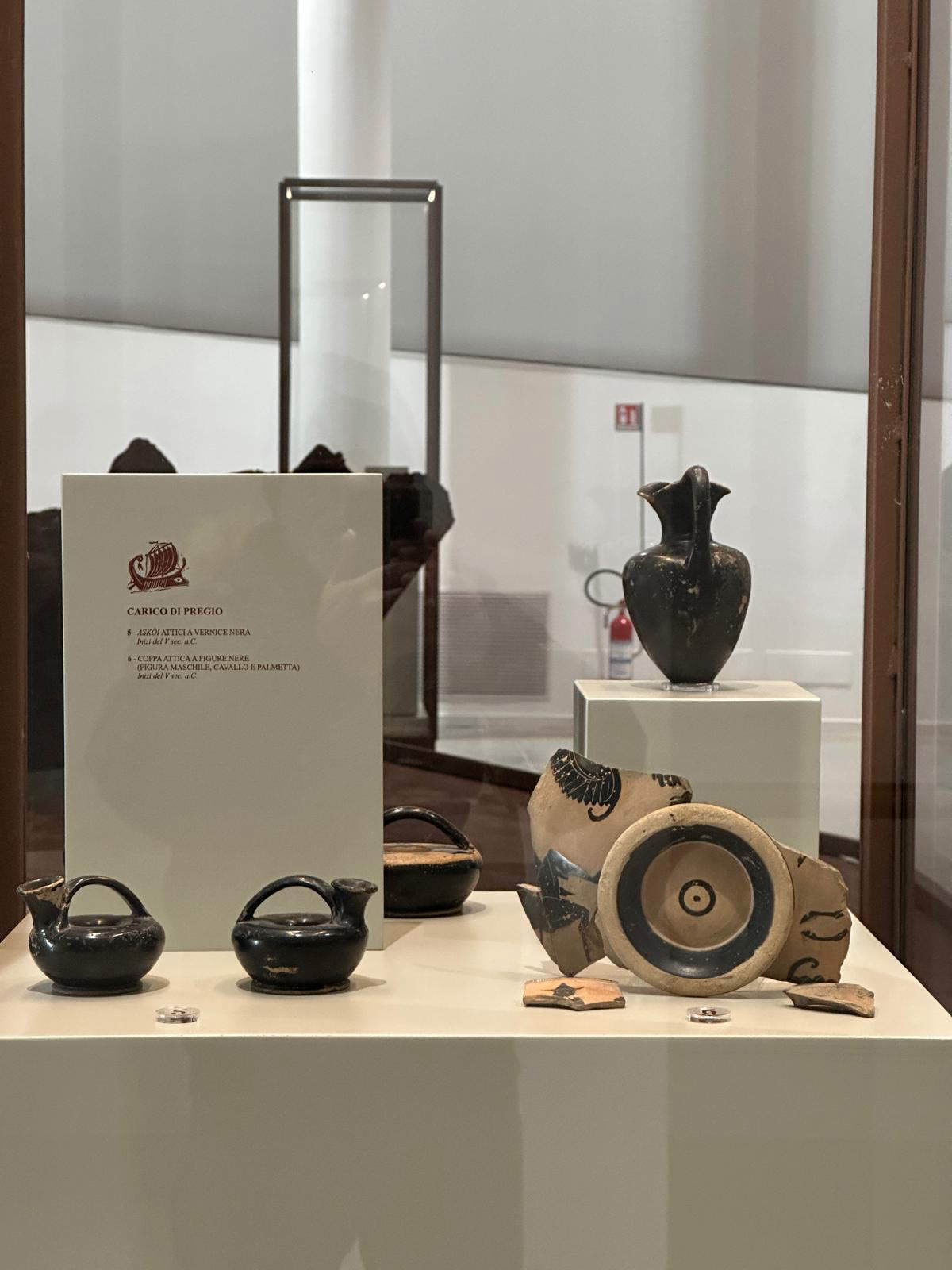
Parallel to the restoration operations, the Superintendence of Nissena drew up the design of the structure intended to house the boat. In fact, the site identified is located in the Bosco Littorio area, not far from the Emporio Greco, the probable destination of the cargo for marketing. In addition, the wooden roof of the building recalls the shape of an inverted hull, a solution designed to evoke the structure of an exposed ship. Surrounding the wreck are exhibits of the cargo, consisting mainly of wine and oil amphorae, as well as valuable Attic pottery, figured vases, oil lamps, cups, bowls and everyday objects related to shipboard life. These include a clay zufolo and a small devotional outfit with two terracotta are and a clay figurine depicting a female deity. A chamber and a space equipped with virtual reality viewers, through which visitors can retrace some stages of the vessel’s voyage, complete the exhibit.
The museum is open to the public daily from 9 a.m. to 1:30 p.m. and 3 p.m. to 6 p.m., with weekly closing on Mondays.
Tickets cost 6 euros; for the first week admission is free.
 |
| Gela, Greek shipwreck museum opens: 1998 wreck on display |

Warning: the translation into English of the original Italian article was created using automatic tools. We undertake to review all articles, but we do not guarantee the total absence of inaccuracies in the translation due to the program. You can find the original by clicking on the ITA button. If you find any mistake,please contact us.





















 IT
IT FR
FR DE
DE ES
ES CN
CN