







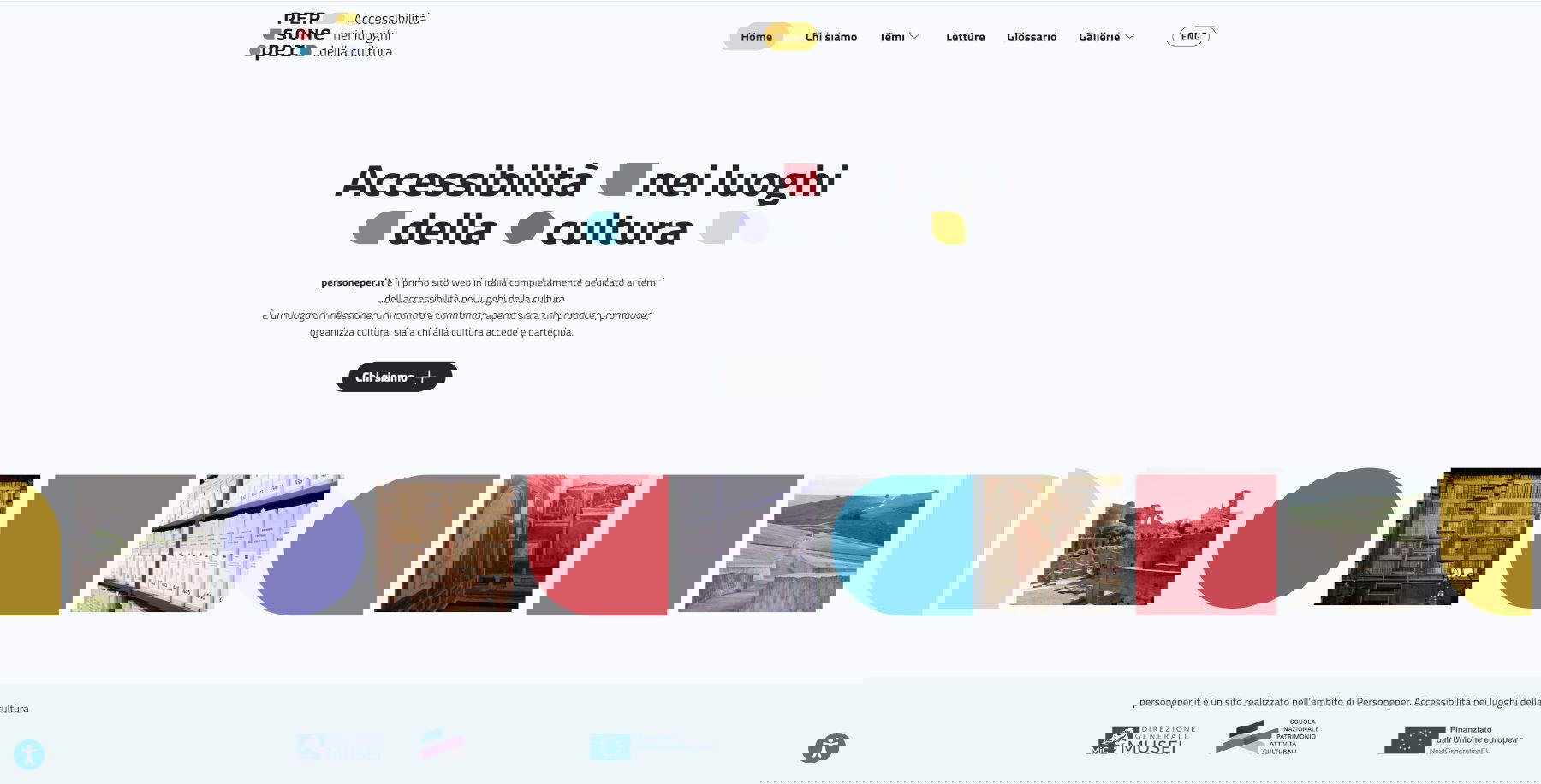
It is called personeper.it: it is the new Italian website entirely focused on accessibility issues and experiences within cultural venues. This digital space was conceived with the fundamental purpose of informing, contributing to education and soliciting reflection involving the community on crucial concepts qualilinclusion, equity, diversity and, of course, accessibility itself.
The genesis of personeper.it is set in the broader context of national efforts to overcome limitations in access to cultural heritage. Removing the physical, sensory and cognitive barriers that still hinder the full enjoyment of knowledge is, in fact, a crucial priority envisaged in the National Recovery and Resilience Plan (NRP) Culture 4.0. The reference project, under which the website (here the address personeper.it) was created, is called Personeper. Accessibility in Cultural Places, and is characterized by an extensive training plan aimed at providing specific knowledge, operational skills and practical tools to all those who work professionally within cultural institutions.
The personper initiative is funded by the European Union through the NextGenerationEU program. The latter is part of the PNRR Culture 4.0, specifically in Measure 1, called “Cultural Heritage for the Next Generation.” Investment 1.2 is explicitly dedicated to “Removing physical and cognitive barriers in museums, libraries and archives to enable wider access to and participation in culture.” Removing barriers that limit accessibility and participation in cultural heritage is the key objective of this specific investment line, which includes Action Line 7, focused on “Training of cultural workers.”
The website, therefore, does not merely promote the training initiative or disseminate its products and outcomes, but operates as a constantly evolving platform designed to continuously promote a culture based on the principles of accessibility, inclusion, equity and diversity. This approach is reflected in the solicitation of collective reflection on issues, policies and strategies. The initiative is promoted and implemented by the General Directorate of Museums of the Ministry of Culture, which acts as the implementing party, while the curatorship is entrusted to the National School of Heritage and Cultural Activities.
personeper.it is structured as a dynamic place for in-depth study and discussion, intended both for those who produce, promote and manage culture and for the public who wish to access and actively participate in it.
The site offers a wide range of content: detailed information, in-depth theoretical analysis, testimonies of virtuous practices from places of culture both in Italy and internationally, normative and operational tools, glossaries and bibliographies. All these materials are made available not only to cultural workers and scholars, but also to the general public.
Prominent sections include the “Readings” blog (an area that brings together reflections, narratives, testimonies and news, written by experts, scholars and educators: the aim is to offer a perspective on accessibility interpreted in a universal key; the entries present range from descriptions of concrete practices to personal narratives) and the Glossary (a particularly innovative section that combines rigorous definitions with multimedia elements-images, videos, and sounds-to comprehensively illustrate concepts and key words related to accessibility: the glossary provides a concise narrative of the complexity of the contemporary world, touching on topics ranging from legislation to languages, from physical spaces to human relationships and co-design processes, and the entries defined here draw from both the authority of scientific and social disciplines and the impact of real facts, insights or inspirations).
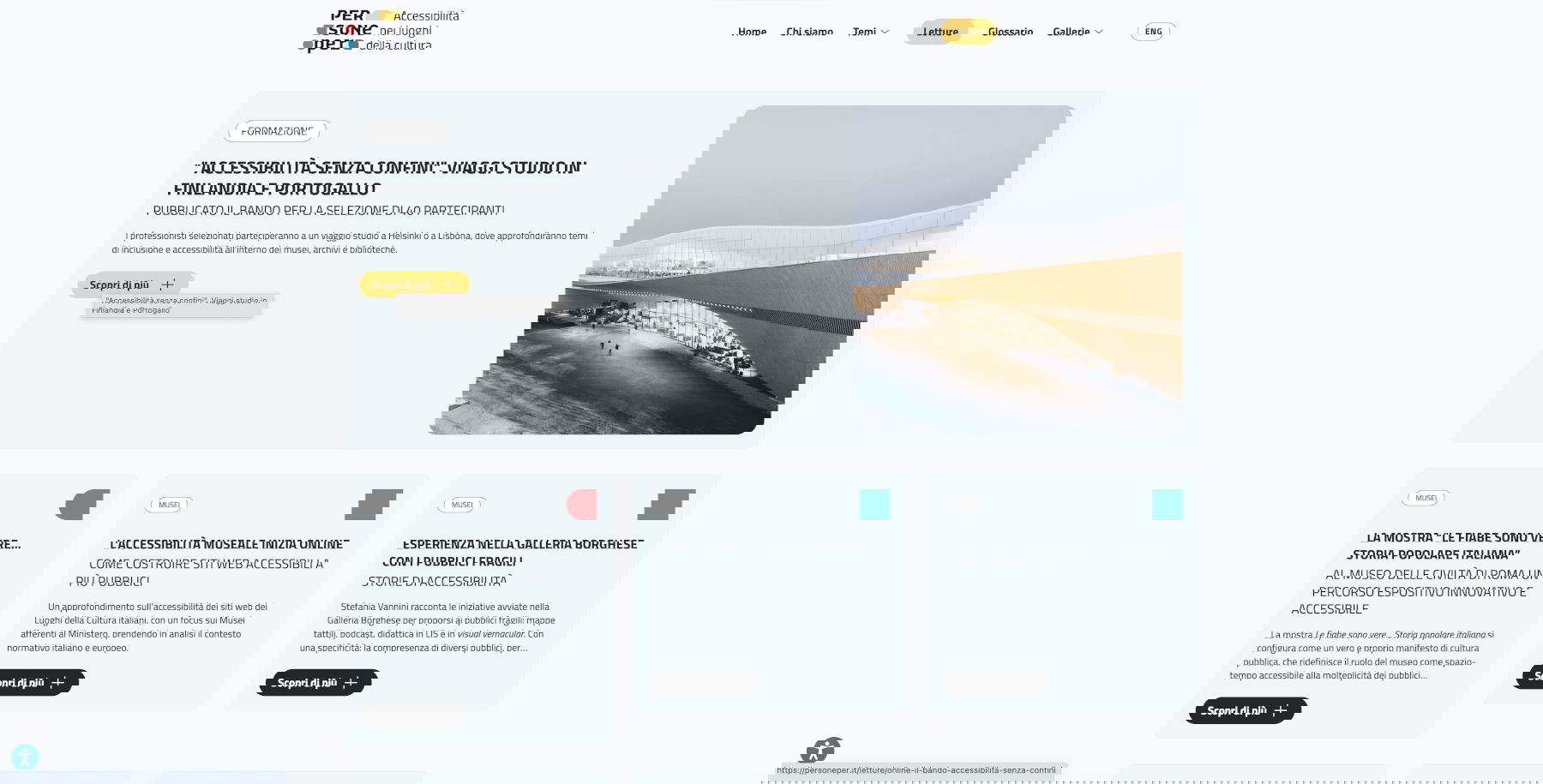
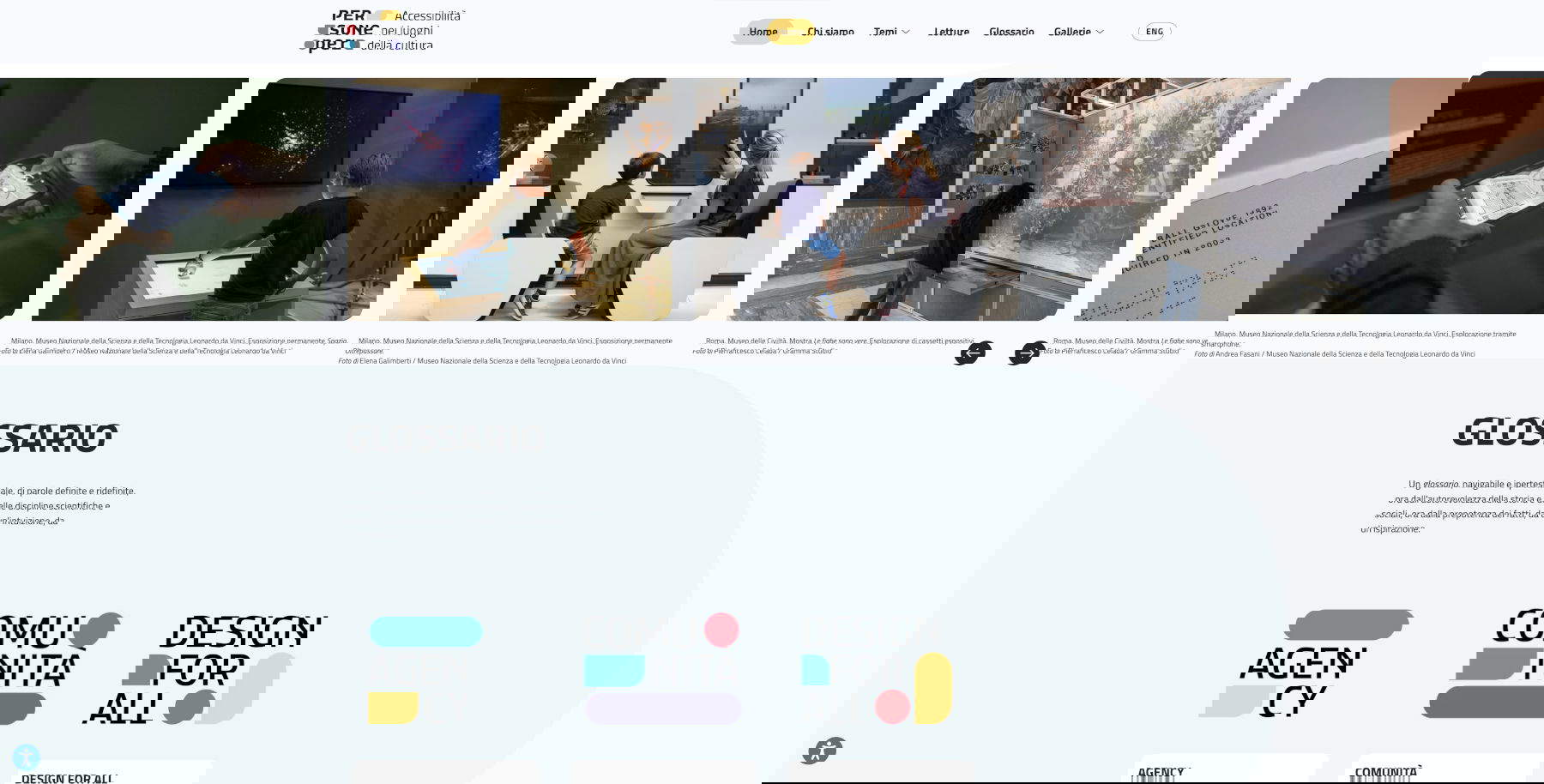
Also present is aDownload area that makes available for free reference a wealth of documentation, including standards, regulations, recommendations, guidelines and specific publications, including volumes and notebooks. The user will then find a photo gallery with a visual look at the many ways people relate to places. In a photographic journey, Pierfrancesco Celada’s shots will visually interpret the different declinations of accessibility. There will also be a podcast, an audio journey dedicated to the intersection of accessibility and cultural heritage. Don’t Touch!, edited by Giovanna Brambilla, stems from the fundamental idea that cultural heritage must be inherently accessible, otherwise it does not fully realize its purpose. The podcast, in 6 episodes, accompanies listeners in the discovery of the various forms of relationships between cultural institutions, individuals and society: in the title, it ironically takes one of the most well-known museum prohibitions-“Don’t touch!”-and turns it upside down: an invitation to touch, move, change place ideas about cultural places.
Completing the series is a special episode dedicated to the exhibition Le fiabe sono vere... Storia popolare italiana, hosted at the Museum of Civilizations in Rome from July 24, 2025 to May 24, 2026: through the voices of those who conceived and realized this experience, the story traces the motivations behind the exhibition, the conditions that made it possible and the challenges faced along the way, outlining its cultural and professional legacy.
Personeper.it is conceived as a true “journey” through cultural places, marking the moments of interaction between people and heritage. This journey follows three basic directions, called “lenses” of analysis: reception, experience, and participation.
The pathway begins well before the actual visit, with the intention and preparation of the route or journey to the place of cultural interest. It begins withWelcoming: this section explores all aspects that precede and prepare for the visit. It investigates the construction of the pre-visit, which is done primarily through online communication tools, such as websites and social channels. The section also covers the material management of services. Special emphasis is given to professionals working in cultural venues, emphasizing the importance of their specific training as a key element of hospitality.
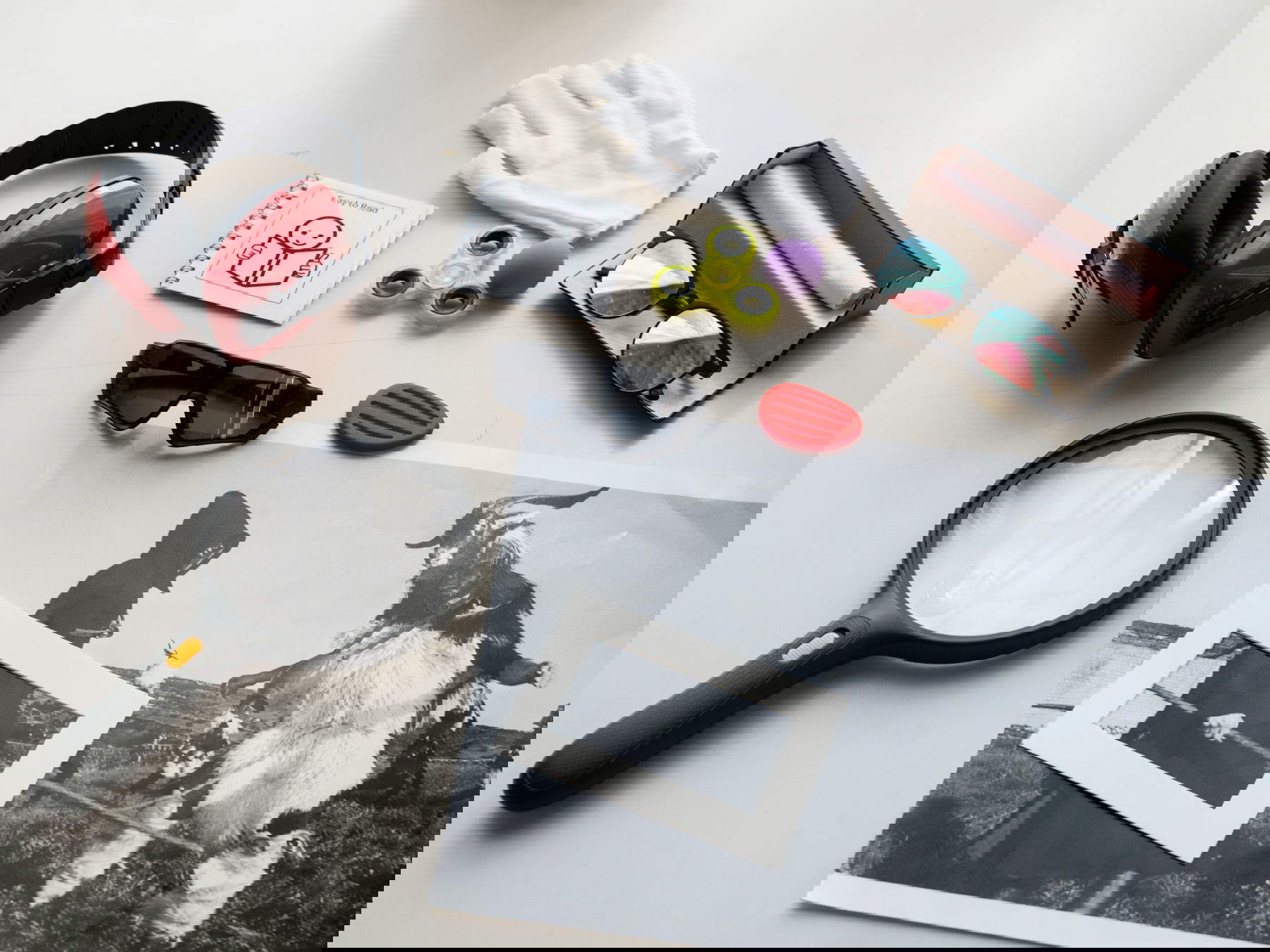
Then we move on toExperience: this is when the direct relationship between the user or visitor and the place of culture takes shape. The investigation focuses on the initial emotional impact and the cultural mediation strategies adopted. The approach goes beyond just cognitive fruition, focusing on a multisensory and relational fruition of heritage. Practices implemented in Italy and abroad to enrich the cultural experience are illustrated.
Finally, Participation: the relationship, here, shifts to a collective plane. This segment explores collaborative models and co-design processes that actively involve cultural institutions and communities. It examines the dynamics in which citizens and communities imagine and experiment with new forms of enjoyment and interaction within cultural places.
The site offers a narrative that enhances a polyphony of voices. The protagonists of this inclusive narrative are different types of cultural institutions: archives, libraries, museums, and archaeological parks. These places dialogue dynamically with the needs of the multiple audiences that make up contemporary society.
The perspective adopted is twofold: on the one hand, the point of view of the visitor or user, whether regular or occasional, is valued, and on the other, that of the professional who in various capacities works to make culture fully accessible. This narrative is inherently open to different perspectives, which are not necessarily homogeneous or convergent.
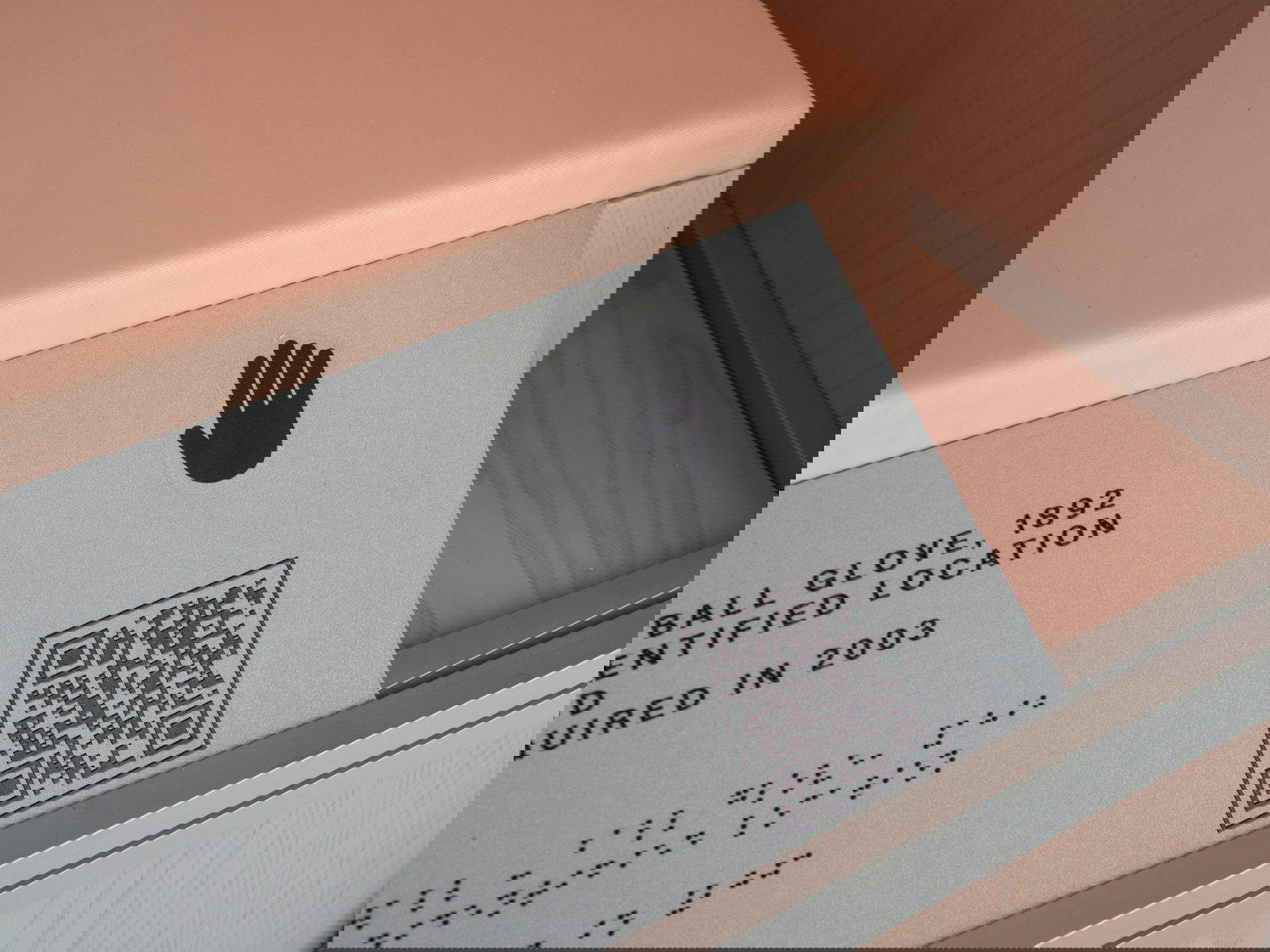
The underlying goal of personeper.it is not simply to be able to meet every single need that exists. Rather, it aims to promote a new awareness that drives action from a universal perspective. This requires adopting a systemic and synergistic approach in the search for innovative solutions capable of responding to the multiplicity of contemporary needs: whether physical, cognitive, economic, social or cultural.
Finally, it is noteworthy to mention the efforts made to ensure the accessibility of the site itself. personeper.it was developed to be natively accessible. It is also equipped with a built-in accessibility tool that provides user interface (UI) customization options that can be adapted according to the specific needs of those browsing. The editorial staff, with a view to continuous improvement, welcomes suggestions and reports from users.
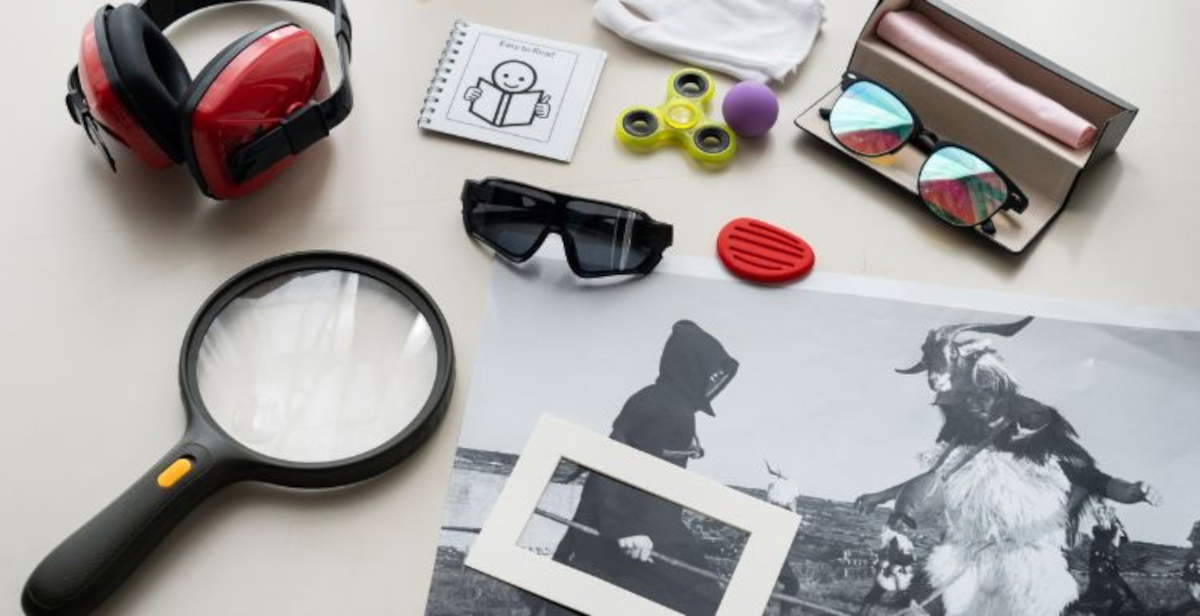 |
| Personeper.it, the new portal for accessibility in cultural places |

Warning: the translation into English of the original Italian article was created using automatic tools. We undertake to review all articles, but we do not guarantee the total absence of inaccuracies in the translation due to the program. You can find the original by clicking on the ITA button. If you find any mistake,please contact us.














 IT
IT FR
FR DE
DE ES
ES CN
CN