





The National Association of Art Historians—AStArte— has once again spoken out on the situation of Sicilian cultural heritage, calling on the Region to strengthen the ranks of specialized professionals within its workforce and to address the security crisis in museums with appropriate measures. The association first expresses its appreciation for the prompt response received from the Department of Public Administration regarding the request—made jointly with SISCA —the Italian Association of Art History and Art Criticism (ETS), Legambiente Nazionale, and Legambiente Sicilia—to reinstate the position of Technical Art History Officer in the Sicilian Region’s new Professional Matrix. AStArte views as positive the recognition of the contribution made by the associations and the importance of the dialogue initiated as part of the revision of the regional Professional System. The association now hopes that the Department of Cultural Heritage and Sicilian Identity—which is responsible for assessing the organizational and functional needs related to its institutional duties—will also take concrete steps to address this request.
“The role of the Art Historian is not a new professional profile, but a highly specialized position essential to the protection of historical and artistic heritage, one that is already structurally provided for under state and regional law,” emphasizes Silvia Mazza, president of AStArte. According to Mazza, its exclusion from the new Professional Matrix would result in “an incomprehensible discrepancy with the national framework” and would penalize a profession that is essential for the protection of Sicily’s heritage.
The association’s request, however, does not concern art historians alone. AStArte emphasizes the need for the revision of the regional Professional Matrix to recognize all the specialized professions provided for in Article 9-bis of the Code of Cultural Heritage and Landscape. The request therefore also includes archivists, librarians, demo-ethno-anthropologists, physical anthropologists, conservators and assistant conservators of cultural heritage, diagnostic experts, and professionals in the sciences and technologies applied to cultural heritage, as well as professionals registered with professional associations—such as architects and engineers—who have historically been part of departmental organizational charts.
According to AStArte, a revision that fails to recognize these roles would create “an unjustified asymmetry between the Sicilian Region and the State,” precisely in a sector where specialized expertise and institutional responsibilities should go hand in hand. As a point of comparison, the association cites the current professional framework of the Ministry of Culture, where Art History Officials are classified within the Officials’ Category and can, through competitive and selective procedures, advance in pay and career up to positions of greater responsibility.
AStArte also points to the previous staffing needs plan contained in the PIAO, which had excluded art historians and other professionals covered by Article 9-bis—with the sole exception of archaeologists—thereby preventing their inclusion in last December’s competitive selection procedures. “Beyond the distinction between the various administrative procedures, this is a precedent that must not be repeated,” states Mazza. “Staffing projections must be based on the skills actually necessary for the protection and promotion of Sicily’s cultural heritage.” The association therefore confirms its willingness to provide institutions with its technical and professional expertise as part of the dialogue announced by the Department of Public Administration.
Added to the issue of professional expertise is that of security, made even more urgent by the recent serious incident involving the theft of Antonello da Messina’s panels, which has affected Sicily’s cultural heritage. AStArte, while acknowledging the work of investigators to determine responsibility, emphasizes that these events have highlighted the central importance of prevention, surveillance, and specialized expertise in heritage conservation. “Staff responsible for surveillance and security bear a crucial responsibility,” explains Mazza. “For this reason, they must be adequately trained and possess specific skills in the areas of monitoring, prevention, and emergency management.” The association therefore calls for the professional profile and staffing needs of custodians at regional cultural institutions to be redefined as part of the assessment of the organizational needs of the Department of Cultural Heritage and in preparation for personnel planning. According to AStArte, the current system presents critical issues both in terms of the specialized training of staff and the chronic shortage of personnel relative to the institutions’ needs.
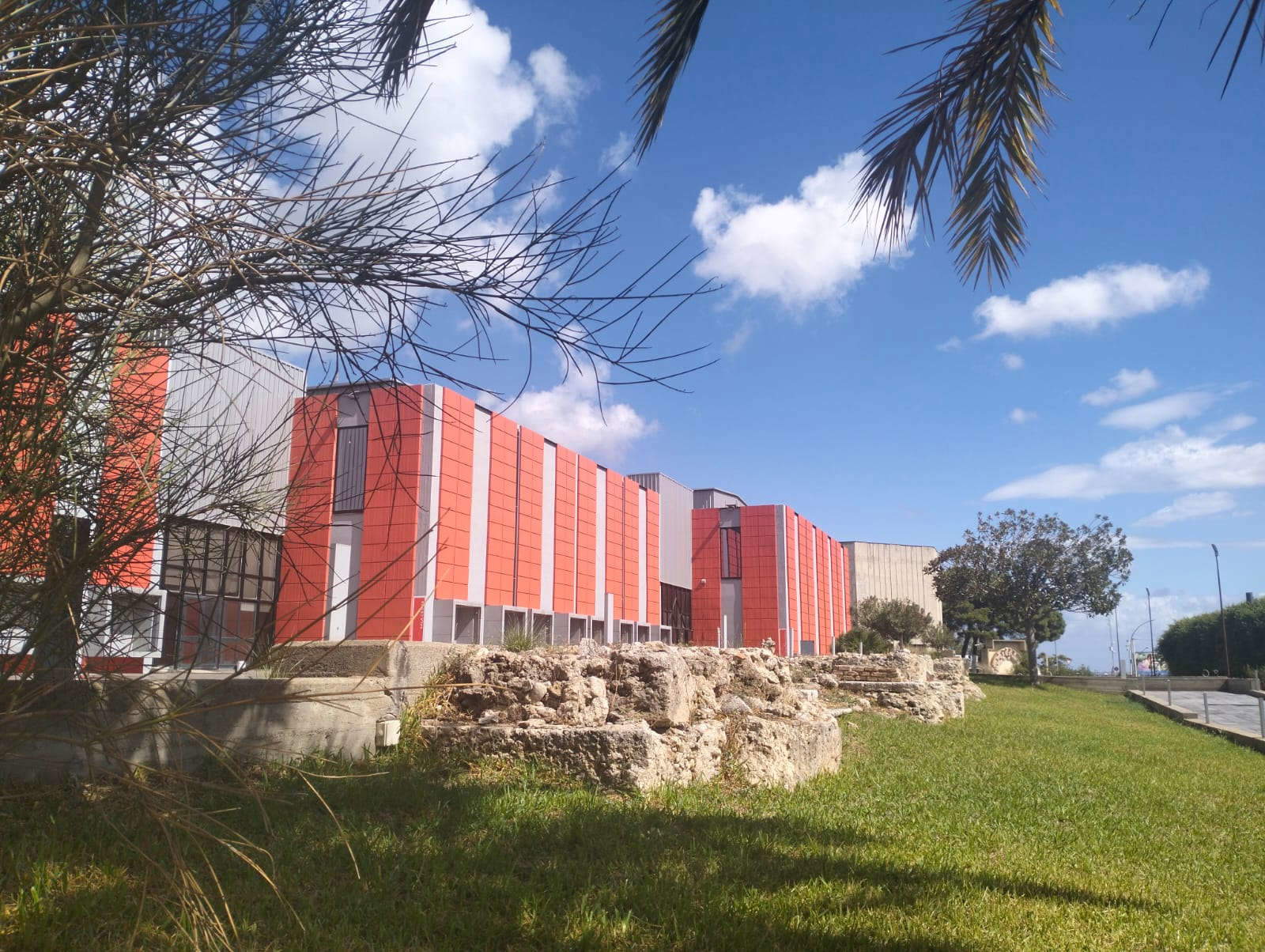
It is in this context that the proposal for armed security in the most vulnerable museums arises. “This isn’t just a Messina issue; it isn’t ‘a Southern Italian issue’ (Claudio Strinati), but it is indeed a Sicilian issue,” observes Silvia Mazza. Pending the announcement of competitive exams for qualified staff, AStArte therefore supports, as an emergency measure, the proposal by Regional Councilor for Cultural Heritage Francesco Scarpinato to introduce armed security in the most vulnerable museums.
For night shifts, the association adds, given the level of vulnerability of museums and cultural sites, it would also be advisable to consider deploying military personnel where risk conditions make it necessary. AStArte notes that, when Sicilian museums were still state-run, security guards were licensed to carry firearms. Furthermore, within the ministry, security personnel are hired through specific competitive selection procedures, while autonomous institutions may rely on external services when internal resources are insufficient.
Another point raised by the association concerns the Heritage Risk Map, the reinstatement of which had been announced by Councilor Scarpinato. AStArte welcomes the work already underway to restore this tool, which is considered strategic for establishing priorities for conservation efforts.
“The Heritage Risk Map is a strategic tool because it allows us to grade the levels of exposure of cultural heritage to various environmental and human-induced risk factors, and consequently to allocate public resources for prevention and safety,” explains Mazza, who has been campaigning for years to revive the project, which was shut down by the Lombardy regional government. Through the Risk Map, works of the greatest significance—such as the San Gregorio Polyptych—could be assigned the highest level of attention, with the implementation of protective measures commensurate with their exceptional importance and vulnerability.
For AStArte, therefore, the safety of Sicily’s cultural heritage cannot be addressed separately from the issue of staffing and expertise. “The protection of cultural heritage cannot be separated from the people tasked with ensuring it. We need recognized expertise, adequately trained staff, staffing levels consistent with the institutions’ needs, and modern risk assessment tools,” concludes Silvia Mazza. It is on these elements that the National Association of Art Historians intends to continue offering its contribution to regional institutions.
|
| AStArte: More Security and Staff in Sicilian Museums |

Warning: the translation into English of the original Italian article was created using automatic tools. We undertake to review all articles, but we do not guarantee the total absence of inaccuracies in the translation due to the program. You can find the original by clicking on the ITA button. If you find any mistake,please contact us.


























 IT
IT FR
FR DE
DE ES
ES CN
CN


