





Another exhibition season is underway:Fall 2026 will bring a variety of exhibitions to venues acrossItaly. From the great masters of the past to the most innovative voices of the contemporary art world, museums and cultural institutions are preparing to host exhibitions that span eras, artistic languages, and geographies, offering new perspectives on artists and themes that continue to challenge our present.
Featuring major comebacks, significant retrospectives, and fresh reinterpretations, we’ve selected 15 of the most anticipated exhibitions of fall 2026. This itinerary spans painting to photography, sculpture to installations. These exhibitions promise not only to capture the public’s attention but also to illustrate—through famous works and lesser-known discoveries—how the way we view art continues to evolve. And for this very reason, the fall that is about to begin could be one of the most interesting times of the year to return to a museum.
Where and when: Castello di Rivoli, Fondazione Merz, and GAM, from October 29, 2026, to April 4, 2027
The Castello di Rivoli Museum of Contemporary Art, the Merz Foundation, and GAM—Turin’s Civic Gallery of Modern and Contemporary Art—are collaborating on “Marisa Merz – The Dance of the Hours,” a three-part exhibition dedicated to the centennial of artist Marisa Merz’s birth. The exhibition, scheduled from October 29, 2026, to April 4, 2027, and supported by the CRT Foundation, aims to offer a comprehensive reinterpretation of Marisa Merz’s body of work through an exhibition spread across the city’s three institutions.
Click here for more information
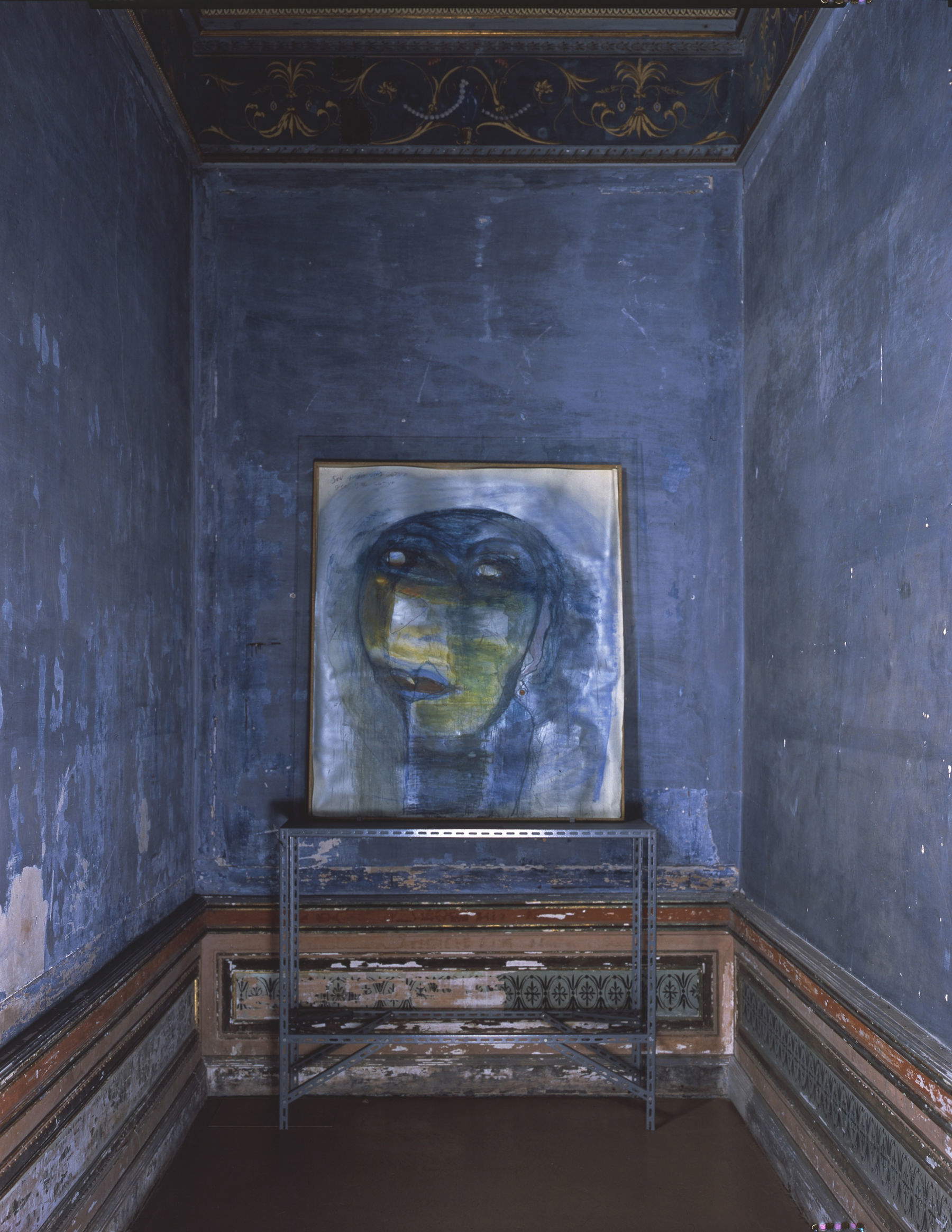
Where and when: Biella, Palazzo Gromo Losa and Palazzo Ferrero, November 28, 2026, through April 4, 2027
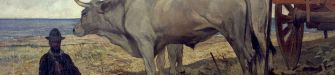
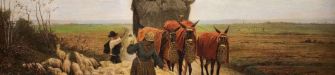
From November 28, 2026, to April 4, 2027, Biella will host one of the most comprehensive surveys dedicated to Italian Divisionism, with a particular focus on its evolution in the early 20th century. Palazzo Gromo Losa and Palazzo Ferrero will host the exhibition *Divisionism 1900–1930. The Mark of the Avant-Garde in Italy, curated by Niccolò D’Agati and Sergio Rebora, is an exhibition project that, through more than 150 works, aims to reinterpret one of the fundamental movements in Italian painting, highlighting its role in shaping the avant-garde movements of the 20th century. The exhibition offers a different perspective from the traditional interpretation of Divisionism, focusing not so much on its origins in the last decade of the 19th century, but rather on its evolution between 1900 and 1930, when this painterly exploration became one of the most innovative languages of Italian art. The curators’ goal is, in fact, to show that Divisionism cannot be considered a phenomenon that ended with the close of the 19th century.
Click here for more information
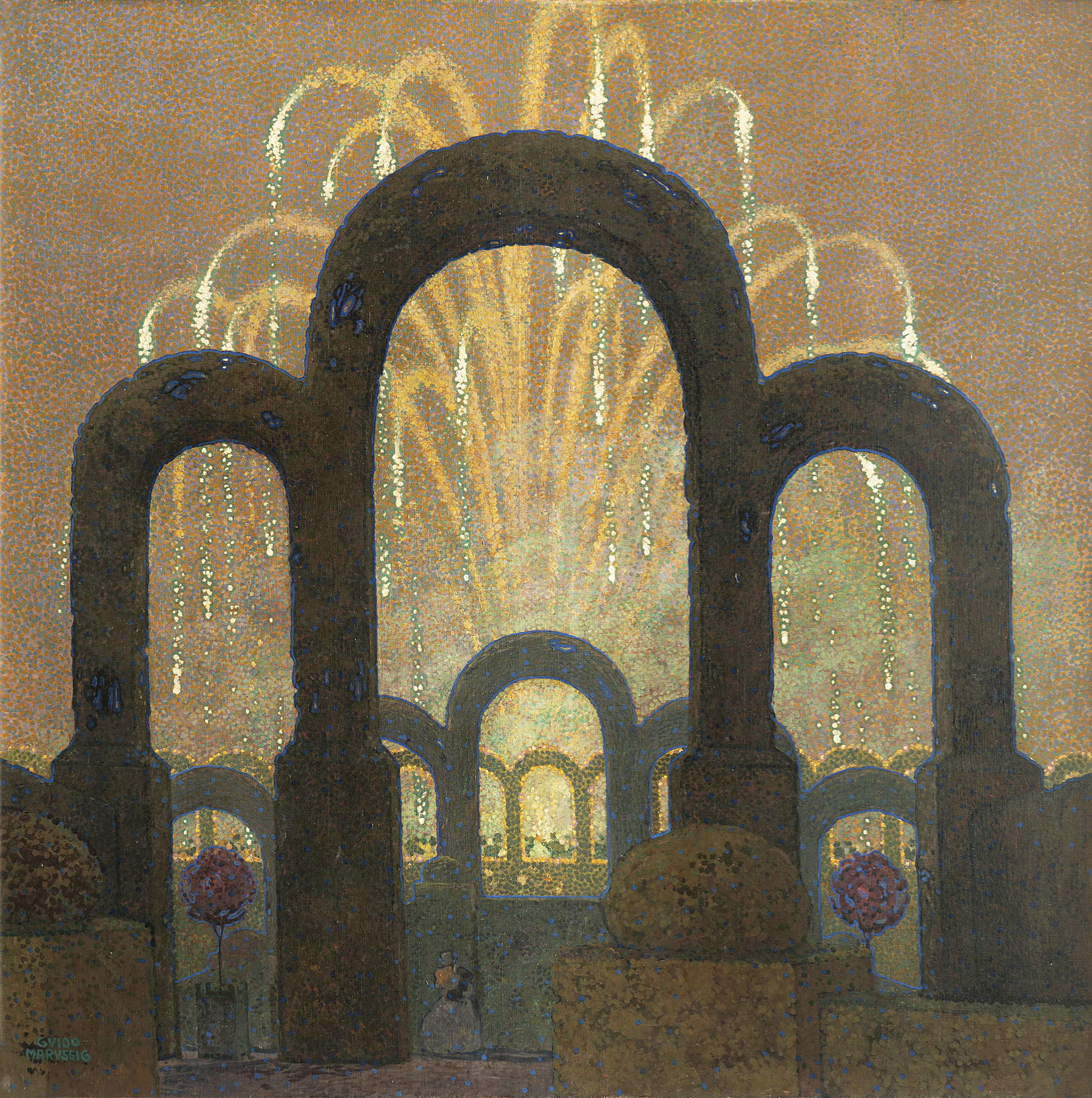
Where and when: Monza, Royal Palace of Monza, November 6, 2026, through March 14, 2027
From November 6, 2026, to March 14, 2027, the Orangerie of the Royal Palace of Monza will present an exhibition dedicated to Luigi Conconi (1852–1917), an artist who was among the leading figures of the Milanese creative scene at the turn of the 20th century and a prominent exponent of the Scapigliatura movement. Curated by Simona Bartolena, the exhibition brings together more than 80 works—including paintings, drawings, and engravings—from public and private collections, with the aim of tracing the career of an artist who has long remained on the margins of major exhibition circuits. Produced and organized by ViDi cultural in collaboration with the Consorzio Villa Reale e Parco di Monza, the exhibition aims to bring renewed attention to Conconi’s body of work a century after the last monographic exhibition dedicated to his painting.
Click here for more information
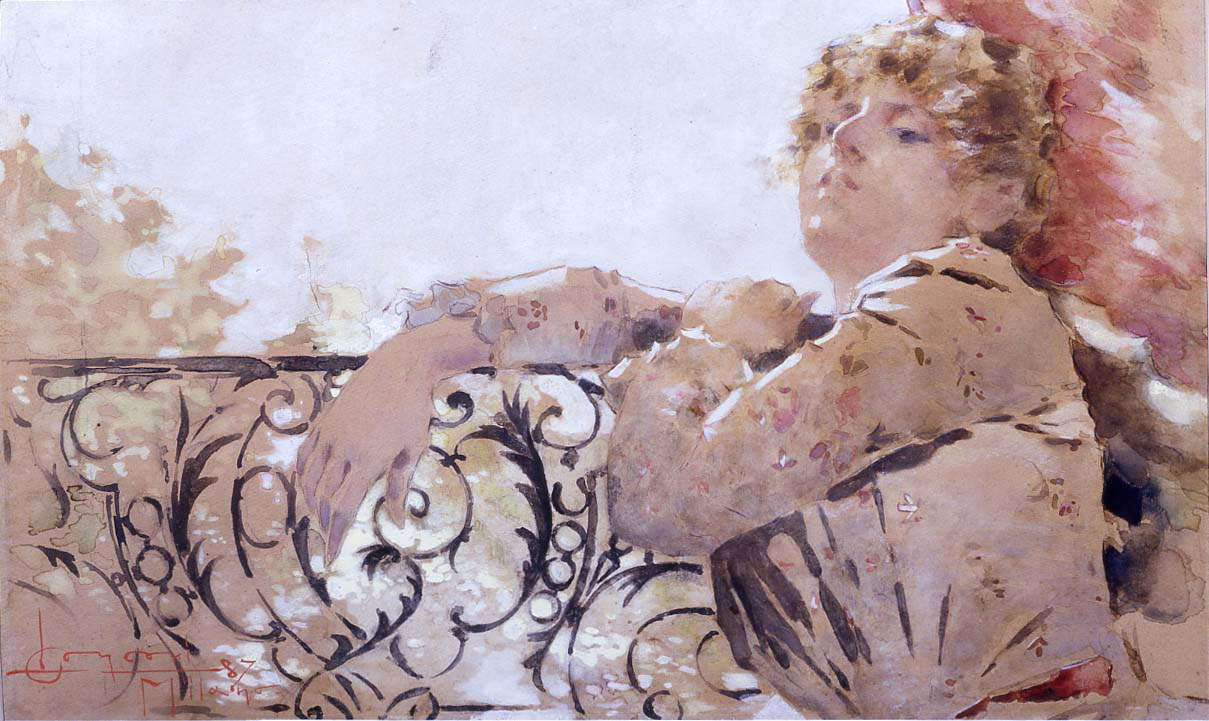
Where and when: Milan, MUDEC, October 8, 2026, through February 21, 2027
From October 8, 2026, to February 21, 2027, MUDEC, the Museum of Cultures in Milan, presents a wide-ranging exhibition project dedicated to the relationship between Henri Matisse (Le Cateau-Cambrésis, 1869 – Nice, 1954) and the diverse cultures the artist encountered during his studies and expeditions beyond European borders. The exhibition, titled “Matisse: The World in a Room,” addresses a central issue in art history that has long been overlooked: how African, Islamic, Russian, Pacific, and Chinese art helped shape Matisse’s artistic language from within, thereby redefining the very boundaries of Western modernism. The exhibition is produced by 24 ORE Cultura, the publishing group of *Il Sole 24 Ore*, and is sponsored by the City of Milan through its Department of Culture. The project is organized in collaboration with the Musée Matisse in Nice and is supported by Unipol as the main sponsor, as well as by Turisanda1924, the exclusive travel brand of the Alpitour World group, Enel, and BPER Banca, which are participating as sponsors. Curated by Ellen McBreen and Chiara Gatti, the exhibition is organized into eight sections.
Click here for more information
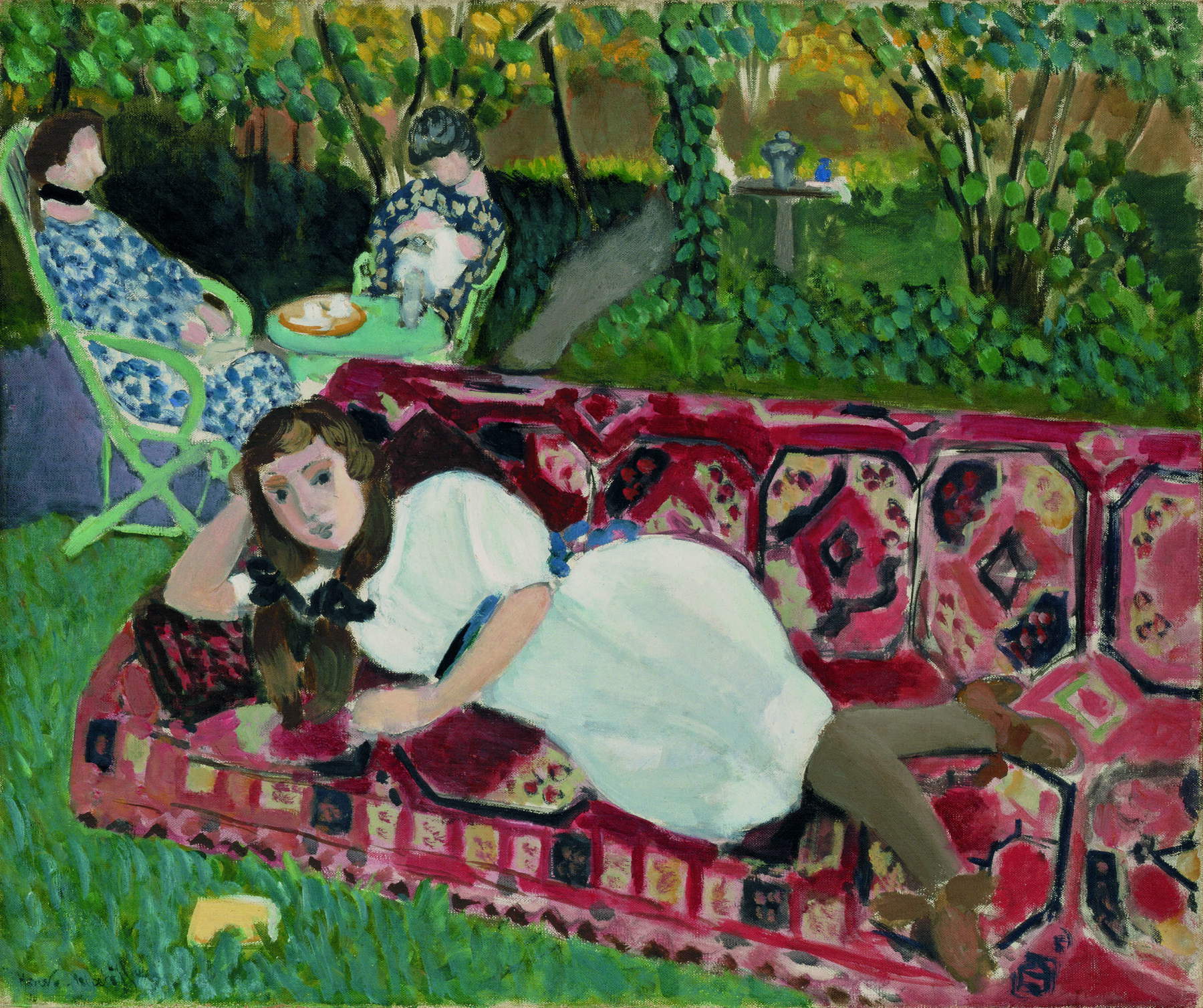
Where and when: Milan, Pirelli HangarBicocca, October 8, 2026, through February 21, 2027
The exhibition “Luciano Fabro,” curated by Fiammetta Griccioli, Roberta Tenconi, and Vicente Todolí, will be on view in the Navate of Pirelli HangarBicocca in Milan from October 8, 2026, to February 21, 2027. This is the first museum retrospective dedicated to Luciano Fabro in Italy since his passing in 2007. The exhibition will bring together a wide selection of some of the most significant sculptures and installations from his entire artistic career. Organized in collaboration with the Luciano and Carla Fabro Archive, the exhibition will explore the artist’s conceptual and formal exploration of space, analyzing the dialogue his works establish with the perception of those who inhabit them.
Click here for more information
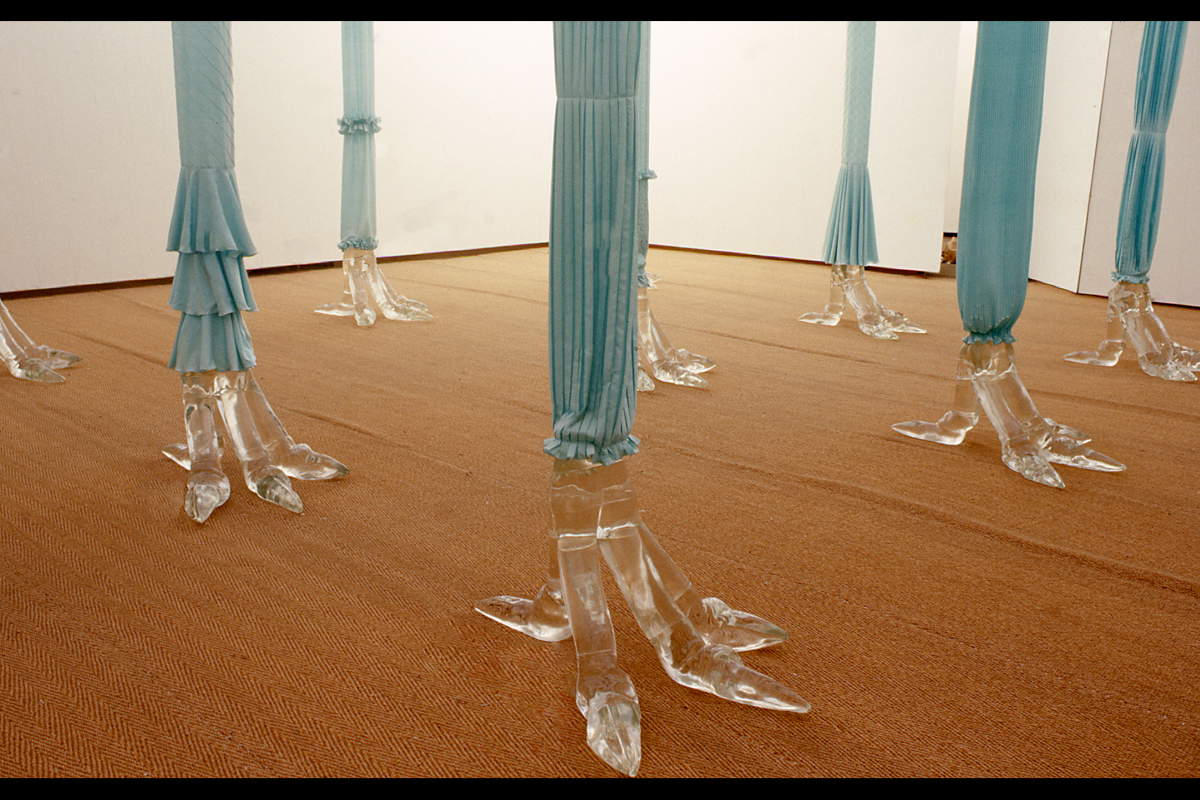
Where and when: Mantua, Palazzo Ducale, October 10, 2026, through January 10, 2027
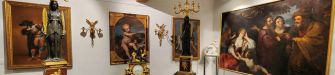
To mark the 400th anniversary of Ferdinando Gonzaga’s death, the Palazzo Ducale in Mantua is dedicating a major exhibition to the duke titled *Sole mirabile per luce propria. Ferdinando Gonzaga: Patron and Duke (1587–1626)*. The exhibition, scheduled from October 10, 2026, to January 10, 2027, in the Santa Croce Apartment, aims to rediscover the personality of a refined collector and patron, a leading figure in the final great era of Gonzaga artistic patronage. The exhibition seeks to explore Ferdinando Gonzaga’s role in the cultural life of the Mantuan court and to shed light on the artistic choices that characterized the years of his rule. The exhibition is curated by Stefano L’Occaso, with art historians Giulia Marocchi and Silvia Merigo, while the exhibition design is by architects Antonio Giovanni Mazzeri and Andrea Palmieri, in collaboration with architects Giulia Pampuri and Giulia Rossetti.
Click here for more information
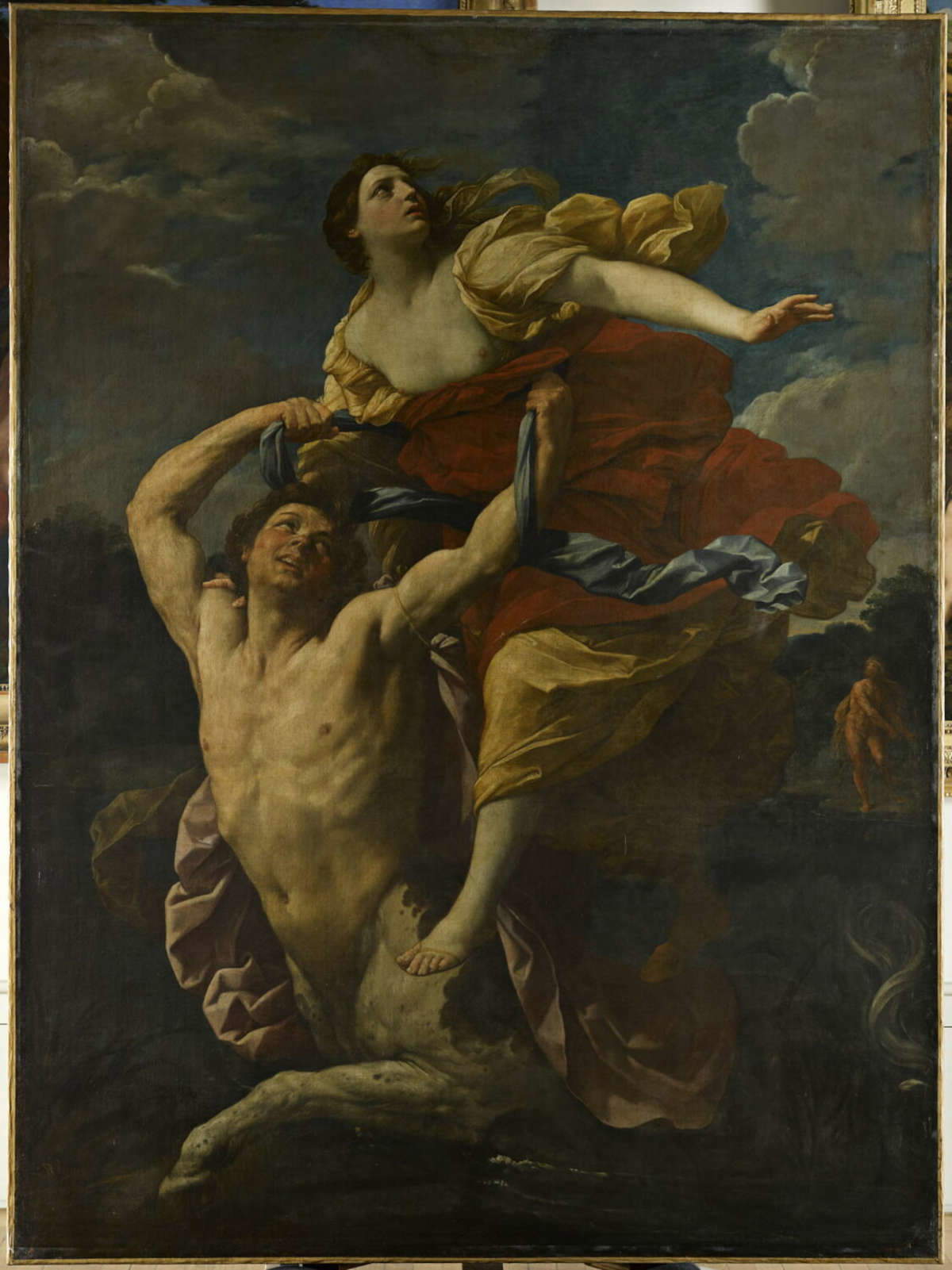
Where and when: Bassano del Grappa, Civic Museum, October 24, 2026, through April 4, 2027
Photography returns to the center of the exhibition program at the Civic Museum of Bassano del Grappa with an exhibition dedicated to Sebastião Salgado (1944–2025), a figure who has decisively shaped the history of contemporary photography. Following retrospectives on Ruth Orkin, Dorothea Lange, and Brassaï, the Venetian institution will present the exhibition *Sebastião Salgado: Photographs from the Collection of the Maison Européenne de la Photographie, Paris* from October 24, 2026, to April 4, 2027. Sponsored and organized by the City of Bassano del Grappa and the Bassano del Grappa Civic Museums, in collaboration with the Maison Européenne de la Photographie in Paris and Silvana Editoriale, and under the patronage of the Veneto Region, the exhibition is the first in Italy to offer a comprehensive overview of the Brazilian photographer’s entire body of work. The project comes one year after the photographer’s passing and traces five decades of his work through a selection of over 160 images.
Click here for more information
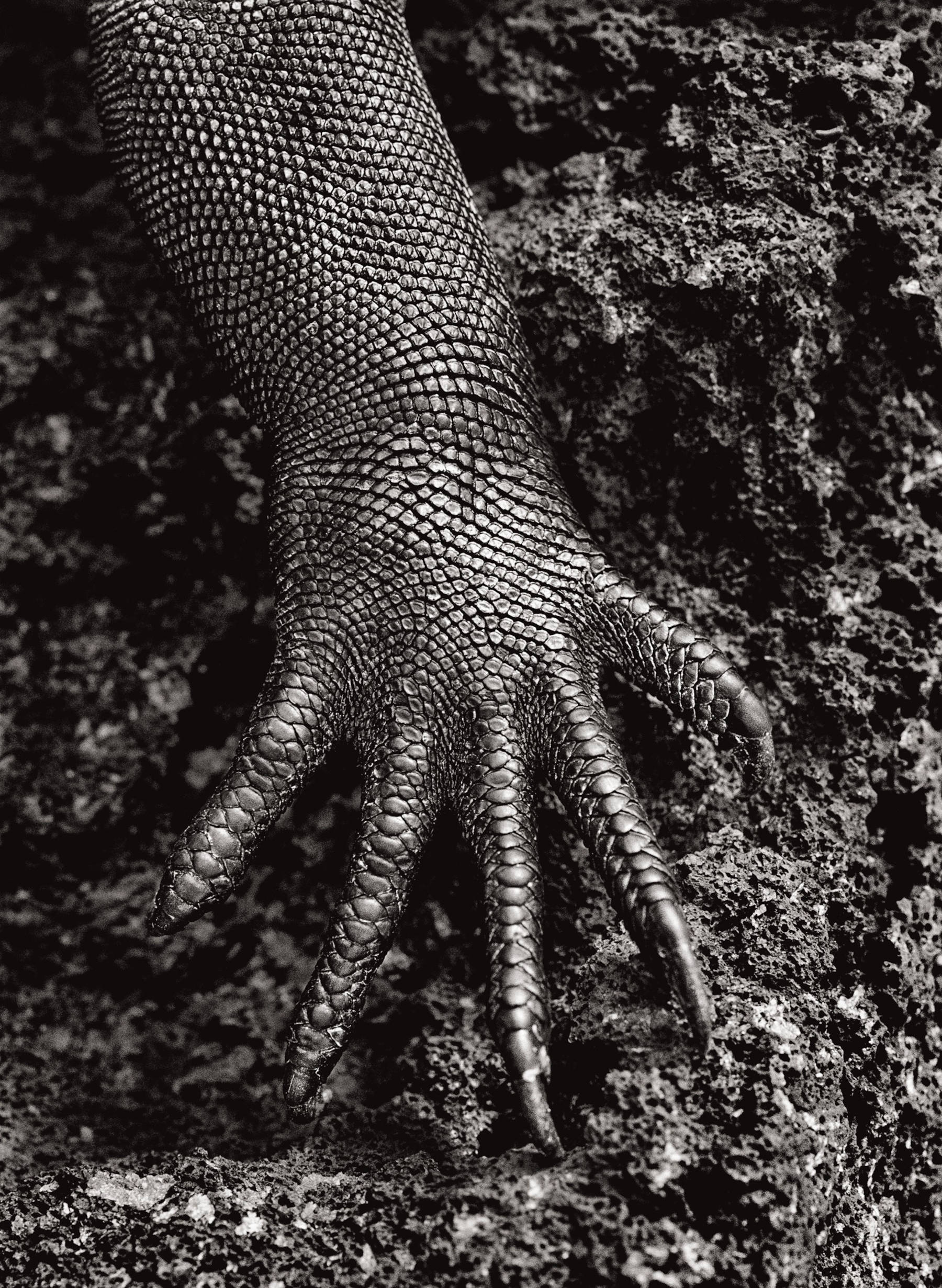
Where and when: Padua, Palazzo Zabarella, October 24, 2026, through March 14, 2027
From October 24, 2026, to March 14, 2027, Palazzo Zabarella in Padua will host “Max Pechstein: Expressionism of the Soul, ” a major monographic exhibition dedicated to one of the leading figures of German Expressionism. The exhibition traces over fifty years of the artist’s career, bringing together more than 120 works—including paintings, drawings, watercolors, photographs, sketches, and personal items—that chronicle his personal and creative journey. Organized by Palazzo Zabarella, the Institut für Kulturaustausch, Kunstsammlungen Zwickau – Max-Pechstein-Museum, the Max Pechstein Foundation, and the Pechstein family, the exhibition is sponsored by the Bano Foundation, in collaboration with the City of Padua – Department of Culture. The exhibition aims to highlight one of the fundamental themes of Pechstein’s work: the search for a balance between humanity and nature. His paintings express a desire to escape the hustle and bustle of the city in order to rediscover an authentic connection with the landscape, transforming forests, coastlines, and exotic settings into symbols of freedom, spirituality, and harmony. This connection to nature runs through her entire career and remained central until the final years of her life, becoming the guiding thread of a body of work that still appears remarkable today
Click here for more information
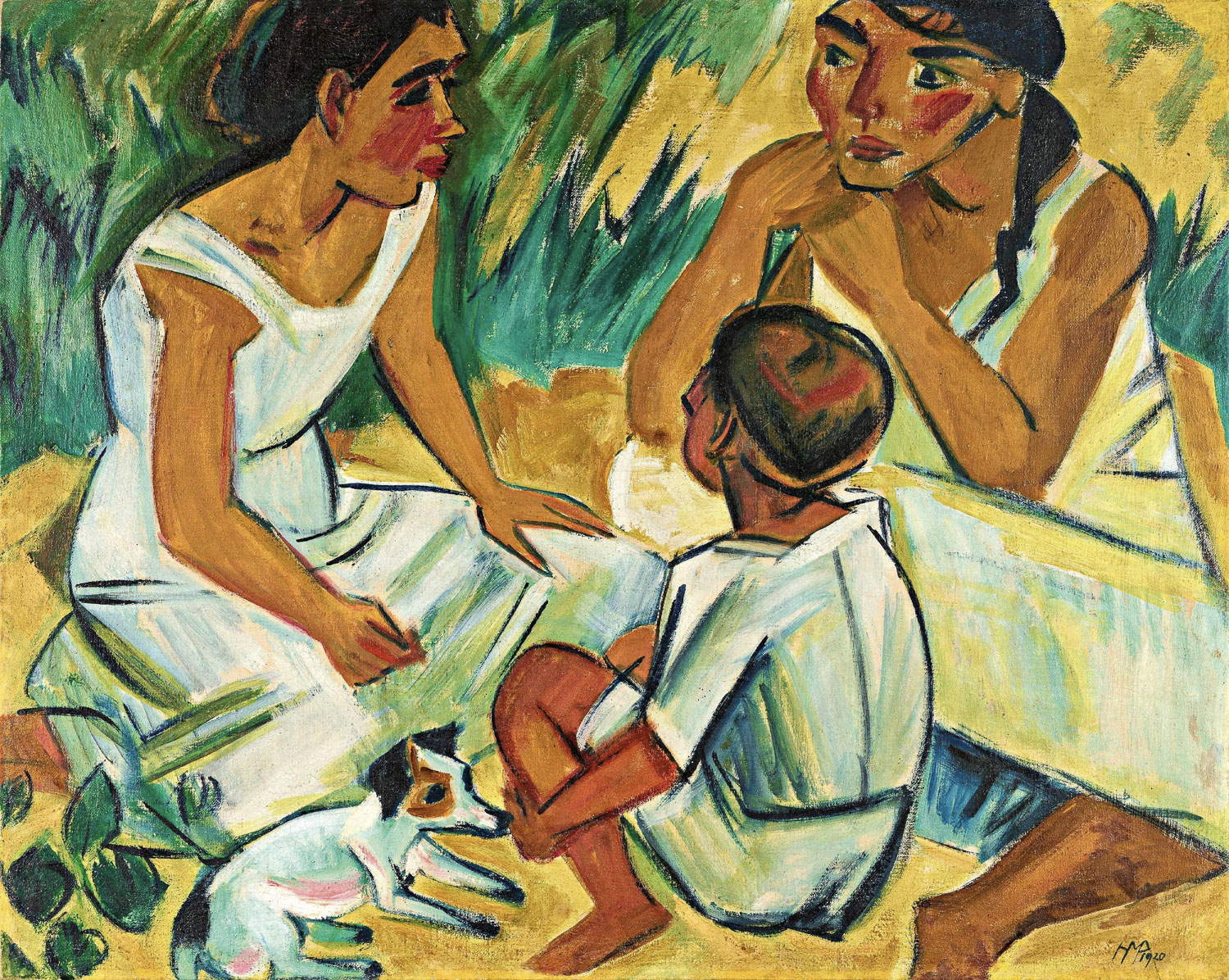
Where and when: Abano Terme, Villa Bassi Rathgeb Museum, October 17, 2026, through February 7, 2027
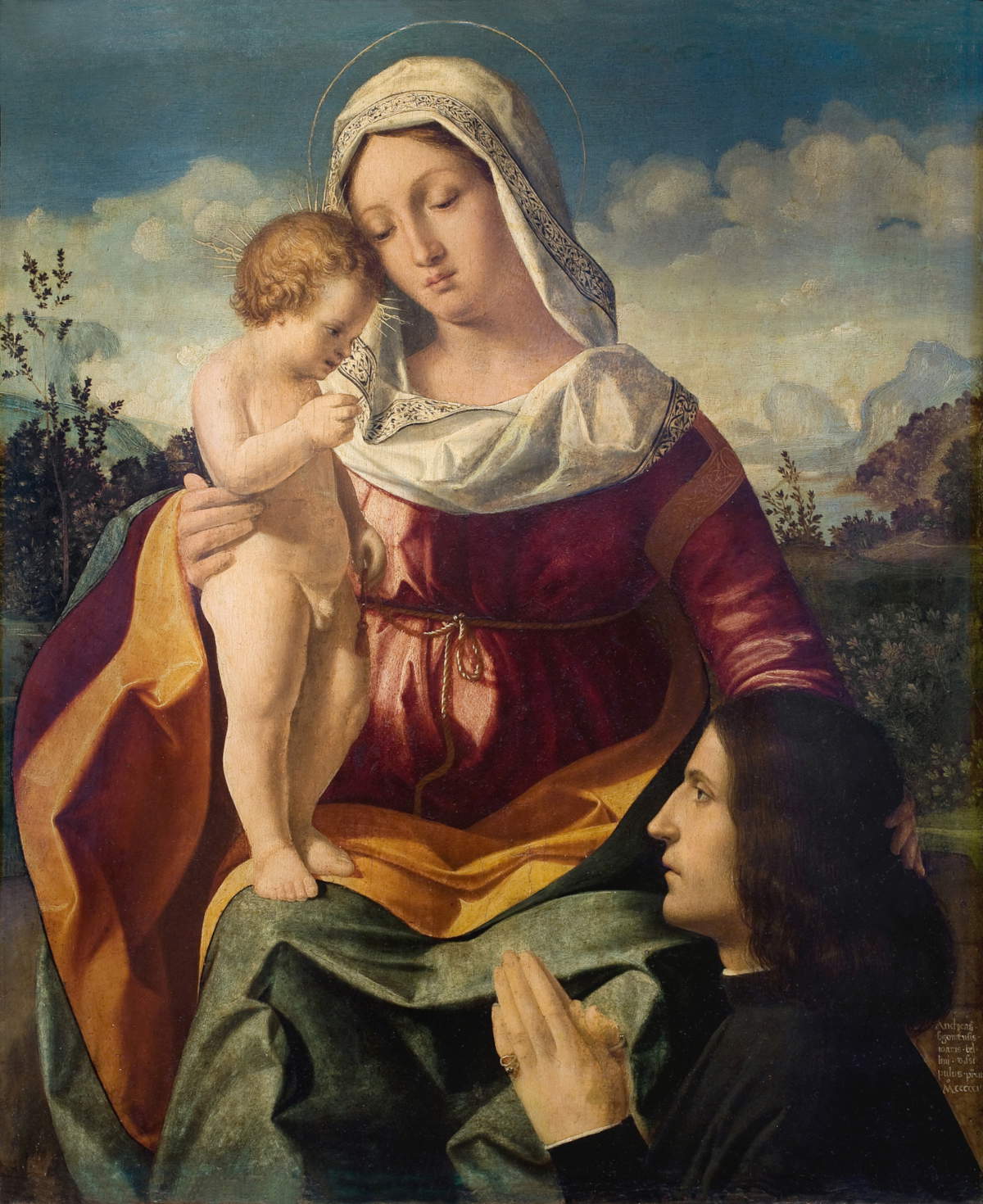
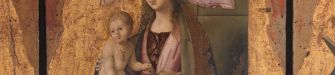
From October 17, 2026, to February 7, 2027, the Villa Bassi Rathgeb Museum in Abano Terme will host the exhibition *Andrea Previtali, Disciple of Giovanni Bellini*, curated by Raffaele Campion and Barbara Maria Savy, and promoted and produced by the City of Abano Terme in collaboration with the Department of Cultural Heritage at the University of Padua and the Superintendence of Archaeology, Fine Arts, and Landscape for the provinces of Padua, Treviso, and Belluno. The exhibition continues the museum’s initiative, launched in 2024, to highlight its permanent collections through research projects and in-depth historical and artistic studies. Following the exhibitions dedicated to Cesare Tallone and Leonor Fini, this new exhibition project focuses on Andrea Previtali, a Renaissance painter from northern Italy who was active in Venice and Bergamo.
Click here for more information
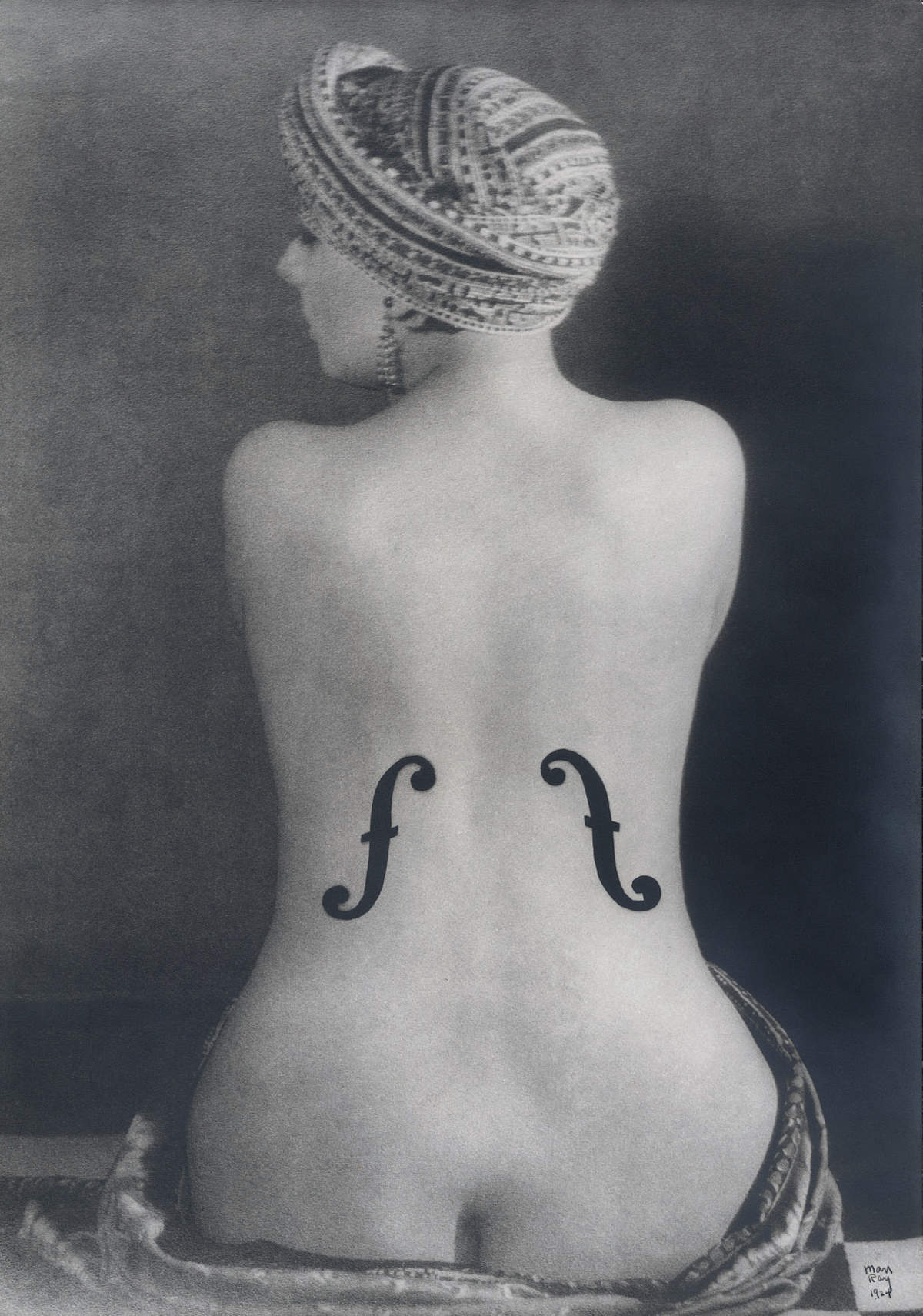
Where and when: Rovigo, Palazzo Roverella, November 13, 2026, through January 31, 2027
From November 13, 2026, to January 31, 2027, Palazzo Roverella in Rovigo will host “Man Ray: The Master of Surrealism,” a solo exhibition dedicated to one of the leading figures in 20th-century photography. The exhibition kicks off the new 2027–2028 exhibition cycle presented by the Fondazione Cassa di Risparmio di Padova e Rovigo and is part of the museum’s program, which in the coming years will include exhibitions dedicated to art, photography, and history, in collaboration with international partners. Curated by Pierre-Yves Butzbach and Robert Rocca, the exhibition is sponsored by the Fondazione Cassa di Risparmio di Padova e Rovigo together with the City of Rovigo and the Accademia dei Concordi, with support from Intesa Sanpaolo and production by Silvana Editoriale. The project directly involves the Man Ray Trust in New York and the Photothèque Man Ray in Paris, ensuring that the selection of works meets rigorous conservation and scholarly standards. The curators are also specialists in the artist’s work and offer a contemporary interpretation of his body of work.
Click here for more information
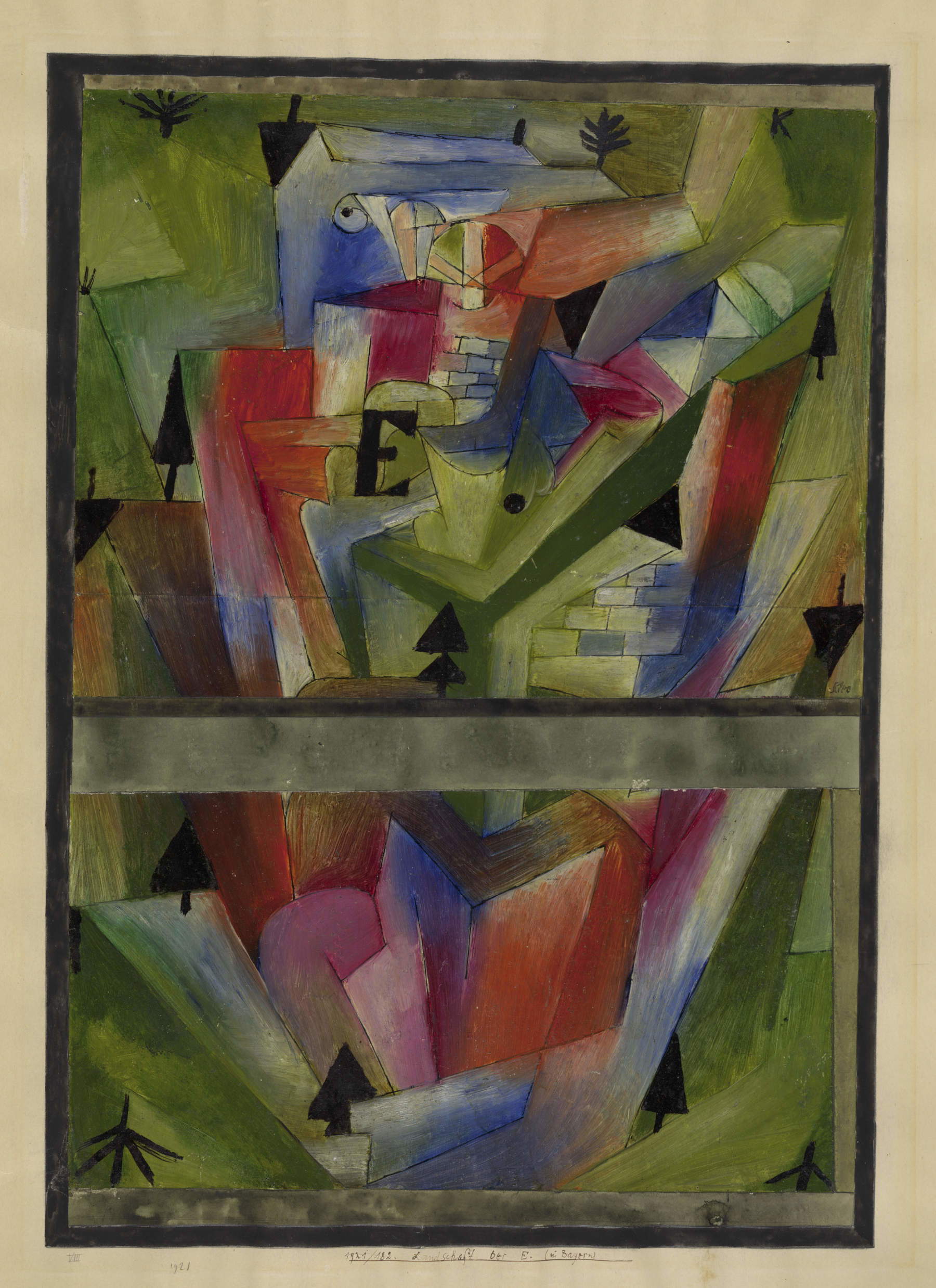
Where and when: Reggio Emilia, Palazzo Magnani, November 14, 2026, through March 14, 2027
Palazzo Magnani in Reggio Emilia will reopen to the public with the exhibition *The Gates of the Invisible: Kandinsky, Klee, and Malevich in the Light of Pavel Florensky’s Thought*, scheduled from November 14, 2026, to March 14, 2027. The exhibition, curated by Roberto Cresti, Emilio Ferrario, and Valentina Parisi, with the support of a scientific committee comprising John Bowlt, James Bradburne, Silvia Cavalchi, Luigi Grasselli, and Nicoletta Misler, presents a research project dedicated to the relationships between art, science, and philosophical thought in the early 20th century. The exhibition explores the roots of the artistic and scientific revolution that shaped the last century, bringing together masterpieces of the historical abstract avant-garde, Russian icons, and the figure of Pavel Florensky (1882–1937), a scientist, mathematician, theologian, educator, and art theorist described by his contemporaries as “the Russian Leonardo.”
Click here for more information
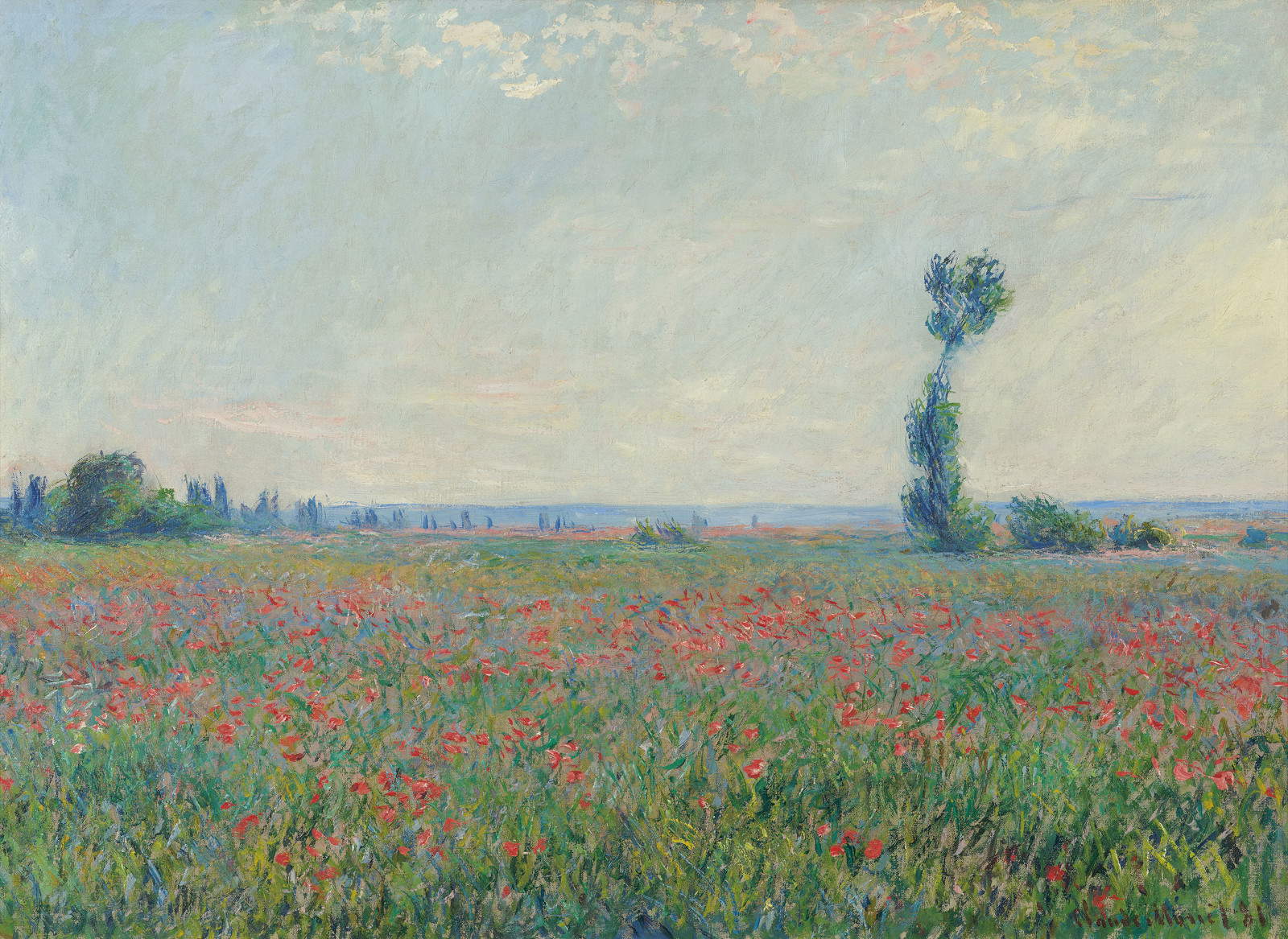
Where and when: Ferrara, Palazzo dei Diamanti, September 19, 2026, through January 10, 2027
From September 19, 2026, to January 10, 2027, the Palazzo dei Diamanti in Ferrara will host the exhibition From Monet to Van Gogh to Kandinsky. New Perspectives on Nature and Modernity: Masterpieces from the Museum Boijmans Van Beuningen and Other Major Collections, curated by Sandra Kisters and Vasilij Gusella. The exhibition, organized by the Fondazione Ferrara Arte in collaboration with the Museum Boijmans Van Beuningen and the Galleries of Modern and Contemporary Art in Ferrara, aims to analyze the profound transformations that shaped European painting between the 19th and 20th centuries, a period characterized by a radical shift in the way reality was observed and represented. Through the theme of the landscape—understood in both its natural and urban dimensions—the exhibition will highlight the evolution of the relationship between the artist and the visible world. Nature, the city, and modern life thus become the primary tools for understanding how artists gradually moved away from an objective representation of reality to develop increasingly personal and innovative artistic languages.
Click here for more information
Where and when: Parma, Pilotta Complex, October 17, 2026, through January 17, 2027
From October 17, 2026, to January 17, 2027, the Pilotta Complex in Parma will host the first major monographic exhibition dedicated to Giorgio Gandini del Grano (Parma, 1498 –1538), one of the most fascinating and, at the same time, most enigmatic figures of the Emilian Renaissance. The exhibition, titled Giorgio Gandini del Grano. The Enigma of a Master in the Footsteps of Correggio, is an event destined to leave a lasting mark on scholarship regarding the Parma-born artist, thanks to a project that brings together for the first time the entire corpus of his known paintings and a significant selection of his graphic works. Curated by Stefano L’Occaso, director of the Palazzo Ducale in Mantua, and Denis Ton, director of the Pilotta, the exhibition aims to restore full visibility to an artist who, despite the recognition he received from his contemporaries, has remained on the margins of Italian art history for centuries. The scarcity of biographical records and the extremely small number of surviving works have, in fact, contributed to shrouding the figure of Giorgio Gandini del Grano in mystery; he was a leading figure in the 16th century within what art historians have termed the “Parma School,” the group of painters that emerged around the artistic legacy left by Antonio Allegri, known as Correggio.
Click here for more information
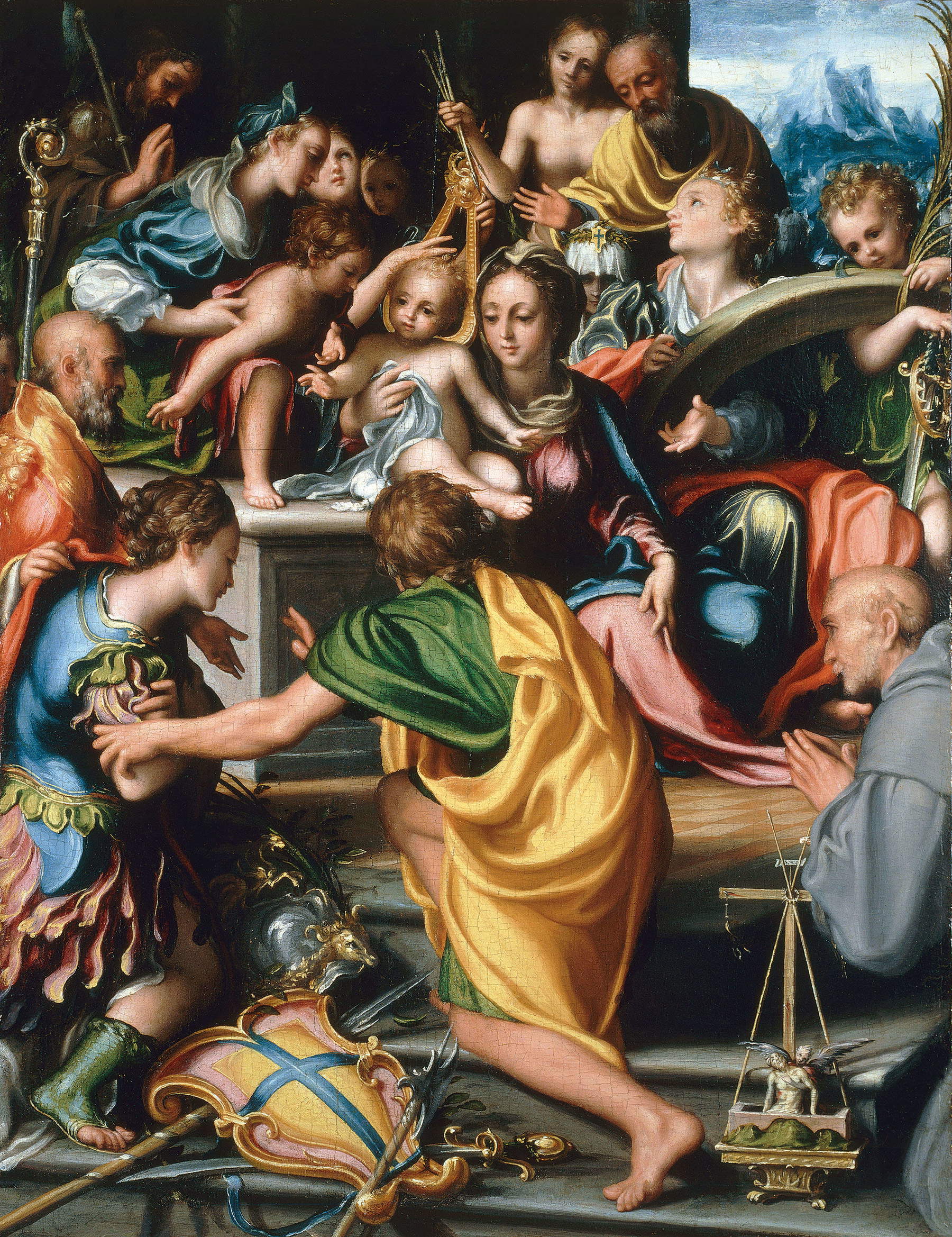
Where and when: Florence, Museo degli Innocenti, from October 21, 2026, through April 4, 2027
From October 21, 2026, through April 4, 2027, the Museo degli Innocenti in Florence will host a monographic exhibition entirely focused on the Florentine period of Artemisia Gentileschi (Rome, 1593 – Naples, after 1564). The exhibition aims to explore a crucial and formative phase in the painter’s personal and artistic journey, marked by her departure from Rome and her deep integration into the cultural, intellectual, and artistic fabric of 17th-century Medici Tuscany. The exhibition, titled *Artemisia Gentileschi in Florence* and curated by Costantino D’Orazio, Cristina Acidini, and Sandro Bellesi, focuses on Artemisia’s stay in Florence, which marked the moment when the artist reached her creative maturity. Having left behind the complex and oppressive media attention that had marked her time in the capital, the painter found in the Tuscan city the ideal conditions to assert her talent. It was precisely in Florence that she achieved institutional milestones of exceptional significance for the time: Artemisia became the first woman ever to be admitted to the Academy of the Arts of Drawing. During her years in Florence, she attracted the attention and esteem of the Medici court, receiving highly prestigious commissions from the grand ducal family, forming friendships and associations with leading intellectuals such as Galileo Galilei, and engaging with the city’s foremost contemporary artists.
Click here for more information
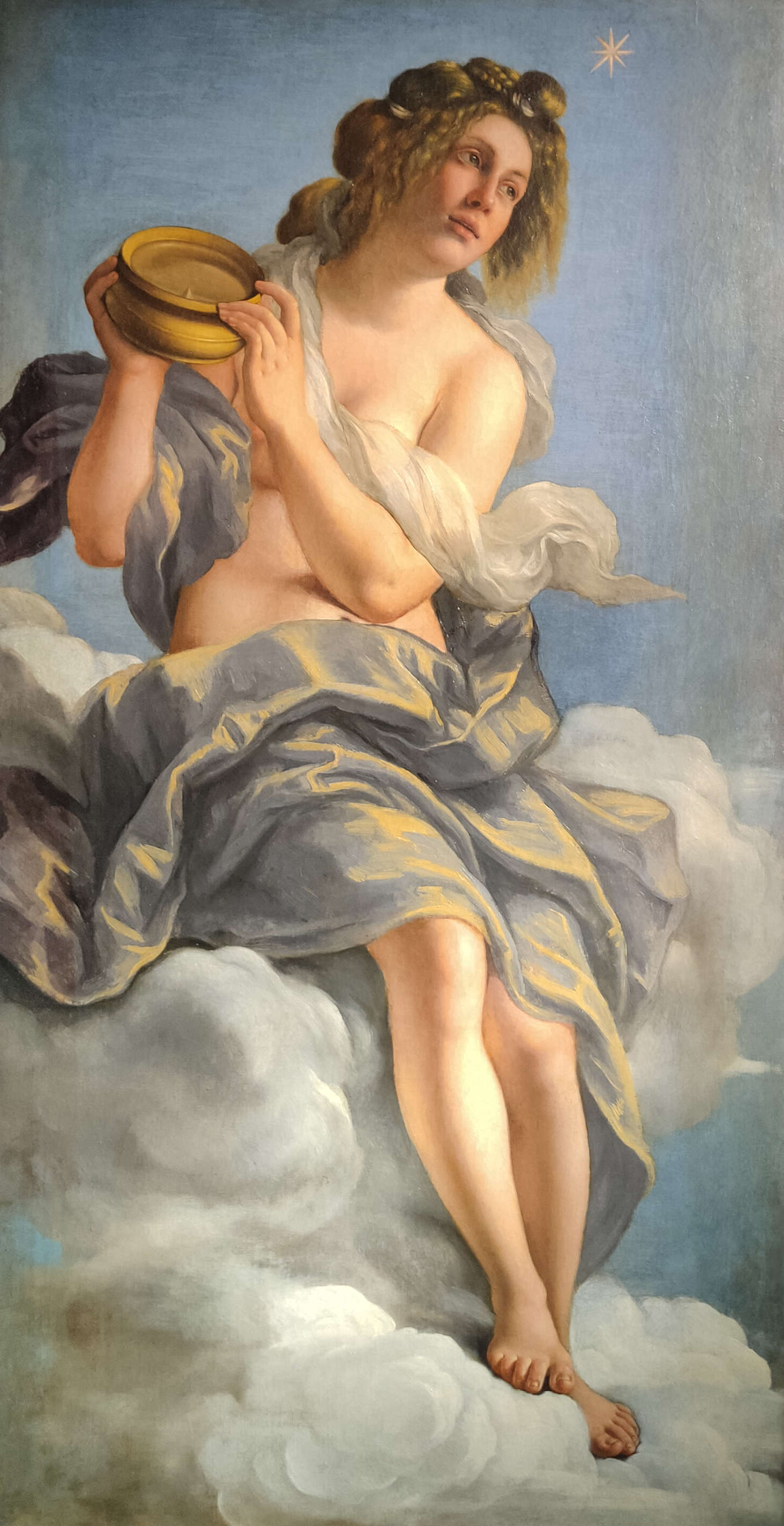
Where and when: Pisa, Palazzo Blu, October 14, 2026, through March 7, 2027
From October 14, 2026, to March 7, 2027, Palazzo Blu in Pisa will host the exhibition “Edward Hopper,” an international exhibition dedicated to one of the leading figures of 20th-century American painting, Edward Hopper (Nyack, 1882 – Manhattan, 1967). The project, sponsored by the Fondazione Palazzo Blu, is organized by the Whitney Museum of American Art in New York in collaboration with MondoMostre and with the support of Fondazione Pisa. The exhibition is curated by Kim Conaty, Nancy and Steve Crown Family Chief Curator at the Whitney Museum of American Art, and Barbara Haskell, a curator at the same museum. The exhibition offers a journey through the entire career of Hopper, an artist who profoundly influenced the representation of modernity, urban life, and the American landscape in contemporary art. The exhibition brings together over 150 works from the collections of the Whitney Museum of American Art, including oil paintings, drawings, etchings, watercolors, and other works that document the various phases of the artist’s creative journey.
Click here for more information
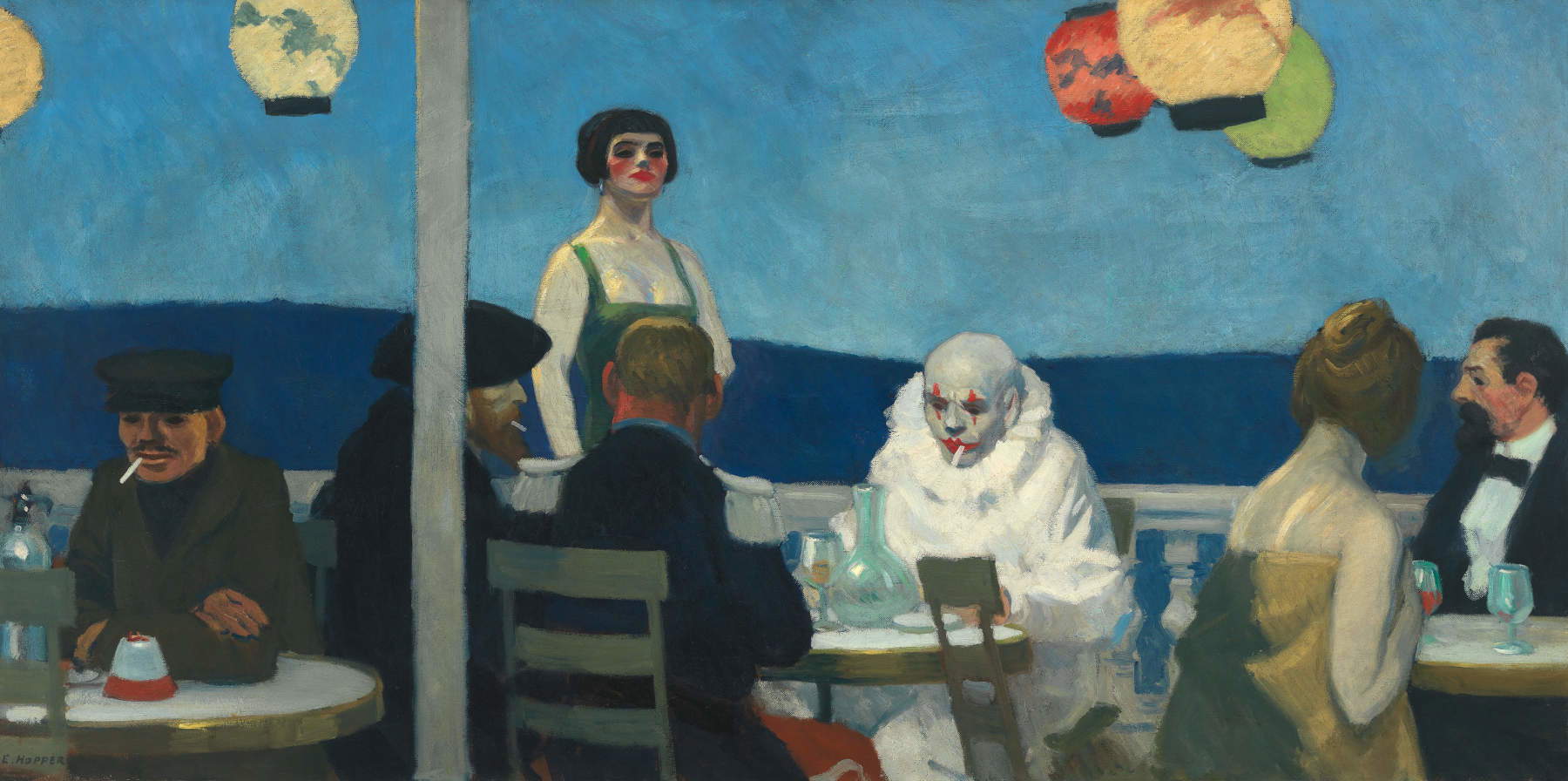
Where and when: Florence, Palazzo Strozzi, September 25, 2026, through January 24, 2027
Palazzo Strozzi is hosting the exhibition *Broken. The Power of the Fragment, dedicated to the theme of the fragment from archaeology to contemporary art, with the aim of exploring the symbolic, aesthetic, and evocative value of fragments, highlighting the fascination these objects have held for humanity over the centuries. Open to the public from September 25, 2026, to January 24, 2027, the exhibition will be curated by C. D. Dickerson and Andrew Sears and organized in collaboration with the National Gallery of Art in Washington, D.C., where it will subsequently be on view in the spring of 2027. The exhibition will feature over ninety works from different eras and cultural contexts, highlighting both the visual power of the fragments and the complex historical narratives they embody. The selection will include artifacts from the ancient civilizations of Egypt, Greece, Etruria, and Mesoamerica, alongside works from premodern and early modern contexts, ranging from Peru to Cambodia. Alongside the historical artifacts, the exhibition will feature works by modern and contemporary artists who have used the fragment as a tool for research and creative experimentation. Among them are Auguste Rodin, Alberto Giacometti, Louise Bourgeois, Huma Bhabha, Francesco Vezzoli, and Danh Vo.
Click here for more information
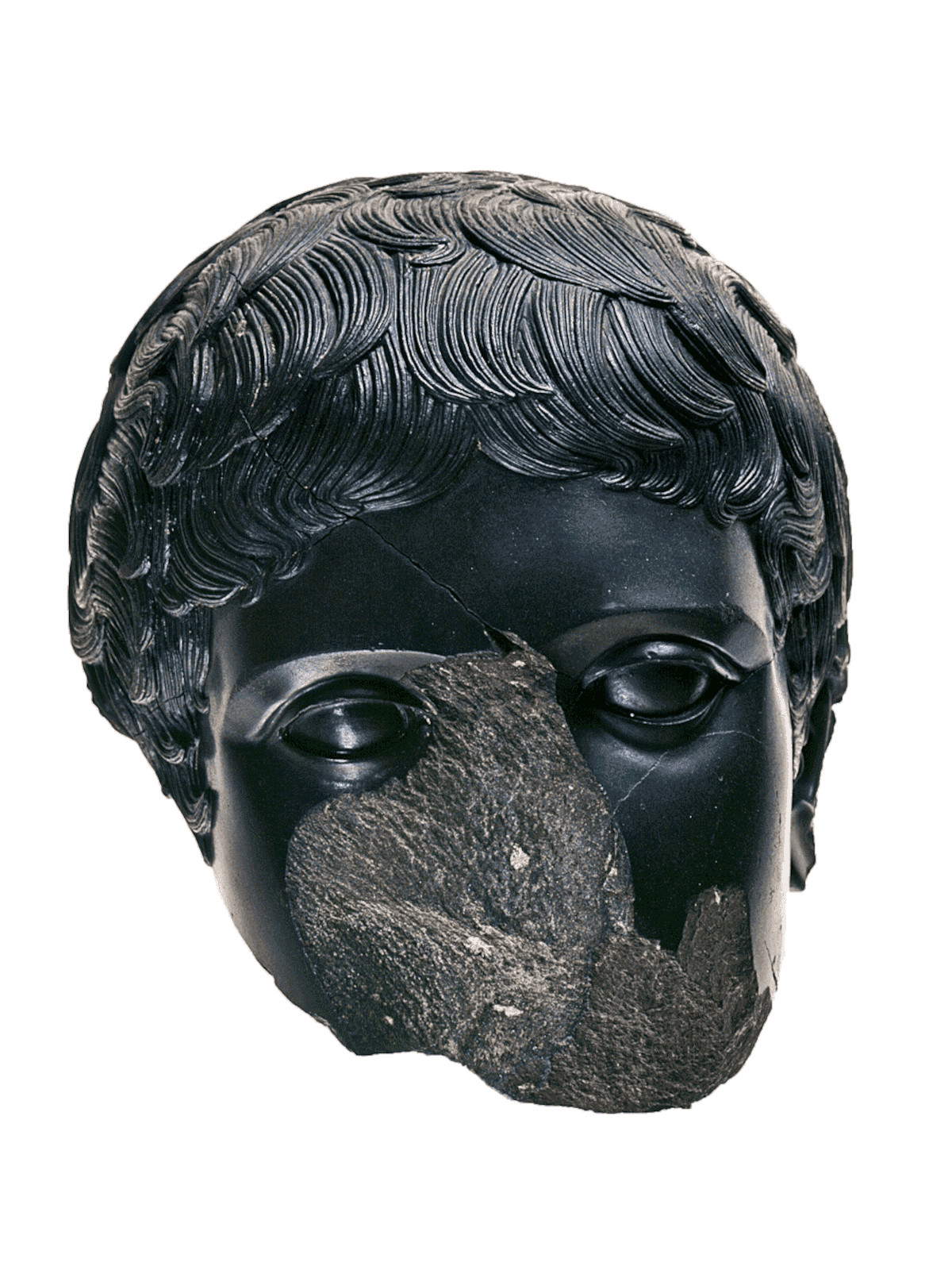
Where and when: Rome, Museum of Rome at Palazzo Braschi, October 6, 2026, through April 11, 2027
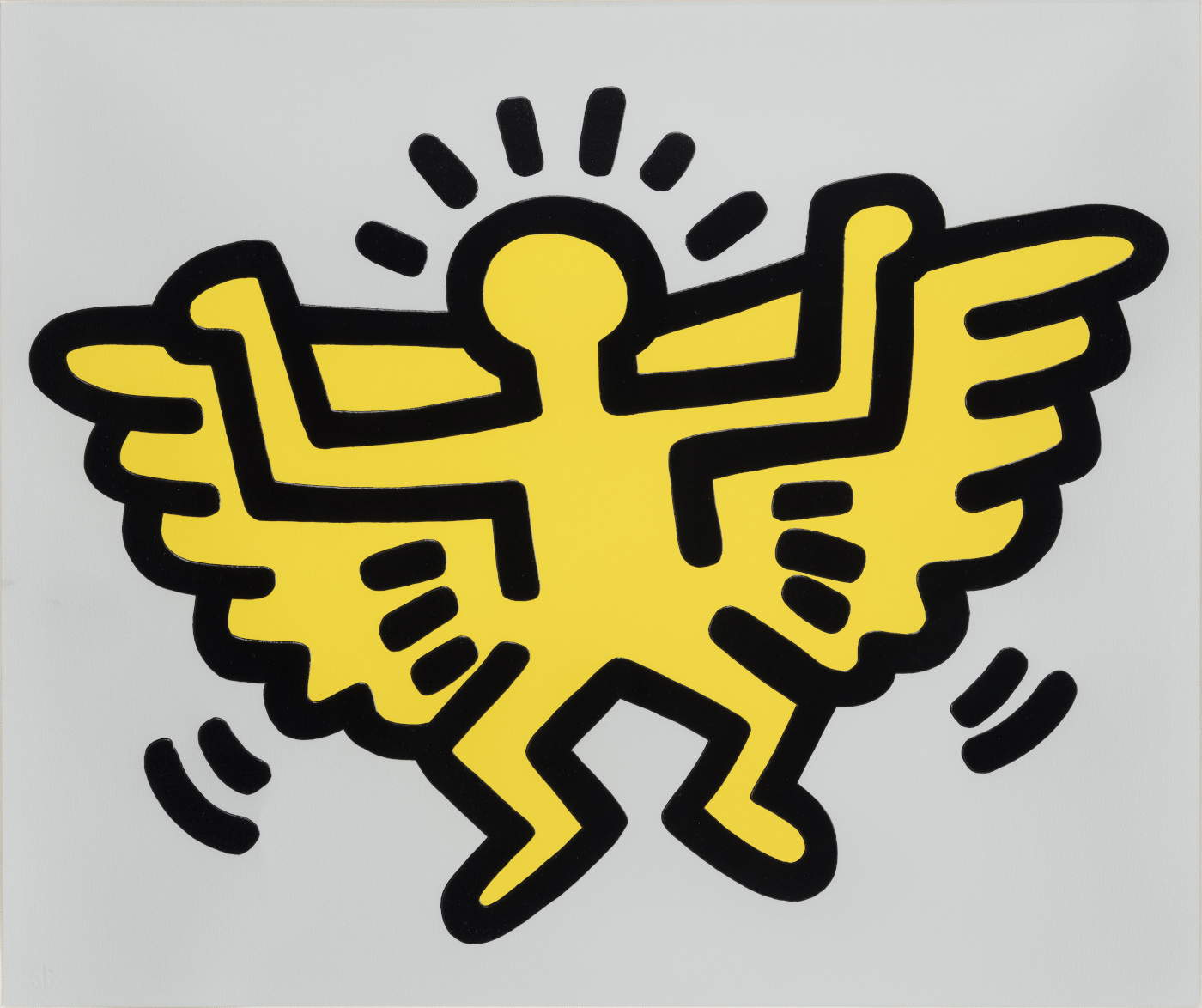
From October 6, 2026, to April 11, 2027, the Museum of Rome at Palazzo Braschi will host “Keith Haring,” a major exhibition dedicated to one of the most famous and beloved artists of the second half of the 20th century. Curated by Kaoru Yanase, Ilaria Miarelli Mariani, and Claudio Zambianchi, the exhibition is organized by Roma Capitale—Department of Culture and the Capitoline Superintendence for Cultural Heritage—in collaboration with MondoMostre and Zètema Progetto Cultura, with the support of Fineco. The exhibition brings together over 140 works, including paintings, drawings, sculptures, posters, and documents, drawn primarily from the Nakamura Keith Haring Collection—the world’s most significant collection dedicated to the artist—alongside notable public and private loans. The exhibition traces Haring’s entire creative journey, from his early works in the New York subway to the last pieces he created shortly before his death.
Click here for more information
Where and when: Rome, Palazzo Bonaparte, September 15, 2026, through February 14, 2027
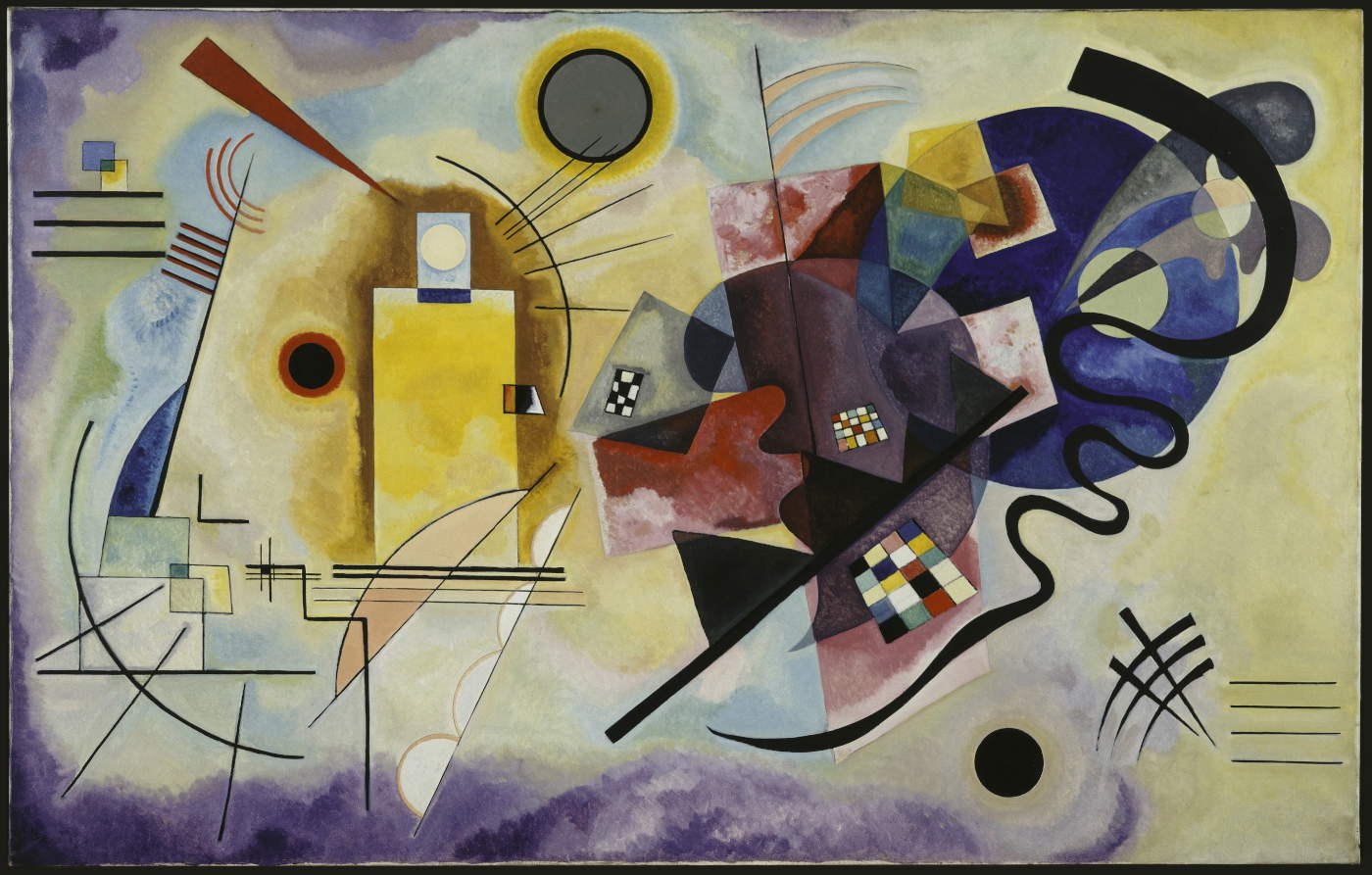
From September 15, 2026, to February 14, 2027, Palazzo Bonaparte in Rome will host a major exhibition dedicated to Wassily Kandinsky. Produced and organized by Arthemisia in collaboration with the Centre Pompidou and curated by Angela Lampe, the exhibition brings together over seventy works from the Parisian museum and major international institutions. The Centre Pompidou, in fact, houses the most extensive collection of the artist’s works, thanks to donations and the valuable bequest of his wife, Nina Kandinsky. The exhibition, titled “Kandinsky,” traces the painter’s entire life and artistic career, chronicling his journey: from his studies in law and political economy at the University of Moscow to his emergence as one of the leading figures of modern art. The journey spans the key moments of his life, including historical upheavals, relocations, encounters, and relationships that profoundly influenced his creative exploration.
Click here for more information
Where and when: Rome, Scuderie del Quirinale, October 9, 2026, through February 7, 2027
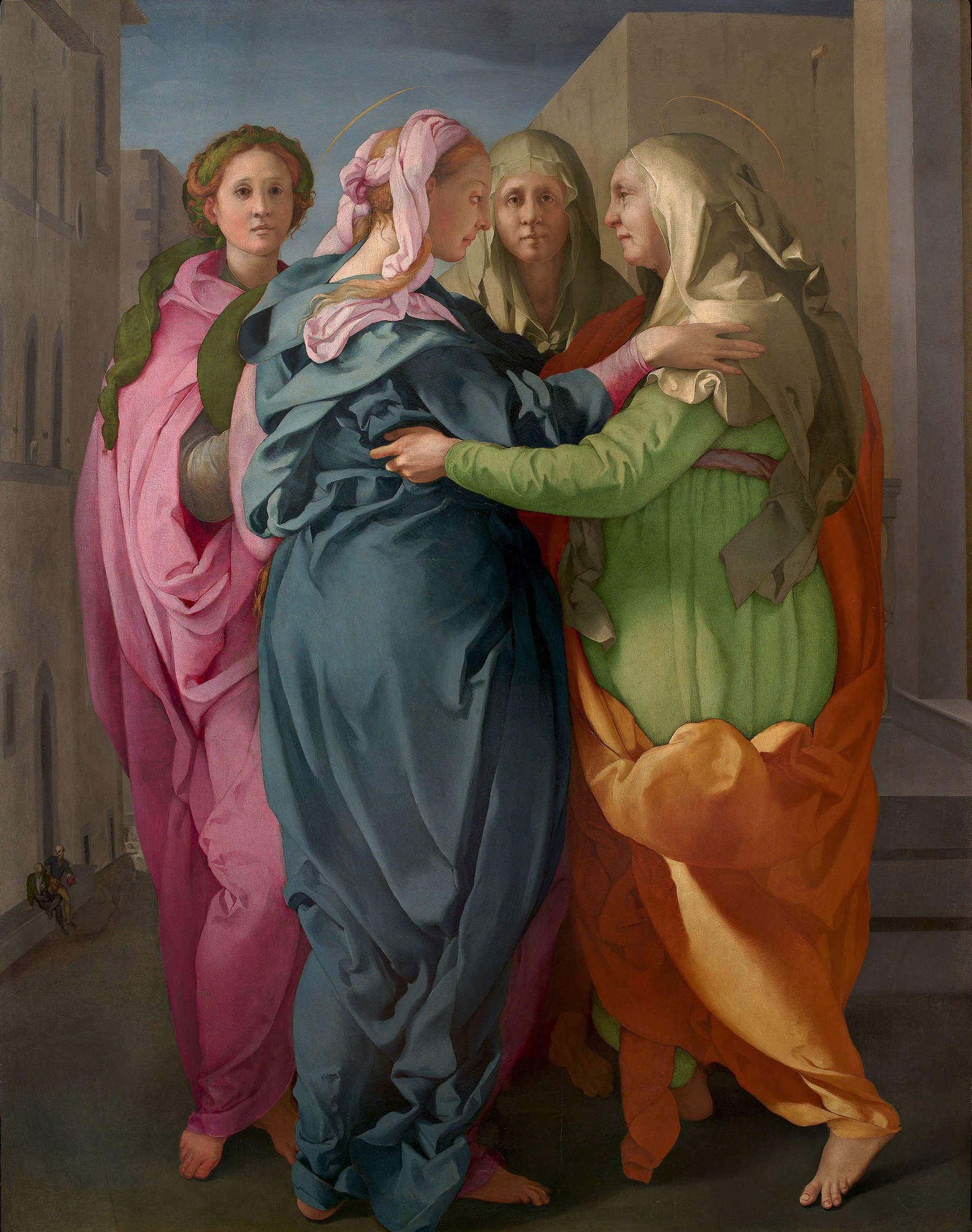
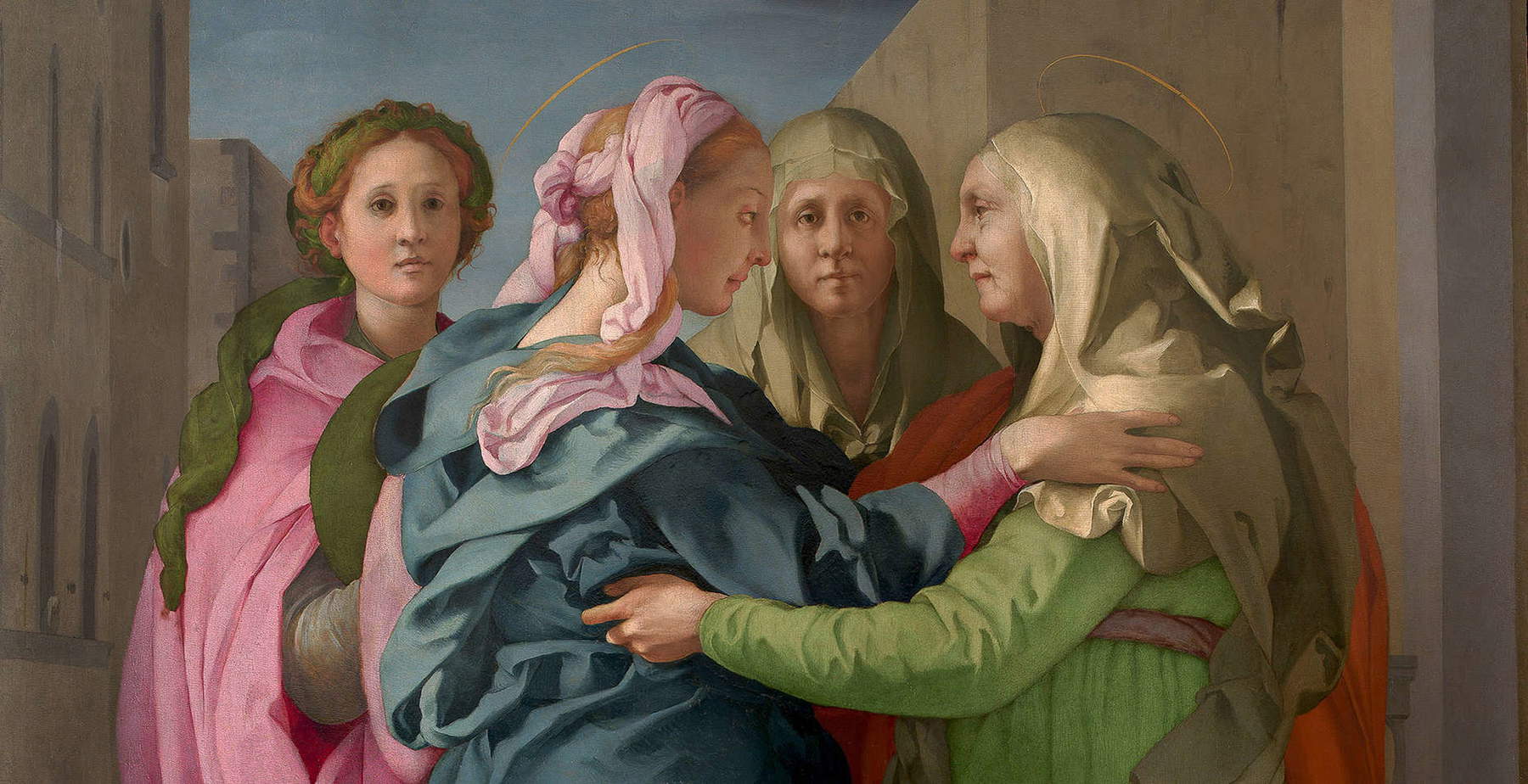
This will be the first major monographic exhibition ever dedicated to Jacopo da Pontormo (Pontorme di Empoli, 1494 – Florence, 1557). From October 9, 2026, to February 7, 2027, the Scuderie del Quirinale in Rome will host a comprehensive exhibition dedicated to the Tuscan master, a central figure of sixteenth-century Florence and a key artist of the period marking the transition from the High Renaissance to Mannerism. Curated by Cristina Acidini, one of the leading scholars of the Florentine Renaissance, the exhibition is the result of a collaboration between Ales – Scuderie del Quirinale and the Uffizi Galleries, with production carried out in partnership with Electa. Assisting the curator is a scientific committee composed of Elena Capretti, Philippe Costamagna, Bruce Edelstein, and Carlo Falciani—scholars who have dedicated years of research to the artist’s work.
Click here for more information
 |
| The Most Anticipated Exhibitions of Fall 2026: Which Ones to Visit |

Warning: the translation into English of the original Italian article was created using automatic tools. We undertake to review all articles, but we do not guarantee the total absence of inaccuracies in the translation due to the program. You can find the original by clicking on the ITA button. If you find any mistake,please contact us.





















 IT
IT FR
FR DE
DE ES
ES CN
CN


