




Viterbo and Tuscia officially start the path toward candidacy as European Capital of Culture 2033. The project was presented on May 11 in the headquarters of the Province of Viterbo, in the presence of the administrators of the 51 municipalities that have joined the initiative together with the City of Viterbo and the promoting committee. During the meeting, the candidacy logo, the structure of the project and the guidelines of the path that will lead the territory to confront the European selection expected in the coming years were illustrated.
The initiative is based on a system of territorial alliances involving, in addition to the Province and the Lazio Region, public bodies and private entities. The stated goal is to build a shared candidacy capable of representing the entire territorial system of Tuscia. The project aims to use culture as a lever of economic, social and territorial development, consistent with the criteria set for the awarding of the title.
The presentation opened with institutional greetings from Viterbo Mayor Chiara Frontini and Province President Alessandro Romoli. Deputy Mayor and Councillor for the European Capital of Culture Alfonso Antoniozzi and Councillor for Economic and Financial Resources Elena Angiani also spoke. Representatives of the member municipalities then took the floor, before the technical presentation of the candidacy path and the unveiling of the logo, entrusted to Antonio Scuderi for the temporary business grouping formed by Capitale Cultura Group, Accent on Design and WePlan.
The project is based on a participatory approach that aims to involve entities, institutions, cultural operators, associations and citizens in a long-term process. According to what was explained during the meeting, the path aims to produce structural effects on the territory even beyond 2033, through cultural policies considered capable of affecting the social and economic growth of the area.
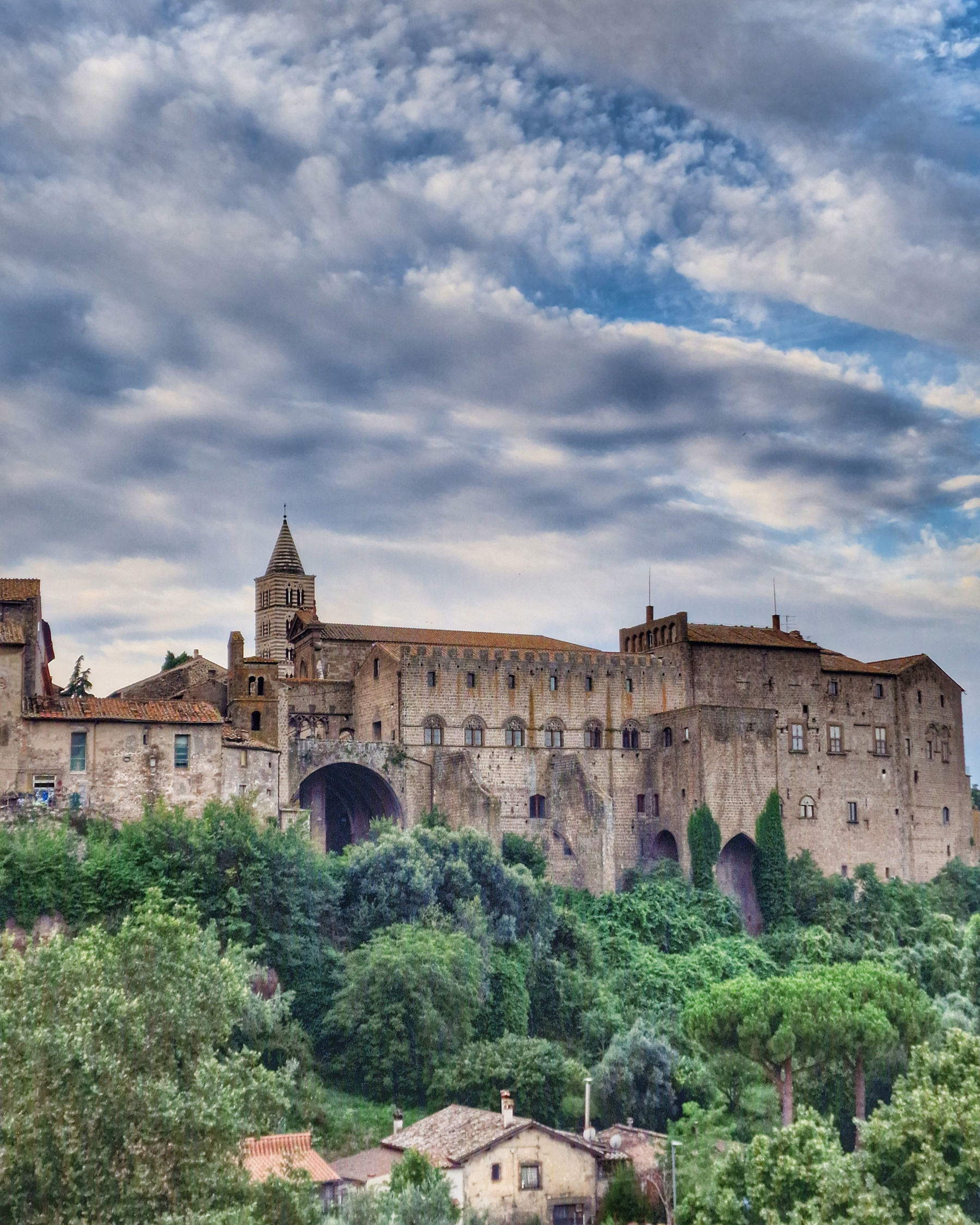
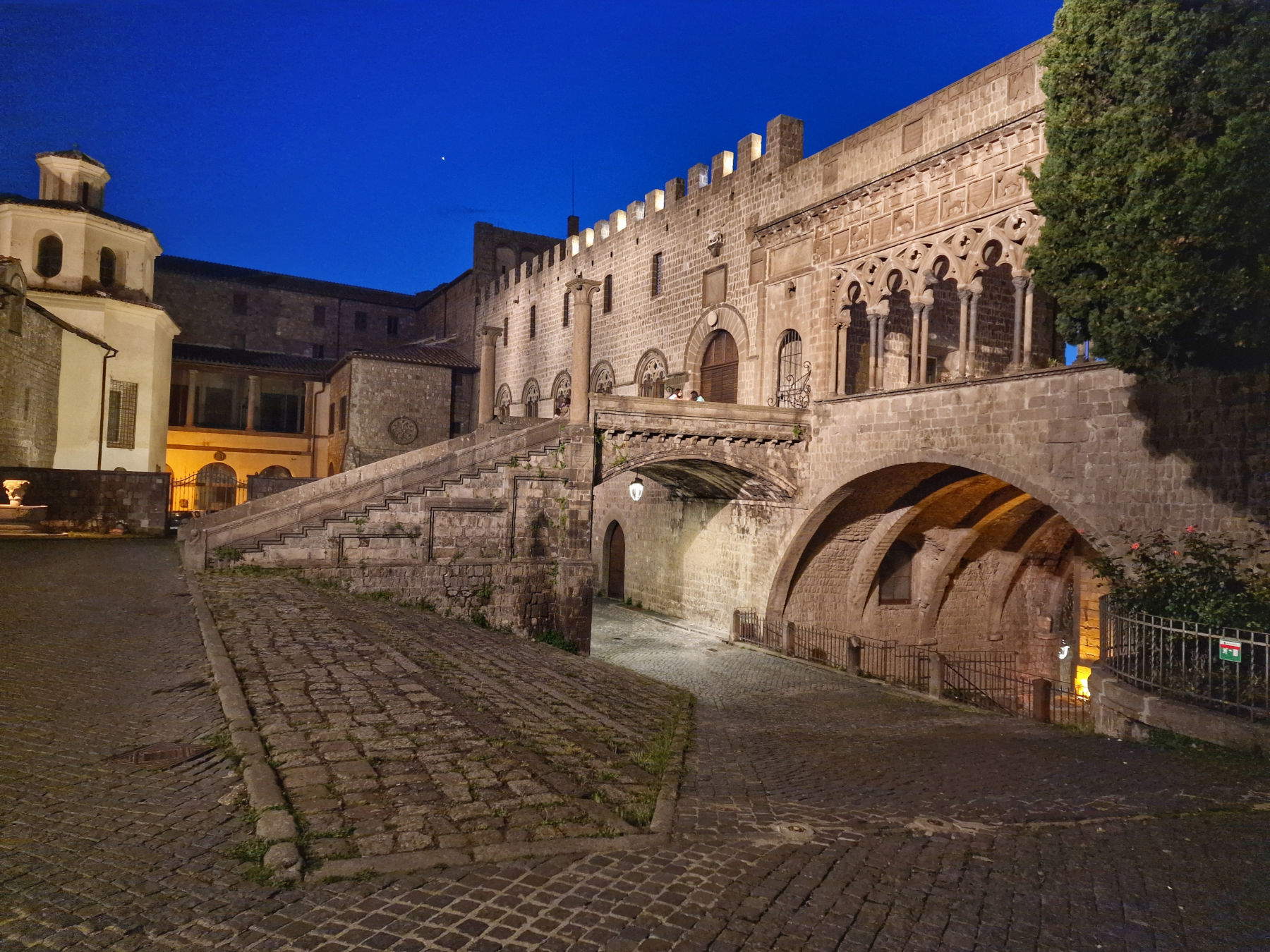
In the preliminary presentation dossier, Viterbo is described as a city of intermediate size characterized by the presence of a medieval historic center that is still fully inhabited and embedded in the daily life of the community. Precisely the continuous relationship between historical heritage and contemporary urban functions is indicated as one of the distinctive elements of the candidacy. Indeed, the project intends to enhance an urban dimension considered consistent with the central themes of European cultural policies, particularly those related to sustainability, quality of urban space and heritage conservation.
Among the aspects recalled in the presentation also appears the institutional history of the city. Viterbo was a papal seat in the 13th century and played an important role in the medieval European context. The candidacy also aims to enhance the relationship with the territory of Tuscia, defined as a system composed of villages, historic landscapes and widespread cultural heritage. The Via Francigena, a cultural itinerary recognized by the Council of Europe, which connects Viterbo to a European network of historical and religious routes, is also recalled in this framework.
According to the working group in charge of the candidacy, the project aims to propose Viterbo as an example of a non-metropolitan centrality, that is, as an alternative model to large urban areas in the European cultural landscape. The candidacy is therefore presented as a process oriented toward sustainability, participation and territorial impact, with the aim of building a long-term cultural strategy.
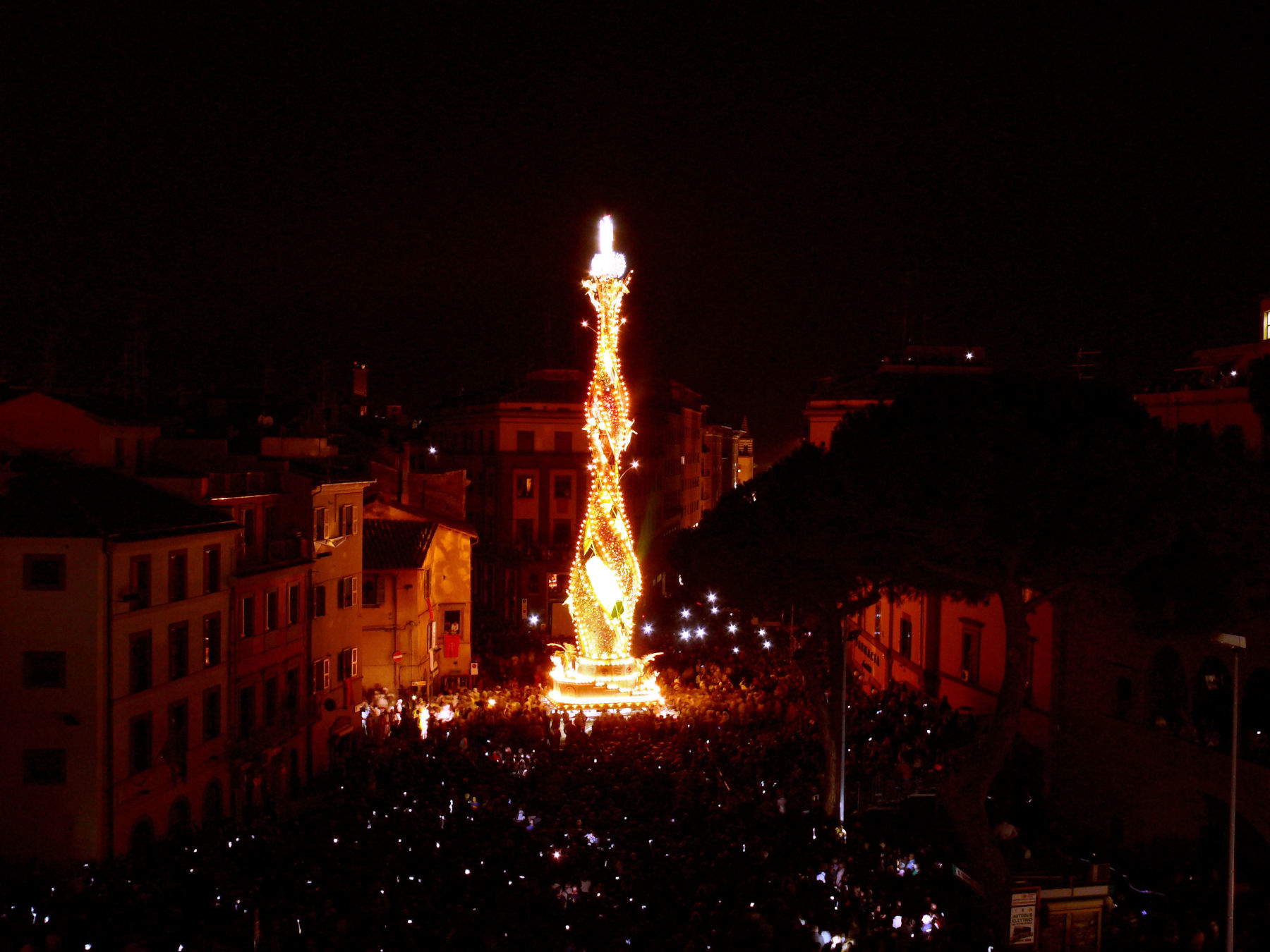
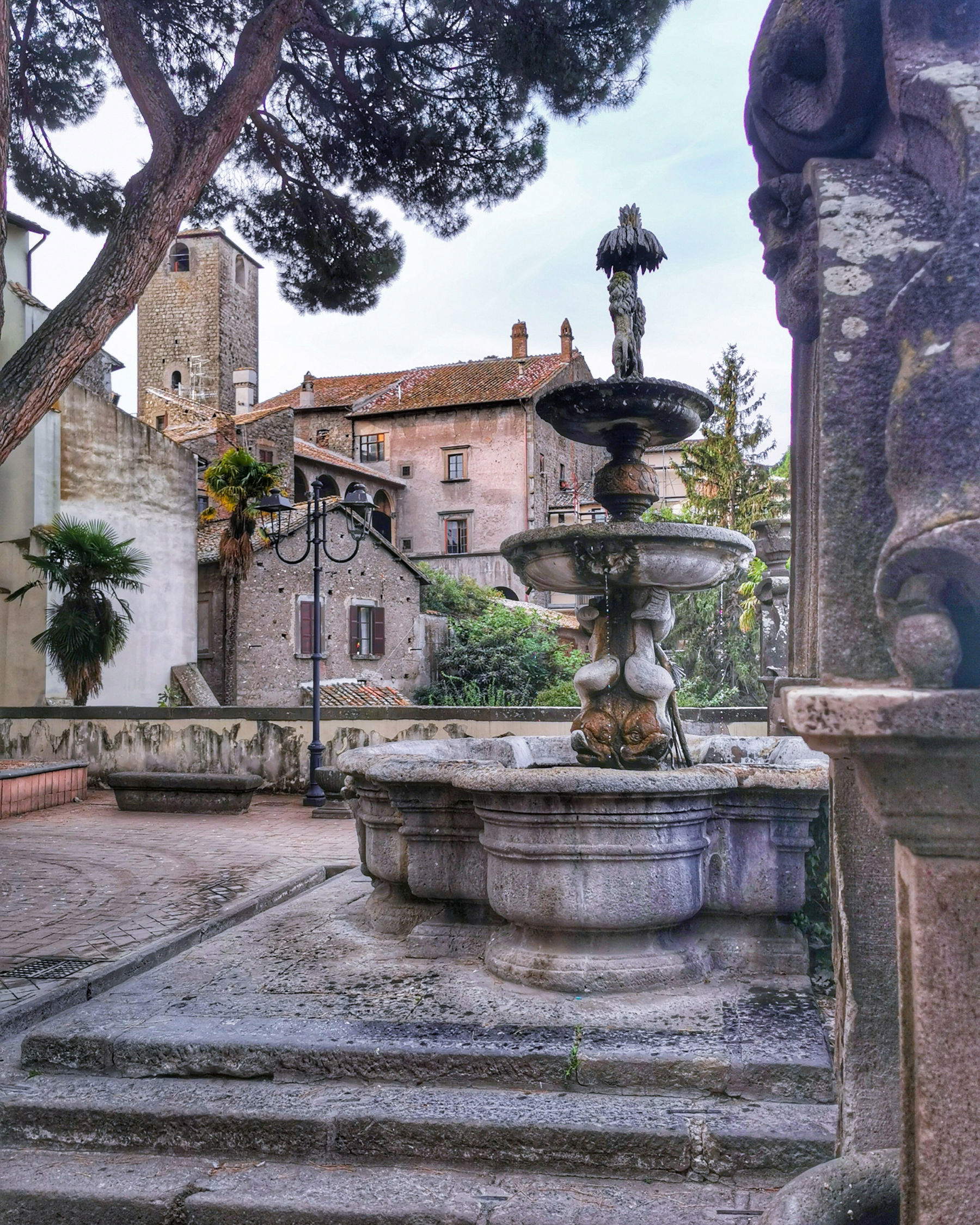
The official branding of the candidacy was also presented at the meeting. The logo consists of three bundles of colored light that converge in the shape of a “V,” the initial of Viterbo, reinterpreted as a symbol of a transforming territorial identity. The graphic design was developed from a preliminary analysis of the territory and its identity elements, carried out by the group composed of Capitale Cultura Group, Accent on Design and WePlan, in collaboration with local administrators and the promoting committee. The brand concept takes its cue from three elements considered central to the city’s historical and cultural imagination: the medieval district of San Pellegrino, Palazzo dei Papi and the Macchina di Santa Rosa. These references have been synthesized into a unified graphic sign that, in the designers’ intentions, should represent the link between historical memory and future perspective.
The candidacy is accompanied by the claim “living history, present future,” chosen to synthesize the continuity between historical heritage and contemporary development. The color palette of the logo was also constructed from references to the area. Gray refers to the tufa and stone of historic buildings, blue recalls the water of fountains and the theme of time, green refers to the natural landscape of Tuscia and the Cimini Mountains, and orange and yellow are associated with the cultural vitality and collaborative dimension of the project.
Coordination of the bid’s strategic communications has been entrusted to Capitale Cultura Group, a company that operates in the field of cultural and tourism development and will oversee media relations, social media and fundraising activities. WePlan, on the other hand, will be in charge of strategic analysis activities and the definition of the overall vision of the candidacy, leveraging the experience gained in major international events such as Expo 2015 and the Milan Cortina 2026 Winter Olympics. Accent On Design will take care of the visual identity and communication tools, building on previous collaborations with institutional bodies such as Regione Lombardia and Regione Emilia-Romagna.
The presentation also clarified the institutional steps that will lead to the selection of the European Capital of Culture 2033. For that year, the designation concerns Italy, and the path will formally come into focus in 2027, when the Ministry of Culture will invite interested Italian cities to submit their official candidacy. By that stage, the so-called bid book, the strategic dossier that defines the cultural vision of the candidacy, the program of planned initiatives and the expected impacts on the territory, will have to be drawn up. The document is the main evaluation tool for the international jury in charge of selection.
The process will subsequently be divided into two phases. An initial pre-selection will be used to identify a shortlist of candidate cities, while a second phase will lead to the final choice of the winning city. The procedures will take place between 2028 and 2029 and will include the analysis of dossiers, public hearings and moments of direct confrontation with the territories involved.
The evaluation will be based on criteria established at the European level, including the quality of the cultural program, the European dimension of the project, the involvement of local communities and the sustainability of the effects produced in the long term. The selected city will receive the title approximately four years prior to the year of the event and will be eligible for the Melina Mercouri Prize of 1.5 million euros, subject, however, to meeting the commitments made in the application file.
According to the presentation, Viterbo has already initiated some preliminary activities aimed at building the project. These include the open call promoted in the summer of 2025, through which projects and proposals were collected and subsequently developed in Co-design Workshops hosted by Lazio Innova. The thematic tables involved cultural operators, associations and local stakeholders, with the aim of defining an initial core of content to be included in the application process. The next public meeting has been set for May 13 and will be dedicated to updates on the project, the preparation of a territorial involvement day planned for the summer and the start of a discussion among cultural and associative stakeholders on the positioning of the candidacy of Viterbo and Tuscia in the European context.
In the coming months the work will continue with the definition of a governance structure, the appointment of an international Scientific Committee and the elaboration of the strategic lines that should accompany the territory until the official presentation of the candidacy. The stated goal of the promoting bodies is to build a shared project, consistent with European criteria and capable of consolidating the cultural and institutional network of Tuscia over time.
1. Arlena di Castro
2. Bagnoregio
3. Bassano in Teverina
4. Blera
5. Bolsena
6. Bomarzo
7. Canepina
8. Canino
9. Capodimonte
10. Capranica
11. Caprarola
12. Carbognano
13. Castel Sant’Elia
14. Castiglione in Teverina
15. Celleno
16. Cellere
17. Civita Castellana
18. Corchiano
19. Fabrica di Roma
20. Faleria
21. Farnese
22. Gradoli
23. Graffignano
24. Grotte di Castro
25. Ischia di Castro
26. Latera
27. Lubriano
28. Marta
29. Montalto di Castro
30. Montefiascone
31. Monte Romano
32. Monterosi
33. Nepi
34. Onano
35. Oriolo Romano
36. Orte
37. Proceno
38. Ronciglione
39. Villa San Giovanni in Tuscia
40. San Lorenzo Nuovo
41. Soriano nel Cimino
42. Sutri
43. Tessennano
44. Tuscania
45. Valentano
46. Vallerano
47. Vasanello
48. Vejano
49. Vetralla
50. Vignanello
51. Vitorchiano
The involvement of municipalities that have not yet formalized their support for the candidacy so far is being considered.
“That of Viterbo Tuscia 2033 is not the candidacy of a single city, but of an entire territory that chooses to tell the world about itself as a united system,” said the mayor of the City of Viterbo, Chiara Frontini. “This challenge asks us to overcome particularisms and build a shared vision, capable of enhancing local identities within a common project. Regardless of the final outcome, the real result will be to leave our citizens with a stable method of collaboration between communities. Viterbo Tuscia 2033 must become the symbol of a territory that has rediscovered the pride of walking together.”
“The meeting with the mayors of Tuscia dedicated to updating the candidacy path of European Capital of Culture 2033,” says Alfonso Antoniozzi, deputy mayor and alderman for the European Capital of Culture, “represents an important moment, because a European candidacy obliges a territory to get out of the habit of considering itself only heir to a great history: it is necessary to return to being contemporary without denying anything of its depth but finally putting culture back in the condition of producing presence and not just memory.”
“The candidacy for European Capital of Culture is a great opportunity that Viterbo and Tuscia must seize in order to enhance their historical, cultural, and productive excellences,” commented Councillor for Finance Elena Angiani. “The cities that have had this experience before us have shown that the candidacy process, beyond the final victory, brings with it growth in terms of tourist and business attractiveness with an enormous economic return, far beyond the investment made. That is why it is essential that everyone be involved in this project, the institutions for their expertise but also and above all the cultural and productive realities of the territory that represent the real engine of the entire path.”
“This candidacy for European Capital of Culture 2033 represents a challenge that crosses administrative boundaries and calls the entire territory to work as a system,” concluded the president of the Province of Viterbo, Alessandro Romoli. “The response that arrived today from the 51 municipalities shows that there is a shared awareness: culture can be a central element of growth, development and cohesion for the entire province. Tuscia is a territory rich in history, culture and traditions, made up of unique villages, extraordinary landscapes, archaeological sites, spiritual paths and artistic testimonies that tell centuries of identity and belonging. A widespread heritage that represents not only our memory, but also a great opportunity for development and enhancement for the future. This path offers us the possibility of networking the excellences of the territory, building a common vision, capable of looking to Europe without losing its roots. As a province we will continue to support this project with conviction, encouraging the involvement of administrations, associations, cultural realities and local communities, because a strong candidacy is born from participation and the ability to work together.”
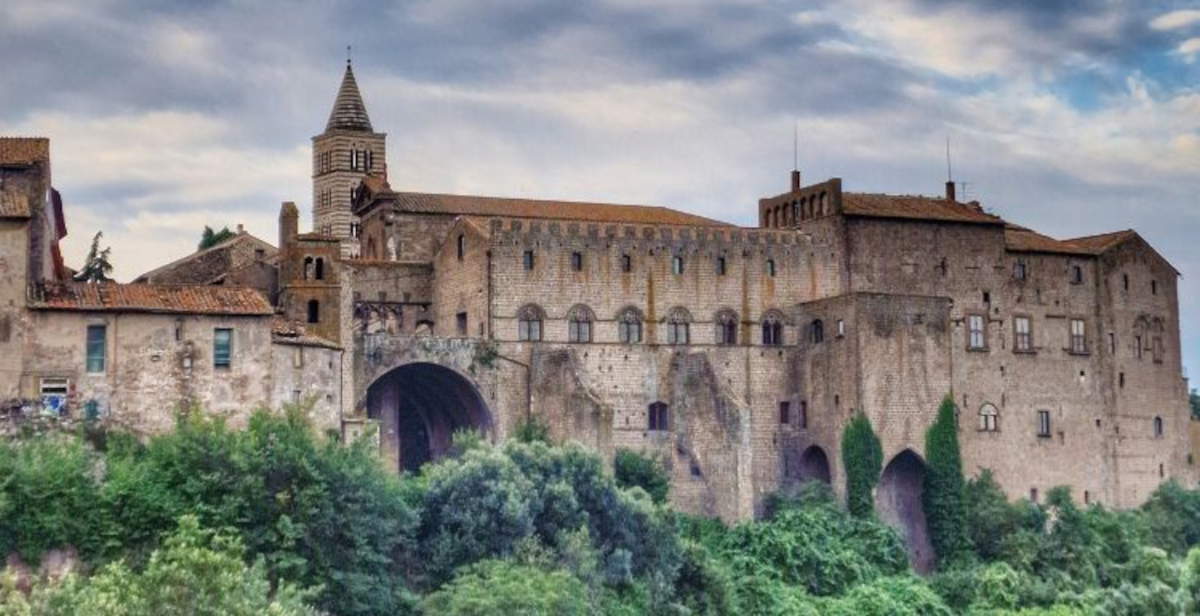 |
| Viterbo aims for European Capital of Culture 2033 with the support of 51 municipalities |

Warning: the translation into English of the original Italian article was created using automatic tools. We undertake to review all articles, but we do not guarantee the total absence of inaccuracies in the translation due to the program. You can find the original by clicking on the ITA button. If you find any mistake,please contact us.





















 IT
IT FR
FR DE
DE ES
ES CN
CN


