



by Noemi Capoccia 14/04/2026



Categories: Interviews / Disclaimer
The UNESCO site "Le Strade Nuove e il sistema dei palazzi dei Rolli di Genova" is turning 20 years old: for Councillor Giacomo Montanari, however, it must not be a tourist label or an economic asset. In fact, if there is a lack of awareness that it is everyone's asset, it will never be an important element for the city's future. In this interview he explains what the real importance of this site is.
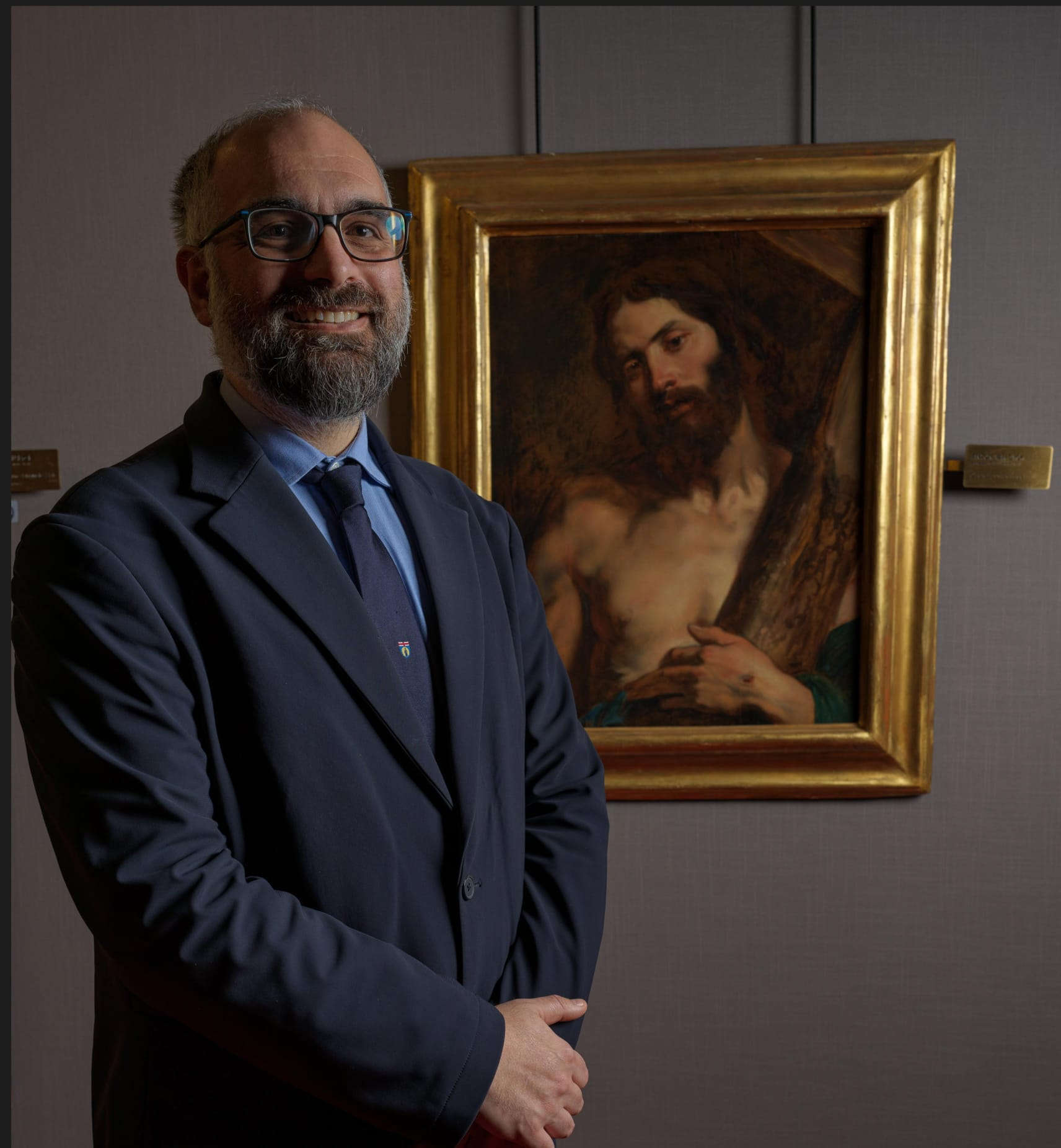
The UNESCO site “Le Strade Nuove e il sistema dei palazzi dei Rolli di Genova” is celebrating its twentieth birthday: for Culture Councillor James Montanari, however, it must not be a tourist label or an economic asset. Indeed, if there is a lack of awareness that it is everyone’s asset, it will never be an important element for the city’s future: he tells us this in this interview, in which he explains what the real importance of this site is. James Montanari trained in Classical Humanities at the University of Genoa, then turned to art-historical research, eventually earning a PhD in History and Conservation of Artistic and Architectural Cultural Heritage. A researcher in History of Modern Art at the University of Genoa and Curator of events for the enhancement of the UNESCO site of the Strade Nuove and the Sistema dei Palazzi dei Rolli on behalf of the City of Genoa, since 2025 he has held the post of Councillor for Culture of the Ligurian capital. His scientific background is deeply connected to the relationship between heritage, territory and community. He has devoted numerous studies to the cultural contexts of the Genoese sixteenth and seventeenth centuries, with particular attention to the dynamics of aristocratic patronage, book collections and art collecting practices. At the same time, seventeenth-century Italian sculpture and great Baroque painting constitute other central areas of his research, to which he has devoted contributions published in specialized journals of international importance, including Paragone, Studi Secenteschi, Commentari d’Arte, Nuovi Studi and the Bollettino d’Arte. A figure who combines academic activity and institutional commitment, he has always maintained a keen eye on the relationship between works, places and communities, with an approach that interweaves research and popularization. With this in mind, he was interviewed by Noemi Capoccia on the occasion of Rolli Days (of which he is the creator and scientific director) for a reflection on the value of Genoa’s heritage and its possible future trajectories: a dialogue that restores well the continuity between his work as a scholar and his role in the enhancement of the city.
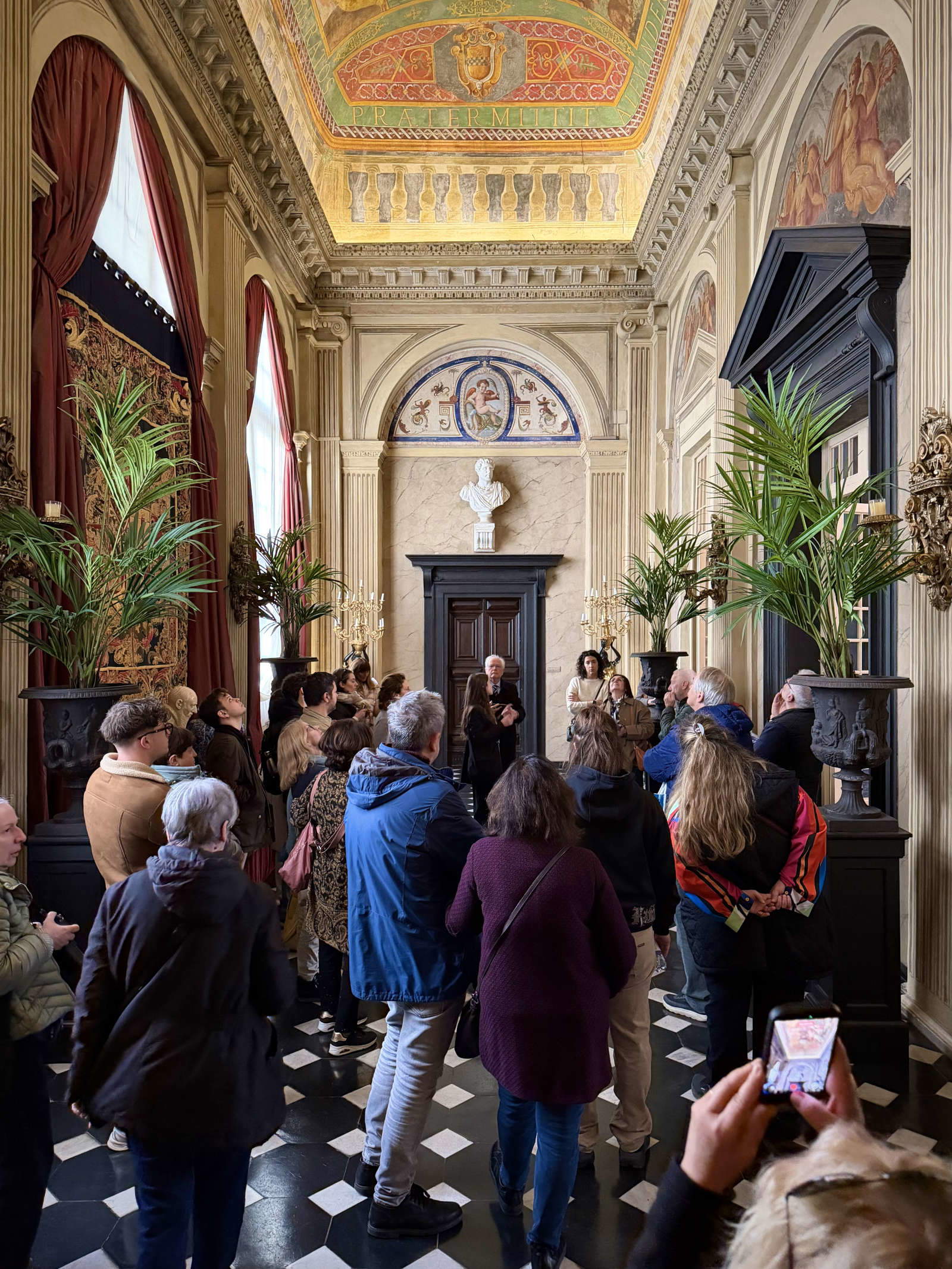
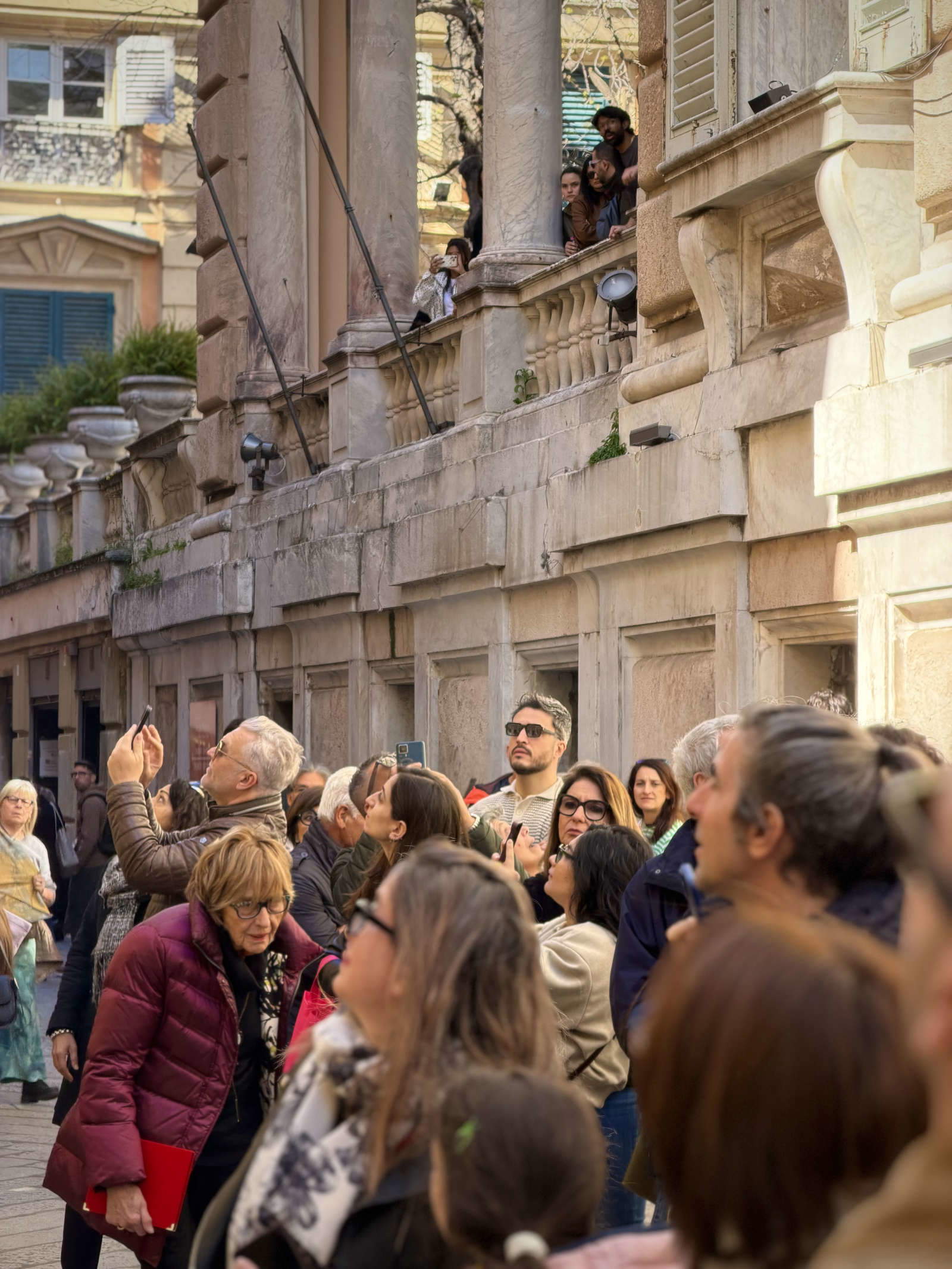
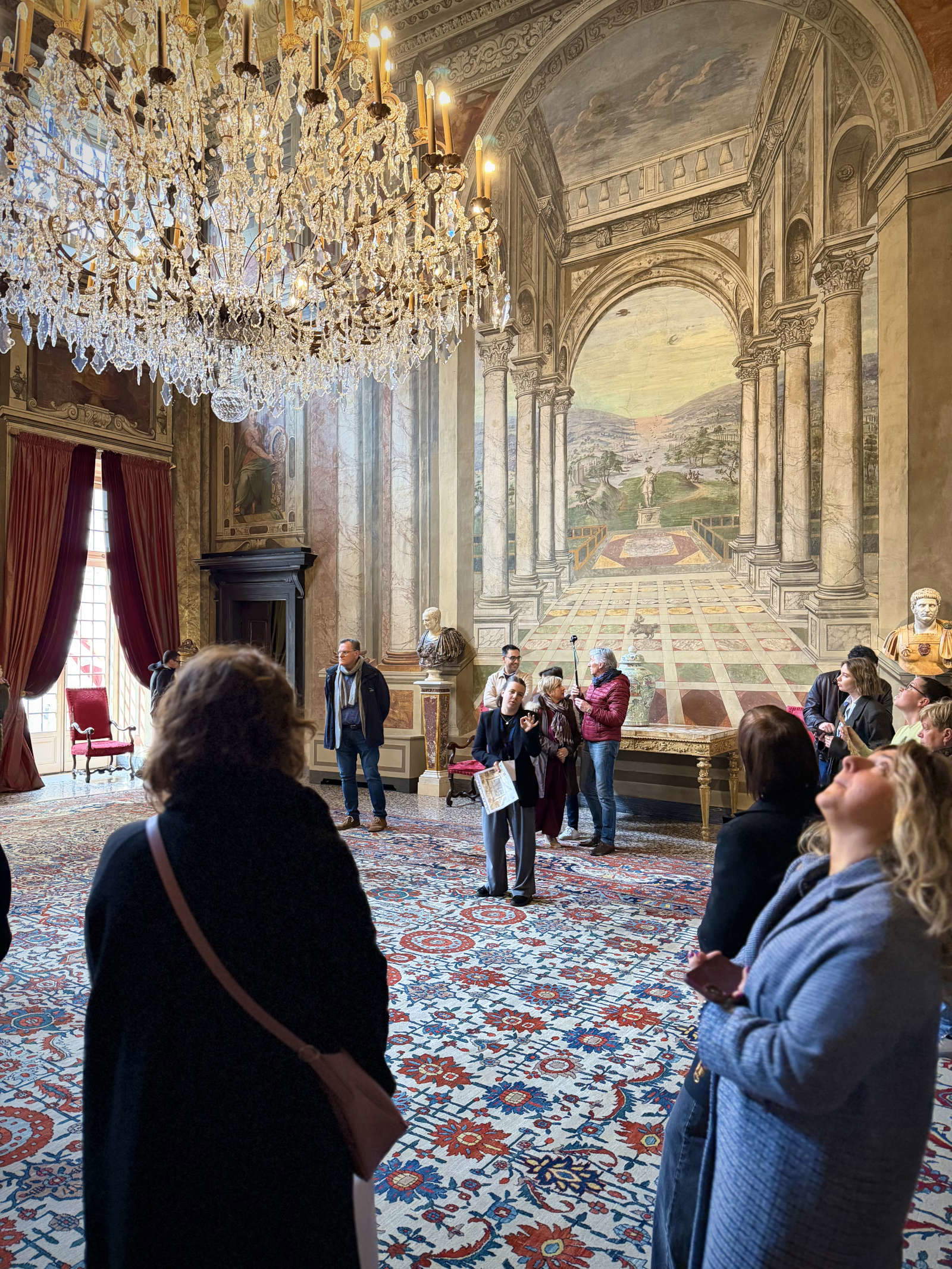
NC. Let’s talk about the 20th anniversary of the UNESCO site “Le Strade Nuove e il sistema dei palazzi dei Rolli di Genova,” starting with the initiative that has made it most known: the Rolli Days. Over 70,000 attendees in three days, with visitors arriving from 92 Italian provinces and a significant international presence: the numbers of the Rolli Days now have the dimension of a major cultural event. What achievements satisfy you the most and make you say that the work done so far has really changed the way the heritage of Genoa is told?


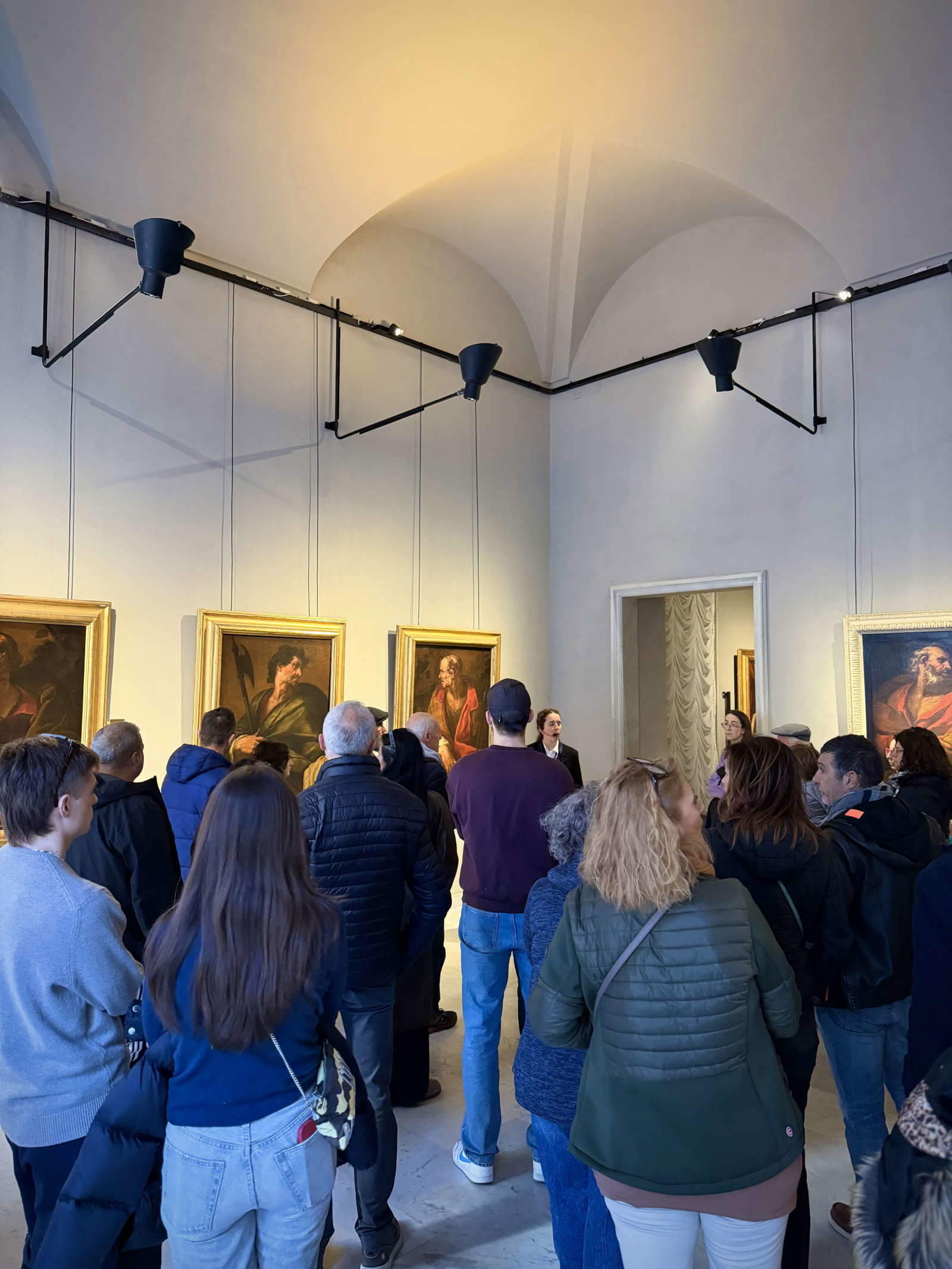
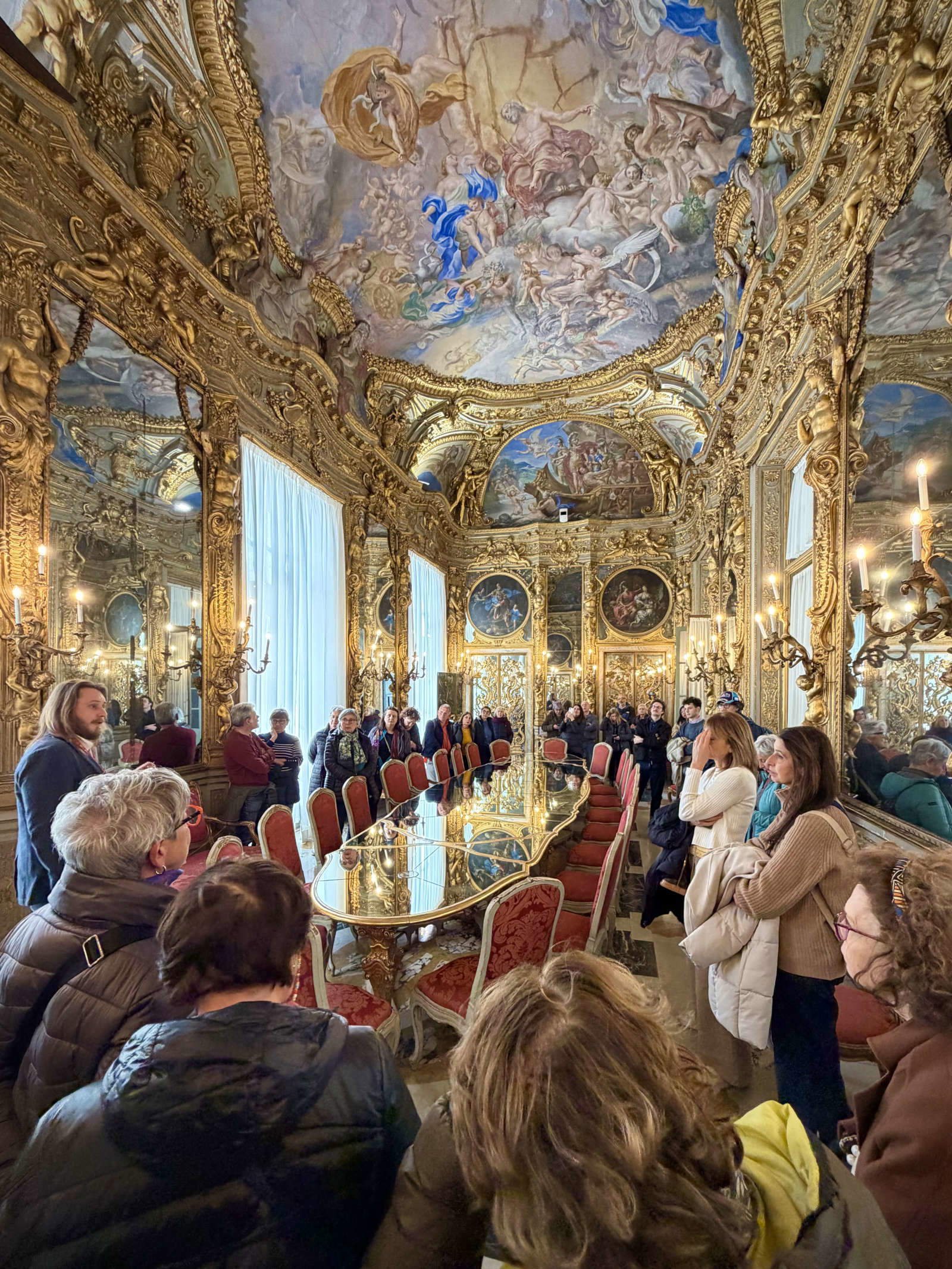
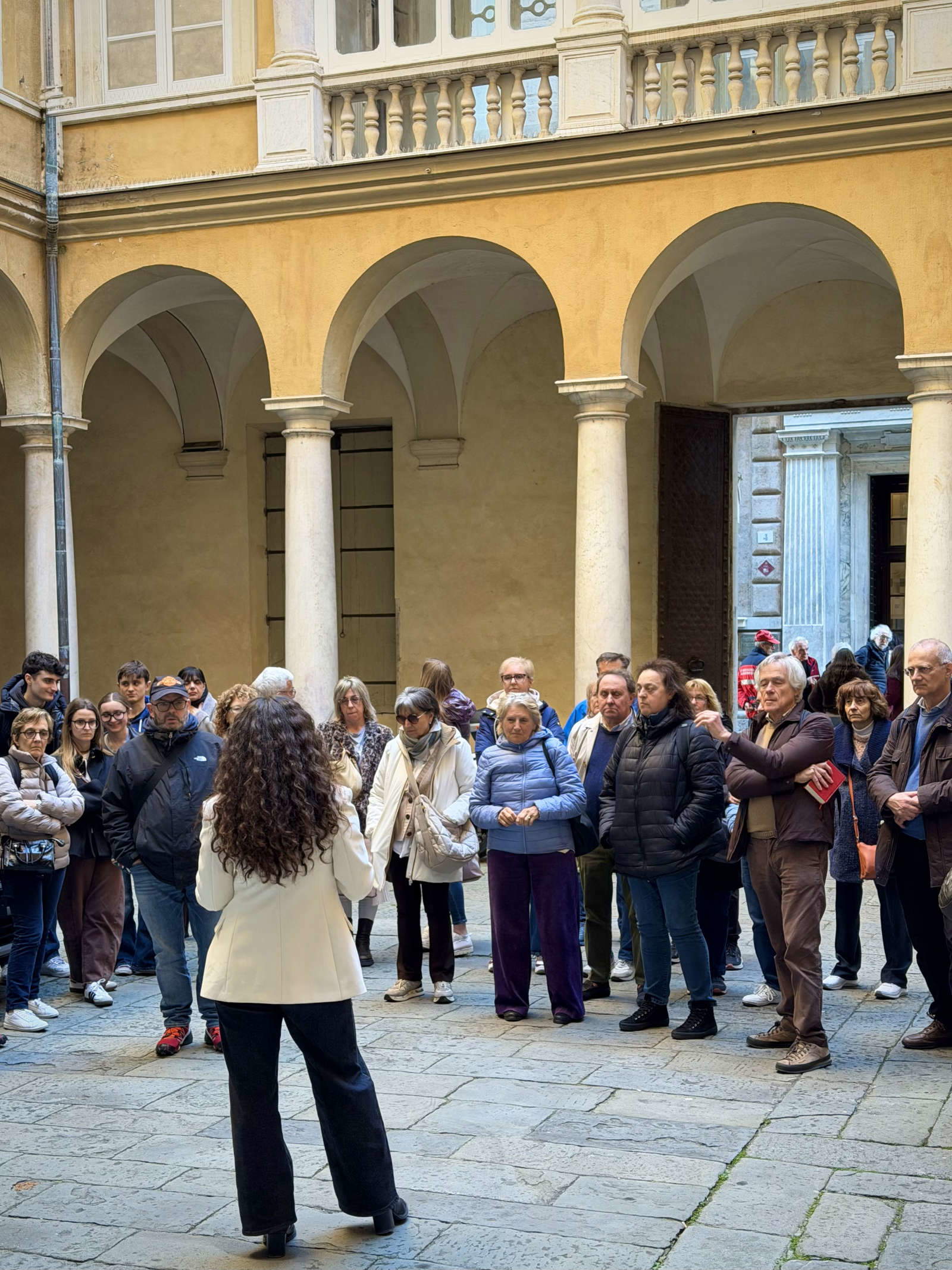
GM. There are two main figures and they tell quite clearly the positive result of a work that is now seventeen years long, which becomes twenty if we consider the time that has passed since the UNESCO nomination. Rolli Days, in fact, was born in 2009, three years after that recognition. The first datum concerns the audience: despite the fact that it has been an event with at least two annual editions for several years, more than 60 percent of the participants are new visitors at each appointment. It is therefore an event capable of constantly renewing its audience, while maintaining strong roots in the Genoese citizenry. The second fact is equally important: Rolli Days was not born as a mass event nor as a tourist initiative, it was born as a conscious return to the citizens of the UNESCO heritage, as indicated by the site management plan. In this perspective lies its deepest value. The event is based on an approach built through scientific research, the enhancement of territories and the networking of specialists’ skills, with the aim of establishing a balanced relationship between historical-artistic content and the community that lives the city on a daily basis. The result is an ever-changing public, but characterized by a constant high level of participation. A notable part is made up of Ligurian citizens, who account for more than 50 percent of participants, who are joined by an increasing share of visitors from other Italian regions and Europe. This dynamic highlights a dual function of heritage: on the one hand, it becomes an engine of territorial development, restoring awareness of the value of urban and suburban space to those who live it every day; on the other hand, it builds paths of approach that are also touristic, capable of generating induced income and promoting qualified cultural work, a subject on which the country should reflect more deeply. These two elements together confirm a clear direction: citizens continue to recognize value in the initiative and, at the same time, the event has turned into a real engine of growth for the city.
Many Genoese have discovered the Palazzi dei Rolli precisely because of Rolli Days. Ten or 15 years ago they were almost unknown to the general public. When did you realize that the project was really changing the relationship between the city and its heritage?
At some point an important shift happened: they started contacting us to participate in the openings, whereas only a few years earlier it was others who shut down the conversation when we called them. The reason is obvious: it was, and still is, about entering spaces not always intended for public use. This is one of the characteristics that make the UNESCO site of Genoa profoundly different from many other Italian and European contexts. Its assets are extremely heterogeneous in nature: some are public, others private; some accessible, others normally closed. Thus, there is no single model for the management of the Palazzi dei Rolli, but a vast and articulated case history. In this scenario, asking owners to open their residences to thousands of visitors in a few days has always been a major critical issue. It means accommodating a substantial flow of people in spaces that were not designed for that function. This is, no doubt, a positive invasion, but still complex to manage. For this reason, a great deal of engagement work was required in the beginning. Over time we have put in place solid and recognizable skills. On the one hand, on the level of knowledge: we were often the ones who provided owners with unpublished information, studies and research on their own buildings. On the other, we have built an advanced organizational system, both in terms of security and the quality of guided tours. Closed number, with mandatory reservation, is not only an organizational tool, but a guarantee of quality. It makes it possible to avoid unmanageable situations and to ensure that each visitor has an adequate experience, calibrated to the spaces and their characteristics. In this way, the encounter with the heritage becomes truly quality. Another decisive element is the professional figures involved, particularly the scientific popularizers, who help build a conscious relationship between the public and historical-artistic content. Over time, these factors have also convinced many private owners. They have realized that the project possesses ideal value and is also sustainable and beneficial to all. To participate is to contribute to a concrete return of heritage to the city. The real change of step occurred when the buildings began to be perceived as the very image of Genoa, as an expression of a city recognized as a UNESCO heritage site and a city of culture. Of course, the path has more distant roots. Ennio Poleggi’s research laid the scientific foundation for the candidacy dossier, at a stage coinciding with Genoa’s recognition as European Capital of Culture in 2004. The UNESCO nomination in 2006 represented a fundamental step, but the work of communication to the outside world was still all to be built. In this sense, the development of tools and content, including digital, played a decisive role in consolidating the project and expanding its reach.
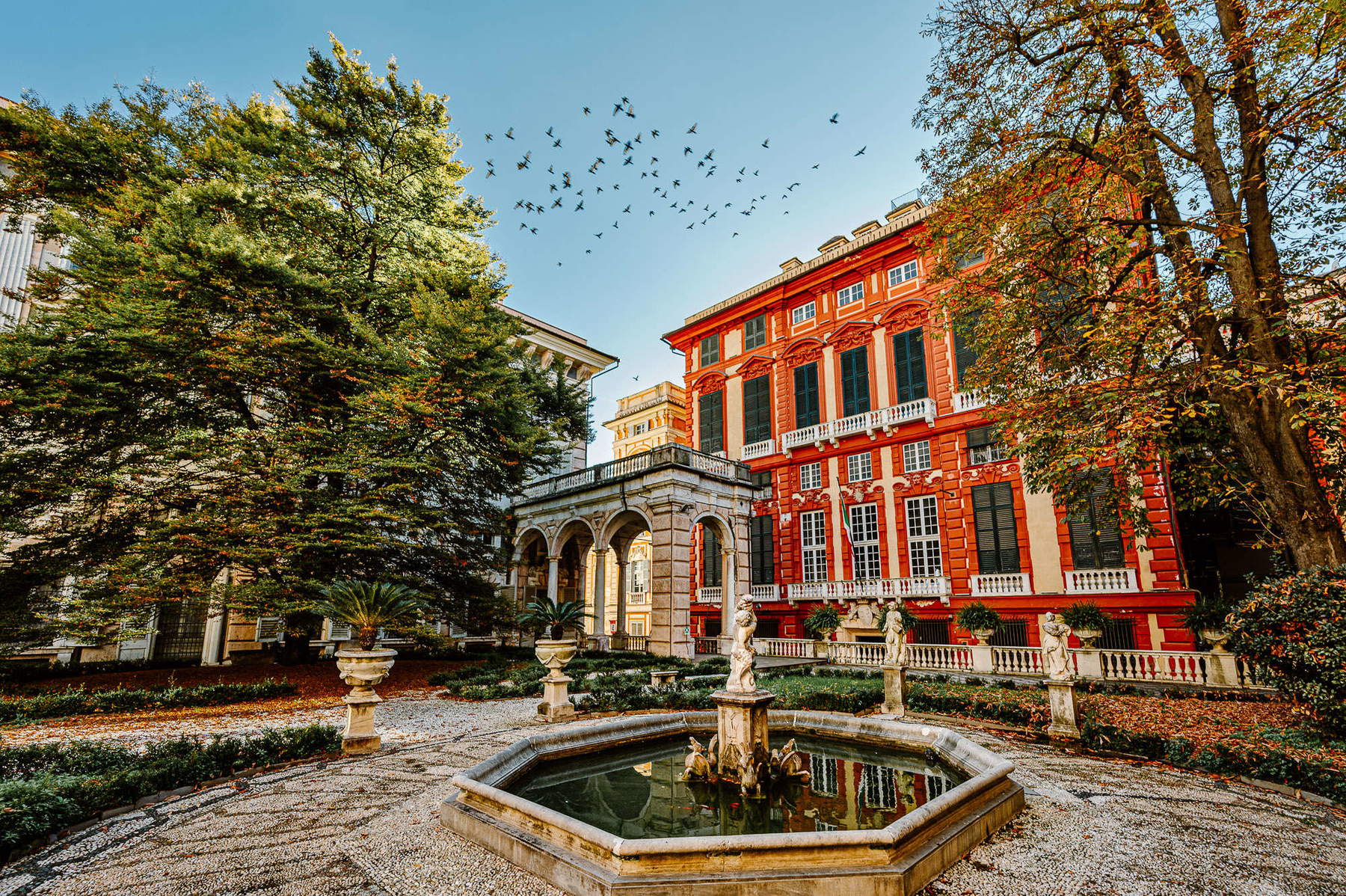
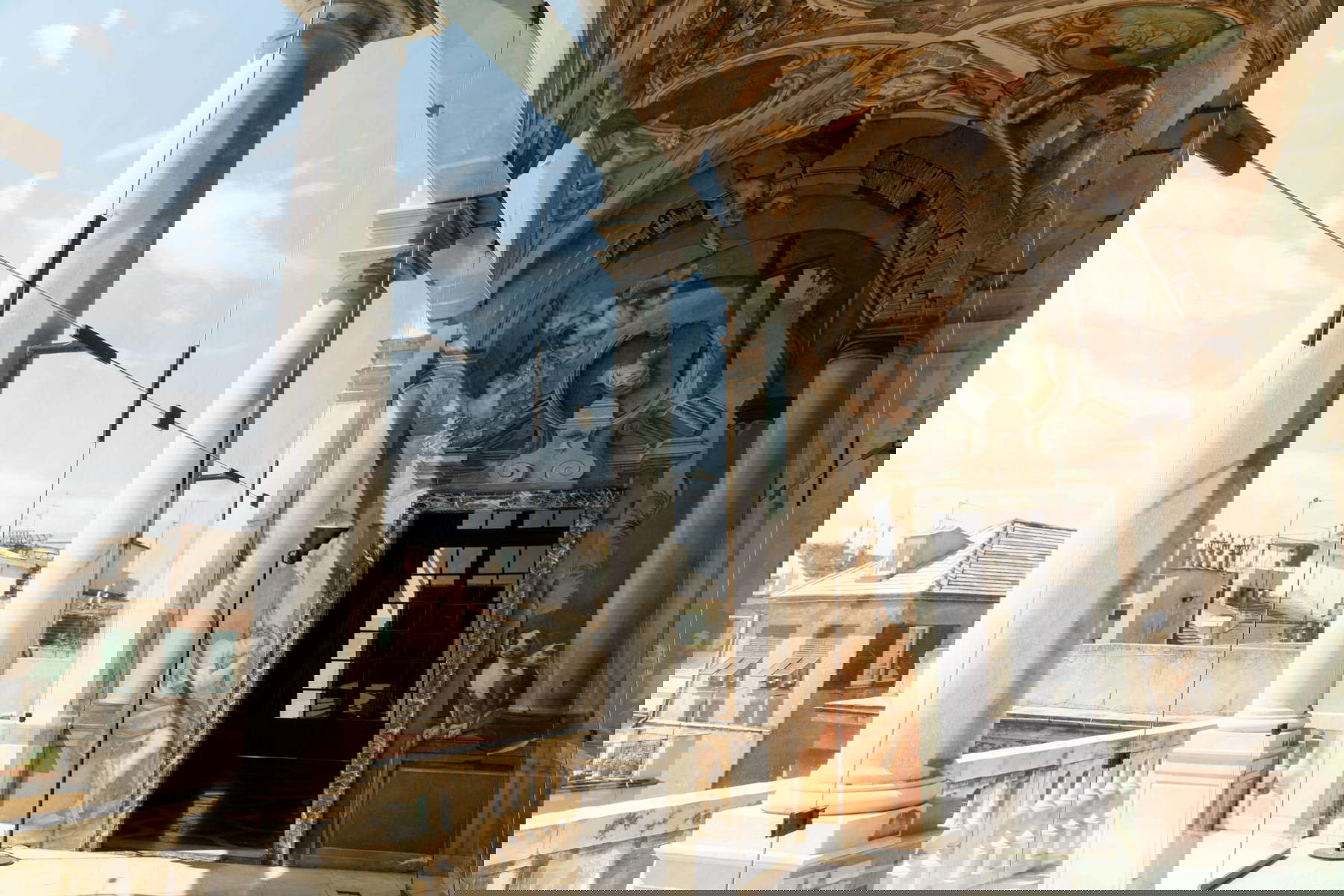
2026, as mentioned, marks the 20th anniversary of the UNESCO recognition of the Strade Nuove and Palazzi dei Rolli. After two decades, what is the most concrete achievement of the recognition for the city?
First of all, the most important achievement has been to kindle different consciousnesses, which are not only about conservation in the strict sense, but also about research as an indispensable passage to knowledge, and enhancement as a concrete form of sharing. It is no coincidence that, on the occasion of this 20th anniversary, the motto “Share and Protect” was chosen. Experience has clearly shown that if heritage does not become truly shared, not only by specialists, but by the community, then its protection (understood as both preservation and knowledge) also becomes extremely difficult. The idea emerged strongly that all the elements that define the approach to a UNESCO site-research, education, enhancement, protection-are parts of a single system and not domains. This view is even more necessary when it comes to monumental heritage. If there is a lack of awareness that these assets belong to everyone, and if tools are not built to make them accessible to different levels of the public, the work remains incomplete. Therefore, these are not assets to be reduced to a mere tourist attraction or turned into an economic resource. Likewise, they cannot be considered the exclusive patrimony of experts. They are, first and foremost, civic cultural heritage, an integral part of collective identity. The most important achievement is precisely this: having contributed to the emergence in the Genoese of a sense of belonging and pride in their heritage. A heritage that they now wish to know and recognize as a fundamental element for the city’s future. In this perspective, Genoa can imagine itself as a city of culture and not only through its more recent industrial dimension. A definition that indicates a place capable of offering something unique that does not exist elsewhere and that does not automatically coincide with that of a tourist city. To see the palaces of the Genoese aristocracy, in fact, it is necessary to come here. Just as it happens in Venice for those who want to know its canals.
She stated that the goal is to create "a daily contact with culture." Buthow do you turn a weekend opening of the palaces into a cultural habit for those who live in Genoa year-round?
We have often been asked to make these widespread openings permanent. An understandable request, but one that is difficult to achieve. First of all, for practical reasons: many of these places are still inhabited spaces or places of work and cannot be opened continuously without compromising their function. Secondly, the point is not the quantity of openings, but the quality of the relationship that is built with the heritage. It is not the number of occasions that makes the difference, but the ability to offer tools that allow each person to develop his or her own way of approaching cultural heritage. During Rolli Days, for example, visits accompanied by science popularizers do not just tell a story: they try to provide keys to interpretation. The goal is to make heritage understandable, accessible on a cultural level even before the physical one. In this perspective, the daily habit of looking also becomes central. It is about learning to observe what one encounters every day. As Robert Venturi suggested, it is necessary to train oneself to see and review, to recognize the value of heritage even in the most ordinary paths. In territories such as Liguria, and particularly in Genoa, cultural density derives not so much from an absolute quantity of assets as from stratification in a small space: medieval churches incorporated into the urban fabric, Baroque buildings overlapping older structures, historic architecture integrated into everyday life. These are places that are part of the commute to work, part of the daily routine, but often remain invisible. This distance depends largely on a lack of tools. Art history teaching is now marginal and, as a result, there is a lack of a shared vocabulary for reading heritage. Added to this is another critical element: many cultural events, including some exhibitions, end up creating distance instead of proximity. The work is placed on a pedestal, more to be venerated than understood. Daily contact with culture should instead produce the opposite effect. To feel comfortable in a cultural place, it is necessary to understand it: to know what one is looking at, why it was made, what meaning it may have today. It is on this direction that the work developed around UNESCO heritage is moving, through the Rolli Days, but also with educational activities, meetings, seminar moments and collaborations with the city museum system. In fact, the museum pole represents the permanent infrastructure on which to build an ongoing relationship with the public, all the more so in a city where many museums coincide with the Palazzi dei Rolli themselves. The confrontation, then, is about rebuilding widespread familiarity. Many people openly declare that they lack the tools to understand a work or a building. It is here that a specific responsibility emerges: to develop effective cultural mediation paths, capable of providing everyone with a toolbox for interpreting heritage. In this sense, the reference is also constitutional. Access to cultural heritage cannot be reduced to the possibility of entering a place, free of charge or not. Access also means understanding. Without interpretive tools, experience remains superficial and indistinct, hence the idea, widespread in the past, that “seen one, seen them all.” Recognizing differences, grasping specificities, attributing value-all these require skills that must be shared. It is precisely in this direction that the attempt to build a truly inclusive cultural mediation, capable of giving heritage back to the community in a full and conscious way, lies.
According to her, culture should not be treated as an “oil field” to be exploited touristically. Rolli Days has become a huge success with the public: how do you hold together the risk of mass tourism with the quality of communication?
This is a very important question, not least because it touches a central node in the debate on cultural heritage. In recent years I have often reflected on the concept of “cultural deposit,” a metaphor that I consider deeply problematic. A deposit, by definition, is something to be exploited until it is exhausted, and then moved on. To apply this logic to cultural heritage is to introduce, even unwittingly, an extractive idea that risks damaging them irreversibly. This view is now so ingrained that it has entered common parlance. It results in seemingly innocuous questions, such as, “Why don’t you make money from it?” The economic issue is not to be demonized; ticketing, for example, can be a legitimate tool, but it must be managed according to a principle of equity: sustainable for those who can afford it and affordable for those who are struggling. Culture should not be equal for all; it should be equitable. The problem, however, is deeper. When the value of heritage is measured solely in terms of numbers, it triggers an endless race for the record. That is why we have chosen to reverse the perspective. Through the reservation system, the number of visitors is known in advance: there is no longer an obsession with surpassing the previous year’s figure, because that figure is already defined. It is a paradigm shift. At that point, the question becomes another: is the proposed experience really of quality? Can entering hundreds in a confined space, facing endless queues and experiencing heritage in overcrowded conditions be considered an important cultural moment? The answer, even from visitors, is negative. Therefore, the central issue is that of sustainability. What is the limit beyond which heritage stops being adequately usable? How can the preservation of the assets, a good experience for the public and a positive impact on the city be ensured at the same time? The balance lies precisely in the integration of these three factors: an adequate number of visitors, effective protection of the heritage, and an economic spin-off that sustains the area. It is along these lines that we have been working. And the results show that this approach works. The city welcomes flows that are distributed and managed, without assemblages; economic activities benefit from a constant and organized presence; and the cultural experience maintains a high level of quality. All of this demonstrates that managing flows is possible, provided that appropriate tools are adopted. On the contrary, many phenomena of overtourism in Italy stem precisely from a lack of management. People often intervene with emergency measures, lacking a cultural vision. This is the case of some policies adopted in Venice, where tools such as high entrance fees risk functioning more as barriers than structural solutions, without really affecting the quality of the experience or the understanding of the city. In the case of Rolli Days, a different approach was chosen. There has never been an uncontrolled overflow, either during the event or in the overall management of the heritage. This is because the goal has never been to fill, but to govern. It would have been easy to increase numbers, for example by doubling visits, and demand would certainly have supported this. But that would have compromised both the preservation of places and the quality of the experience. The point, then, is to balance. An authentic cultural experience requires time, attention, and appropriate conditions. If these elements are lacking, the risk is to turn the visit into a quick and superficial passage, devoid of real understanding. The goal remains to maintain a balance between quality of experience and benefits to the city. The data show that this direction produces results: continuity in attendance, stability in the quality of the offerings, and positive feedback from the public and the media.
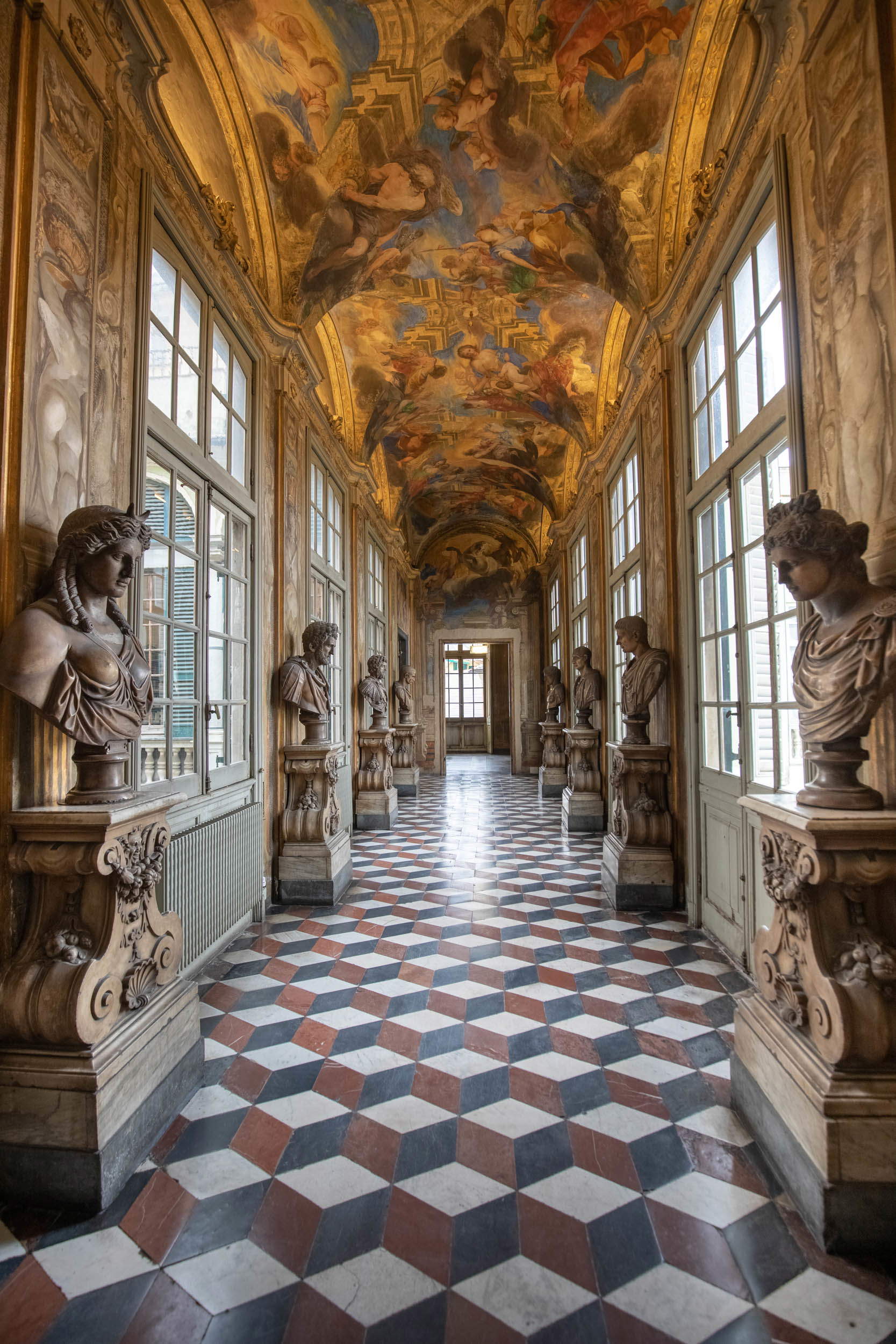
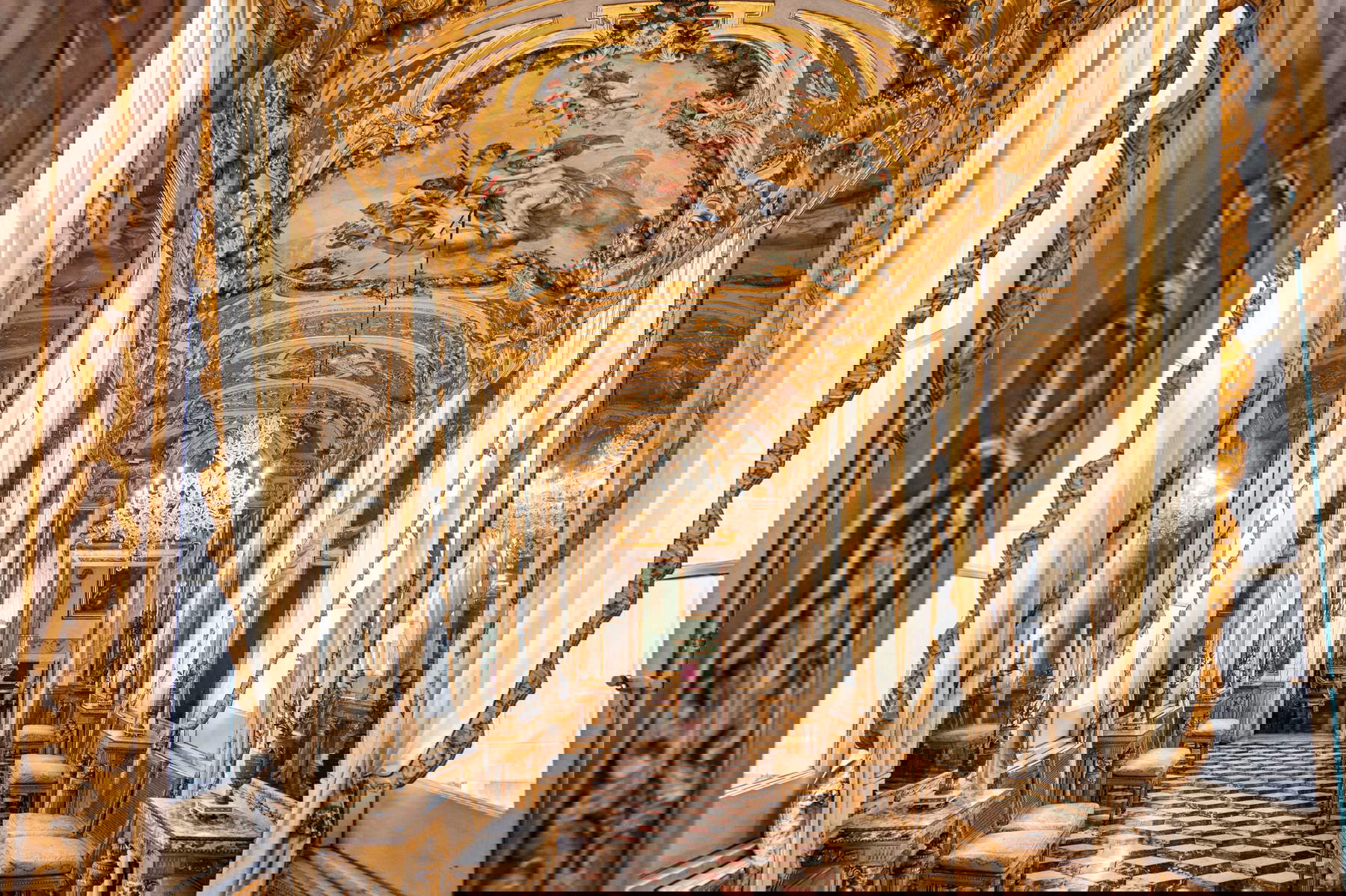
In your various speeches,you insist on the quality of dissemination. In such participatory events, how do you avoid the risk of turning a complex heritage into quick consumption?
Genoa, by its nature, is not a hit-and-run city. It requires time, attention, willingness to be understood. In one or two days you can only grasp its surface, which often does not coincide with its most beautiful aspects. Hence the need to build a deeper relationship between heritage and the public. In this direction, one of the central elements was the involvement of highly trained figures. The choice was made to work with people who have dedicated their studies to cultural heritage: graduates, specialists, doctoral students. They are given the opportunity to measure themselves with scientific dissemination and cultural mediation in a real context. This is still a rare model in Italy. It requires a solid organizational structure and specific skills, starting with the trainers, who must be active professionals in the humanities. Moreover, it implies a concrete commitment for participants: knowing how to analyze sources, build tour itineraries, and interpret places that have often never before been open to the public. Selection is on a national basis, through a call for applications for science popularizers. The fact that more than 40 percent of participants come from outside Genoa demonstrates the attractiveness of the project and also the vitality of art-historical studies. What matters, however, is the method. For the goal is not to rely on anecdotal narratives or informally passed down knowledge, it is to build a scientifically based narrative. We need professionals capable of reading heritage, interpreting it and returning it in an understandable way, without sacrificing rigor. That said, a certain simplifying rhetoric, such as that of “young ciceroni,” which risks downplaying the complexity of cultural mediation work, is also rejected. The transmission of heritage requires specific skills and adequate preparation; it cannot be improvised. The Italian context presents, on this point, a clear criticality. Even in official paths, such as the one to become a tour guide, a consistent educational qualification is not always required. This is a simplification that risks impoverishing the overall quality of the cultural offer, favoring logics of quick access to the market over the building of solid skills. For this reason, the proposed model focuses on quality science dissemination, entrusted to qualified figures and subject to a continuous process of evaluation. It is not enough to have a title: the ability to communicate, interpret and engage must be demonstrated in the field. The work is monitored, valuing those who achieve high results and accompanying those who need further training. It is, in essence, a deeply practical approach. Heritage is known but also through direct experience: observing, comparing, verifying sources, developing a critical gaze. In many cases, the very opening of places has generated new knowledge, bringing to light unpublished data and activating research processes. This integration of study and dissemination represents one of the most innovative aspects of the project. And it could also constitute a concrete prospect for many young professionals, who today are often faced with a limited alternative: on the one hand, the academic path, which is complex and selective; on the other hand, the tour guide, which responds to different logics. In other European countries there is an intermediate figure, the cultural mediator, who works in synergy with museums and institutions as a bridge between conservation and the public. In Italy, this figure still struggles to establish itself.
You have gone from scholar and popularizer to alderman. Looking at the Rolli Days today from the role of an administrator, what do you see that you didn’t see before?
It is not easy to answer, because the relationship with heritage has been so deep and continuous that distancing yourself from it is still difficult. What seems clearer today is how crucial UNESCO heritage, with all that it implies in terms of preservation and enhancement, is for the future of the city. The potential it can express for Genoa is enormous and, to a large extent, still unexplored. In recent years it has only begun to scratch the surface. This realization arouses mixed feelings: on the one hand enthusiasm, on the other a certain restlessness. After seventeen years of work, to realize that the journey is still at an early stage is to confront the depth and complexity of a heritage that has not yet revealed all its possibilities. For a long time the focus has been on more immediate aspects, such as organizing events and measuring results in numerical terms. This is the simplest dimension, but also the most limiting. The risk is to reduce everything to an ephemeral logic, comparable to a festival, losing sight of the structural scope of cultural heritage. Instead, the perspective must be broader. Heritage cannot be trivialized: it must become an integral part of a strategic vision for the city. In this sense, the transition to the administrative role has forced a change of gaze. While the scholar’s position allows for greater radicality, administering means holding together diverse, often complex and sometimes conflicting needs. A clear priority is to bring heritage into a system. This implies working in synergy with the museum system, activating policies that also have a social impact, from training to job placement, and building solid partnerships with universities. The new management plan moves precisely in this direction: strengthening the territorial network and involving all the actors present in a structured way. The goal is to build value pathways that produce widespread effects, starting with citizens. The underlying question always remains the same: what remains for the Genoese after these experiences? The answer is never completely measurable, but the signs are clear: participation, enthusiasm, and a desire to rediscover the city as a place of culture. Hence the idea of making this perception permanent, transforming cultural spaces into everyday lived places. The three-year strategic plan was summed up in a simple expression “culture is your home.” More than a slogan, it is a goal: to encourage widespread and conscious participation in cultural life. Of course, this vision does not exclude openness to the outside world. It is important for the city to attract visitors and for the local economic fabric to benefit. However, this must be integrated into a balance that holds identity, quality and development together. The fact that these dynamics are already producing results, in a synergistic way, makes it possible to imagine a progressive extension of the model, involving more and more actors and expanding the impact on the territory.
The Rolli began as a system of public hospitality in the private homes of the Genoese aristocracy; it was a form of cultural diplomacy. Today, with Rolli Days, is Genoa recovering that international function?
I don’t think we can attribute all the credit to the Rolli Days, but it is clear that they have helped develop a more conscious look at heritage, especially from an international perspective. Genoa played an extraordinary role on the industrial level, a phase that over time has been transformed or partly ended. What, on the other hand, has not been fully exploited is the continuity of its historical fabric, its layered identity that is still alive. And it is precisely here that a key game is being played. Of course, the goal is not to turn the city into a system of attractions, into a kind of theme park. On the contrary, Genoa’s value lies in the fact that it has remained an authentic city, lived daily by its inhabitants, with all the complexities that this entails. As Xavier Salomon, who also narrated Genoa in a video made during his experience at the Metropolitan in New York, observed, the difference from cities like Venice or Rome lies precisely in this authenticity: Genoa is still a real city. There is no clear separation between tourist and everyday spaces, as happens, for example, in some areas of Florence. This balance represents a value to be preserved. The decision to focus on Genoa as a city of culture is producing important results on the international level as well. The Palazzi dei Rolli have been recounted by newspapers such as The New York Times, The Times and The Guardian, emerging as an unexpected discovery compared to the more stereotypical narratives associated with the city. Unlike other phenomena, such as the Cinque Terre, which is often associated with overtourism dynamics, Genoa was able to propose a different model. What was striking was not only the value of the buildings transformed into museums, but also the presence of spaces that are still lived in: historic buildings that house businesses, restaurants, and homes. This engaging dimension, in which heritage continues to be part of everyday life, proved to be successful. Until a few years ago, it was believed that only fully restored places intended for tourism could be attractive. Today, however, a different perspective is emerging: it is precisely the vitality of heritage that generates interest. In an international context increasingly saturated with destinations built exclusively for visitors, the desire for authentic experiences is growing. Cities perceived as overly touristic often produce frustration. For this reason, the real confrontation is to keep Genoa a city designed first and foremost for those who live there. Only a city that is livable, qualitatively high and important to its citizens can also become, as a result, an internationally appreciated cultural destination.
One of the most interestingnovelties of this edition is the opening of normally invisible places, such as the Pavese Doria Cave. How much does the hidden, or lesser-known, place matter in heritage storytelling today ? Do the Rolli also work because they promise something that usually remains closed?
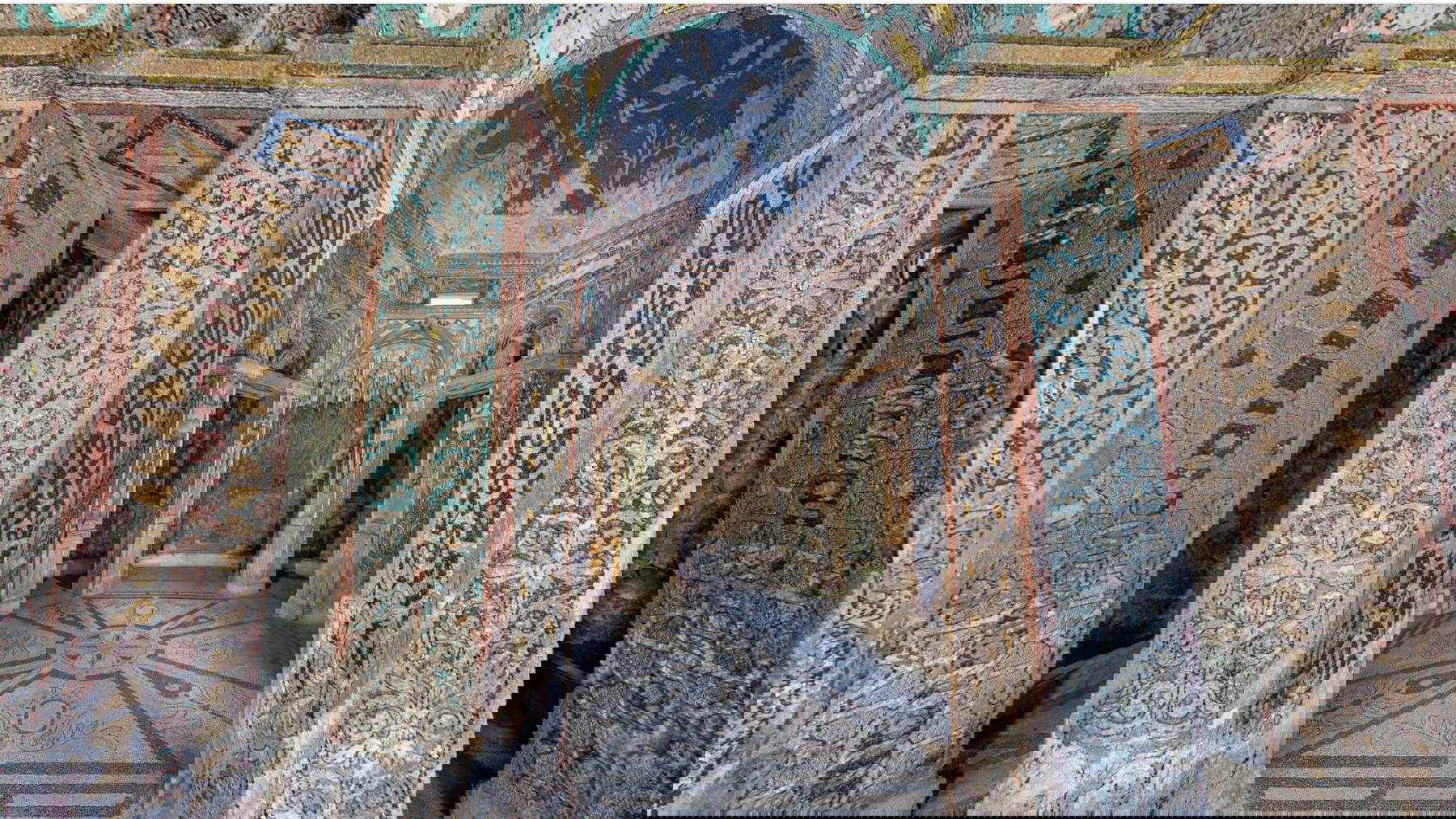
Probably yes. The rhetoric of “secret” and “hidden” continues to be one of the main communicative drivers. In any case, it is important to clarify a few things. In the case of Grotta Pavese d’Oria, for example, there were very few places available, about three hundred, precisely because it is an extremely fragile environment that requires special attention. Indeed, the goal was to kindle conscious attention. For at least two years, Rolli Days has launched a real SOS for these monumental places: there are very few of them in Genoa, only five preserved, often in suboptimal condition. Moreover, these are private properties, which need major interventions and cannot be supported exclusively by public resources. In this context, the opening of the cave, made possible thanks to the willingness of the property and the Ministry, which is engaged in restoration work, was also an opportunity for restitution. After raising the issue of protection, it was important to allow the public to concretely understand the value of these spaces. The rhetoric of the secret place responds, after all, to an almost voyeuristic dimension, which also often drives journalistic narrative. It is a powerful lever, but one that I try to use with caution, avoiding it becoming the only element of interest. It is not always the least accessible places that are the most beautiful, nor those on which there is the greatest depth of research. Alongside this aspect, however, a more interesting fact emerges: the widespread desire to rediscover spaces that are part of the everyday historical fabric, particularly in the historic center. Many seemingly ordinary buildings conceal a complex stratification: 15th-century palaces transformed in subsequent centuries, with important architectural apparatuses but little visible from the outside. The rediscovery of these places has cultural, urban and social value. It makes it possible to reactivate portions of the city that present critical issues, offering a positive narrative and restoring centrality to contexts that are often marginalized. In this sense, even the element of “secrecy,” if used with balance, can become a useful tool: as a means of directing attention to deeper issues, such as conservation, in the case of the caves, or the recovery and cultural presidium of the territory, as happened with palaces such as Palazzo Brancaleone Grillo or Palazzo De Franchi at Posta Vecchia. The goal remains to shift the gaze: from the superficial fascination of the inaccessible to a more conscious understanding of heritage.
This year Rolli Days also dialogued with music, with flash mobs dedicated to Gino Paoli in historic palaces. How does it feel to see songwriting enter the spaces of the Genoese aristocracy? Can it be a way to take the Rolli out of an overly museum-like dimension?
On the occasion of the 25th anniversary of Fabrizio De André’s death, Rolli Days was the only institutional initiative to dedicate an entire edition to his figure. The title, Sacred and Profane. Ballad for Genoa, rendered the intent well: to link the places in the city linked to his poetics with a historical-artistic reading, bringing seemingly distant dimensions into dialogue. One image in particular summarized this approach: theImmaculate Lomellini reinterpreted with a purple halo. It was an intervention that might have seemed provocative, but was enthusiastically received even in the ecclesiastical sphere. It shows how connections between different languages-music, art, literature-are often more natural than we think. Heritage, after all, possesses this capacity: to be always contemporary with itself, to include, to welcome, to generate new meanings. It is not a closed system; instead, it is a space open to multiple interpretations. This is also demonstrated by more experimental experiences, such as the inclusion of contemporary music, even techno, within historical spaces. At first it may seem like a stretch, but in practice it works, because heritage has a strength of its own that transcends the rigid categories into which we often try to confine it. After all, the musical dimension has always been an integral part of these places. In Genoese palaces and villas of the sixteenth and seventeenth centuries, frescoed by artists such as Giovanni Battista Carlone or Giovanni Andrea Ansaldo, scenes with musicians, loggias, and performance spaces frequently appear. Music was part of the social and representative life of these environments. Recovering this dimension means restoring a more complete perception of the places. It is not necessary to resort to theatrical reconstructions or disguises: what matters is to reactivate a sensory relationship with the space, to allow the visitor to imagine it in its original function. In this perspective, even practices such as listening to music, experiencing environments in a more informal way, or, where possible, introducing convivial moments, do not represent a trivialization, but a return to the plural nature of these spaces. The key point is quality. There are no languages incompatible with heritage; if anything, there are more or less conscious ways of using them. Overcoming the ideological barriers between high and low, between ancient and contemporary, means giving heritage back its vitality.
In recent years, there has been talk of a possible candidacy of the Staglieno Monumental Cemetery, one of the winners of FAI’s 2025 Call for Proposals - Places of the Heart, as a UNESCO heritage site. Could the Rolli become the model for telling other great heritages of the city?
The Rolli can certainly become a model for narrating other heritages of the city, and, in part, they already have been. The openings dedicated to Staglieno Monumental Cemetery, for example, followed precisely the cultural and popularizing approach of Rolli Days. It is, in fact, a scalable model, applicable to different contexts of Italian heritage. A relevant case is represented by the Oltregiogo days, which involve territories between Liguria, lower Piedmont and Lombardy: while developing in a diffuse and non-urban system, they take up the fundamental elements of the method, from the centrality of scientific disclosure to the booking of visits, from the attention to the quality of the experience to the care of communication. What changes are the places and the content, but not the approach. And this is precisely the point: monumental heritage requires a solid and coherent method, capable of adapting without losing quality. In Italy, this awareness should become central, because only in this way can heritage be transformed into a real resource for territorial development. On the level of international cultural policies, this vision is also reflected. The UNESCO candidacy path for Staglieno Monumental Cemetery fits into a different logic than in the past. UNESCO is increasingly orienting candidacies toward network systems, capable of linking multiple places and contexts, rather than single isolated emergencies. In this perspective, they are also working with the Monumental Cemetery of Milan to build a possible European alliance between monumental cemeteries, with the aim of presenting a shared candidacy.
If you were to imagine Rolli Days in 20 years, what would you change?
First of all, I hope that, in the meantime, people’s approach has changed. That there has been a greater awareness that it is places, as a whole, that restore the fullness of meaning of works of art, and not their extraction from context to be confined exclusively to museums or exhibitions, where they end up being simply venerated. Hence a fundamental consequence: our approach can only be oriented toward the protection not only of the art object, but also of the territory, the landscape and the urban fabric. This is a vision that is reflected both in UNESCO’s indications and in the principles of our Constitution. The risk, otherwise, is to damage the very thing one would like to enhance: one impoverishes heritage when one transforms a city into a set of temporary commercial spaces, designed only for tourist consumption, or when one reduces the cultural experience to a superficial offer. But even deeper damage is done when the human capital involved in research, protection and enhancement is weakened: scholars, officials, universities, superintendencies. It makes no sense, for example, to valorize a few great masterpieces in isolation while leaving extraordinary contexts spread throughout the territory in neglect, from the altarpieces of Alvise Vivarini in less central areas, to the sculptures of Pietro Bernini or Filippo Parodi preserved in the villas of the Ligurian Riviera, to the works of Brea in small towns that are difficult to reach. If this extraordinary diffuse density of Italian heritage, unique in the world, is not valued, one of the country’s most distinctive elements will be lost. Similarly, if the quality of Italian education in the field of historical-artistic disciplines and the need for structured and competent scientific dissemination are not recognized, the risk is that of a progressive impoverishment of the system. The hope, therefore, is that Genoa will continue on the path it has embarked on, placing UNESCO heritage at the center as a factor of development and openness. A heritage that amplifies the city’s possibilities: in cultural, economic, educational and identity terms. And above all, that this model can extend, involving the rest of the country in an overall rethinking of the relationship between heritage, research and cultural enhancement.
Warning: the translation into English of the original Italian article was created using automatic tools. We undertake to review all articles, but we do not guarantee the total absence of inaccuracies in the translation due to the program. You can find the original by clicking on the ITA button. If you find any mistake,please contact us.