





Anancient oasis, sculpted by red sand canyons and centuries-old palm groves, is being transformed into one of the boldest cultural geographies of the 21st century. Al-’Ula (or AlUla), a remote region in northwesternSaudi Arabia, is no longer just a UNESCO World Heritage archaeological site, but a stage where desert meets contemporary art, history intertwines with modernity, and public space becomes the site of new creative narratives.
In recent years, AlUla’s space and time have been rewritten through festivals, exhibitions and cultural projects that dialogue with landscape, memory and local communities. Desert X AlUla, for example, born in 2020 and now in its fourth edition, sees international and Saudi artists responding to the vastness of the desert with site-specific installations overlooking the gorges and dunes, transforming the environment into an open-air museum. At the same time, the annual return of theAlUla Arts Festival transforms the ancient city-oasis into a vibrant center of visual, performing and design arts, with programs ranging from land art commissions to collaborations with international cultural institutions such as the Centre Pompidou. The Arduna exhibition, curated in partnership with the French agency AFALULA and the Parisian museum, offers a glimpse of the future contemporary art museum under construction at AlUla, with works that dialogue with the concept of land, nature and memory. This ferment extends beyond temporary exhibitions: initiatives such as the AlUla Design Space, Wadi AlFann (Valley of the Arts), a 65-square-kilometer open-air museum project intended to house permanent land art, and programs dedicated to traditional arts and design root culture in the socioeconomic fabric of the region.
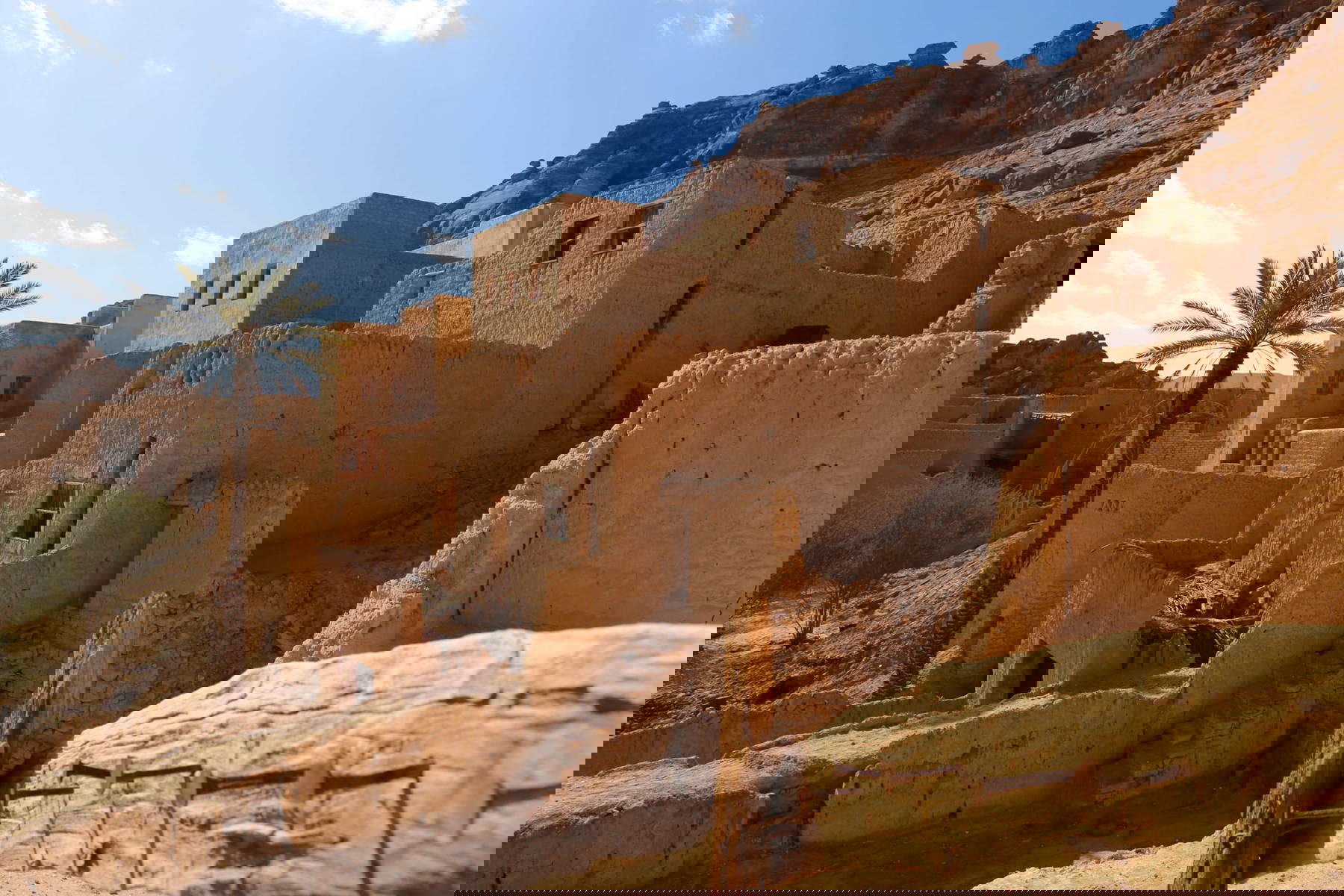
Visitors arriving in AlUla do not miss the power of contrast: an ancient landscape traversed by works and performances that seem to draw new possible futures. Art is not decoration; it is experience, time, place and memory.
Underlying many of these initiatives is a stated desire to re-evaluate Saudi cultural identity, to create spaces for regional and international creativity to meet, and to design a cultural destination that is distinct from traditional museums and trade fairs. In this sense, AlUla is being developed as a node in a larger network that sees the Gulf outlining its own cultural models: from the Louvre Abu Dhabi to the Qatar National Museum, via Art Dubai and Doha’s ambitions to attract fairs and collectors.
Beyond spectacular installations and international collaborations, however, AlUla’s transformation raises profound questions. For some critics, projects of this scale risk translating into artwashing, causing museums, festivals and cultural mega-events to become instruments of soft power aimed at “reflecting” a positive image toward the West and global markets, rather than creating truly plural and critical spaces of cultural confrontation. Others point out that behind these projects may be power dynamics, capital investment and a representational architecture aimed as much at cultural tourism as at building international legitimacy. The relationship between foreign institutions and projects in the Gulf is also not neutral: the presence of partner museums, co-productions, and big names on the international scene could contribute to a narrative that would risk giving the project an aura of cultural neutrality, while in the background, dynamics of cultural geopolitics would play out.
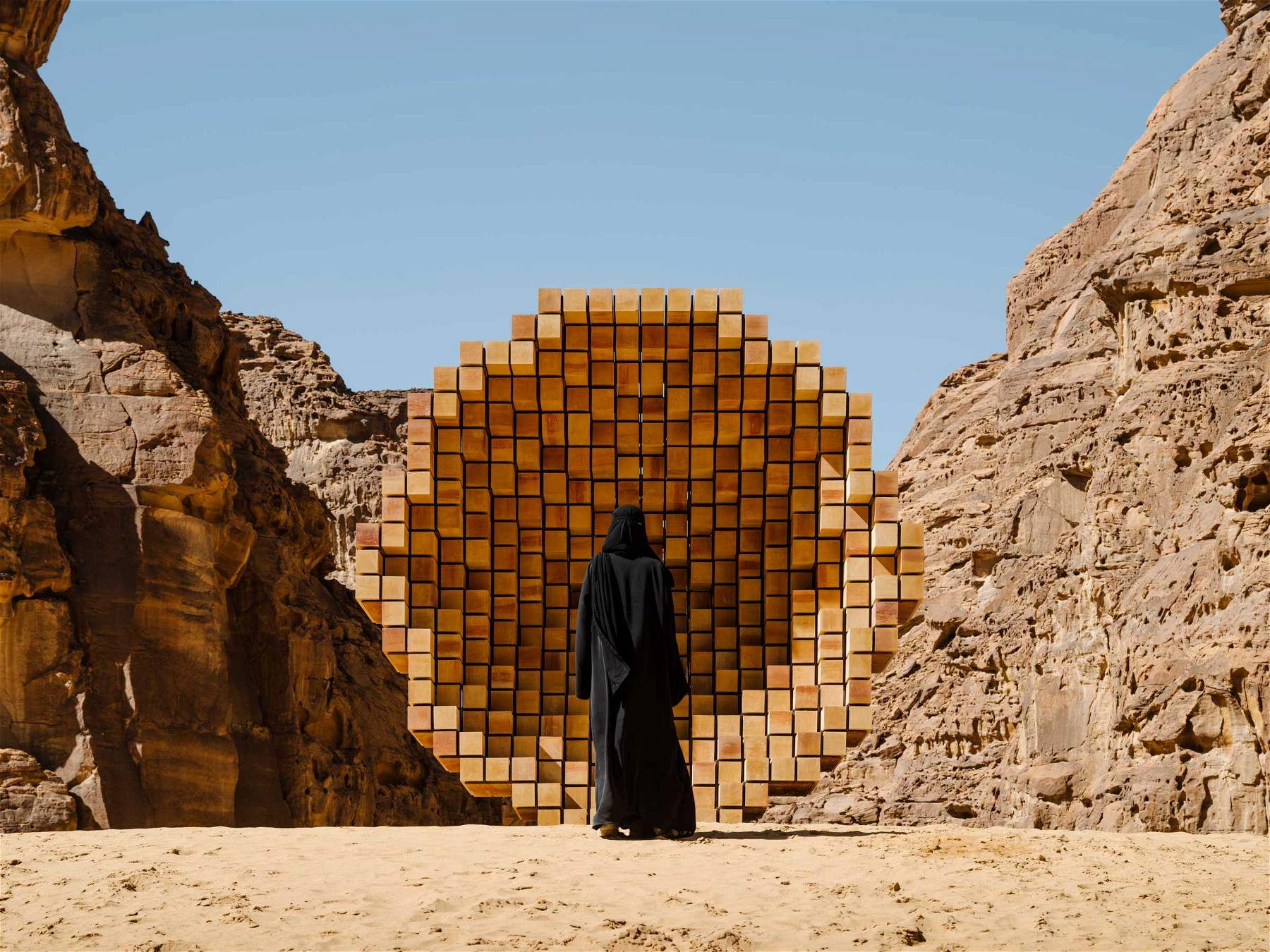
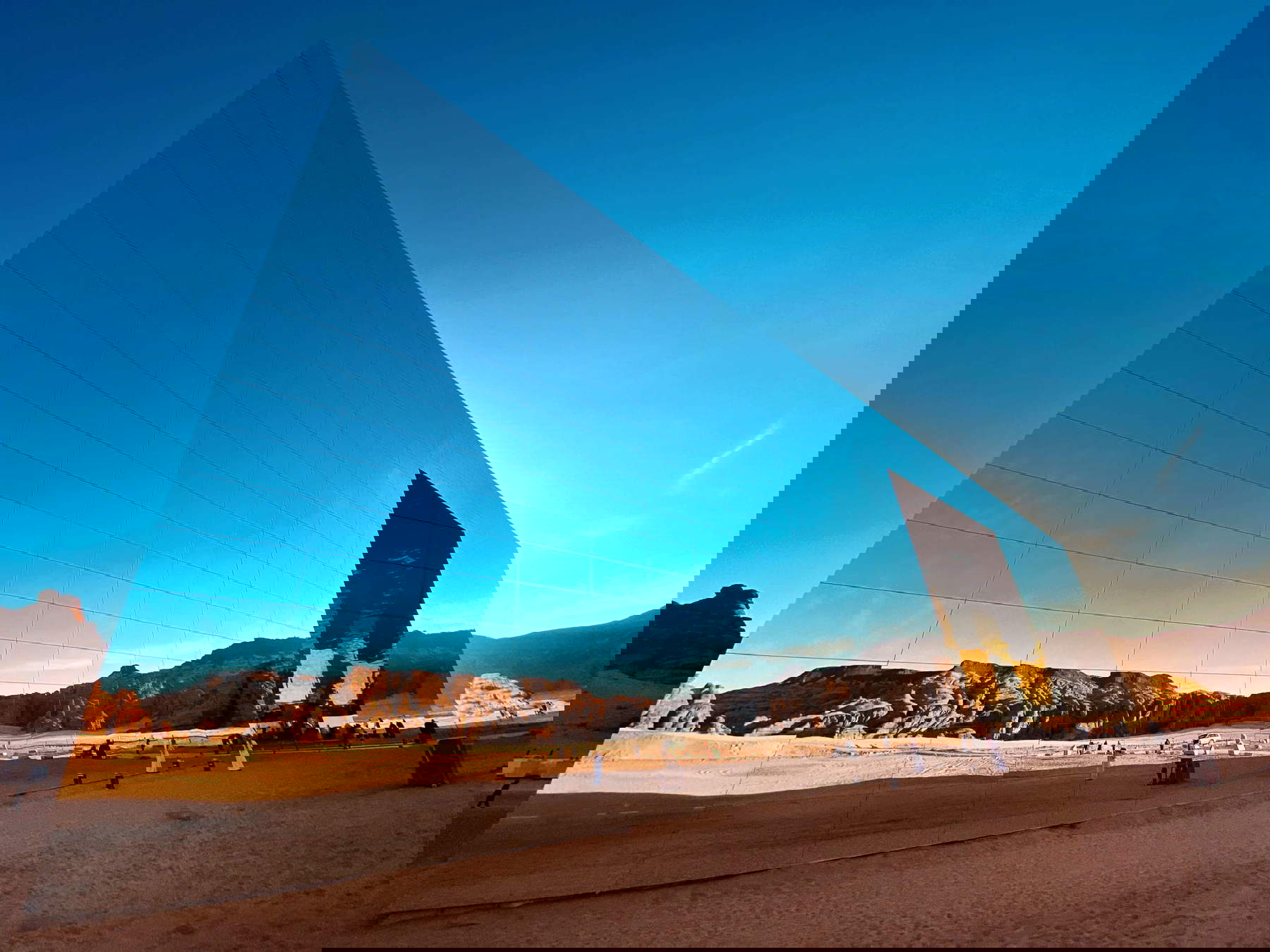
Yet, the picture is not unambiguous. Within AlUla there are signs of cultural practices emerging that are not limited to the display of power, but seek to engage the local community, accommodate regional voices, and enhance traditional arts in relation to contemporary practices. Festivals and educational programs, as well as the development of permanent exhibition spaces, can become cultural infrastructures that do not exist elsewhere in the Arab world.
The central question remains open and proves quite thorny: Do AlUla and similar venues represent a simple artwashing phenomenon or the beginning of a new center of gravity for contemporary art? Is it possible for a cultural cluster in the heart of the desert, far from the traditional art capitals of Europe and North America, to become a vital hub for artists, curators, and global audiences?
The premises are there: a unique landscape, unprecedented investment, projects that integrate historical memory and contemporary creation, and an increasingly visible dialogue between local and international actors. If these elements give rise to spaces for debate, plurality of voices, and critical practices, then we can speak of a real shift in perspective. If, on the contrary, culture remains primarily a showcase for an image strategy, then the “new center” risks being a cultural mirage, fascinating but ephemeral in its impact on the global art scene.
In today’s world, AlUla now finds itself suspended between promise and provocation: a place of encounters and confrontation, but also a terrain of tension between aesthetics, politics and global narrative. Its legacy, whatever form it takes, will depend largely on how these tensions are recognized and told, and how much space is allowed for critical complexity and freedom of expression in the heart of the desert.

The author of this article: Federica Schneck
Federica Schneck, classe 1996, è una giornalista specializzata in arte contemporanea. Laureata in Storia dell'arte contemporanea presso l'Università di Pisa, il suo lavoro nasce da una profonda fascinazione per il modo in cui le pratiche artistiche operano all’interno, e in contrapposizione, alle strutture sociali e politiche del nostro tempo. Si occupa delle trasformazioni del sistema dell'arte contemporanea, del dialogo tra ricerche emergenti e patrimonio culturale, del mercato, delle istituzioni e delle fiere internazionali. Alla scrittura giornalistica affianca quella critica, con testi per artisti, gallerie e collezioni private.Warning: the translation into English of the original Italian article was created using automatic tools. We undertake to review all articles, but we do not guarantee the total absence of inaccuracies in the translation due to the program. You can find the original by clicking on the ITA button. If you find any mistake,please contact us.




















 IT
IT FR
FR DE
DE ES
ES CN
CN


