








Minister Alberto Bonisoli said yesterday at his regular meeting with trade unions that there will be 3,600 new hires at the Ministry of Cultural Heritage in the time frame leading up to 2021. Of these 3,600 new hires, 1,000 are those provided for in the 2019 maneuver, and about 600, on the other hand, are hires that the minister assures “already authorized by the civil service.” The remaining 2,000 new hires are those who should enter the ranks of the ministry by turn over: they represent 80 percent of the hiring needs contained in the “concreteness” bill, which is being examined by Parliament but is currently stalled.
It should be recalled that more than 2,000 retirements are planned between now and 2021, but Quota 100 has not yet been factored in: in fact, the early retirement strongly advocated by the leghist leader Matteo Salvini could cause a further hemorrhage at MiBAC, whose staff, as is well known, has a decidedly high average age: in a 2015 document it was calculated as 54.68 years. Recently, in aninterview with the AgCult agency, Professor Lorenzo Casini, professor of administrative law at the IMT Alti studi School in Lucca, estimated that Quota 100 could add another two to three thousand terminations of employment. But even if Bonisoli actually succeeds in getting his 3,600 staff hired, Professor Casini still calculated that between now and 2021 retirements could reach about 4,200, and as a result the ministry would be even more undersized than it is now (since as of today there are about 3,700 staff shortages).
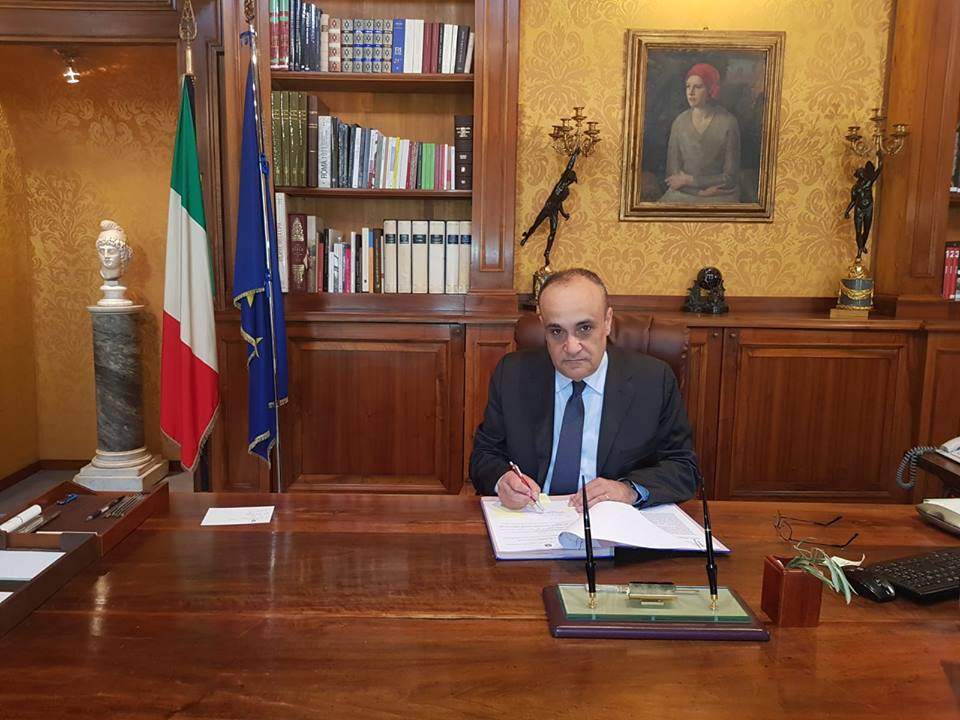 |
| Minister of Cultural Heritage Alberto Bonisoli |
So, to really address the shortages and retirements, also taking into account the estimates on quota 100, a mega-hiring plan of about 7,000 would be needed. But at the moment no one is talking about such numbers, partly because, the minister stressed at the meeting, calculations on the impact of Quota 100 are still in progress, and MiBAC must therefore evaluate any corrections on its plans. “As soon as we have precise figures,” Bonisoli said, “we will provide for boosting the number of hires.” However, the minister’s idea remains that over the course of the legislature (i.e., until 2023, assuming there are no crises in the meantime that would blow up the government), the 6,000 hires assumed at the beginning of the legislature will be respected. And to do so gradually: “I do not want 6,000 people right away,” the minister concluded, “to avoid a generational cap in 20 years with a large number of resources retiring at the same time.”
There is a serious risk, however, that Quota 100 will cause the need to increase considerably: and if MiBAC is already struggling with heavy staffing gaps today, what would happen in the event that the turn over is not at a ratio of 1 to 1? Crushed by the weight of unreplaced exits, could the ministry eventually collapse? In an economic climate that is becoming increasingly unfavorable, how will MiBAC meet expectations?

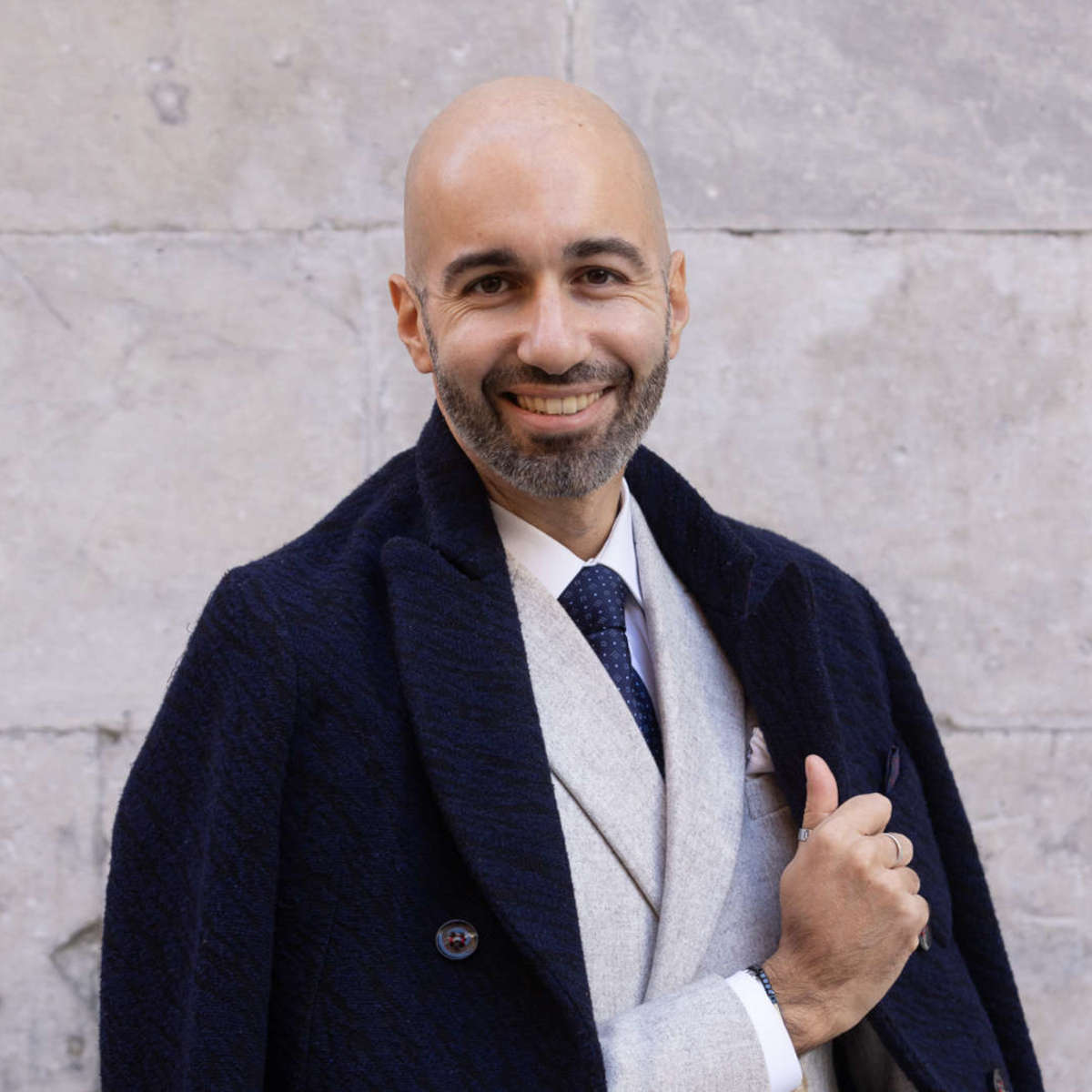
The author of this article: Federico Giannini
Nato a Massa nel 1986, si è laureato nel 2010 in Informatica Umanistica all’Università di Pisa. Nel 2009 ha iniziato a lavorare nel settore della comunicazione su web, con particolare riferimento alla comunicazione per i beni culturali. Nel 2017 ha fondato con Ilaria Baratta la rivista Finestre sull’Arte. Dalla fondazione è direttore responsabile della rivista. Nel 2025 ha scritto il libro Vero, Falso, Fake. Credenze, errori e falsità nel mondo dell'arte (Giunti editore). Collabora e ha collaborato con diverse riviste, tra cui Art e Dossier e Left, e per la televisione è stato autore del documentario Le mani dell’arte (Rai 5) ed è stato tra i presentatori del programma Dorian – L’arte non invecchia (Rai 5). Al suo attivo anche docenze in materia di giornalismo culturale all'Università di Genova e all'Ordine dei Giornalisti, inoltre partecipa regolarmente come relatore e moderatore su temi di arte e cultura a numerosi convegni (tra gli altri: Lu.Bec. Lucca Beni Culturali, Ro.Me Exhibition, Con-Vivere Festival, TTG Travel Experience).
Warning: the translation into English of the original Italian article was created using automatic tools. We undertake to review all articles, but we do not guarantee the total absence of inaccuracies in the translation due to the program. You can find the original by clicking on the ITA button. If you find any mistake,please contact us.

























 IT
IT FR
FR DE
DE ES
ES CN
CN