





There is a verb that the art world often uses and that is worth analyzing before anything else: to challenge. Artworks challenge the viewer. Artists challenge boundaries. Exhibitions challenge conventions. It’s a combative verb, and it’s not chosen at random. Because a challenge always implies two possibilities: you can rise to it, or you can fall short. And the contemporary art system has patiently and consistently built an environment in which the second option always seems the most likely. No one walks into a gallery thinking they’re stupid, but almost everyone walks out feeling that way. This isn’t an accidental paradox but precisely the result the system produces—and it produces it well. The resulting aesthetic guilt is a response that is constructed, cultivated, and renewed every time someone reads an incomprehensible press release and silently decides that the problem lies with them. To understand how we got here, we need to take a step back—not just a few years, but a few centuries.
For most of human history, art didn’t need explanations. Not because it was simple (the Sistine Chapel isn’t simple, nor is a Byzantine icon), but because the code was shared. Anyone looking at an Annunciation knew what they were looking at, recognized the figures, and understood the story. The work might have been more or less successful, more or less beautiful, but the relationship between the viewer and the image was not mediated by any text, any curator, or any explanatory caption.
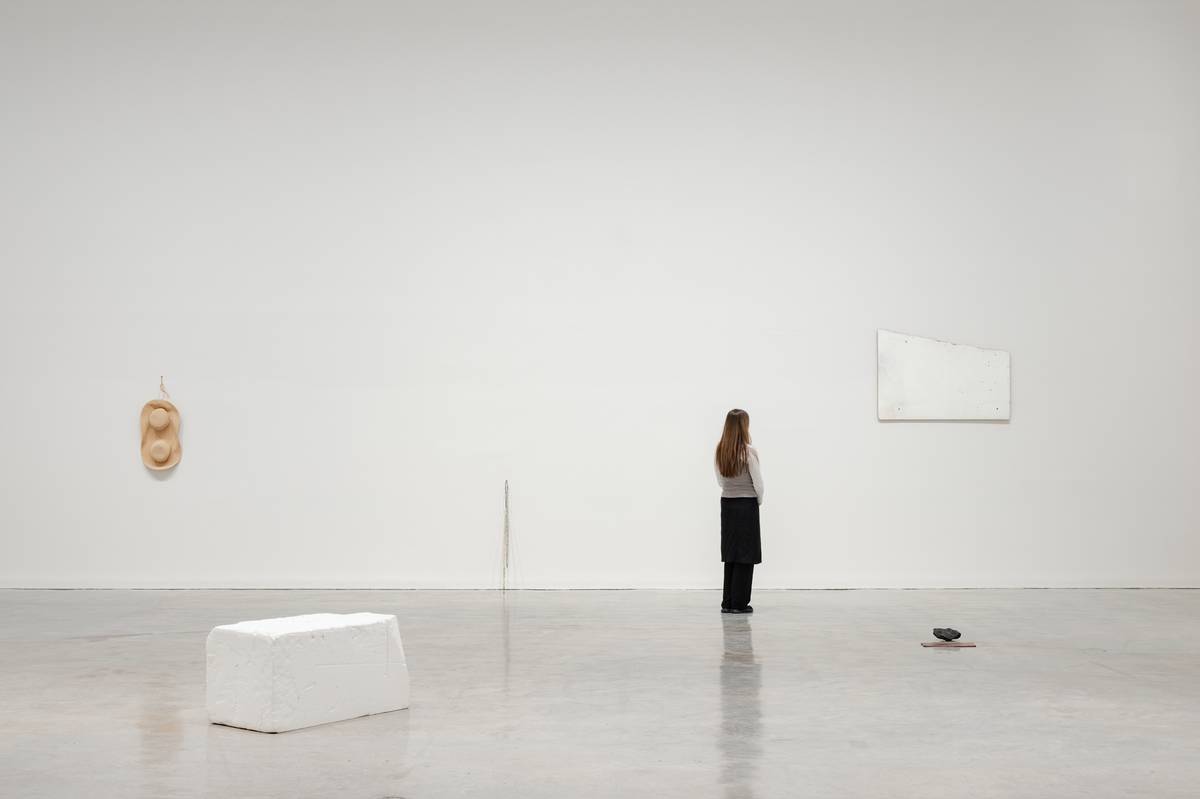
Then came the twentieth century, and with it the idea that art should break with tradition, with figuration, with narrative, with any form of immediate legibility. It was a legitimate idea and produced some of the most important works in history. But it also produced a side effect that no one was particularly interested in acknowledging: it separated the artwork from its natural audience and created the need for an interpreter. Someone who stood in the middle, who translated, who explained why what looked like a black painting on a black background was actually a radical gesture that redefined the boundaries of representation.
That interpreter had a name: the art critic. And then came the curator, the gallery owner, the press office, the caption, and so on. An ever-lengthening and ever-more-indispensable chain of mediation that has transformed the aesthetic experience into a problem of decoding, and those who lacked the tools to decode found themselves left out, with that question in their minds: “Am I understanding what I’m supposed to understand?”
Every system of power needs an access code, and the world of contemporary art has chosen critical language. It has done so with a consistency and determination that would deserve respect, were it not for the fact that the consequences fall on those who do not possess that code. The critical language of contemporary art is a fascinating subject to study. It has its own rules, its own grammar, and its own technical terms—such as “deconstruction,” “post-medium,” “relational,” and “scopic drive”—which are ostensibly intended to precisely describe complex aesthetic phenomena. And in part this is true: there are concepts that require specific terms, and not everything can be explained using everyday words. But there is also a use of critical language that has nothing to do with precision—a use that serves to mark territory, signal belonging, and distinguish those on the inside from those on the outside.
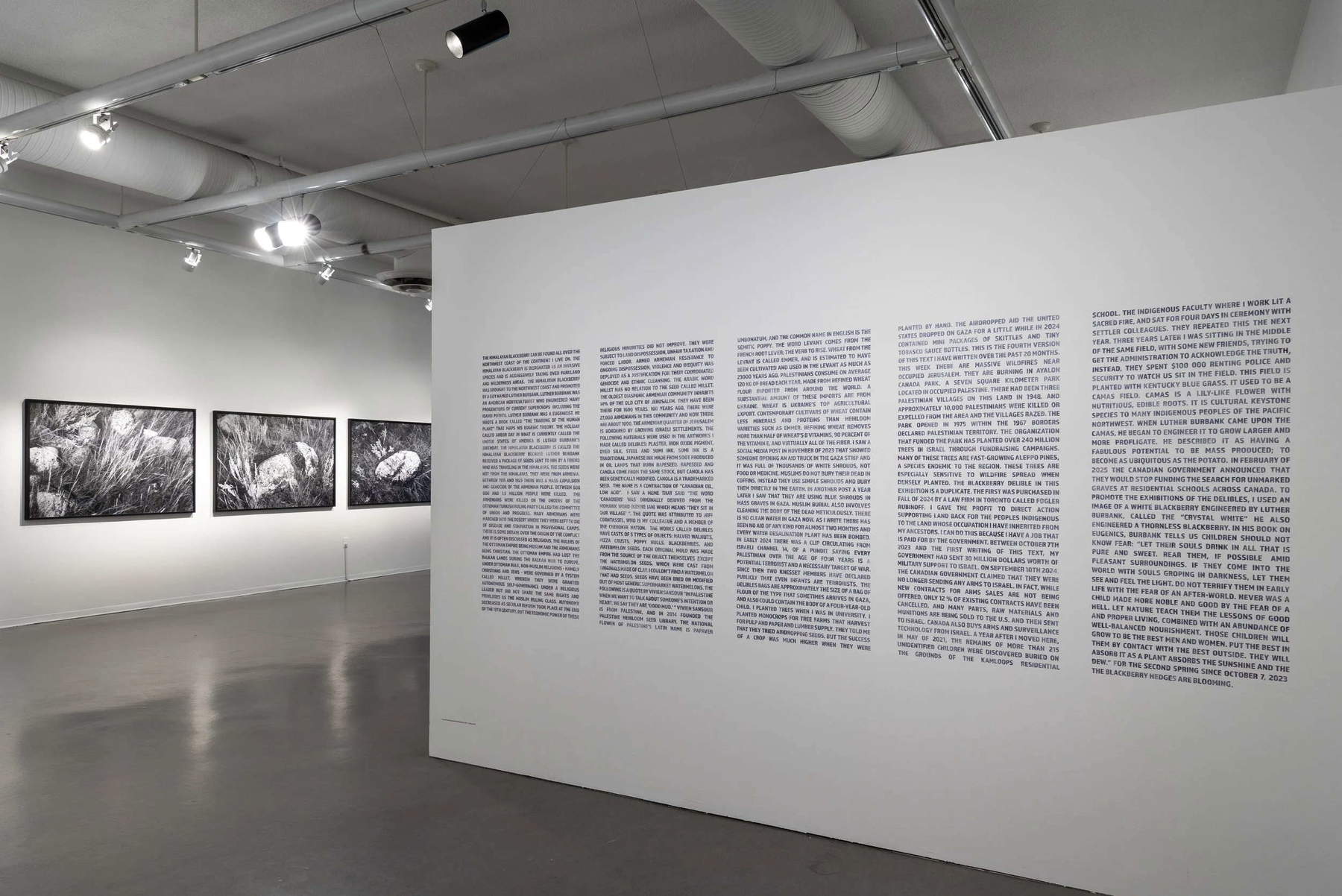
The press release for an average art exhibition—in Italy as elsewhere—is an extraordinary document in this regard, as it almost always contains a concentration of abstraction per square centimeter that has no equivalent in any other text genre. Artists who “question the boundaries between the visible and the invisible,” works that “deconstruct hegemonic narratives of the body,” or exhibitions that “explore the tension between presence and absence, between the said and the unsaid, between matter and its dissolution.” There is no mistake in these phrases; there is something worse: there is a deliberate construction of incomprehensibility as a guarantee of seriousness, as if clarity were suspect, as if a text that can be understood at first glance could not pertain to truly profound art.
Andersen’s fairy tale often comes up in discussions of contemporary art, and it always comes up out of context. It’s usually cited by those who want to claim that contemporary art is a scam. It’s a convenient interpretation—and a misguided one. The problem isn’t that contemporary art is a scam; the problem is that the system surrounding contemporary art has learned to use the logic of Andersen’s fairy tale as a mechanism of control. Not “if you don’t understand, it’s because you’re stupid,” but something more subtle and effective: “if you don’t understand, it’s because you haven’t studied enough, haven’t seen enough, aren’t ‘in the know’ enough.” Stupidity induces guilt and breeds rebellion. Cultural inadequacy is paralyzing and breeds deference, and anyone who wants to maintain their power prefers the latter. The result is a form of aesthetic gaslighting that the system wields with great ease. The visitor who leaves an exhibition feeling they’ve understood almost nothing doesn’t think, “This exhibition was poorly put together”; they think, “I wasn’t prepared enough.” The reader who can’t finish a gallery’s press release doesn’t think, “This text is poorly written”; they think, “I lack the basics.” The blame is systematically shifted from the artwork to the viewer, and the viewer, in most cases, accepts it. And this mechanism is not without beneficiaries; on the contrary, it has very specific beneficiaries, and it is worth naming them.
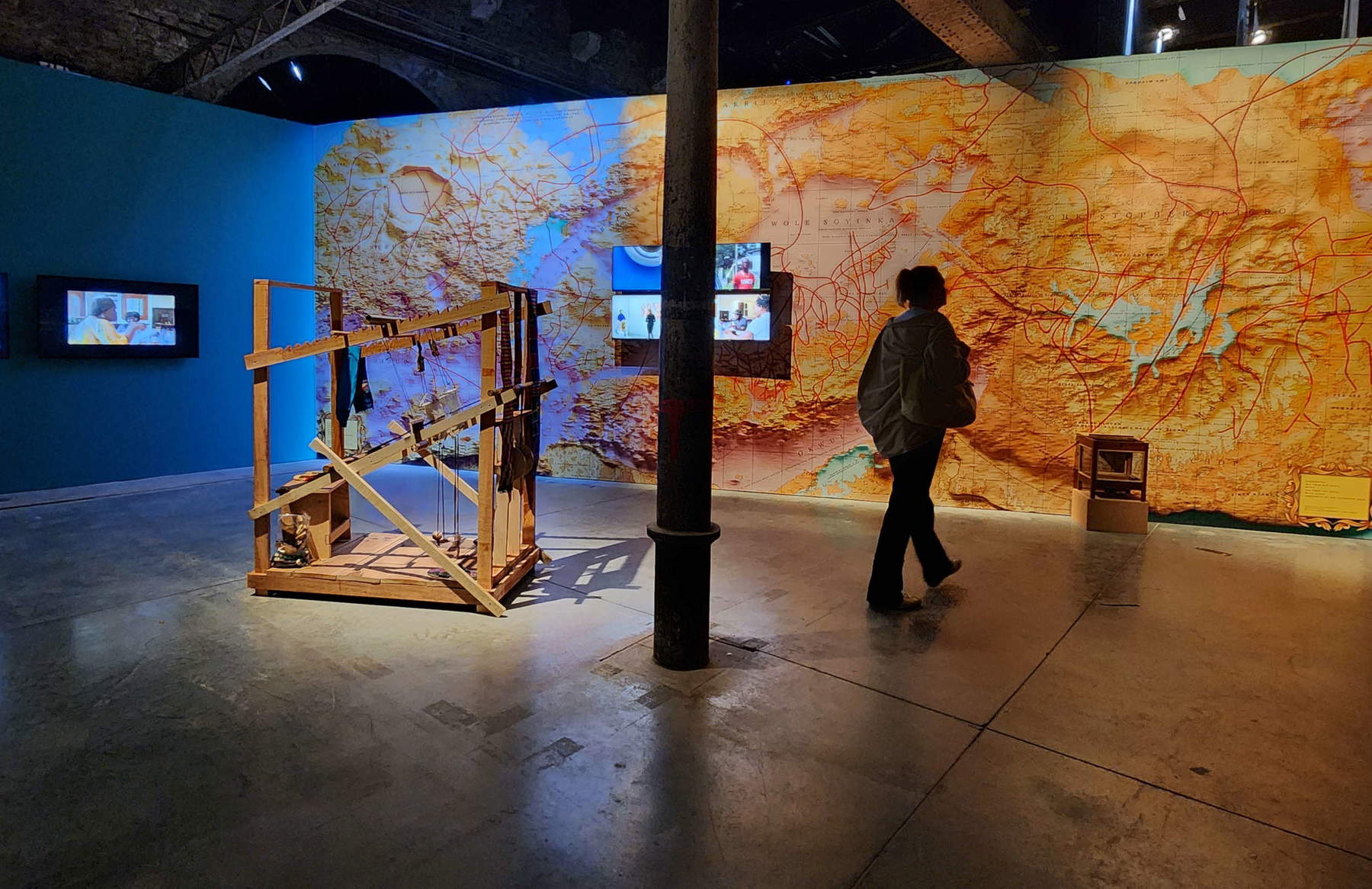
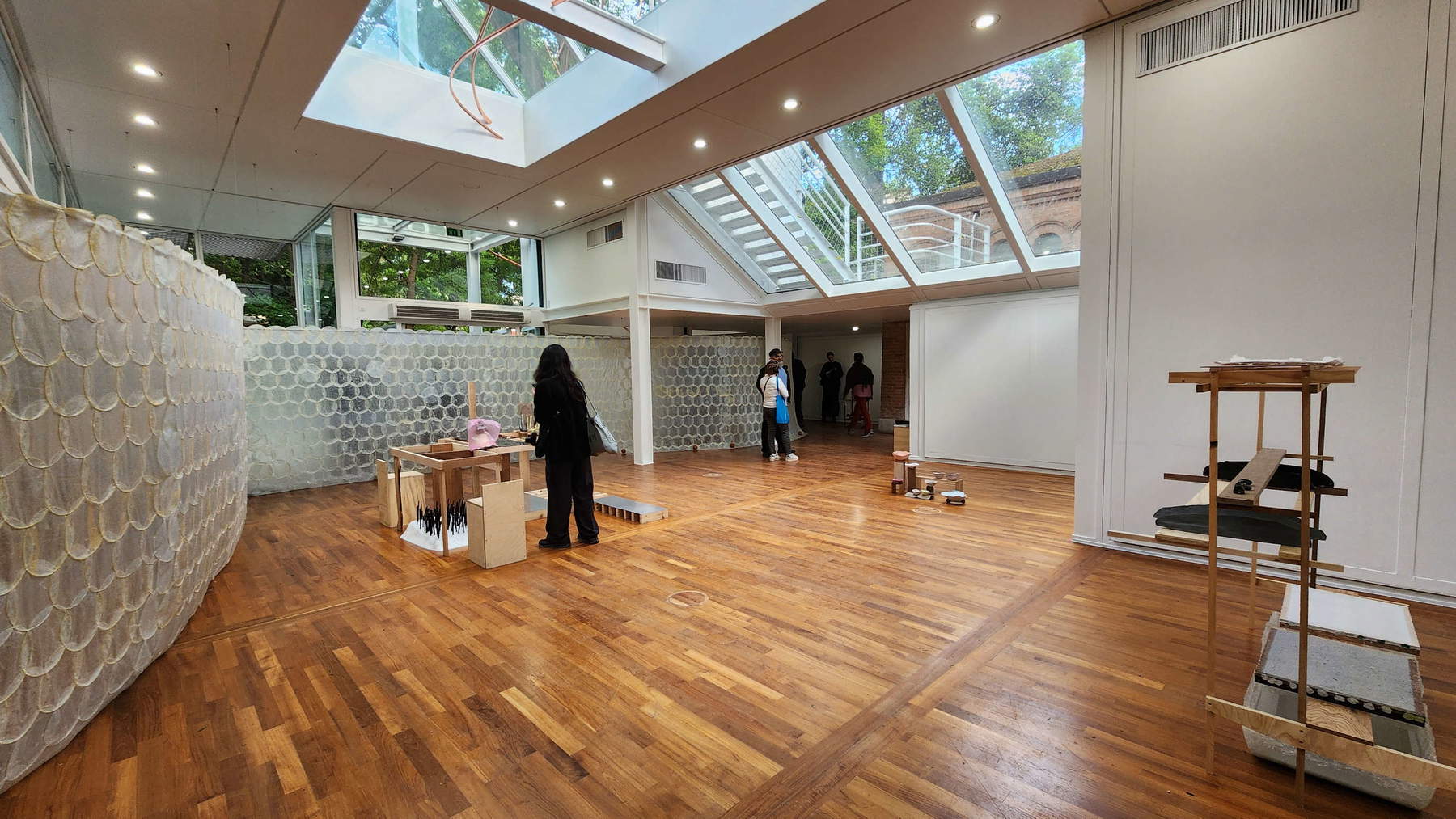
The first is the system of art criticism and curation, which derives its legitimacy from its own indispensability. If art were immediately legible, if anyone could have a direct and autonomous relationship with a work, the role of the interpreter would be drastically reduced. The interpreter therefore has a structural interest in maintaining the distance between the artwork and the public, in ensuring that this distance seems unbridgeable without their help. The second is the market, which has long since discovered that incomprehensibility is an excellent marketing tool. A work that no one fully understands cannot be judged, and a work that cannot be judged cannot be devalued. Conceptual opacity functions as a form of value protection: the harder it is to understand why a work is worth what it is worth, the harder it is to argue that it is worth less. It’s a mechanism the luxury industry knows well. The third beneficiary is the institution (the museum, the foundation, the biennial) that builds its authority on the ability to make the inaccessible accessible. Not to eliminate the distance, but to manage it. The museum does not want the visitor to understand nothing; it wants the visitor to understand thanks to the museum. It is a subtle but fundamental difference.
The most tangible consequence of all this is not the exclusion of non-experts, as that is obvious and well-documented. The most tangible consequence is that a significant portion of the potential audience for contemporary art has simply given up trying, out of disinterest but above all out of weariness at entering a space and immediately feeling inadequate, at reading a text they don’t understand and wondering if the problem lies with them, at leaving with the feeling of having missed something without being able to figure out what.
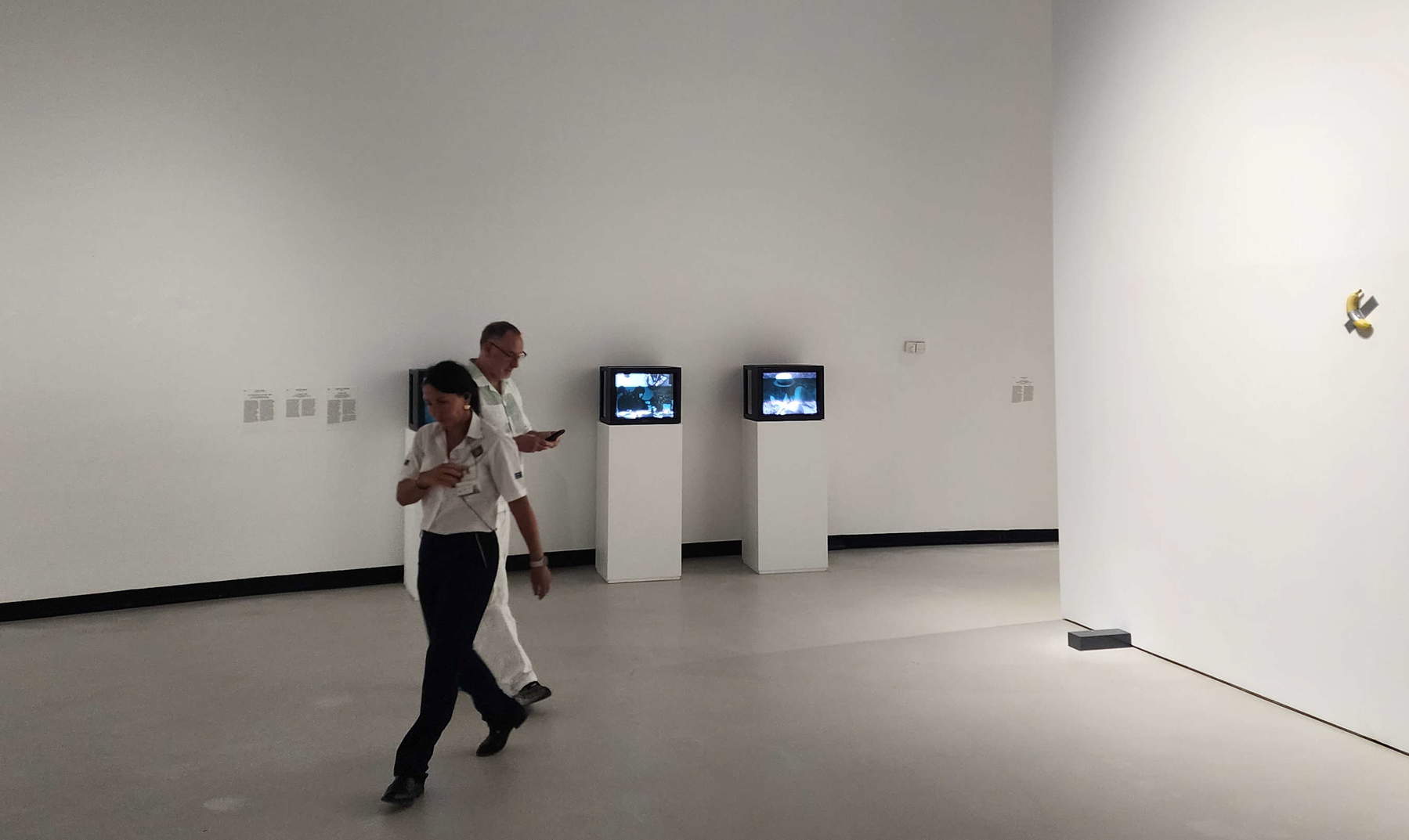
This audience hasn’t gone anywhere else within the art world— it has gone somewhere else entirely. To the movies, to music, to podcasts, to TV series—all forms that don’t require them to justify their emotional response, that don’t place them in a position of inferiority vis-à-vis a code they don’t master. And they were absolutely right: there is no reason why an individual should accept feeling systematically inadequate in exchange for a cultural experience, especially when that sense of inadequacy stems not from the art itself but from the system surrounding it.
What, then, might the solution be? Certainly not another explanatory leaflet, not another caption explaining what one is supposed to feel when viewing a work of art. The solution begins with a rejection, even before it is a proposal: to stop accepting that aesthetic guilt is a normal and inevitable reaction. As long as that guilt is treated as the price of admission—almost a cultural tax one pays to earn the right to be in the room—the public will continue, quite rightly, to choose the doors next door, the ones that don’t demand any emotional toll.
Contemporary art (the real thing, not the system that has grown up around it) does not ask to be understood. It asks to be encountered. And an encounter can take a thousand different forms, none of which is wrong in principle. It can generate interest or indifference, recognition or alienation, something resembling beauty or something resembling irritation. All legitimate responses—all responses that the system tends to dismiss in favor of the one response that does not challenge its own authority: deference.
What is missing is not a more knowledgeable audience. What is missing is a more honest system—one that is honest about the fact that critical language is a tool, not an oracle; that the difficulty of a work is not a virtue in itself; and that unexplained emotion is just as valuable as a formulated analysis. What is missing, in essence, is the willingness to give up a little power in exchange for a little more truth. It won’t happen anytime soon. Systems of power rarely give up the tools that keep them afloat, but every now and then it’s worth remembering that the tool exists, that it has a name, and that the name is not art. It is control.


The author of this article: Federica Schneck
Federica Schneck, classe 1996, è una giornalista specializzata in arte contemporanea. Laureata in Storia dell'arte contemporanea presso l'Università di Pisa, il suo lavoro nasce da una profonda fascinazione per il modo in cui le pratiche artistiche operano all’interno, e in contrapposizione, alle strutture sociali e politiche del nostro tempo. Si occupa delle trasformazioni del sistema dell'arte contemporanea, del dialogo tra ricerche emergenti e patrimonio culturale, del mercato, delle istituzioni e delle fiere internazionali. Alla scrittura giornalistica affianca quella critica, con testi per artisti, gallerie e collezioni private.Warning: the translation into English of the original Italian article was created using automatic tools. We undertake to review all articles, but we do not guarantee the total absence of inaccuracies in the translation due to the program. You can find the original by clicking on the ITA button. If you find any mistake,please contact us.
























 IT
IT FR
FR DE
DE ES
ES CN
CN


