




by Redazione 08/04/2026



Categories: Travel / Disclaimer
A small jewel of Valsesia (Vercelli-Novara), Rassa preserves wooden and stone houses, ancient traditions, paths between streams and pristine valleys, and historical evidence such as the Brasei sawmill and the memory of the Dolcinians.
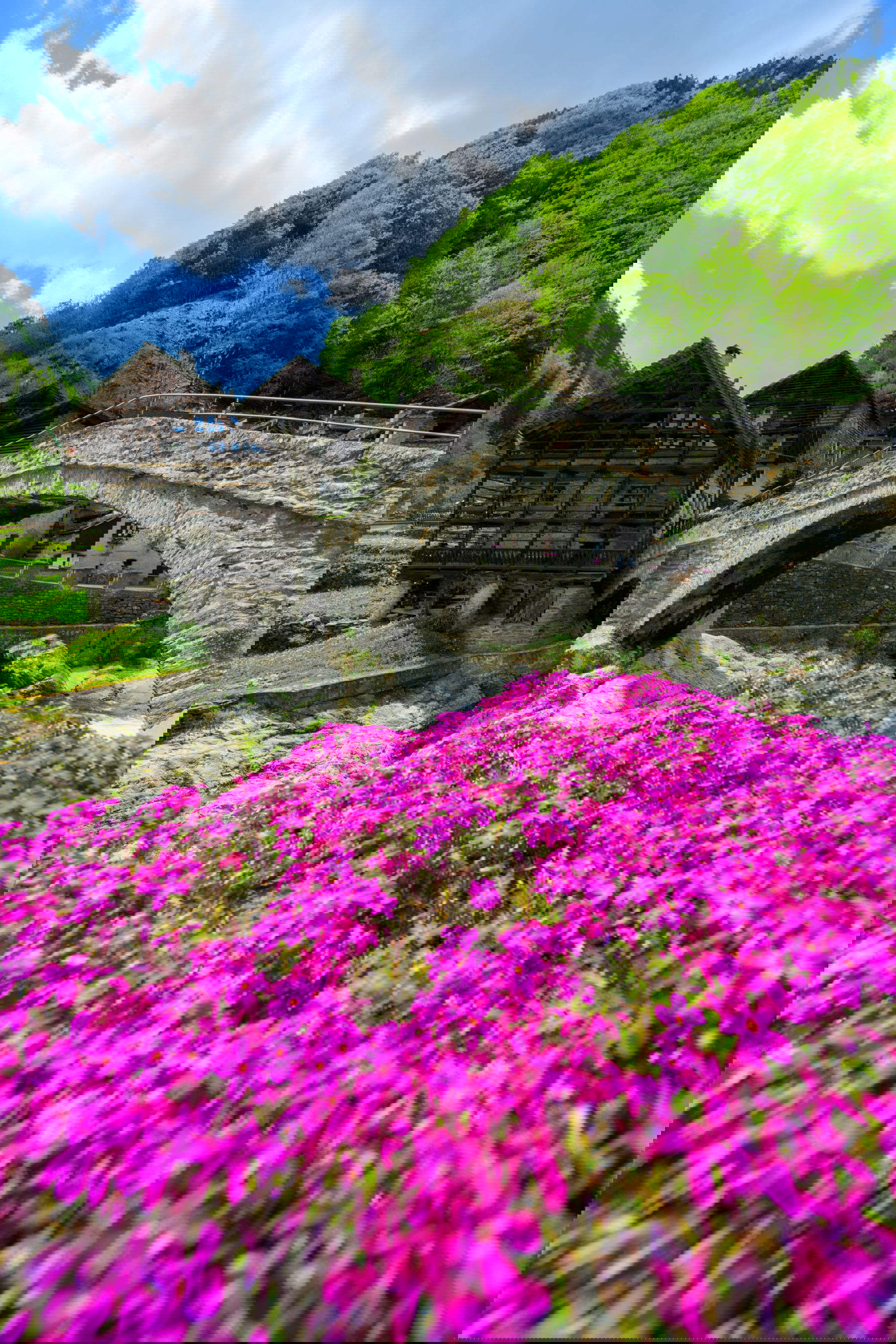
One of the most authentic villages in Piedmont’s Alpine territory: one could sum up with these words the soul of Rassa, a small village in the heart of Valsesia, located at the confluence of the Gronda and Sorba streams, which give their names to the side valleys of the same name. Indeed, Rassa presents itself to anyone who visits as a place where nature, history and traditions, such as the production of aromatic grappa and the traditional blueberry festival, coexist in a balance that is still intact. Rassa, which stretches along the Sorba stream, is characterized by a narrow and elongated landscape conformation that helps define its visual identity. The fabric of the hamlet is nothing more than a tangle of narrow streets, bridges and lanes overlooked by old wooden and stone houses, workshops, stables and small religious buildings, creating glimpses of particular charm.
The valleys surrounding the village have been recognized as a biotype of regional interest and, in 2006, the municipality was included among the Special Protection Areas, testifying to the high environmental value of the area. This natural context, still largely unspoiled, represents one of the central elements of Rassa’s attractiveness, a favorite destination for those seeking direct contact with the mountain environment.


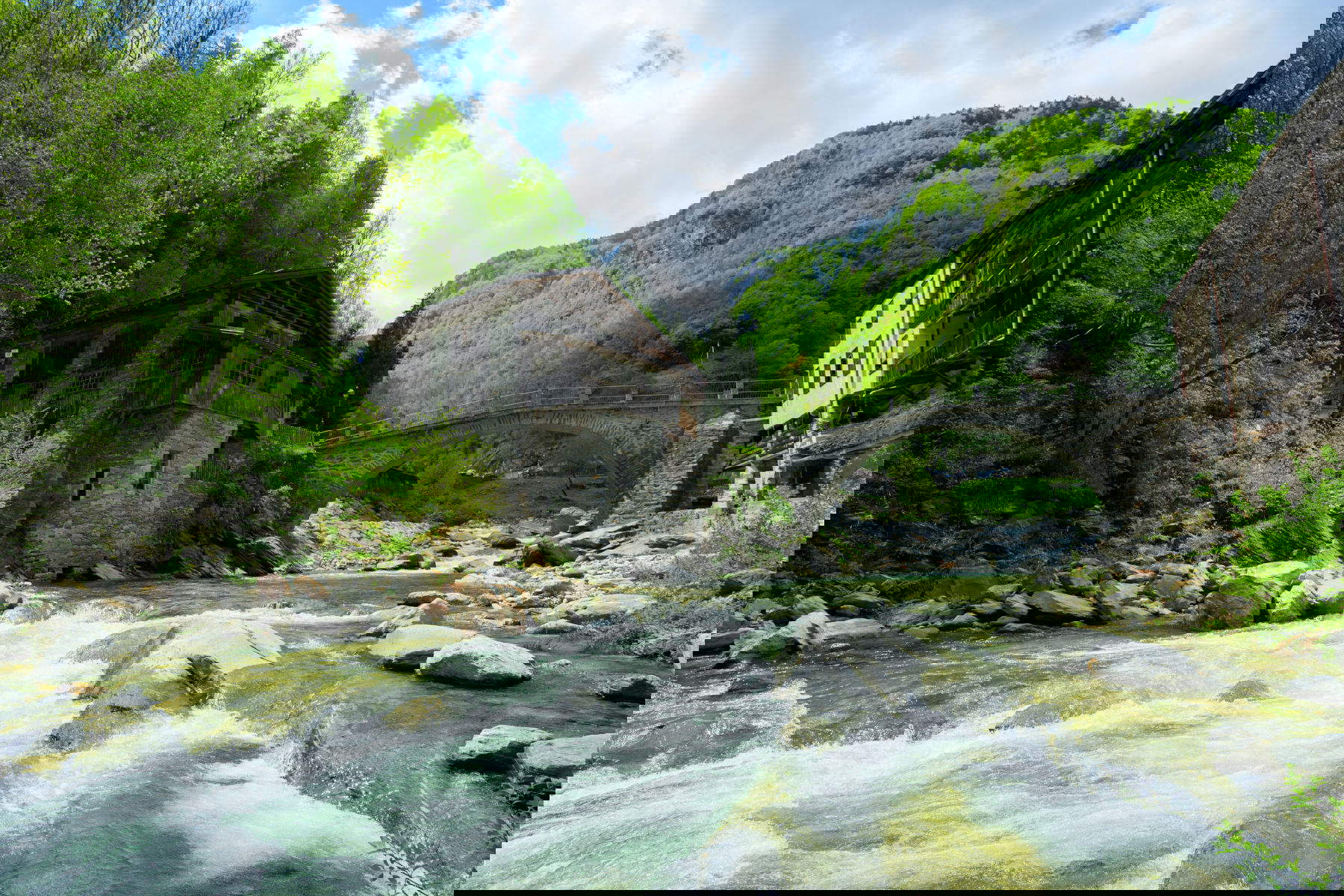
The history of the village dates back to the Middle Ages, when the area was inhabited by communities mainly engaged in sheepfarming andagriculture. The place name “Rassa” may derive from the term “rasa,” or “clearing” or “open place,” referring to the grazing areas that characterized the territory. During the feudal period, the village was part of the possessions of several noble families, including the Fassola family, who exerted significant influence in the valley, contributing to the management of mountain territories and the defense of local communities.
A relevant chapter of local history is linked to the figure of Friar Dolcino da Novara, the preacher who lived between the 13th and 14th centuries and was condemned to the stake for heresy in 1307. His religious movement, in opposition to the temporal power of the Church, found refuge precisely in the inaccessible areas of Valsesia, including the area around Rassa. The presence of the Dolcinites marked a period of tensions and clashes, ending with the repression of the movement, but leaving a lasting trace in the historical memory of the area. Despite the historical events, the relatively isolated location has allowed Rassa to preserve a traditional character over time, keeping intact cultural and architectural elements that tell the story of daily life in mountain communities. Prominent among these is the parish church of Santa Croce, documented as early as 1596 and enlarged in the 17th century, later partly rebuilt in the 19th century following a fire. The building is embellished with frescoes by local artists such as Orgiazzi and Avondo.
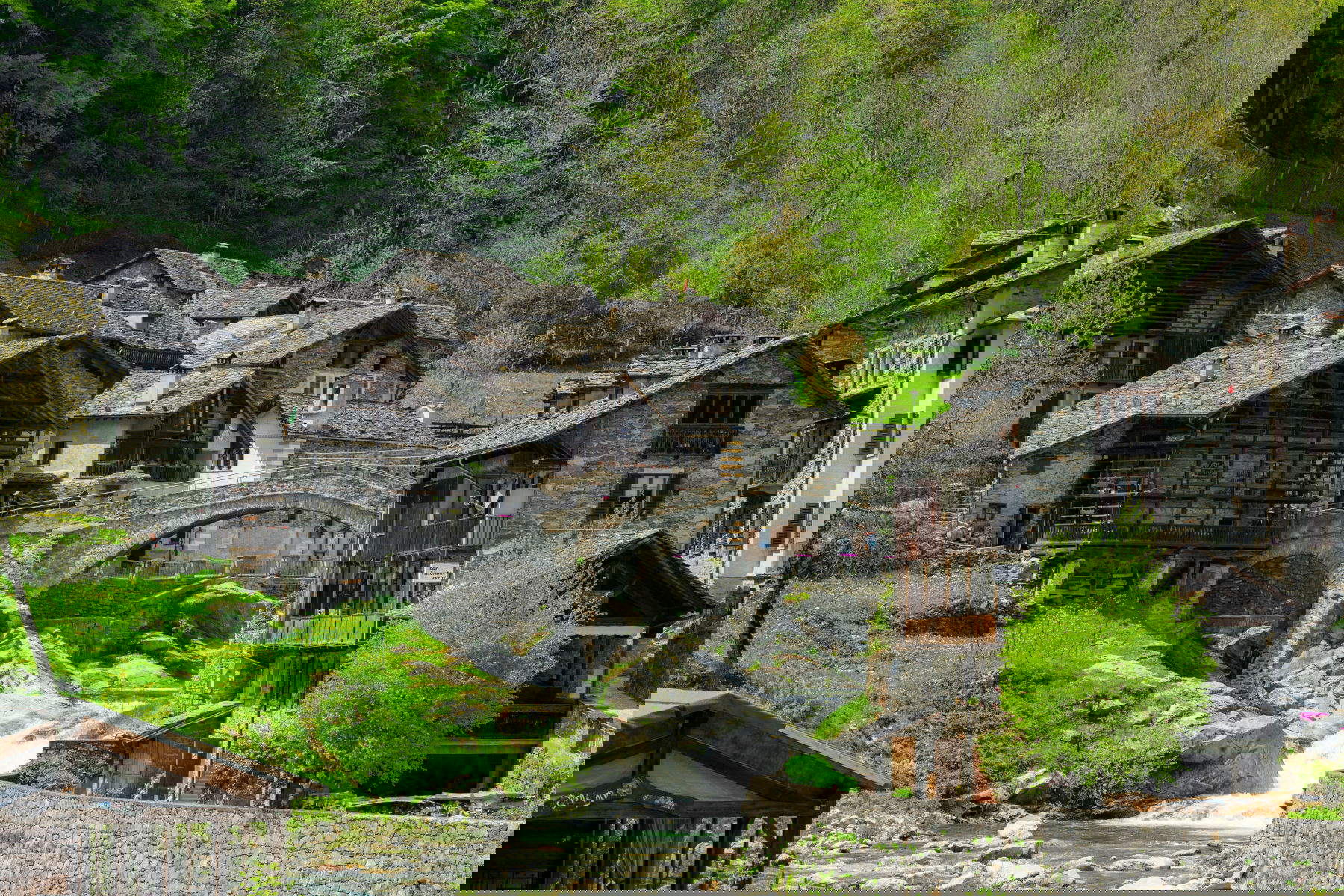
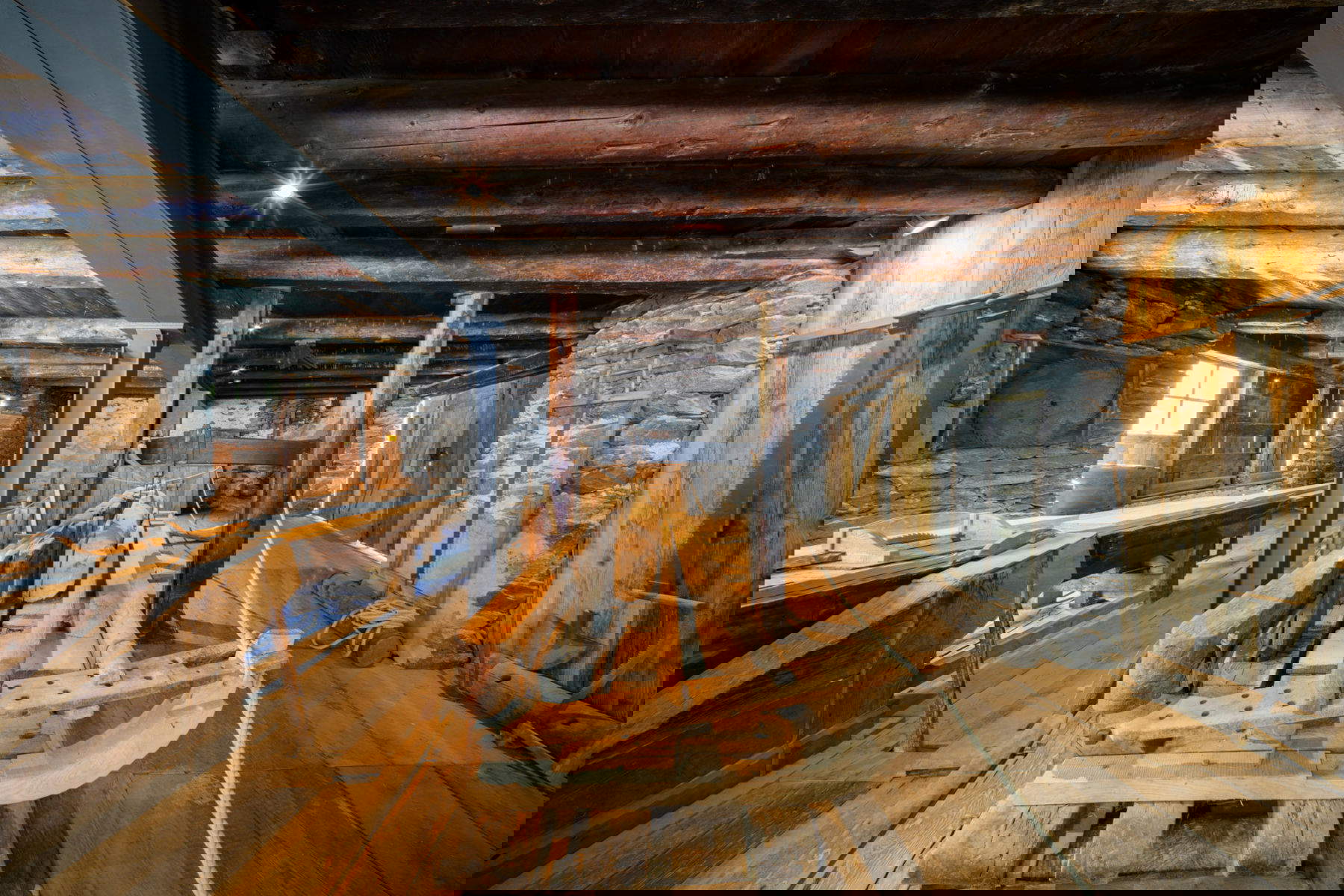
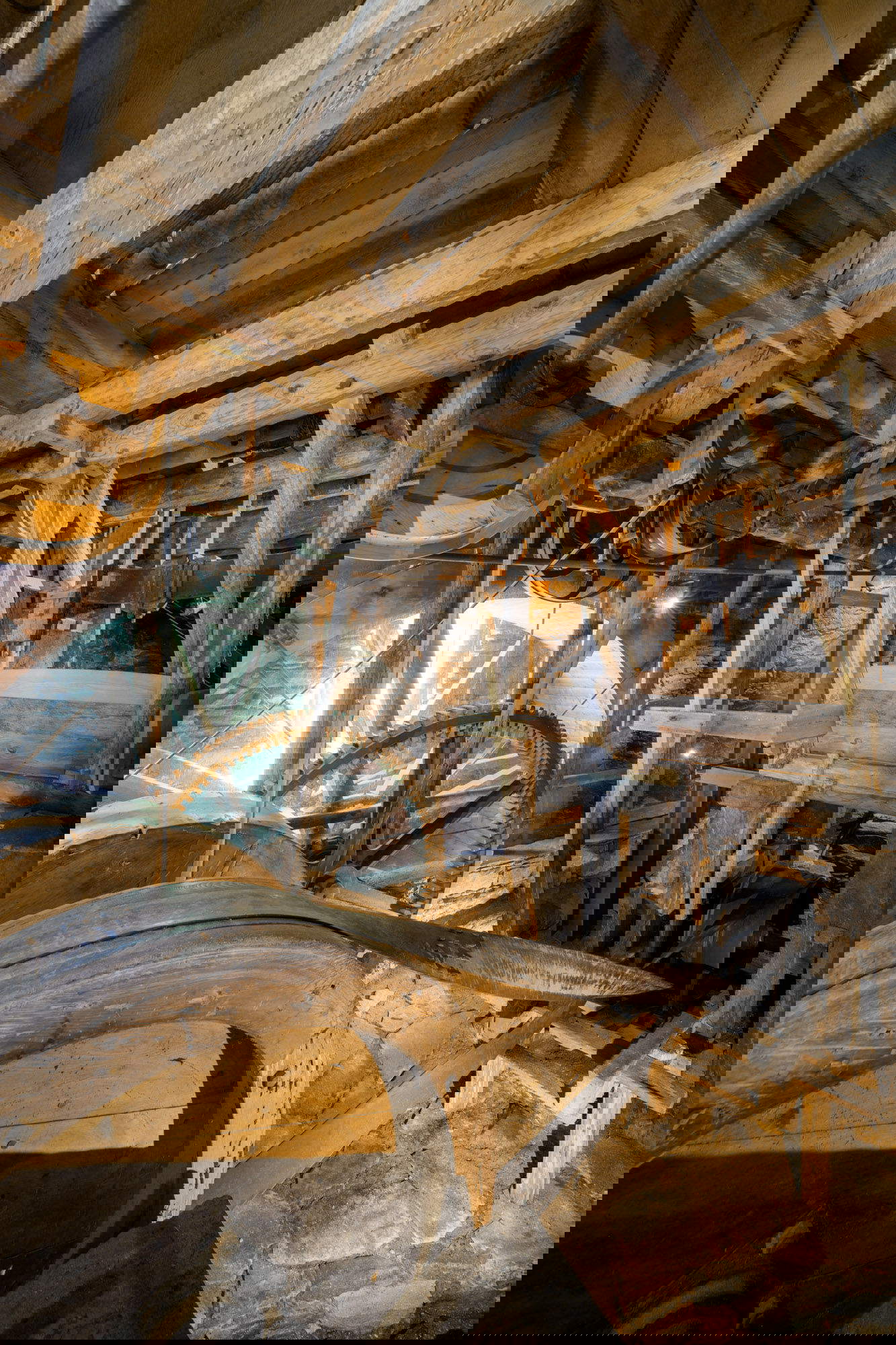
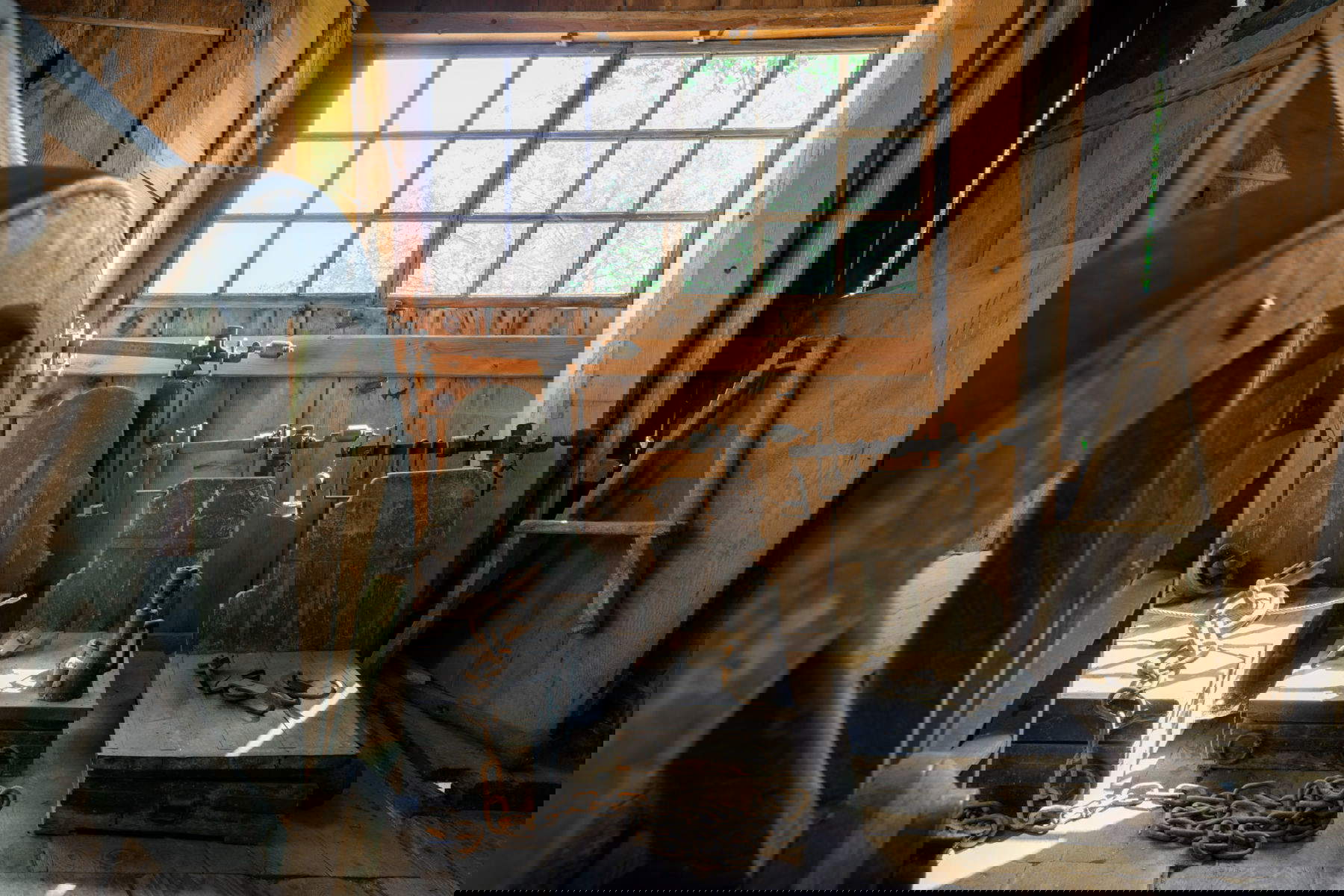
Another key landmark is theWood Ecomuseum, which preserves evidence of traditional woodworking and production activities of the past. Part of the ecomuseum is the so-called Resga di Brasei, a hydraulic sawmill dating back to the 19th century, now considered one of the most important Italian examples of pre-industrial archaeology linked to the territory.
The sawmill, which is still functioning though rarely activated, is spread over several levels and reflects the work organization of the time. The lower level contains the main machinery, including the water wheel that uses the power of the stream’s water to power the cutting system. The upper level was for woodworking, where skilled craftsmen transformed logs into useful building elements and other artifacts. The upper floors housed storage areas, while in recent times part of the building has been used as a classroom for educational activities and guided tours.
In recent years, the Resga di Brasei has undergone major conservation restoration work carried out by the Municipality of Rassa with contributions from the Piedmont Region and the Valsesia Mountain Community. Thanks also to the awareness promoted by the non-profit association Cruggia da Spinfoj, the site has been recognized as an ecomuseum site of regional interest, a situation that has consolidated its historical and cultural value.
Next to the sawmill, the hamlet preserves other significant elements, such as the “Patel workshop,” a small wood craft workshop that has remained intact, and the oratory dedicated to St. Anthony, the starting point of the paths of art and faith that lead to votive chapels and ancient oratories scattered throughout the area.
Rassa also stands out for the variety of activities related to outdoor tourism. The mountainous conformation makes trekking one of the most popular practices, with numerous trails branching off to the Sorba, Gronda and Sassolenda valleys, offering itineraries of varying difficulty. Among the best known routes are the one linked to Friar Dolcino, which connects Rassa to Trivero, and the pilgrimage to Oropa and its shrine.
The hiking network also includes routes to Alpe Sorbella and Colle di Loo, on the border with Valle d’Aosta, as well as easier routes along the valley floor, ideal for relaxing walks. Cycling enthusiasts can take advantage of a track that connects Alpe di Mera to Val Sorba, passing through beech, fir and larch forests and offering panoramic views of the Monte Rosa massif.
The area also lends itself to the practice of disciplines such as mountaineering, ski mountaineering and climbing, while the presence of the Gronda and Sorba streams encourages river activities and sport fishing, with waters particularly suitable for trout and char. During the winter, the surrounding valleys offer opportunities for snowshoeing and ski mountaineering, thanks in part to their proximity to the Alpe di Mera ski area. There is no shortage of experiences related to the discovery of the area and its traditions. In the forests it is possible to observe wildlife such as deer, roe deer and eagles, while a visit to the mountain pastures provides an up-close look at mountain life and local dairy production. Guided hikes also allow visitors to learn more about historical, geological and naturalistic aspects of the area.
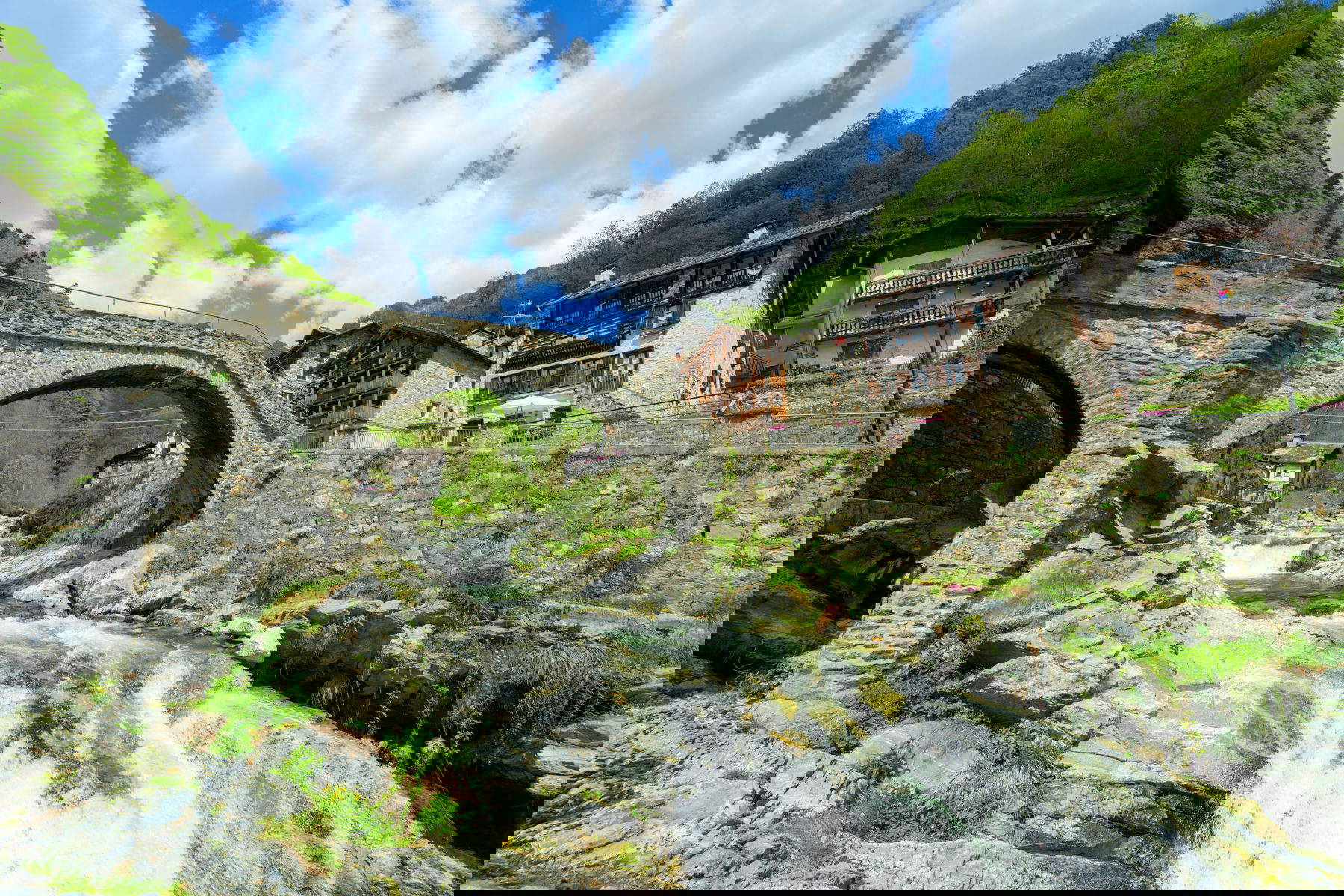
The village also offers family-friendly spaces, such as picnic areas along the streams and safe areas for outdoor activities. During the summer season, the waters of the Sorba and Gronda become ideal places to cool off and spend leisure time.
Rassa is thus configured as a small alpine flower, capable of combining landscape, historical memory and traditions in an authentic setting. The presence of the Brasei sawmill, a symbol of technical knowledge related to the use of natural resources, represents one of the most significant elements of this balance, capable of keeping alive a concrete testimony of the material culture of mountain communities.
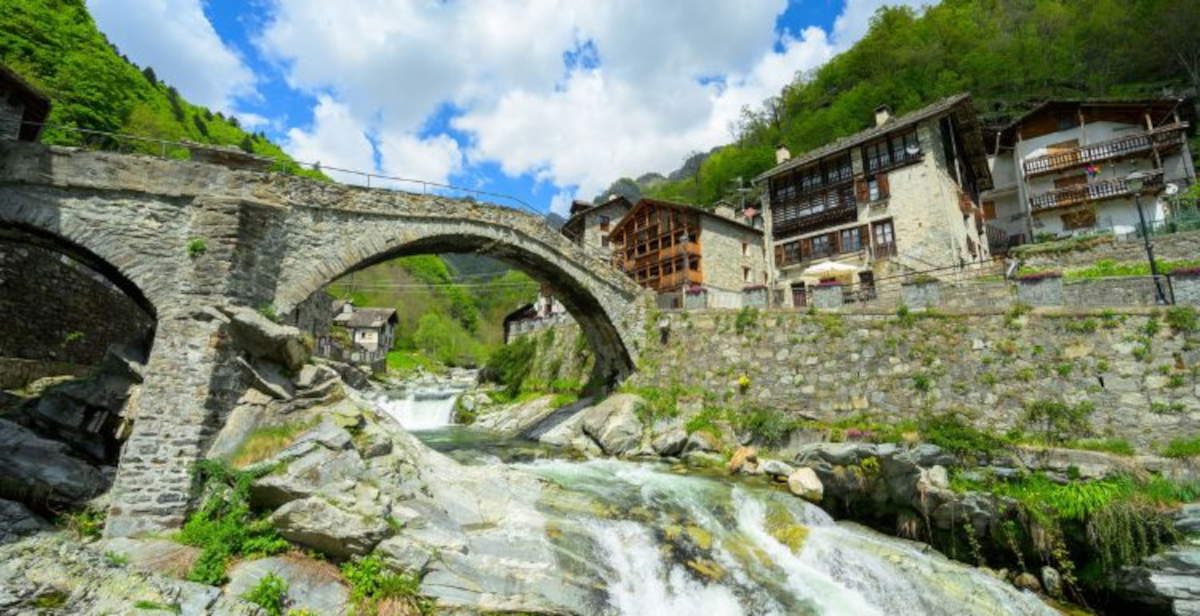 |
| Rassa, a village of art and history among the valleys of Valsesia |
Warning: the translation into English of the original Italian article was created using automatic tools. We undertake to review all articles, but we do not guarantee the total absence of inaccuracies in the translation due to the program. You can find the original by clicking on the ITA button. If you find any mistake,please contact us.