





After more than four centuries of separation, the major manuscripts and drawings of Leonardo da Vinci (Vinci, 1452 - Amboise, 1519) are once again available for consultation as a single documentary heritage. The Leonardotheka 2.0 project, the new digital platform that brings together for the first time the two most important Leonardo collections preserved today between Italy and the United Kingdom, was unveiled yesterday in London. The initiative was hosted by theItalian Embassy inLondon in collaboration with the Museo Galileo and the Ministry of Culture and marks the completion of a 10-year project that makes available to the public the world’s largest digital resource dedicated to Leonardo da Vinci’s manuscripts.
Accessible from June 8, 2026 at teche.museogalileo.it/leonardo, the platform represents the culmination of a long scientific, documentary, and technological effort conceived by Museo Galileo and developed in partnership with the Royal Collection Trust, the Veneranda Biblioteca Ambrosiana, and the Biblioteca Leonardiana in Vinci. Thanks to the efforts of scholars, archivists and computer experts, some 3,500 pages of Leonardo manuscripts, which had remained separate since the late 16th century, are now once again accessible within a single digital environment. The importance of the project lies not only in the extraordinary quantity of documents made available online, but above all in the possibility of reconstructing the original links between writings, scientific studies, artistic drawings and annotations that Leonardo had conceived as part of a single research path. Indeed, Leonardotheka 2.0 makes it possible to observe the thought of the Tuscan genius from a completely new perspective, overcoming a division that for centuries conditioned the understanding of his work. After all, the platform was created with the aim of virtually reconstructing the original state of Leonardo’s manuscript bequest before the intervention of the Arezzo sculptor Pompeo Leoni, a central figure in the history of the dispersal of Leonardo’s papers. When the artist died in 1519, all the manuscripts in fact passed to his last pupil, Francesco Melzi. Subsequently, the papers ended up in the hands of Leoni who, at the end of the 16th century, decided to dismember notebooks and loose sheets in order to reorganize them according to thematic criteria.
The sculptor thus separated artistic and figurative studies from technical and scientific annotations, distributing the material into two large collections. The first album mainly contained writings and illustrations related to technological and scientific research; the second collected anatomical studies, figurative drawings, landscapes, and other works of an artistic nature. A choice that, while it contributed to the preservation of a significant part of Leonardo’s legacy, also profoundly altered the original context of the documents.
In the early seventeenth century the manuscripts passed to Polidoro Calchi, Pompeo Leoni’s son-in-law. It was he who sold the larger of the two albums to Count Galeazzo Arconati, who donated it to the Veneranda Biblioteca Ambrosiana in Milan in 1637. That documentary nucleus became the famous Codex Atlanticus, now considered the largest collection of Leonardo’s writings traceable to a single corpus. The other album, containing figurative studies, instead reached England in the 1720s and entered the Royal Collection around 1670, probably as a gift intended for Charles II.
For more than four hundred years these two collections followed independent paths. On the one hand is the Codex Atlanticus, housed in Milan, with its 1,119 folios; on the other are the approximately 550 folios in the Royal Collection in Windsor, which constitute the most important nucleus of figurative, anatomical, landscape, and naturalistic drawings by the master from Vinci. Leonardotheka 2.0 now makes it possible to digitally reunite these materials, offering for the first time a unified view of documents that originally belonged to the same set of manuscripts compiled by Leonardo from the mid-1570s until his death.
To accompany users in exploring this immense documentary heritage, Leonardotheka provides a series of advanced search and consultation tools. It is possible to view images in high definition, access thematic indexes, consult transcriptions and critical notes, and explore specialized bibliographies and links to materials held in the Museo Galileo’s digital library.
Advanced search allows you to filter documents based on numerous physical and technical characteristics, including paper watermarks, tools used for writing and drawing, and other material elements that allow you to follow the evolution of Leonardo’s work.
Underlying the project is an extensive international collaborative effort sponsored by the Museo Galileo, which has coordinated the expertise of the world’s leading Leonardo specialists and integrated knowledge accumulated over centuries of study. Digital technologies and the most advanced methodologies of non-invasive investigation applied to historical documents also played an important role. Watermarks, for example, were acquired and digitized by Haltadefinizione, a tech company of the Panini Cultura Group, contributing to the creation of a research system that makes possible a level of analysis that was unthinkable until a few years ago.
The creation of Leonardotheka was made possible thanks to the collaboration of the Veneranda Biblioteca Ambrosiana, the Royal Collection Trust and the Biblioteca Leonardiana in Vinci, as well as the ongoing support of the Ministry of University and Research, the Ministry of Culture, the National Committee for the Celebration of the 500th Anniversary of Leonardo’s Death and the Commission for the National Edition of Leonardo da Vinci’s Manuscripts and Drawings.
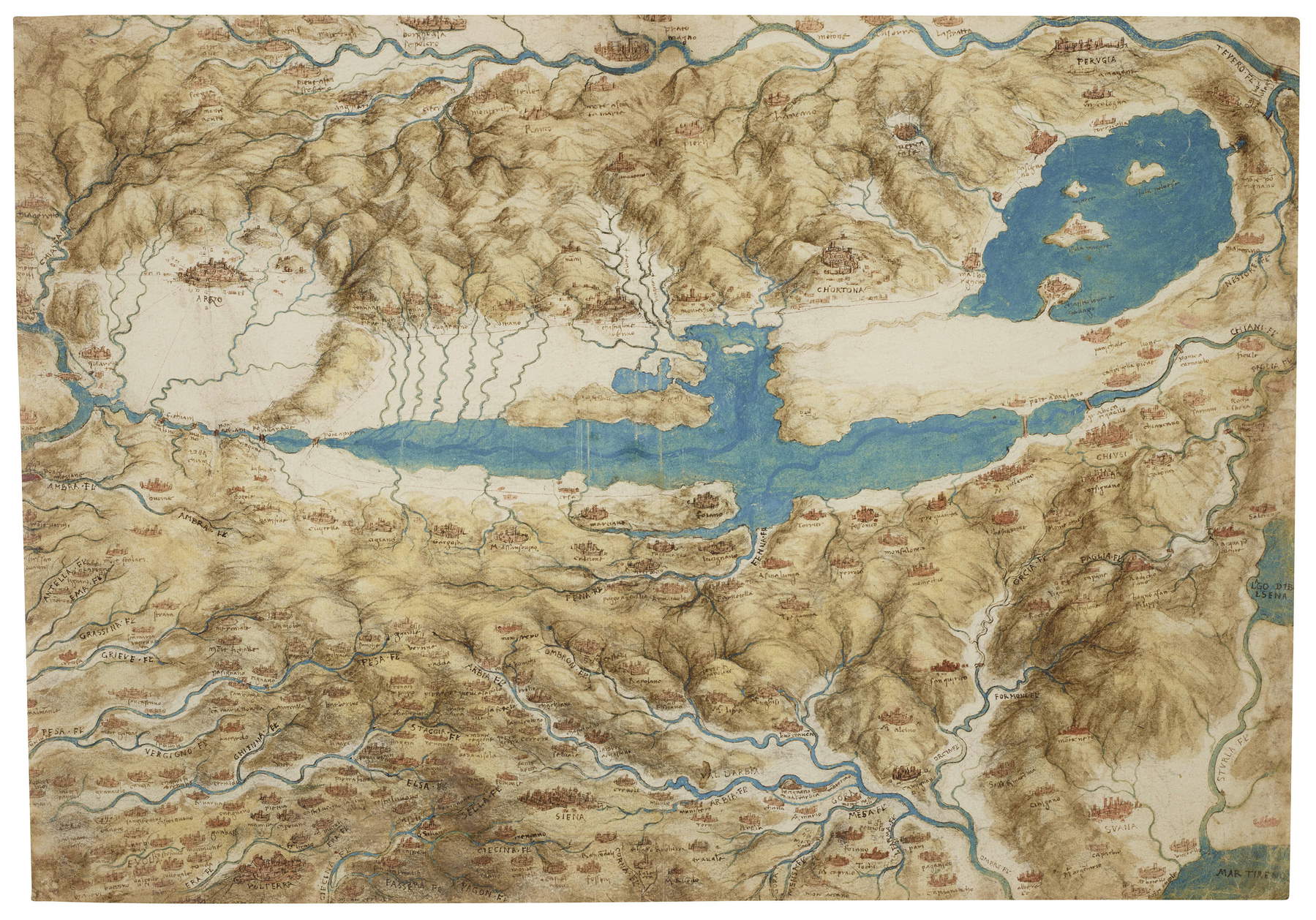
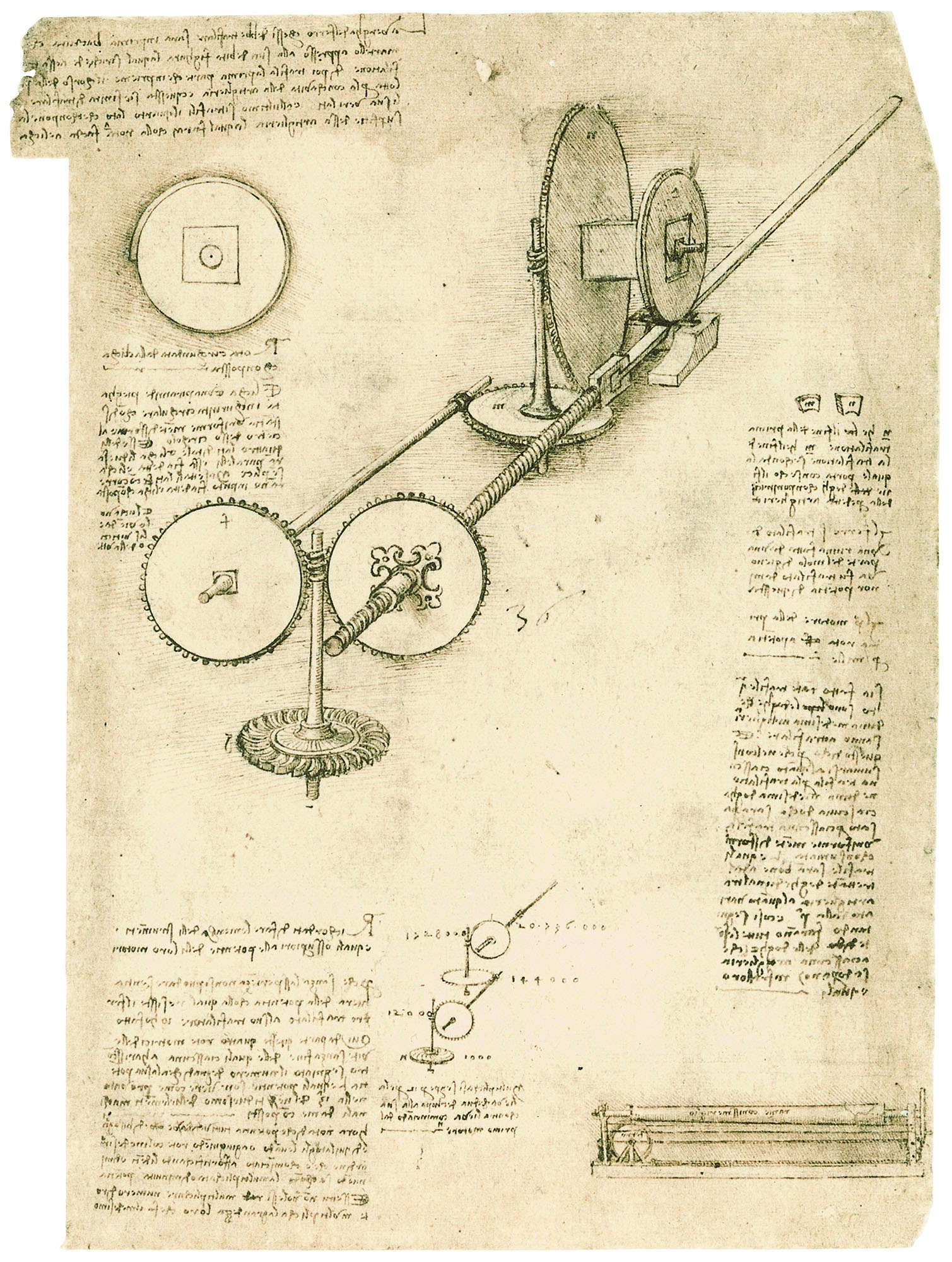
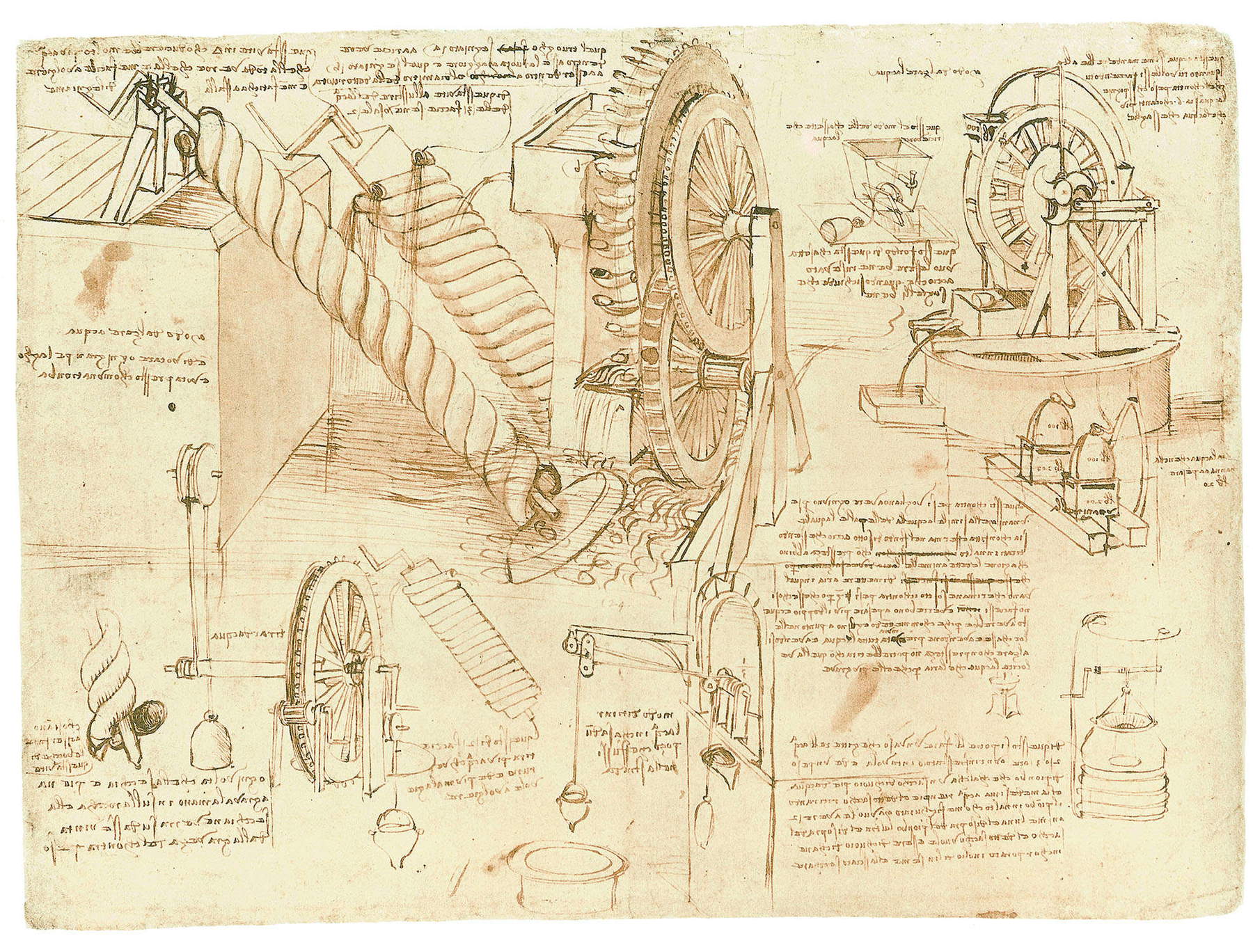
The evolution of the platform represents the second chapter of a project that began in 2017. In that year, the Museo Galileo launched the creation of Leonardo//thek@, a digital library designed to explore the documentary heritage of the Codex Atlanticus in an advanced way. After six years of work, the first version of the platform was released in spring 2023.
Leonardo//thek@ 1.0 made high-resolution images and transcriptions of the nearly 1,200 folios of the Codex Atlanticus available online, allowing scholars and the public to also access the results of more than two centuries of research and scholarly insights. That first experience was the starting point for the ambitious project to reconstruct the original state of the manuscripts before Pompeo Leoni’s intervention.
With Leonardotheka 2.0, the project now makes a decisive qualitative leap. In addition to the materials in the Ambrosian Library, the platform in fact integrates the approximately 600 vincian folios preserved in the Royal Collection in Windsor. The two digital archives can be consulted either separately or as a single integrated database, in which to carry out cross-searching and direct comparisons between documents hitherto held in different institutions.
Among the main new features introduced by Leonardotheka 2.0 are the Recompositions, Watermarks and Comparative Study sections. The former brings together manuscript reconstructions worked out by scholars and allows direct observation of the fifty recompositions considered certain today. The Watermarks section, on the other hand, makes it possible to compare sheets on the basis of paper structure, offering new tools for identifying possible connections between seemingly separate documents. Finally, the Comparative Study provides a virtual blackboard that allows for the simultaneous comparison of several papers, changing their brightness, transparency, magnification and orientation.
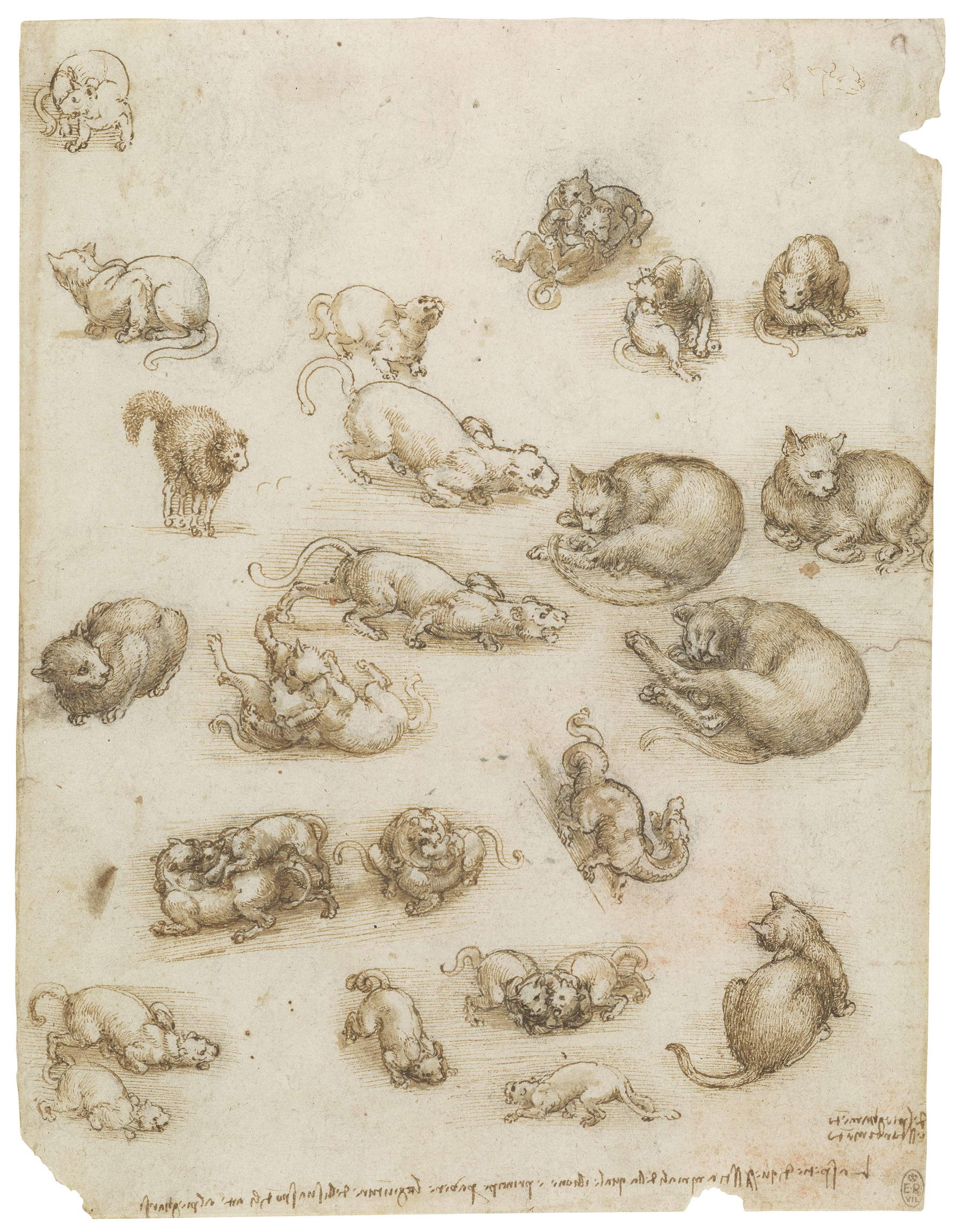
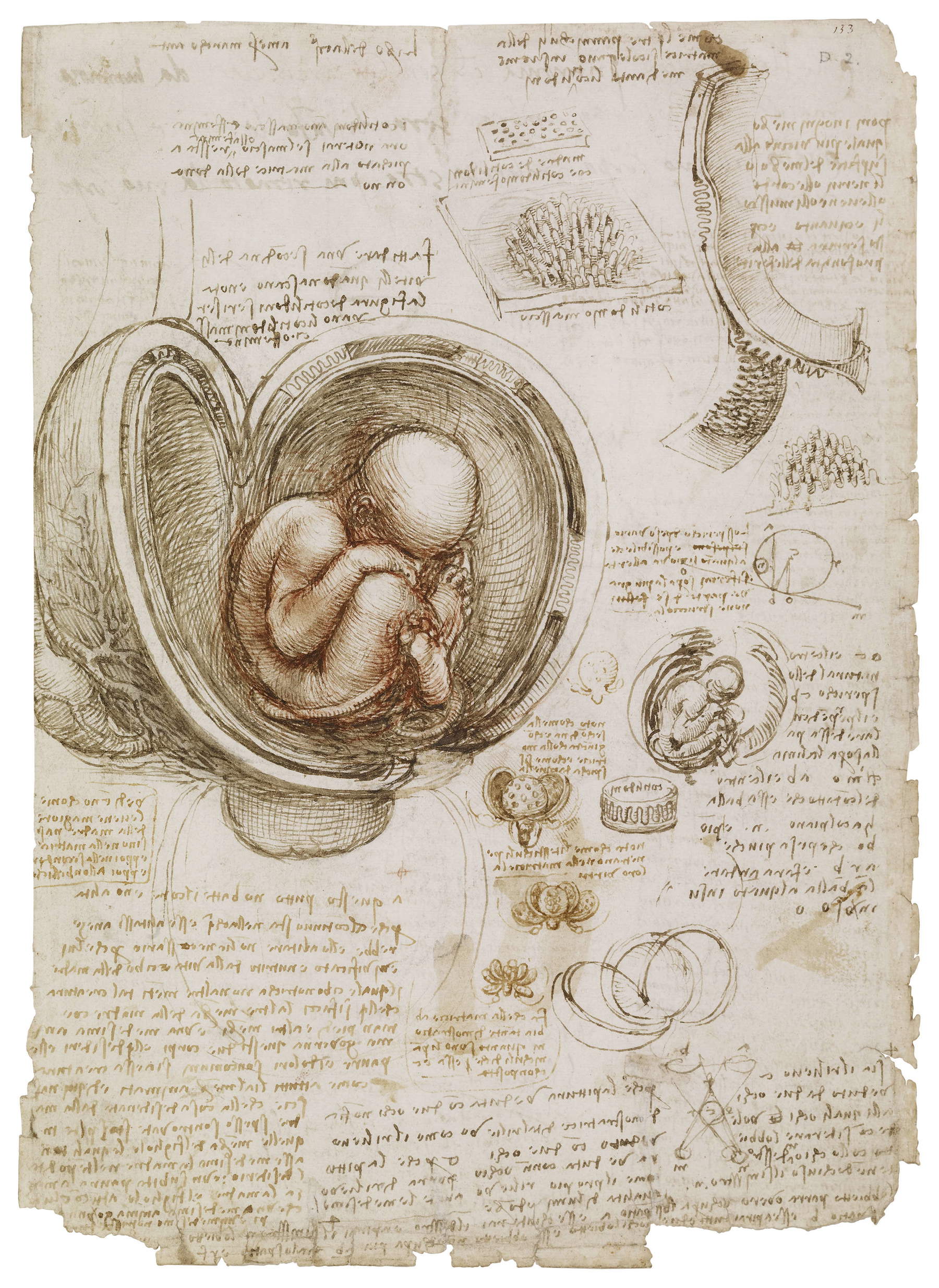
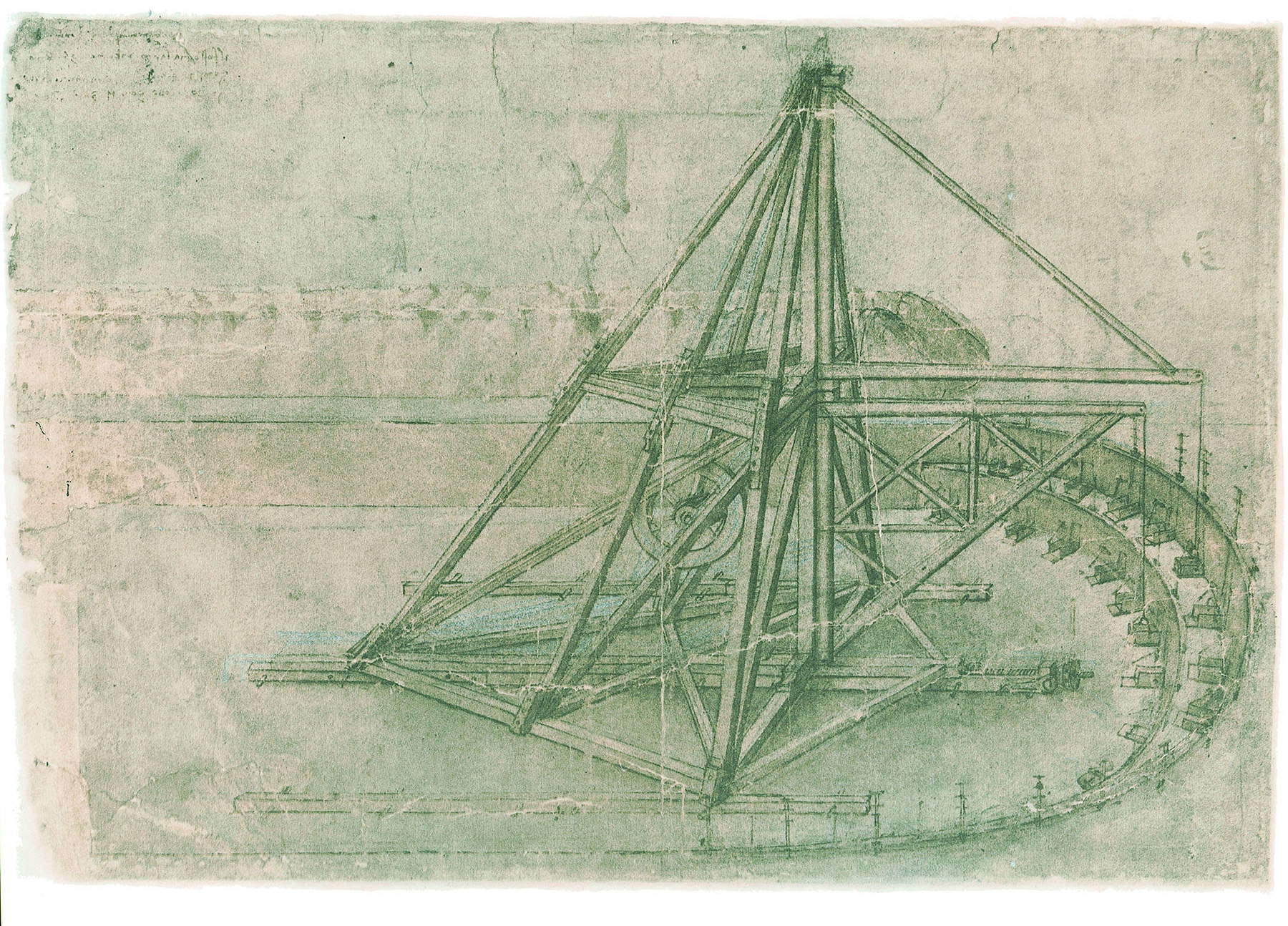
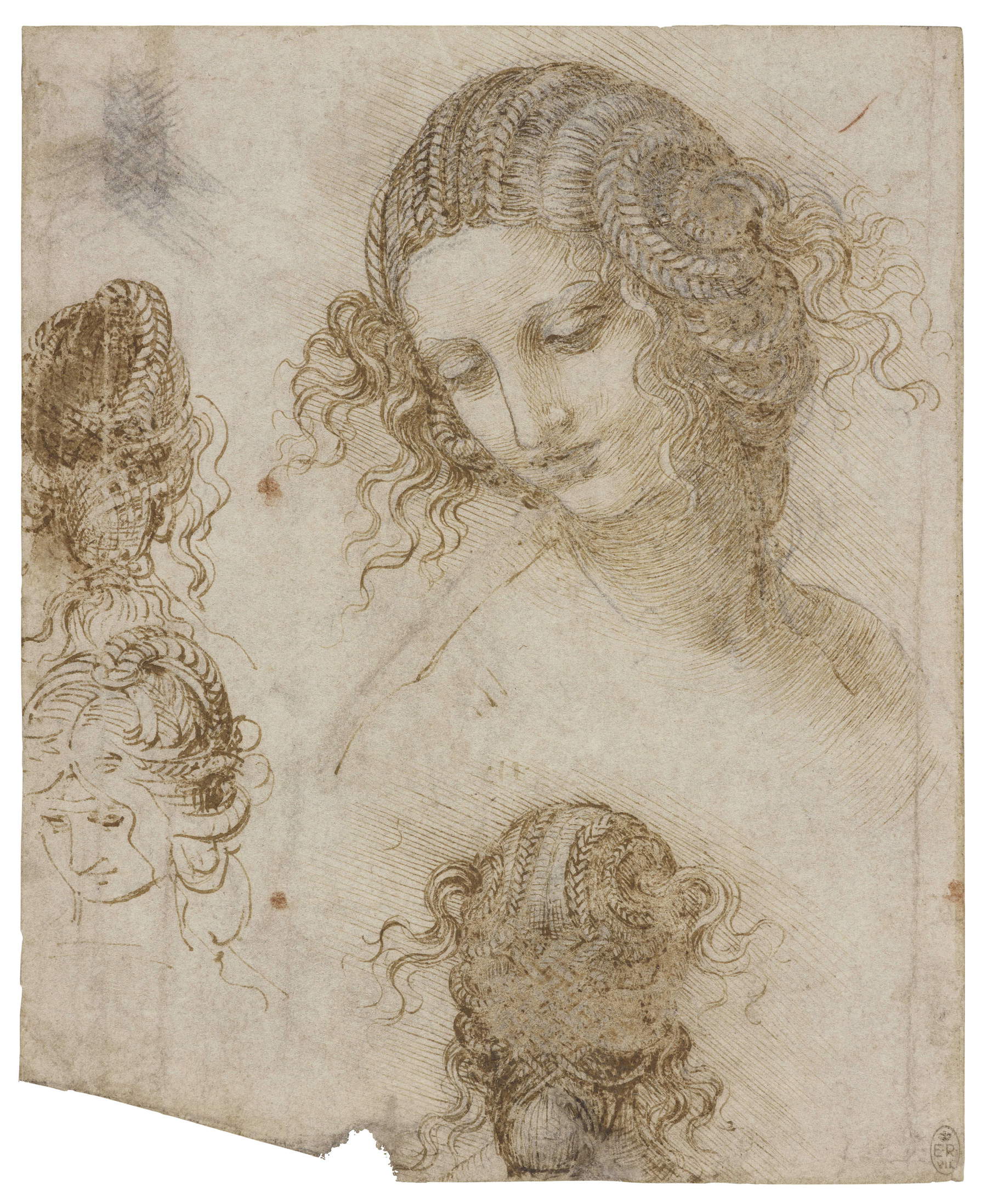
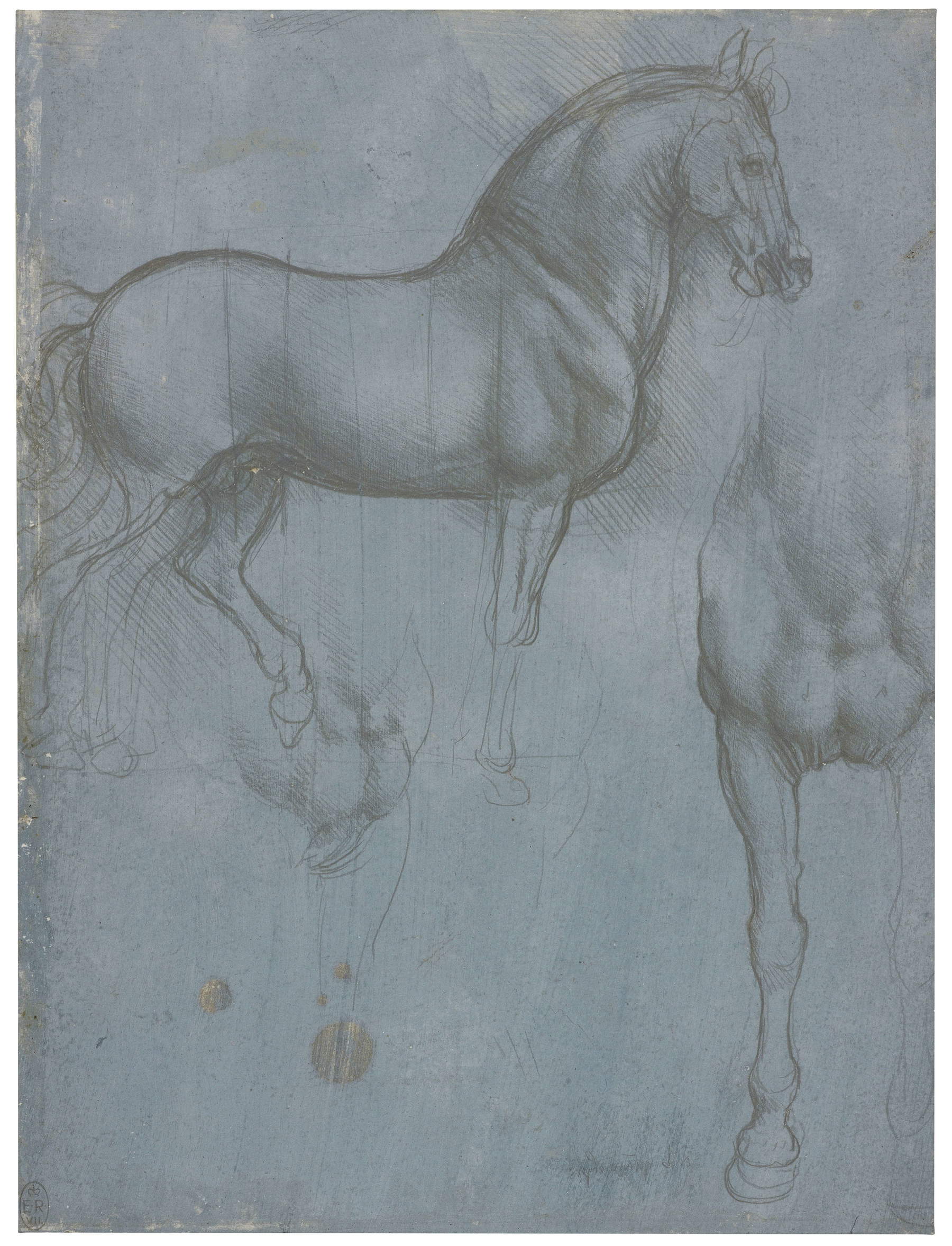
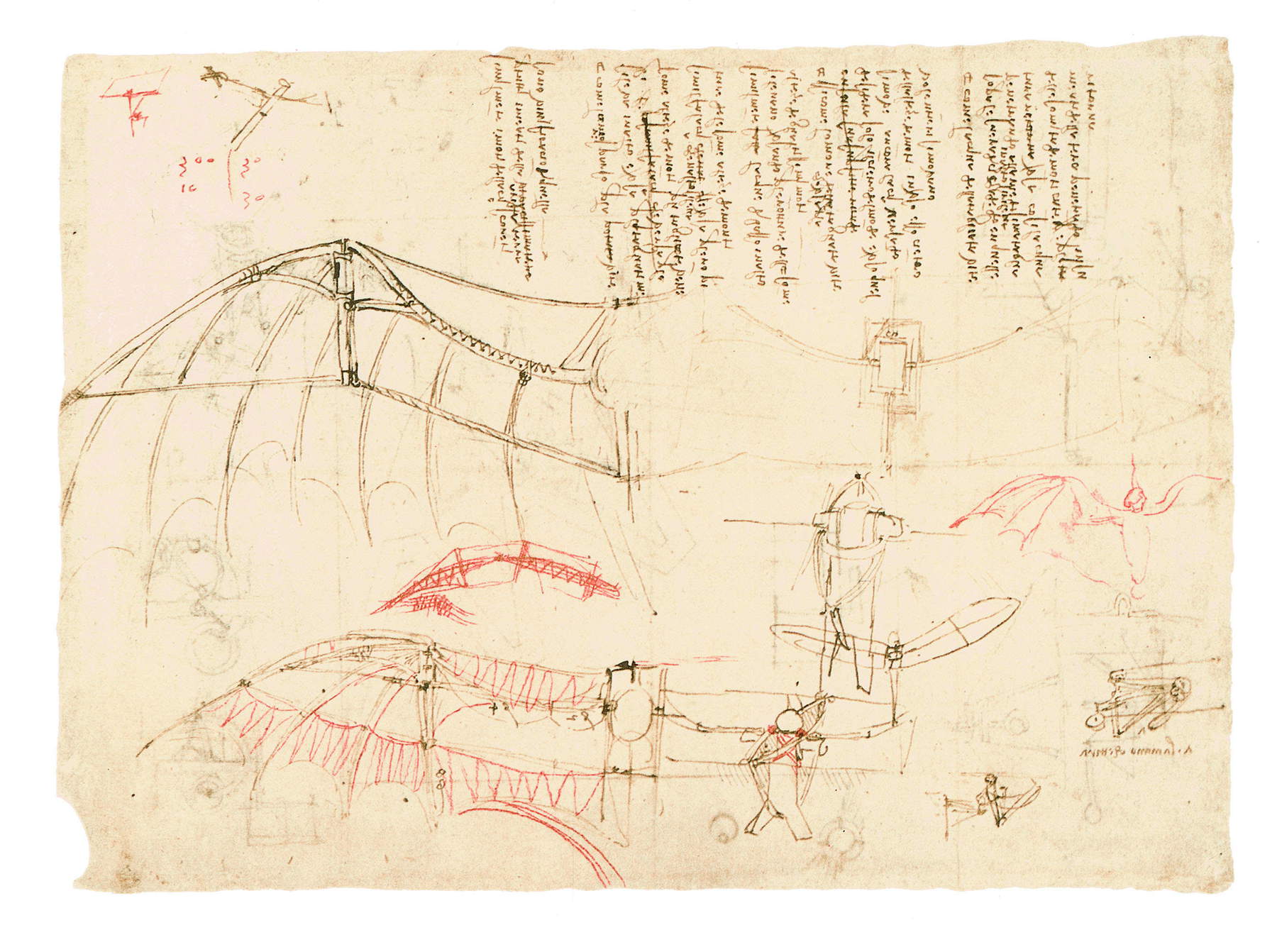
Among the most innovative aspects of the project is the so-called digital restoration of the manuscripts. Through sophisticated analysis and comparison tools, it has been possible to identify links between fragments now preserved in different collections and to virtually reconstruct documents that were dismembered centuries ago. The new version of the platform made it possible to carry out about fifty confirmed recompositions, restoring the original appearance of as many Leonardo manuscripts. The result was achieved thanks to complex study work that took into account the size of the sheets, paper preparation, watermarks, writing instruments, and numerous other material elements. All this information is now accessible to users and is one of the main scientific resources offered by the platform.
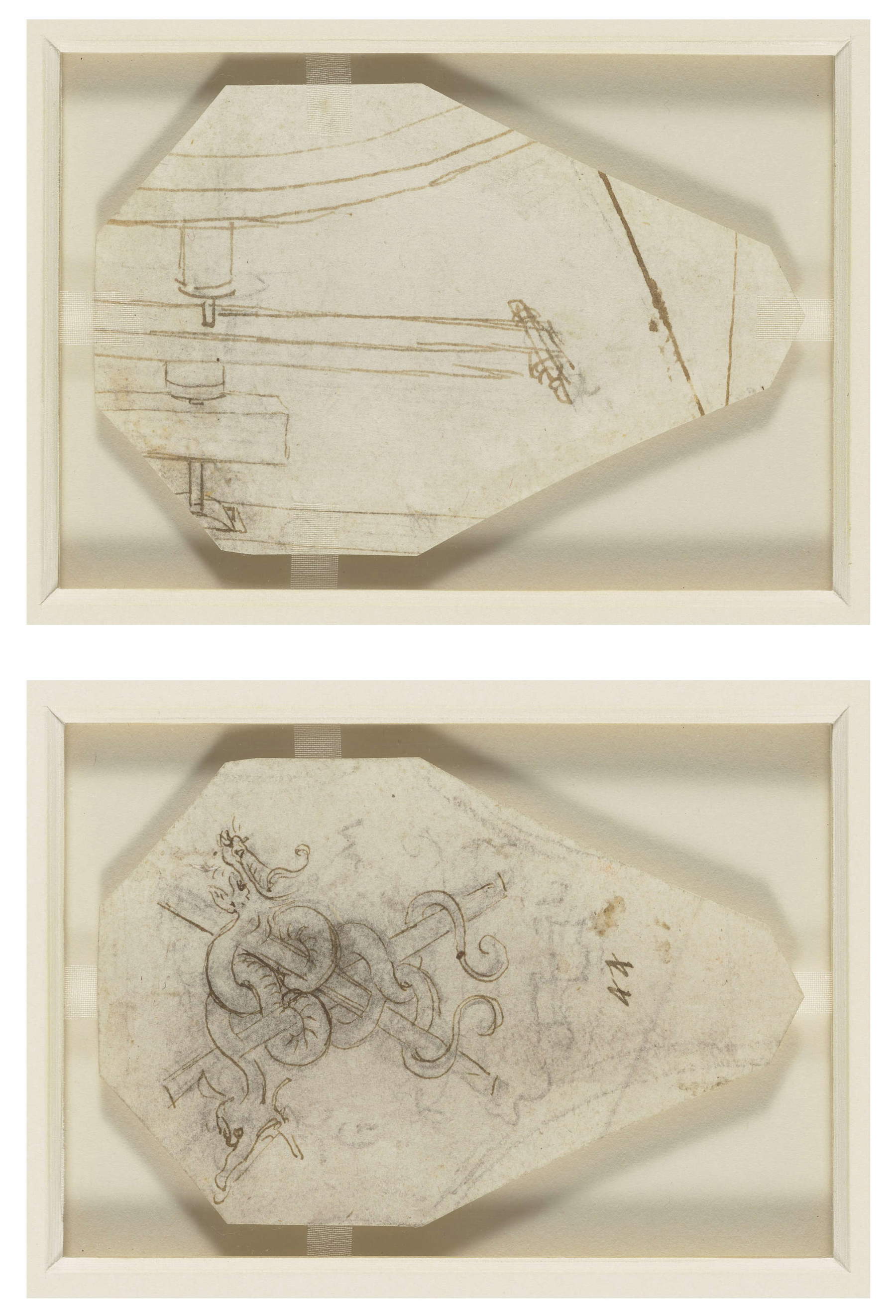
One of the most significant reconstructions concerns folio 399r of the Codex Atlanticus and folio 912345r preserved in the Royal Collection. The recomposition makes it possible to reunite a drawing depicting a horse with a note related to the Regisole, a famous late antique equestrian monument located in Pavia. According to scholars, the sheet thus reconstructed most likely documents the time when Leonardo conceived the sketch for the horse intended for the equestrian monument dedicated to Francesco Sforza, one of his most ambitious and never completed works.
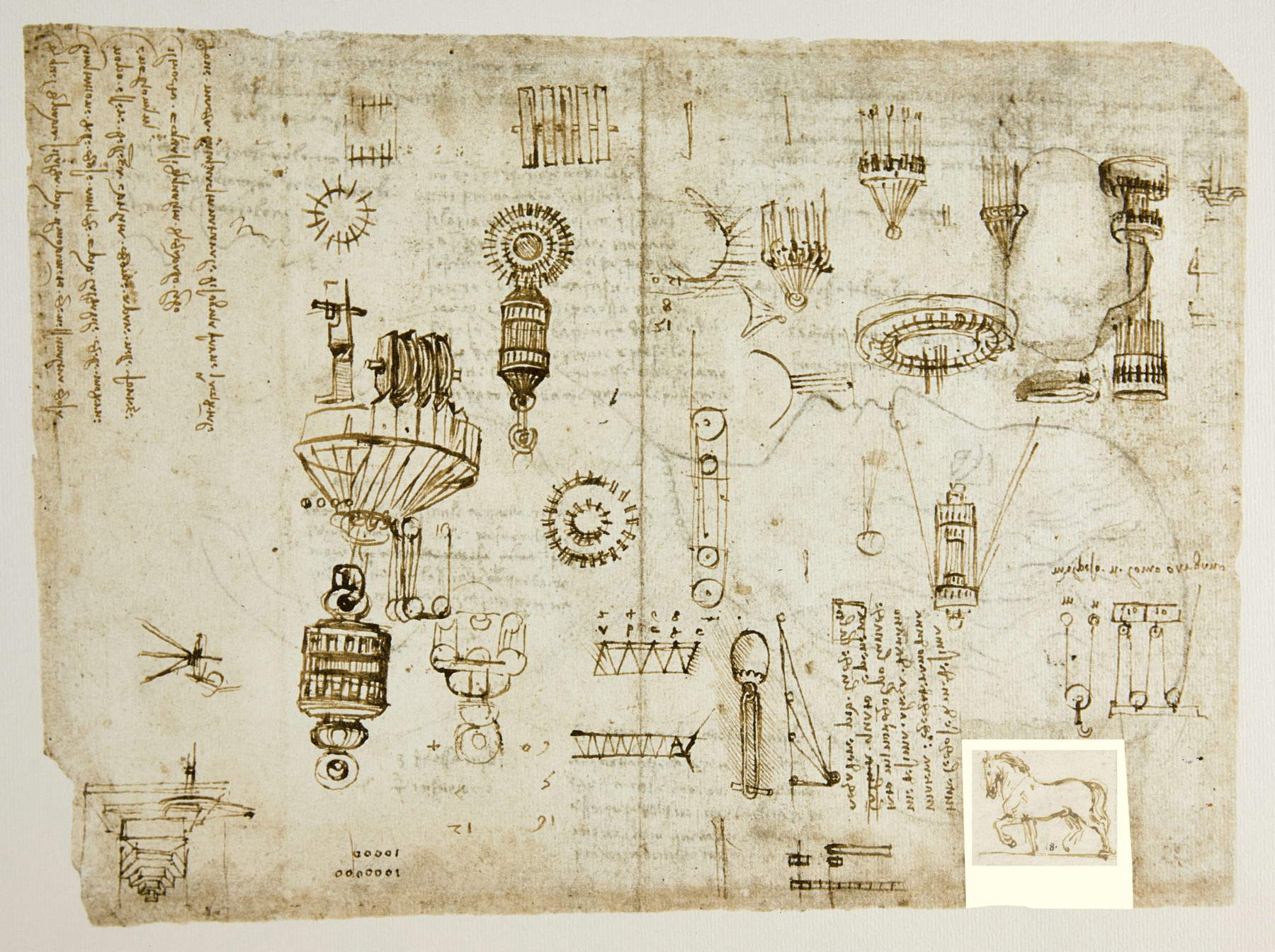
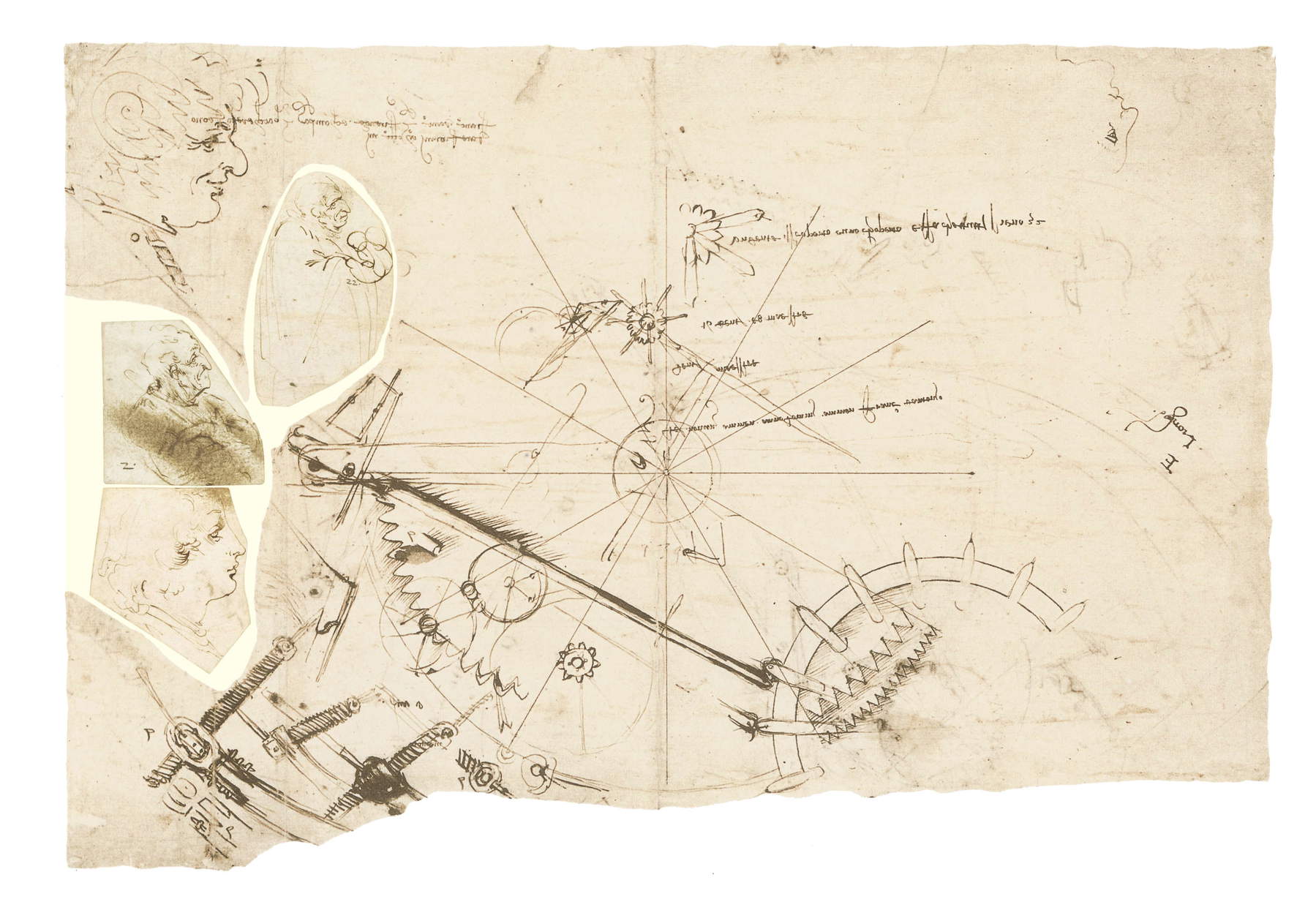
Another recomposition of particular interest concerns folio 878v of the Codex Atlanticus, supplemented with three fragments preserved in Windsor identified as RCIN 912464r, RCIN 912438r and RCIN 912460r. The document contains complex studies of gears and screws probably related to Leonardo’s research for a planetary clock, but it also reveals aspects of his daily life and artistic activity. Indeed, profiles of a young man and two elderly men appear alongside the mechanical drawings, as well as a smiling portrait that scholars believe may depict his uncle Francesco. Also appearing on the sheet is a curious annotation about a debt of 1,404 florins, a figure considered so high as to be interpreted as a joke, as well as a proof of signature made with the right hand bearing the inscription “E Lionardo.” The ensemble returns a particularly vivid picture of Leonardo’s creative universe, in which scientific research, observation of reality and everyday life coexist in the same space.
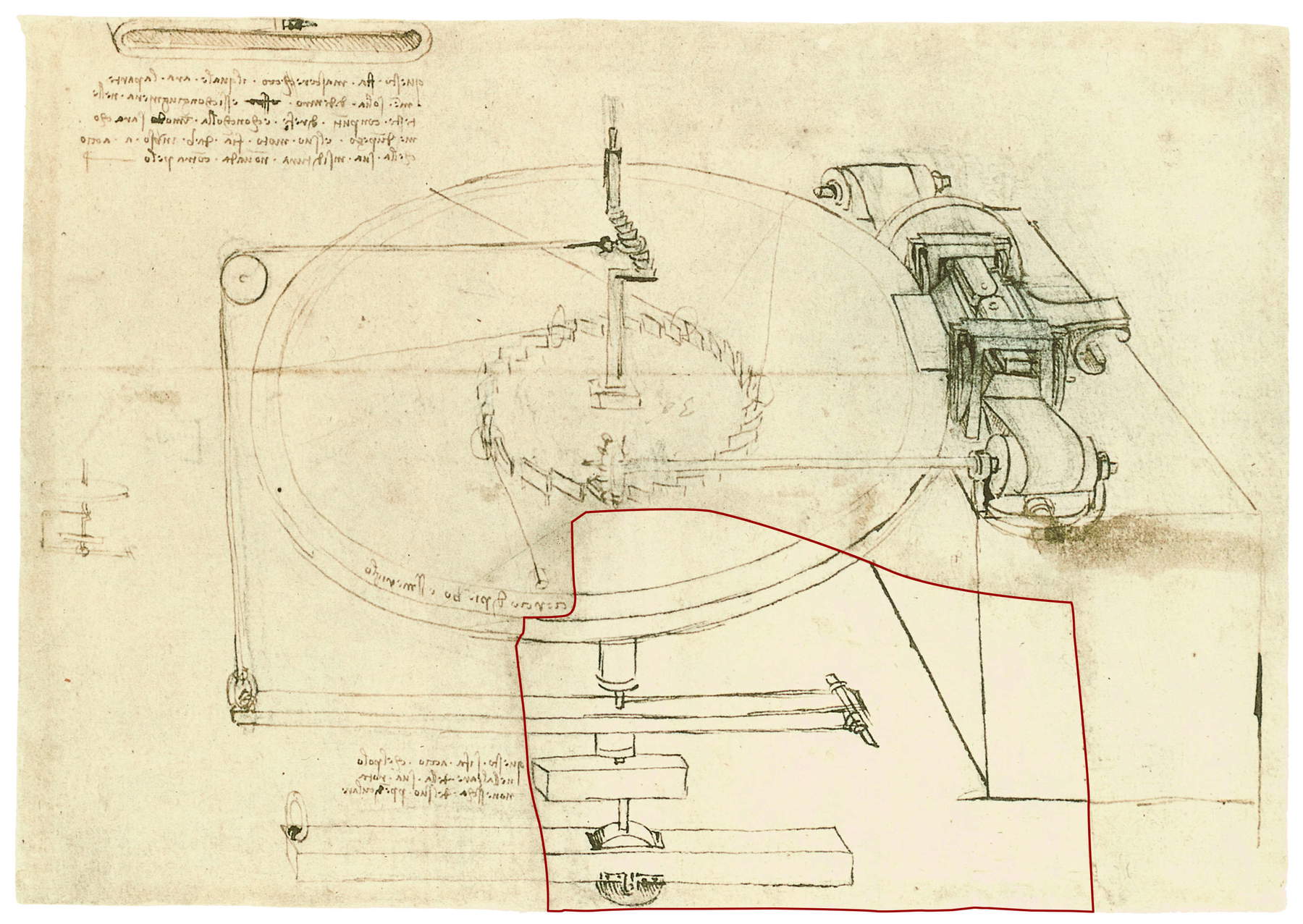
The platform also documents the effects of the intervention made by Pompeo Leoni on the original manuscripts. An emblematic case is represented by folio 86r of the Codex Atlanticus, dedicated to a machine for making needles. In this case Leoni removed a fragment now identified as RCIN 970124v, which is fundamental for understanding the functioning of the mechanical device, because on the verso was a Sforza coat of arms with two intertwined dragons, catalogued as RCIN 970124r. Later Leoni himself attempted to fill the gap by redrawing the missing part of the sheet in his own hand.
Ambassador Fabio Cassese, who opened the conference “Leonardotheka, an innovative tool for the study of Leonardo’s codices” at the Italian Embassy in London, said, “Leonardo’s importance transcends national boundaries. Leonardo does not belong only to Italy, but to the cultural and scientific heritage of all humanity. His work represents the extraordinary encounter between art and science, imagination and powers of observation, creativity and rationality. For this reason, projects such as Leonardotheka are of crucial importance, going far beyond academic research. The collaboration between the Museo Galileo in Florence, the Royal Collection Trust in Windsor and the Veneranda Biblioteca Ambrosiana in Milan is a virtuous example of this spirit of cooperation and demonstrates how institutions from different countries can work together to make knowledge more accessible, interconnected and alive.”
Professor Paolo Galluzzi, President Emeritus and former Director of the Museo Galileo, creator and scientific head of the Leonardotheka, says, “Leonardotheka is a tool that makes available to scholars around the world unprecedented possibilities for exploring the enormous and valuable treasure trove of information contained in Leonardo da Vinci’s manuscripts. Thanks to the Museo Galileo’s ’scientific collaboration agreement with the Veneranda Biblioteca Ambrosiana and the Royal Collection Trust, Leonardotheka 2.0 enables the integrated exploration of the Codex Atlanticus and the precious complex of Leonardo’s folios preserved at the Royal Library in Windsor. This innovative tool marks the start of a new and extremely promising season of studies on the artistic, scientific and literary legacy of the Genius of Vinci.”
For Professor Michele Ciliberto, President of the National Institute for Renaissance Studies, Florence, "Leonardotheka 2.0 is a work of great importance that will foster the development of Leonardo studies, on new foundations. Thanks to the Museo Galileo, which is at the forefront in Italy and internationally in outlining new perspectives of investigation on protagonists of humanistic and Renaissance culture, this revolutionary project not only contributes to refocusing a complex author such as Leonardo in his original form, but also contributes to the new interpretation, underway for some years now, of this crucial epoch in European history. Through innovative digital tools designed to analyze the original texts, Leonardotheka 2.0 will make this challenge possible.
Roberto Ferrari, Executive Director of the Museo Galileo, said, “Leonardotheka represents an inescapable precedent that demonstrates how cultural institutions can and should maintain intellectual ownership of their digital initiatives, resisting the temptation to delegate these responsibilities to commercial platforms. This model stands in deliberate contrast to two similarly reductive trends: the proliferation of generic digital libraries, which privilege quantity of content at the expense of scholarly depth, and the growing attempt to turn Leonardo’s legacy into a commercial resource, masquerading under the respectable guise of the so-called ’cultural industry.’ In an era of very rapid evolution of artificial intelligence, this project reminds us that the true value of digital humanities lies in the willingness of scholarly institutions to take direct responsibility for shaping the tools through which our common heritage is explored and understood.”
|
| Leonardo da Vinci, online the largest digital collection of his drawings and manuscripts |

Warning: the translation into English of the original Italian article was created using automatic tools. We undertake to review all articles, but we do not guarantee the total absence of inaccuracies in the translation due to the program. You can find the original by clicking on the ITA button. If you find any mistake,please contact us.

















 IT
IT FR
FR DE
DE ES
ES CN
CN


