



by Redazione 09/06/2026



Categories: Ancient art / Disclaimer
Concluded the latest work on the pictorial surfaces of the Church of Santa Maria di Pomposa. The multi-year maintenance and conservation program initiated over fifteen years ago continues, with new discoveries on the decorative heritage of the complex.

A new and significant phase in the long journey of conservation and enhancement of the church of Santa Maria diPomposa, or the church of theAbbey of Pomposa, one of the most important monumental complexes of the historical and artistic heritage of Emilia-Romagna, has been concluded in recent days. In fact, the restoration works on the frescoes of the aisles have been completed, interventions that are part of an articulated multi-year program of planned maintenance initiated more than 15 years ago and aimed at protecting the pictorial surfaces of the ancient abbey.
The operation represents the latest step in a path begun in 2010 by the then Superintendence of Architecture and Landscape of Ravenna and continued subsequently with further campaigns of intervention between 2012 and 2014. These were joined in 2022 by the restoration of the last span of the left aisle and the wooden crucifix carried out by the National Museums of Bologna - Regional Directorate National Museums Emilia-Romagna. The completion of the work just completed confirms the will to give continuity to a conservation strategy based not on emergency interventions but on constant and methodically structured planning.


Already at the start of the first construction site, in 2010, the technicians had chosen to experiment with an innovative approach compared to traditional modes of intervention. Through a pilot site limited to a single span, in fact, it had been decided not to focus exclusively on the most evident damage situations or on conservative emergencies, but to set up a long-term maintenance program, capable of dealing organically with the different problems present in the decorative complex of the church.
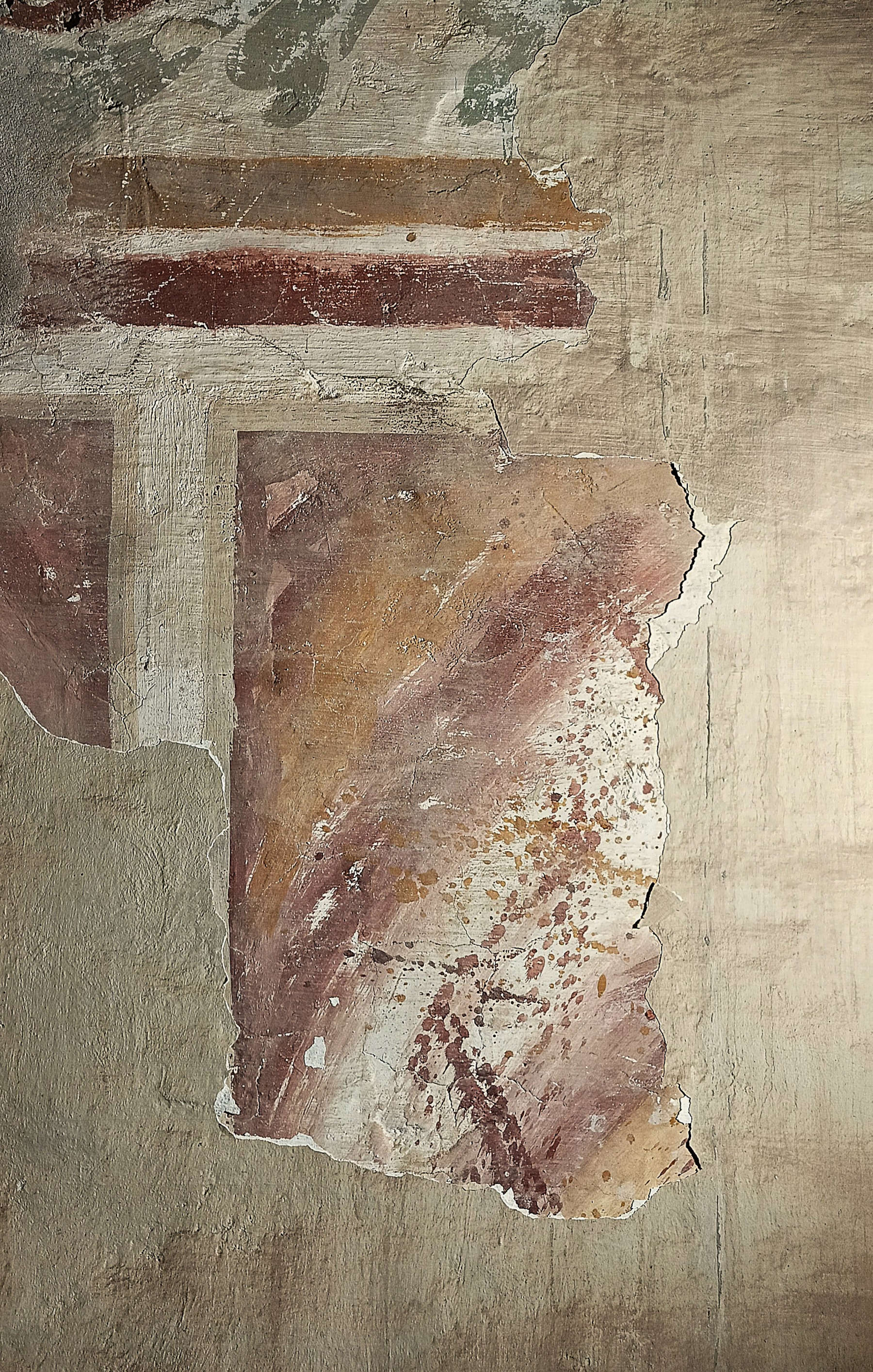
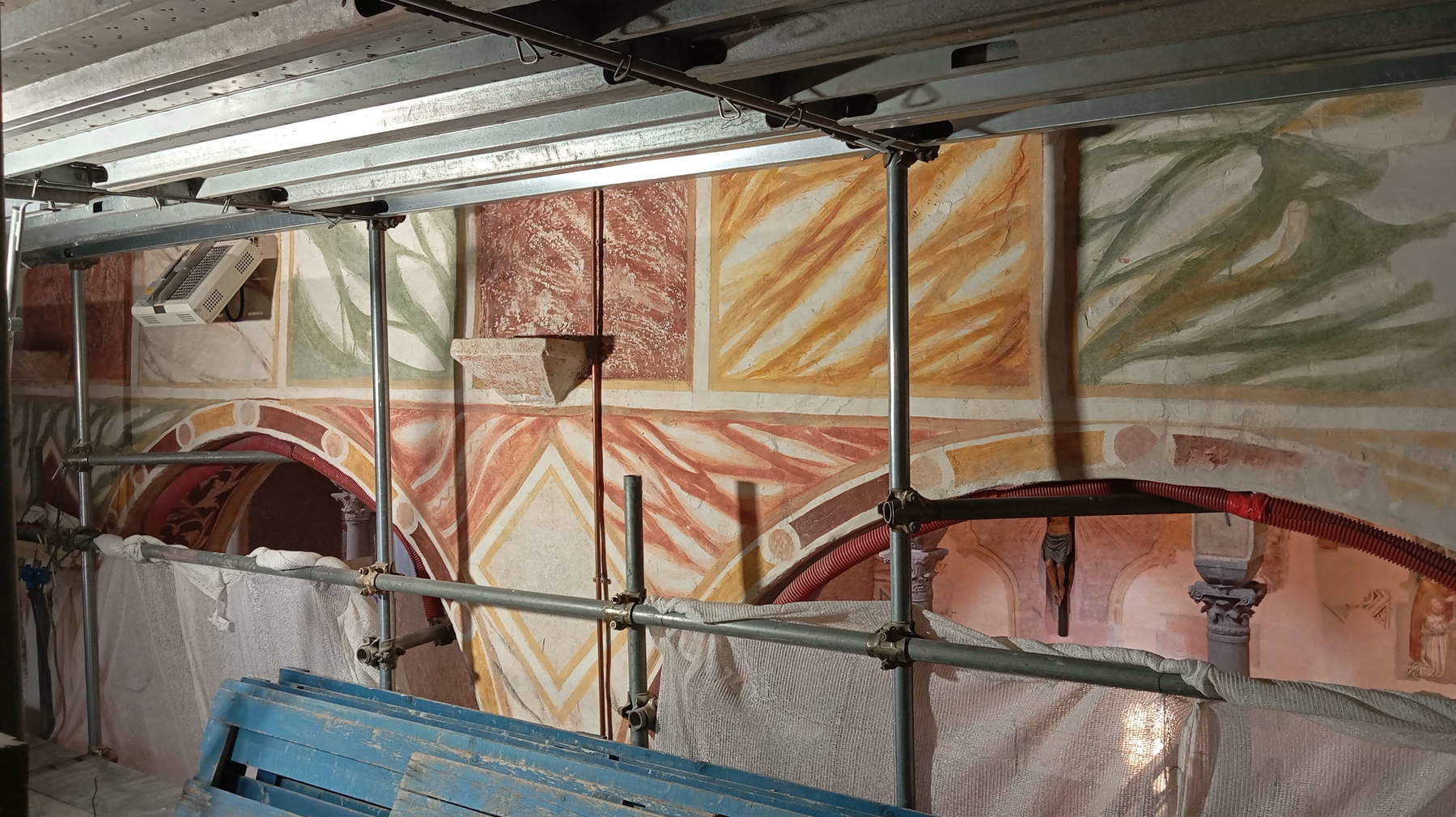
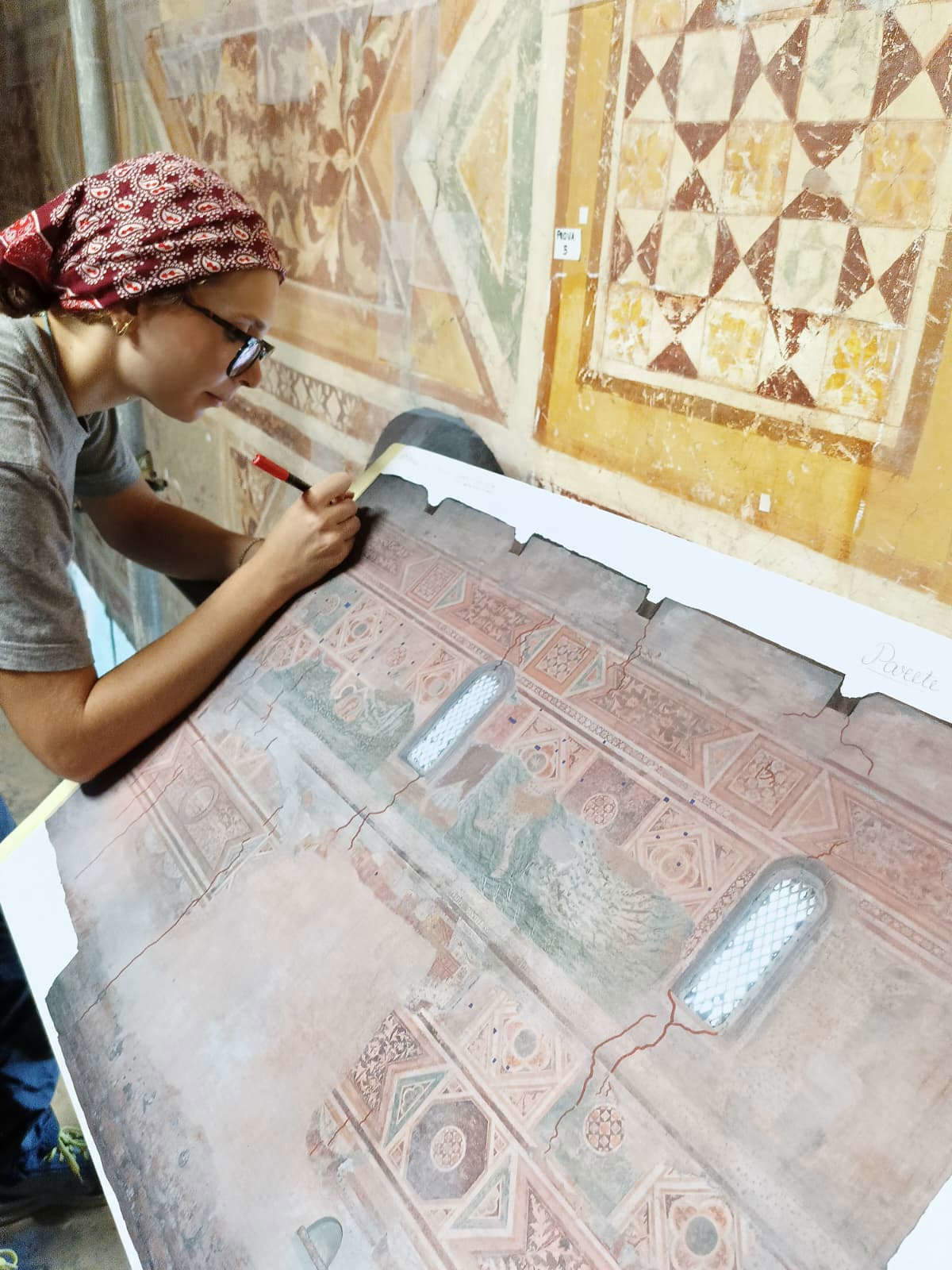
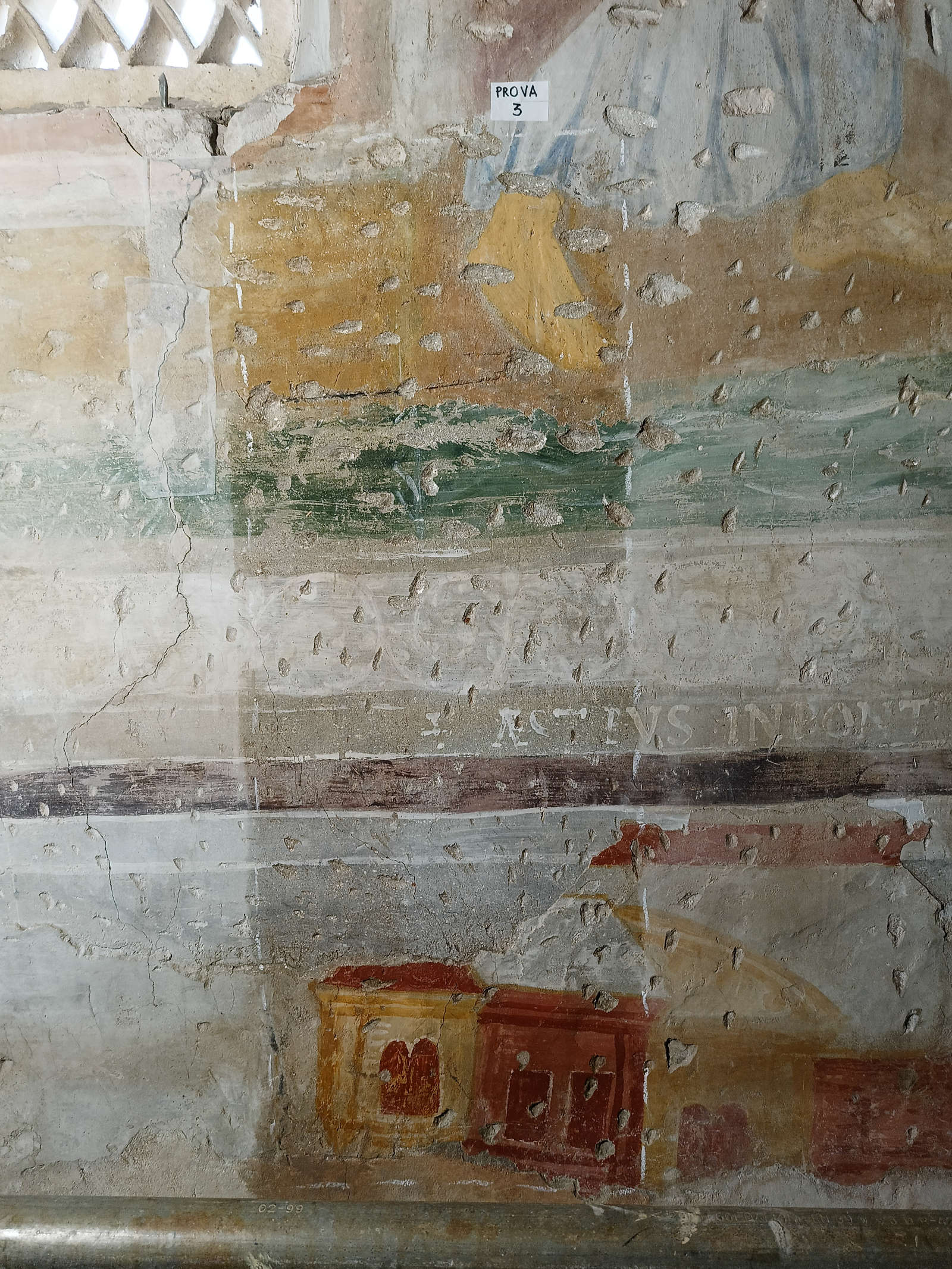
The latest campaign of work specifically involved the pictorial surfaces of the last bay of the right aisle and the penultimate bay of the left aisle. The intervention takes on particular relevance because it allows to close the restoration of the entire northern side of the church, a portion of the building that prior to the start of the conservation campaigns had particularly advanced conditions of degradation due to its north-facing exposure and the conservation problems that had resulted over time.
The results obtained confirm the validity of the methodology adopted over the years. Underlining this is Luigi Gallo, director of the National Museums of Bologna - Regional Directorate National Museums Emilia-Romagna, who says, “This intervention confirms the validity of a strategy based on planned maintenance and operational continuity, which had already begun in previous construction sites. In Pomposa, the choice was not to intervene only in emergencies, but to build over time a methodological path capable of combining protection, knowledge and sustainability. The results achieved show how a systematic and multi-year approach allows not only to stop the phenomena of degradation, but also to restore full legibility to the frescoes, while improving their conservation conditions and transmission to future generations.”
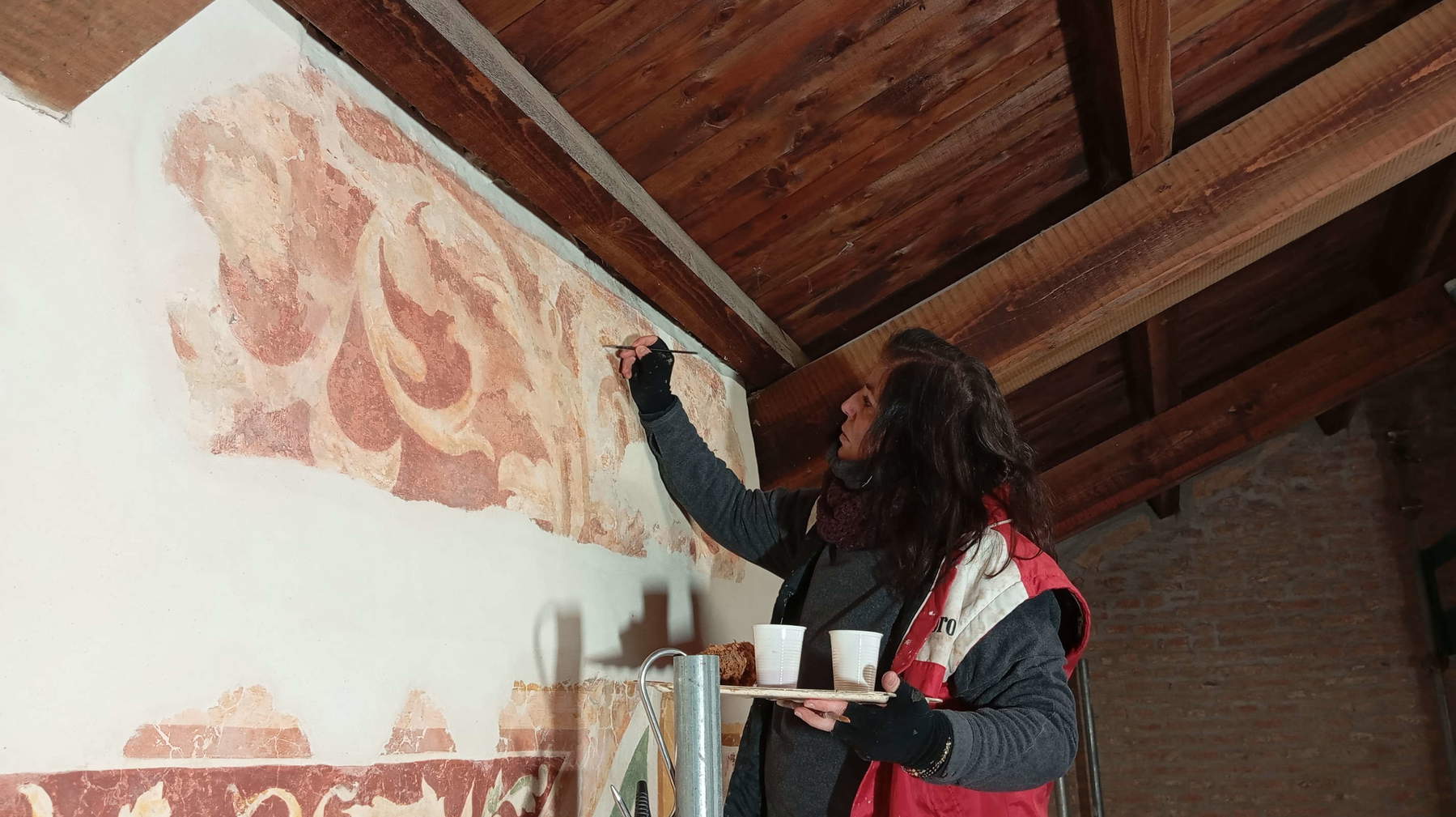
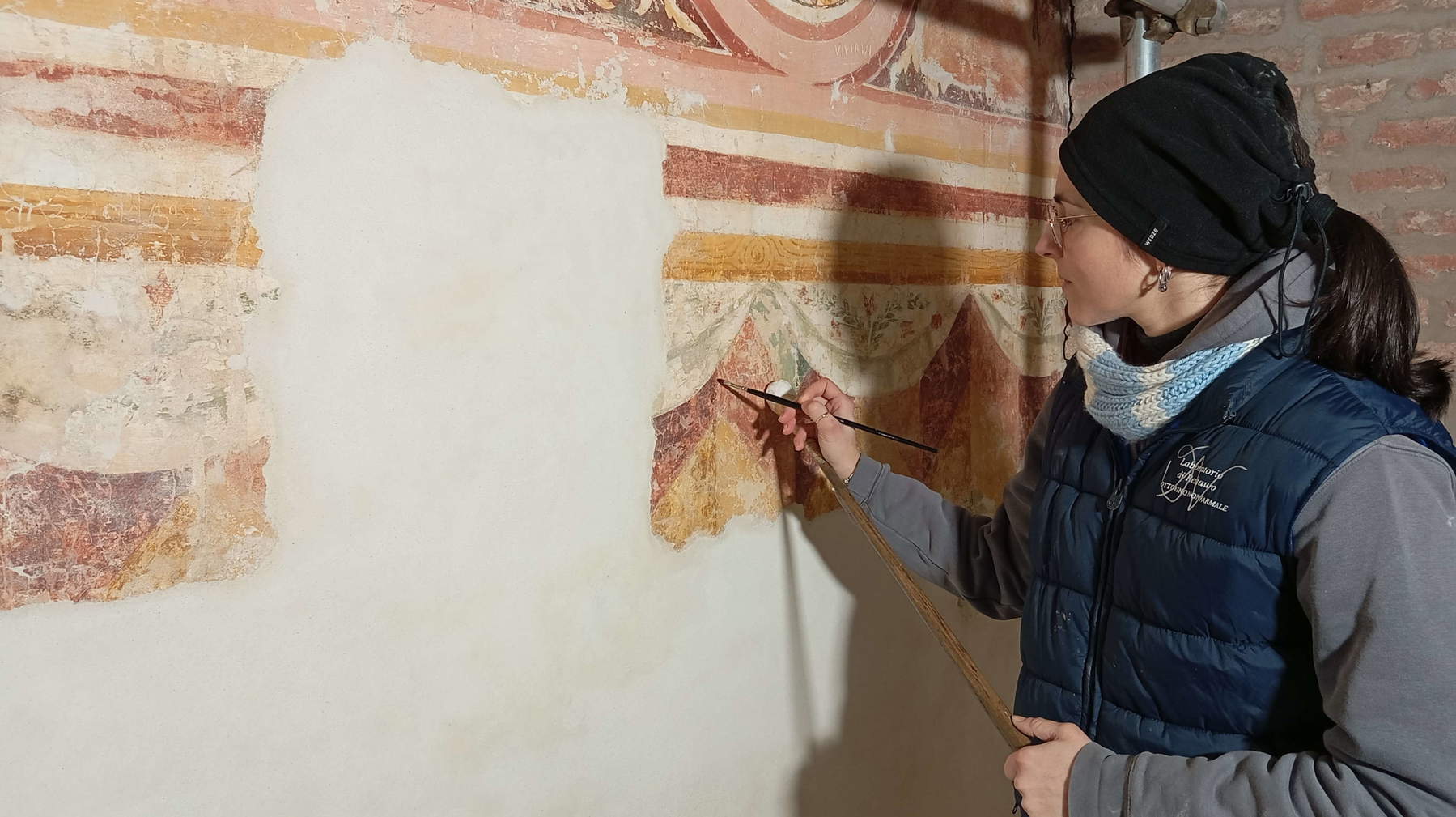
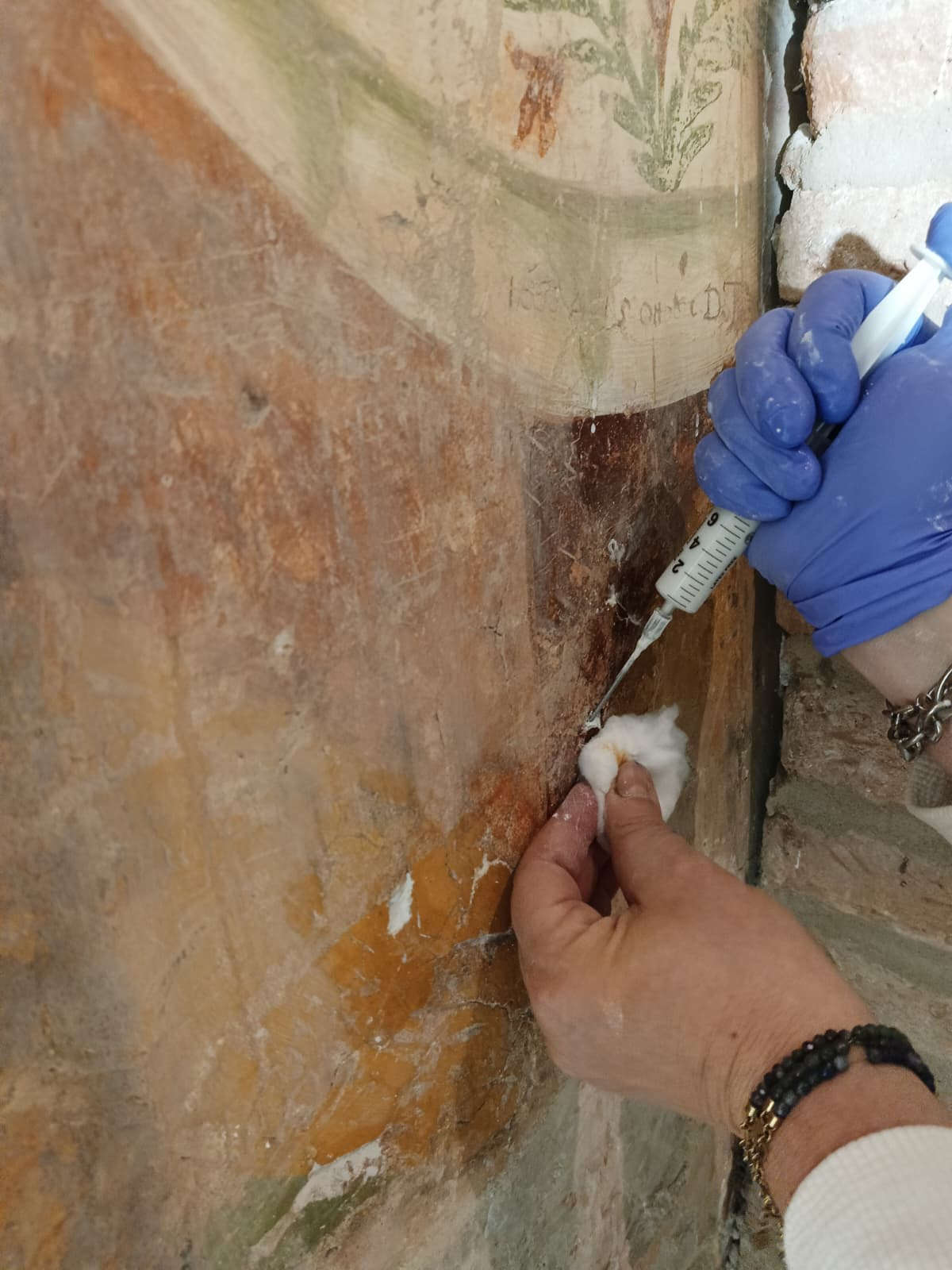
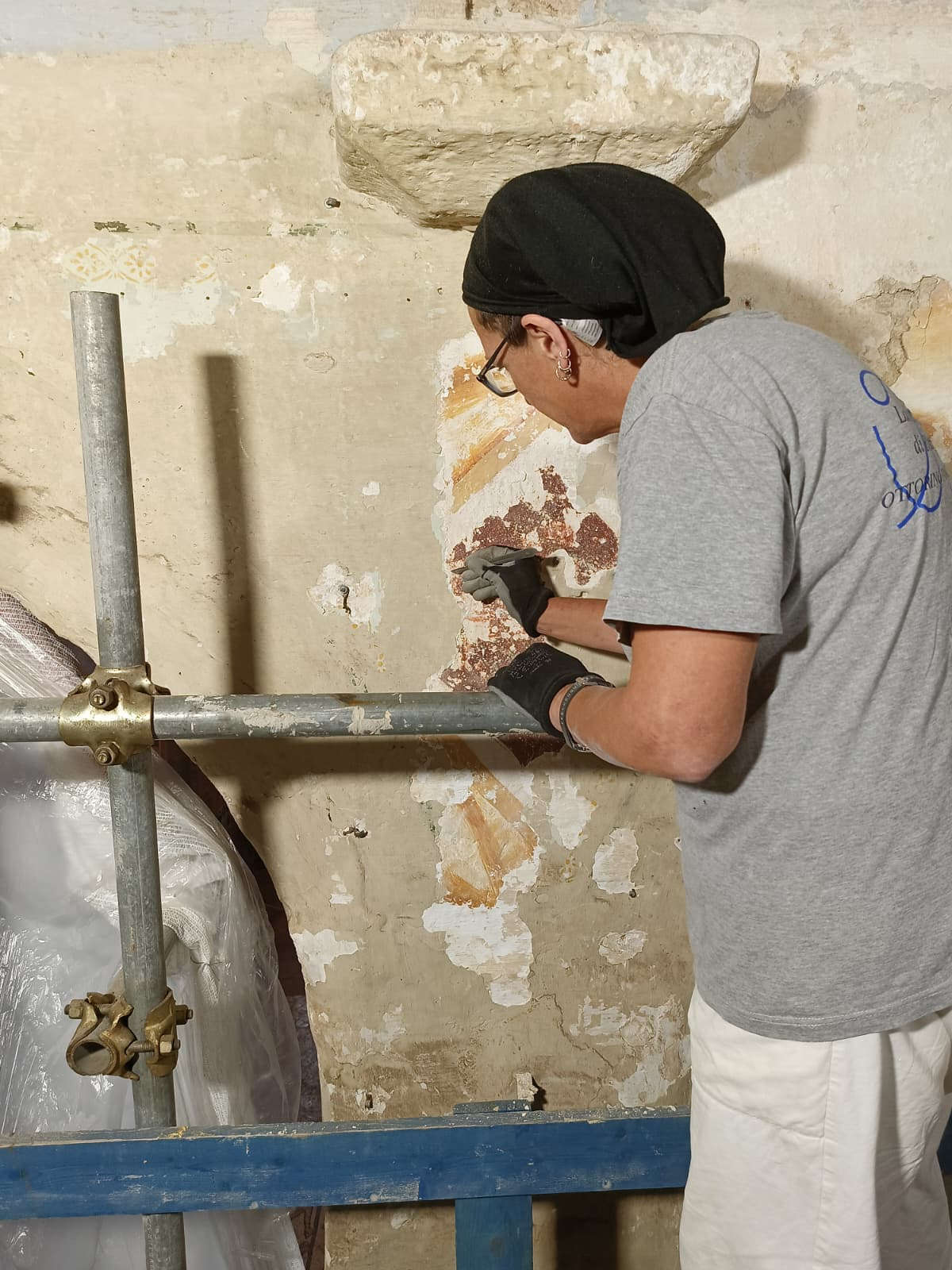
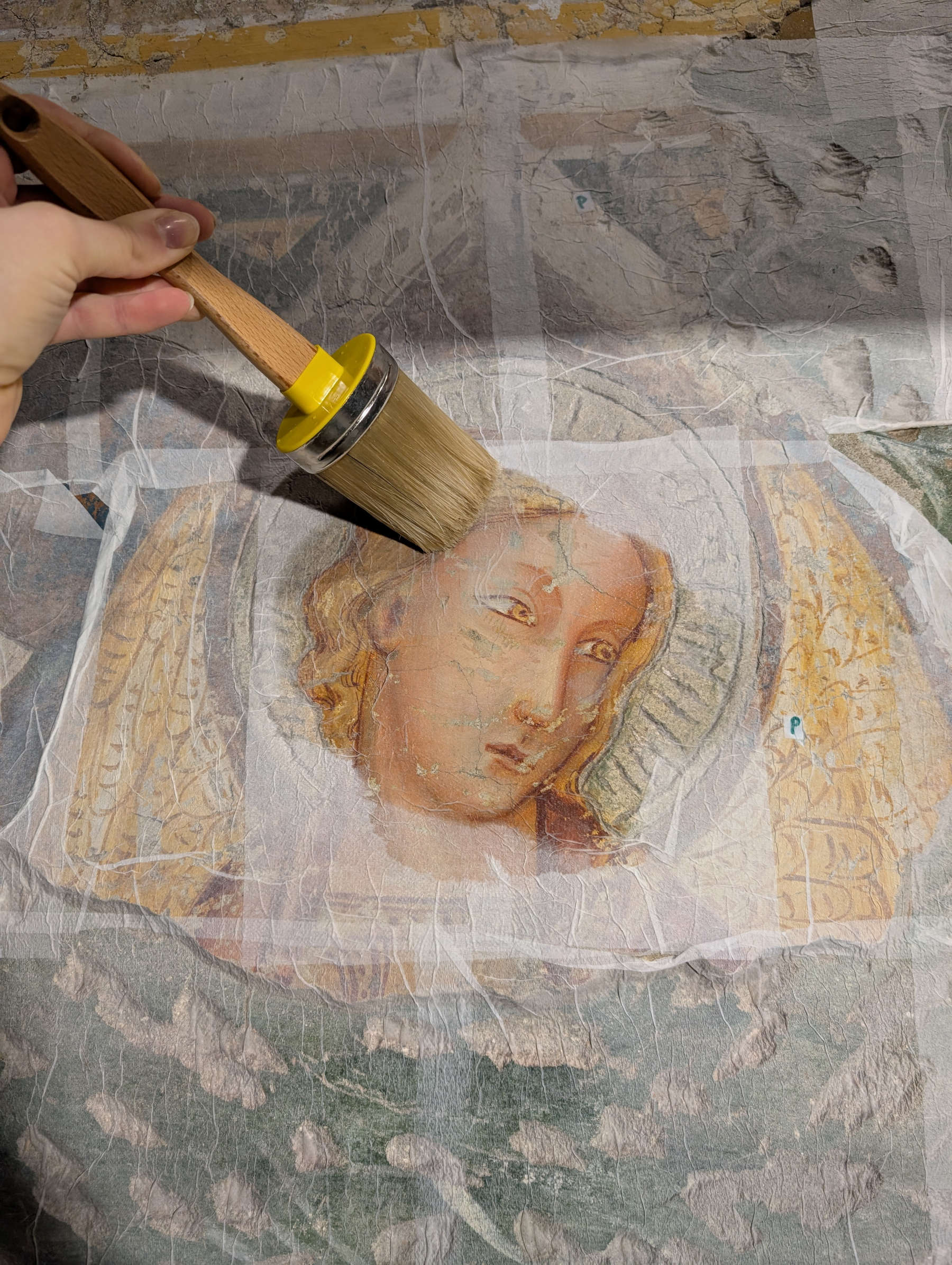
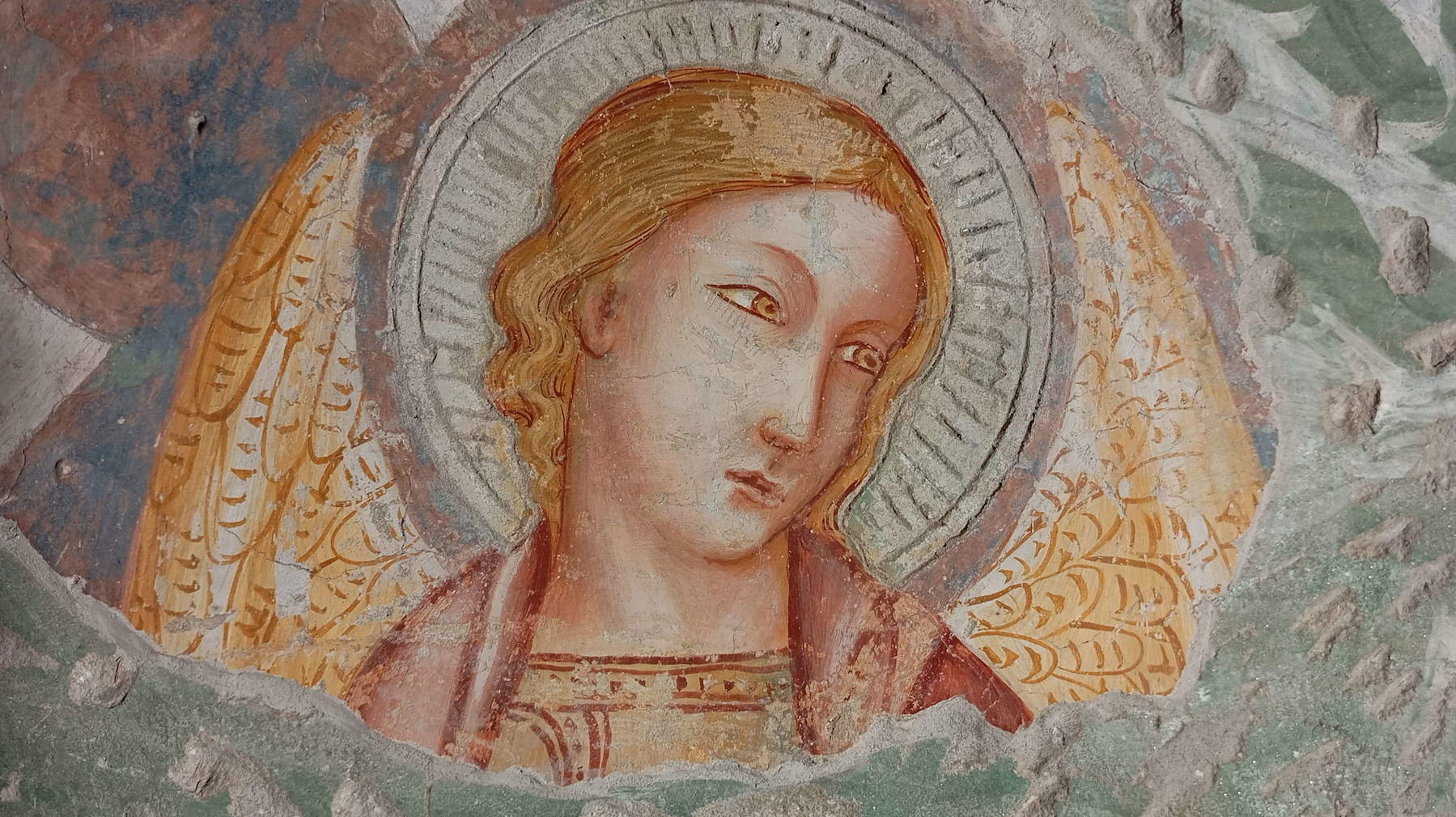
The operations were carried out following the method already identified and refined in previous interventions. After a careful analysis of the different situations of degradation present on the surfaces, the restorers proceeded with a series of specific operations calibrated according to the needs found. The activities included cleaning of the surfaces, descialbatura operations, consolidation of the paint film and, where necessary, additions and glazing aimed at restoring a better legibility of the decorative apparatus without altering its historical authenticity.
The intervention takes on a value that goes beyond the simple material recovery of the decorated surfaces. Indeed, the director of the Unesco Heritage site Serena Ciliani emphasizes how the worksite represents a further step forward in the overall care of the Pomposa complex. “The careful analysis of the different forms of degradation and the quality of the cleaning and consolidation operations,” she says, “have made it possible to recover important portions of the pictorial decoration, making the spaces more readable and welcoming to the public today. This work strengthens the link between the site and the community, enhancing its heritage and promoting an increasingly aware enjoyment of it. These works, in addition to ensuring good conservation, have given us the opportunity to increase our knowledge and have led to the unveiling of pieces of decorative palimpsest that had long been hidden under layers of incongruous finish. Each intervention is an opportunity to reconnect with the Heritage, with the various historical phases of the factory’s transformations and also with the restoration interventions that have taken place over the years.”
As in previous restoration campaigns, the project was entrusted to a multidisciplinary working group composed of professionals and officials with specific expertise in the field of protection and conservation. Single project manager was architect Maria Lucia Masciopinto, while the design and direction of the work was handled by architect Serena Ciliani. Architect Keoma Ambrogio of the Soprintendenza Archeologia, Belle Arti e Paesaggio of Bologna served as director of operations for the surface restoration work. Officials and assistants from the National Museums of Bologna - Regional Directorate National Museums Emilia-Romagna also collaborated on the project. The material execution of the works was entrusted to the Ottorino Nonfarmale Restoration Laboratory, directed by restorer Giovanni Giannelli. Giannelli himself represents a leading figure in the recent history of the conservation of the Pomposa complex. In addition to directing the laboratory in charge of the work, the restorer is in fact considered a sort of historian of the interventions carried out on the monument and can also boast in his resume the restoration of the central nave of the church carried out in the early 1990s.
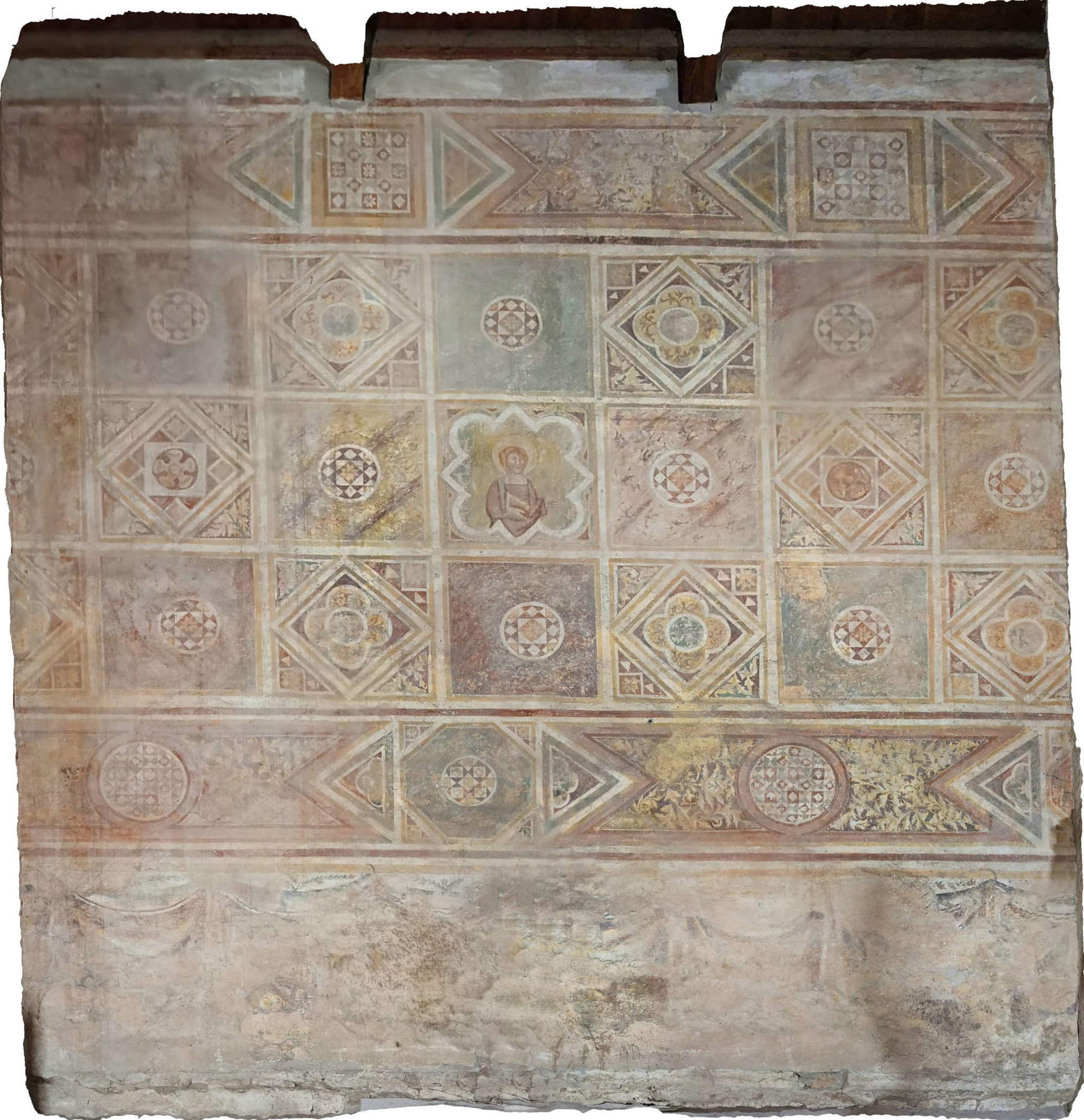
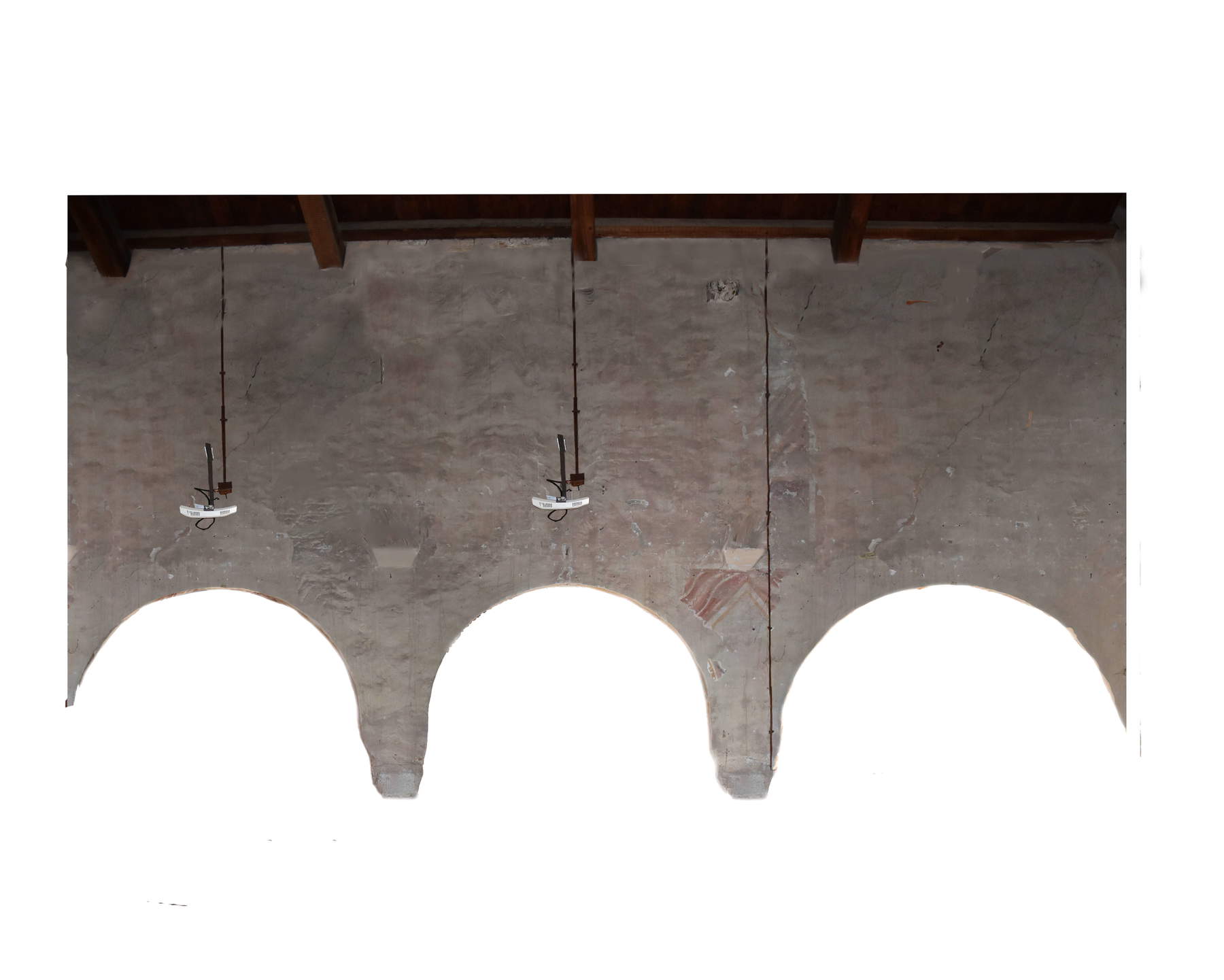
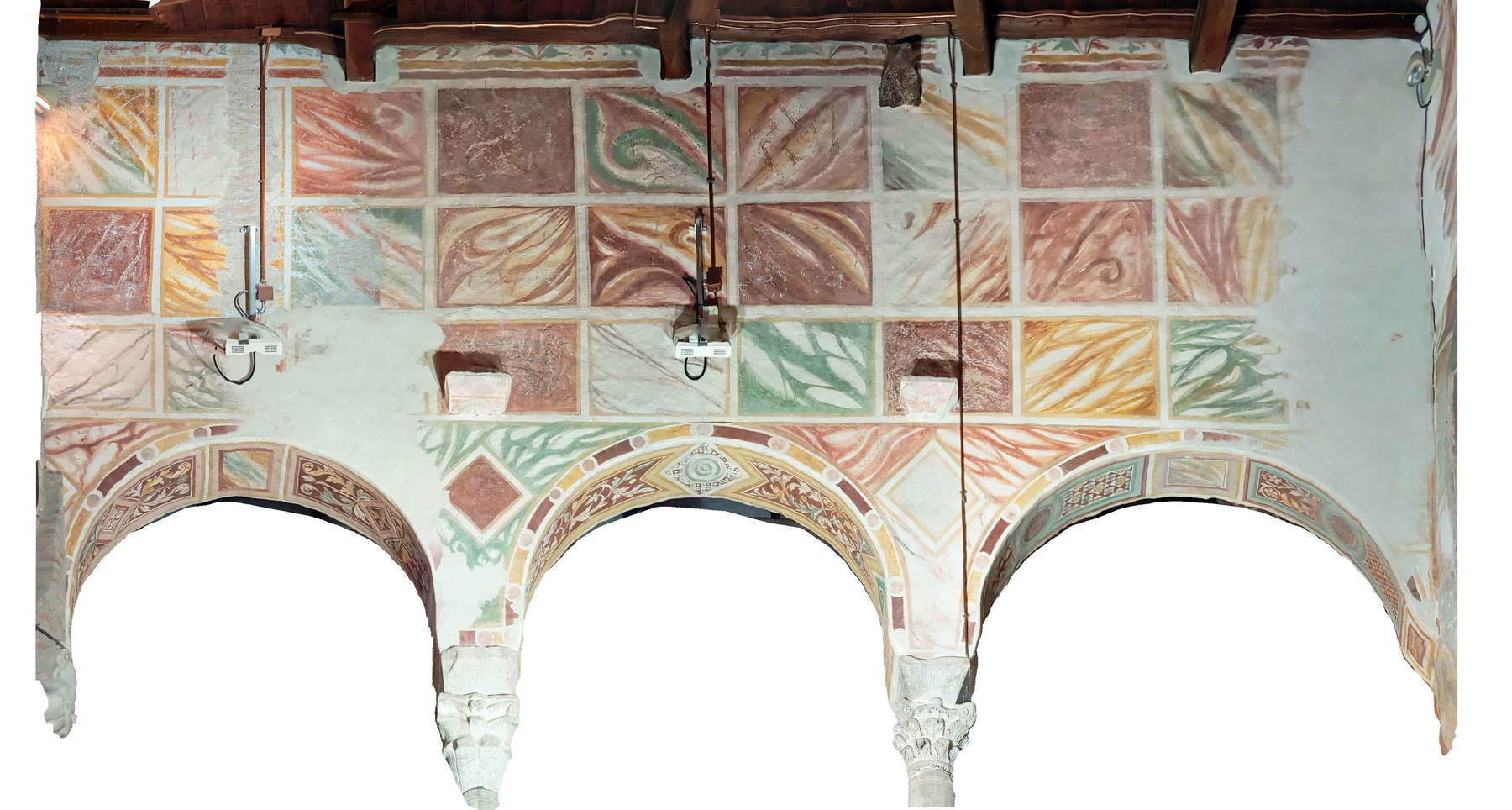
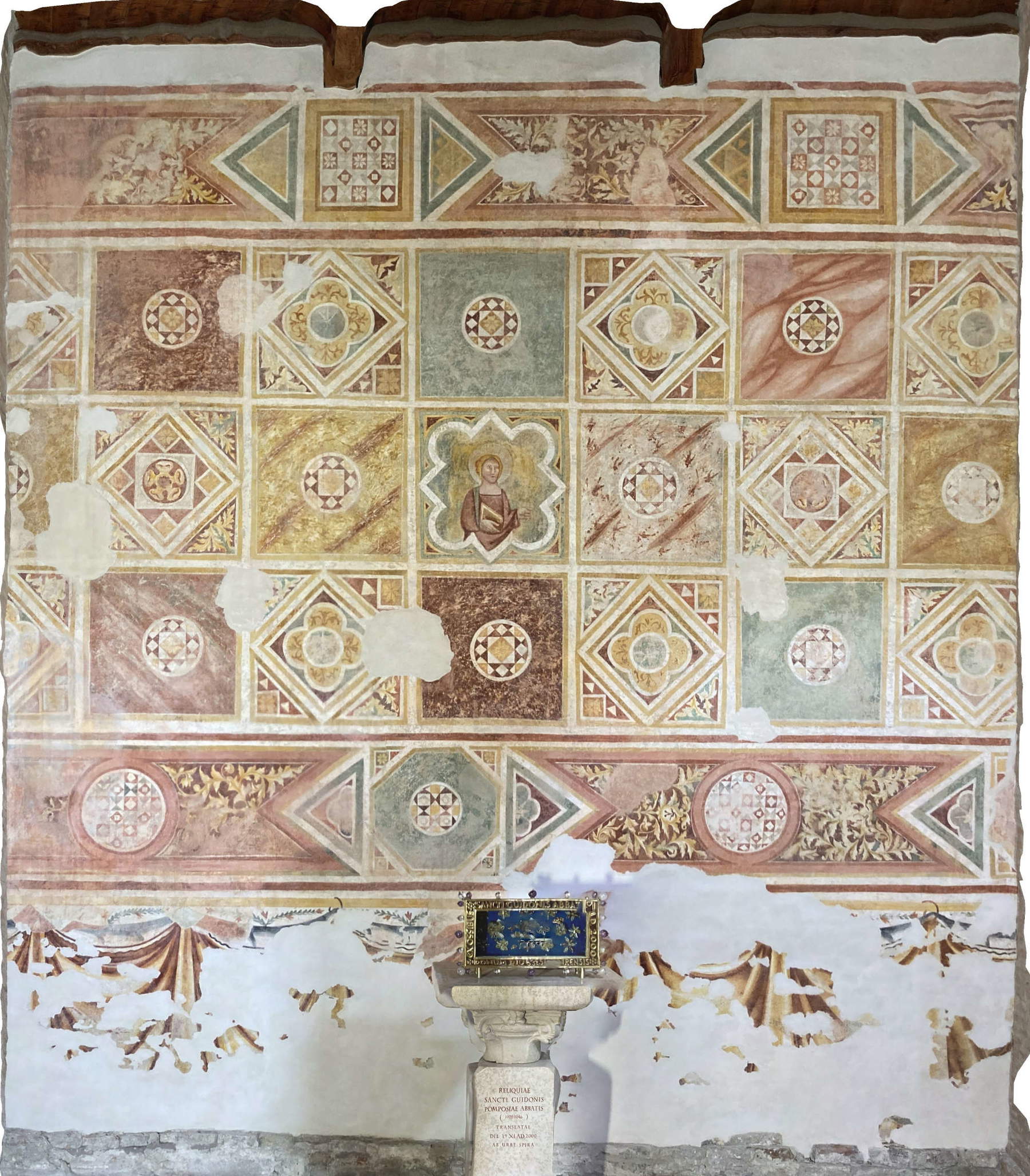
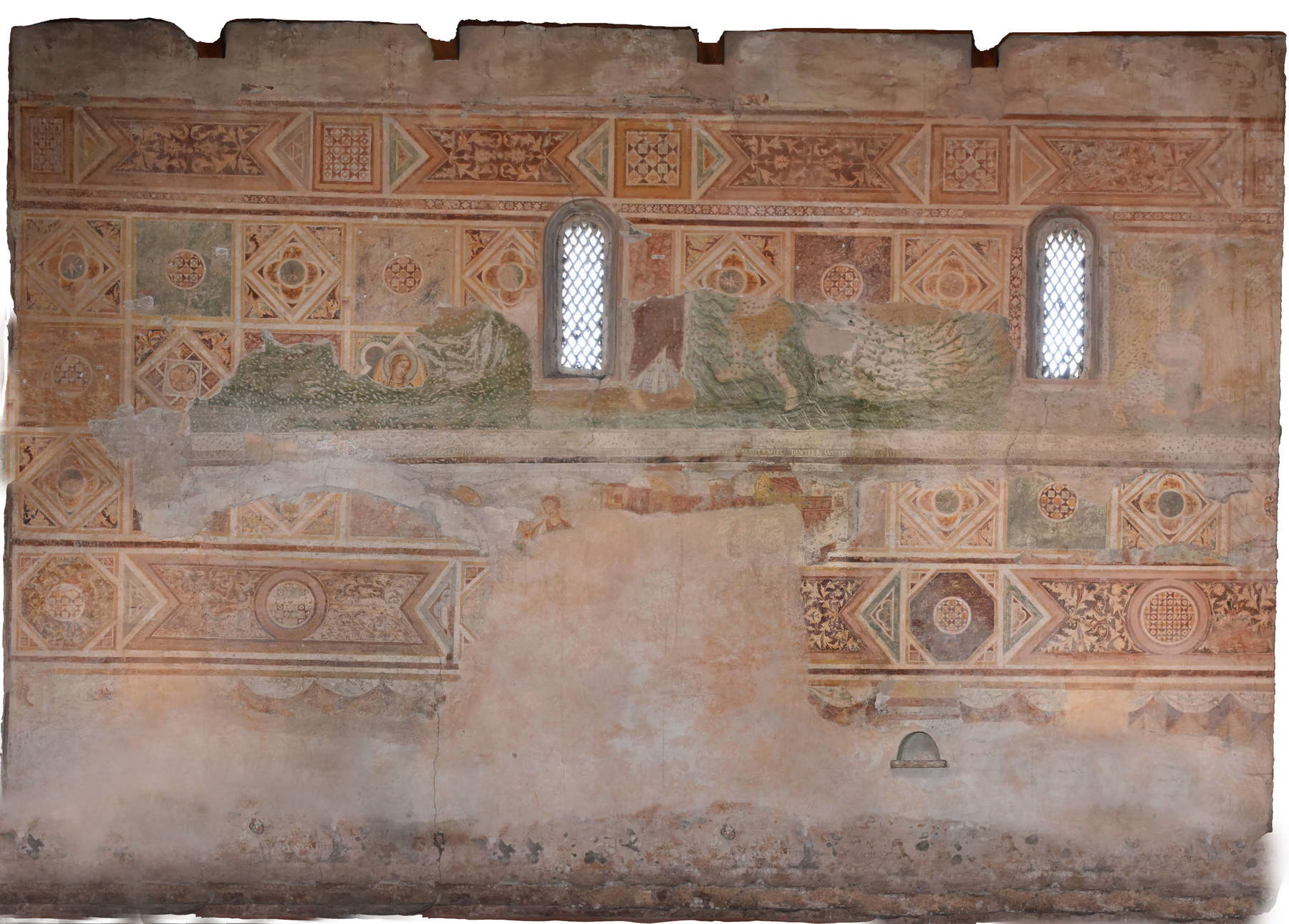
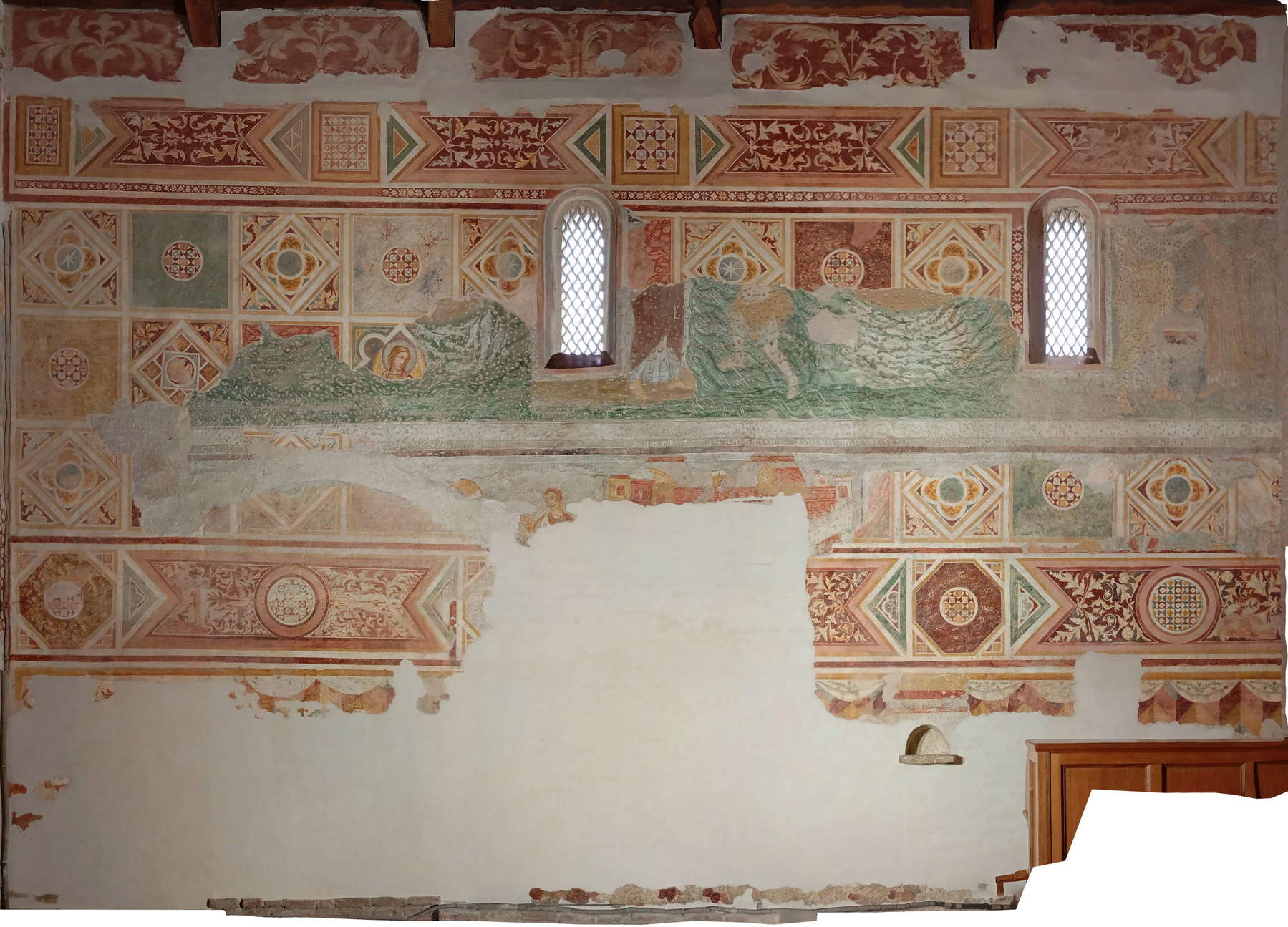
Among the most significant results that emerged during the restoration is in fact the unveiling of some pieces of the decorative palimpsest that were hidden under layers of finish that were considered incongruous. These discoveries contribute to enriching the picture of knowledge about the history of the factory and the transformations that have affected it over the centuries. Each campaign of intervention thus becomes not only an action of protection but also a moment of rediscovery of the heritage, its historical stratifications and the very restorations that have taken place over time.
Alongside the operations directly aimed at the pictorial surfaces, the project included an important scientific documentation activity. In fact, an extensive photographic survey aimed at recording in detail the state of conservation of the frescoes before, during and after the interventions was carried out. This documentation represents a fundamental tool for monitoring the evolution of the conservation conditions of the surfaces over time and for planning any future interventions. Particularly relevant was also the realization of a photogrammetry campaign dedicated to the two bays affected by the works. The activity made it possible to acquire and preserve a large amount of information related to the stratigraphy of the decorative palimpsest, creating a documentary base of great value that can be used in the future as support for specialized studies, in-depth scientific investigations and further research activities.
Up to five specialized restorers worked during the course of the site, engaged in the different phases of the work under the coordination of Giovanni Giannelli. This complex and highly specialized work required technical skills, experience and a deep knowledge of the materials and conservation issues typical of frescoed surfaces.
The results of this new restoration campaign will be officially presented to the public on Thursday, June 18 at 12 noon in the Church of Santa Maria di Pomposa. The meeting will provide an opportunity to illustrate in detail the interventions carried out, the methodologies adopted and the new acquisitions that emerged during the worksite, allowing visitors to learn more about the work that has restored legibility and value to a significant part of the complex’s decorative heritage.
|
| Pomposa Abbey, restoration of aisle frescoes completed |
Warning: the translation into English of the original Italian article was created using automatic tools. We undertake to review all articles, but we do not guarantee the total absence of inaccuracies in the translation due to the program. You can find the original by clicking on the ITA button. If you find any mistake,please contact us.