





A large Roman villa from the imperial age, featuring fine mosaics, pictorial decorations and extraordinarily well-preserved rooms, has been unearthed on the Castel di Guido agricultural estate in the Roman countryside just outside Rome. The discovery is the result of archaeological investigations initiated by the Special Superintendence of Rome of the Ministry of Culture following reports of an illegal excavation that had severely compromised part of the area.
The discovery represents one of the most important archaeological novelties to have emerged in recent years in the Roman territory and returns new information on a sector of the city’s western suburbs closely connected to the ancient imperial estate of Lorium, a place linked to the figure of Emperor Antoninus Pius and also frequented by Hadrian and Marcus Aurelius. The archaeological investigations were directed by Alessia Contino, an archaeologist from the Special Superintendence of Rome, and identified part of a vast suburban villa probably connected to the ancient Via Aurelia through a secondary diverticulum. The discovery will be presented to the public on June 20, 2026 through an open day organized by the Special Superintendence of Rome, which will allow citizens to visit the site through a guided archaeological trek. An initiative that aims to share with the territory the results of an intervention that began as a protection operation and quickly transformed into a significant scientific research activity.
Emphasizing the value of the operation was Culture Minister Alessandro Giuli: “In just a few days,” he said, “officials from the Ministry of Culture, in collaboration with the Carabinieri, have stopped a clandestine operation, secured an archaeological area, and brought to light the remains of a splendid villa from the imperial period in the Roman countryside where the imperial residences of the Antonine dynasty were located. An exemplary intervention of protection and research that expresses the profound bond between the Superintendencies and the territory, which ends with an open day, an opening of the excavation to citizens to give them back the history of the city.”
For Rome’s Special Superintendent Daniela Porro, “the discovery of the Roman villa at Castel di Guido demonstrates not only the exceptional archaeological wealth of our city even outside the historic center,” insists Daniela Porro, Special Superintendent of Rome, “but also the effectiveness of a protection based on cooperation and prompt action. We are particularly happy to organize an open day to give back to citizens a piece of their heritage.”
The affair that led to the discovery of the villa began on February 16, when the Police of the Metropolitan City of Rome reported to the Superintendency the presence of unauthorized excavations on land owned by the Lazio Region. Within days, a complex safeguard operation was activated. The Carabinieri’s Cultural Heritage Protection Unit was involved on Feb. 17, a joint inspection was carried out the following day, and on Feb. 23 activities to secure the area began, accompanied by the installation of surveillance systems using phototraps. The clandestine activity had already caused significant damage. Illegal diggers had intercepted an archaeological structure of considerable importance, damaging it with deep excavations carried out with mechanical means and toothed buckets. Huge piles of earth resulting from the illegal activity had accumulated at the edges of the excavation, while the ancient structures were exposed to the risk of further tampering. Faced with this situation, the Superintendence activated an emergency procedure that made it possible to expand the excavation for research and documentation purposes, cordon off and fence off the area, and immediately begin the work necessary to preserve the structures that had emerged.
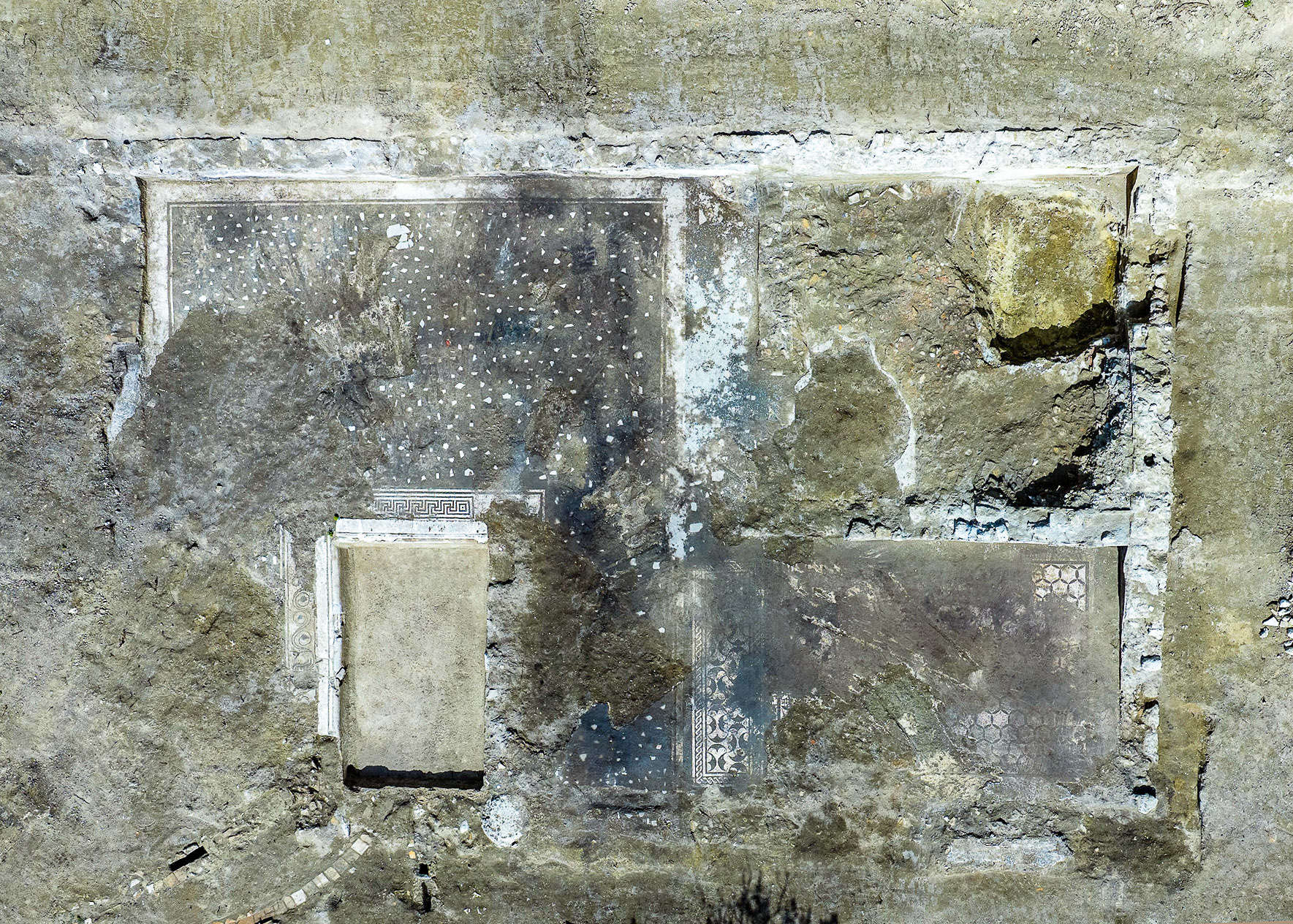
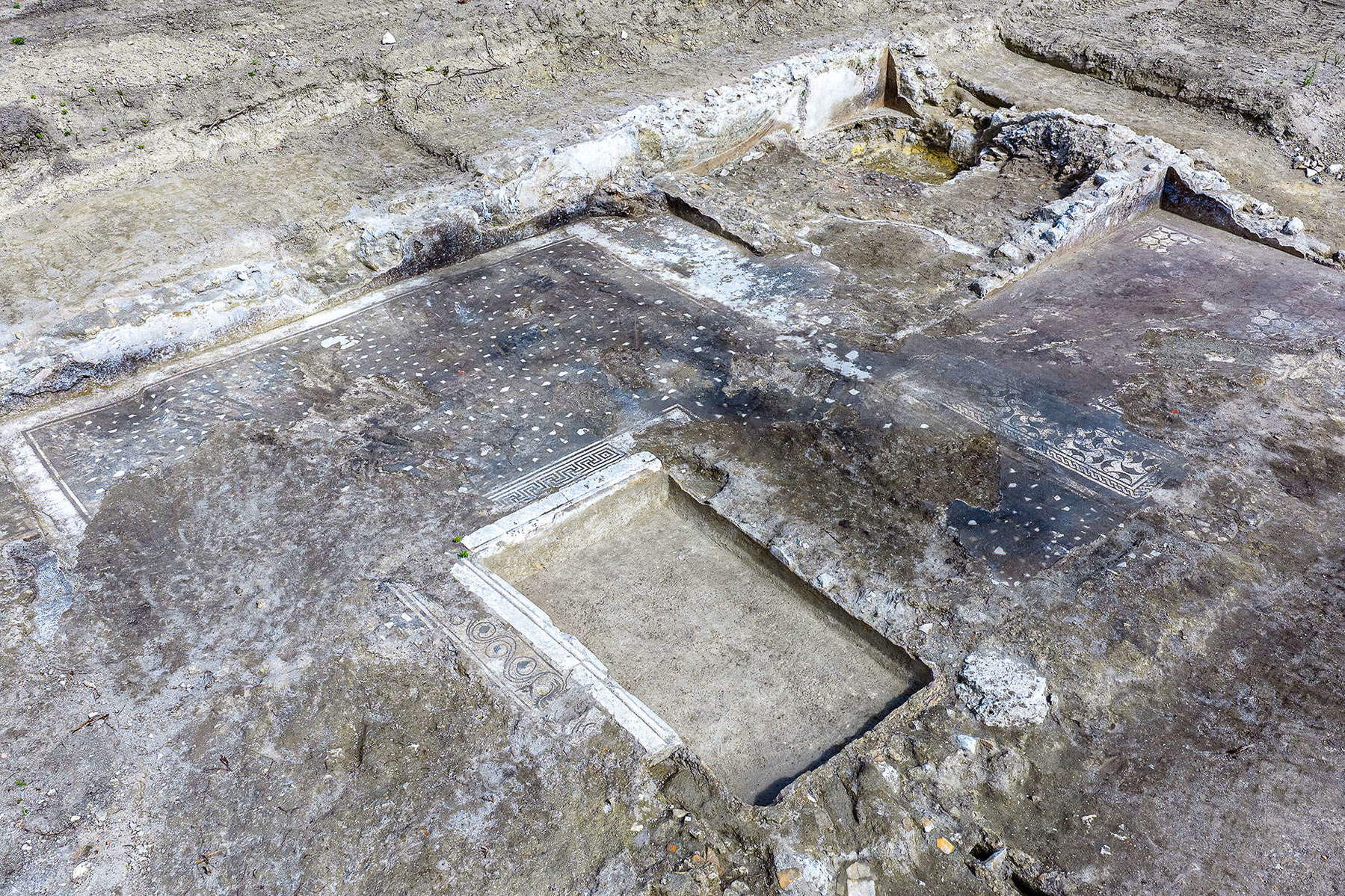
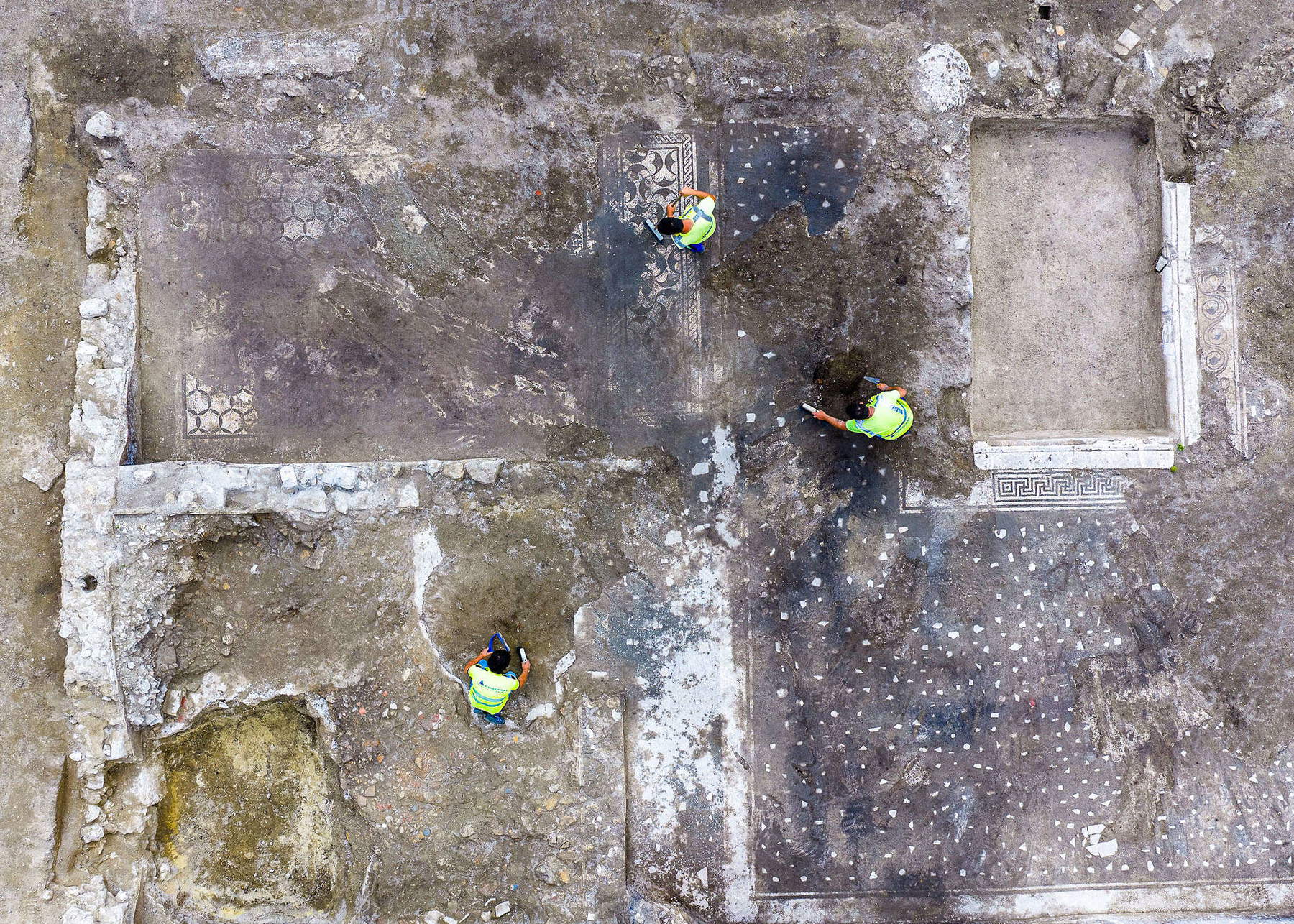
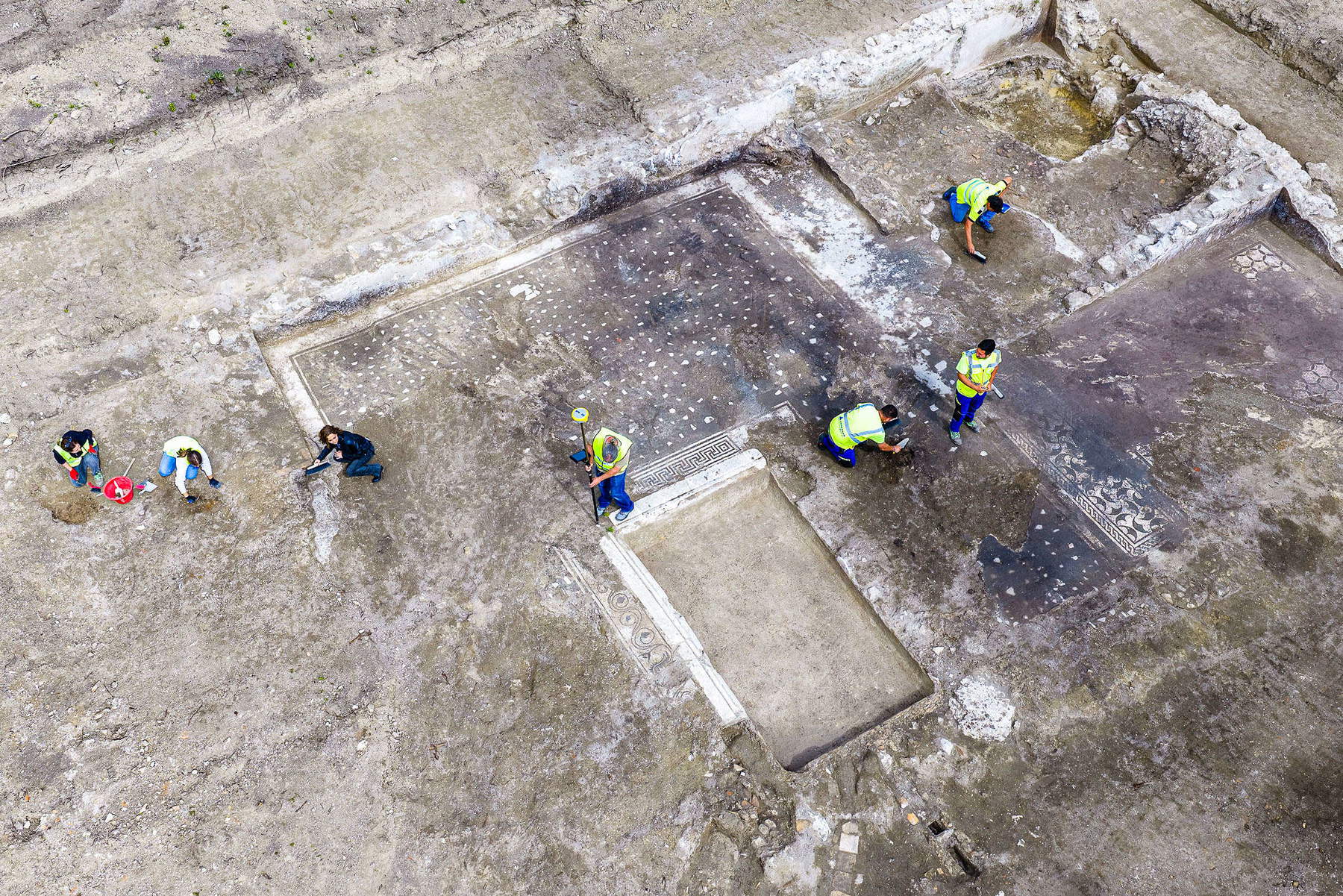
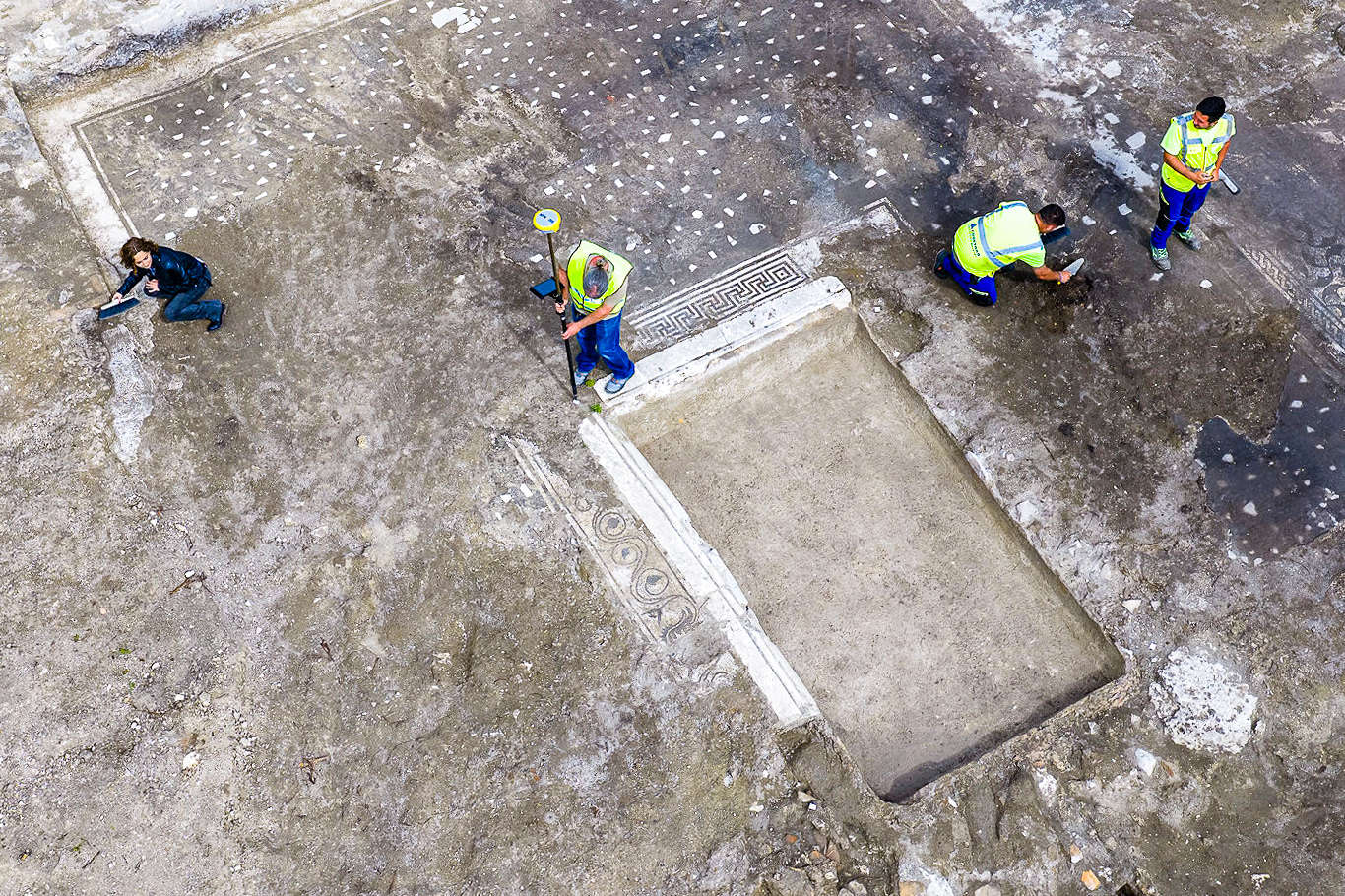
The scientific activity allowed a significant part of the villa to be brought to light. The monumental entrance hall, two decorated rooms and additional rooms of different functions were identified, in addition to the structure initially intercepted by clandestine excavators and later completely excavated by archaeologists.
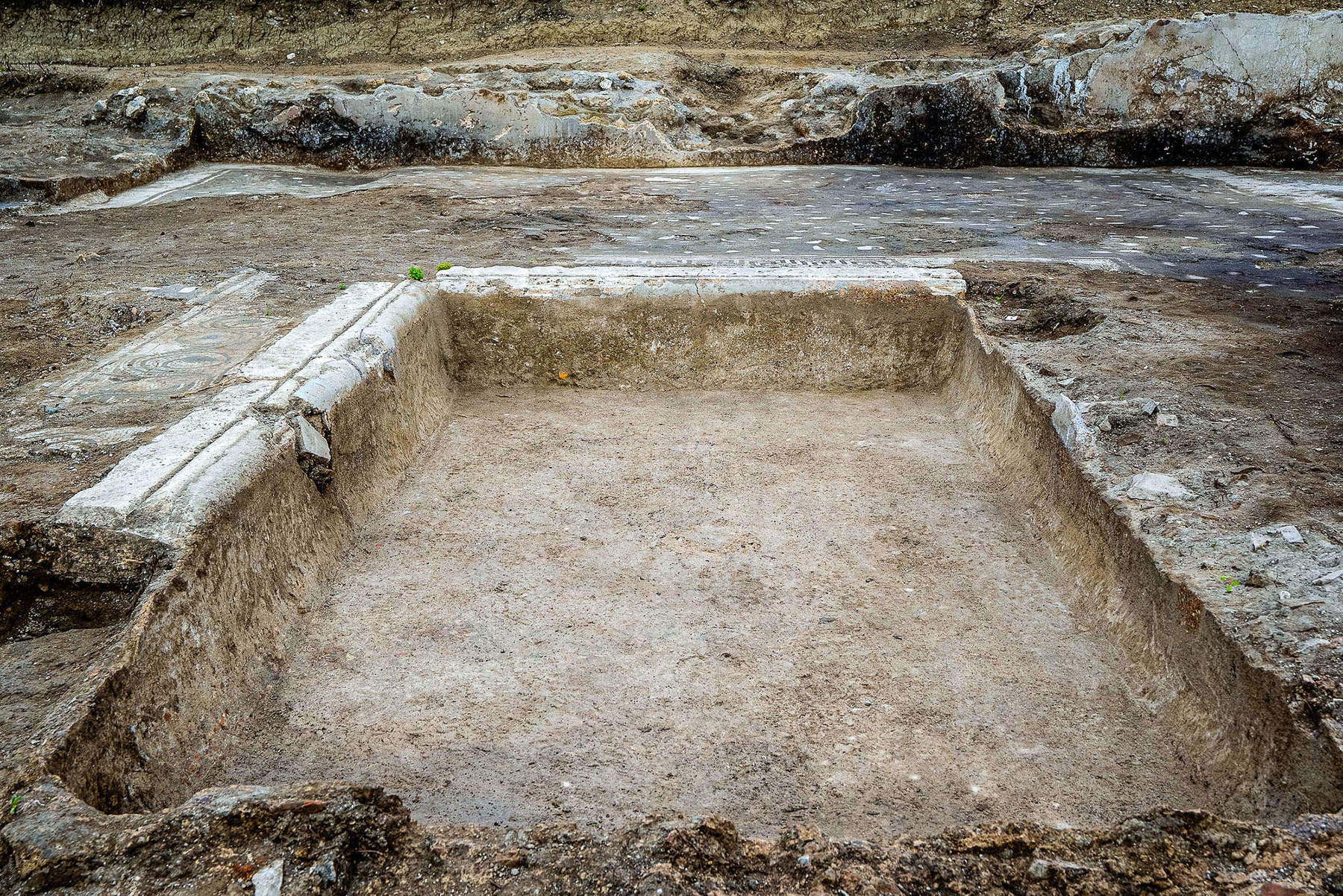
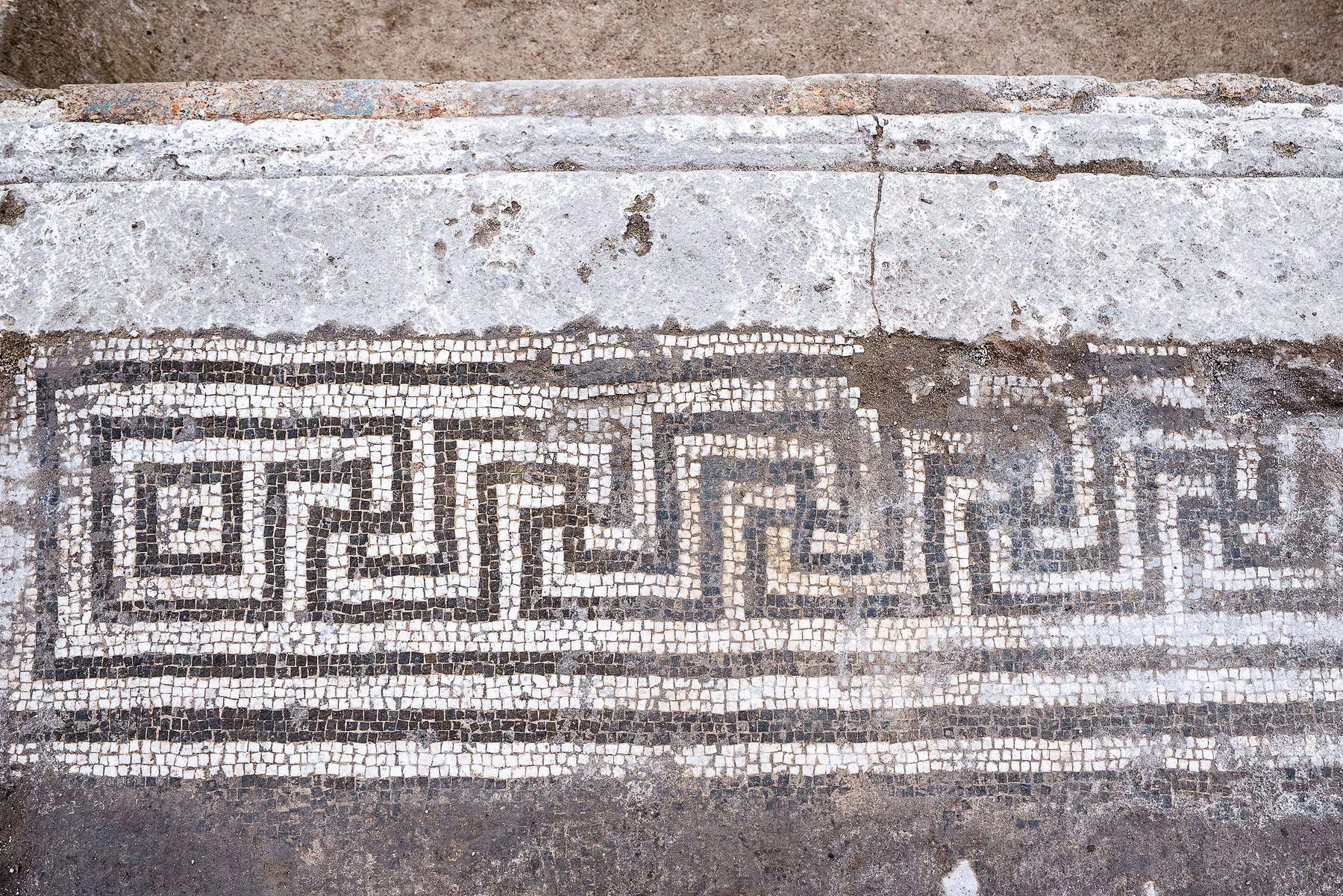
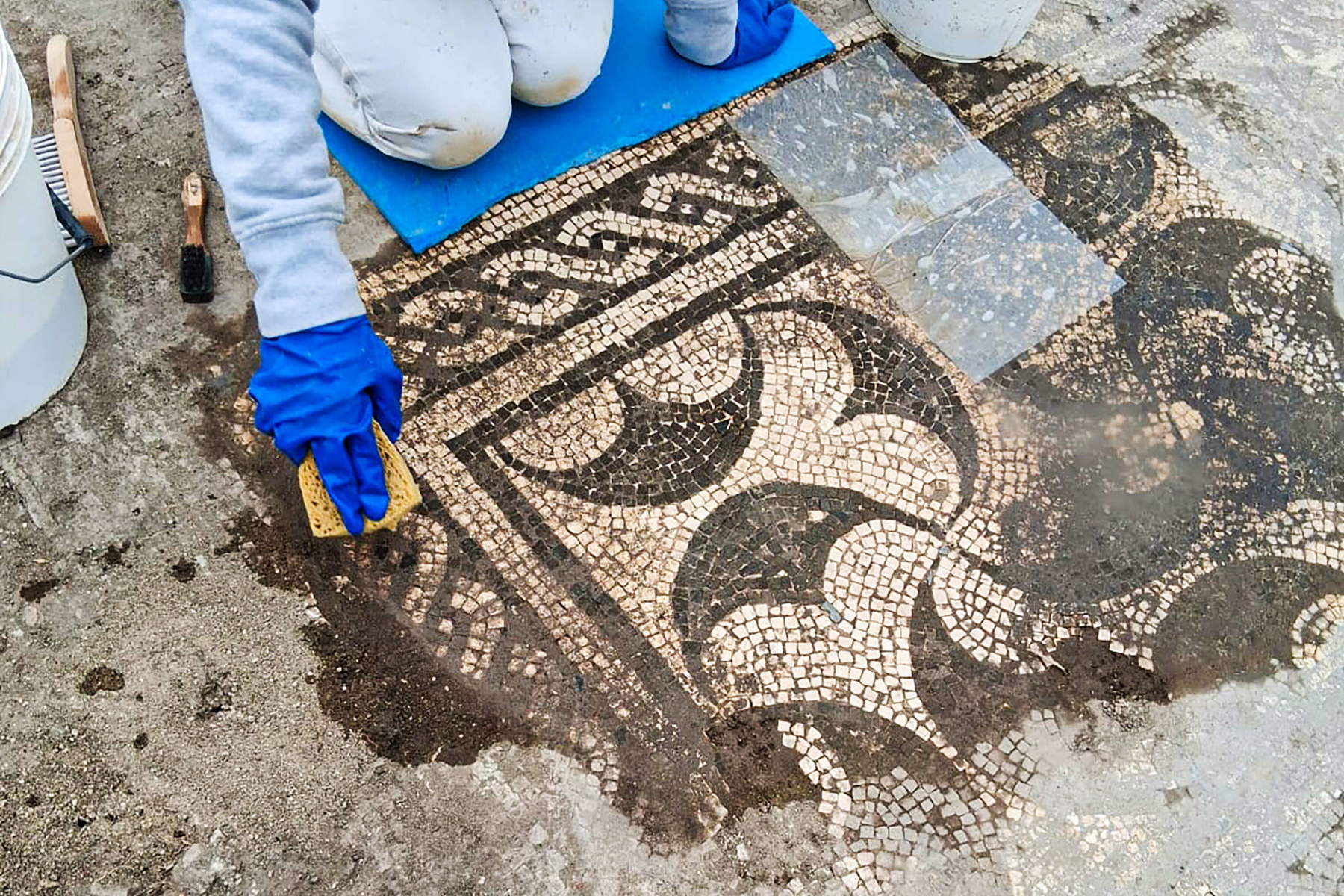
Access to the residence was through a large room characterized by a sumptuous central impluvium. The basin, intended for the collection of rainwater, formed the architectural centerpiece of the space and was set within a decorative complex of considerable merit. Indeed, the floor was adorned with mosaics with bands of geometric and plant motifs arranged along the sides of the basin. The decorations included black tesserae enriched with polychrome marble inserts and a large threshold with a braided frame and black pelta motifs on a white background. The walls retain traces of fine pictorial decoration. In particular, a lower band painted in red has emerged, while numerous fragments recovered among the materials moved by squatters suggest that the upper part of the walls was decorated with yellow and probably blue panels, enriched with anthropomorphic figures and plant motifs. These are most likely elements that collapsed during the building’s phases of abandonment in ancient times.
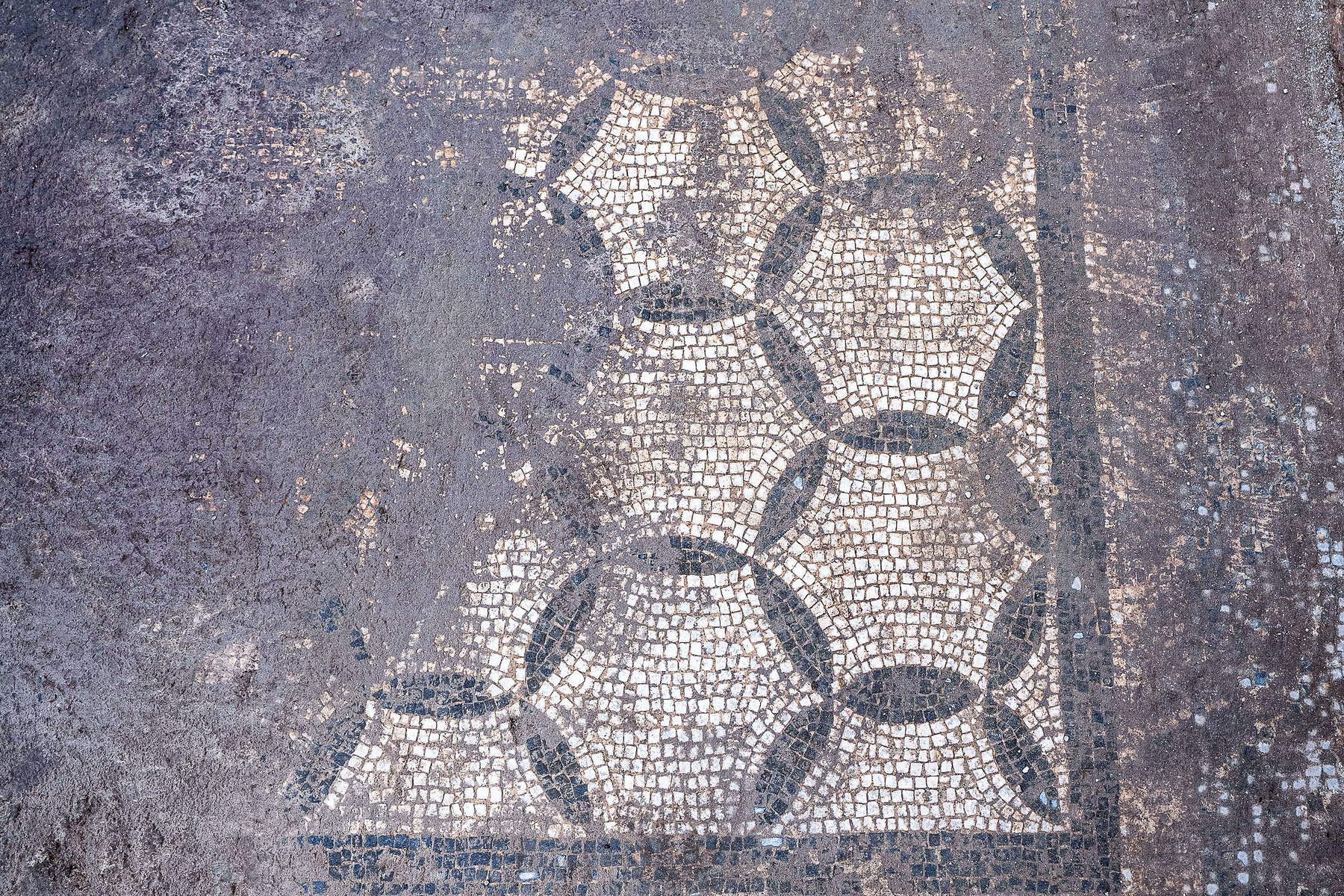
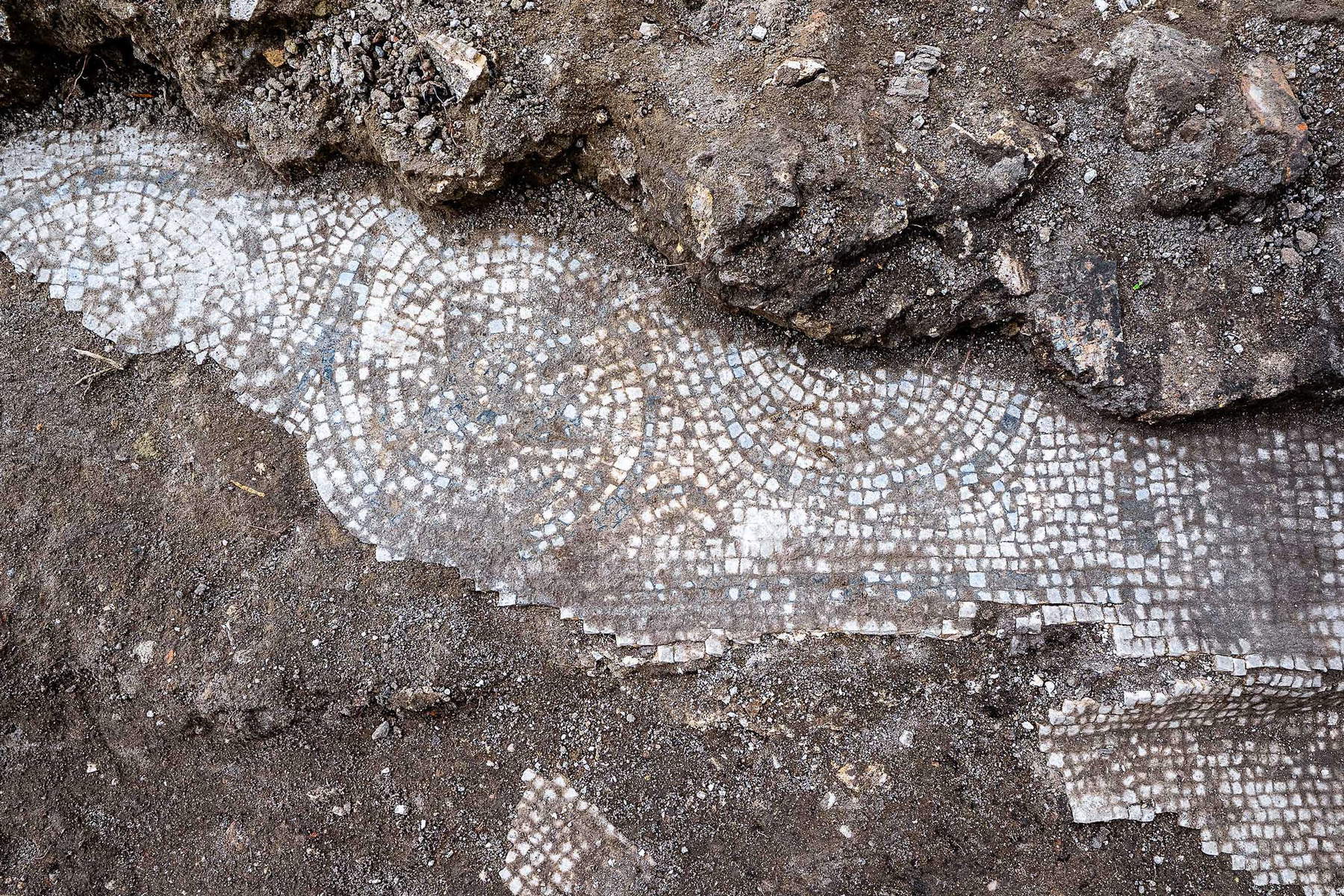
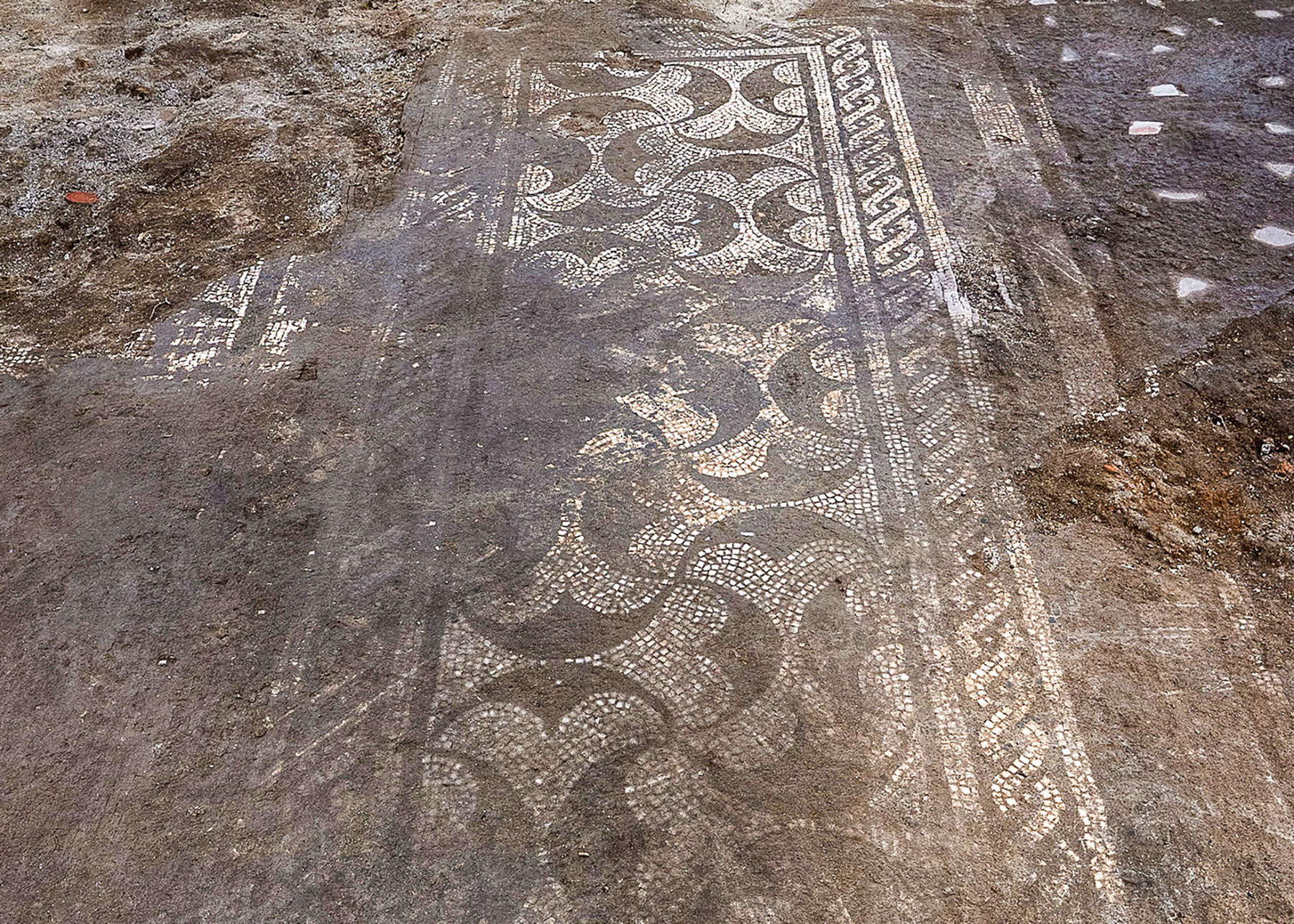
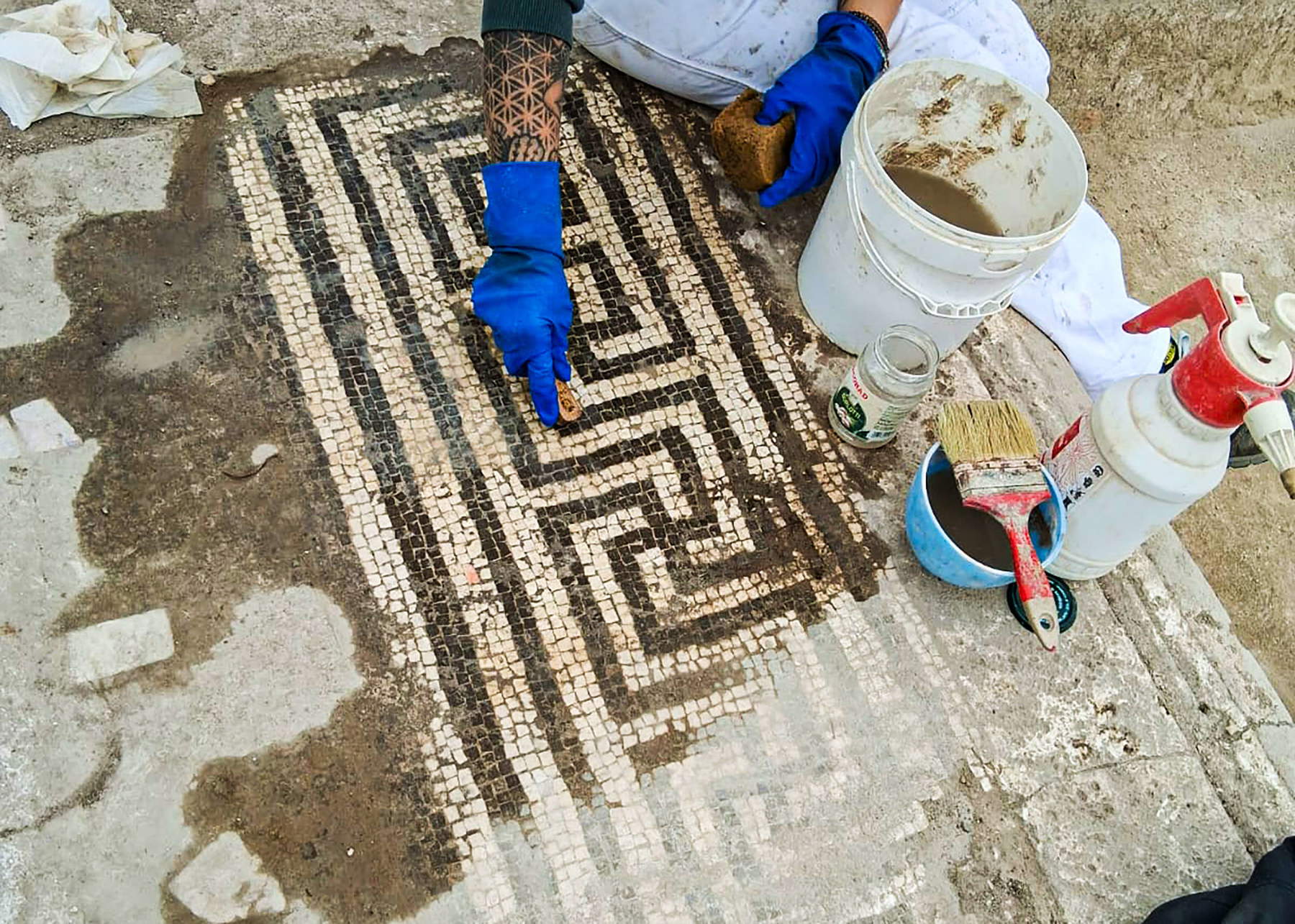
Surrounding the atrium are four rooms. Three of them still preserve significant portions of the original mosaic floors. The first room features a black and white mosaic divided into nine squares decorated with geometric patterns. The second features a composition of black octagons on a white background, while the third shows a decoration composed of black rectangles with concave and convex sides.
Next to the latter room, archaeologists have identified a basin lined with cocciopesto, the traditional waterproof material used in Roman construction, and an additional room that is still only partially investigated. According to early interpretations, this area may have been used for production or agricultural activities, suggesting that the villa integrated residential and operational functions.
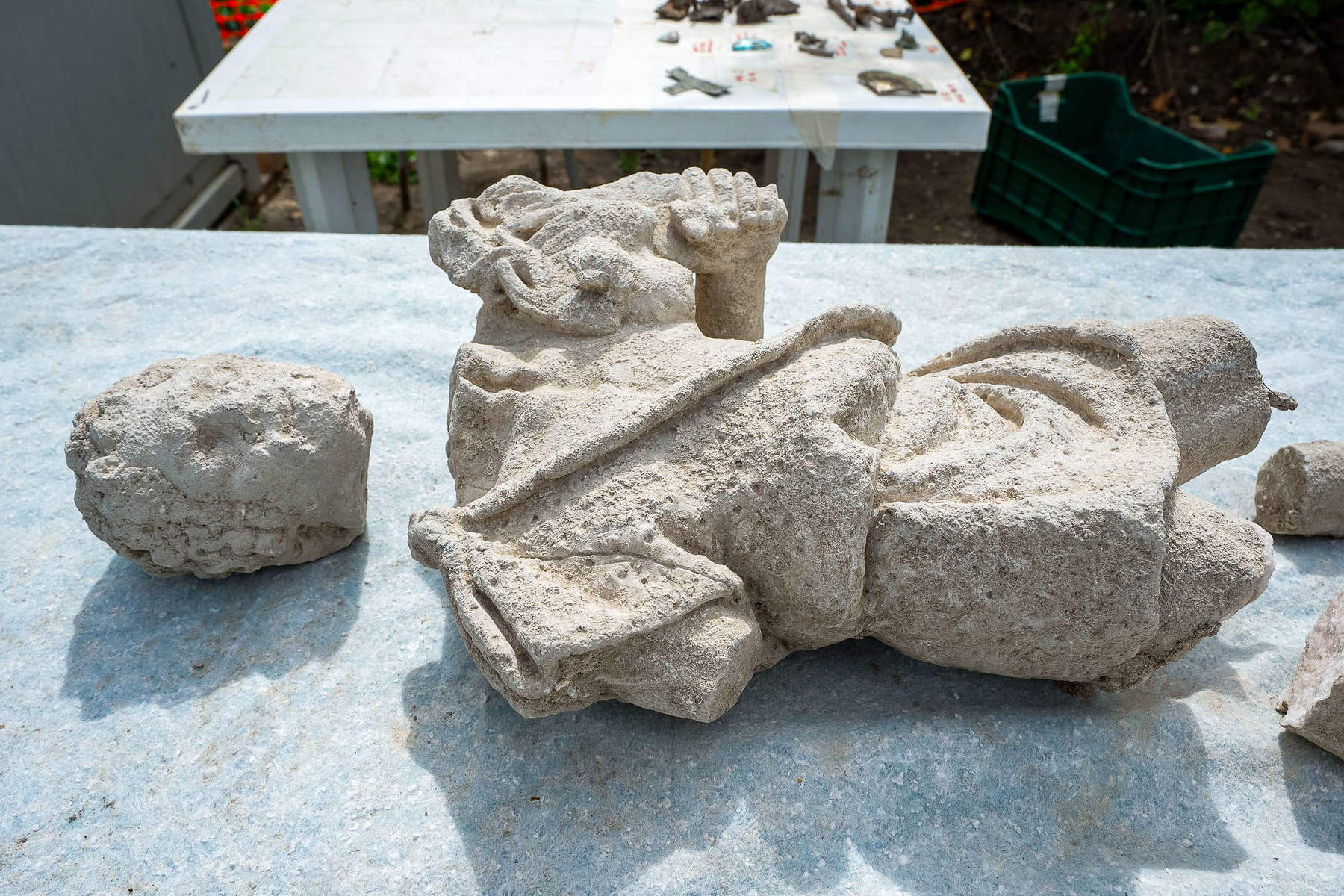
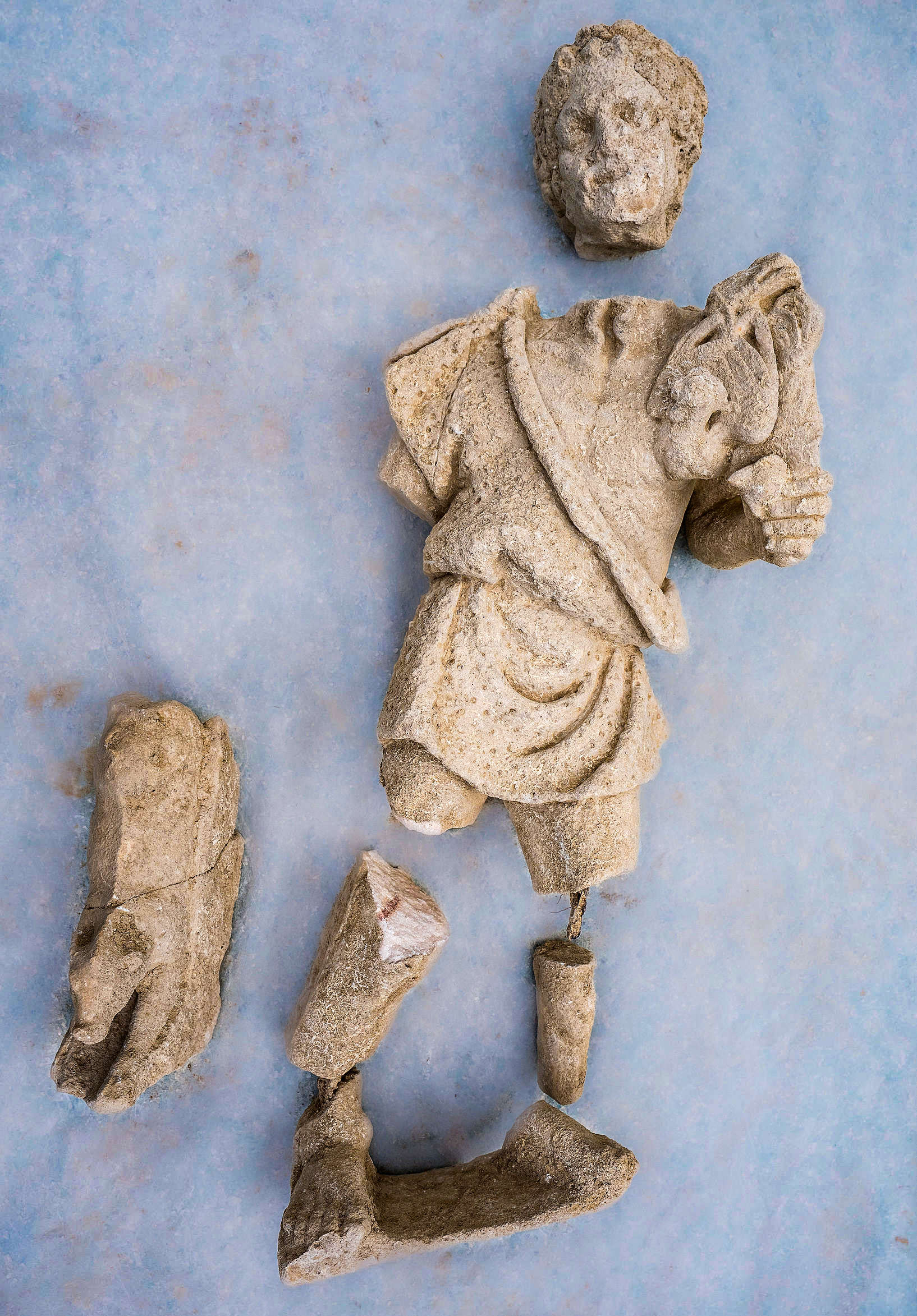
Among the most significant discoveries is a fragmentary white marble statue found inside theimpluvium pool. About eighty centimeters tall, it depicts a bearded adult man dressed in a short tunic and equipped with a strap across the shoulder. On the left side of the figure appears an element still under study that may be related to the agricultural world. On the shoulder appears to be depicted a basket containing two birds in the front and fruits in the back.
The right arm appears bent forward and was probably meant to support a small domestic animal. According to an initial hypothesis put forward by scholars, the statue could depict Silvanus, an ancient agrarian deity associated with forests, fields and the protection of rural activities. However, other interpretations are not ruled out. It could be a Silenus belonging to the Dionysian procession, a seasonal figure or simply a shepherd. Whatever its ultimate identification, the subject is perfectly consistent with the context of a suburban villa set in an agricultural landscape.
The quality of the statue, mosaics and pictorial decorations confirms the high standard of the residence. Scholars believe that the owners belonged to a very high class of Roman society. It is not excluded that the villa was connected to aristocratic families closely linked to the imperial court or even to members of the imperial family itself.
The area in which the find took place is indeed of special importance. Indeed, one finds oneself in the territory of ancient Lorium, a post station located at the twelfth mile of the Via Aurelia and recorded in the sources as the site of an imperial estate. Antoninus Pius spent part of his youth here, had a residence built and died there. Marcus Aurelius also frequented these places assiduously. The presence of the imperial court helped transform the area into a privileged area for the construction of prestigious residences. Other important residences are already known in the surroundings, such as the Villa delle Colonnacce and the Villa delle Olivelle, both also identified following reports of clandestine excavations and subsequently investigated by the Archaeological Superintendence of Rome.
According to Alessia Contino, the timeliness of the intervention and the report from the area made it possible to identify an imperial villa that had never been previously documented and to recover an extraordinary decorative context, as well as a marble sculpture of particular value. The discovery represents a new building block for the knowledge of the history of the Roman suburbs and opens up research perspectives still largely unexplored.
From a chronological point of view, archaeologists believe that the villa may have been built and decorated from the first half of the 1st century AD, a period in which the rich mosaic and pictorial apparatuses documented in the excavation became widespread in aristocratic residences. It is possible that the building was gradually abandoned during the 3rd century AD, in a phase that coincides with the decline of the imperial family’s interest in this area. Only the in-depth analysis of the recovered finds and the continuation of the investigations will make it possible to define more precisely the chronology of the villa, any transformations undergone over time and the possible reuse of the rooms in the late period.
The discovery also fits into a territorial context of great historical relevance. The 13th Municipality of Rome in fact occupies a vast portion of the landscape between the ancient Aurelia and Cornelia roads and the Arrone River, characterized by hills, valleys and a dense network of waterways. While urbanization in recent decades has profoundly altered part of this territory, the areas outside the Grande Raccordo Anulare still preserve large tracts of rural landscape, now included in the Castel di Guido estate and the Litorale Romano Nature Reserve.
It is precisely in this setting that the newly discovered villa is located, destined to further enrich the picture of knowledge about the ancient occupation of the western Roman countryside. A discovery that paradoxically arose from an episode of illegality but which, thanks to the coordinated intervention of institutions, law enforcement agencies and reports from the territory, was transformed into an important opportunity for the protection, research and enhancement of cultural heritage.
To share these achievements with the public, the Special Superintendence of Rome will organize two free archaeological treks on June 2026, with departures at 5 p.m. and 6 p.m. The route, lasting about an hour and a half to two hours, will include a walk of about one kilometer to reach the archaeological site, take a closer look at the remains of the villa and admire the mosaics currently being restored. Participation is free but subject to mandatory reservation through the Eventbrite platform. The meeting point is set at the intersection of Via di Castel di Guido and Via Quarto delle Colonne.
|
| Rome, large imperial Roman villa discovered after report of illegal excavation |

Warning: the translation into English of the original Italian article was created using automatic tools. We undertake to review all articles, but we do not guarantee the total absence of inaccuracies in the translation due to the program. You can find the original by clicking on the ITA button. If you find any mistake,please contact us.


























 IT
IT FR
FR DE
DE ES
ES CN
CN


