





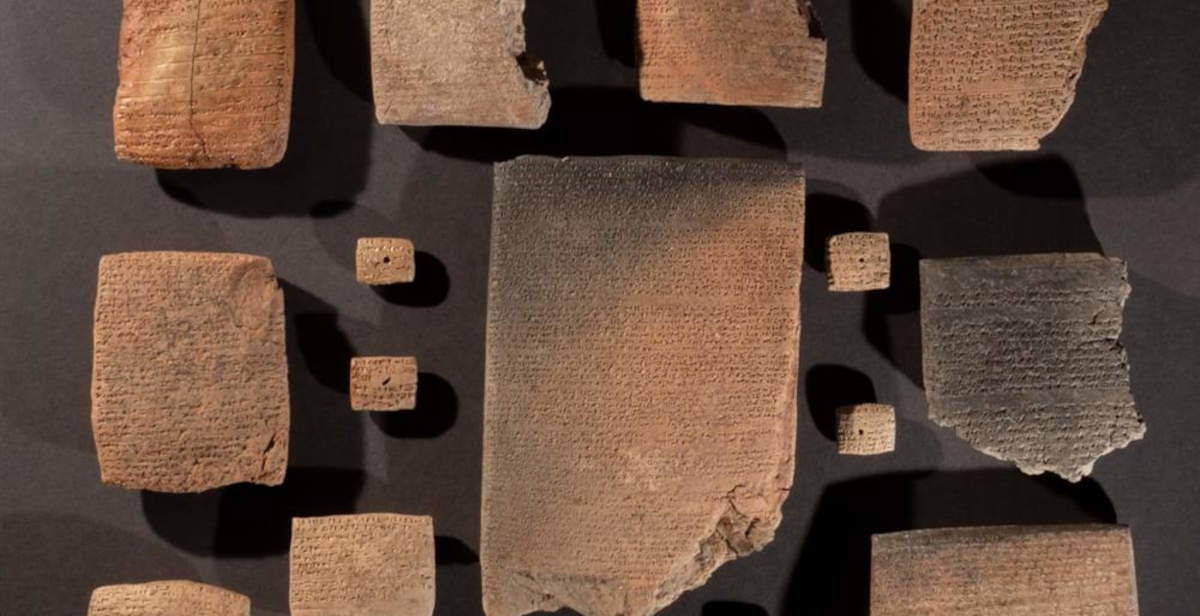
In Kayalıpınar, in central Turkey, an archive dating back about 3,400 years provides new insights into the organization of the Hittite state, health and military emergencies, and the religious practices of the court. Excavations conducted in 2026 at the site, located in the Yıldızeli district of Sivas Province, unearthed 131 cuneiform tablets and fragments dating to the reign of Tudhaliya II. When combined with the 53 artifacts discovered in the same area in 2025, the total number of documents attributed to the archive rises to 184.
The discovery was announced by the Turkish Minister of Culture and Tourism, Mehmet Nuri Ersoy, via his social media channels. According to the archaeological team’s assessment, the complex representsthe most substantial Hittite-language archive among those discovered in the 21st century. The texts provide firsthand accounts of various aspects of the kingdom’s political and religious life, as well as information on the Hittite language and the culture of the scribes.
The Kayalıpınar site corresponds to the ancient settlement of Šamuḫa, mentioned in ancient Assyrian and Hittite sources. The recovered tablets include divination texts, letters, rituals, and prayers. Among the most significant documents are those relating toan epidemic characterized by high fever, which spread from one city to another and caused the deaths of numerous children and infants. The tablets show that the disease was a cause for concern even within the royal family. The health of the young princes and princesses, as well as that of the children of high-ranking Hittite officials, was monitored through divinatory consultations. The texts thus reveal the court’s anxieties in the face of a health crisis whose full extent cannot be reconstructed based on the available information.
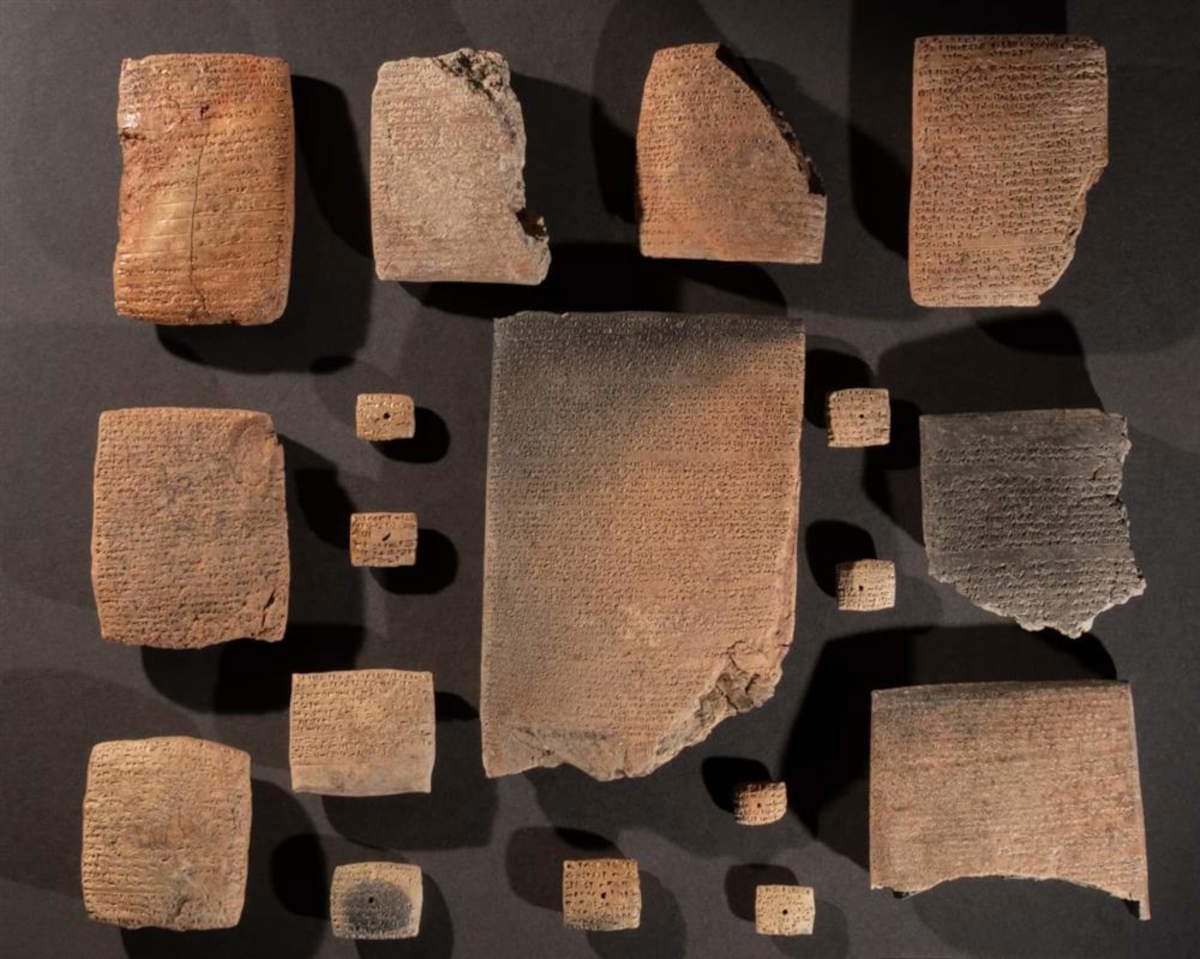
Among the documents is one concerning a princess who was still being breastfed, whose health was a source of particular concern. The court sought to determine her chances of survival through divination. Another tablet, however, records the child’s death and the funeral rite held in her honor. A further text, sent to the king by a soothsayer, reports that the little princess had fallen ill in the city of Ziulila, the location of which has not yet been identified.
The archive also documents the military tensions affecting the kingdom. A letter sent by Hittite generals operating in western Anatolia to the sovereign, who was in Šamuḫa, reports that Hittite territory was surrounded by enemies. To address the threat, the commanders requested the dispatch of soldiers, horses, and war chariots. The message contained an explicit warning: without the requested reinforcements, the situation would worsen to the point of jeopardizing the army’s survival. The generals also made it clear that they would not accept responsibility for the consequences if the reinforcements were not sent.
Another section of the documents concerns divination practices based on the observation of birds. One tablet records the activities of the diviners who left Šamuḫa to conduct observations in other locations. The text, structured much like a diary, lists the cities where the specialists stopped, the routes they followed, and the birds they observed. These records provide insight into how omens were gathered, evaluated, and interpreted in Hittite society, offering previously unknown information about this practice.
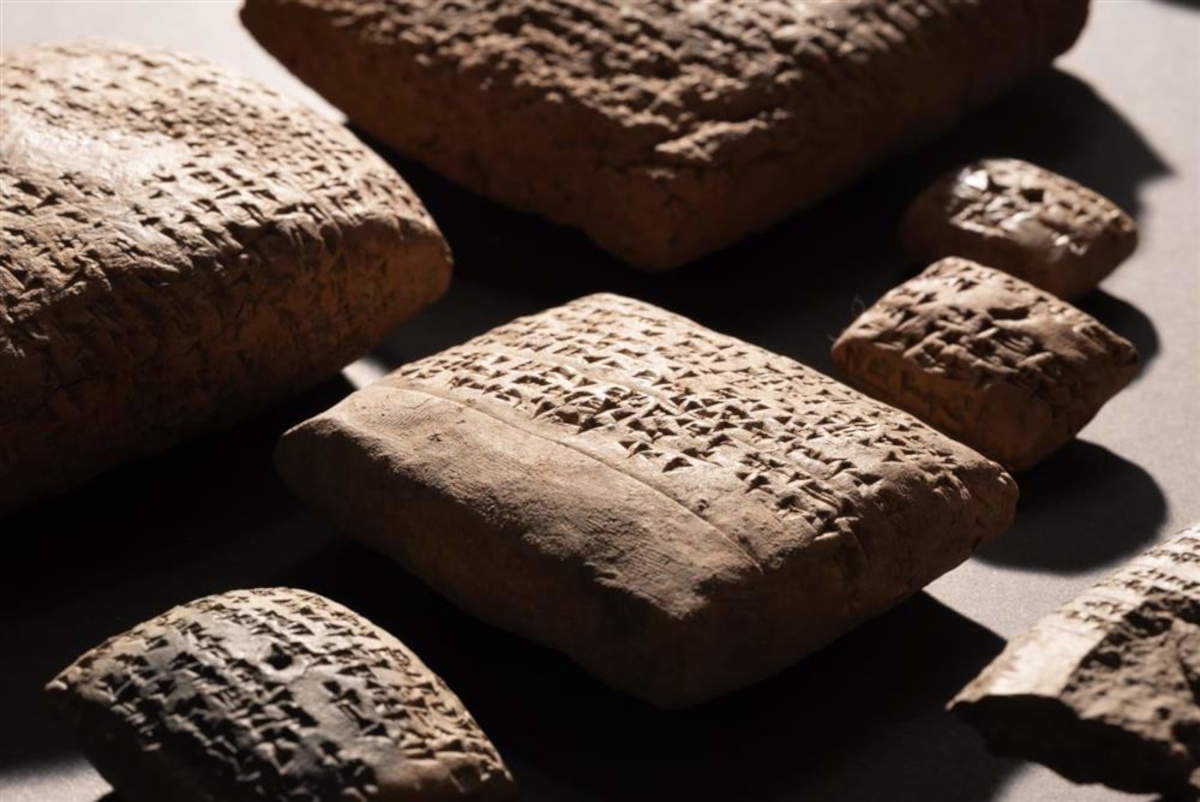
Taken together, the findings expand our understanding of the political, social, and religious history of the Hittites during the reign of Tudhaliya II. Alongside reports of epidemics and military threats, the tablets reveal details about the royal family’s concerns, funeral rituals, and the role of religious specialists in court decisions. The texts also serve as a source for studying the evolution of the Hittite language and the skills of the scribes who drafted and preserved official documents.
Archaeological investigations at Kayalıpınar have been conducted since 2021 with authorization from the Turkish Ministry of Culture and Tourism. The mission is led by Çiğdem Maner, an associate professor in the Department of Archaeology and Art History at Koç University. The discovery of these new documents, together with those unearthed during the previous campaign, allows us to reconstruct part of the administrative history of the Hittite kingdom through written records produced and preserved over three millennia ago.
“We have made a major discovery at Kayalıpınar, in the province of Sivas, which offers us a direct glimpse into the Hittite state archives,” stated Minister Ersoy. “During the excavations conducted in 2026 at ancient Šamuḫa, we unearthed 131 cuneiform tablets and fragments dating to the reign of Tudhaliya II. Adding these finds to those from the previous season brings the total to 184. The royal archive at Kayalıpınar has thus secured its place in history as the most complete Hittite archive discovered in the 21st century. Written in both Hittite and Hurrian, these documents provide insights into state administration, military developments, religious beliefs, and the affairs of the royal family from approximately 3,400 years ago. The tablets reveal evidence of an epidemic characterized by high fever, which spread from city to city and particularly affected children and infants; they also document the health of a sick young princess, her subsequent death, and the funeral rite held in her honor. Another letter, sent to the king by Hittite generals stationed in western Anatolia, contains requests for soldiers, horses, and chariots to counter an enemy threat, warning that the army risked annihilation if reinforcements did not arrive. Some tablets, which record the routes taken and the observations made by the augurs (diviners who interpreted the flight of birds), also offer previously unknown information on Hittite divination practices. “This one-of-a-kind archive opens up new perspectives in numerous fields, ranging from Hittite history and religious practices to the evolution of the language and the culture of the scribes. We continue to bring to light, through science, the millennia-old memory of Anatolia, in order to preserve it and pass it on to future generations.”
 |
| Turkey: A 3,400-Year-Old Hittite Archive Discovered—It Chronicles Epidemics and Wars |

Warning: the translation into English of the original Italian article was created using automatic tools. We undertake to review all articles, but we do not guarantee the total absence of inaccuracies in the translation due to the program. You can find the original by clicking on the ITA button. If you find any mistake,please contact us.






























 IT
IT FR
FR DE
DE ES
ES CN
CN


