





The Special Superintendency of Rome presented the first season of the docu-series Uncovered Rome at a public event hosted on March 31, 2026 at the Troisi Cinema in Rome. The screening was preceded by speeches by Special Superintendent Daniela Porro and Central Institute for the Economic Enhancement and Promotion of Cultural Heritage (IC-VEPP) director Alessio De Cristofaro. The meeting was moderated by journalist and film critic Damiano Panattoni.
The project is part of the context of experimenting with the languages of cultural popularization, aiming to intercept in particular an under-30 audience, as well as those interested in archaeology and art history. The docu-series, already premiered at the Rome Film Festival last fall, consists of four episodes and combines scientific popularization, cinematic language and social media dynamics.
Directed by Giulia Randazzo, starring Giuseppe Lino and accompanied by music by Alessandro Librio, Uncovered Rome is made in Italian with English subtitles. The narrative structure revolves around the concept of cultural memory, taken as the backbone of the entire project. The format remains that of the documentary, but with a hybrid communicative setting designed to adapt to contemporary modes of digital enjoyment. The narrative alternates between original footage, archival materials and interviews with the protagonists of heritage research and enhancement activities. Ample space has also been given to citizens and visitors, included in the narrative process as an active part of the construction of the story.
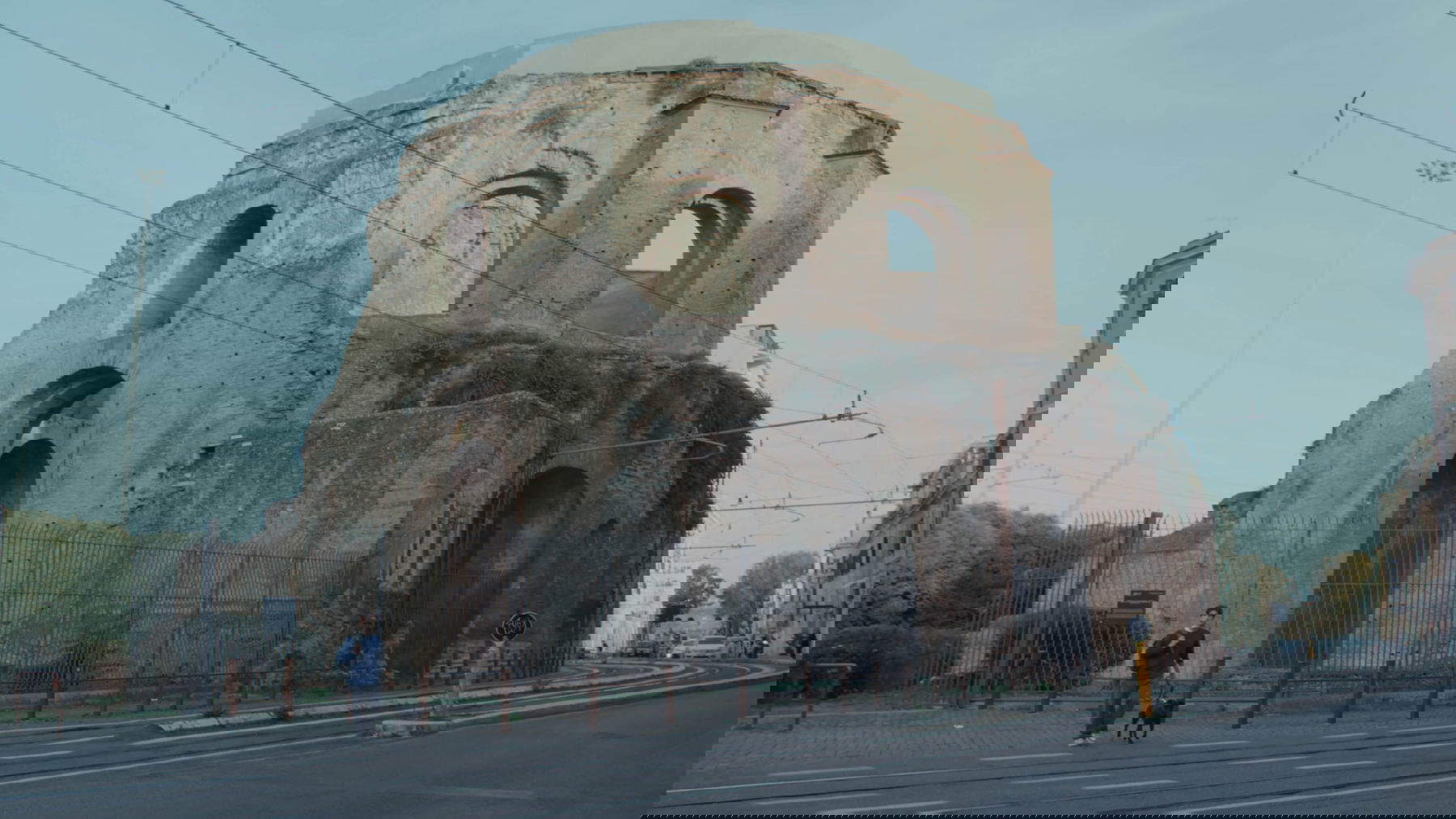
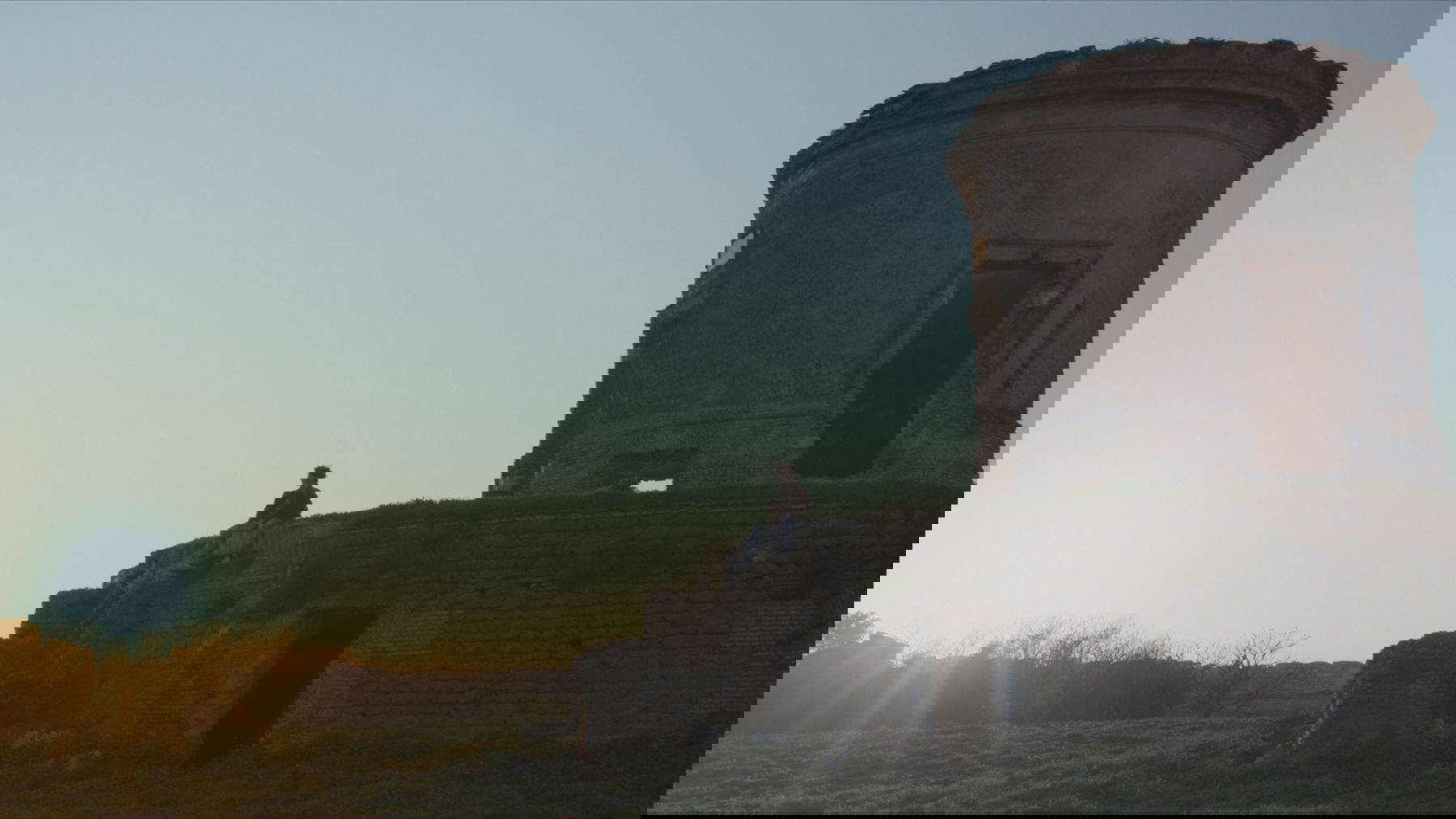
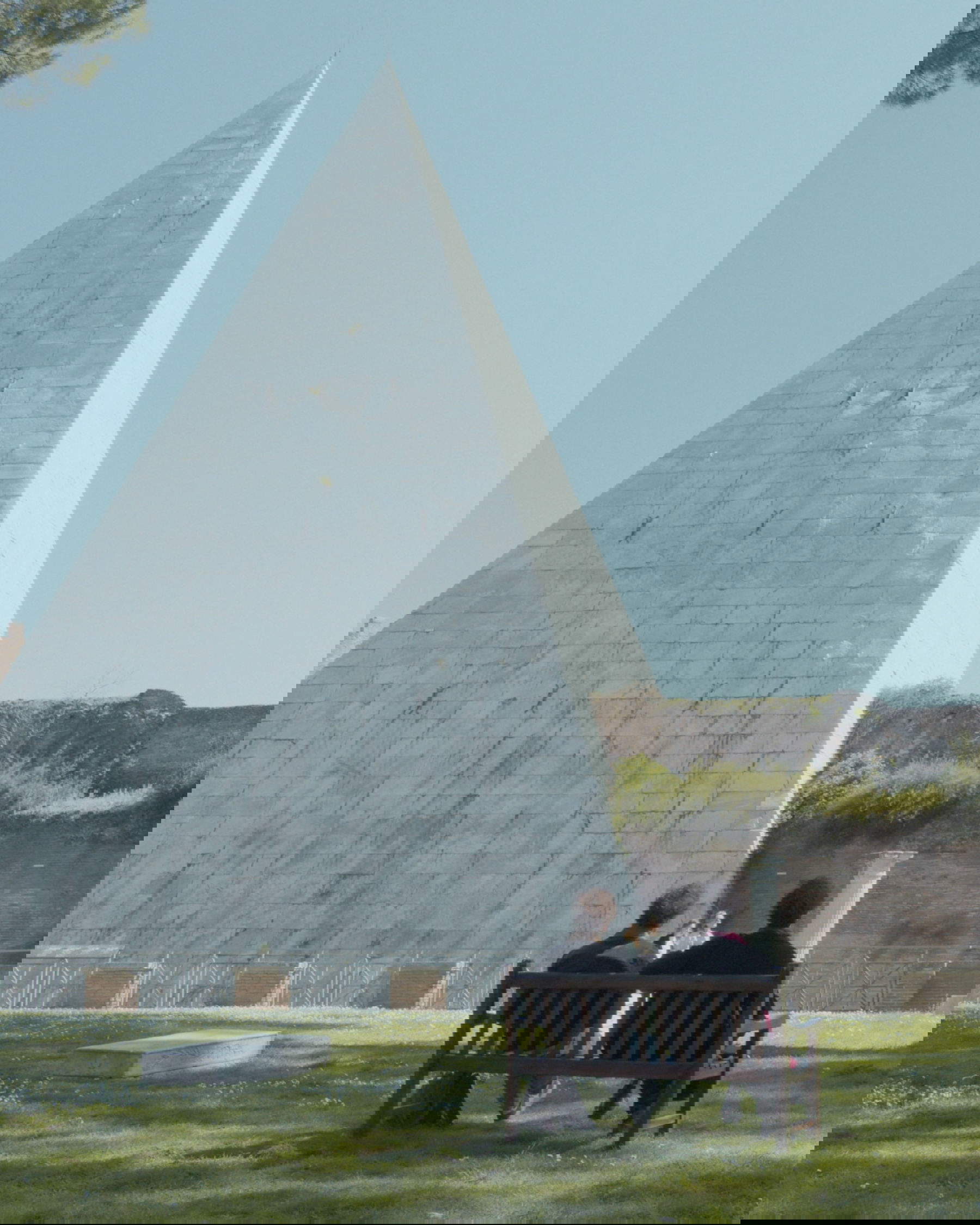
Rome forms the focus of the narrative, with attention to lesser-known monuments and historical layers less visible on established tourist routes. The narrative develops around the figure of a young content creator tasked with documenting five little-known archaeological sites in the capital on social media. The journey takes the form of a learning experience, accompanied by the presence of the dog Kyria, along a progressive overlap between direct experience and digital restitution. The character played by Giuseppe Lino, @tuttelestrade, represents the digital alter ego of the protagonist. The narrative construction involves work not bound to a rigid script, with real interactions between the performers and staging built on dynamics that are not completely predefined.
The docu-series insists on a collective narrative of cultural places, giving space to the people who experience them on a daily basis. The setting favors a horizontal narrative that sums up different points of view and returns a layered vision of the city. What emerges is a reading of the everyday and popular urban fabric that departs from the more touristy image of Rome. The Uncovered Rome project is funded by the Fund for the Enhancement of the Promotion of Italian Culture and Language Abroad for the three-year period 2022-2024, according to the ministerial decree of May 11, 2022. It is part of the activities of the Special Superintendence of Rome oriented to the involvement of differentiated audiences, cultural regeneration of peripheral areas and the enhancement of historical and archaeological heritage.
Since February 28, the docu-series has also been available on Prime Video, a choice that broadens its international reach and extends its enjoyment to a global audience. The operation is part of new ways of telling the story of cultural heritage through digital platforms and audiovisual tools, with a focus on emerging forms of sustainable cultural tourism. The season consists of four episodes: One by One, #passages, Elsewhere and Happening to Stones, with a total duration of 105 minutes.
The production is by the Special Superintendence of Rome - Ministry of Culture, from an idea by Alessio De Cristofaro, with screenplay by Giulia Randazzo, Alessio De Cristofaro, Irene Gallina and Paola Caramadre. Executive production entrusted to Daitona srl, with Lorenzo Lazzarini, Lorenzo Giovenga and Valentina Signorelli. The Italian version includes subtitles for the deaf and audio description for the blind.
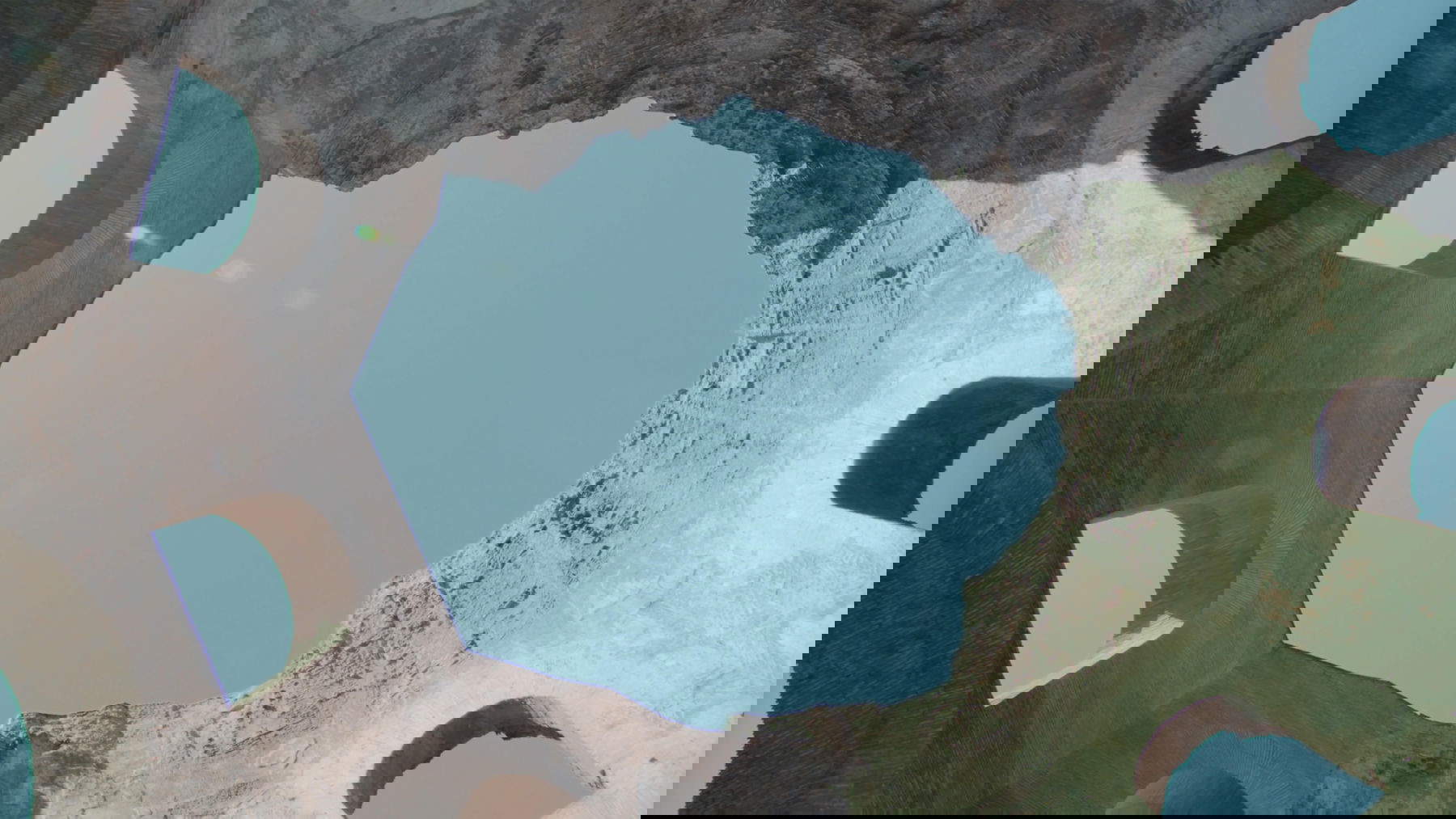
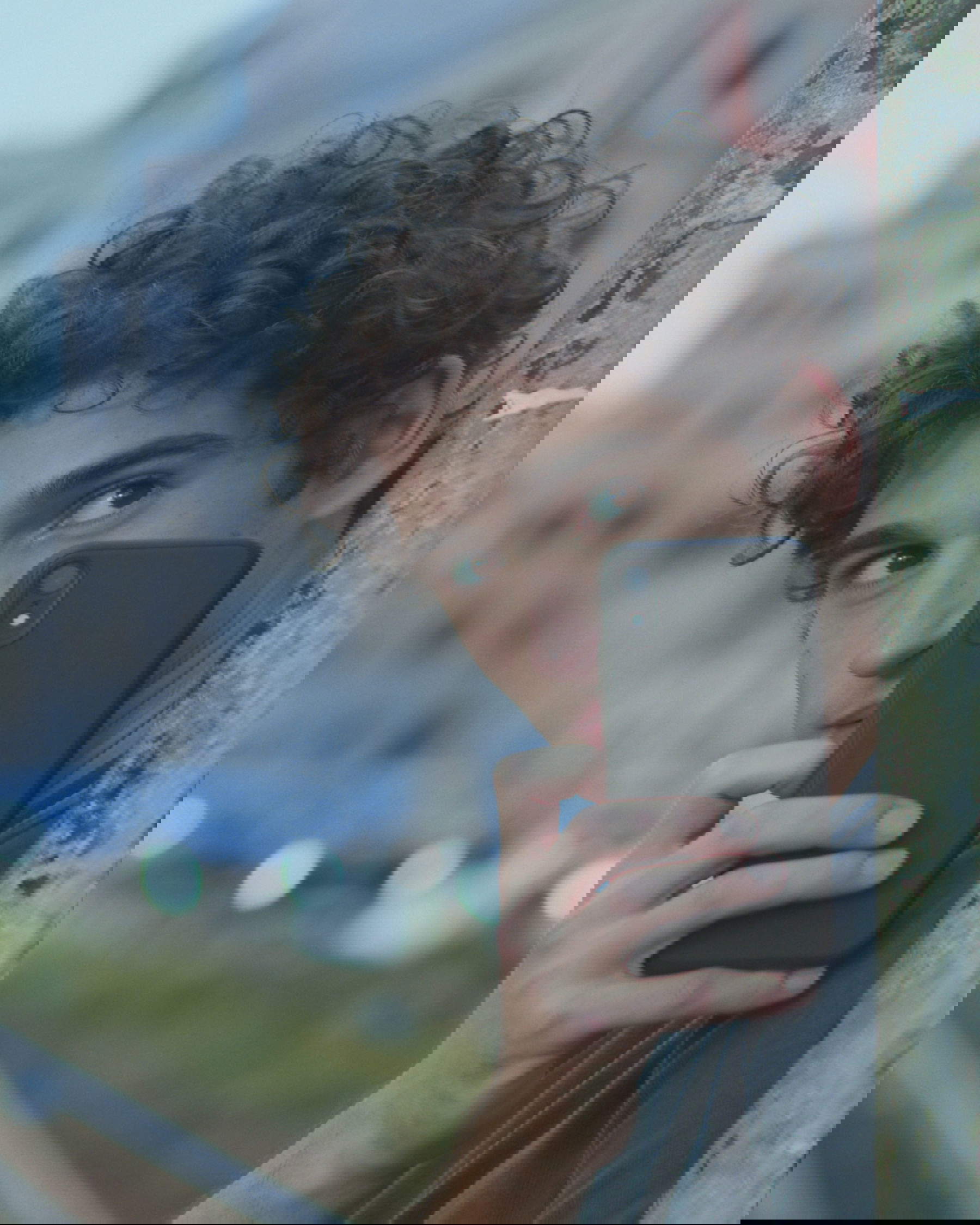
"Uncovered Rome,“ explained Special Superintendent Daniela Porro, ”is an authentic project that charts an innovative course in the popularization of science and the promotion of Rome and Italian culture and the historic relationship the city continues to have with the language of film."
"The objective of Uncovered Rome,“ explained project creator and manager Alessio De Cristofaro, ”is to bring younger people closer to the themes of the study of archaeology and art with an engaging formula that aims to raise questions, solicit doubts, and develop curiosity. The recipients of Uncovered Rome are not mute spectators, but rather interlocutors. The project is the result of a community process, and the theatrical screening of the first season of the docu-series is a further sign of recognition of this choral work that does not end with the first season, but continues with a special installment that we will present soon."
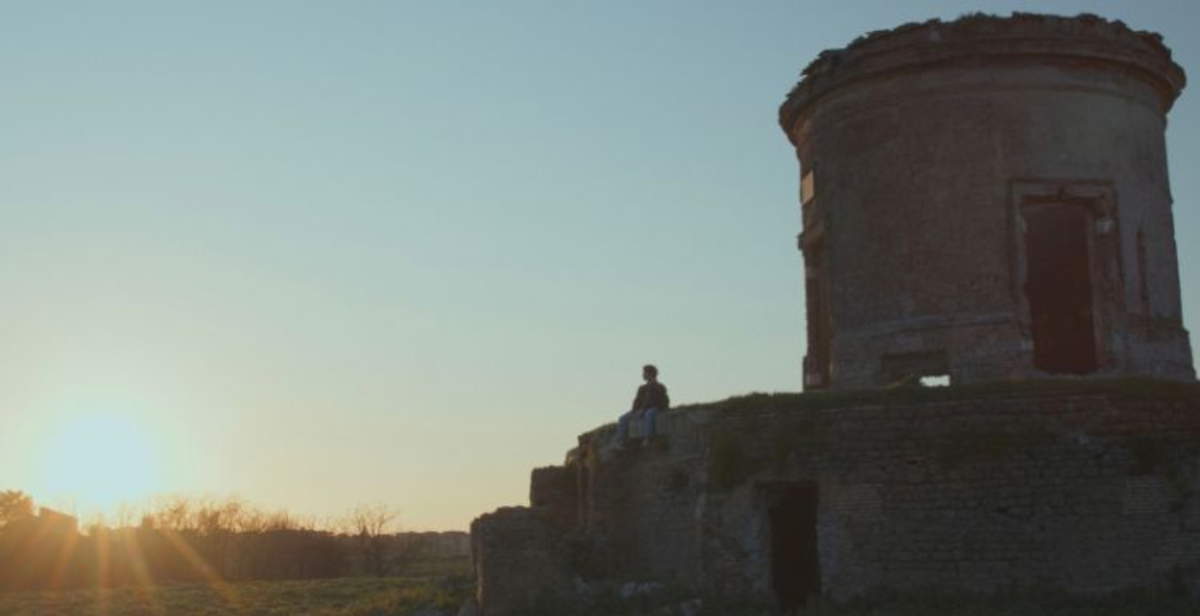 |
| Special Superintendence of Rome presents "Uncovered Rome," a docu-series on urban heritage |

Warning: the translation into English of the original Italian article was created using automatic tools. We undertake to review all articles, but we do not guarantee the total absence of inaccuracies in the translation due to the program. You can find the original by clicking on the ITA button. If you find any mistake,please contact us.

























 IT
IT FR
FR DE
DE ES
ES CN
CN


