




by Redazione 02/04/2026



Categories: Contemporary art / Disclaimer
Maurizio Cattelan's new provocation: the artist invites the public to confess via telephone to win one of his works. The project accompanies the re-release of The Ninth Hour.
A telephone number to confess one’s sins, but without any religious authority. This is the latest provocation by Maurizio Cattelan, who returns to question symbols and rituals of Catholicism with a participatory project that combines art, irony and direct involvement of the public. The initiative takes shape on the occasion of the launch of a new limited edition of the famous work The Ninth Hour, originally presented in 1999 and which has become one of the most iconic and controversial images in contemporary art. To accompany the re-release, the artist has devised an international hotline active from April 2 to 22, through which anyone can leave a voice message or text to confess their sins.
The project, developed in collaboration with Avant Arte, a platform that specializes in the creation and sale of multiples by major artists, provides for participants to send their confessions via a toll-free phone number in the United States or via WhatsApp for callers from abroad (+1 601 666 7466). The confessions will be heard by Cattelan himself, who will select some of the most meaningful ones to respond directly and invite participants to a streaming event scheduled for April 23.


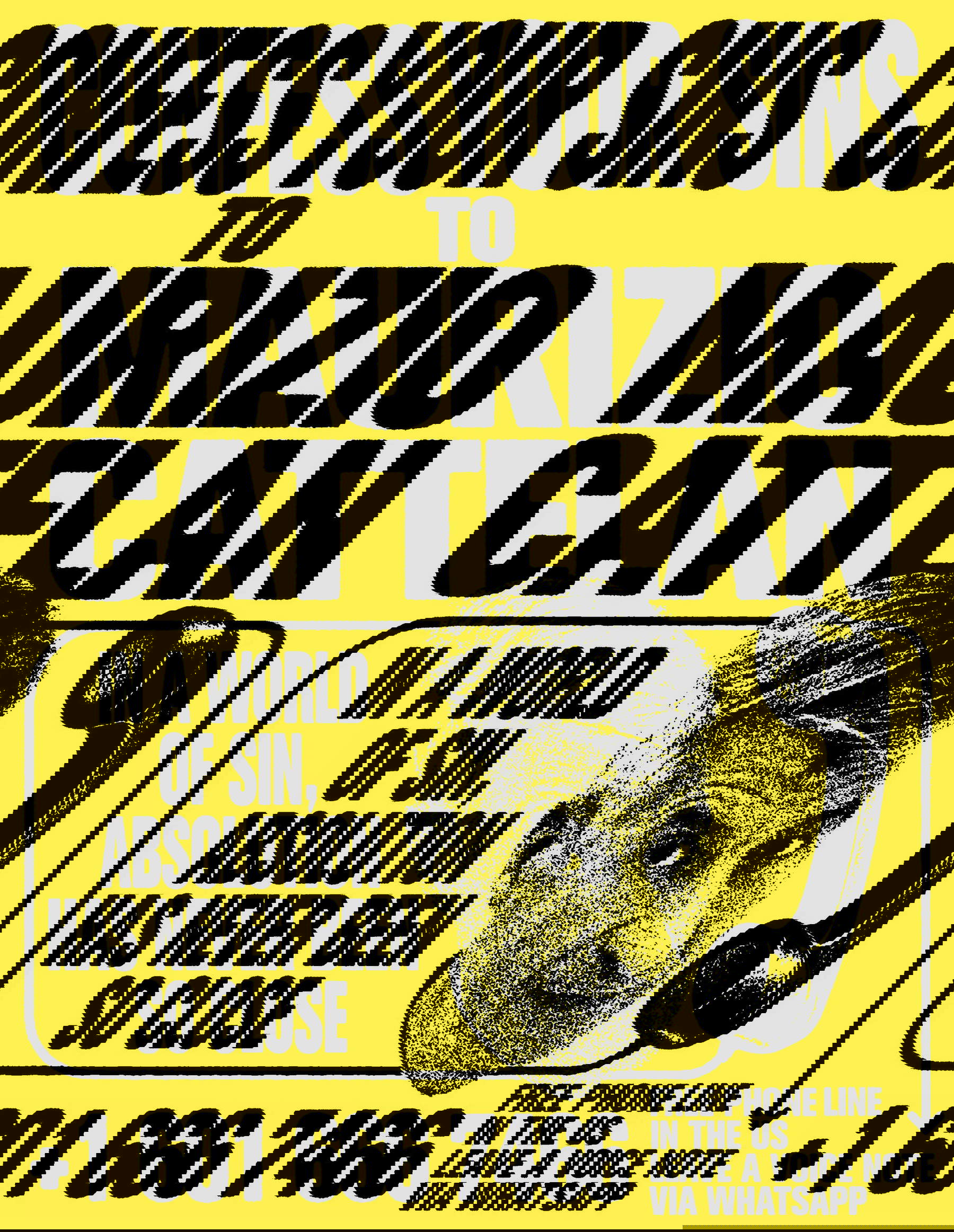
During the live broadcast, the artist will symbolically play the role of a priest, offering a sort of secular “absolution” to the participants. A gesture that, in its stated intentions, is not meant to replace religion but rather to reflect on the universal meaning of confession. “I don’t see it as religious absolution, but as a shared gesture,” Cattelan explained, pointing out that the need for confession exists in many forms, even outside religious contexts.
The operation is part of a long tradition of work in which the artist has used sacred iconographies to investigate themes such as fragility, power and mortality. The sculpture The Ninth Hour, which depicts John Paul II being struck by a meteorite while lying on a red carpet, elicited mixed reactions at the time of its presentation. For some it was a blasphemous gesture, for others a powerful allegory of the weight of the papal role and the internal tensions within the contemporary Church. The work, whose title recalls the hour of Christ’s death on the cross, sold in 2001 at Christie’s in New York for $886,000.
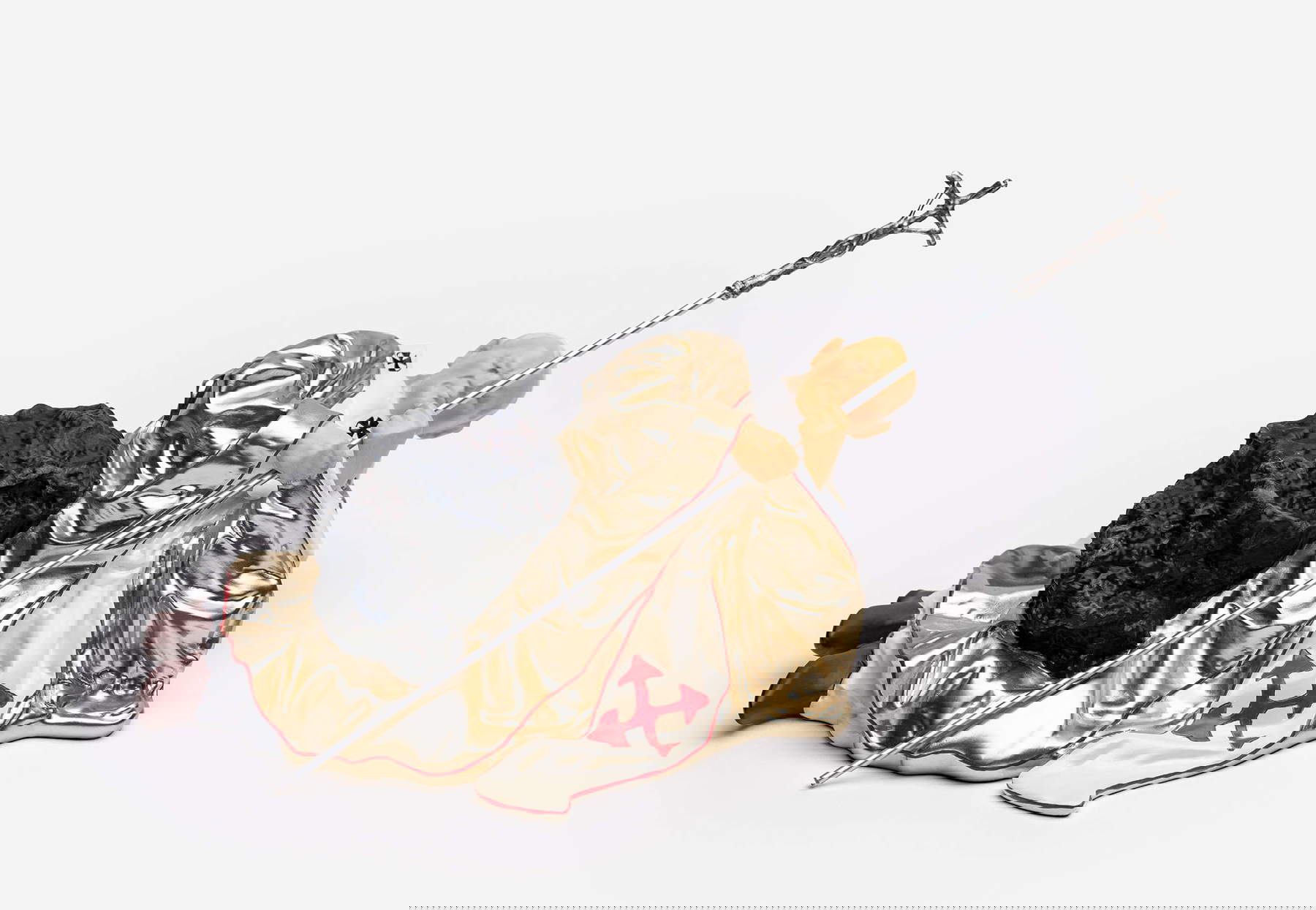
To mark the 21st anniversary of John Paul II’s death, and to coincide with the Easter season, Cattelan decided to revive the work through a limited series of 666 miniatures. The chosen number, traditionally associated with obscure symbologies, reinforces the ironic and provocative character of the entire project. The sculptures, made of hand-painted resin with metal details for the crosier, measure about 30 centimeters in length and are offered for sale at a price of 2,200 euros each.
Access to purchase is through a draw system, but those who participate in the hotline get early access, while selected participants will receive the work for free. In this way, the project interweaves commercial and participatory dimensions, expanding the potential audience and offering new ways of interacting with the artwork.
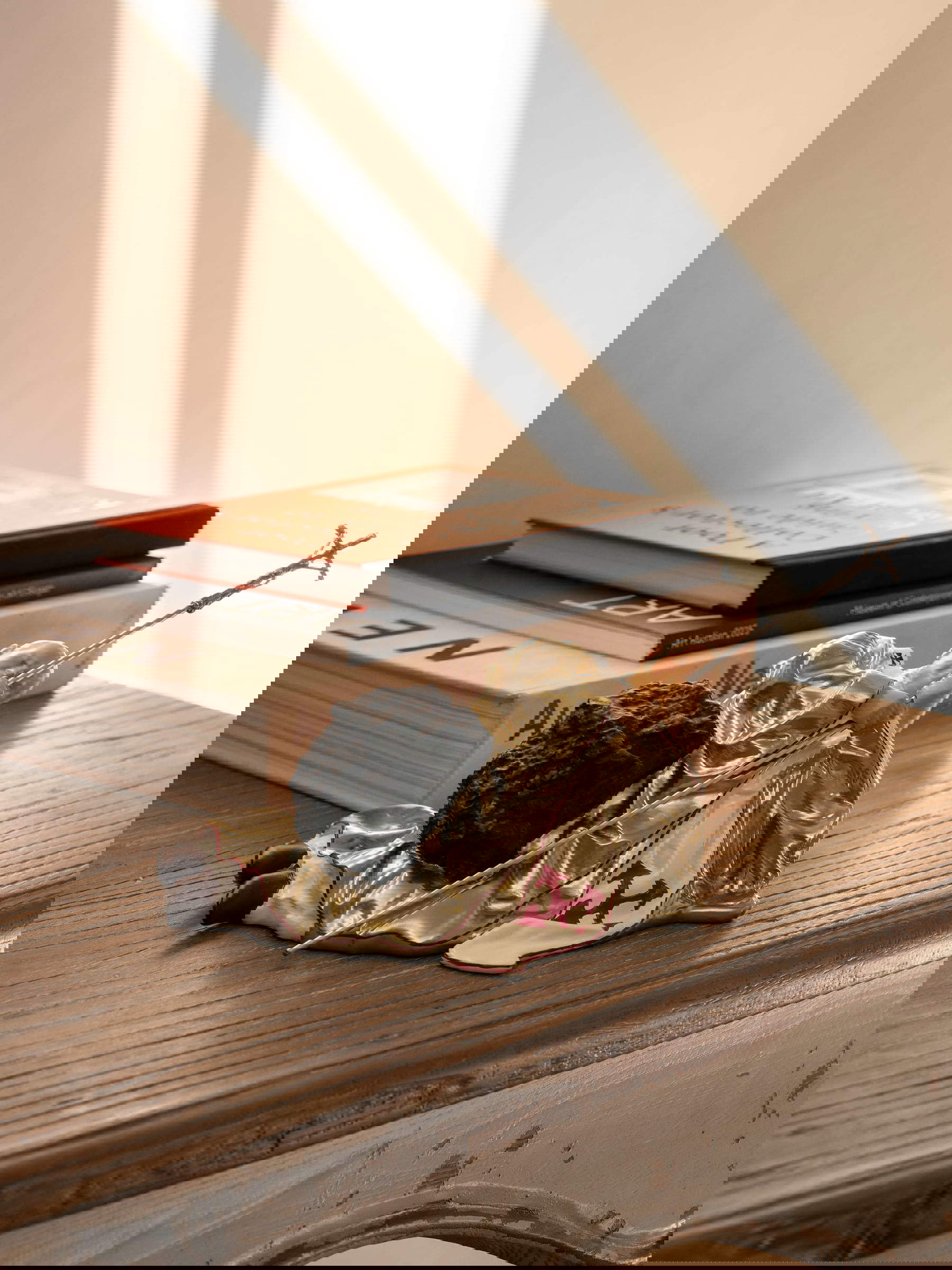
According to Mazdak Sanii, managing director of Avant Arte, the initiative aims precisely to make contemporary art more accessible, both in terms of collecting and in terms of direct involvement. The idea of inviting the public to confess thus becomes a tool for creating a more immediate and personal relationship between artist and viewer.
The hotline, active until April 22, thus represents a conceptual extension of the work, designed to transform a traditional ritual into a collective, contemporary experience. The message that greets participants (“If you are here to confess your sins, press one”) introduces them to a device that mixes religious languages and everyday technologies, in line with Cattelan’s practice.
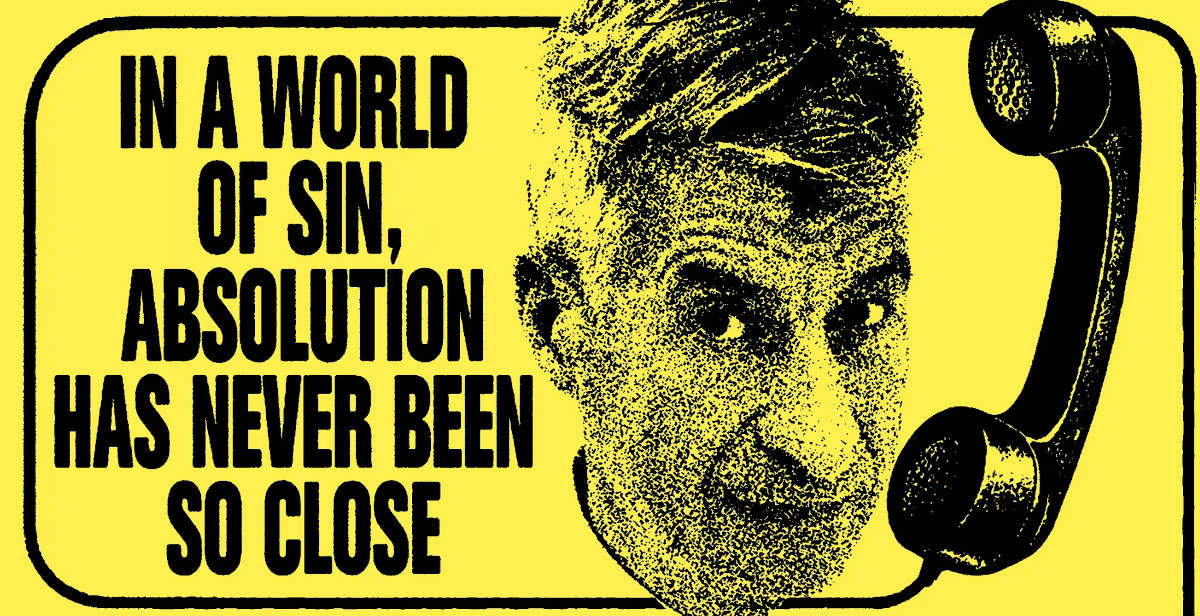
“In the world of sin, absolution has never been closer,” the project’s promotional materials read, summarizing the artist’s approach, which has always been oriented toward questioning conventions and certainties through a skillful use of irony and provocation. With this new initiative, Cattelan confirms his ability to intercept universal themes and translate them into novel forms capable of engaging audiences far beyond the traditional boundaries of contemporary art.
 |
| Cattelan's new provocation: a hotline to confess your sins to him |
Warning: the translation into English of the original Italian article was created using automatic tools. We undertake to review all articles, but we do not guarantee the total absence of inaccuracies in the translation due to the program. You can find the original by clicking on the ITA button. If you find any mistake,please contact us.