





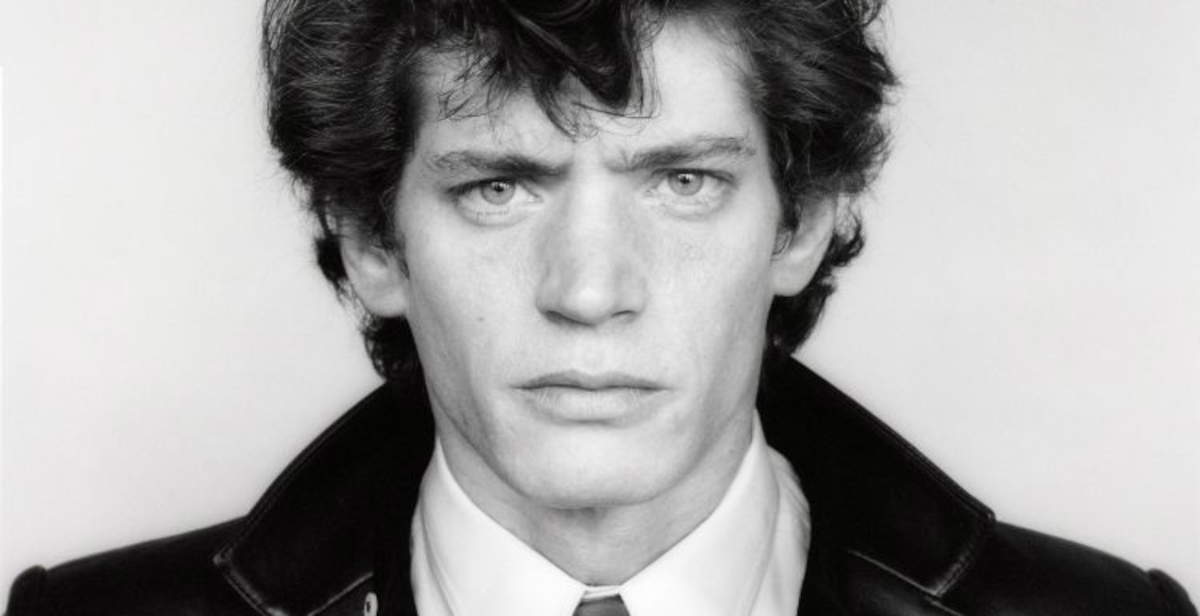
From May 29 to October 4, 2026, the Ara Pacis Museum in Rome is hosting the exhibition Robert Mapplethorpe. The Forms of Beauty, a retrospective devoted to American photographer Robert Mapplethorpe (New York, 1946-1989), considered one of the central figures of 20th-century photography. The exhibition presents a selection of more than 200 photographs and includes a nucleus of works previously unseen for the Roman stage, within an exhibition project already articulated between Venice and Milan.
The exhibition is curated by Denis Curti and promoted by Roma Capitale, Assessorato alla Cultura e al Coordinamento delle iniziative ricondibili alla Giornata della Memoria, together with the Sovrintendenza Capitolina ai Beni Culturali and Marsilio Arte. It is organized by Zètema Progetto Cultura and Marsilio Arte, in collaboration with the Robert Mapplethorpe Foundation in New York. Partners include ATAC and Gruppo Ferrovie dello Stato Italiane as Mobility Partner, Rinascente as Fashion Partner, Radio Capital as official radio, and the support of Miamo. The catalog is published by Marsilio Arte.
The exhibition is divided into eight sections and focuses on the theme of form understood as the structural principle of photographic vision. Mapplethorpe constructs images through rigorous control of light and composition, using the Hasselblad camera as a tool for spatial construction. The human body, faces and still lifes are treated with the same formal attention, reduced to essential geometries and visual balances.
The opening of the exhibition is devoted to a selection of early works little known to the general public. These are three-dimensional assemblages and collages made from disparate materials, including archival images, erotic newspaper clippings, religious fetishes and clothing. These early works highlight an experimental and provocative approach, geared toward eliciting an emotional response and leaving it up to the viewer to complete the meaning of the work.
A central part of the exhibition is devoted to the artist’s muses. The relationship with Patti Smith, poet and musician, is documented through a series of portraits made from the Chelsea Hotel years, highlighting a bond of friendship and creative collaboration. This core is complemented by images dedicated to Lisa Lyon, a bodybuilder and model, who represents one of the most recurring subjects in Mapplethorpe’s research on the representation of the body.
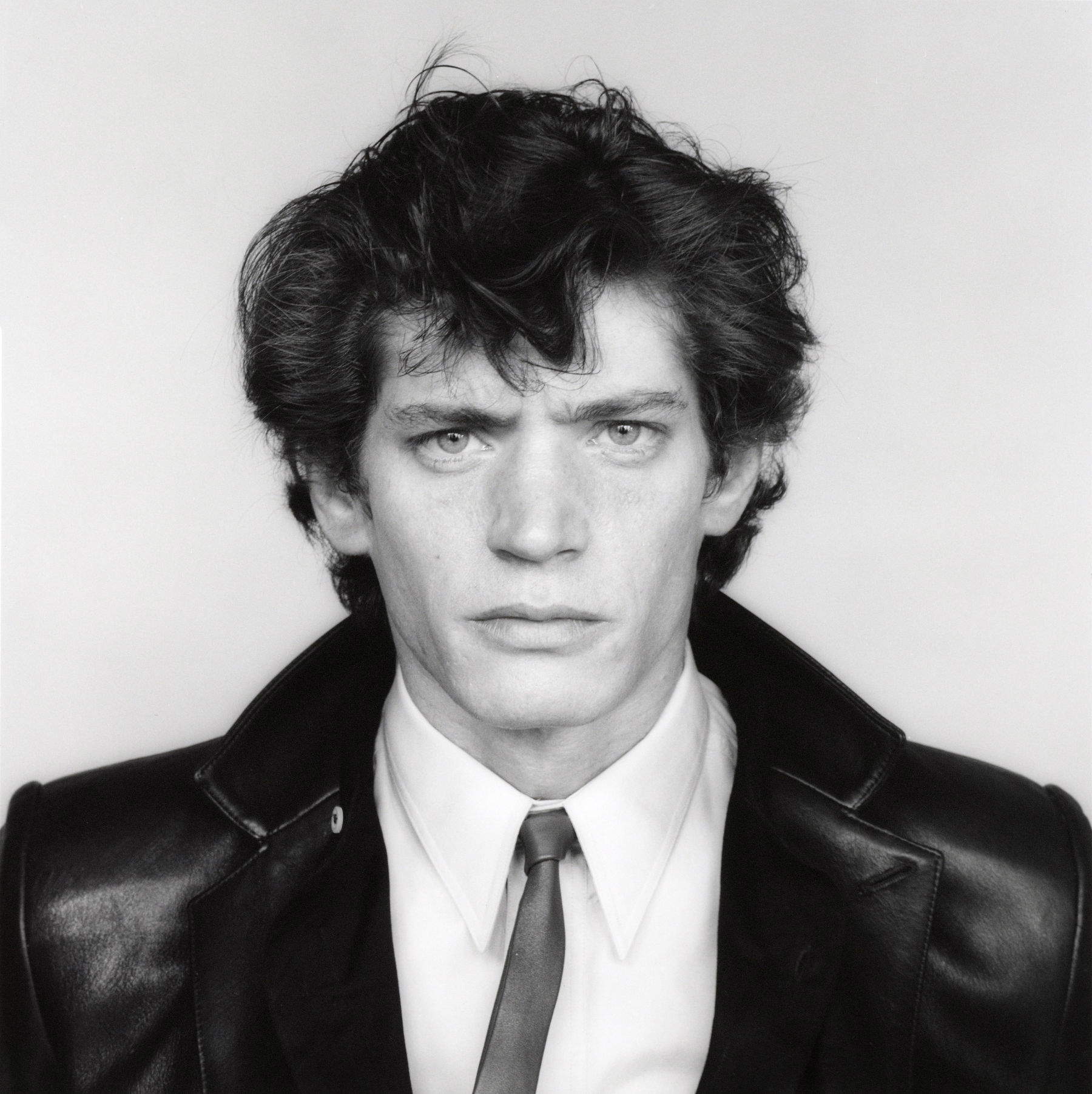
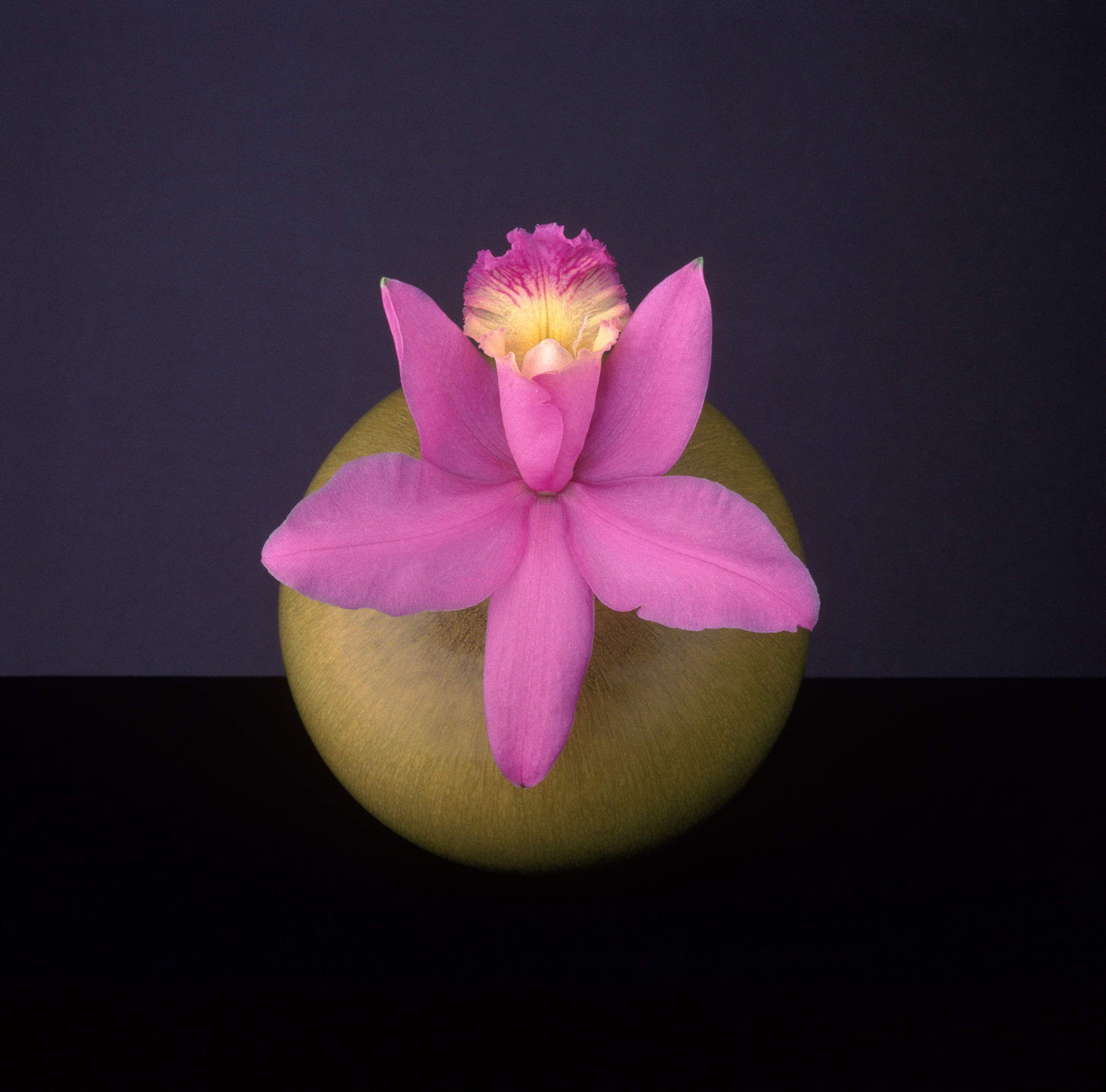
The portrait section also includes numerous well-known faces from the worlds of art, literature, music and film. These include Yoko Ono, Robert Rauschenberg, Donald Sutherland, David Byrne, and Richard Gere. Alongside portraits and self-portraits, the exhibition project reserves a central role for the series of flowers and still lifes, considered one of the pinnacles of the artist’s production. In these images natural elements are isolated and observed with attention to light, transforming into compositions that recall geometric forms and classical suggestions.
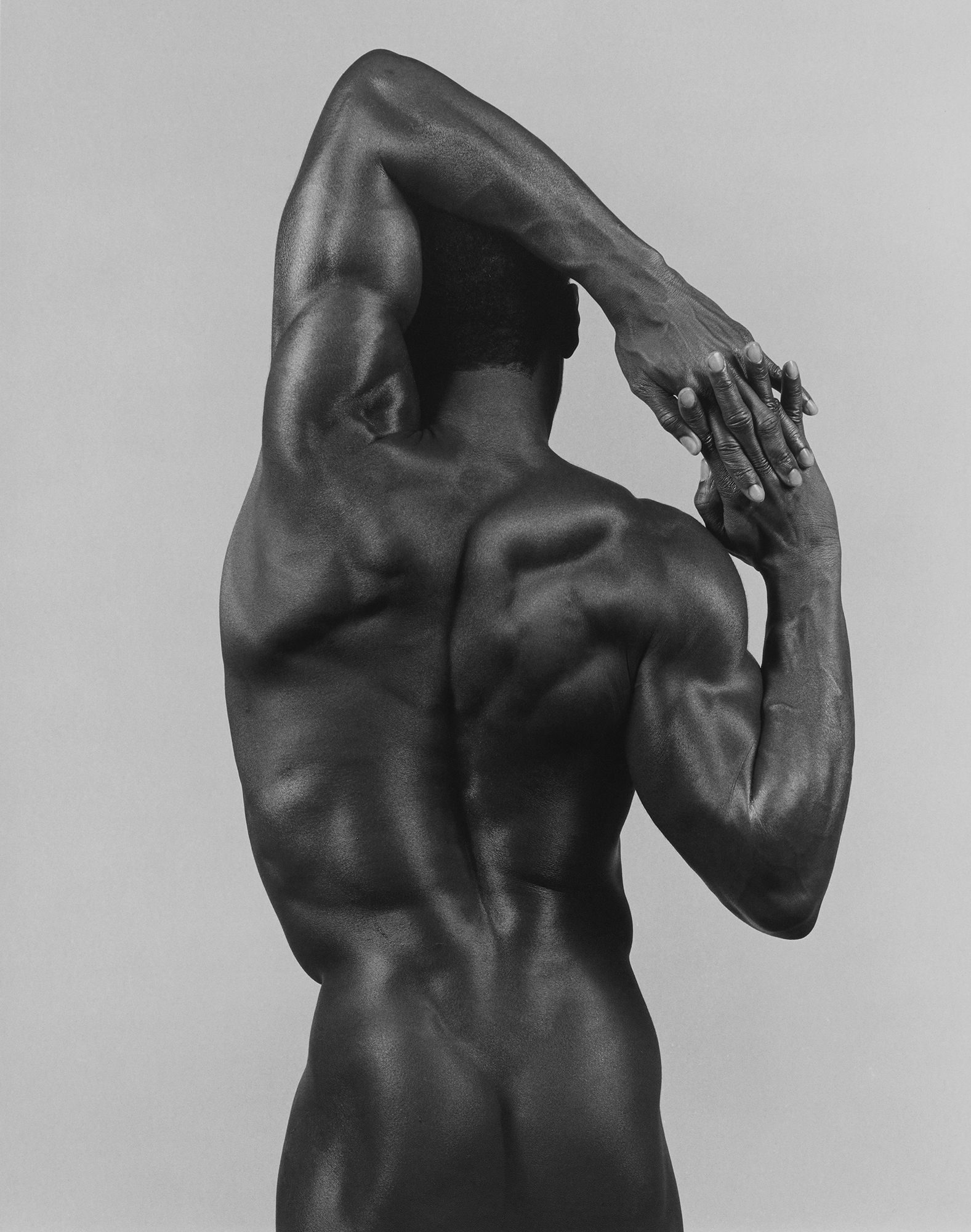
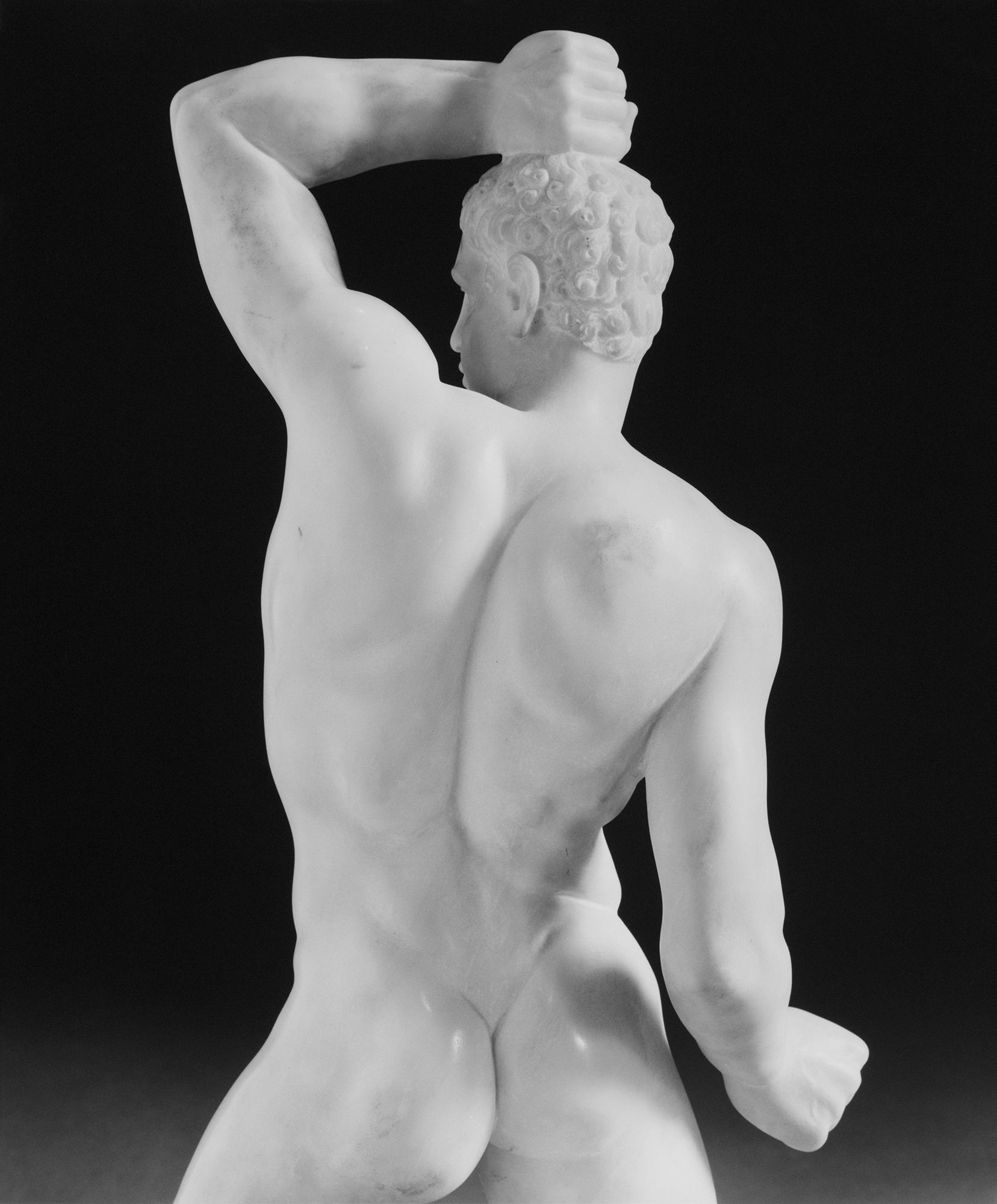
Another relevant core is devoted to studies of the male and female body, presented in a language that insists on the sculptural rendering of the subject. The figures are treated as marble surfaces, in a continuous reference to the tradition of ancient statuary. The exhibition concludes with a reflection on the relationship between Mapplethorpe and Italy, highlighting the dialogue between contemporary photography, archaeology and classicism.
Included in this section are two sculptures from the Capitoline Museums, the Statue of Aphrodite dated between the second half of the first century B.C. and the beginning of the first century A.D., and the 1st-century A.D. Statue of Athlete, derived from a 5th-century B.C. Greek original. The comparison between photographic works and ancient sculptures builds a visual axis that traverses the themes of the representation of the body and the permanence of forms.
The exhibition also includes unpublished materials related to Mapplethorpe’s Italian sojourns, between Capri and Naples, made at the invitation of gallery owner Lucio Amelio. On the occasion of the project Terrae Motus, created after the earthquake that struck Naples in 1980, the artist joined the initiative together with numerous protagonists of the international art scene, including Warhol, Cragg, Cucchi, Fabro, Kiefer, Kounellis, Paolini, Pistoletto, Rauschenberg, Schifano, Schnabel, Twombly and Vedova. The goal of the project was to transform catastrophe into a shared creative process.
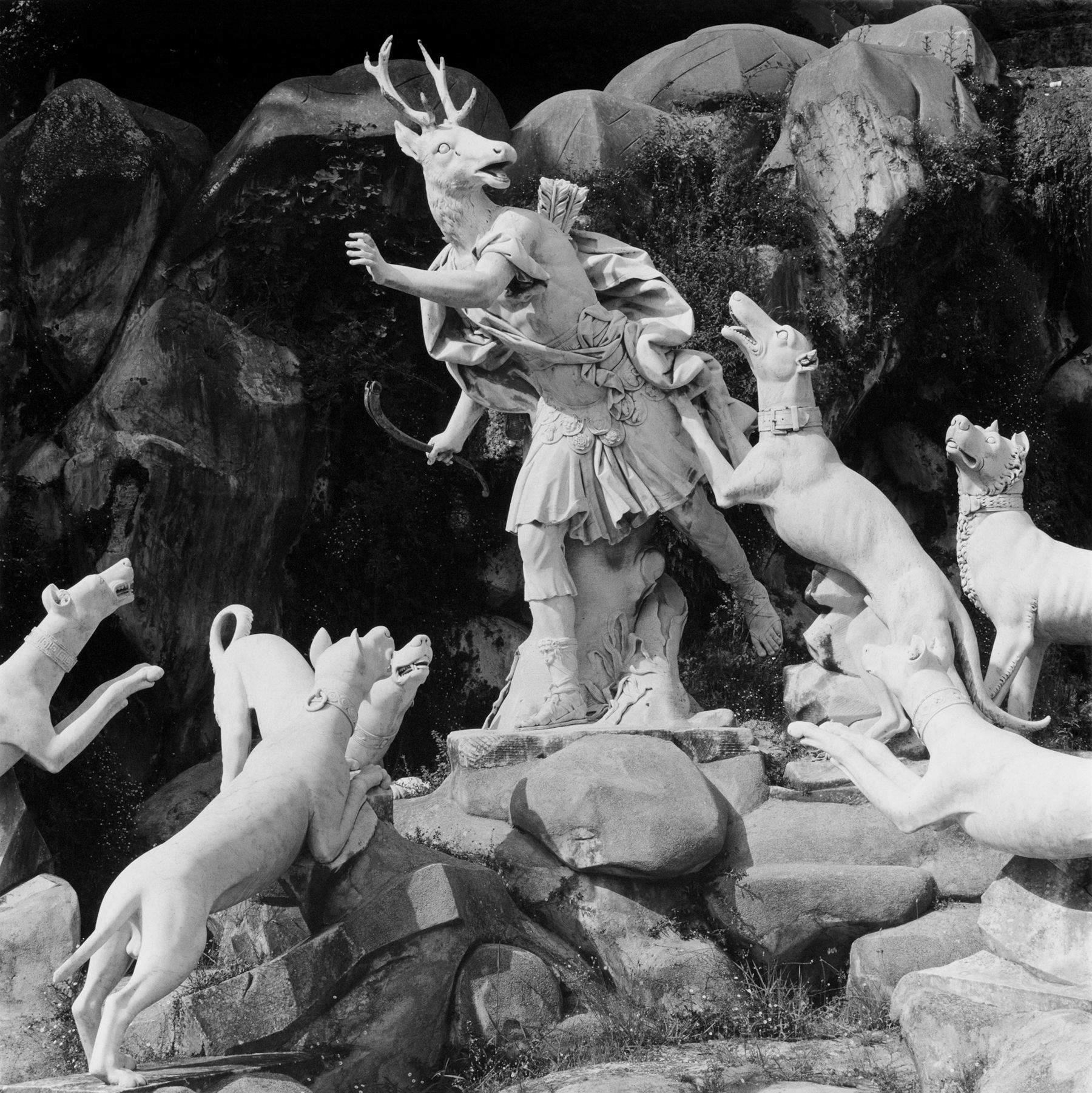
The photographs made in Italy restore a direct relationship with the urban and cultural landscape, in which reference to time and memory is intertwined with an everyday and observational dimension. The dialogue with the Italian context emerges as an integral part of the artist’s visual research and finds in the Ara Pacis venue a further level of interpretation, in relation to the presence of classical statuary. The exhibition project is accompanied by accessibility tools that include an audioguide curated by Denis Curti and the podcast Mapplethorpe Unframed, written and hosted by Nicolas Ballario and available on major listening platforms. The catalog, published by Marsilio Arte, brings together 257 works and delves into the evolution of the artist’s language.
There are also integrated, tactile and LIS-translated visit paths, as well as audio-tactile and subtitled video paths placed within the exhibition itinerary. The activities are made possible thanks to the collaboration with Rai Pubblica Utilità, the Museo Tattile Statale Omero of Ancona, the Department of Social Policies and Health - Direzione Servizi alla Persona of Roma Capitale and the Cooperativa Segni d’Integrazione Lazio.
“This exhibition is a rare and at the same time necessary opportunity: the photographer Robert Mapplethorpe was an artist of almost sculptural photographic representation, tending to the spasm to perfection, a classicist in the forms captured by his lens,” says the Assessore alla Cultura e al Coordinamento delle iniziative ricondibili alla Giornata della Memoria di Roma Capitale, Massimiliano Smeriglio. “In this Roman exhibition there will be unpublished works and there will be a way, which rarely happens, to probe the relationship between Mapplethorpe and our country. The exhibition is also necessary, because the artist wanted to immerse himself in the great issues of freedom of speech and expression especially in the New York of the late 1980s, in a world difficult to tell and all the more to appreciate in photographs. In a historical context such as the one we live in today, where language often leads us down impassable, toxic and sometimes even censored paths, his photography and relationship to free speech, even without agreeing with it, activates our critical thinking and opens up new reflections.”
“There is a great misconception that has always accompanied Robert Mapplethorpe’s work: that of considering him a photographer of provocation, an artist of scandal linked to the New York underground of the 1970s and 1980s,” says curator Denis Curti. “In reality, if we strip his images of their most explicit and geometrically disruptive content, what remains is pure classicism. Mapplethorpe did not seek scandal for its own sake; he sought perfection of form. Whether he was photographing a flower or the sculptural body of Lisa Lyon, his gaze was guided by the exact same rules: an obsession with balance, symmetry, zenithal light, and compositional rigor rooted in Renaissance sculpture. His real strength lies in having applied the order and harmony of classical statuary to themes considered, at the time, provocative. Mapplethorpe did not want to shock the world; he wanted to elevate the human body-any body-to a sacred and monumental dimension. That is why, decades later, his photographs are not as dated as much protest art of the time: because classical beauty is timeless, and Mapplethorpe was, first and foremost, a great classical photographer.”
“The Robert Mapplethorpe exhibition in Rome represents a milestone in the consolidation path of Marsilio Arte, which has identified photography as one of the central languages of its contemporary exhibition programming, starting with Le Stanze della Fotografia in Venice,” comments Luca De Michelis, managing director of Marsilio Editori and Marsilio Arte. “In recent years we have chosen to invest in the narrative power of this medium, which is capable of dialoguing with the public in an immediate, profound and universal way. The renewed collaboration with Roma Capitale and the Sovrintendenza Capitolina ai Beni Culturali with an exhibition dedicated to an absolute master such as Mapplethorpe is a distinctive choice that has been guiding our choices for some time: the desire to produce and bring to the most prestigious contexts major international cultural projects that are not simply retrospectives, but that offer unprecedented reading cuts, original curatorial paths and that are in dialogue with the place, the museum and the city. This is our promise to the public and our vision for the future of exhibition offerings.”
Hours: Daily 9:30 a.m.-7:30 p.m. Last admission one hour before closing.
Admission: € 15.00 full “exhibition only” ticket; € 13.00 reduced “exhibition only” ticket.
 |
| Ara Pacis Museum hosts retrospective on Robert Mapplethorpe and the form of beauty |

Warning: the translation into English of the original Italian article was created using automatic tools. We undertake to review all articles, but we do not guarantee the total absence of inaccuracies in the translation due to the program. You can find the original by clicking on the ITA button. If you find any mistake,please contact us.














 IT
IT FR
FR DE
DE ES
ES CN
CN


