





From May 20, 2026, to March 15, 2027, the Louvre in Paris will host the exhibition Primordial Water: Lessons from Mesopotamia, curated by Ariane Thomas, director of the Department of Oriental Antiquities and head of the collections of Recent Mesopotamia, together with Barbara Couturaud and Grégoire Nicolet, curators of the Mesopotamian collections in the same department.
The exhibition aims to lead the public to discoverancient Mesopotamia through the theme ofwater, an essential element that shaped the landscape, spirituality, power and daily life of one of the most influential civilizations in history. A land crossed by the Tigris and Euphrates, the two rivers also associated with the imagery of biblical paradise, Mesopotamia was the place where the first forms of irrigation were born and developed, profoundly marking the relationship between man and the environment.
In an area today characterized by often arid climatic conditions, the exhibition invites reflection on the central role water played in antiquity and the lessons this civilization can still offer with respect to contemporary environmental issues. Through archaeological artifacts, artifacts and evidence from the Louvre’s collections, the exhibition aims to explore the complex and ambivalent relationship between Mesopotamian peoples and water: a source of life, prosperity and fertility, but also the cause of destruction, conflict and radical transformations of the land.
From the divine to the human dimension, the exhibition takes the visitor on a journey through some eight thousand years of history, from Central Asia to the Mediterranean. Alongside a core of about one hundred works presented in Room 230, in the Richelieu Wing, twenty-seven selected artifacts dialogue with the permanent galleries of the Department of Near Eastern Antiquities to offer new insights into environmental and water issues of the past and their resonances in the present.
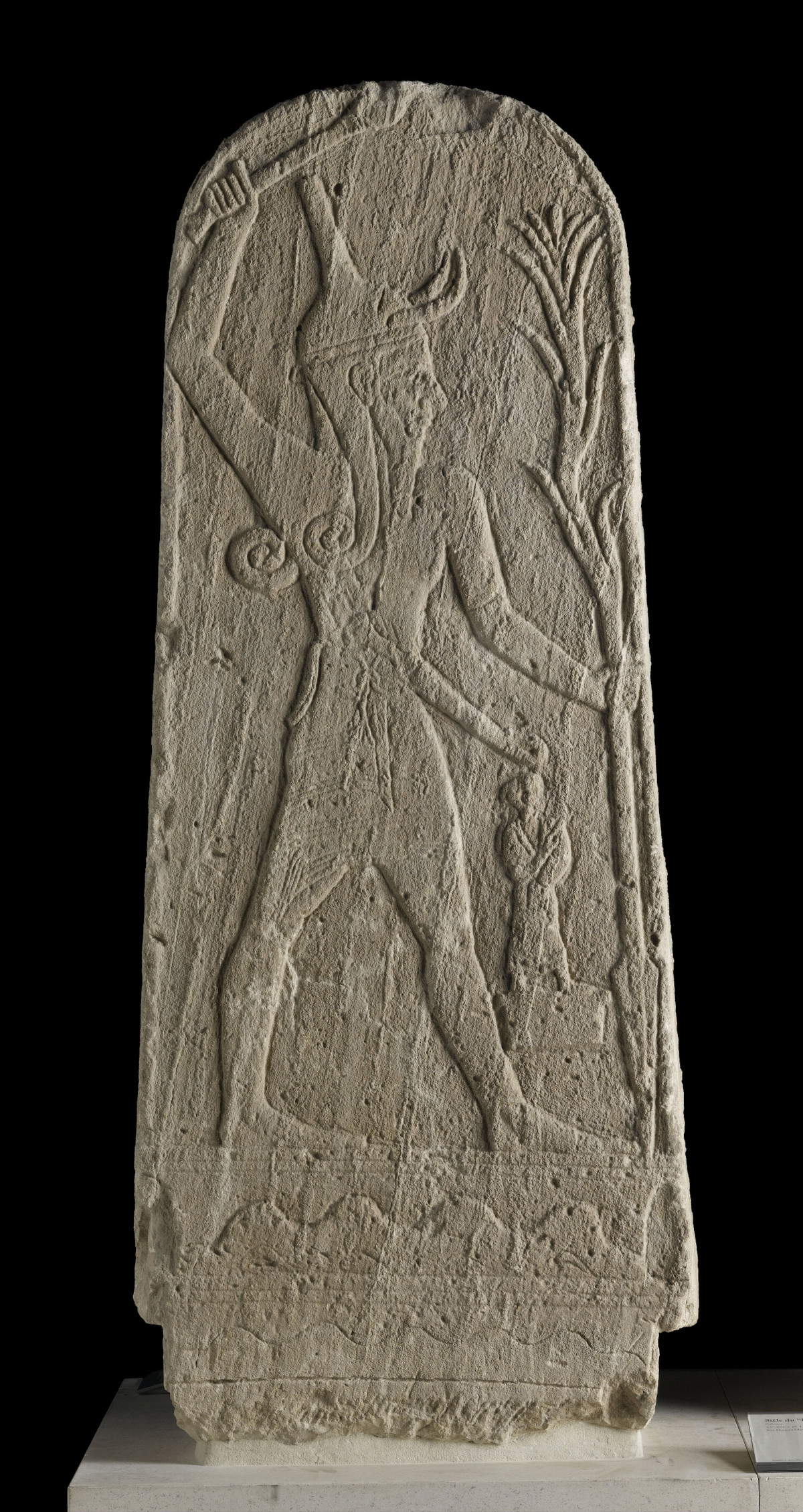
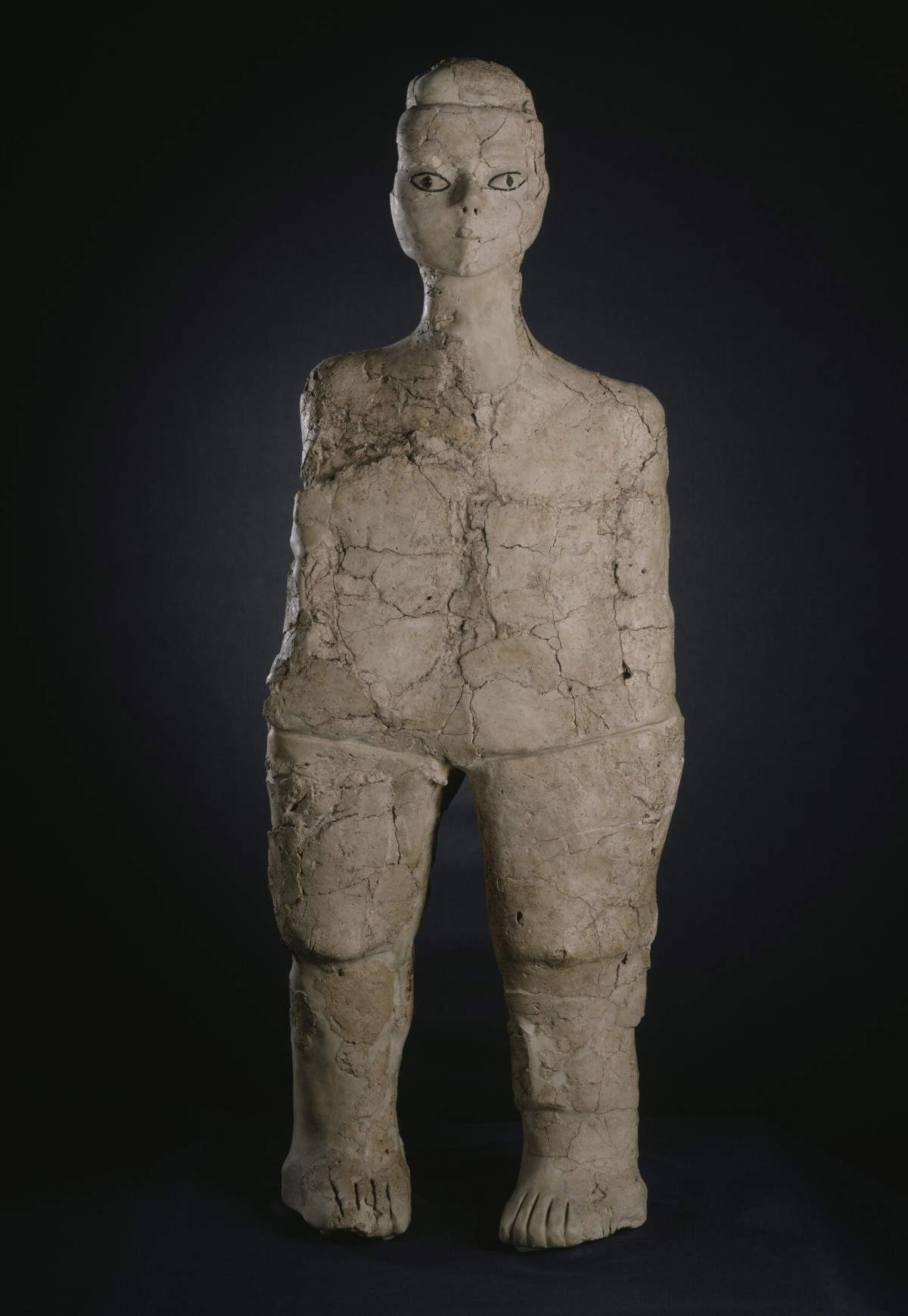
The exhibition also seeks to delve into early human attempts to control and transform the natural environment through water management. Indeed, some of the oldest known hydraulic infrastructures, such as canals, dams, bridges, aqueducts, distribution networks, and reservoirs, were born in Mesopotamia. These interventions enabled the agricultural and urban development of the region, but at the same time generated profound environmental and social consequences, opening up reflections that are still extremely relevant today on the relationship between progress, resource exploitation and sustainability.
Water occupied a central position in the Mesopotamian religious vision. In creation myths it represented the original force from which the world was born, taking different forms and embodying at once life, regeneration and destruction. In sacred rituals it was used as a purifying element and as an offering to the gods, becoming a symbol of the fragile balance between order and chaos, fertility and catastrophe.
The exhibition also aims to restore the extraordinary geographical variety of ancient Mesopotamia, a land shaped by rivers and characterized by different ecosystems: spring mountains, irrigated plains, swamps and coastal areas along the Persian Gulf. In the third and second millennia B.C.E., the Mesopotamian south appeared as a vast network of canals and bodies of water where cities such as Lagash and Larsa lived in such close relationship with the aquatic environment that they were considered true “Venetias” of antiquity.
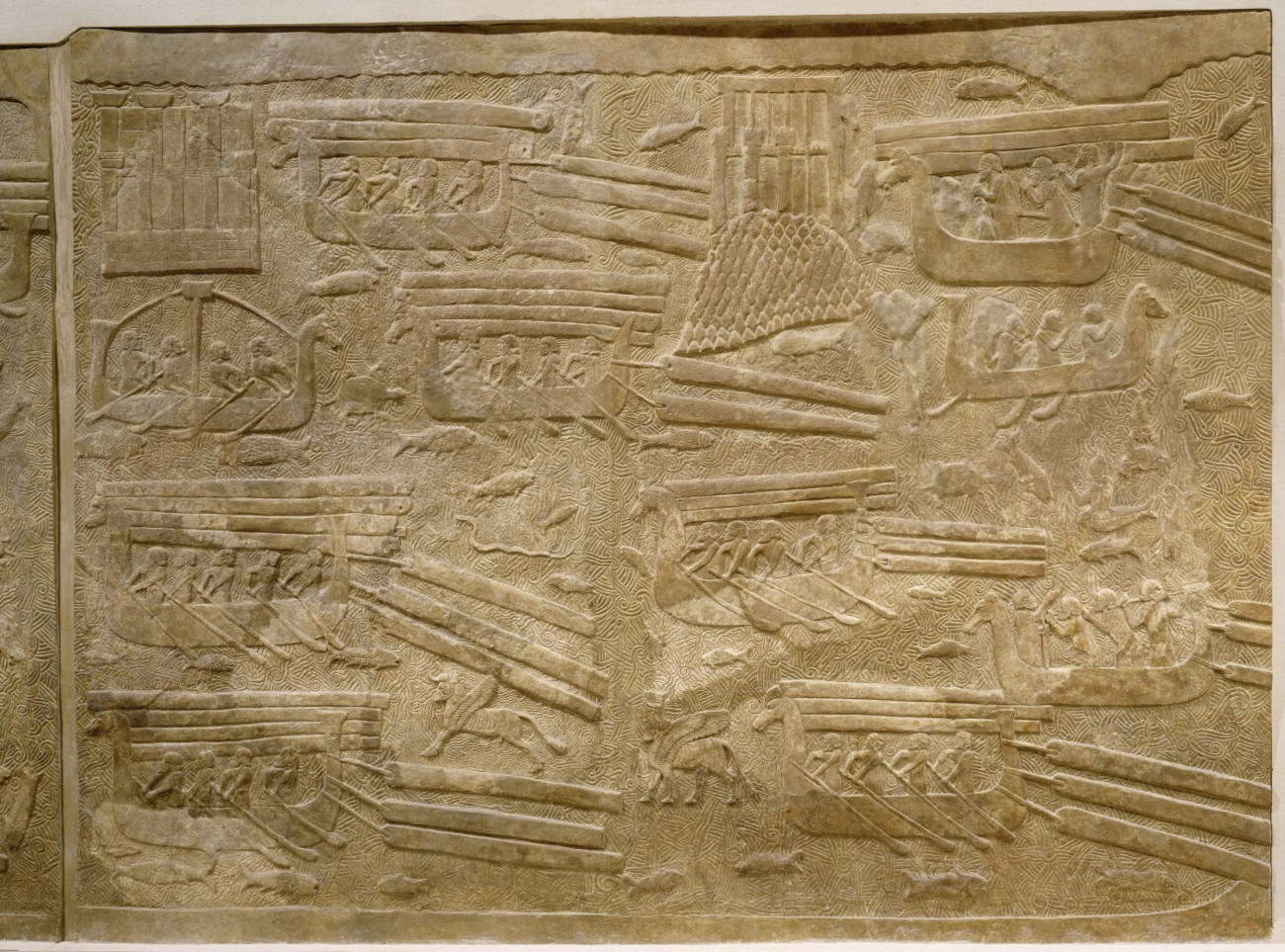
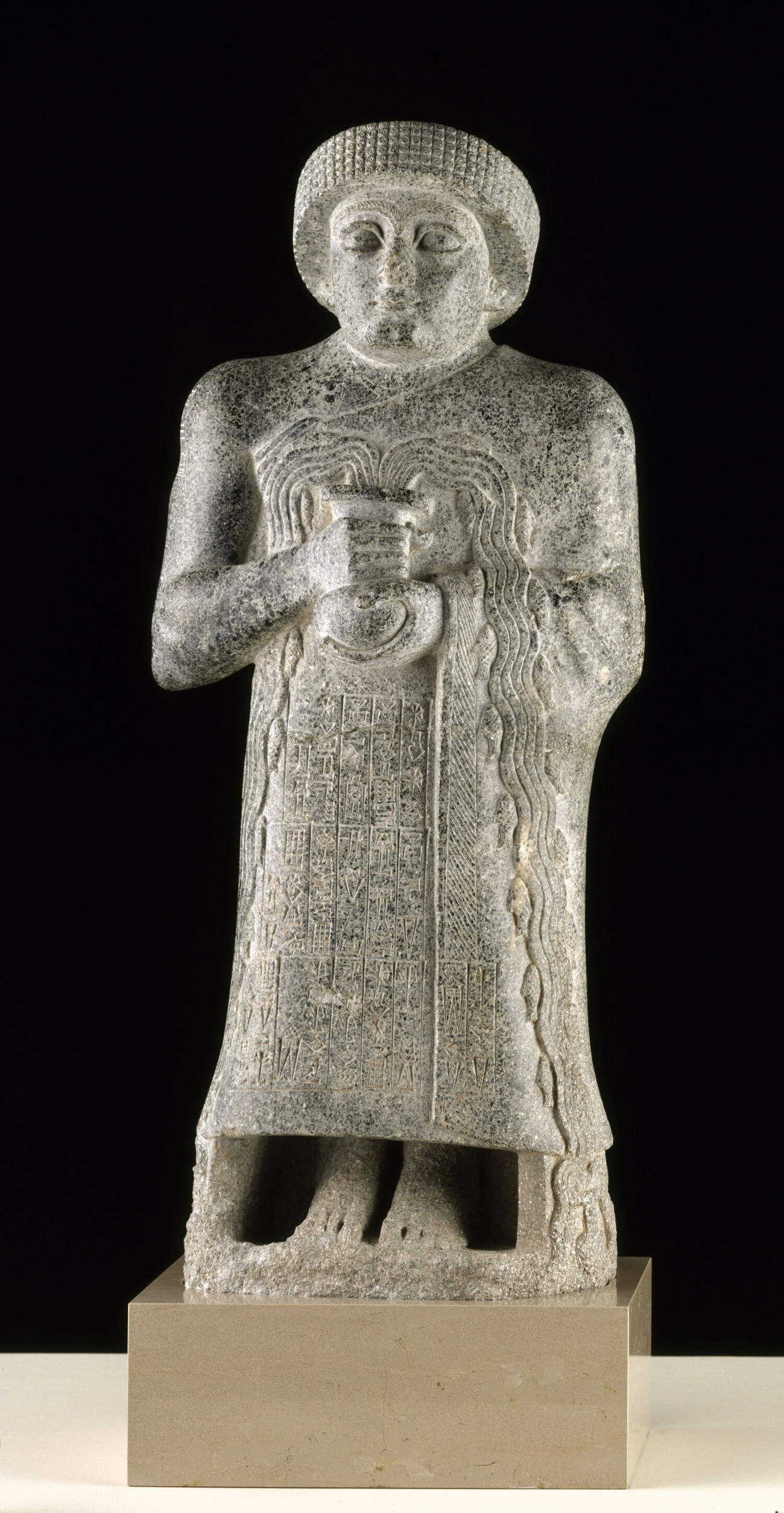
Finally, water was closely linked to political power. Considered a divine gift, it guaranteed prestige and authority to rulers, who legitimized their role through the construction and maintenance of hydraulic works that were fundamental to the prosperity of cities and the countryside. At the same time, control of water resources fueled rivalries and conflicts between neighboring kingdoms: water became a tool of domination, a means of communication and trade, but also a strategic weapon used to weaken enemies by depriving them of the resources they needed to survive.
Through a reinterpretation of the Louvre’s Near Eastern collections, Primordial Water: Lessons from Mesopotamia thus aims to propose a broad and topical reflection on the relationship between man, nature and resource management, demonstrating how the challenges faced by ancient civilizations continue to interrogate our present.
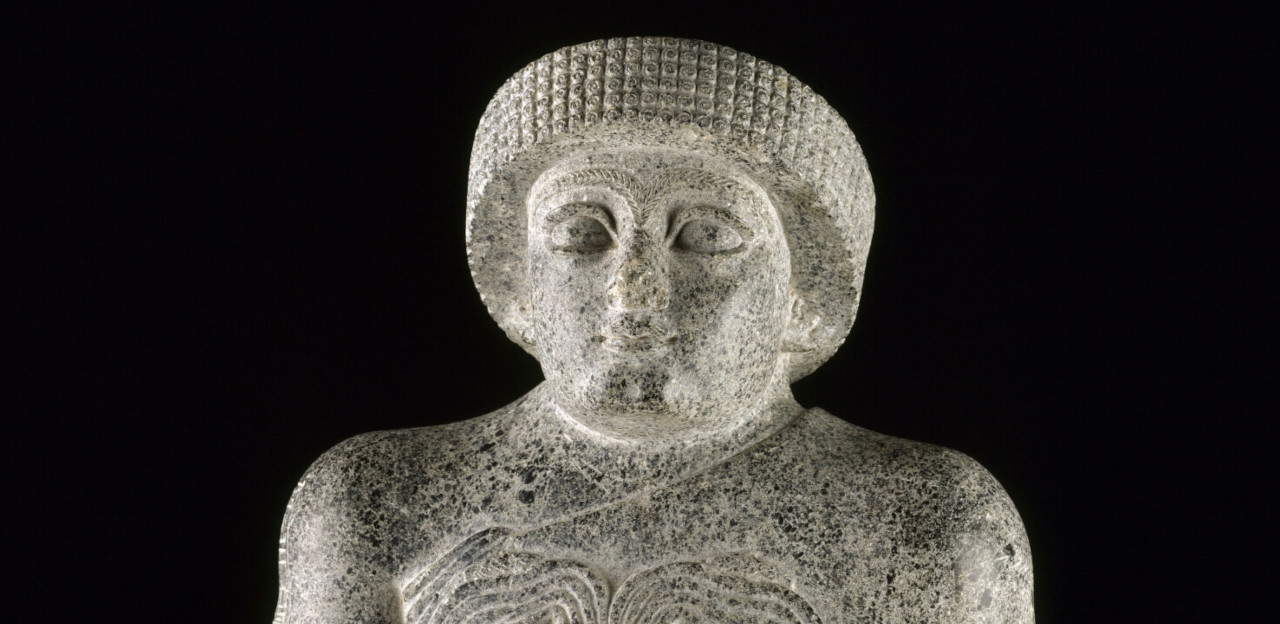 |
| At the Louvre, an exhibition leads to the discovery of ancient Mesopotamia through the theme of water |

Warning: the translation into English of the original Italian article was created using automatic tools. We undertake to review all articles, but we do not guarantee the total absence of inaccuracies in the translation due to the program. You can find the original by clicking on the ITA button. If you find any mistake,please contact us.





























 IT
IT FR
FR DE
DE ES
ES CN
CN


