




The Castello di Rivoli Museo d’Arte Contemporanea hosts, from April 29 to September 20, 2026, El glaciar ido(The vanished glacier / The vanished glacier), the first solo exhibition in an Italian museum dedicated to Cecilia Vicuña. Born in Santiago, Chile in 1948 and now working in New York, Vicuña is a multifaceted artist: poet, performer and activist. Her deeply feminist and ecologist approach addresses issues such as the defense of democracy, freedom of expression and decolonial practices geared toward the preservation of indigenous cultures. Her work traverses different languages, from poetry to video, from painting to installations, both intimate and monumental, and is guided by the concept of precarity, which since the 1960s she has defined as “Precarious Art.” Favoring simple and salvaged materials, often collected from the places where he works, the artist creates ephemeral and participatory interventions in dialogue with communities.
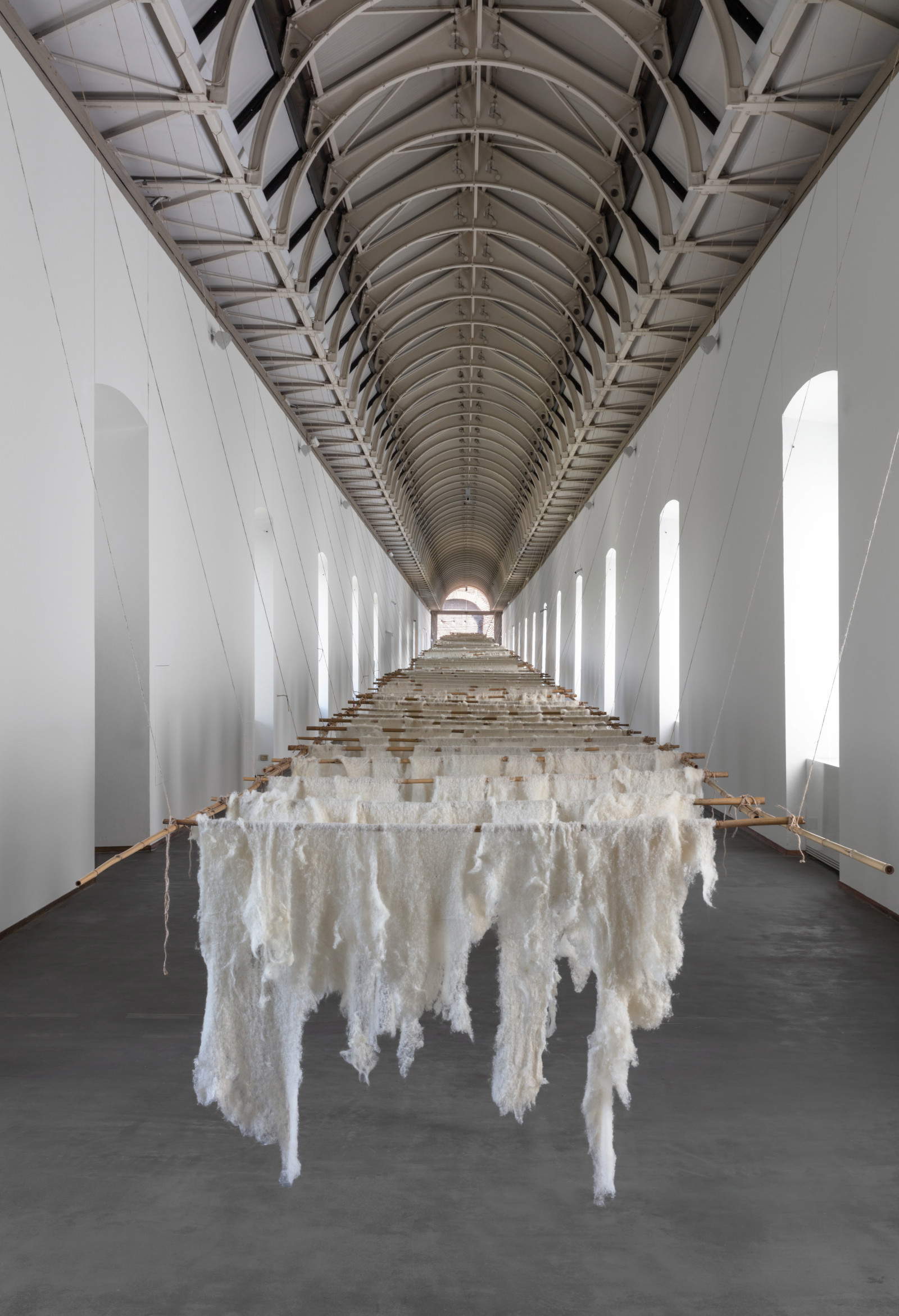
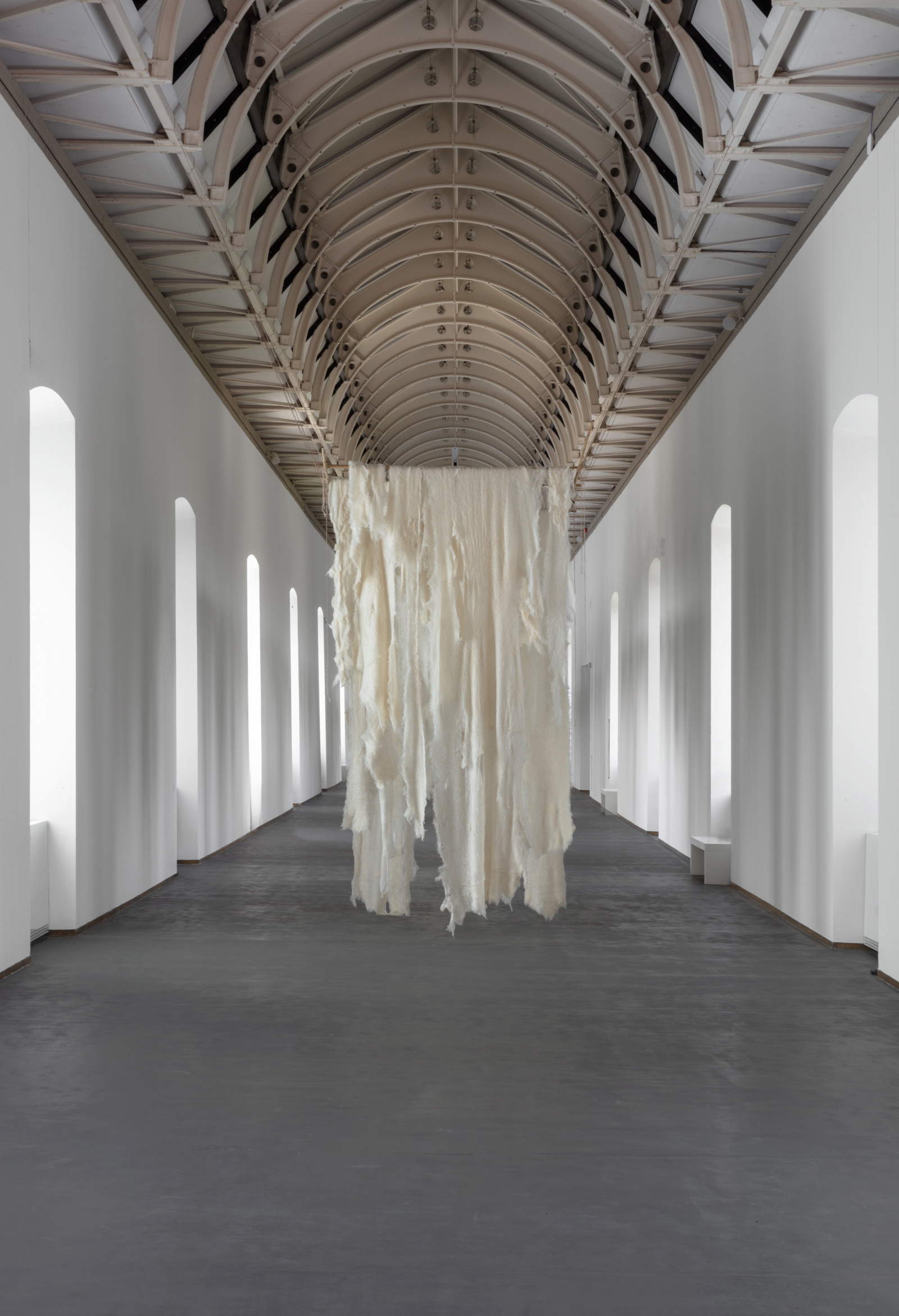
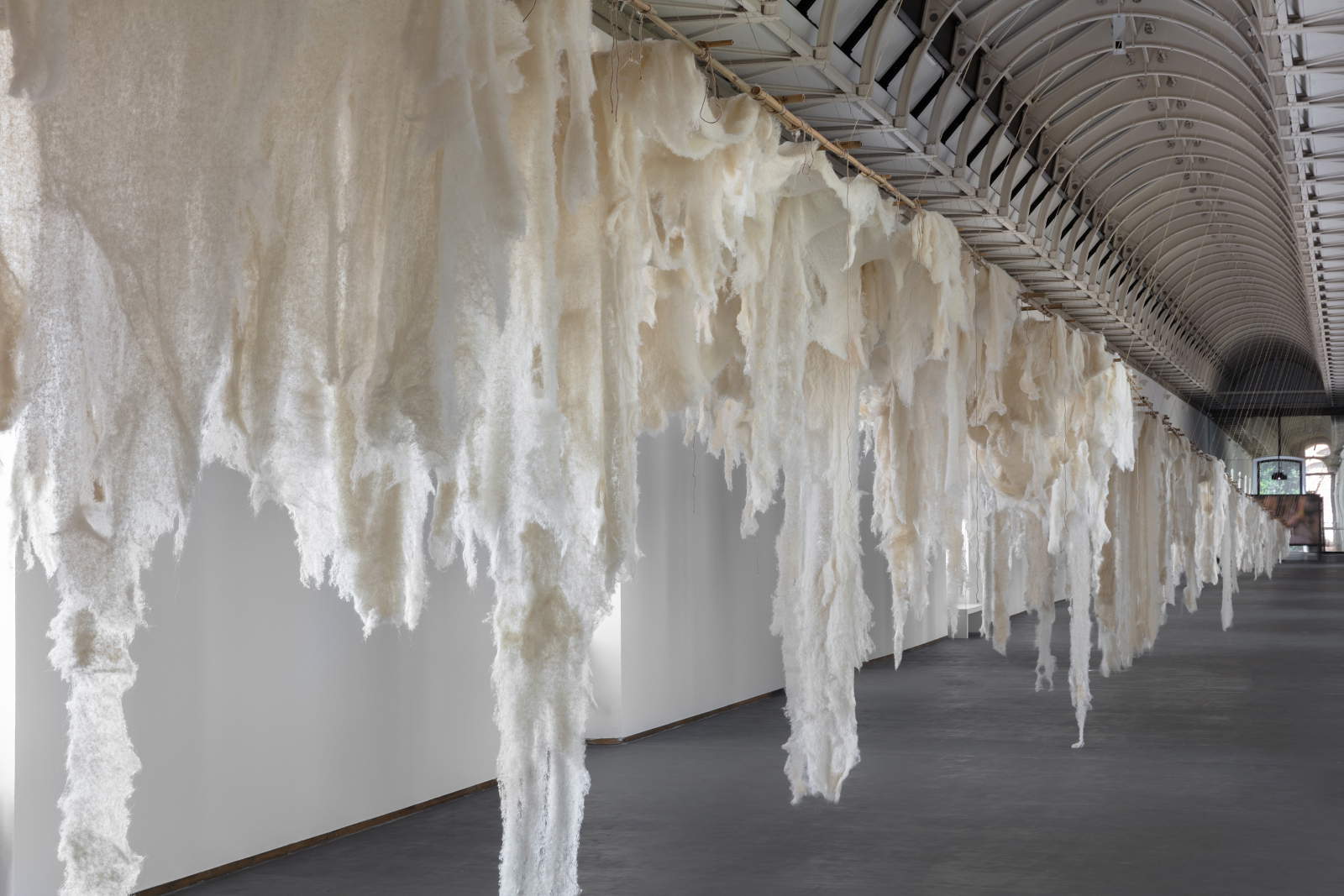
Curated by Marcella Beccaria, the exhibition presents anew work conceived for the Manica Lunga of the Castle. Designed specifically for this space, the installation takes the form of a quipu acostado, orhorizontal installation suspended at different heights. Quipu (knots in the Quechua language), knotted string systems used by ancient Andean and Inca civilizations to record administrative, astronomical, and narrative information, are reinterpreted by Vicuña as immersive installations that connect past and present. Made from raw fibers, these elements create complex suspended compositions, resembling light and dynamic architectures.
Inside the Long Channel, the work El glaciar ido evokes the theme of transience, the flow of time and the transformation of natural elements, such as ice, water, and air, while also highlighting the impact of human action on the environment. The participatory character of the quipu is central: the work thus becomes a relational medium capable of uniting people and territories. The connection with water recalls the memory of the vanished glaciers that once shaped the landscape of the Susa Valley, where the castle is located.
The exhibition also includes video works that integrate images, sounds and songs, elements present from the beginning in the artist’s practice. Considering the fundamental role of poetry in his work, new poetic texts are also included, presented in the form of “wall poems.” Accompanying the exhibition is a publication dedicated to Vicuña’s long research on the theme of glaciers.
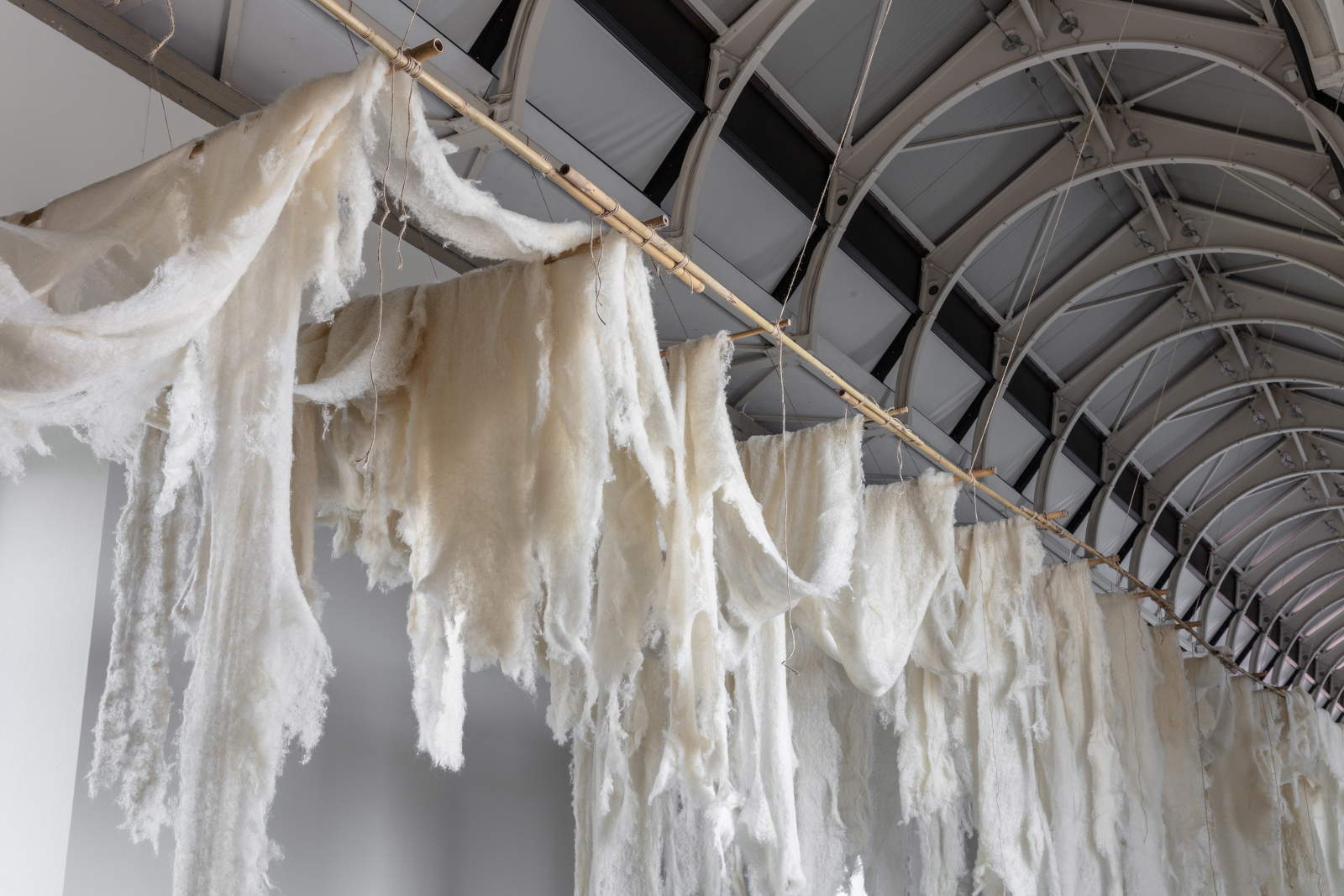
This project also marks a significant return of the artist to Castello di Rivoli, which had already presented his work in Italy in 2000 as part of the group exhibition Quotidiana. The preparation of the exhibition actively involved the territory through a participatory initiative: walks and collections of small residual materials along local waterways, such as the Dora Riparia River and the lakes of Avigliana. These elements were then used, as part of a workshop with theAlbertina Academy of Fine Arts in Turin, to create atemporary outdoor installation, developed with the creative contribution of a group of female students.
Special thanks go to Andrea Zegna for their support, and to the City of Rivoli, the City of Avigliana, the Cottian Alps Protected Areas Management Authority, and the Albertina Academy of Fine Arts in Turin for their collaboration.
“Unlike the ancient quipu,” said curator Marcella Beccaria, "Cecilia Vicuña’s contemporary quipu for the Castello di Rivoli has no knots, harking back to the progressive loss of memory and attention to the world that hosts us. The project looks at what disappears or is now gone, referring also to the desaparecidos, victims of the Chilean dictatorship, and the multitude of those who have been silenced or eliminated by repressive governments."
|
| At the Rivoli Castle the first solo exhibition in an Italian museum dedicated to Cecilia Vicuña |

Warning: the translation into English of the original Italian article was created using automatic tools. We undertake to review all articles, but we do not guarantee the total absence of inaccuracies in the translation due to the program. You can find the original by clicking on the ITA button. If you find any mistake,please contact us.
















 IT
IT FR
FR DE
DE ES
ES CN
CN


