





From June 27 to October 11, 2026, the Magazzino delle Idee in Trieste will host FOTONI, the first solo exhibition dedicated to the photographic work of Ila Bêka (Filippo Clericuzio; Latisana, 1967), a Friulian artist and filmmaker internationally recognized for her work with Louise Lemoine. The exhibition, curated by Barbara Casavecchia and produced and organized by the Regional Agency for Cultural Heritage of Friuli Venezia Giulia, represents a significant step in the reinterpretation of Bêka’s artistic practice, bringing to the public’s attention for the first time the vast and previously unpublished photographic archive built up over forty years of activity.
The exhibition project focuses on a selection of over 300 photographs, drawn from a total body of work comprising approximately 300,000 images. This visual legacy, which has remained largely private until now, documents a long practice of observing reality through the artist’s gaze. The images on display at the Magazzino delle Idee do not follow a chronological order but are arranged according to an associative and narrative logic that evokes the flow of memory and thought, constructing a free-flowing path through intuitions, emotions, and fragments of experience.
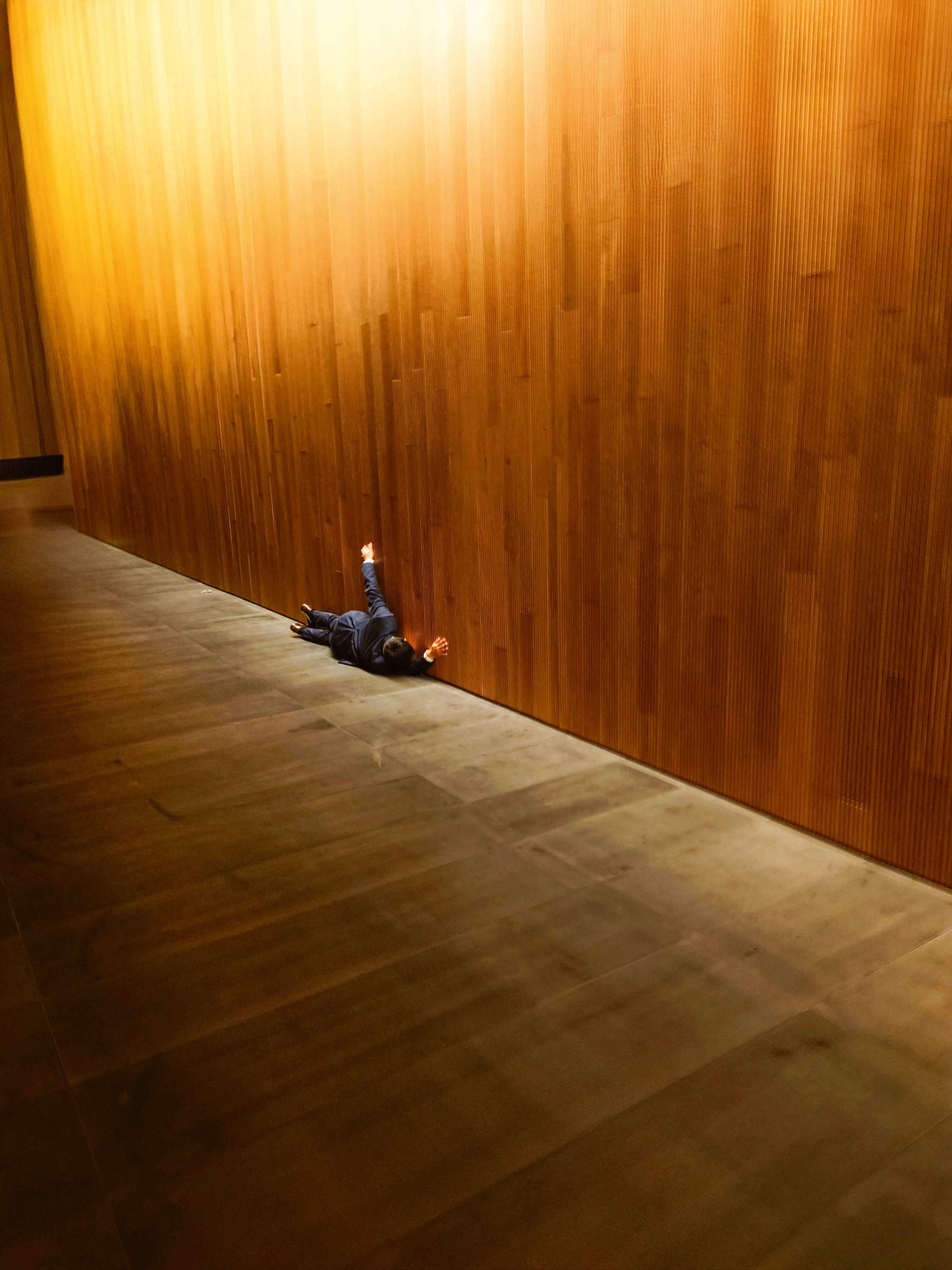
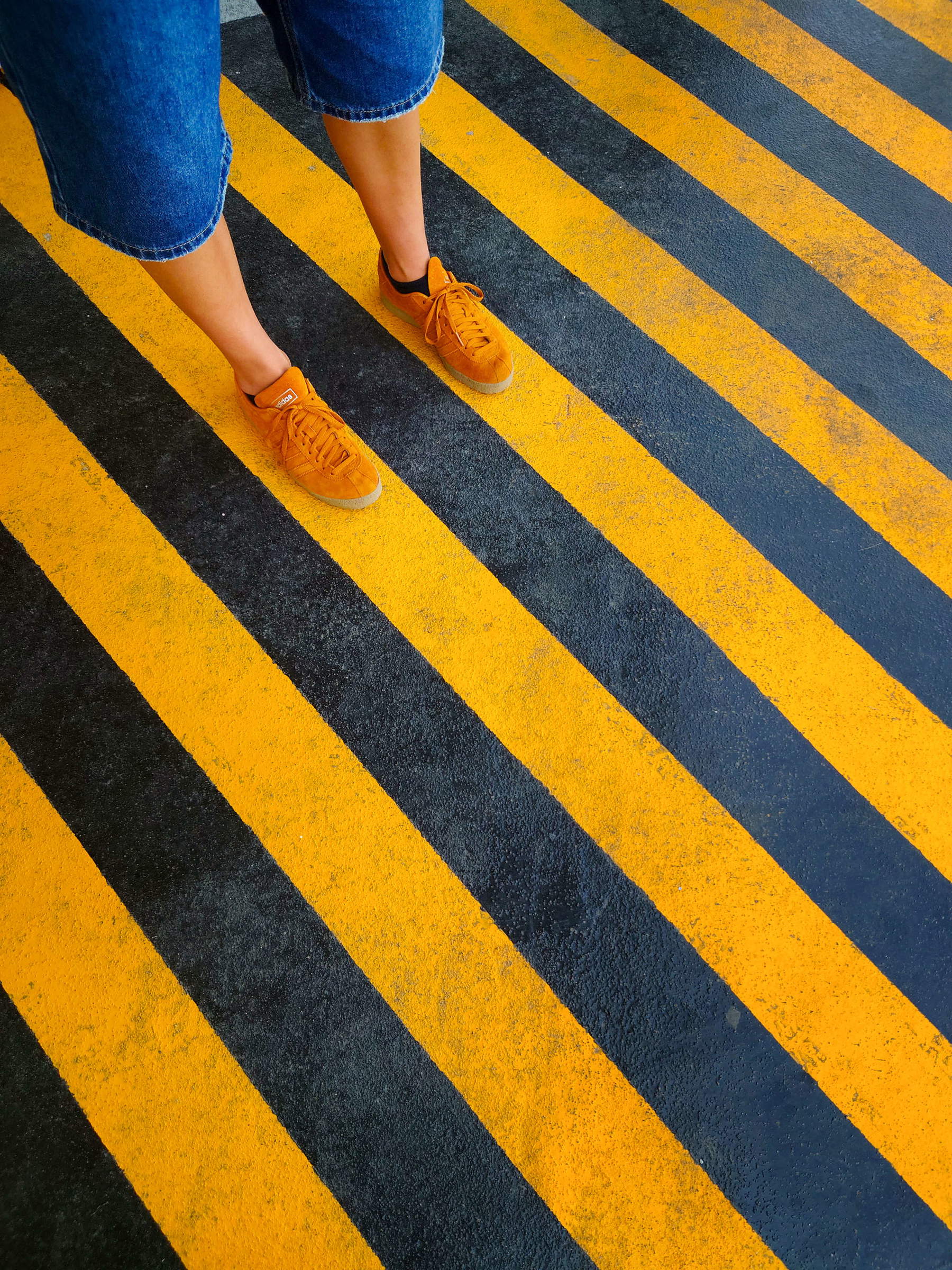
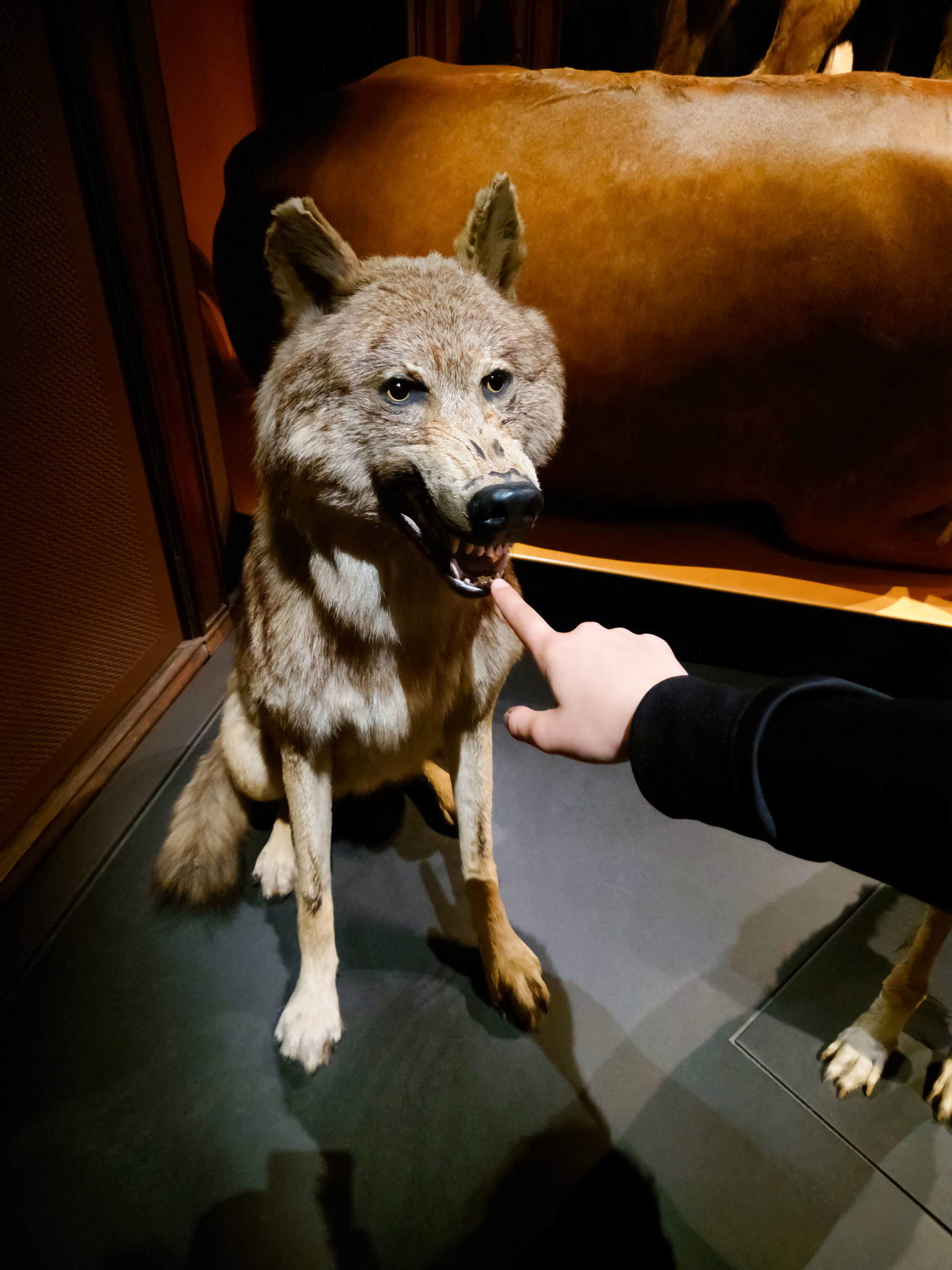
The title FOTONI refers to a scientific and philosophical dimension that runs through the entire project. The inspiration stems from Ila Bêka’s interest in quantum mechanics and, in particular, in the theory of photons developed by Albert Einstein. According to this view, light is not a continuous flow but is composed of moving elementary particles—photons—which are perceived by the human eye and transformed by the brain into images. The artist summarizes this concept with the phrase “To see is to translate photons into experience,” placing the relationship between perception, reality, and interpretation at the center of the exhibition.
The reference to quantum physics also extends to a broader reflection on the way we observe the world. As highlighted in the curatorial narrative, the contemporary scientific view describes reality as a network of relationships in which objects do not possess absolute qualities, but acquire them through interactions. From this perspective, light becomes the fundamental medium through which every visual experience takes shape, transforming into signals that the brain continuously reworks.
Alongside the theoretical dimension, the exhibition title also introduces an element of irony and self-awareness linked to Bêka’s artistic practice. Many of the images on display were in fact created as photographs taken with a cell phone, a tool the artist uses as a sort of visual notebook. These are not photographs conceived according to traditional formal canons, but rather notes, annotations, and observations gathered in daily life, in a continuous exploration of urban space and its micro-events.
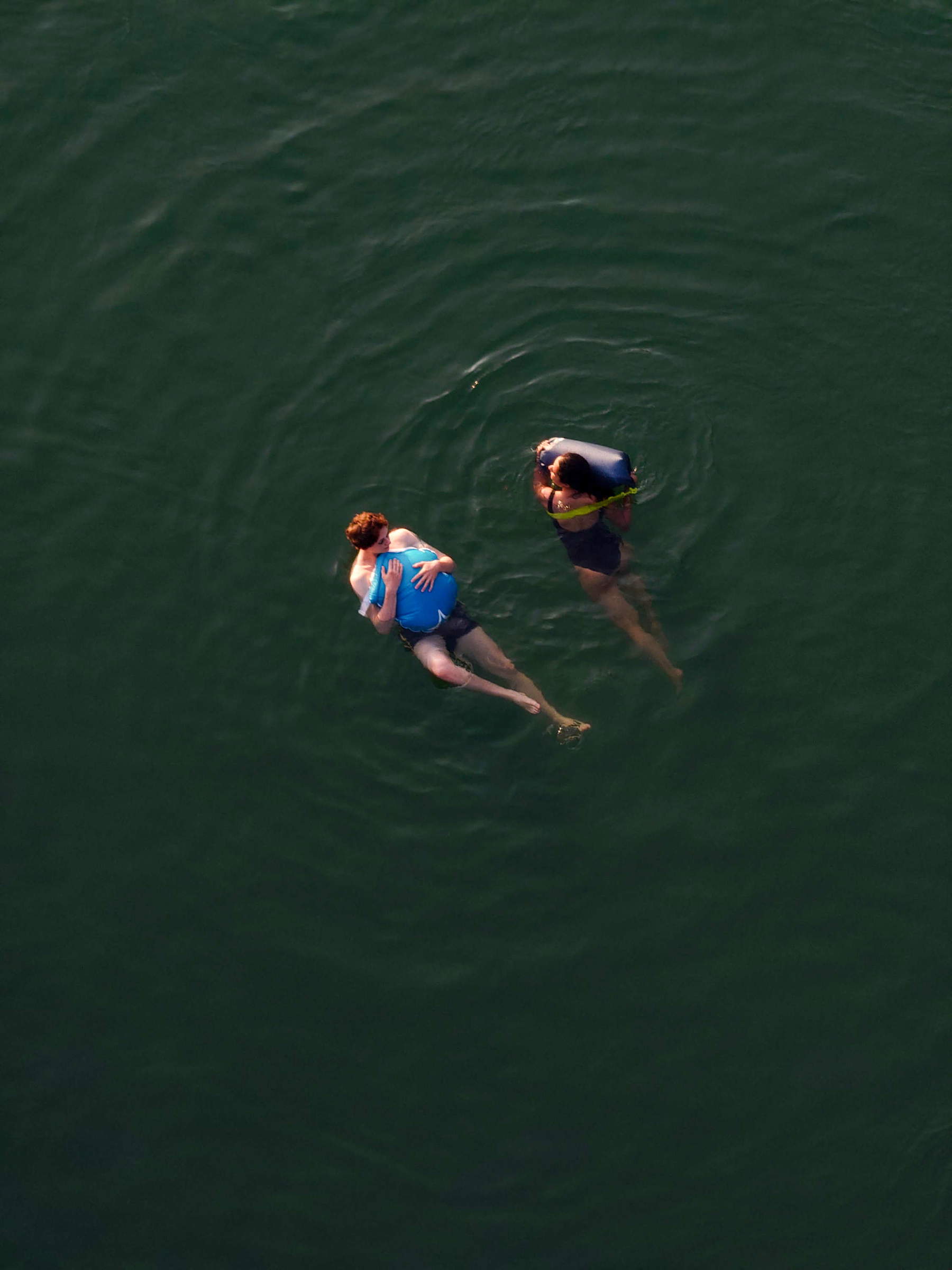
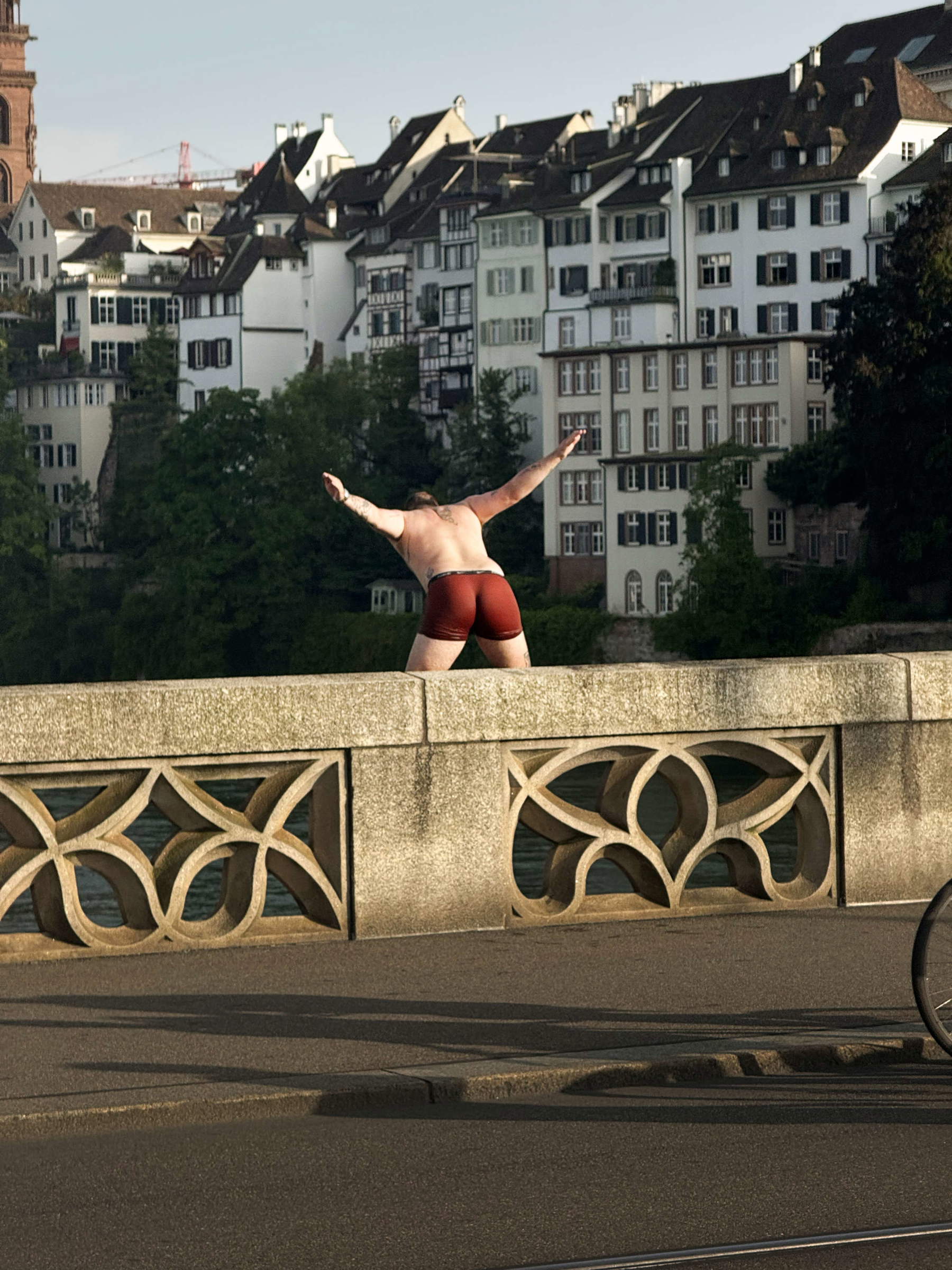
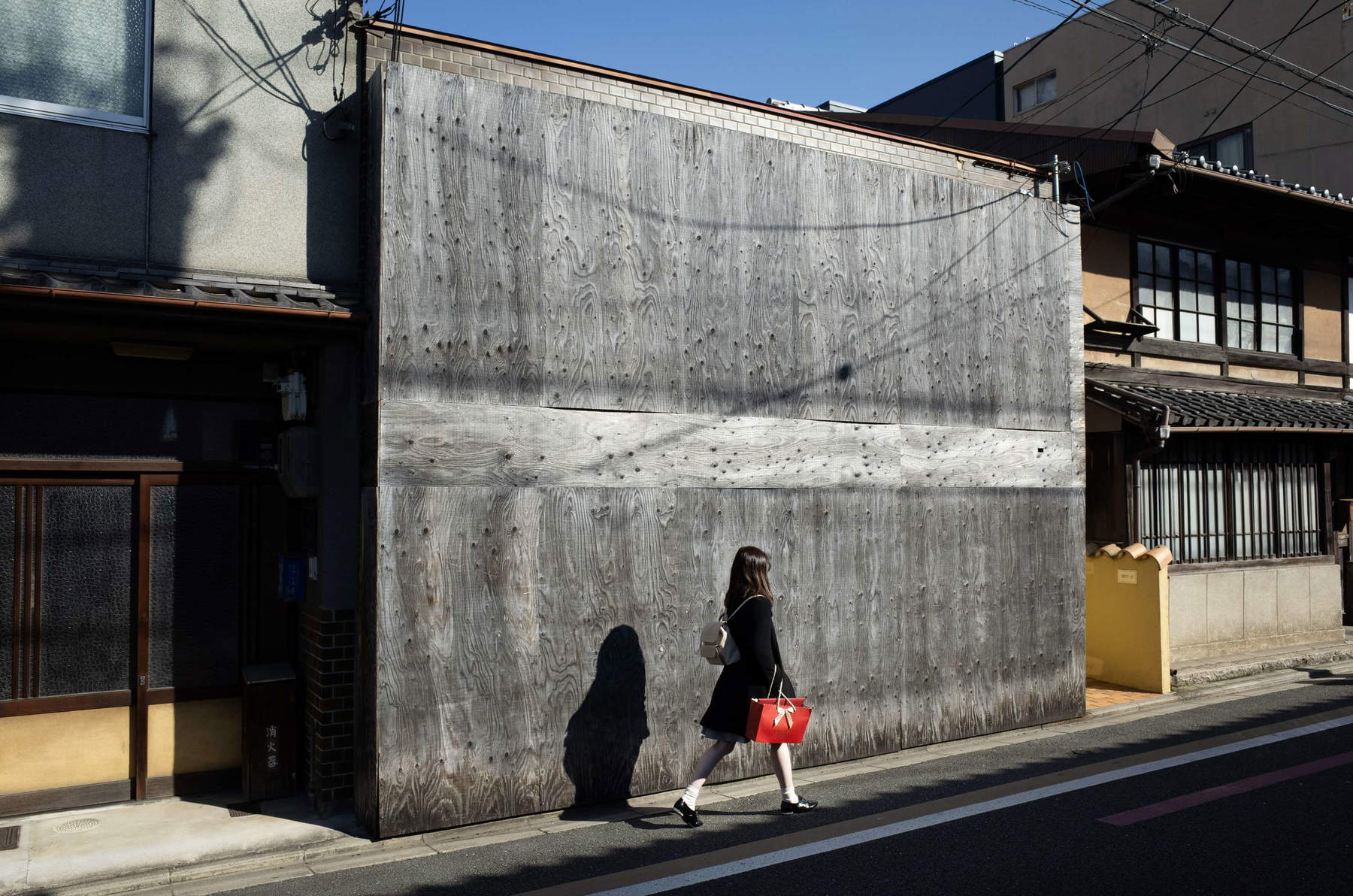
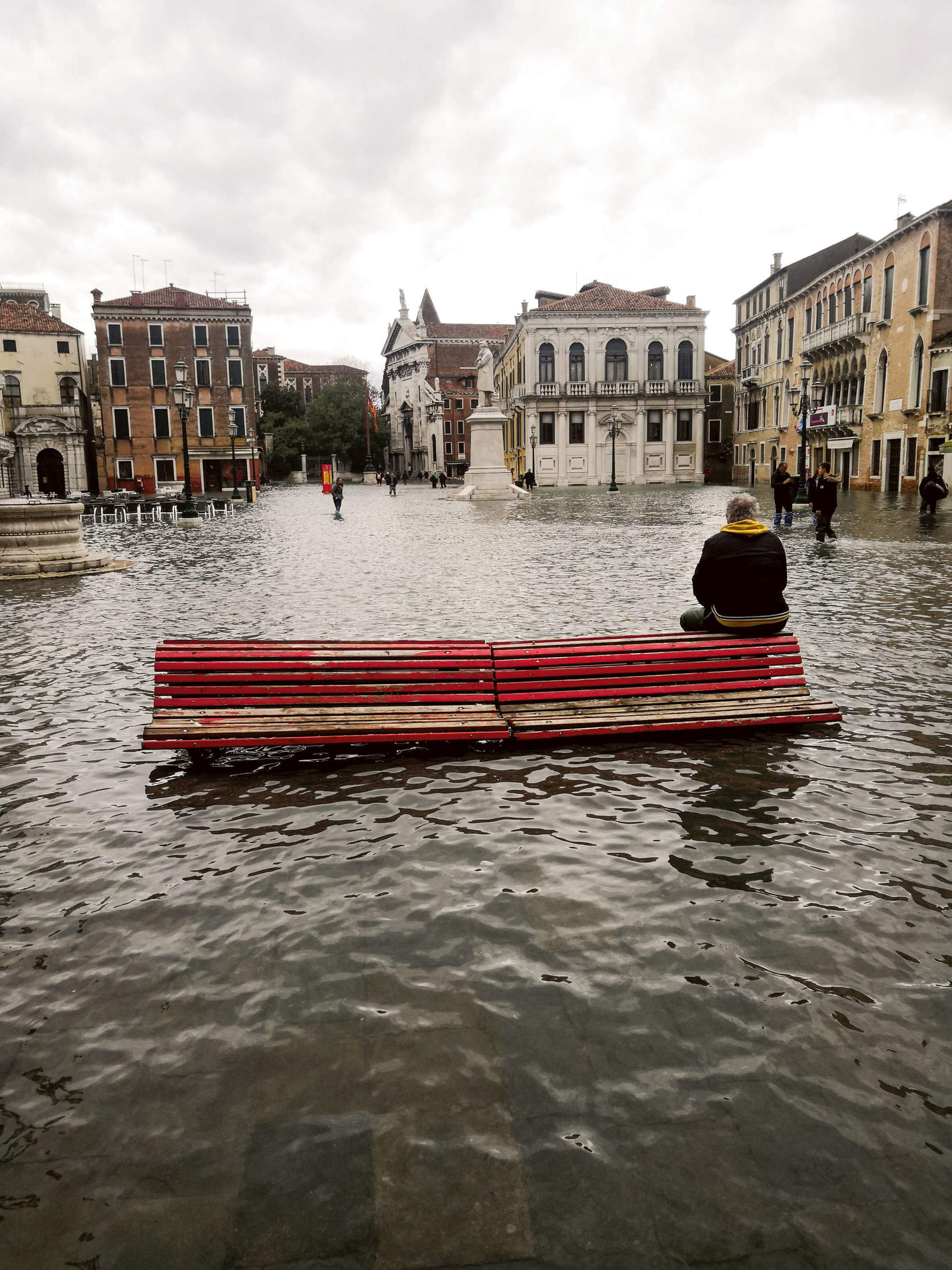
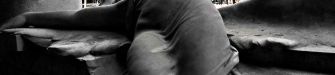
The exhibition highlights two main thematic strands that run through the entire archive: the body and light. The first emerges above all in the photographic series linked to the artist’s adolescence in Latisana, the birthplace of Ila Bêka—born in 1967 as Filippo Clericuzio—and in the images taken along the nearby coast of Lignano Sabbiadoro. In these shots, the body becomes a dynamic element, observed in its relationship with space, light, and the movement of daily life. The second thematic axis is represented by light, understood as the primary material of vision. The photographs selected for the exhibition explore light in its many manifestations, from reflections in the dark to sudden flashes and areas of shadow, constructing a visual lexicon that moves between abstraction and reality. In this context, light is not merely a technical element of photography but becomes the very subject of the image, the generative principle of perception and visual narration.
According to curator Barbara Casavecchia, the images on display are capable of evoking a sense of primal wonder, similar to that of childhood, when the perception of light and visual phenomena still feels like an experience of discovery. The light filtering through dust, sudden reflections, or the small rainbows that form on surfaces thus become elements capable of triggering a shared sensory memory.
Many of the photographs on display are presented for the first time printed on photographic paper in non-standard formats. The size of the works is not predefined, but varies according to the expressive needs of each image. This choice reflects the idea, central to the project, that there is no single possible form for representing the world, just as quantum physics suggests the existence of multiple simultaneous states and configurations of reality.
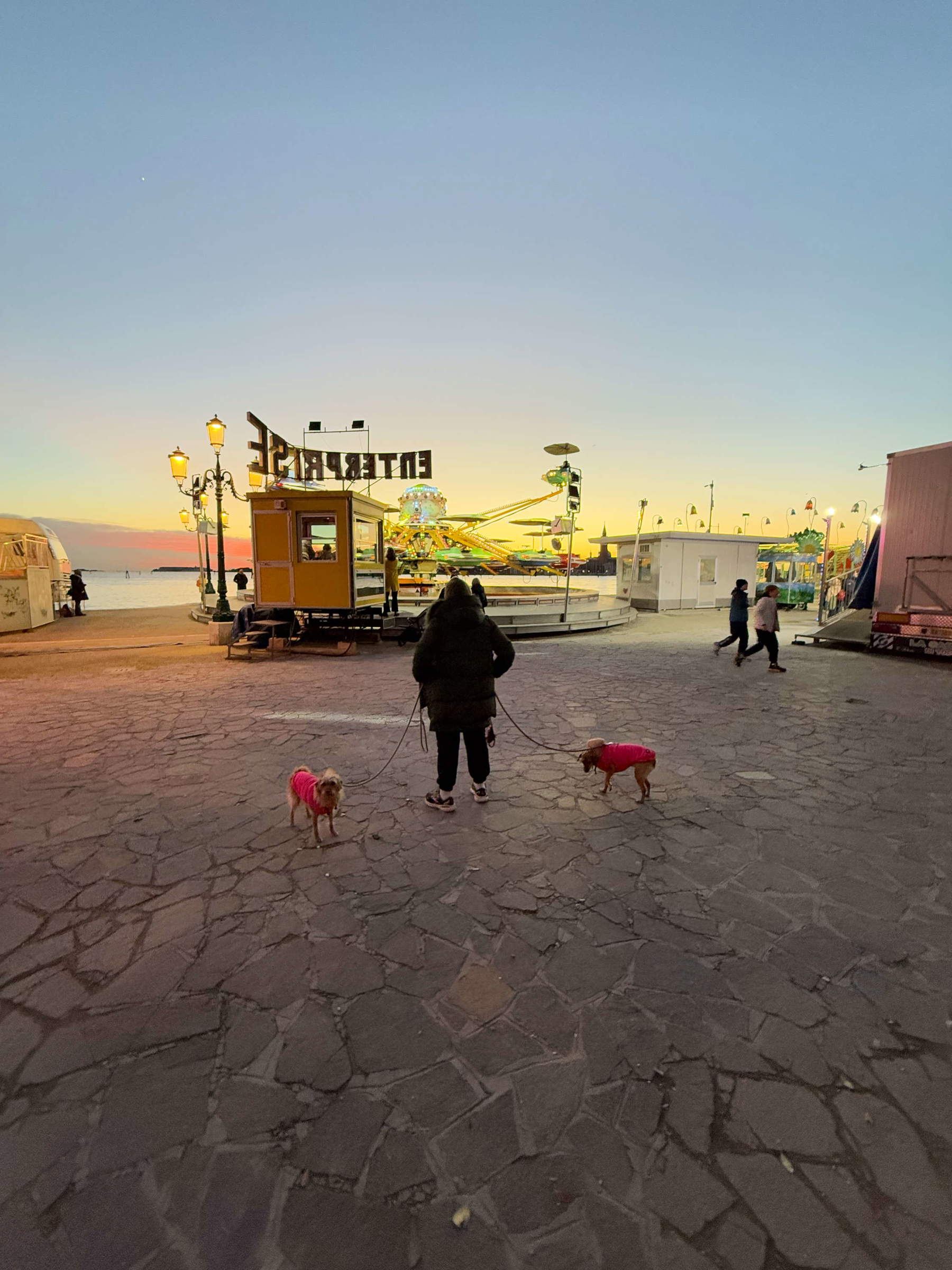
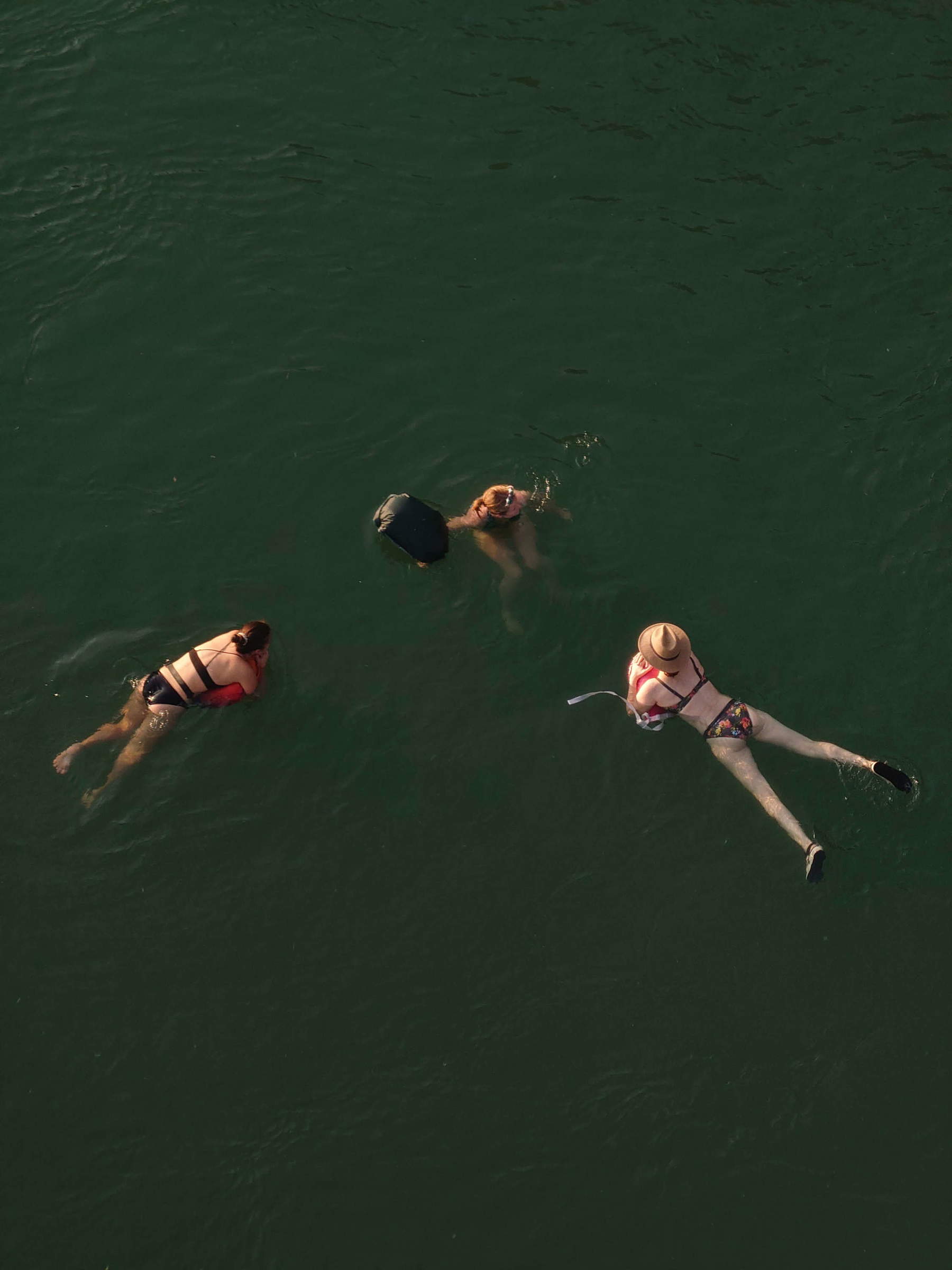

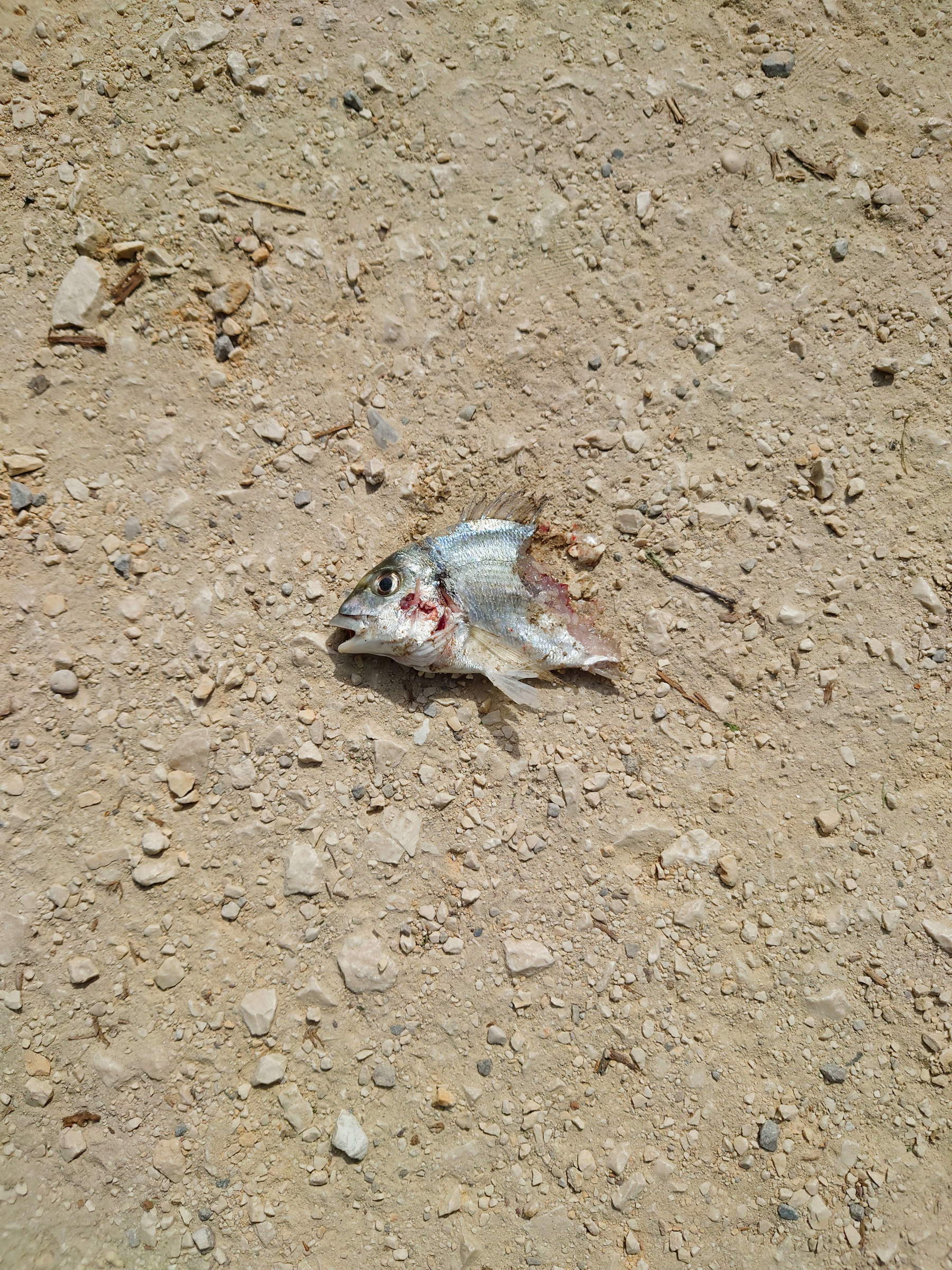
The curation of the exhibition was guided by the desire to select images capable of reactivating the viewer’s gaze. Ila Bêka herself describes this process as an attempt to identify, within her own archive, photographs capable of generating new forms of perception. The exhibition thus becomes a sort of visual montage, an operation that directly evokes cinematic language.
This aspect is further underscored by the reference to the work of the duo Bêka & Lemoine, who have been active for over twenty years in producing films that explore the relationship between space, architecture, and perception. Here too, the montage does not follow a rigid narrative structure but is constructed through fragments, encounters, and emotional experiences. It is no coincidence that the duo’s entire body of work was acquired in 2016 by MoMA in New York, becoming part of the museum’s permanent collection.
The exhibition catalog, published by Miracoli, accompanies the project with a critical essay by the curator and three conversations dedicated to the artist’s work.
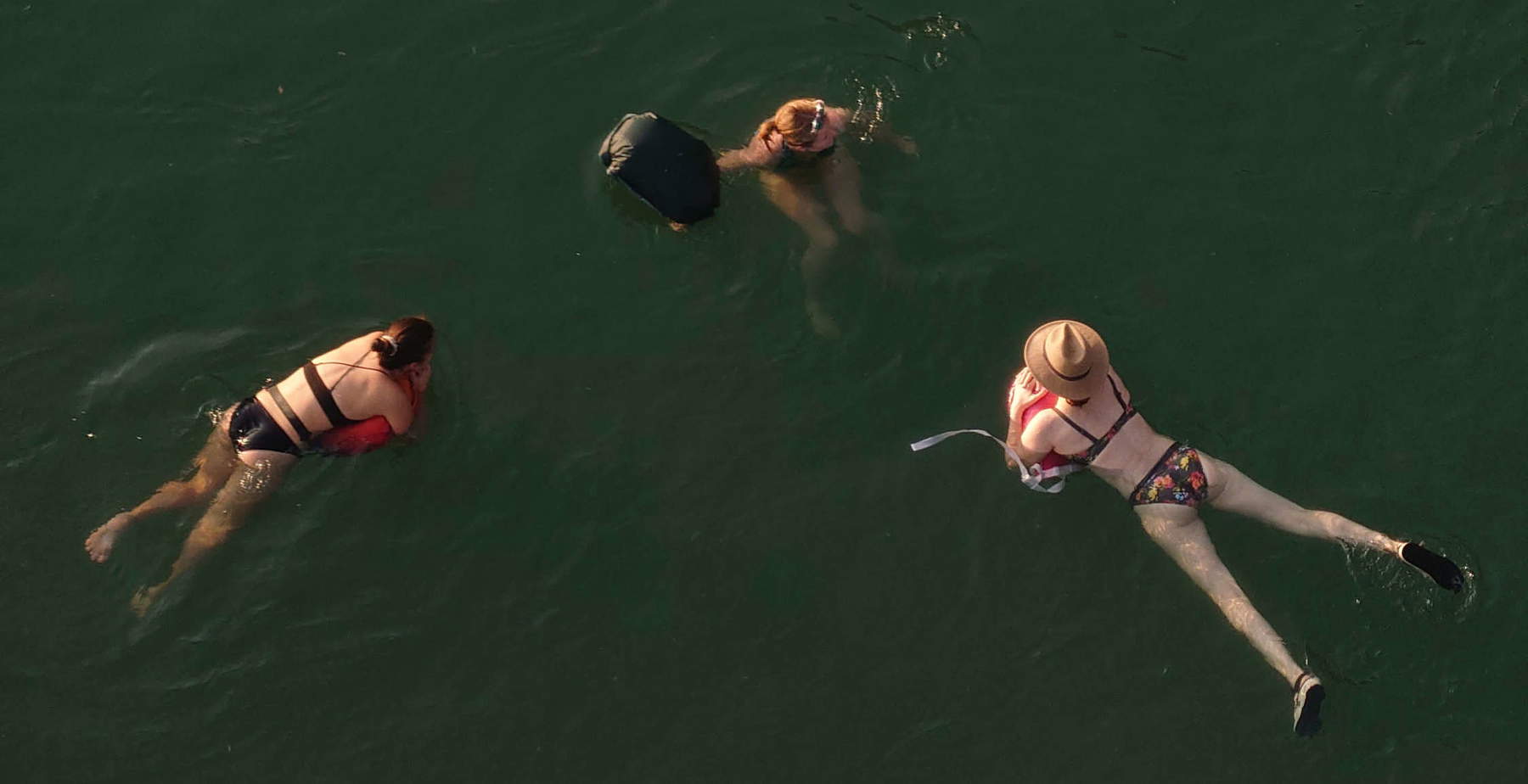 |
| “Fotoni,” Ila Bêka’s first photography exhibition, opens at the Magazzino delle Idee in Trieste |

Warning: the translation into English of the original Italian article was created using automatic tools. We undertake to review all articles, but we do not guarantee the total absence of inaccuracies in the translation due to the program. You can find the original by clicking on the ITA button. If you find any mistake,please contact us.






















 IT
IT FR
FR DE
DE ES
ES CN
CN


