





Between the late 19th century and the early decades of the 20th century, Barcelona was a creative hub where artists and architects experimented with new forms of expression, giving rise to a movement that would change the course of art history. This is the world that takes shape at Palazzo Albergati in Bologna with the exhibition *From Gaudí to Picasso: Masterpieces from the Carmen Thyssen Collection*, on view from October 9, 2026, to March 29, 2027.
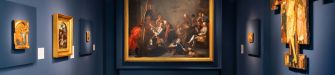
The exhibition brings together over one hundred works by forty artists, many of which are on view in Italy for the first time. The exhibition takes visitors on a journey through the artistic transformations of the Catalan capital, placing figures such as Antoni Gaudí, Pablo Picasso, Joan Miró, and Salvador Dalí in dialogue with other key figures of the cultural scene of the time.
At the heart of the exhibition are works from the private collection of Baroness Carmen Thyssen, which are destined to become part of the collection of the future Museu Carmen Thyssen in Barcelona. This collection is complemented by significant loans from Catalan institutions and private collections, including the Fundació Catalunya La Pedrera, the Fundació Joan Miró, the Museu de Montserrat, the Museu del Disseny de Barcelona, and the Sala Parés.
Curated by Jordi Falgàs, the exhibition is the result of a collaboration between Arthemisia and the Museu Carmen Thyssen Barcelona, with the support of the Spanish Embassy in Italy and the City of Bologna.
Also on display are period films, archival photographs, and immersive reconstructions, which aim to help recreate the atmosphere of a city in the midst of transformation.
While Paris was establishing Impressionism and Vienna was giving birth to the Secession, Barcelona was becoming one of the most dynamic centers of European culture. Urban growth, intellectual ferment, café life, and engagement with new international trends fueled a period of extraordinary vitality. Against this backdrop, artists destined to leave a profound mark on art history—such as Picasso, Miró, and Dalí—took their first steps, alongside figures like Ramon Casas, Santiago Rusiñol, Isidre Nonell, and Hermen Anglada Camarasa. Their artistic explorations unfolded amid influences, friendships, and rivalries, in a continuous exchange of ideas that helped challenge artistic conventions. The exhibition aims to recount precisely this network of relationships, showing how the avant-garde revolution took shape through dialogue between different generations and sensibilities.
A special place is reserved for Antoni Gaudí, whose centennial of death—which occurred in 1926—will be commemorated in 2026. His work represents one of the most original pinnacles of Catalan creativity and offers a unique perspective for understanding the relationship between architecture, the decorative arts, and painting. The exhibition connects the architect’s vision with the aesthetic renewal that swept through Barcelona between the late 19th and early 20th centuries, when the city’s buildings became an expression of a new artistic sensibility. The centennial thus adds further significance to the exhibition, which celebrates Gaudí as a central figure of an era that redefined the face of modernity.
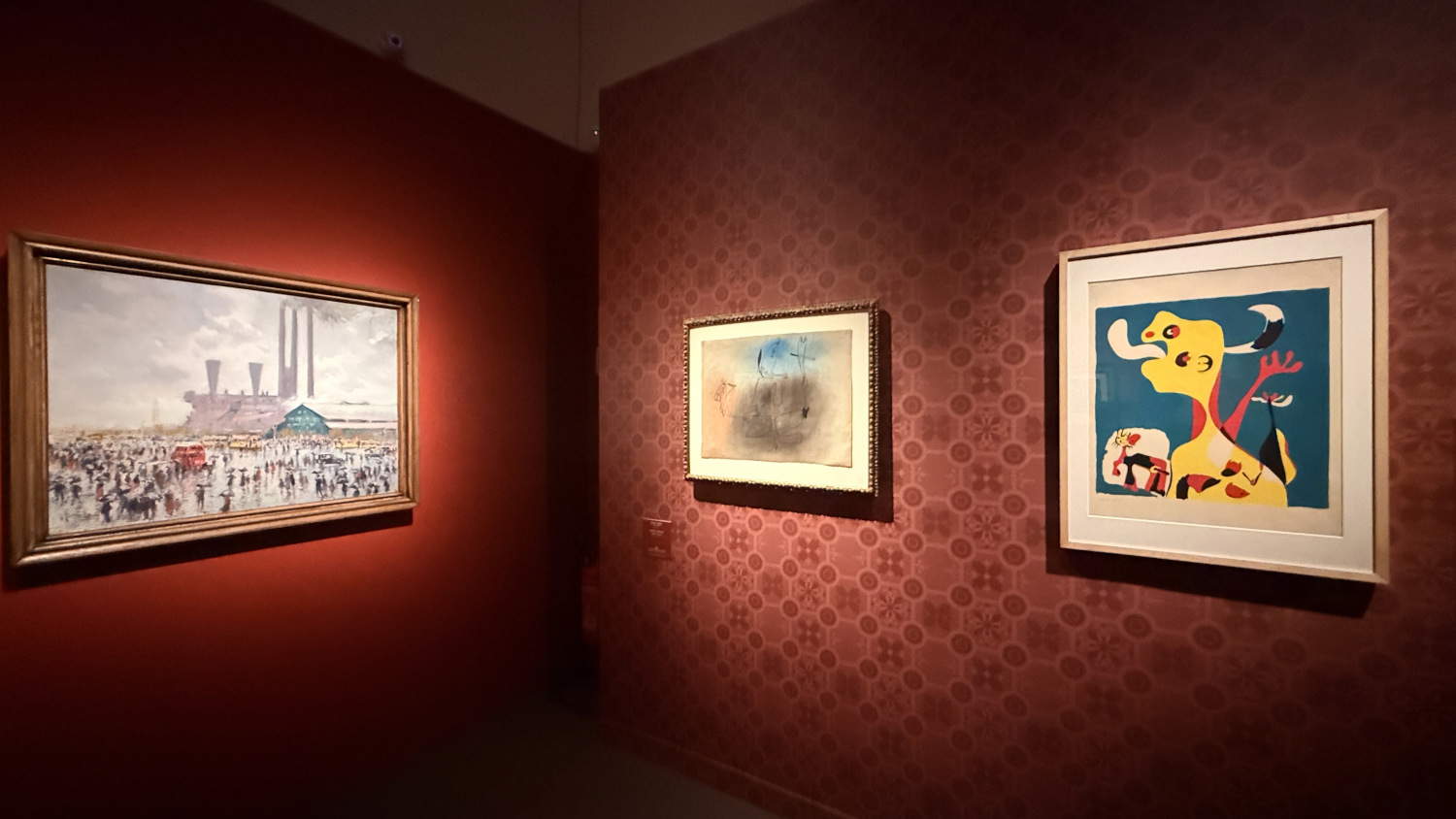
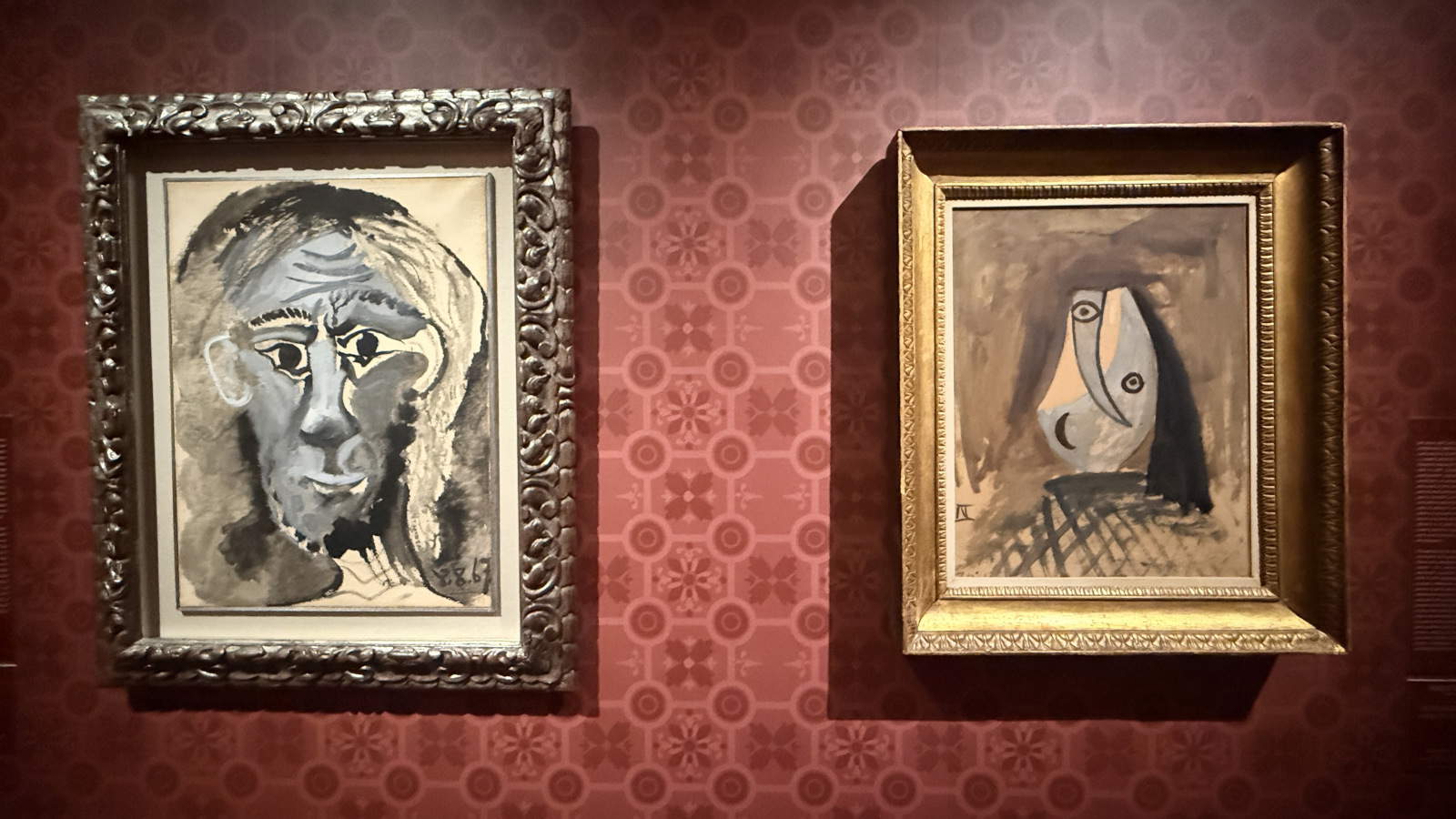
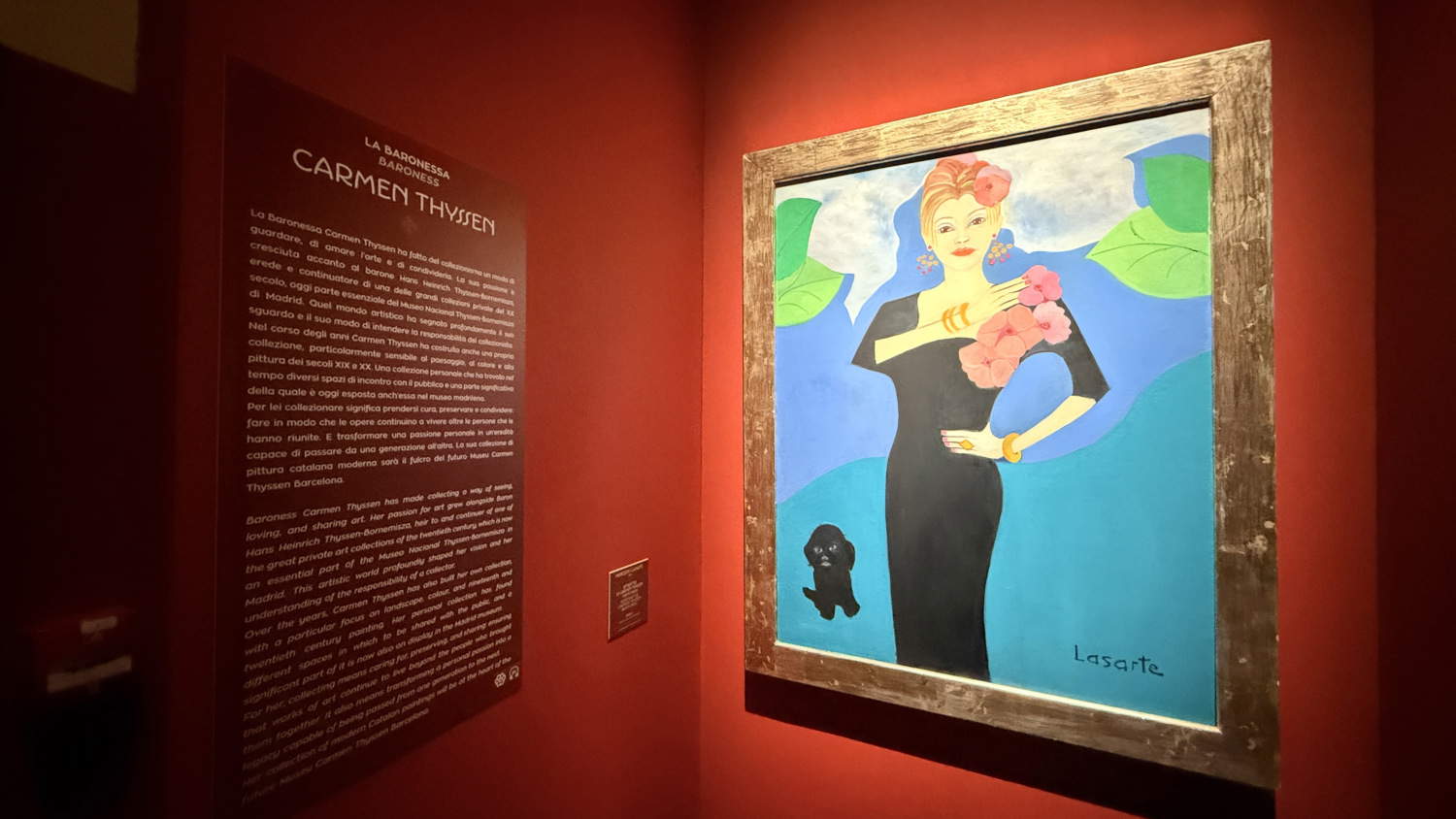
The narrative unfolds through four major periods, guiding visitors through more than a century of artistic transformations.
Realism and Naturalism: the journey begins in late-19th-century Barcelona, a rapidly expanding city. The works depict urban vistas, markets, coastal landscapes, and scenes of daily life, sensitively documenting the transformations of society.
Modernism: The exhibition then delves into the vibrant atmosphere of Catalan Modernism, a movement that encompassed painting, architecture, and the decorative arts. An iconic venue of this era was the Quatre Gats café, a bohemian hangout frequented by young artists connected to the most innovative trends on the European scene, particularly in Paris.
Noucentisme: Following modernist experimentation, artistic exploration turned toward an ideal of harmony, balance, and elegance. Artists such as Joaquim Sunyer drew inspiration from classical tradition and the Mediterranean landscape, highlighting the light, colors, and serene atmospheres of the coast.
The Avant-Gardes: The final section explores the break with traditional models. The works of Joaquim Torres-García, Rafael Barradas, and Josep de Togores, alongside those of Miró and Dalí, bear witness to the search for new ways of representing reality through Cubism, Surrealism, and abstract experimentation.
From Gaudí to Picasso: Masterpieces from the Carmen Thyssen Collection aims to offer visitors the opportunity to discover a period in which Barcelona established itself as one of the leading centers of international artistic renewal. The works brought together at Palazzo Albergati tell the story of a city undergoing profound transformations, where tradition clashed with new ideas and artistic languages, paving the way for 20th-century art. The exhibition also serves as a preview of the future Museu Carmen Thyssen Barcelona. This project brings together for the first time a significant selection from the collection and important Catalan loans, showcasing the richness of a cultural milieu that helped shape the modern imagination.
The exhibition is presented with the support of Generali Valore Cultura, the exhibition’s sponsor, and Frecciarossa, the official train partner. The catalog is published by Moebius.
|
| From Gaudí to Picasso: Over 100 Works from the Carmen Thyssen Collection in Bologna |

Warning: the translation into English of the original Italian article was created using automatic tools. We undertake to review all articles, but we do not guarantee the total absence of inaccuracies in the translation due to the program. You can find the original by clicking on the ITA button. If you find any mistake,please contact us.



















 IT
IT FR
FR DE
DE ES
ES CN
CN


