





From June 27 to November 29, 2026, the venues in Gorizia and Gradisca d’Isonzo will once again take center stage in an exhibition project dedicated to the cultural, social, and economic transformations of the 1970s. Palazzo Attems Petzenstein in Gorizia will host the exhibition *Italia Settanta: Creativity as an Antidote—Art, Fashion, Design*, the latest chapter in a series launched by ERPAC FVG exploring post-World War II transformations, following previous installments on the 1950s and 1960s.
The exhibition project is part of an exploration of the country’s visual memory and the relationship between different creative languages. The focus of the Gorizia exhibition, curated by Raffaella Sgubin, Carla Cerutti, Lorenzo Michelli, and Enrico Minio Capucci and designed by the Roberto Festi studio, centers on the dialogue between art, fashion, and design in a decade marked by profound economic and cultural changes.
At the same time, in Gradisca d’Isonzo, the “Luigi Spazzapan” Regional Gallery of Contemporary Art is presenting the project FVG Settanta. Visual Arts in Friuli Venezia Giulia in the 1970s, dedicated to the region’s role as a crossroads of artistic experiences spanning Trieste, Udine, Pordenone, and the Isonzo area. The exhibition stems from archival research in public and private collections, with the aim of reconstructing cultural networks, key figures, and exhibition dynamics.
The section dedicated to the visual arts in the Gorizia exhibition highlights the plurality of artistic languages of the 1970s, characterized by the absence of a unified direction. Alongside painting and conceptual art, installations, environmental interventions, and experimental practices emerge. The exhibition features works by Alberto Burri and Afro, along with artists such as Gino De Dominicis, Giorgio Griffa, Rodolfo Aricò, Marco Gastini, Getulio Alviani, Carlo Ciussi, and Lucio Saffaro. Ugo Nespolo is also featured, while an installation by Michelangelo Pistoletto introduces the relational dimension of the artwork.
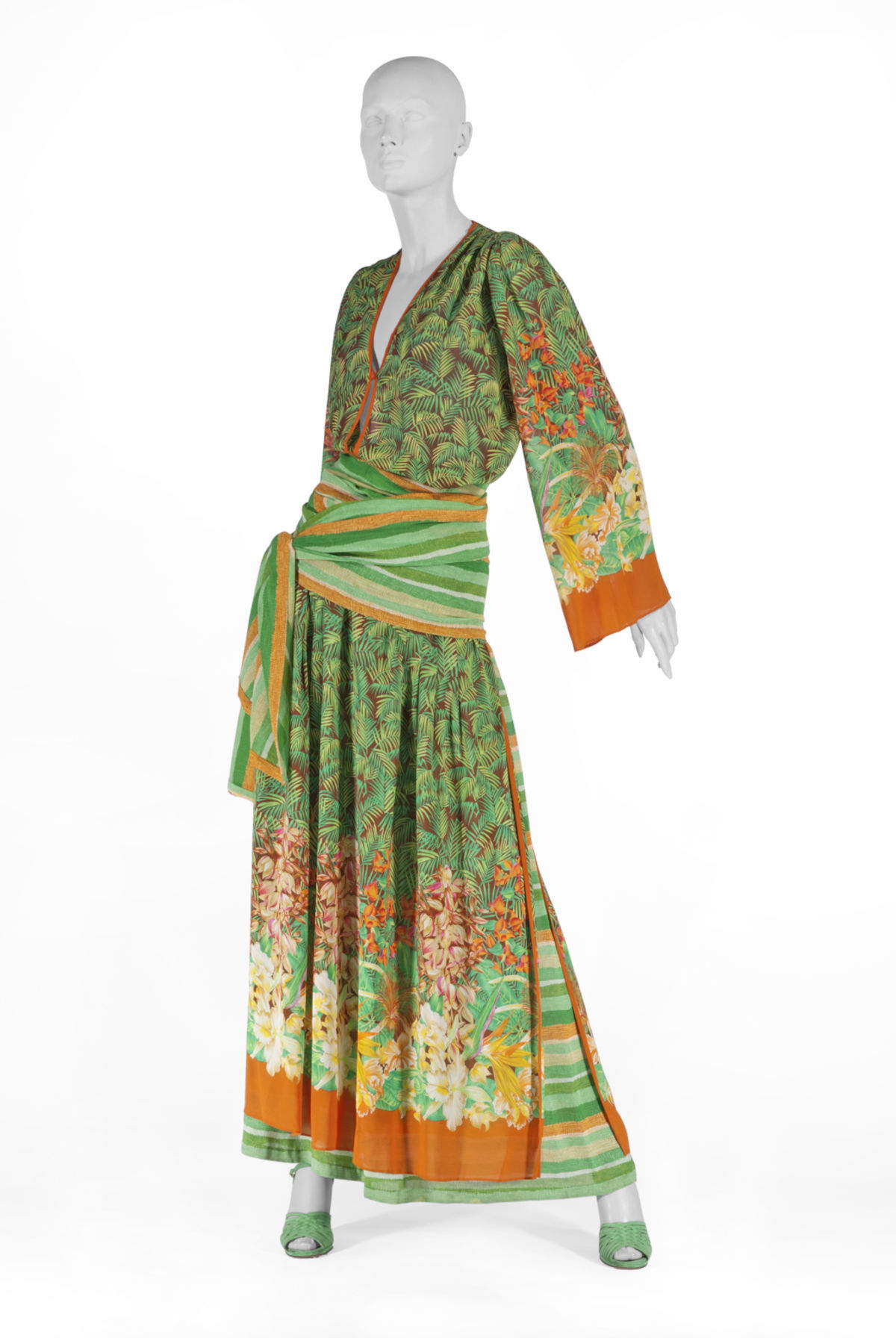
The fashion section traces the transition to prêt-à-porter and the emergence of the figure of the fashion designer, a term associated with Walter Albini. Milan assumes a central role in the “Made in Italy” system. Highlights include the designs of Missoni, Giorgio Armani, and Elio Fiorucci, as well as Roberto Capucci’s “Cretto” sculptural coat, which incorporates natural materials into the fabric and engages with contemporary artistic trends.
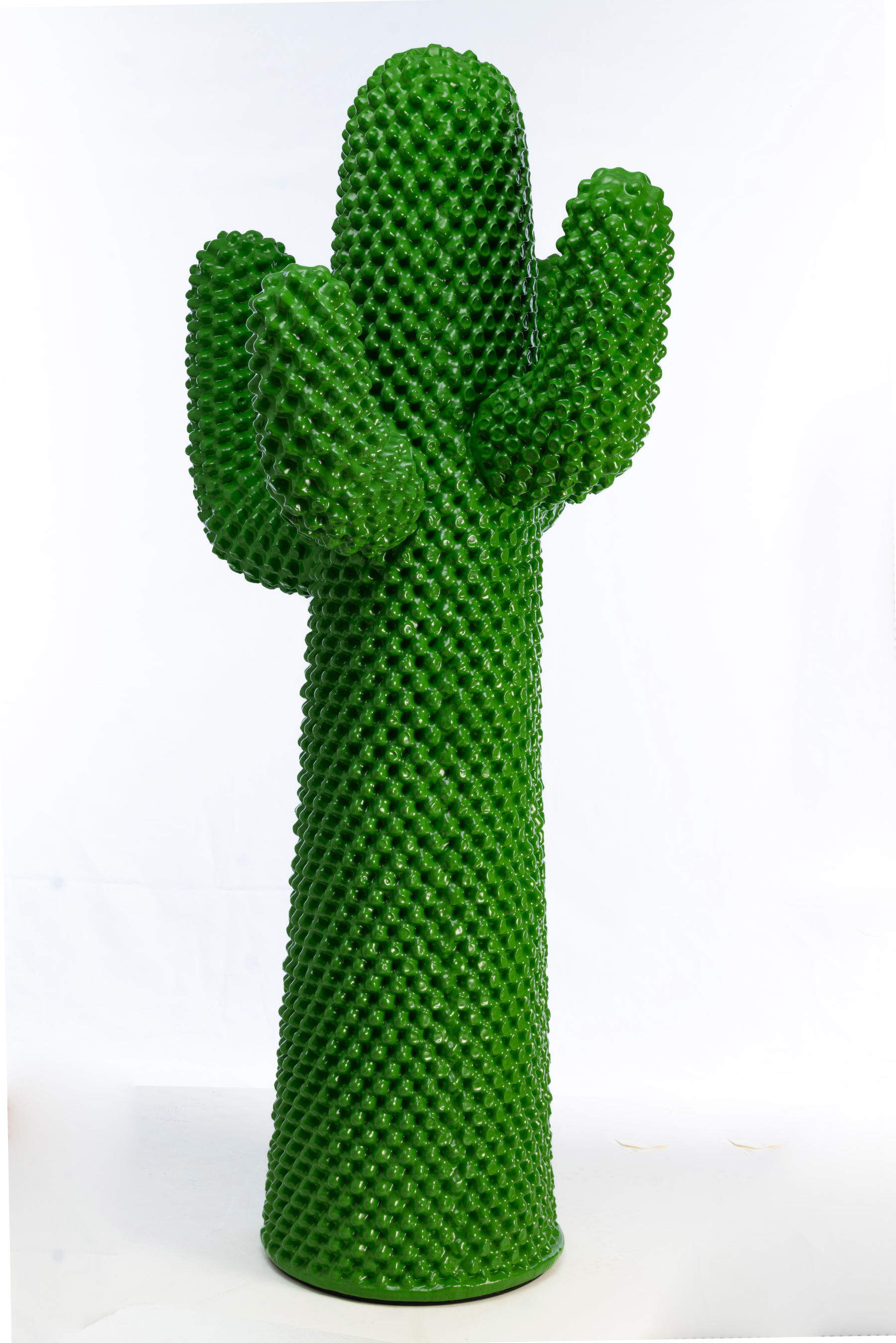
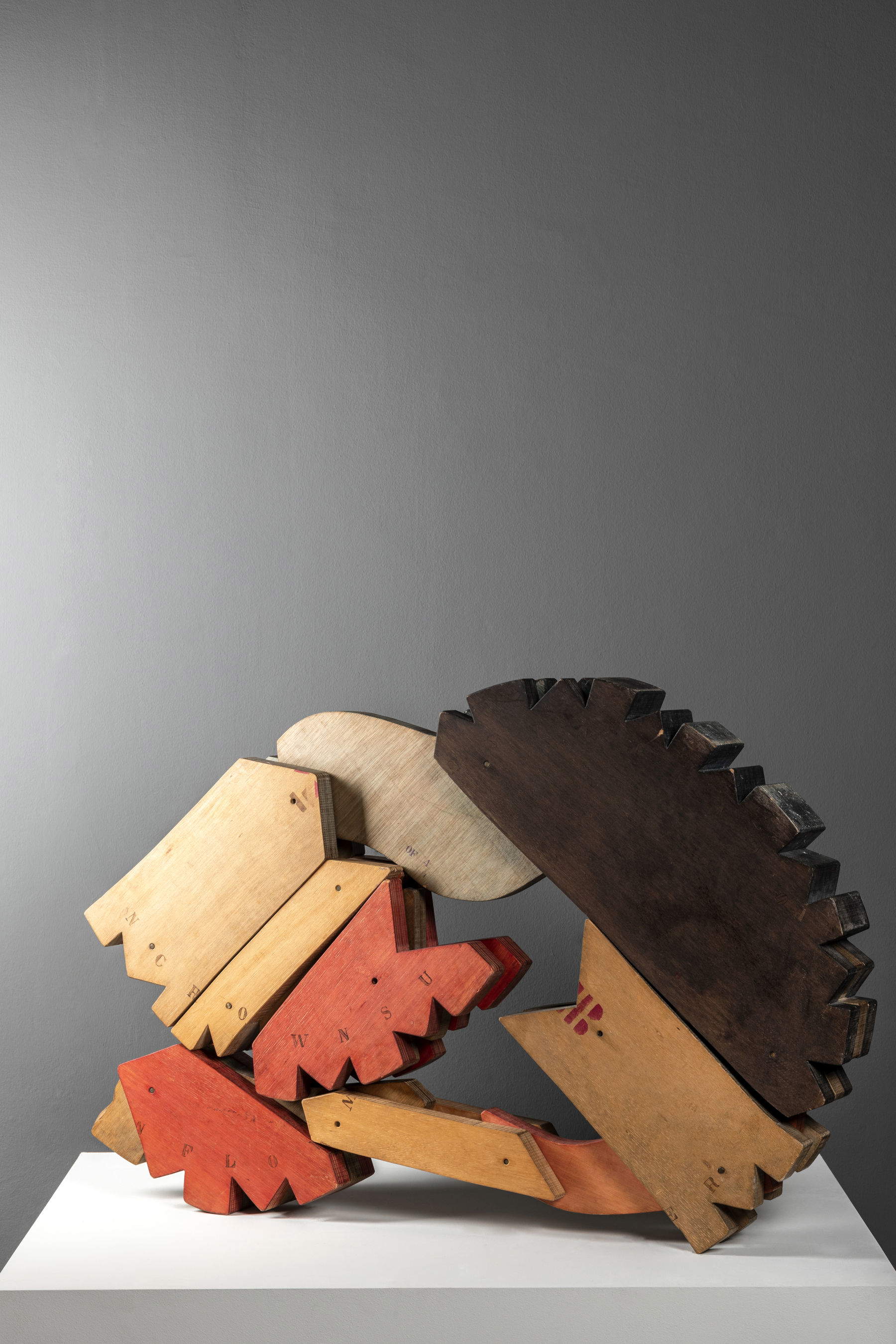
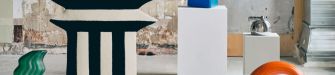
Design in the 1970s is described as a field of intense formal experimentation. The “Joe” armchair by the De Pas-D’Urbino-Lomazzi trio breaks with the conventions of traditional furniture. Industrial production finds expression in Mario Bellini’s Divisumma 18 for Olivetti and in Ettore Sottsass Jr.’s Valigia lamp. Alongside industrial design, research related to self-production and humble materials developed, as seen in the works of Enzo Mari and Mario Ceroli. Also noteworthy is the work of Gabriella Crespi, focused on high-end craftsmanship. The end of the decade saw the emergence of Studio Alchimia, founded in 1976 by Alessandro and Adriana Guerriero, and the early stages of the Memphis group.
The Gradisca d’Isonzo project is divided into several phases. “For a New Gallery” (June 27 – July 20) traces the origins of the “Luigi Spazzapan” Gallery through acquisitions and digitized archival materials. “New Models of Research” (July 23 – November 29) analyzes the region’s major artistic movements through works and documents organized by thematic clusters. Highlights include the presentation of Sergio Pausig’s donation (September 11 – October 11), accompanied by a series of meetings and conferences scheduled between September 2026 and January 2027. The series will conclude on January 15, 2027, on the occasion of the 50th anniversary of the Galleria Spazzapan, with a closing event in dialogue with the “Together” project. The overall initiative offers a reinterpretation of the 1970s as a period of redefinition of artistic languages and the relationships between cultural production and society, through an integrated system of exhibitions, archives, and public programs.
 |
| In Gorizia and Gradisca d’Isonzo, a look back at the 1970s: art, fashion, and design |

Warning: the translation into English of the original Italian article was created using automatic tools. We undertake to review all articles, but we do not guarantee the total absence of inaccuracies in the translation due to the program. You can find the original by clicking on the ITA button. If you find any mistake,please contact us.























 IT
IT FR
FR DE
DE ES
ES CN
CN


